Why visit Washington, D.C.
The best things to do in Washington, D.C. are concentrated around one long stretch of parkland. As the capital of the United States and the seat of its three branches of government, the city holds an unparalleled collection of free, public museums and most of the nation’s best-known monuments and memorials.
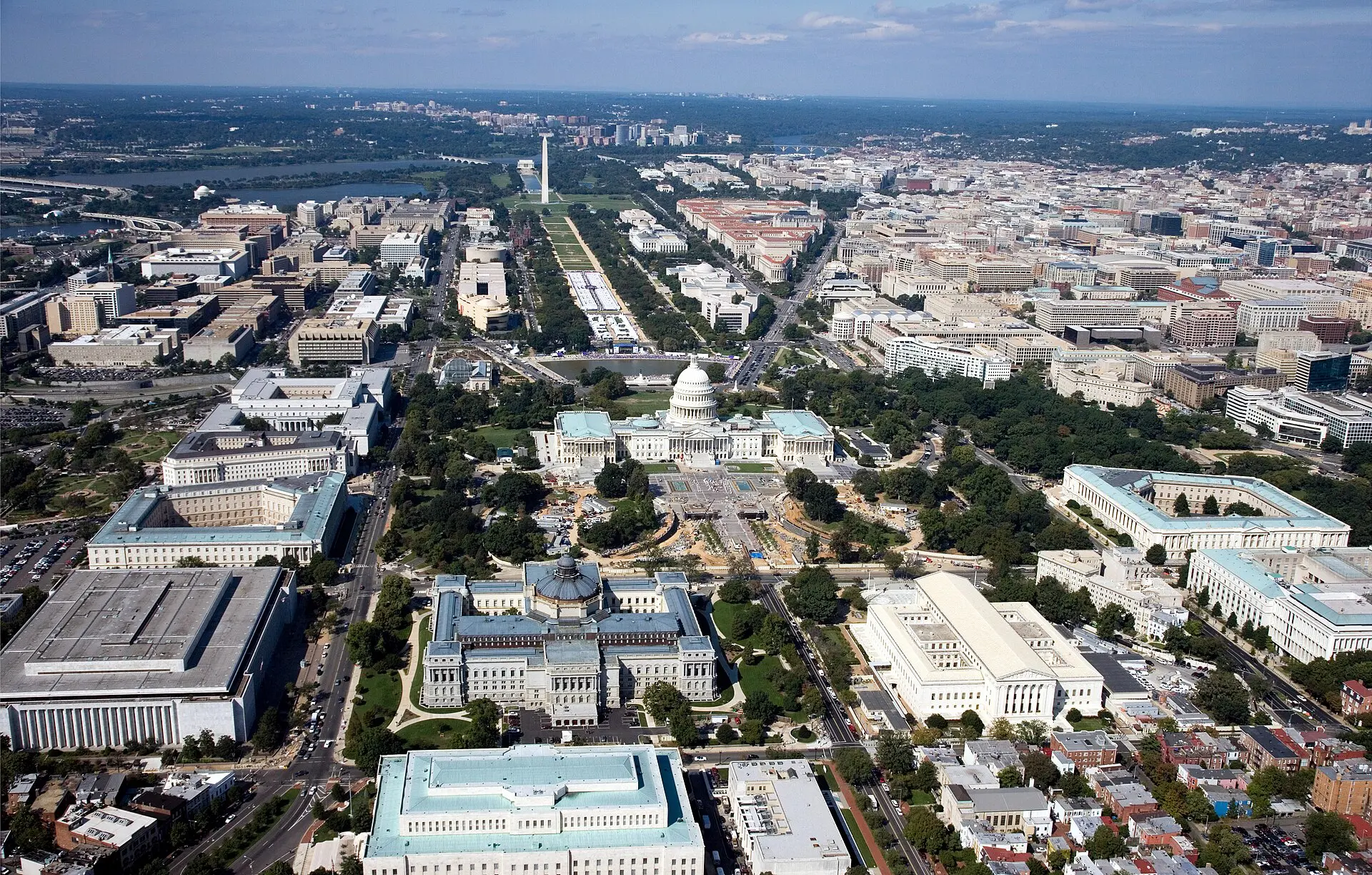
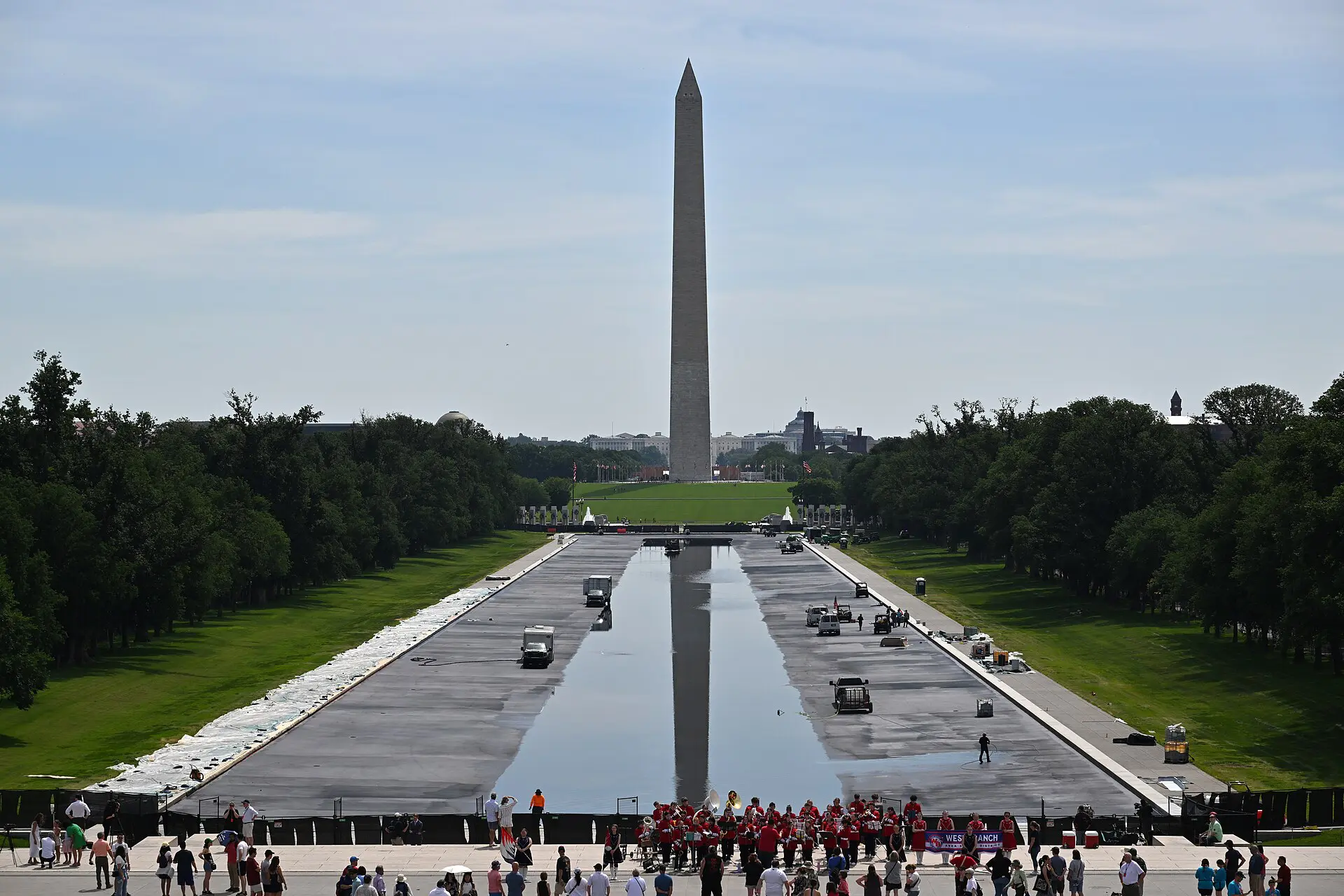
The views along the National Mall, between the Capitol, the Washington Monument, the White House and the Lincoln Memorial, are familiar around the world. Away from the Mall, D.C. is a cosmopolitan and international city, with shopping, dining and nightlife that match a major metropolis.
It rewards planning. Some attractions, such as the Capitol and certain museums, require advance passes or timed entry, and distances along the Mall are longer than they look. With a clear plan, you can see a great deal on foot and by Metro, and spend little on admission.
Top things to do in Washington, D.C.
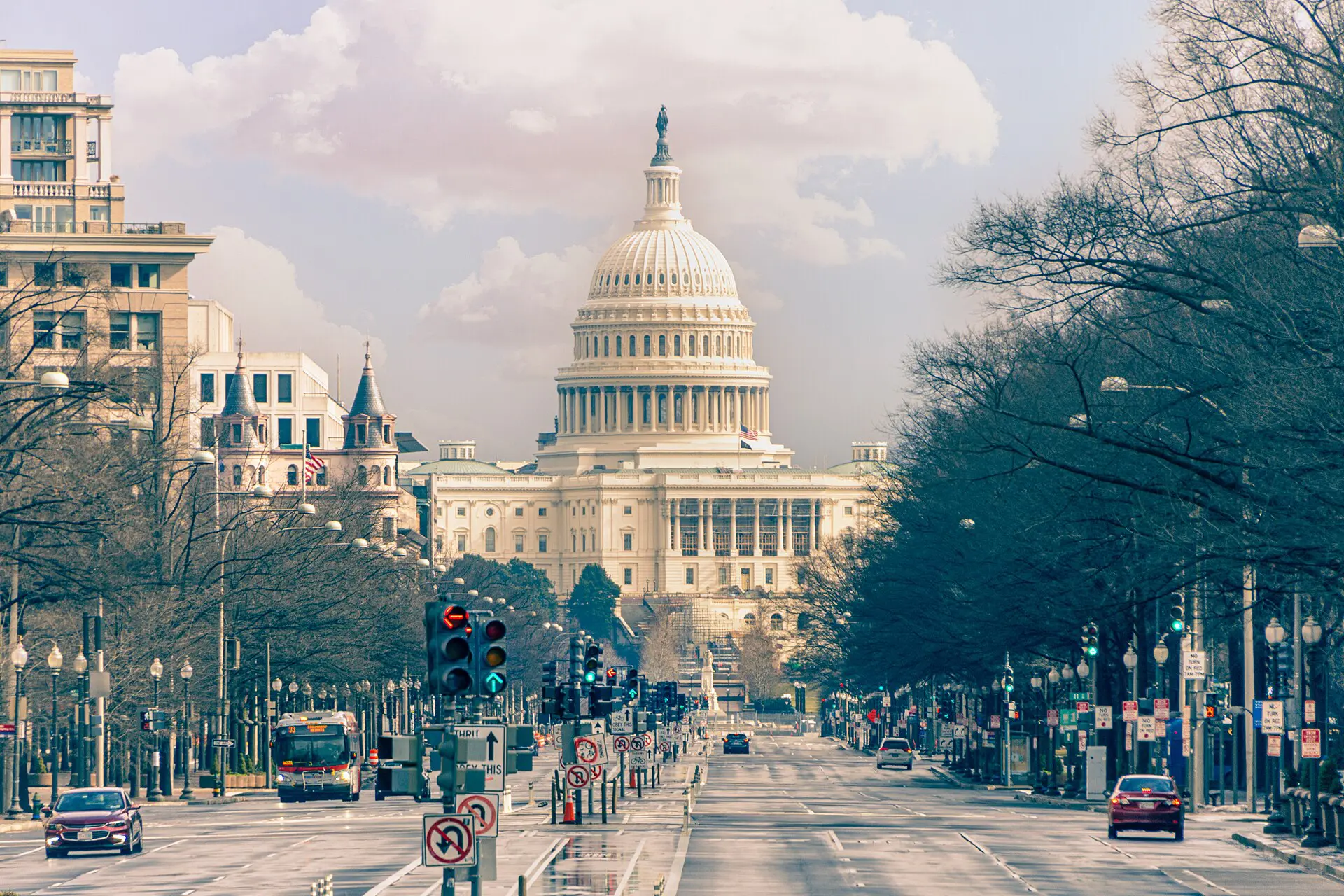
The National Mall
This two-mile stretch of parkland holds many of the city’s best-known sights. Walking its full length takes a few hours, with stops. Wear comfortable shoes, carry water, and consider seeing the monuments in the evening, when they are lit and often calmer.
Lincoln Memorial and the Reflecting Pool
The memorial sits at the western end of the Mall, overlooking the Reflecting Pool. It is open for long hours and free. Allow an hour. Nearby are the Vietnam Veterans and other memorials, which fit well into one walk.
Smithsonian museums
The Smithsonian institutions along the Mall include air and space, natural history and American history collections, and are generally free. Choose two or three rather than trying everything. Some need timed passes, so check each museum’s current rules before you go.
The U.S. Capitol
The Capitol is open for visitor tours, usually requiring advance booking through official channels. Allow around an hour to an hour and a half. Security screening applies, so arrive early and leave large bags behind.
The White House area
Tours of the White House require advance arrangements made well ahead, and are not always available. Without a tour, you can still see the exterior from the park nearby. Check official guidance, and allow a short stop on your walking route.
National Gallery of Art
This large art museum stands beside the Mall and has European and American collections. Admission has generally been free. Allow two to three hours and focus on specific wings to avoid fatigue.
Georgetown and the waterfront
Georgetown has historic streets, shops and restaurants near the Potomac River. It is a good place for an afternoon walk or dinner. The area has no Metro station, so plan on a bus, rideshare or a walk from a nearby station.
Best time to visit Washington, D.C.
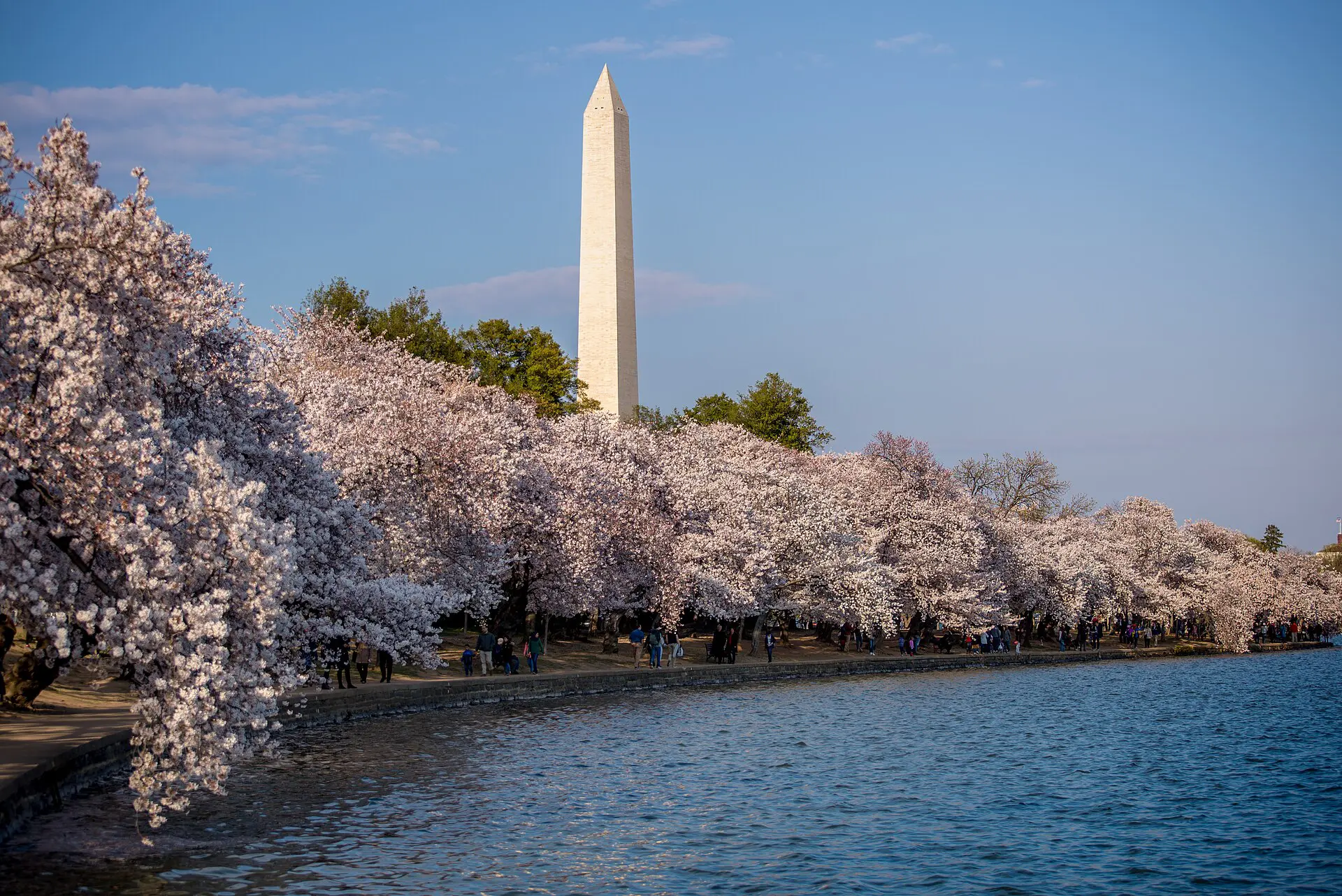
Washington has four distinct seasons. Summers are hot and humid, winters are cold and sometimes snowy, and spring and autumn tend to be the most comfortable for walking between sights. Spring brings cherry blossoms, which draw large crowds, with timing that varies from year to year.
| Season | Weather | Crowds and prices |
|---|---|---|
| Spring (Mar-May) | Mild, variable | Busy, especially at blossom time |
| Summer (Jun-Aug) | Hot and humid | Busy with school groups |
| Autumn (Sep-Nov) | Mild, often clear | Moderate, good value |
| Winter (Dec-Feb) | Cold, occasional snow | Quieter, lower hotel rates |
Aim for March to May or September to November for the most comfortable weather. Large events and political occasions can affect crowds and prices.
How to get to Washington, D.C. and around
Ronald Reagan Washington National Airport is the closest to downtown and connects to the Metro. Dulles International and Baltimore/Washington International are alternatives, with their own transit links. Amtrak trains arrive at Union Station, close to the Capitol, from cities along the Northeast Corridor. Check current options and fares.
The Metro rail system covers most visitor areas and is the simplest way to travel longer distances. Buses and ride-hailing fill the gaps. The Mall itself is best explored on foot, but distances between museums and memorials add up, so allow time. Driving is rarely useful in the centre because of limited and costly parking.
Where to stay in Washington, D.C.
Choose a base with Metro access, and compare current rates, which can rise during major events.
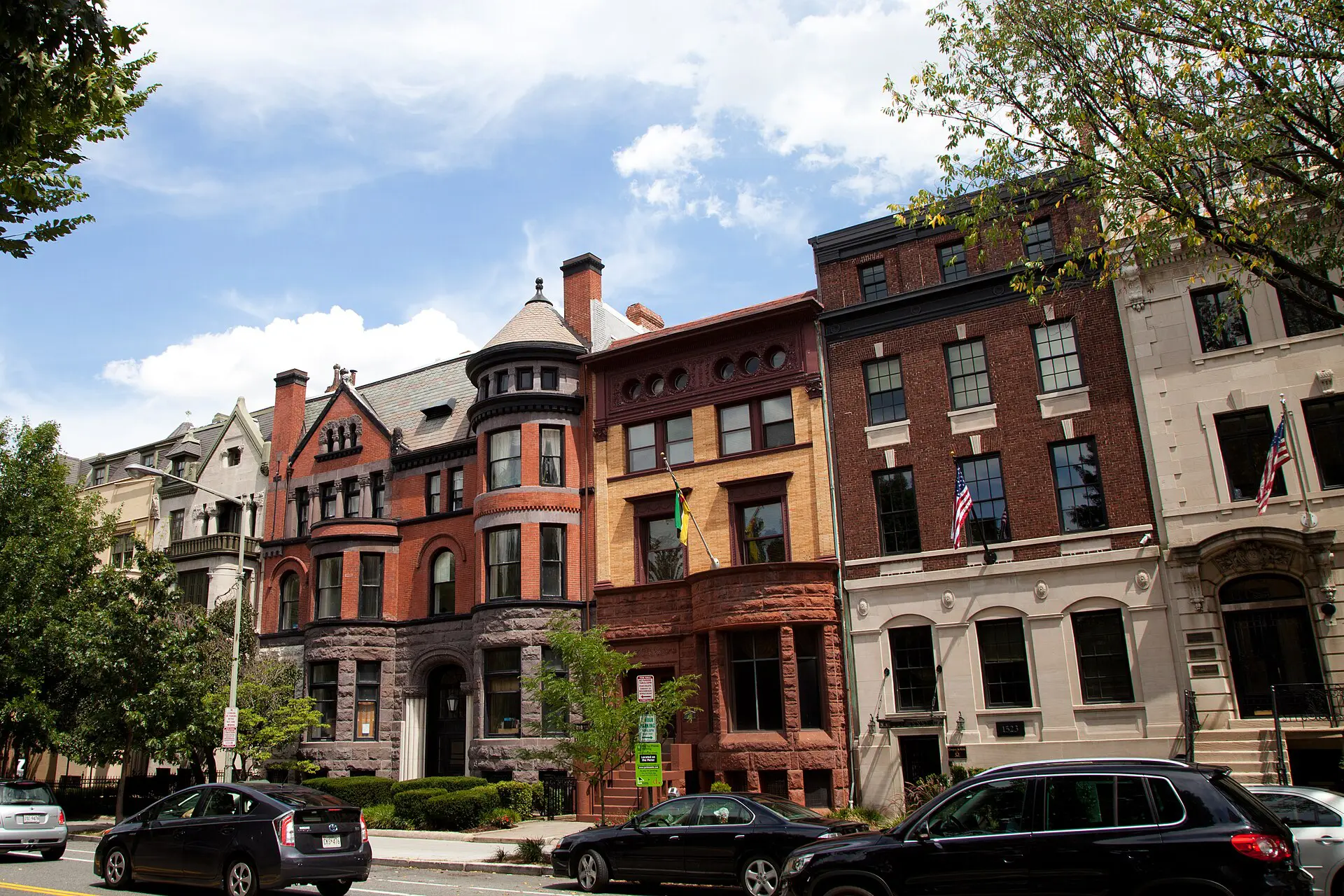
- Downtown and Penn Quarter: close to museums, theatres and restaurants, and well connected. Good for first-time visitors.
- Capitol Hill: residential and historic, near the Capitol and Union Station. Quieter, with local cafes.
- Dupont Circle and Foggy Bottom: lively, with restaurants and good transit, and walkable to the White House area.
- Georgetown: charming, with historic streets, though farther from the Metro and often pricier.
How many days do you need?
Three days is a good length for a first visit, giving time for the Mall, a few museums and some neighbourhoods. Two days covers the headlines, while four or five lets you add a day trip and slower museum visits. Because museums are free, you can dip in for an hour without waste.
- Day 1: National Mall walk, Lincoln Memorial, the Reflecting Pool and the Washington Monument.
- Day 2: Smithsonian museums in the morning, the National Gallery of Art, and a Capitol tour if booked.
- Day 3: Georgetown, the waterfront and an evening walk to see the monuments lit.
Day trips and nearby
Mount Vernon
George Washington’s estate lies on the Potomac, south of the city. You can reach it by car, tour or transit combinations. Allow half a day, and check current admission and any timed ticket rules.
Arlington National Cemetery
Just across the river, the cemetery is reachable by Metro. It holds the Tomb of the Unknown Soldier, where a changing of the guard takes place. Allow two to three hours and dress respectfully.
Annapolis
The Maryland capital is a historic waterfront town with a naval academy. It is about an hour away by road. It suits a relaxed day with a harbour walk.
Baltimore
This port city has an inner harbour, museums and food markets, and is reached by train or road in around an hour, depending on traffic. It works as an easy day trip.
FAQ
Q1When is the best time to visit Washington, D.C.?
March to May and September to November usually offer the most comfortable weather. Spring has cherry blossoms but bigger crowds, and timing varies yearly. Summers are hot and humid, while winters are cold and quieter, with lower hotel rates.
Q2How many days do you need in Washington, D.C.?
Three days works well for first-time visitors, covering the National Mall, a few Smithsonian museums and a neighbourhood or two. Two days gives a quick tour. Add extra time for a day trip or for visiting more museums at a relaxed pace.
Q3Are the museums in Washington, D.C. free?
Most Smithsonian museums and the National Gallery of Art have generally been free to enter, though some exhibitions or timed passes may apply. Check each museum's official site for current rules before you go, especially for popular attractions.
Q4Is Washington, D.C. expensive and safe for tourists?
Hotels can be costly, but free museums and monuments help reduce daily spending. The main visitor areas are generally fine with ordinary precautions. Stay aware at night in unfamiliar areas, and keep belongings secure on crowded transit.
Prices, schedules and entry rules change. Check current details with official sources before you travel. Read the United States travel guide.