Why visit New York City
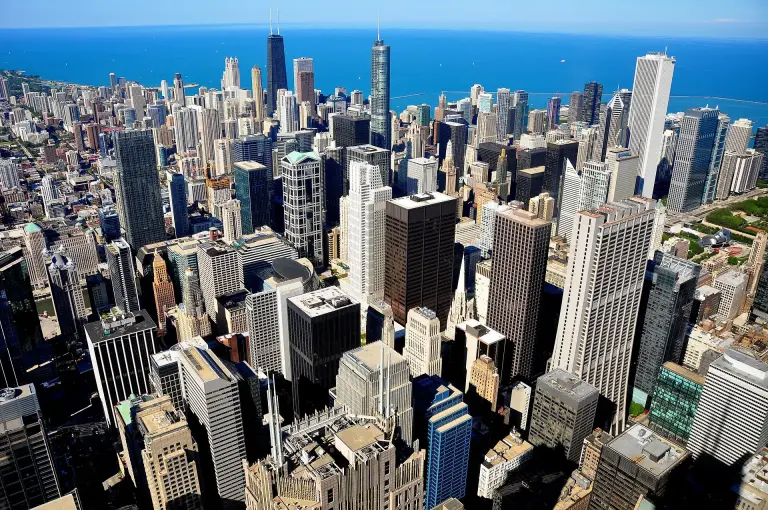
People searching for things to do in New York City usually find that the problem is not too little but too much. New York is the most populous city in the United States, spread across five boroughs: Manhattan, Brooklyn, Queens, the Bronx and Staten Island, on one of the world’s largest natural harbours.
That scale is the draw. In a few days you can see the Statue of Liberty, walk Central Park, browse world-class art, eat food from dozens of countries and cross the East River on foot. The skyline is one of the most recognisable on earth.
The city rewards both planning and wandering. Book the big timed attractions ahead, then leave space to explore neighbourhoods on foot. It is fast, crowded and expensive, but it is also easier to navigate than its reputation suggests, thanks to a dense subway system and a mostly straightforward street grid in Manhattan.
Top things to do in New York City
Statue of Liberty and Ellis Island
Ferries leave from Battery Park in Manhattan, and tickets for the crown or pedestal need advance booking. Plan half a day for the boat, the statue and Ellis Island’s immigration museum. Go early to avoid the longest queues, and allow time for security screening before boarding.
Central Park
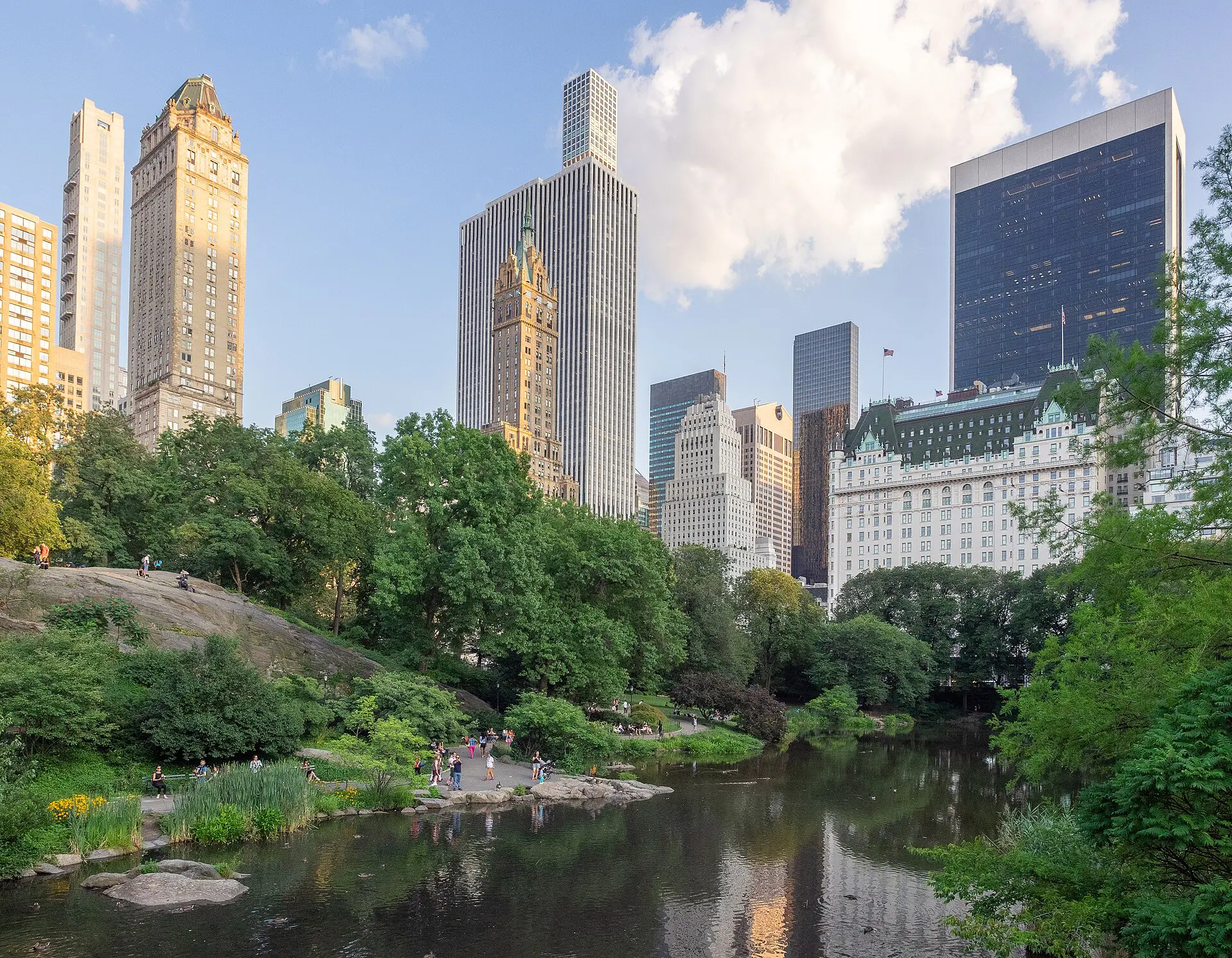
This large park runs through the middle of Manhattan, with lawns, lakes, bridges and landmarks such as Bethesda Terrace. Plan two to three hours to walk the southern half. Rent a bike or take a leisurely loop, and use the park entrances rather than the busy avenue sides.
Empire State Building and observation decks
Several observation decks offer skyline views, and the Empire State Building is the classic choice. Allow 90 minutes. Book a timed ticket online, and pick clear weather or sunset for the best view. Prices vary, so compare options before buying.
Metropolitan Museum of Art and other museums
The Met is huge, so choose a few wings rather than the whole building and allow three hours. The Museum of Modern Art, the American Museum of Natural History and others offer alternatives. Check current admission rules, as pricing and hours change.
Brooklyn Bridge and Brooklyn
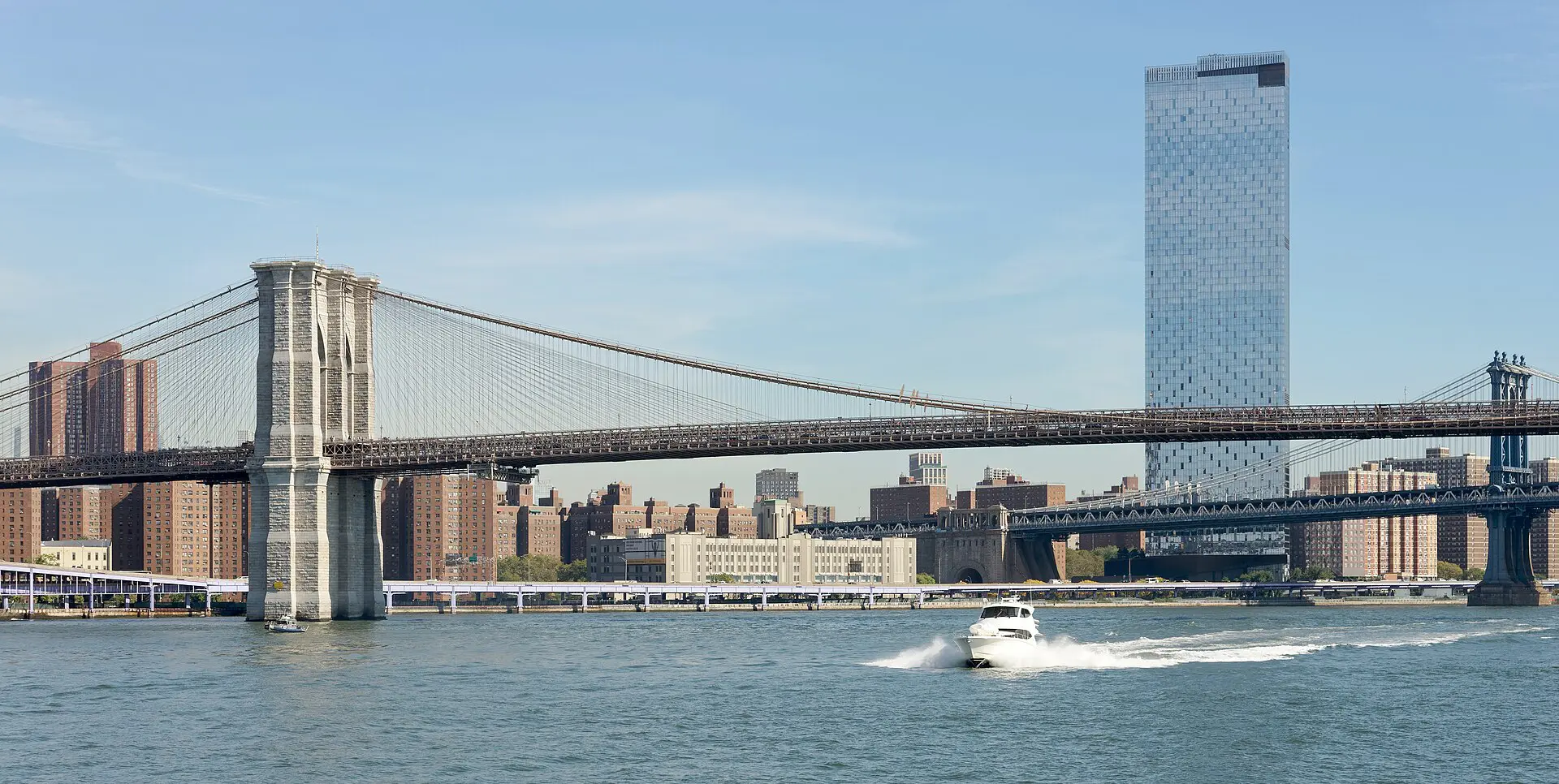
Walk the Brooklyn Bridge from Manhattan toward Brooklyn, which takes around 30 to 45 minutes, then explore Dumbo and Brooklyn Bridge Park. Go early or late in the day to avoid crowds on the pedestrian path, and mind the cyclists.
Times Square and Broadway
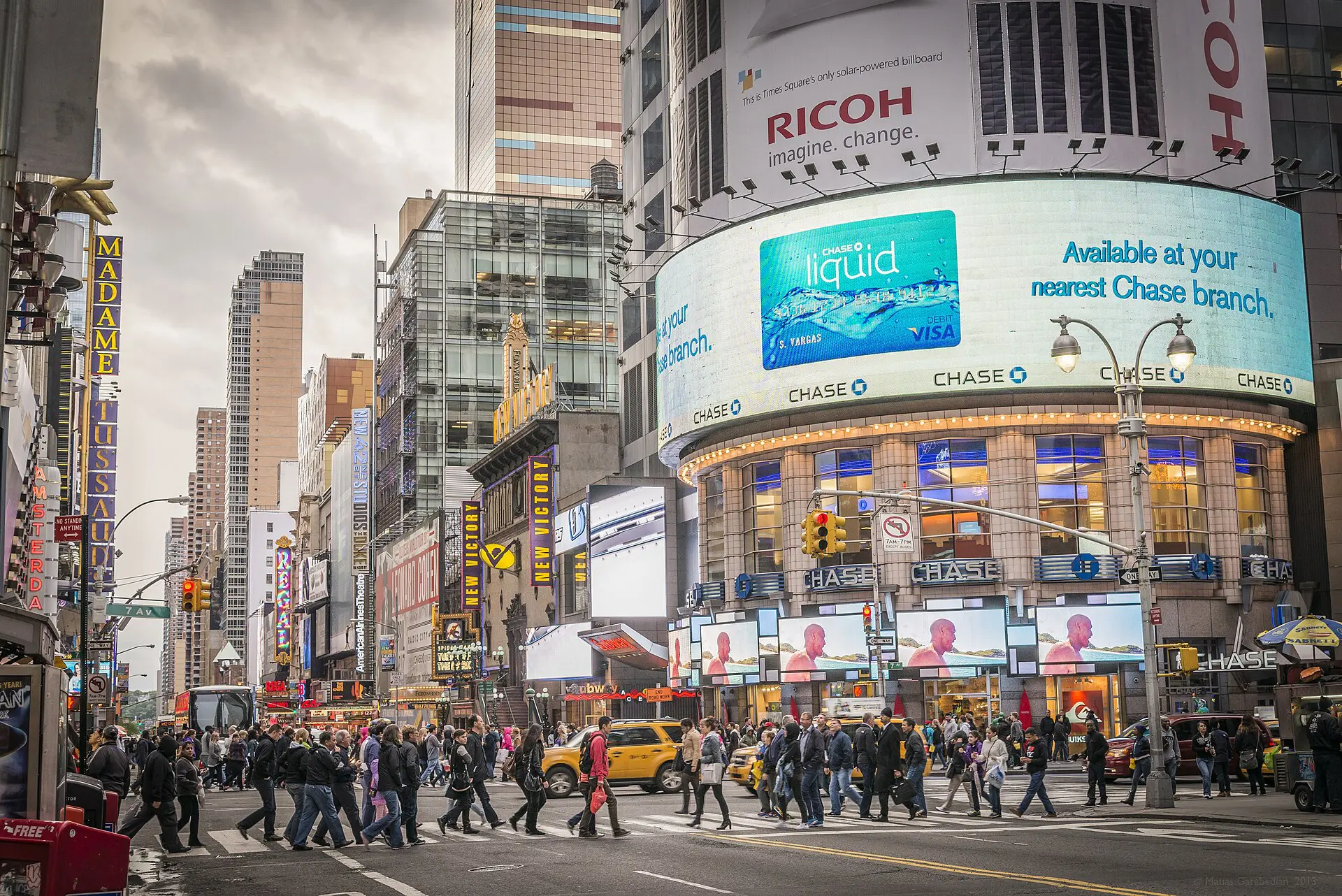
Times Square is loud, bright and busy, so it works as a short stop of 20 to 30 minutes. For a Broadway show, buy tickets from official sellers and book ahead for popular productions. Same-day discount options may exist, but availability varies.
High Line and Chelsea
This elevated park runs along a former rail line on Manhattan’s west side. Allow about an hour for a walk, and combine it with Chelsea Market or the Hudson Yards area. Weekend afternoons are busiest, so visit on a weekday if possible.
Best time to visit New York City
New York has four distinct seasons. Spring (April to June) and autumn (September to early November) are generally the most pleasant, with mild temperatures for walking and parks in colour. They are also busy, and hotel prices rise accordingly.
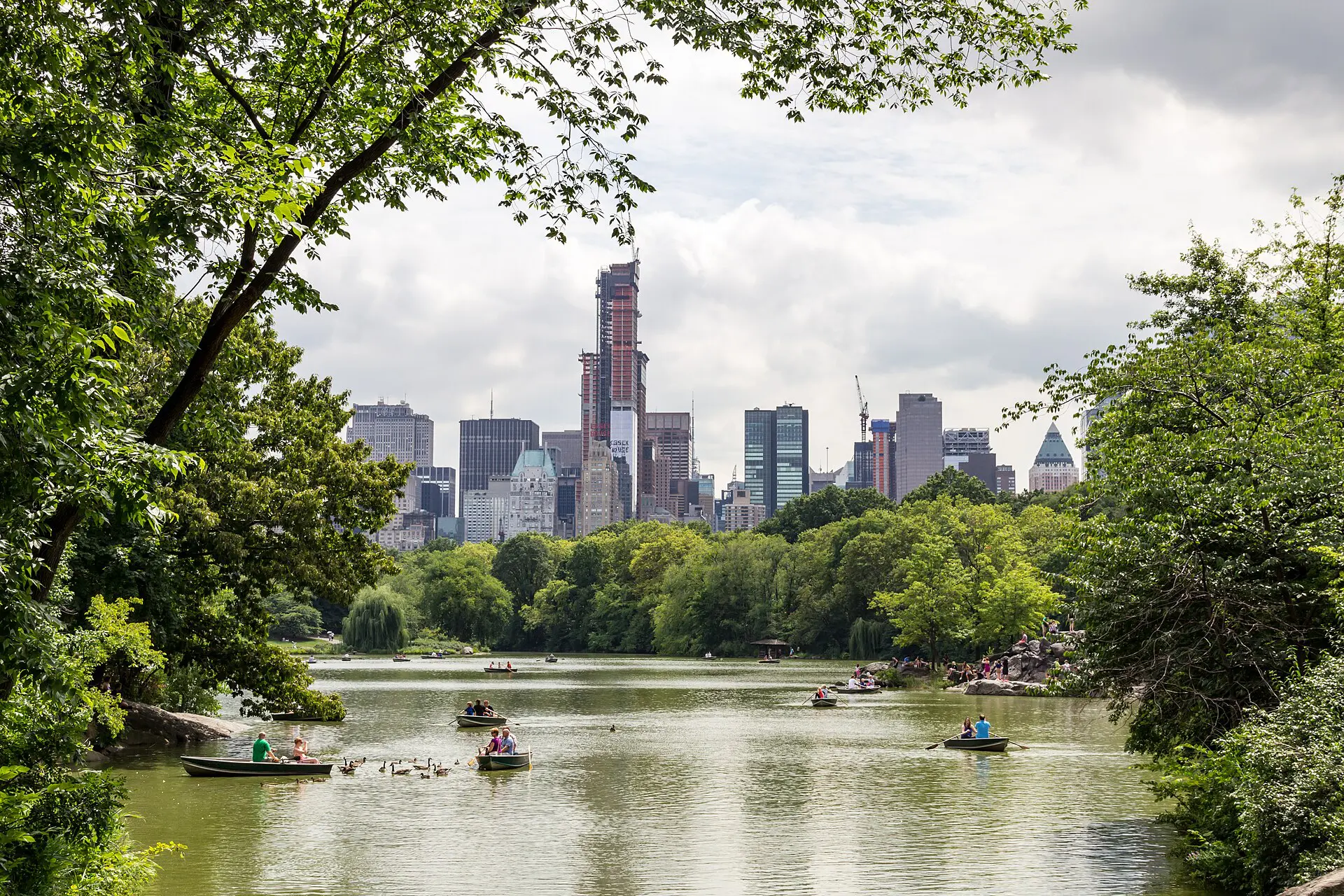
Summer is hot and humid, often with temperatures in the 30s C, and the subway can feel stifling, but outdoor events, ferries and rooftop bars are at their best. Winter is cold and can bring snow. It also brings holiday displays, ice skating and sharply higher hotel prices in December, while January and February are among the quieter and cheaper months. Pack layers and comfortable shoes whatever the season.
| Season | Weather | Crowds and prices |
|---|---|---|
| Spring (Apr to Jun) | Mild, some rain | Busy, higher prices |
| Summer (Jul to Aug) | Hot and humid | Busy, mixed prices |
| Autumn (Sep to early Nov) | Mild and crisp | Busy, higher prices |
| Winter (Dec to Mar) | Cold, possible snow | Peak in December, cheaper later |
How to get to New York City and around
Three main airports serve the city: John F. Kennedy International (JFK) and LaGuardia (LGA) in Queens, and Newark Liberty (EWR) in New Jersey. Each connects to Manhattan by subway, rail, bus or taxi, and journey times vary with traffic, so allow generous time on departure days. Amtrak trains arrive at Penn Station, and regional rail also uses Grand Central Terminal.

Once in the city, the subway is the quickest and cheapest way to move between boroughs and runs around the clock, though service changes happen often, so check the current map before you travel. Buses, ferries and taxis fill the gaps, and ride-hailing apps are widely used.
Manhattan is very walkable, with avenues running north to south and numbered streets east to west. A contactless card or phone can usually be tapped at subway gates, which saves you buying a separate fare card.
Where to stay in New York City
Hotel prices in New York are high, so where you stay is a trade-off between convenience, cost and atmosphere. Subway access matters more than the exact neighbourhood.
Midtown is the most central base, close to Times Square, Broadway, Grand Central and major sights. It suits first-time visitors with short stays, though it is busy and expensive.
Lower Manhattan offers a quieter evening feel, easy access to the Statue of Liberty ferry and the 9/11 memorial area, and a mix of older and newer hotels.
Brooklyn and Queens often offer lower rates and a neighbourhood feel, with a subway ride into Manhattan. They suit budget-minded travellers and anyone returning for a longer stay.
The Upper West and East Sides are calmer residential areas near Central Park and museums, a good match for families.
How many days do you need?
Four to five days lets you see the major Manhattan landmarks, visit a museum or two and spend time in Brooklyn at a reasonable pace. Three days is enough for a focused first visit, while a week allows for the Bronx, Queens, Staten Island and slower neighbourhood days.
- Day 1: Statue of Liberty and Ellis Island, then Lower Manhattan, and the Brooklyn Bridge at sunset.
- Day 2: Central Park, the Metropolitan Museum of Art and an evening in Midtown with Times Square or a Broadway show.
- Day 3: Observation deck in the morning, the High Line, Chelsea Market and a food-focused afternoon in the Village or Brooklyn.
Add days for Queens, the Bronx or a beach day at Coney Island in summer.
Day trips and nearby
Boston
Boston is a few hours away by train or bus, with history, universities and a walkable centre. It works as a day trip if you start early, though an overnight makes it more relaxing. Check Amtrak and bus schedules before you commit.
Philadelphia
Philadelphia is roughly an hour and a half to two hours by train, home to Independence Hall and the Liberty Bell. A day is enough for the historic district and a cheesesteak lunch, though timed-entry tickets may apply.
Washington, DC
Washington is about three hours by train and offers free national museums and major monuments. It is a long day trip, so many visitors prefer an overnight stay and an early start.
The Hudson Valley and Long Island beaches
Regional trains reach Hudson Valley towns, and Long Island has beaches in summer. Both suit relaxed day trips from the city. Check train schedules and weekend crowds, and bring cash or a card for beach parking and fees.
FAQ
Q1When is the best time to visit New York City?
April to June and September to early November are usually the most comfortable, with mild weather for walking. Summer is hot and humid, while winter is cold with holiday events. Expect higher hotel prices in spring, autumn and December, with quieter periods in January and February.
Q2How many days do you need in New York City?
Four to five days covers the main Manhattan sights, a museum and a day in Brooklyn at a reasonable pace. Three days works for a quick first visit, while a week lets you explore other boroughs and neighbourhoods in more depth.
Q3How do you get to New York City?
Most visitors arrive via JFK, LaGuardia or Newark airports, all connected to Manhattan by rail, bus or taxi. Amtrak and regional trains reach Penn Station, and long-distance buses arrive in Midtown. Check current transfer options and allow extra time for traffic.
Q4Is New York City safe and expensive?
Most visitor areas are busy and generally considered safe, but use normal big-city caution with belongings and late-night transit. New York is expensive, especially hotels. Costs rise further in peak seasons, so book early and compare neighbourhoods outside Midtown for better value.
Prices, schedules and entry rules change. Check current details with official sources before you travel. Read the United States travel guide.