Why visit Los Angeles
If you are searching for things to do in Los Angeles, the first thing to know is that the city is a collection of areas rather than one centre. It is a major hub of culture, business, media and international trade, and best known as a global centre for television, film and music. That industry gives the city its show business history and celebrity culture, which still draws many visitors.
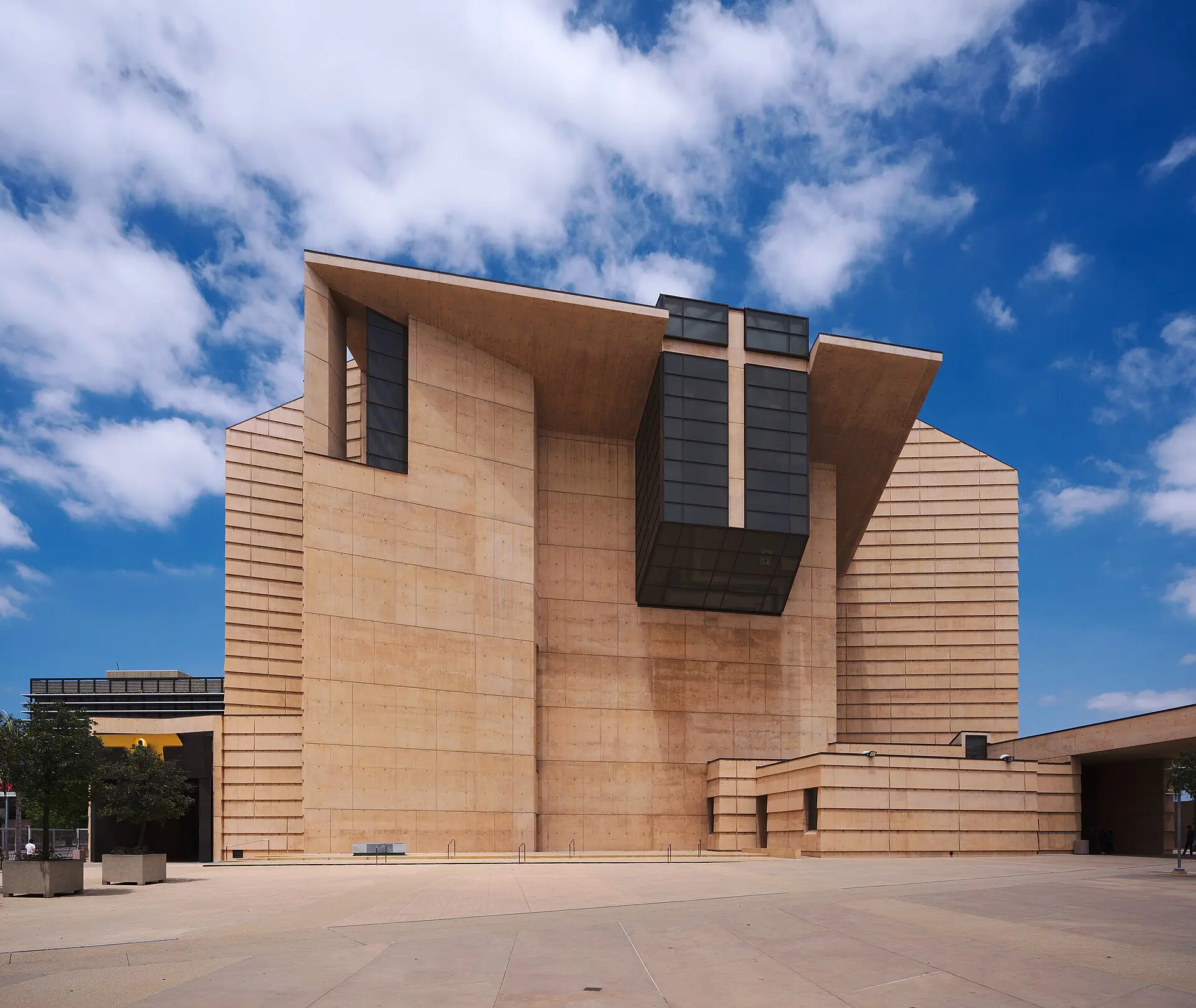
The region also offers a Mediterranean climate and numerous beaches, which helped shape California’s beach and surf culture. You can spend a morning at a museum or studio, an afternoon on the sand and an evening in a neighbourhood known for its food.
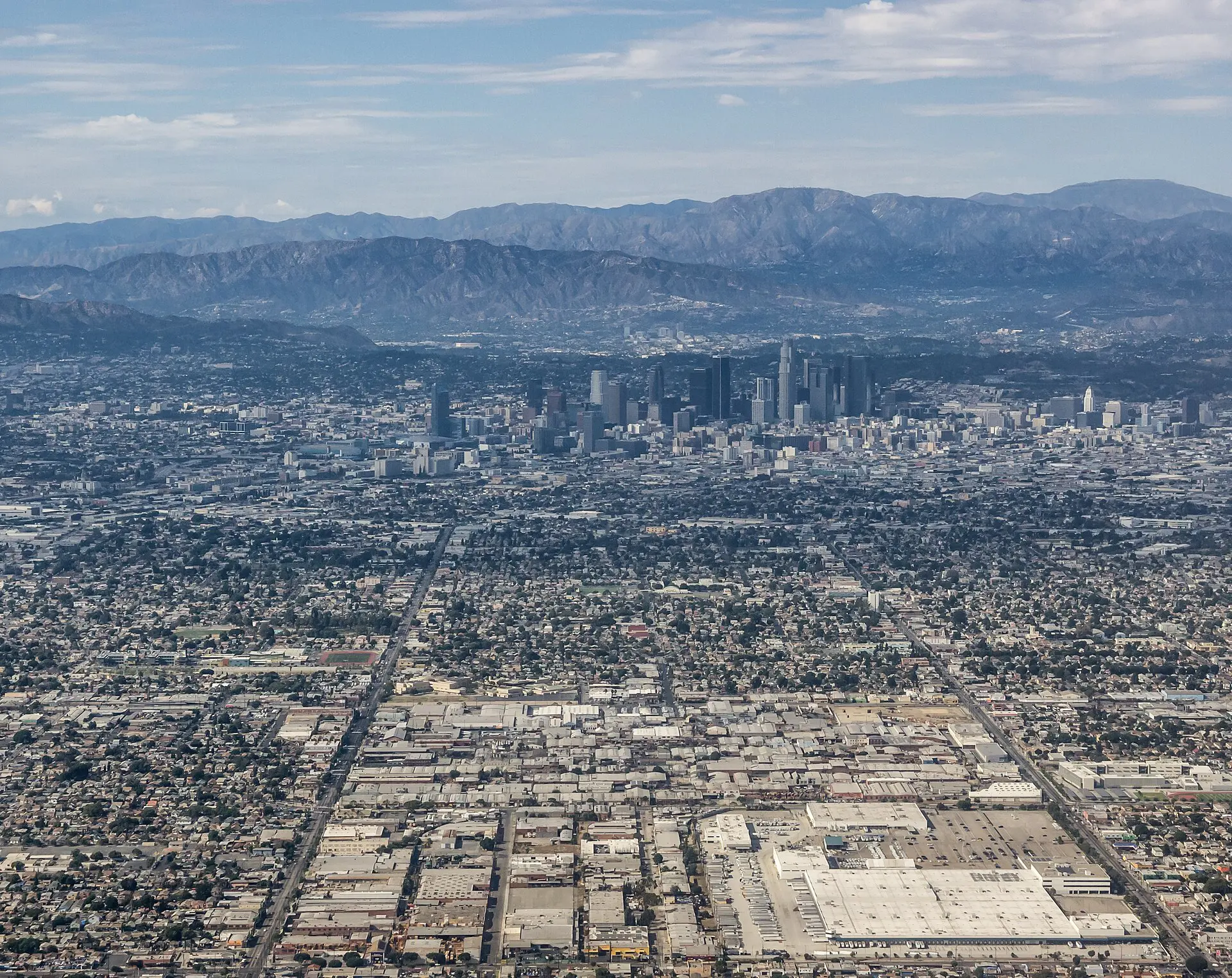
The challenge is distance. Sights are scattered across a large basin, and traffic can be heavy. Choose two or three areas per day, avoid rush hours where possible, and decide early whether you will rely on a car, ride-hailing or the limited rail network.
Top things to do in Los Angeles
Hollywood and the Walk of Fame
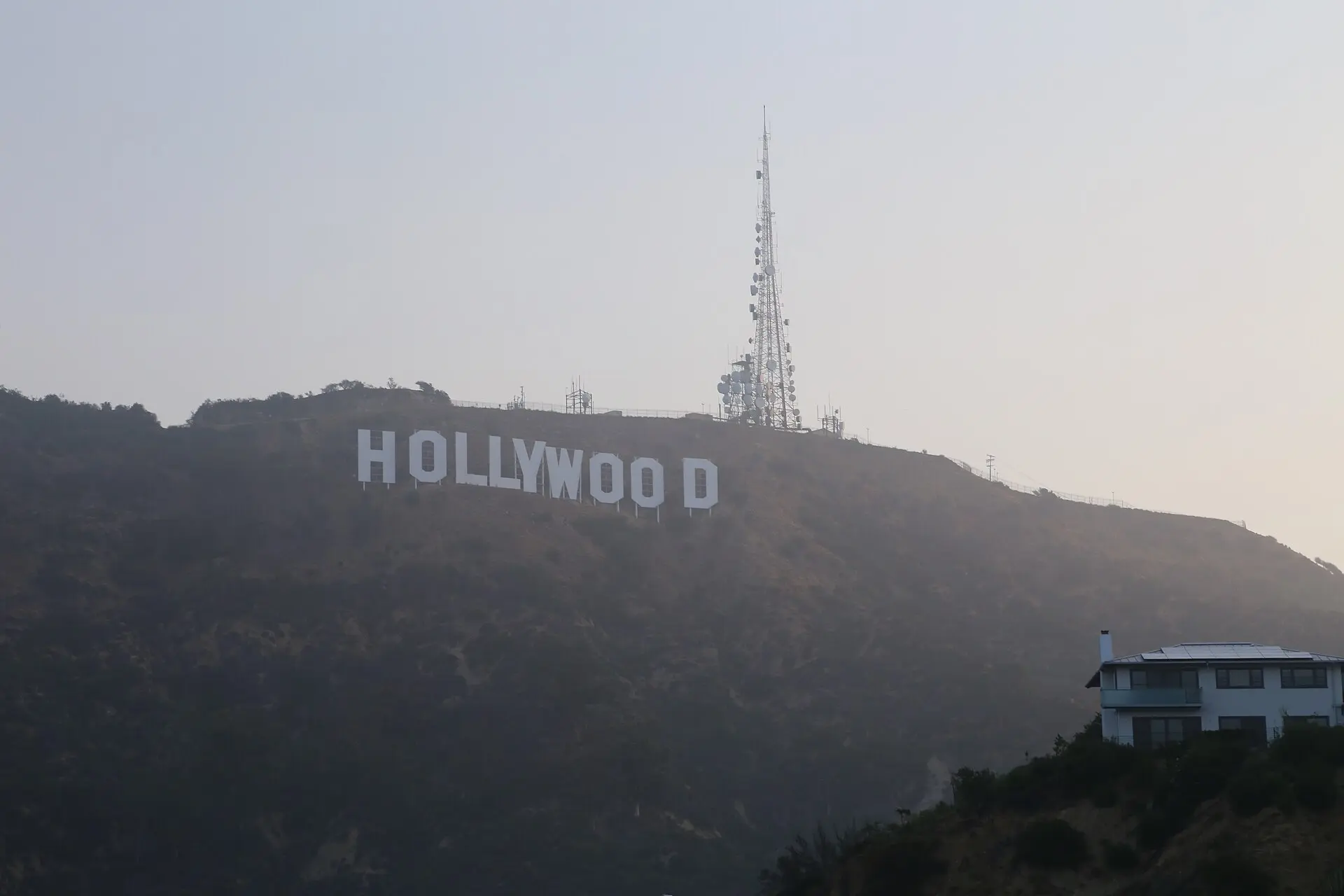
The stars along Hollywood Boulevard and the TCL Chinese Theatre forecourt are an easy stop, though the area is crowded and somewhat worn. Allow one to two hours. For the Hollywood Sign, use a viewpoint or hiking route, and check current access rules.
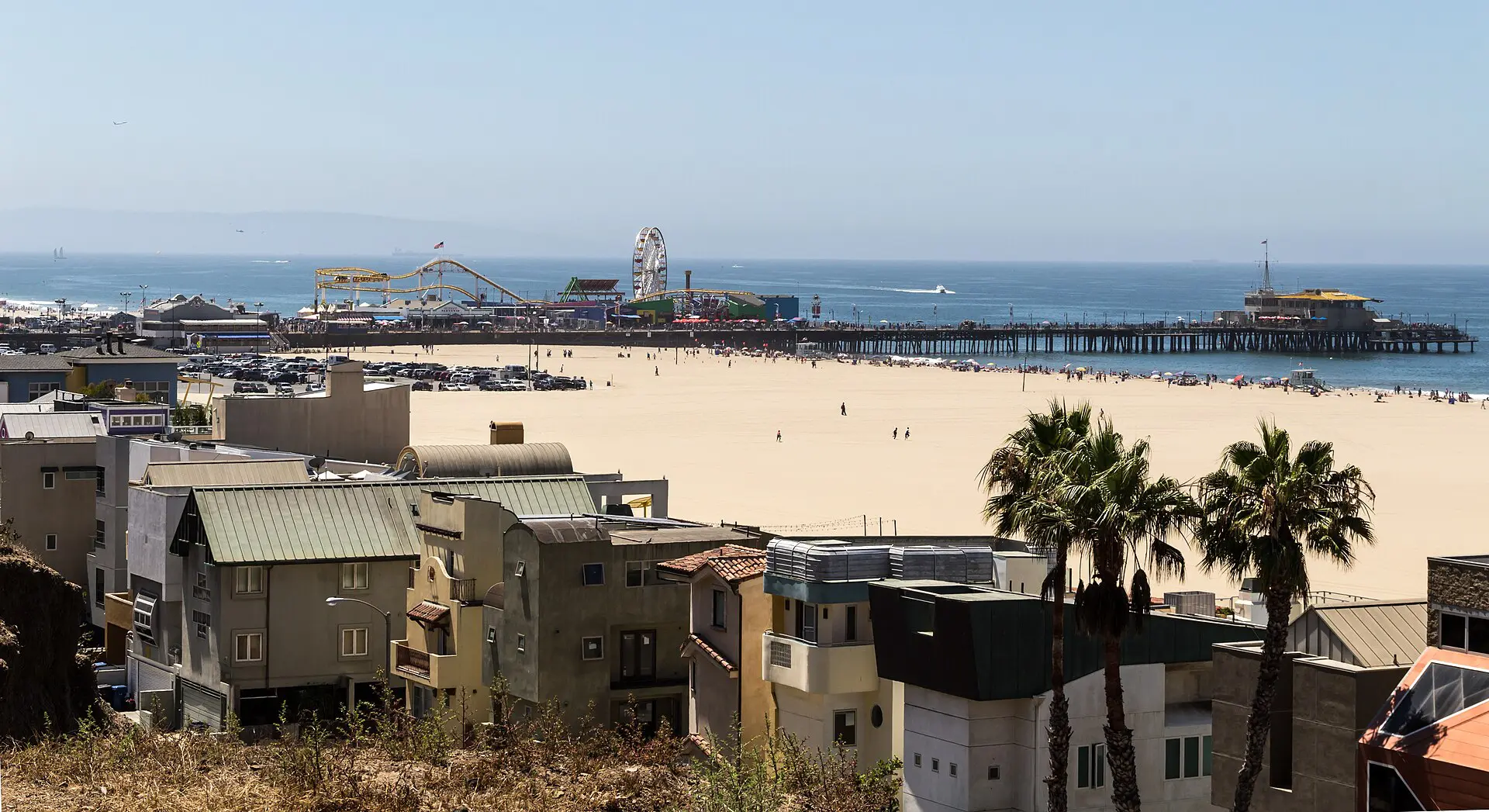
Santa Monica Pier and the beaches
The pier, with its amusement rides and seafront, is a classic stop, and the broad beaches stretch along the coast. Plan a half day. Venice Beach, to the south, offers a boardwalk and street life. Weekends in summer are crowded, so arrive early.
Griffith Observatory and Griffith Park
The observatory sits in the hills with views of the city and the Hollywood Sign. Entry to the building has generally been free, though parking can be tight. Allow two to three hours, and visit near sunset for the best light.
The Getty Center
This hilltop museum is known for its art collection, architecture and gardens, and for views across the city. Entry has generally been free, with a fee for parking. Allow three hours, and reserve a time slot if required.
Studio tours
Several film and television studios offer tours, with backlots and sets. These range from half a day to a full day, and ticket prices vary. Book ahead for popular periods, and compare options to see which suits your interests.
Downtown Los Angeles
The downtown area has museums, Union Station, the Grand Central Market food hall and a growing cultural scene. Allow half a day. Use Metro rail or ride-hailing to reach it, and keep belongings secure in crowded places.
Museums on Museum Row
Museum Row along Wilshire Boulevard groups several well-known museums, including art and natural history options. Choose one or two rather than trying them all. Check which days they open, as schedules vary.
Best time to visit Los Angeles
Los Angeles has a mild, sunny climate for much of the year, with dry summers and a wetter, cooler winter. Coastal areas can be overcast in late spring and early summer, a pattern often called May Gray and June Gloom. Inland areas, such as the San Fernando Valley, get hotter in summer.
| Season | Weather | Crowds and prices |
|---|---|---|
| Spring (Mar-May) | Mild, mostly sunny | Moderate, rising by May |
| Summer (Jun-Aug) | Warm to hot inland, cooler by the coast | Busiest, higher prices |
| Autumn (Sep-Nov) | Warm, often clear | Moderate, easing late in the season |
| Winter (Dec-Feb) | Cool, occasional rain | Quieter, lower hotel rates |
March to June and September to November offer a good balance of weather and crowds. Large events and holidays can raise prices, so check dates before booking.
How to get to Los Angeles and around
Most visitors arrive at Los Angeles International Airport (LAX), on the west side. Other airports, including Burbank and Long Beach, can be easier for some itineraries. Amtrak trains also serve Union Station downtown. Check current routes and fares.
The city is built around the car, and driving gives the most flexibility, though traffic can be heavy and parking costs add up. Ride-hailing is widely used. Metro operates rail and bus lines, and the rail network links downtown with places such as Santa Monica and Hollywood. It does not reach every sight, so plan accordingly. Group activities by area to reduce travel time, and avoid the busiest rush-hour periods when you can.
Where to stay in Los Angeles
The best area depends on what you plan to do. Compare current rates, and consider travel time from each base.
- Santa Monica and Venice: beach-focused, relaxed and walkable in parts. Good for visitors who want coast time, though prices can be high.
- Hollywood and West Hollywood: central for nightlife, dining and film history. Handy for sights in the hills, but busy.
- Downtown Los Angeles: useful for rail connections, museums and food halls, with a mix of business and boutique stays.
- Beverly Hills and the Westside: upscale, quieter and close to shopping and the Getty Center, though costly.
How many days do you need?
Four days is a comfortable length for a first trip, with each day focused on one or two areas. Three days covers a tight highlights trip, and a week lets you add studio tours, hikes and slower beach time. Remember that crossing the city can take an hour or more in traffic.
- Day 1: Hollywood, Griffith Observatory and a sunset view over the city.
- Day 2: Santa Monica Pier, the beach and Venice Beach, with dinner on the coast.
- Day 3: The Getty Center, then Museum Row or Beverly Hills.
Day trips and nearby
San Diego
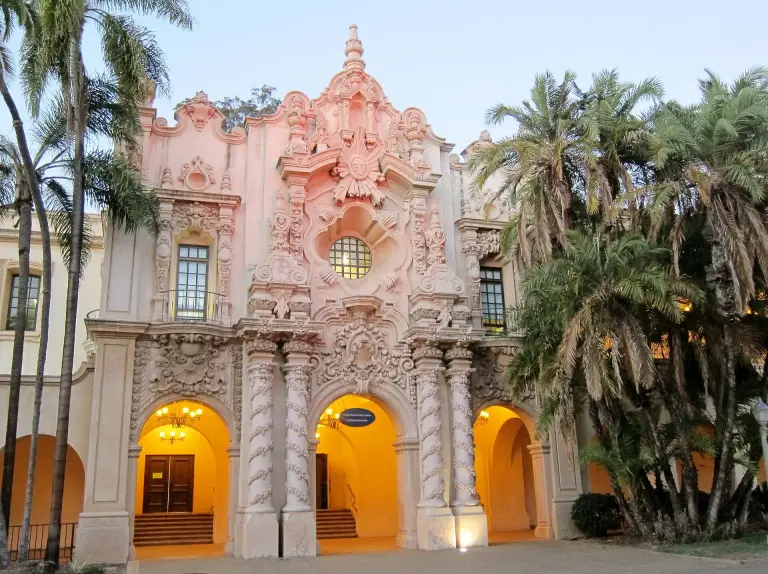
The coastal city lies roughly two hours south by car in light traffic, with beaches, Balboa Park and a relaxed pace. It works as a long day trip, though an overnight stay is easier. Trains also run along the coast.
Santa Barbara
This coastal city to the north has a historic mission, beaches and a walkable downtown. Allow roughly one and a half to two hours each way. Weekends are busier, and traffic can lengthen the journey.
Joshua Tree National Park
The desert park lies inland, about two to three hours by car. Expect rock formations and hiking. Bring water, and check summer heat before planning a day trip.
Las Vegas
A longer journey, usually about four hours or more by road, or a short flight. It is better as a separate trip, but it is a common extension for visitors who have time.
FAQ
Q1When is the best time to visit Los Angeles?
March to June and September to November usually bring pleasant weather and moderate crowds. Coastal areas can be overcast in late spring and early summer. Summer is busiest and hotter inland. Winter is cooler, with occasional rain and lower prices.
Q2How many days do you need in Los Angeles?
Four days suits most first-time visitors, allowing one or two areas per day. Three days works for a focused highlights trip. Because distances are large and traffic is heavy, avoid packing in too many sights across different parts of the city.
Q3Do you need a car in Los Angeles?
A car gives the most flexibility, since sights are spread out, but parking and traffic add cost and stress. Ride-hailing and the Metro rail network can work if you stay in one area or group sights carefully. Plan around your itinerary.
Q4Is Los Angeles safe and expensive?
Most visitor areas are fine with ordinary precautions: do not leave valuables visible in cars, and be careful in unfamiliar areas at night. Los Angeles can be costly, mainly for lodging, parking and dining. Free beaches and viewpoints help keep costs down.
Prices, schedules and entry rules change. Check current details with official sources before you travel. Read the United States travel guide.