Why visit Honolulu
The reason most people look up things to do in Honolulu is simple: it is the capital of Hawaii and the main gateway to Oahu, with a long city beach, a volcanic crater walk and one of the best-known historic sites in the Pacific all within a short ride of each other. About two-thirds of the state’s population lives in the Honolulu area, so you get a proper city, not just a resort strip.
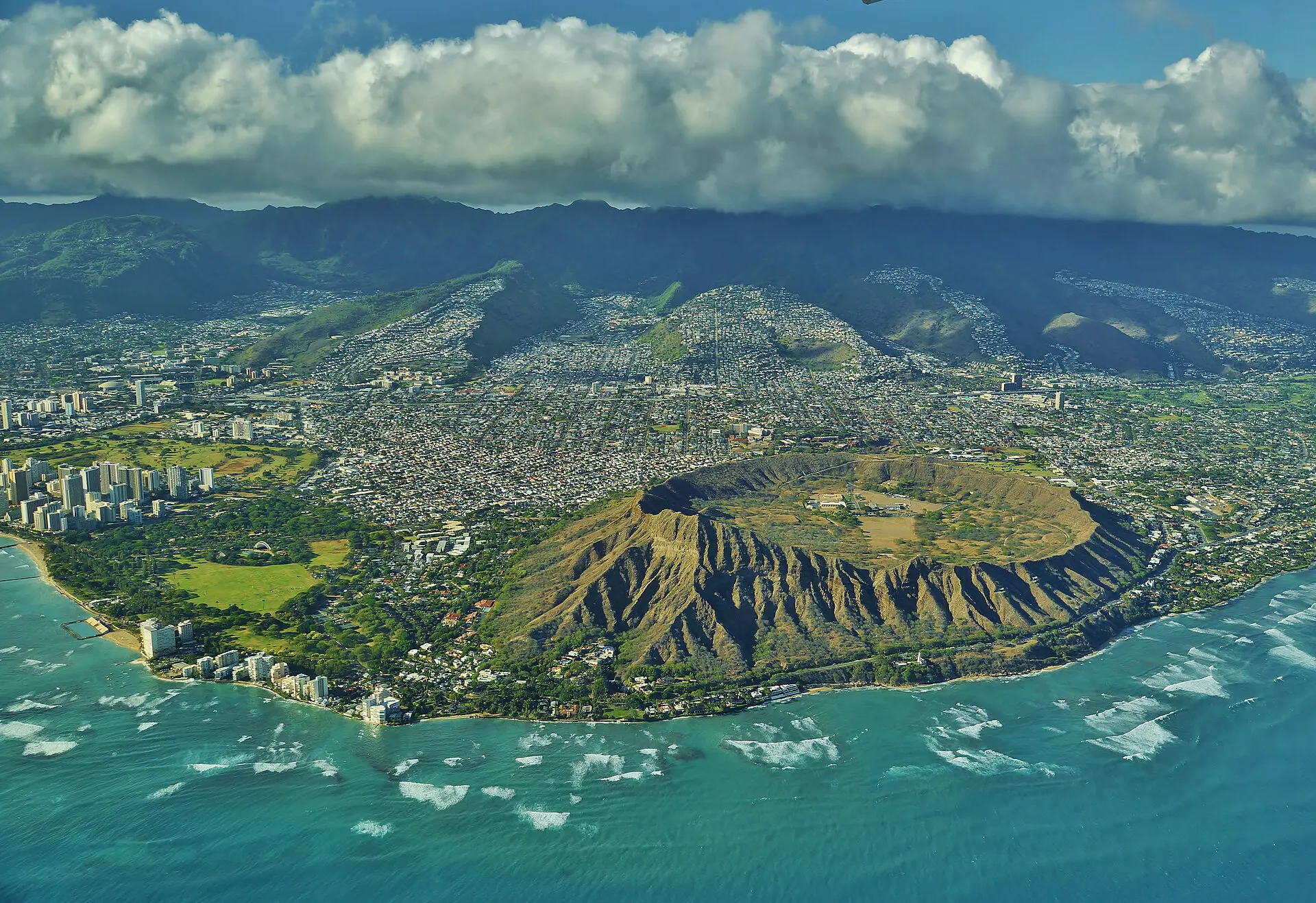
Waikiki is the obvious draw, with gentle surf for beginners and a busy strip of hotels and restaurants. Beyond it, the city offers museums, the former royal palace, Chinatown’s markets and a food culture that blends Native Hawaiian, Japanese, Filipino, Chinese, Portuguese and mainland American influences.
It is also a practical base. Buses, rental cars and tours reach the North Shore, the windward coast and the hiking trails of the Koolau range. Expect high prices and crowds in peak periods, but also reliable infrastructure and plenty of free outdoor activities.
Top things to do in Honolulu
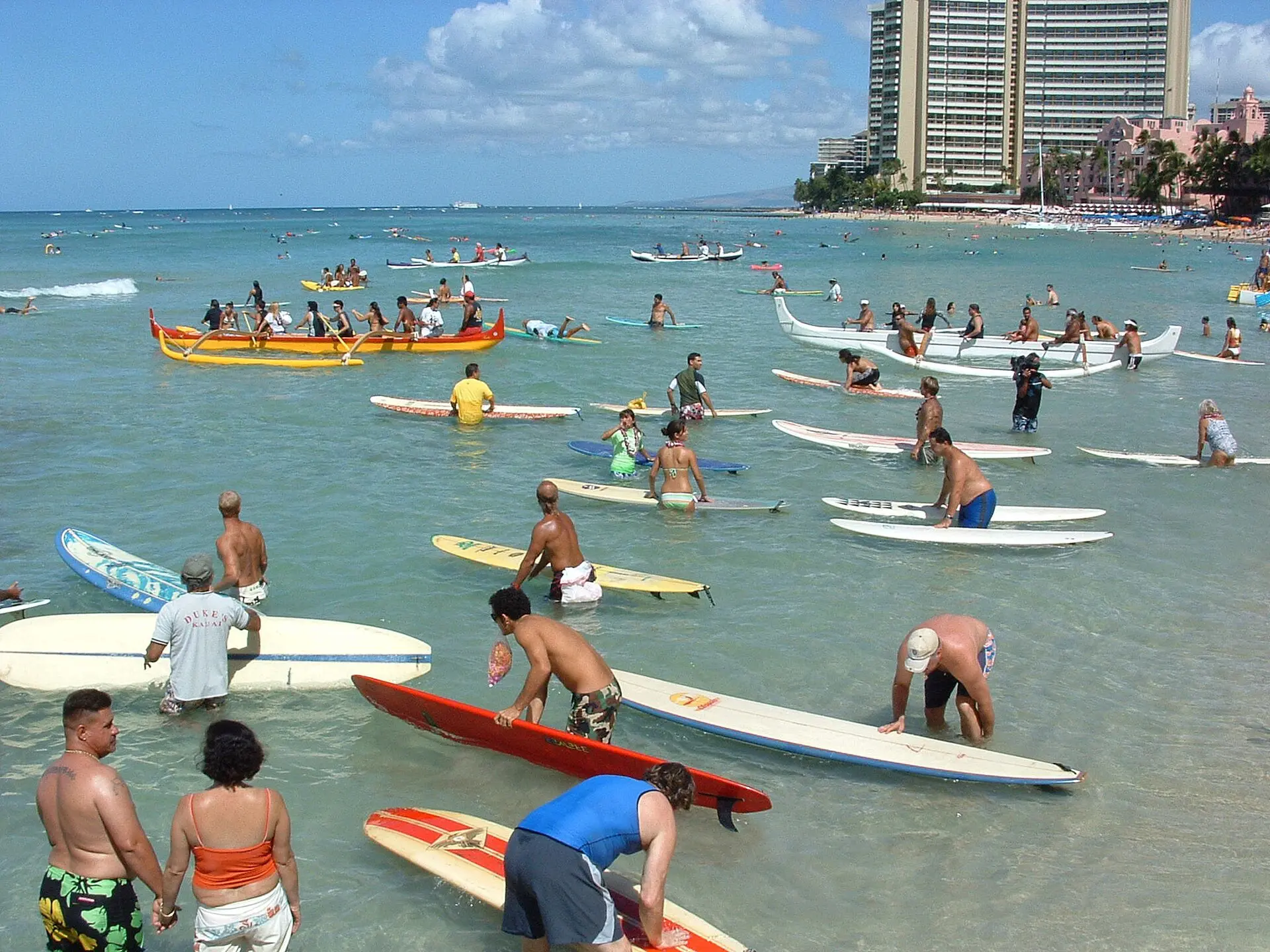
Waikiki Beach
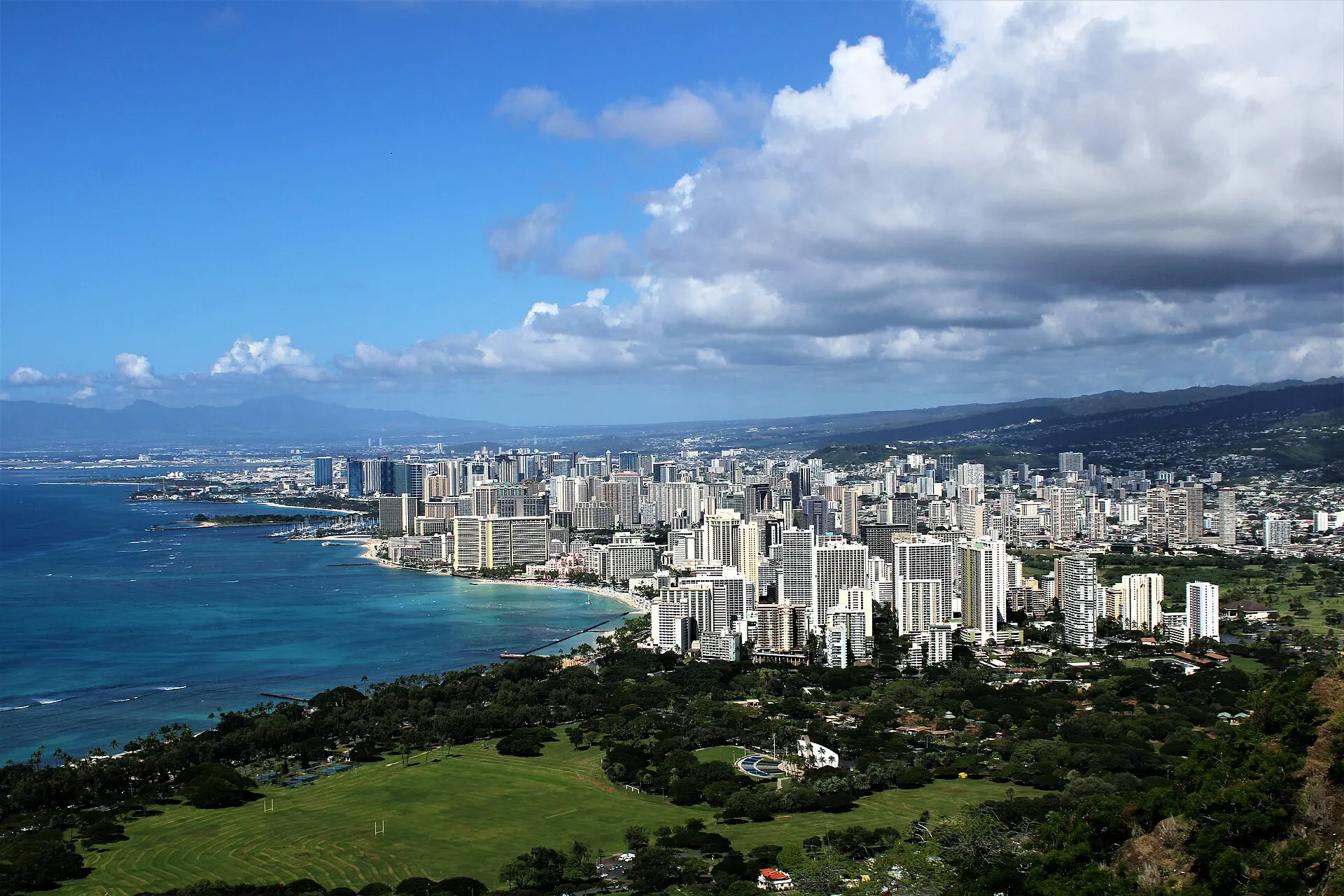
Waikiki is a long, sheltered urban beach with small, regular waves that suit first-time surfers and outrigger canoe rides. Lessons and board rentals are available along the shore. Allow a half day, and go early or late to avoid the strongest sun. Lifeguard towers mark the safer swimming zones, so check the flags before entering the water.
Diamond Head (Leahi) crater hike
The trail climbs the rim of an old volcanic cone to a lookout over Waikiki and the coast. Plan on roughly 1.5 to 2 hours return, with some stairs and a steep final section. Entry and parking are managed through a reservation system as of recent years, so check the state park website before you go, and start early in the morning.
Pearl Harbor National Memorial
The site covers the USS Arizona Memorial, the Battleship Missouri and other museums on the harbor where the 1941 attack took place. Allow at least half a day, more if you want several attractions. Tickets for the Arizona programme often sell out, so book ahead, and check the current bag and security rules before you arrive.
Iolani Palace and downtown
Iolani Palace was the residence of Hawaii’s last reigning monarchs and is open for guided or self-guided visits. Nearby are the state capitol, King Kamehameha’s statue and Honolulu Hale. A visit takes one to two hours. Tour slots can be limited, so reserve online and confirm opening days first.
Chinatown and the food scene
Honolulu’s Chinatown has markets, lei shops, small galleries and a wide range of casual restaurants. Spend a morning or an evening here and try local staples such as poke, plate lunches and shave ice. Stay aware of your surroundings after dark, as some blocks are quiet, and carry small notes for market stalls.
Hanauma Bay snorkelling
Hanauma Bay, east of the city, is a protected marine reserve in a volcanic crater with calm water and reef fish. Visitors typically watch a short education video before entering. Reservations are required, and the reserve is usually closed on certain days, so check the city website. Plan for about three hours and use reef-safe sunscreen.
Manoa Falls trail
This forested trail in Manoa Valley leads to a waterfall in around 45 minutes each way. The path can be muddy after rain, so wear shoes with grip. Bring insect repellent, and do not swim in the pool at the base. Parking at the trailhead is small and fills early.
Best time to visit Honolulu
Honolulu has a warm, tropical climate year round, with small changes between seasons. Rain falls more often in the winter months, but showers are usually brief and sunshine returns quickly. The main swing is in crowds and prices rather than temperature.
| Season | Weather | Crowds and prices |
|---|---|---|
| Dec to Mar | Warm, some rain, big North Shore surf | High, especially over holidays |
| Apr to Jun | Warm and mostly dry | Moderate, good value |
| Jul to Aug | Hottest, calmer south shore seas | High with school holidays |
| Sep to Nov | Warm and settled | Moderate to low |
For a balance of weather and cost, aim for April to June or September to October. Whale watching generally runs from winter into early spring, and the biggest North Shore waves also arrive in winter.
How to get to Honolulu and around
Almost all visitors arrive at Daniel K. Inouye International Airport (HNL), served by direct flights from the US mainland, Asia and the Pacific, and by inter-island flights from Maui, Kauai and Hawaii Island. A taxi or ride-hailing trip to Waikiki typically takes 20 to 30 minutes, and shuttles and buses are also available. Cruise ships dock at Honolulu Harbor.
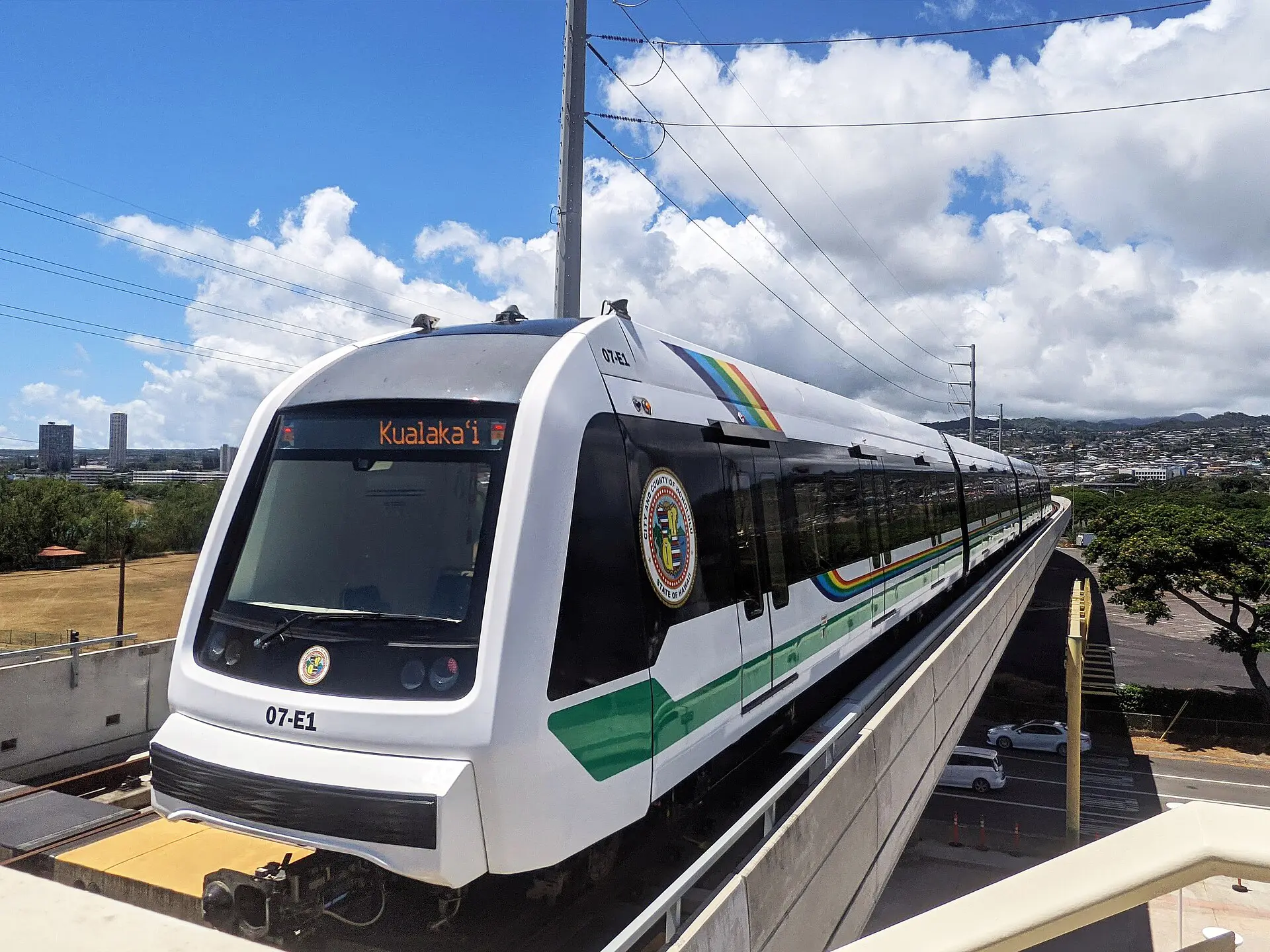
Waikiki is compact and easy to walk. TheBus, the island’s public bus network, covers most of Oahu at low fares, though journeys to the North Shore are slow. A rail line, Skyline, serves part of the west and central side of the island and is expanding, so check the current route map before relying on it.
A rental car is useful if you plan to leave the city, but parking in Waikiki is expensive and often charged per night by hotels. Many visitors rent a car for only the days they tour the island. Bike-share and ride-hailing fill the gaps in town.
Where to stay in Honolulu
Waikiki is the default choice, with the widest range of hotels, resorts and apartments, the beach on your doorstep and easy access to restaurants. It suits first-time visitors, families and anyone without a car. It is also busy and costs more, especially for oceanfront rooms, and many hotels add daily resort fees.
Ala Moana and Kakaako sit between Waikiki and downtown, with a large shopping centre, a waterfront park, newer apartment towers and a growing restaurant and mural scene. They suit travellers who want a quieter base while staying close to the beach by bus or on foot.
Downtown and Chinatown offer cheaper rooms and a more local atmosphere, with a short ride to Waikiki. Hostels and small guesthouses also cluster near the Waikiki edge for budget travellers. Book early for winter and summer, and compare total costs including parking and fees.
How many days do you need?
Three days covers the headline sights, and five to seven lets you add the rest of Oahu at a slower pace. If you are combining Honolulu with other islands, treat the city as a two-night stop at either end of the trip.
- Day 1: Climb Diamond Head early, spend the afternoon on Waikiki Beach, and eat in Chinatown or Kakaako in the evening.
- Day 2: Visit Pearl Harbor in the morning, then Iolani Palace and downtown in the afternoon.
- Day 3: Snorkel at Hanauma Bay, drive the southeast coast, and finish with a sunset at the beach.
With extra days, take a full day for the North Shore or the windward coast.
Day trips and nearby
North Shore
The North Shore is famous for winter surf at beaches such as Sunset Beach and for food trucks around Haleiwa. Allow a full day by car, about an hour each way. Summer is calmer for swimming. Check surf and rip current conditions, and avoid leaving valuables in the car.
Windward coast and Kailua
Kailua and Lanikai, on the east side, have wide, pale beaches and kayaking. The drive takes around 30 to 45 minutes over the Pali. Parking in residential areas is restricted, so follow posted signs and bring water and sun protection.
Kualoa and Kaneohe Bay
The Kualoa area offers valley tours and ranch activities with dramatic ridgelines, and Kaneohe Bay has boat trips. Most visitors join an organised tour or drive about 45 minutes. Reserve ahead in busy months.
Other islands
Maui, Kauai and Hawaii Island are short inter-island flights away, but they are better as separate multi-night stays than day trips. Check airline schedules and baggage rules, and allow time for airport transfers.
FAQ
Q1When is the best time to visit Honolulu?
April to June and September to October usually offer warm weather, lighter crowds and lower prices than winter or summer holidays. Winter has more rain and larger surf, while July and August are the busiest summer months. Check hotel prices for your dates.
Q2How many days do you need in Honolulu?
Three days covers Waikiki, Diamond Head, Pearl Harbor and downtown. Five to seven days lets you add Hanauma Bay, the North Shore and the windward coast at an easier pace. Add more if you plan inter-island travel or long beach days.
Q3How do you get to Honolulu?
Most travellers fly into Daniel K. Inouye International Airport (HNL), which has direct flights from the US mainland and parts of Asia and the Pacific. From the airport, Waikiki is a short taxi, shuttle or ride-hailing trip, typically 20 to 30 minutes.
Q4Is Honolulu expensive?
Yes, it is one of the pricier US destinations, mainly because of accommodation, resort fees, parking and imported food. Budget by choosing apartments or hotels outside beachfront blocks, eating at local plate lunch spots, and using free beaches and trails.
Prices, schedules and entry rules change. Check current details with official sources before you travel. Read the United States travel guide.