Why visit Miami
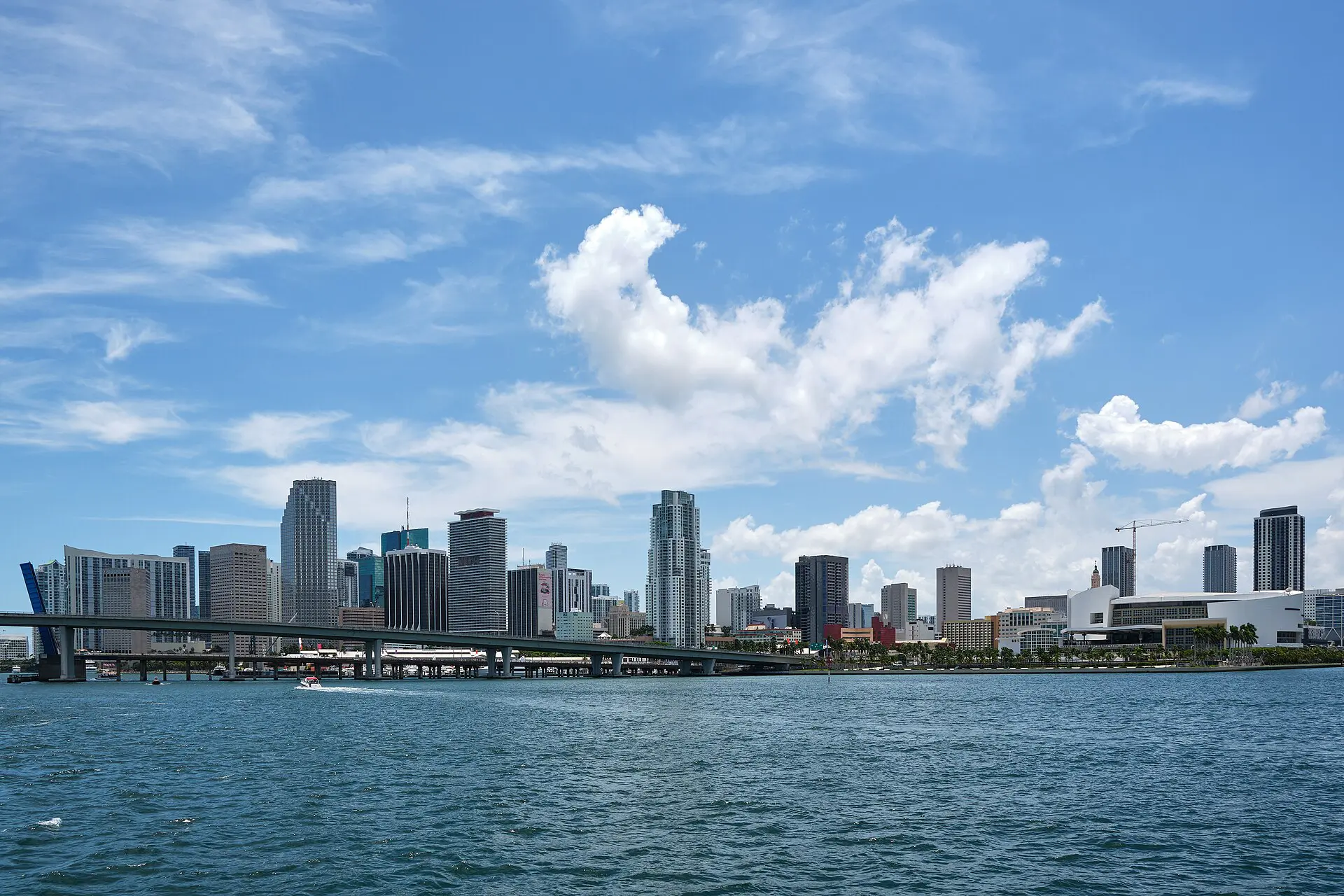
The things to do in Miami start with the coast. The city sits on Florida’s southeast shore between the Atlantic Ocean and the Everglades, with wide beaches, a sheltered bay and a subtropical climate that suits time outdoors for much of the year.
Beyond the sand, Miami has a distinct mix of cultures, with strong Cuban, Caribbean and Latin American influences visible in the food, music and language in neighbourhoods such as Little Havana. The Art Deco buildings of South Beach are another draw, with pastel facades along Ocean Drive.
Miami is also an arts and nightlife city, with galleries, markets and clubs. It can be expensive and traffic-heavy, so plan around where you stay. It works well as a beach break, or as a base for the Keys and the Everglades.
Top things to do in Miami
These are the main highlights. Check hours before you go, and book tours ahead in busy periods.

South Beach and Ocean Drive
The beach and promenade are the classic Miami scene. Allow a half day for the sand and a walk. Go early for quieter beach space, and use sun protection. Ocean Drive is lively in the evening, but check prices before you sit down at a restaurant.
Art Deco Historic District
Hundreds of pastel buildings from the 1930s and 1940s make up the district. Allow one to two hours on foot, or take a guided walking tour. Visit in the morning for softer light and cooler temperatures.
Little Havana
The heart of the Cuban community, with cafes, cigar shops and domino players. Allow two to three hours. Try Cuban coffee at a walk-up window, and check what is open, as some places run on shorter hours outside peak times.
Wynwood Walls and the arts district
A neighbourhood known for large-scale murals and galleries. Allow two to three hours. Visit in the day for the best views of the street art, and check whether the main walls charge entry.
Vizcaya Museum and Gardens
An early twentieth-century villa and formal gardens beside Biscayne Bay. Allow two to three hours. Book tickets ahead if you can, and bring water, as the grounds are open and sunny.
Everglades National Park
The park lies west and south of the city, with airboat rides, boardwalks and wildlife. Allow half a day or more. Go in the cooler, drier season, and bring insect repellent. Check what tours are offered, and respect wildlife rules.
Key Biscayne and the bay
A short drive from downtown, Key Biscayne has beaches, a state park and a lighthouse. Allow half a day. Check opening hours and any entrance fees at the park, and bring your own water and snacks.
Best time to visit Miami
December to April is the most comfortable period, with warm, drier weather, lower humidity and plenty of sunshine. It is also high season, so hotel prices peak and beaches are busy, especially during spring break and holiday weeks.
Summer is hot, humid and wet, with afternoon thunderstorms, but prices can fall. Hurricane season runs from June to November, with the highest risk in late summer and early autumn, so check forecasts and consider flexible bookings. Shoulder months such as November and May can offer a balance of good weather and lower prices.
| Season | Weather | Crowds and prices |
|---|---|---|
| Winter (Dec-Feb) | Warm, dry, comfortable | Busiest, highest prices |
| Spring (Mar-May) | Warm, getting humid | Busy early, easing by May |
| Summer (Jun-Aug) | Hot, humid, storms | Quieter, lower prices |
| Autumn (Sep-Nov) | Hot, hurricane risk, improving | Quiet, good deals |
How to get to Miami and around
Most visitors arrive at Miami International Airport, which is around 20 to 30 minutes from South Beach, depending on traffic. Fort Lauderdale airport is another option, around 45 minutes north. Amtrak and a commuter rail line serve the wider region, and cruise ships dock at the Port of Miami.
Traffic is heavy at rush hour, and public transport is more limited than in older cities. The elevated Metromover is free and covers downtown and nearby districts, while the Metrorail and buses connect further areas. South Beach is walkable, with bikes and scooters available. A car helps for the Everglades and the Keys, though parking can be expensive. Rideshares are common.
Where to stay in Miami
Miami’s neighbourhoods feel different, so choose according to your trip. Check resort and parking fees on top of the room rate.

- South Beach: beach access, Art Deco hotels and nightlife on your doorstep. It suits first-time visitors and groups, though it is lively and expensive.
- Mid-Beach and North Beach: quieter, with bigger hotels and wide beaches. Good for families and couples who want a calmer setting.
- Brickell and Downtown: high-rise hotels, restaurants and city views, with the Metromover close by. Suits business travellers and those wanting an urban base.
- Coconut Grove and Coral Gables: leafy, relaxed neighbourhoods that suit longer stays and repeat visitors.
How many days do you need?
Four days is a comfortable length for most visitors. Three days covers the beach, Art Deco and a neighbourhood or two, while five or more gives time for the Everglades and the Keys. Miami rewards a relaxed pace, so avoid packing too much into each day.
- Day 1: South Beach in the morning, an Art Deco walk and dinner on Lincoln Road or nearby.
- Day 2: Wynwood murals, lunch in Little Havana and an evening in Brickell.
- Day 3: Vizcaya, a stroll in Coconut Grove and a sunset by the bay.
Day trips and nearby
Miami is a good base for a few excursions, and Orlando is a common pairing for a longer trip.
Everglades National Park
About an hour from the city. Airboat tours and boardwalk trails make it easy to see wildlife. Allow half a day, bring repellent and go in the dry season.
The Florida Keys
Key Largo is around an hour and a half south by car, and Key West is around four hours each way, so it suits an overnight. The drive along the Overseas Highway is part of the appeal. Traffic varies, so check conditions.
Fort Lauderdale
About 45 minutes north, with beaches, canals and boat tours. It works for a half day or as a quieter base. A commuter rail line links the two cities, so check schedules.
Orlando
Around three and a half to four hours north by car, or a short flight; the Brightline train has also linked the two cities, so check current services. It is better as part of a longer trip than as a day out.
FAQ
Q1When is the best time to visit Miami?
December to April is usually the best, with warm, drier weather and lower humidity, though prices peak. Summer is hot and wet, with lower prices, and hurricane season runs June to November. November and May can offer a good balance.
Q2How many days do you need in Miami?
Four days is comfortable for South Beach, Art Deco, Little Havana, Wynwood and a bay day. Three days is enough for the highlights, and five or more lets you add the Everglades or the Keys at an easier pace.
Q3How do you get around Miami?
The Metromover is free in downtown, and Metrorail and buses link other areas. South Beach is walkable. A car or rideshare helps for the Everglades and farther neighbourhoods. Traffic is heavy at rush hour, and parking can be expensive.
Q4Is Miami expensive?
It can be, especially near the beach in winter. Mid-range travellers should expect around USD 200-400 per day. Beaches are free, and staying outside South Beach or visiting in the off-season can lower costs noticeably.
Prices, schedules and entry rules change. Check current details with official sources before you travel. Read the United States travel guide.