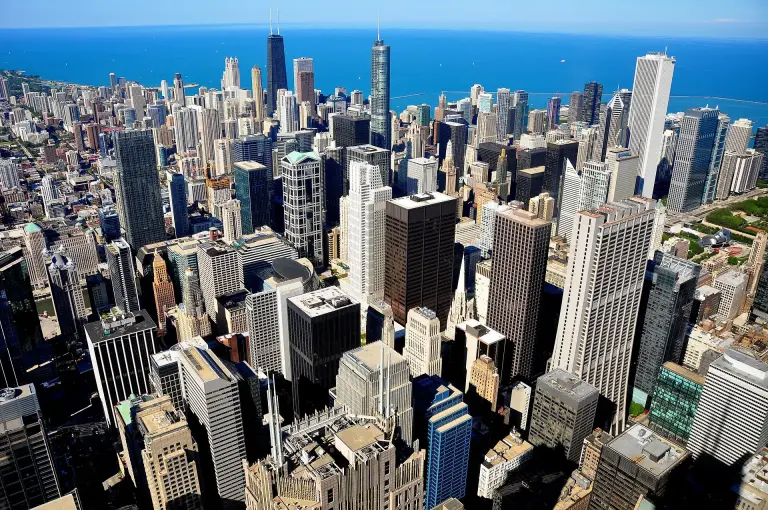
Why visit Las Vegas
Most people planning things to do in Las Vegas start with the Strip, the main boulevard lined with large themed resorts, fountains, casinos and entertainment. The city sits in the Mojave Desert in southern Nevada, and its tourism industry is built around spectacle, nightlife and food.

It is easy to see why visitors come: the resorts are open around the clock, many have shows, and you can eat widely, from casual to high-end. Walking the Strip at night is an attraction on its own, even if you do not gamble.
Las Vegas is also a good gateway to the desert. Red-rock canyons, a major dam and national parks are within a day’s drive. Plan for heat, long walking distances between resorts and prices that shift with the weekend and events.
Top things to do in Las Vegas
These are the main highlights. Show schedules and ticket prices change, so check ahead and book popular events in advance.

Walk the Strip
The Strip is roughly four miles long, and distances are bigger than they look. Allow an evening for a section, such as the central stretch, and wear comfortable shoes. Many resorts have free attractions such as fountains, gardens or themed interiors, and you can cool off inside.
Bellagio fountains and conservatory
The fountain show runs in the evening and afternoon on a schedule and is free to watch from the sidewalk. The nearby conservatory changes its display with the seasons. Allow around an hour. Arrive a little early for a good railing spot.
Shows and live entertainment
Las Vegas has a wide range of residencies, circus-style productions, magic and comedy. Allow an evening. Book ahead for popular shows, compare prices, and check what is included. Some discount ticket sellers operate, but verify them first.
Fremont Street and Downtown
Downtown has an older, more compact feel, with a covered pedestrian street, light show and a growing restaurant scene. Allow an evening. It is rowdier at night, so keep belongings close, and take a rideshare back to the Strip.
Red Rock Canyon
A scenic loop and hiking area west of the city. Allow half a day. Timed entry may apply in busy periods, so check ahead. Carry plenty of water and avoid midday hiking in summer.
Hoover Dam
The dam on the Colorado River is roughly an hour from the Strip by car. Allow half a day with tours. Check what tours are available and book in advance. It pairs well with a drive past Lake Mead.
The Sphere and observation wheel
Newer attractions add to the skyline: a large spherical venue hosts events, and a tall wheel gives views along the Strip. Allow one to two hours for the wheel. Check what is on for the venue, since access depends on events.
Best time to visit Las Vegas
March to May and October to November are the most comfortable, with warm days and cooler evenings. These are also popular, with conventions and events raising hotel prices, so book early.

Summer is very hot, with daytime temperatures often well above 100 degrees Fahrenheit, which can limit outdoor time. Pools and indoor attractions help, and prices can be lower midweek. Winter days are cooler and evenings cold, with occasional rain, and the desert can be pleasant for hiking. Check event calendars, as big sports and conference weekends change prices sharply.
| Season | Weather | Crowds and prices |
|---|---|---|
| Spring (Mar-May) | Warm, comfortable | Busy, higher prices |
| Summer (Jun-Aug) | Very hot and dry | Moderate, some deals midweek |
| Autumn (Sep-Nov) | Hot early, then pleasant | Busy in Oct-Nov, event-driven |
| Winter (Dec-Feb) | Cool days, cold nights | Variable, quieter midweek |
How to get to Las Vegas and around
Most visitors arrive at Harry Reid International Airport, which is close to the Strip, often a short taxi or rideshare ride. Many drive from Los Angeles, a trip of around four to five hours depending on traffic, or from other Southwest cities. Long-distance buses also serve the city. Regular intercity passenger rail has historically been absent, and a high-speed link from Southern California has been in development, so check what is operating for your dates.
On the Strip, walking is the main way to get around, but distances are long and hot, so rideshares, taxis and the monorail help. The monorail runs along one side of the Strip, so check its route against your hotel. Buses also run along the Strip, and some resorts have free trams between them. If you rent a car, check parking charges at your hotel, as many resorts now charge for it.
Where to stay in Las Vegas
Las Vegas has an unusually large number of rooms, and choice depends on budget and what you want from the trip. Check resort fees, which are often added on top of the room rate.
- Central Strip: close to the major fountains, shows and restaurants. It suits first-time visitors who want to walk, though it is the most expensive area.
- North and south Strip: often cheaper and a little quieter, with resort-style pools. Suits those who do not mind rideshares or a monorail connection.
- Downtown: older hotels, lower prices and a different atmosphere. Good for budget-minded travellers and those who like a compact area.
- Off-Strip and suburban stays: useful if you plan day trips or want a calmer base, with a car or rideshare needed.
How many days do you need?
Three days is enough for the Strip, a show and one desert outing. Two days work for a quick break, and four give you time for a longer day trip and a slower pace. Late nights make early starts hard, so plan outdoor trips for the morning.
- Day 1: Arrive, walk the central Strip, watch the Bellagio fountains and have dinner at a resort.
- Day 2: A morning at Red Rock Canyon, a pool afternoon and a show in the evening.
- Day 3: Hoover Dam in the morning, then Fremont Street in the evening.
Day trips and nearby
The desert around Las Vegas offers a range of excursions, and larger cities are within a day’s drive.
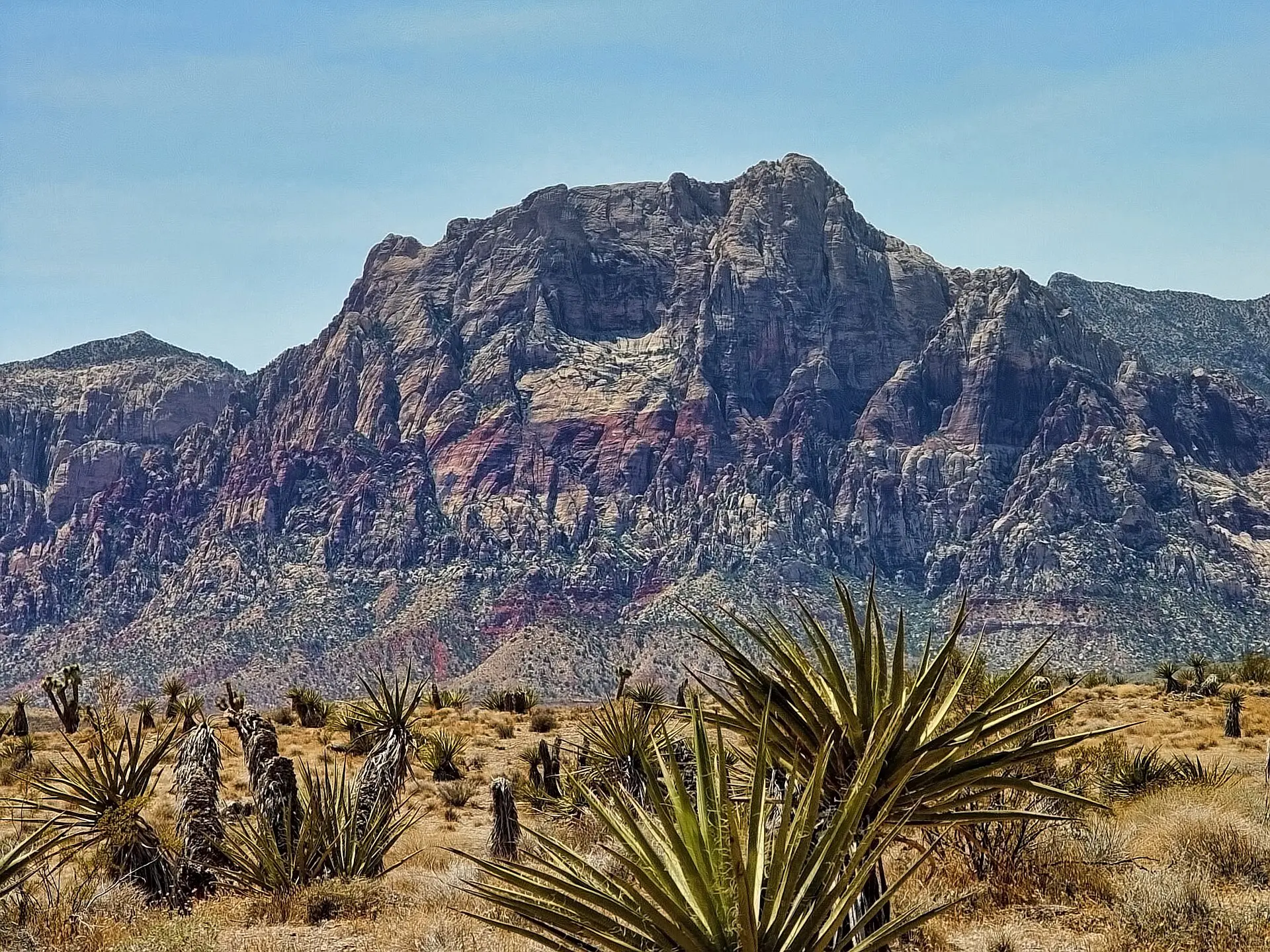
Red Rock Canyon
About 30 minutes west of the Strip by car. Red sandstone cliffs, a scenic drive and hiking trails. Allow half a day, check for any entry reservation system, and bring water.
Valley of Fire
A state park northeast of the city, about an hour’s drive, known for red rock formations. Allow half a day. Go in the morning in warmer months, and check opening times and fees.
Grand Canyon
The South Rim is a long drive of around four to five hours, and some visitors take a flight or organised tour to the west rim. It is better as an overnight than a rushed day. Check road and tour options before you go.
Los Angeles and San Diego
Both are a long day’s drive or a short flight, so they work better as part of a larger trip. Allow for traffic and check driving times on the day you travel.
FAQ
Q1When is the best time to visit Las Vegas?
March to May and October to November are the most comfortable, with warm days and cooler evenings. Summer is very hot, which limits outdoor time, though midweek rates can be lower. Check event calendars, since big conventions raise prices.
Q2How many days do you need in Las Vegas?
Three days is enough for the Strip, a show and a desert day trip such as Red Rock Canyon or Hoover Dam. A long weekend of two days is possible, and four days gives time for a slower pace and a longer excursion.
Q3How do you get around Las Vegas?
Walking works on the Strip, but distances are long and hot. Rideshares, taxis, buses and the monorail fill the gaps. If you rent a car, check parking fees, since many resorts charge for it. Day trips to canyons usually need a car.
Q4Is Las Vegas expensive?
It can be, as room rates, resort fees and show tickets vary by weekend and events. Mid-range travellers should expect around USD 150-350 per day. Free sights like the fountains, midweek stays and cheaper downtown hotels help keep costs down.
Prices, schedules and entry rules change. Check current details with official sources before you travel. Read the United States travel guide.