Why visit Boston
If you are looking for things to do in Boston, the city’s history is the main draw. It is the capital of Massachusetts and one of the oldest cities in the country, with sites tied to the American Revolution, a harbour setting and narrow streets in older districts.
The centre is compact enough to explore on foot, and the subway covers the rest. Many visitors follow the Freedom Trail, a marked route linking historic sites, then branch out to museums, markets and parks. Across the river, Cambridge adds university life, bookshops and cafes.
Boston is also a strong food city, known for seafood, and its neighbourhoods each have a distinct character, from brick-lined Beacon Hill to the waterfront. Winters are cold, so timing matters, but the city is a good base through most of the year.
Top things to do in Boston
These are the most popular places for first-time visitors. Check hours and book ahead where tours or timed entry apply.
The Freedom Trail
A marked route of around 2.5 miles connects historic sites from Boston Common to Charlestown. Allow half a day to walk it, or a full day with stops. Follow the red line on the pavement, and start early in summer to avoid crowds and heat.
Boston Common and the Public Garden
The oldest city park in the country sits next to a garden with a pond and swan boats in the warm season. Allow one to two hours. Both are free to enter and make a pleasant break between sights, especially in spring and autumn.
Beacon Hill and Back Bay
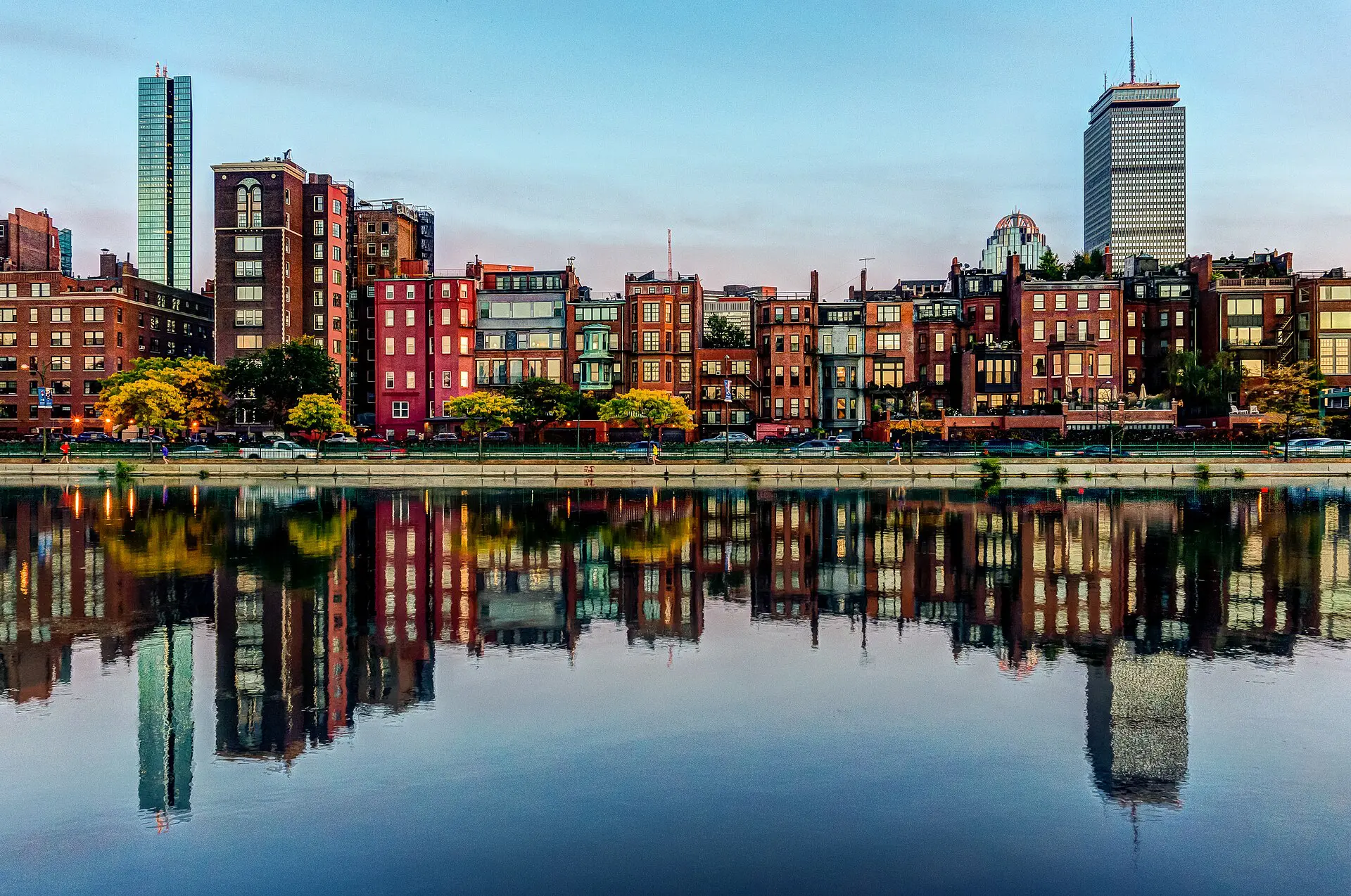
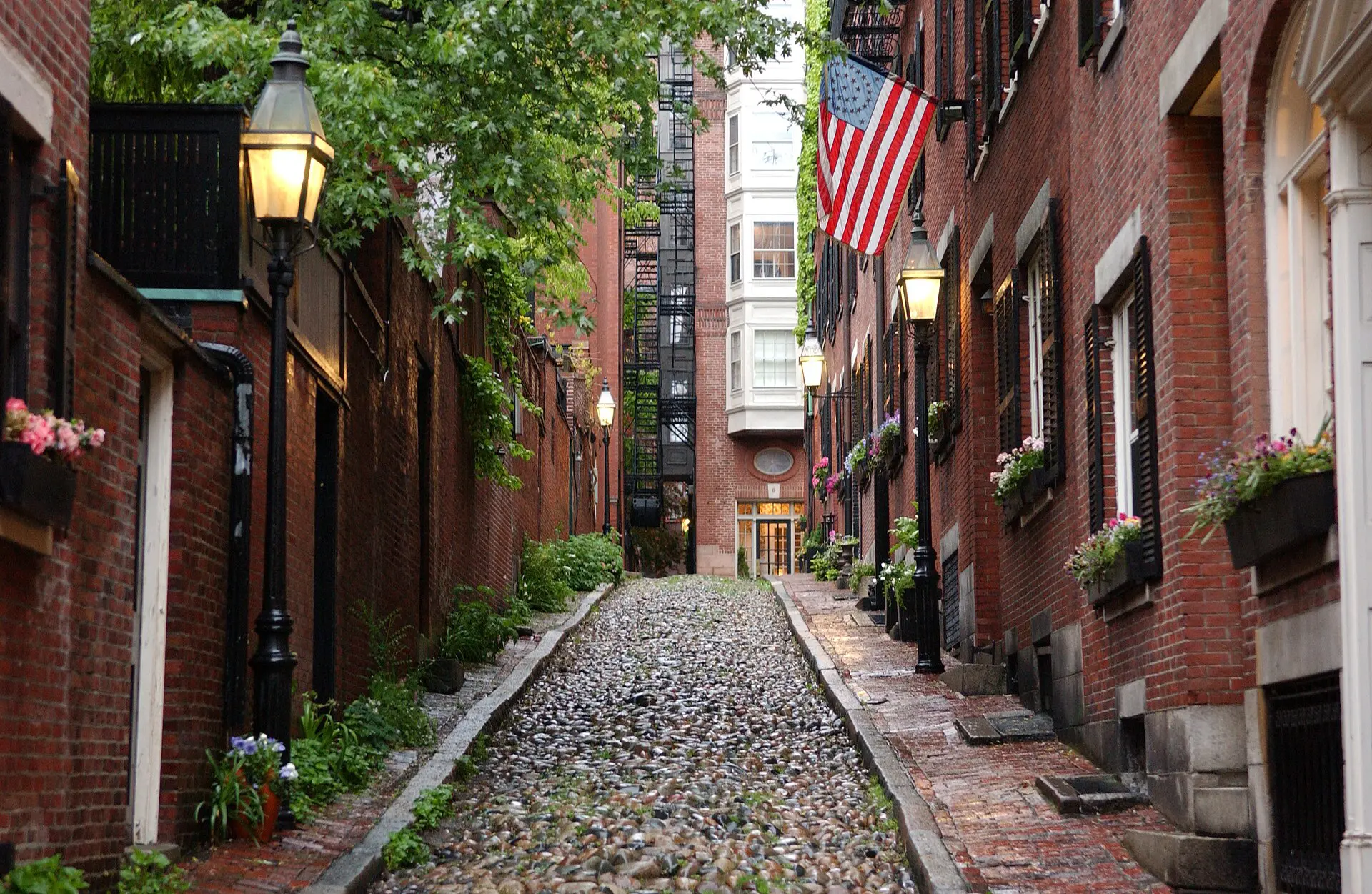
Beacon Hill has narrow gaslit streets and brick townhouses, while Back Bay has grand Victorian architecture and shopping. Allow a couple of hours for each. Wear comfortable shoes for the cobbled streets, and be considerate, as these are residential areas.
Museum of Fine Arts
One of the largest art museums in the country, with a wide collection. Allow two to four hours. Choose a few galleries in advance, check ticket options, and see whether any free or discounted days apply.
Harvard and Cambridge
A short subway ride across the Charles River takes you to Harvard Square and the university campus. Allow half a day. Walk the campus, browse the bookshops, and check whether any official tours are available.
Fenway Park
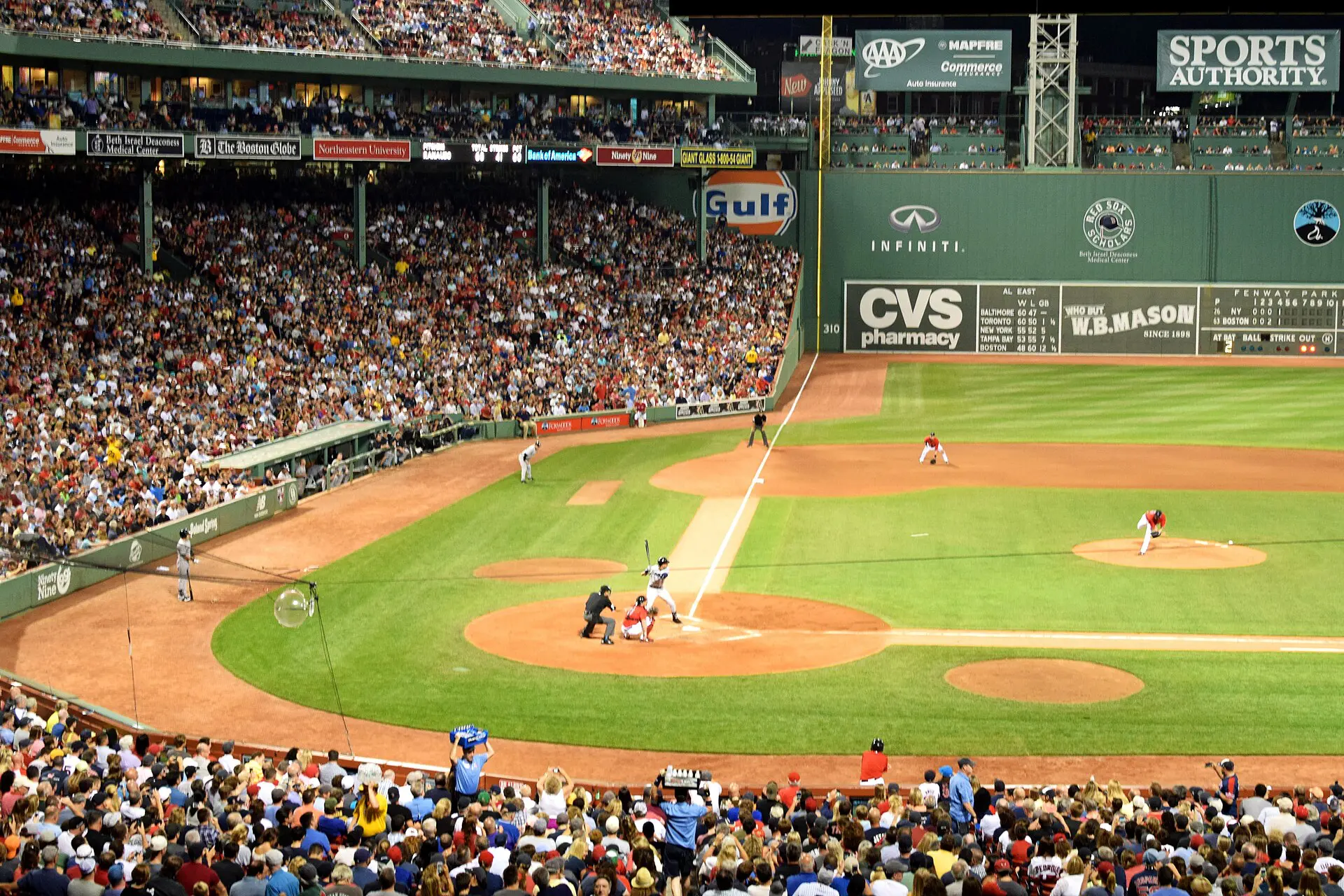
The historic baseball park is one of the oldest in the sport. Tours run on most days, or you can catch a home game in season. Allow about an hour for a tour, and book tickets ahead for games.
Harbour and waterfront
The harbour area has a walkable waterfront, an aquarium and ferries to harbour islands in the warm season. Allow a few hours. Check ferry schedules, and bring a layer, as it is cooler near the water.
Best time to visit Boston
May to June and September to October are the most comfortable periods, with mild weather that suits walking. Autumn is especially popular for the colours in the surrounding region, and hotel prices rise, especially when universities start and graduation takes place.
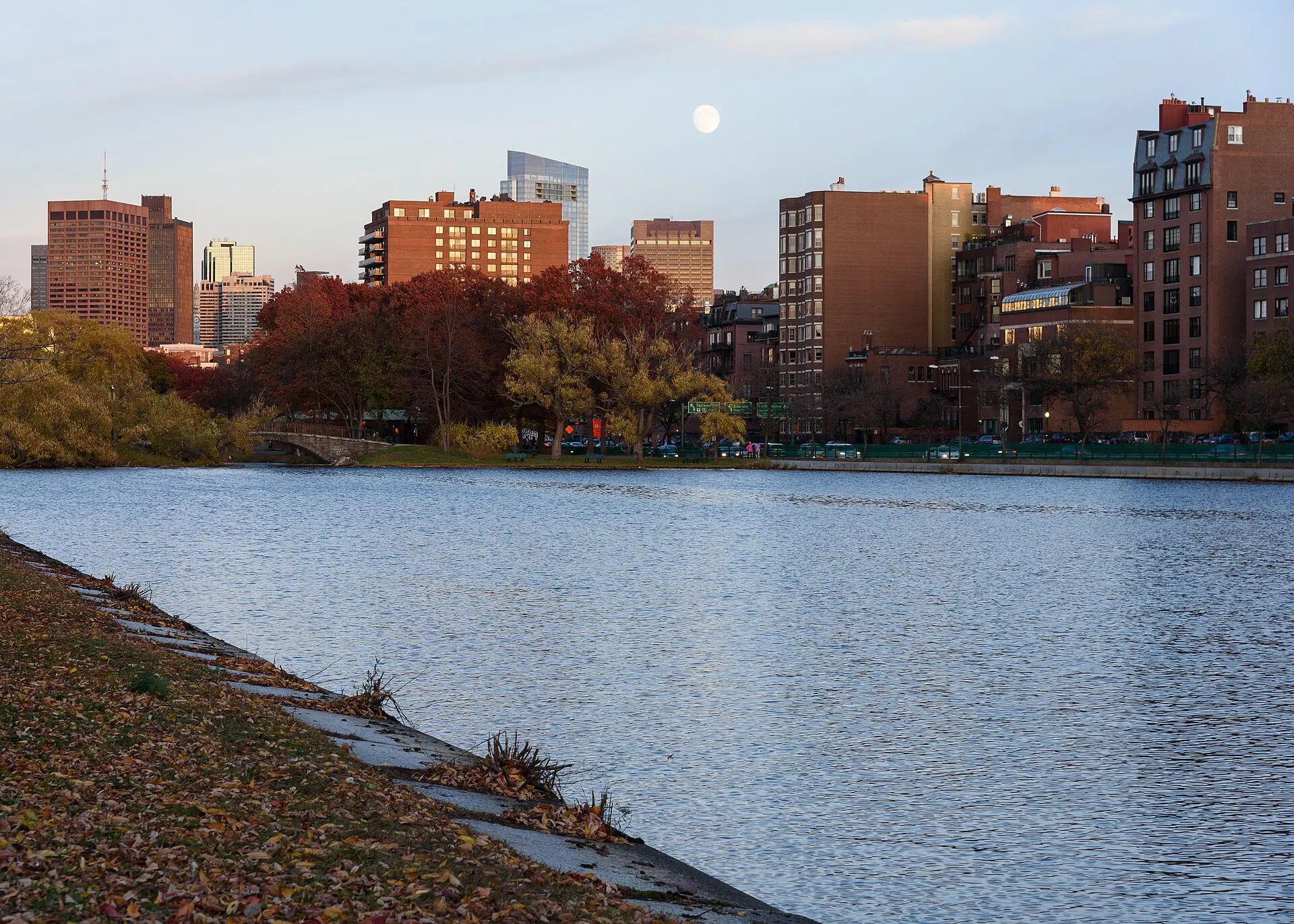
Summer is warm and sometimes humid, with plenty of events, and the harbour is at its best. Winter is cold, windy and often snowy, so some outdoor sights are less pleasant, though museums and restaurants are cosy and rates are lower. Spring can be changeable and wet. Check event calendars, as marathon weekends and graduations affect availability.
| Season | Weather | Crowds and prices |
|---|---|---|
| Spring (Mar-May) | Cool, changeable, some rain | Moderate, rising in May |
| Summer (Jun-Aug) | Warm, sometimes humid | Busy, high prices |
| Autumn (Sep-Nov) | Mild, crisp, colourful | Busy in Sep-Oct, high prices |
| Winter (Dec-Feb) | Cold, snow likely | Quieter, lower prices |
How to get to Boston and around
Most visitors fly into Logan International Airport, which is close to downtown, with a subway line and shuttle buses connecting it. Amtrak serves South Station and Back Bay from other cities along the Northeast corridor, and long-distance buses also arrive at South Station.
The centre is compact and walkable, and the subway, known as the T, covers most sights and neighbourhoods. Buses and commuter rail fill in the rest, and fare cards or contactless options are available, so check current details. Driving is not recommended: streets are narrow, drivers are assertive and parking is expensive. Rideshares are useful late at night.
Where to stay in Boston
Boston hotels are generally expensive, especially in autumn and during graduation periods, so book early. Choose by what you want to be close to.
- Back Bay and Beacon Hill: central, elegant and walkable to the Common and shops. It suits first-time visitors and couples.
- Waterfront and Seaport: modern hotels near the harbour and restaurants. Good for those who like views and newer buildings, though it is a bit further from the historic sites.
- Cambridge: a university atmosphere with cafes and bookshops, and a quick subway link to downtown. Suits return visitors and academics.
- Outside the core: areas near subway lines or Logan Airport can offer lower prices if you do not mind commuting.
How many days do you need?
Three days covers the main sights without rushing. Two days works if you focus on the Freedom Trail and one museum, and four days lets you add Cambridge, Fenway and a day trip. Boston is compact, so it is easy to fit a lot in.
- Day 1: The Freedom Trail from Boston Common, then dinner in the North End.
- Day 2: The Museum of Fine Arts, Back Bay and Beacon Hill, with an evening walk by the river.
- Day 3: Harvard and Cambridge, then a harbour walk or a game at Fenway Park if in season.
Day trips and nearby
Boston is a useful base for New England, and a few places are easy to reach for a day.
Salem
A coastal town about 40 minutes north by commuter rail, known for its witch trials history and maritime heritage. Allow half to a full day. Check museum hours, and expect crowds in October.
Cape Cod
Roughly one and a half to two hours by car, with beaches and small towns. It works for a long day or an overnight in summer. Traffic can be heavy on weekends, so start early.
Concord and Lexington
Revolutionary War sites and literary history west of Boston, reachable by car or a combination of train and bus. Allow half a day. Check the park service hours and any tours.
New York and Washington, D.C.
Both are reachable by train or plane for a longer trip, around four hours to New York by Amtrak depending on service. They are better as separate trips than as day outings.
FAQ
Q1When is the best time to visit Boston?
May to June and September to October are usually the best, with mild weather and good conditions for walking. Autumn is popular, so prices are higher. Winter is cold and snowy but cheaper, and summer is warm with many events.
Q2How many days do you need in Boston?
Three days is enough for the Freedom Trail, a museum, Back Bay, Beacon Hill and Cambridge. Two days work for a shorter trip, and four days let you add Fenway Park, the harbour and a day trip to Salem or Concord.
Q3How do you get around Boston?
Walk in the centre and use the subway, known as the T, for farther areas. Buses and commuter rail extend your reach. Avoid driving, since streets are narrow and parking is costly. Rideshares help late at night.
Q4Is Boston expensive to visit?
Yes, particularly hotels, which are among the pricier in the country. Mid-range travellers should plan around USD 200-350 per day. Free sights like the Common and the Freedom Trail help, and winter or midweek stays can reduce costs.
Prices, schedules and entry rules change. Check current details with official sources before you travel. Read the United States travel guide.