Why visit St Kitts and Nevis
This St Kitts and Nevis travel guide starts with a simple fact: the federation covers only 261 square kilometres, with roughly 48,000 residents, making it the smallest sovereign state in the Western Hemisphere (see the Wikipedia overview). The islands sit in the Leeward chain of the Lesser Antilles, about 3 km apart across a channel called the Narrows. St Kitts has the capital Basseterre, a volcanic interior and a rugged southeast peninsula, while Nevis has a single cone, Nevis Peak, and a quieter, more upmarket feel. The official name is the Federation of Saint Christopher and Nevis, and the islands are often called Saint Kitts and Nevis, or SKN.
The islands suit travellers who prefer history, walking and calm beaches to nightlife and big resorts. St Kitts was home to the first British and French colonies in the Caribbean, which is why the islands are nicknamed the Mother Colony of the West Indies, and the legacy shows in forts, sugar estates and Victorian-style buildings. Independence came in 1983. Expect a small, friendly place where English is spoken everywhere and you can see most of the sights in a few days.
Best places to visit in St Kitts and Nevis
The best places to visit in St Kitts and Nevis are close together, so you can base yourself on one island and cross by boat for a day or two on the other.
Basseterre
The capital is the main port and cruise stop. Its centre has Independence Square, the Circus with its Berkeley Memorial Clock, colourful colonial buildings and a handful of restaurants. It is compact enough to walk in a couple of hours.
Brimstone Hill Fortress
This UNESCO-listed British fortress on the northwest coast of St Kitts is one of the best-preserved in the Caribbean. Allow two hours to climb through the ramparts, then enjoy views across to Sint Eustatius and Saba on clear days.
Southeast Peninsula
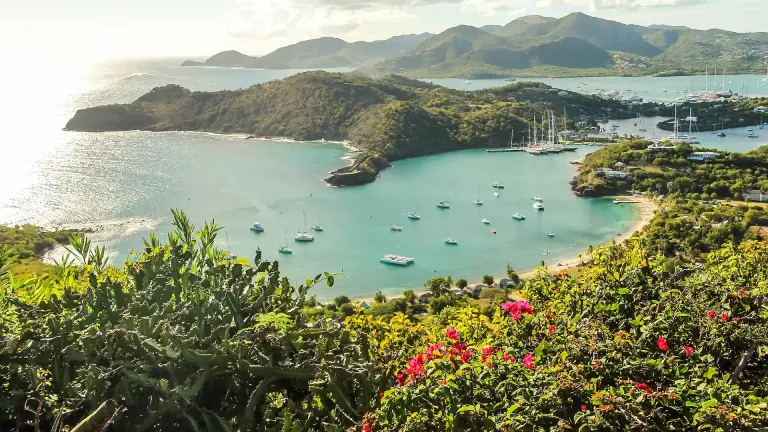
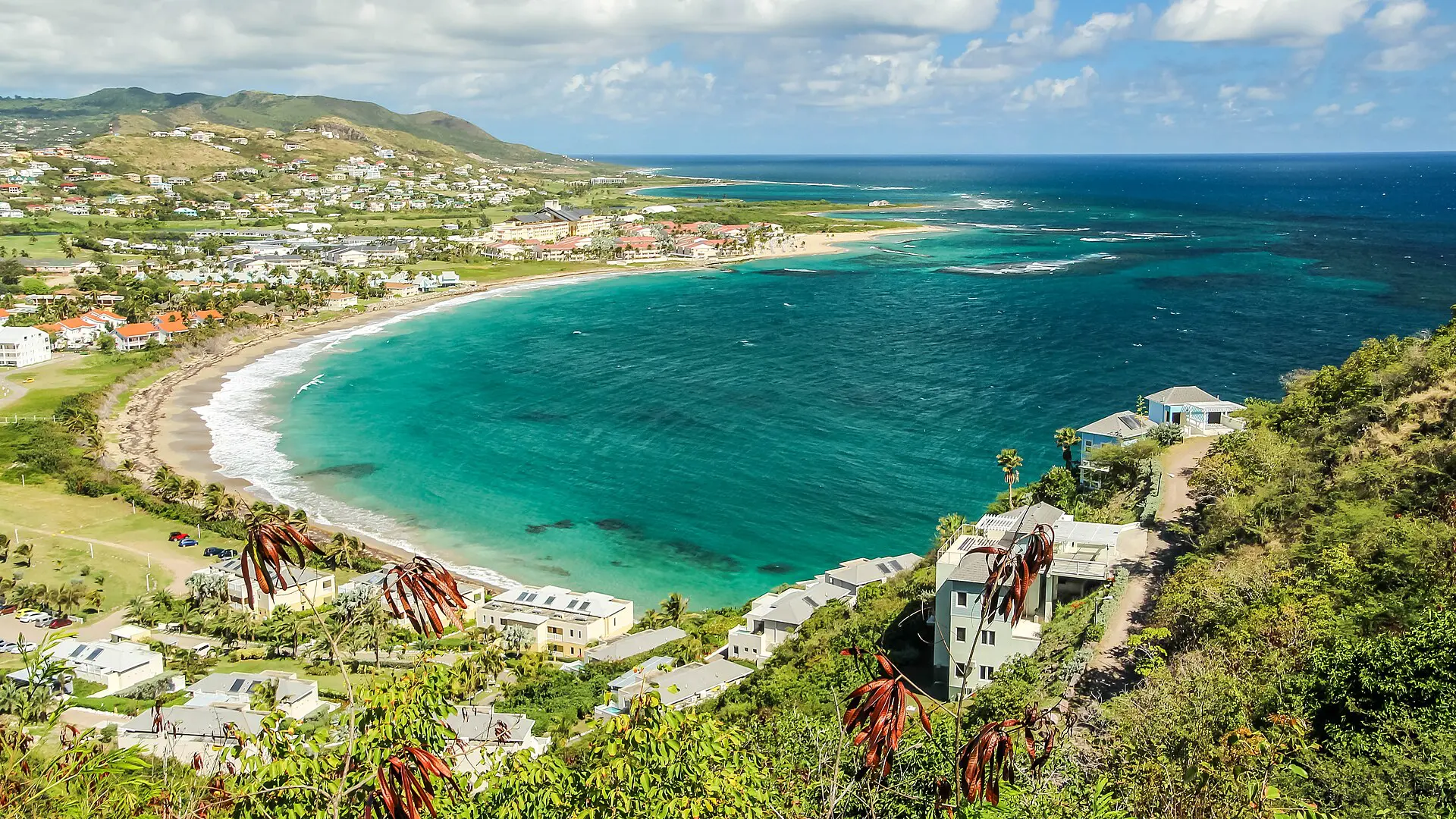
A single road leads to Turtle Beach, Cockleshell Bay and Frigate Bay’s quieter stretches. This is the most scenic beach area, with wild green monkeys often seen along the way.
Charlestown, Nevis
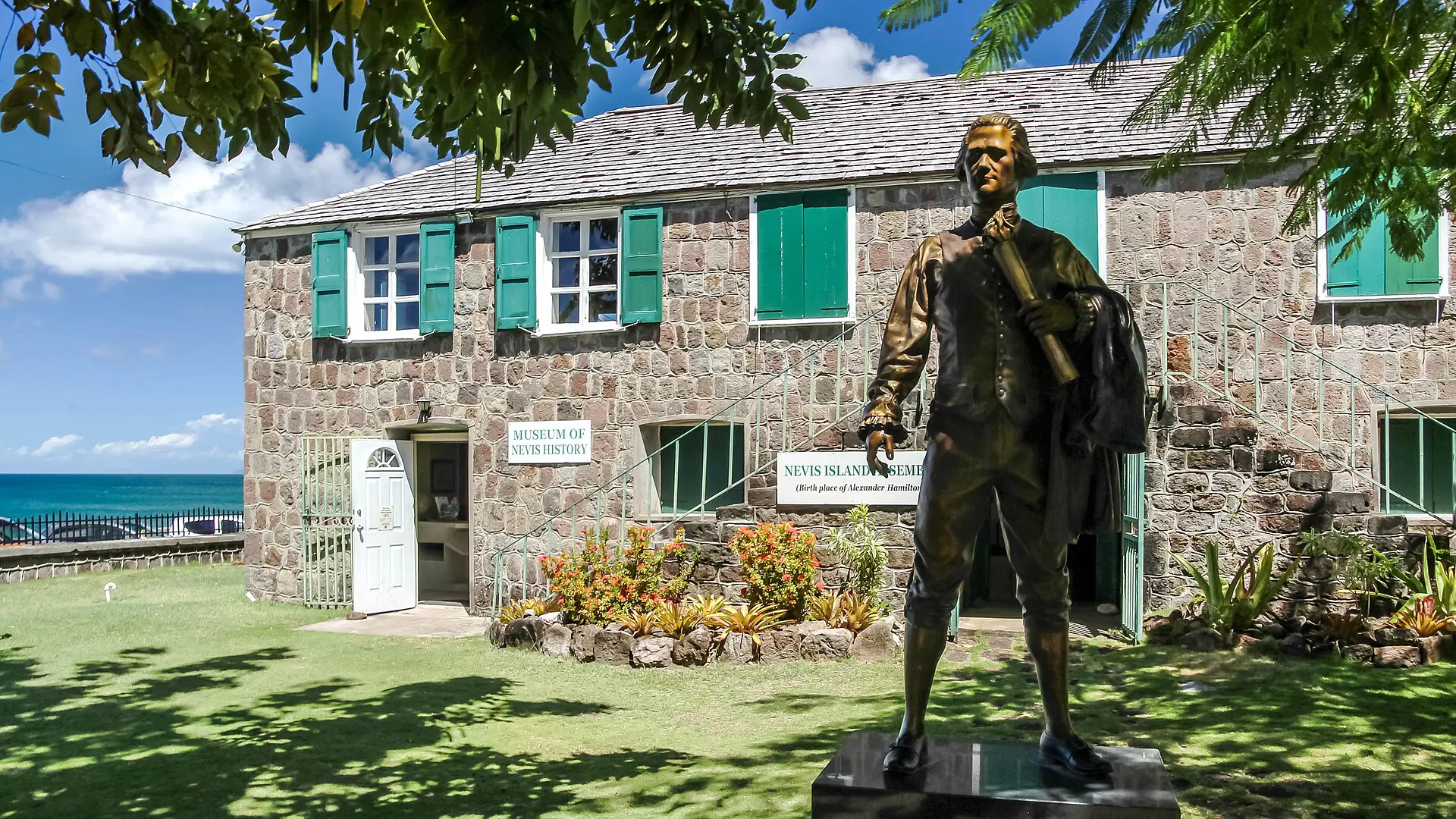
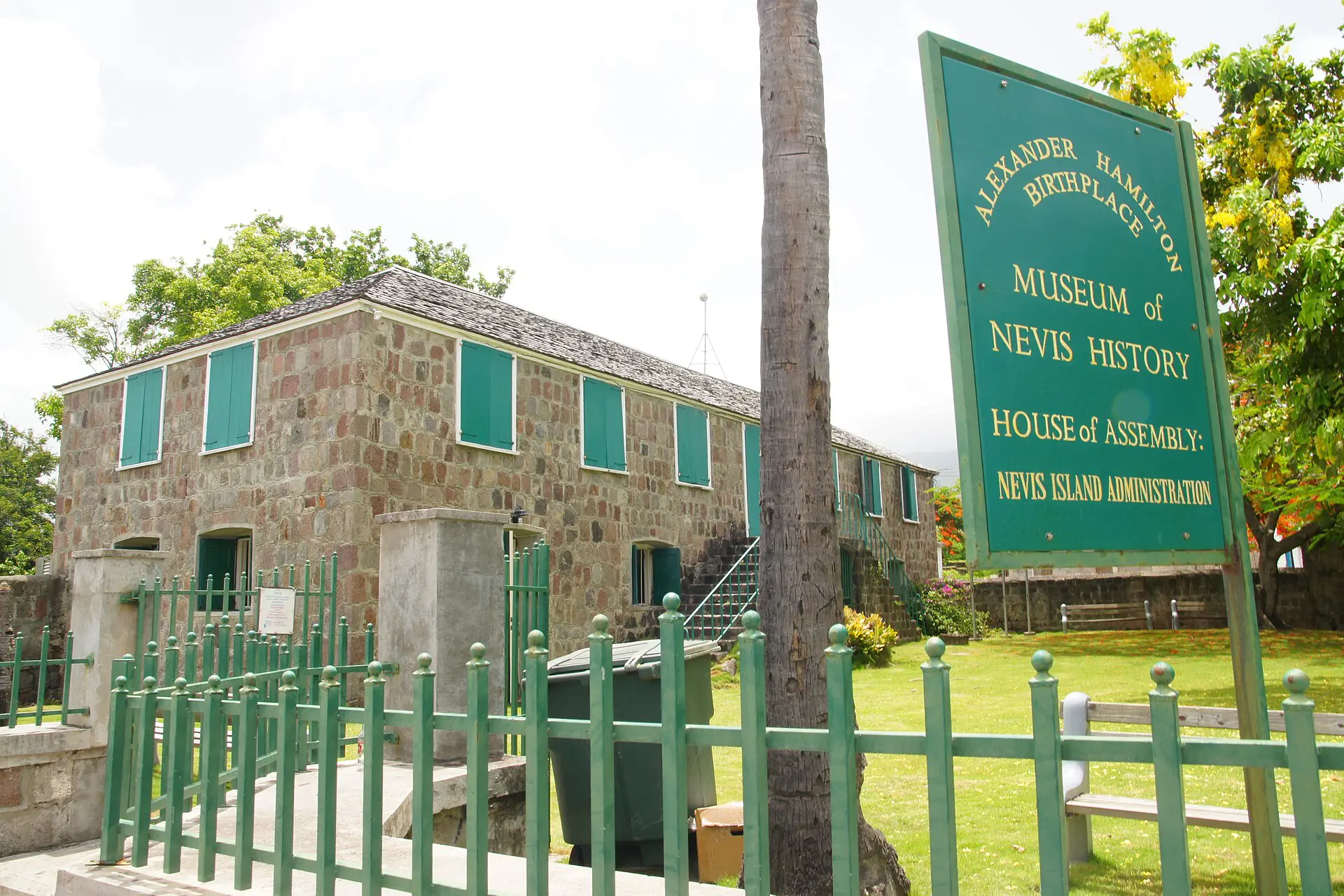
The main town of Nevis has Georgian buildings, the Nevis Museum and a small waterfront. Alexander Hamilton was born here, and the museum’s house marks the story.
Pinney’s Beach and the Nevis coast
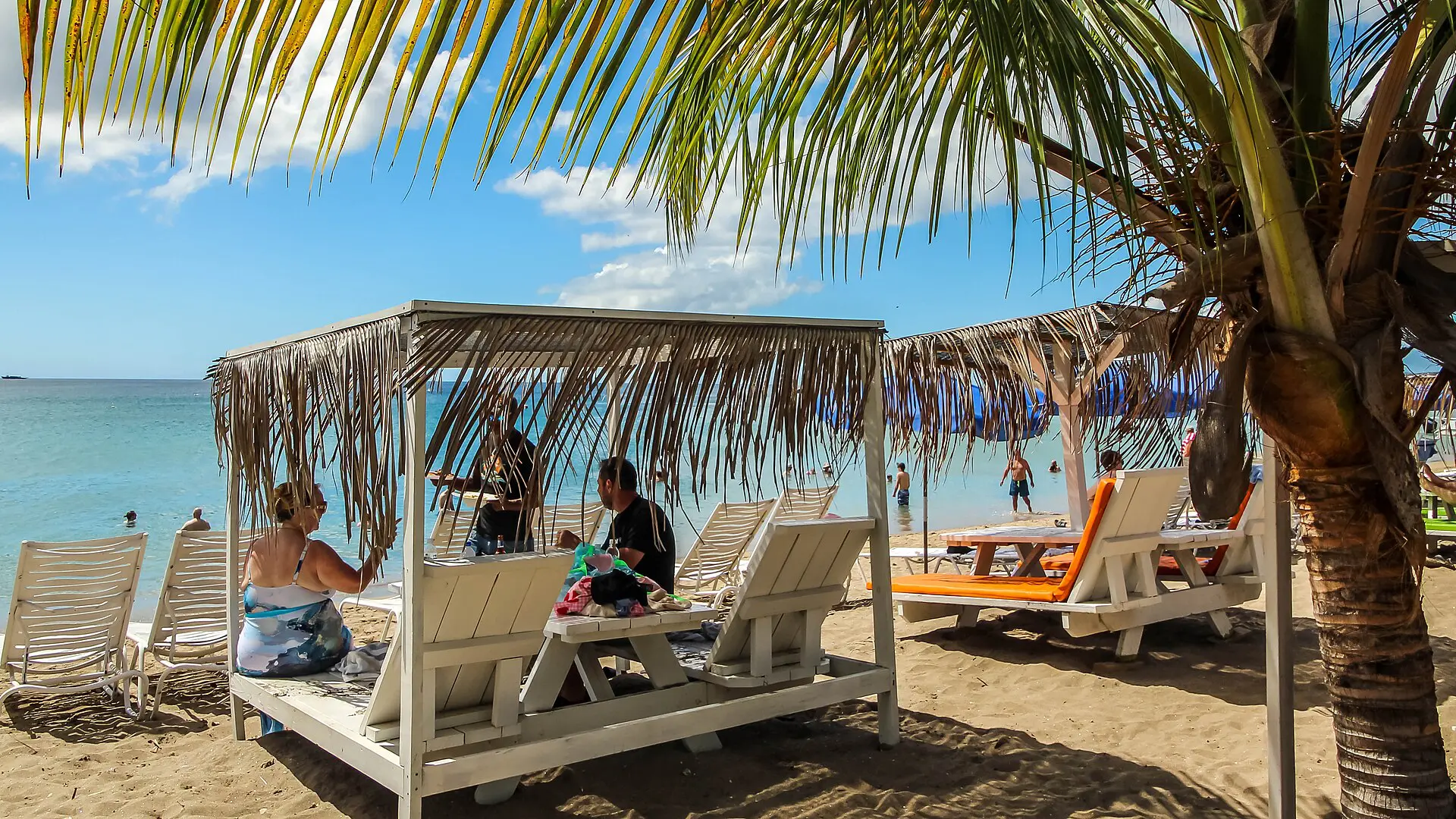
A long, calm sand beach on the west of Nevis, lined with beach bars and a few hotels. It is the easiest place on the islands for a relaxed day by the water.
Nevis Peak
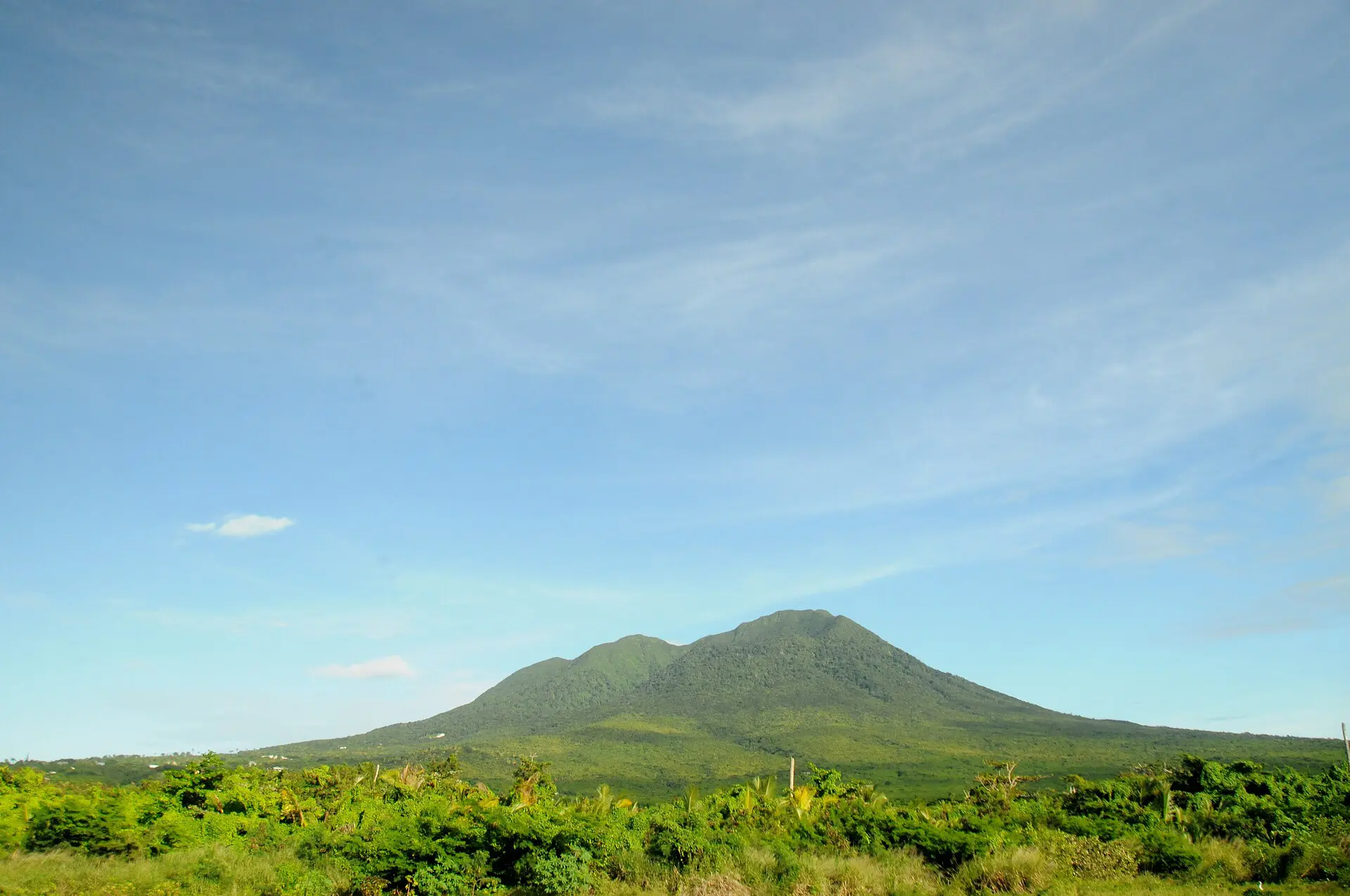
The cone rises to about 985 metres and can be climbed with a local guide on a steep, muddy trail through rainforest. Allow most of a day.
Top things to do in St Kitts and Nevis
The top things to do in St Kitts and Nevis mix history, hiking and beach time, and most are easy to reach.
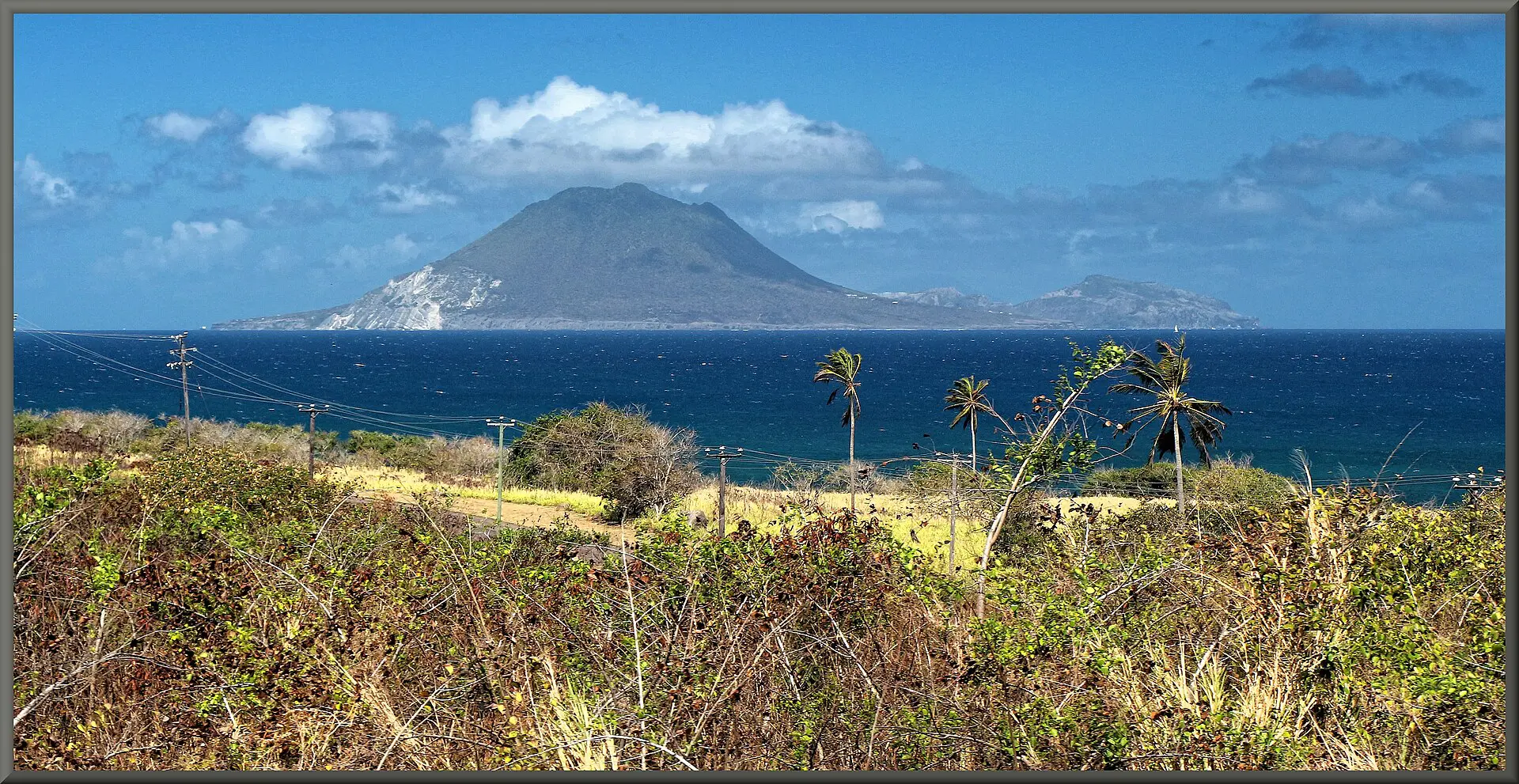
- Tour Brimstone Hill Fortress: walk the ramparts and the small museum for the best views on St Kitts.
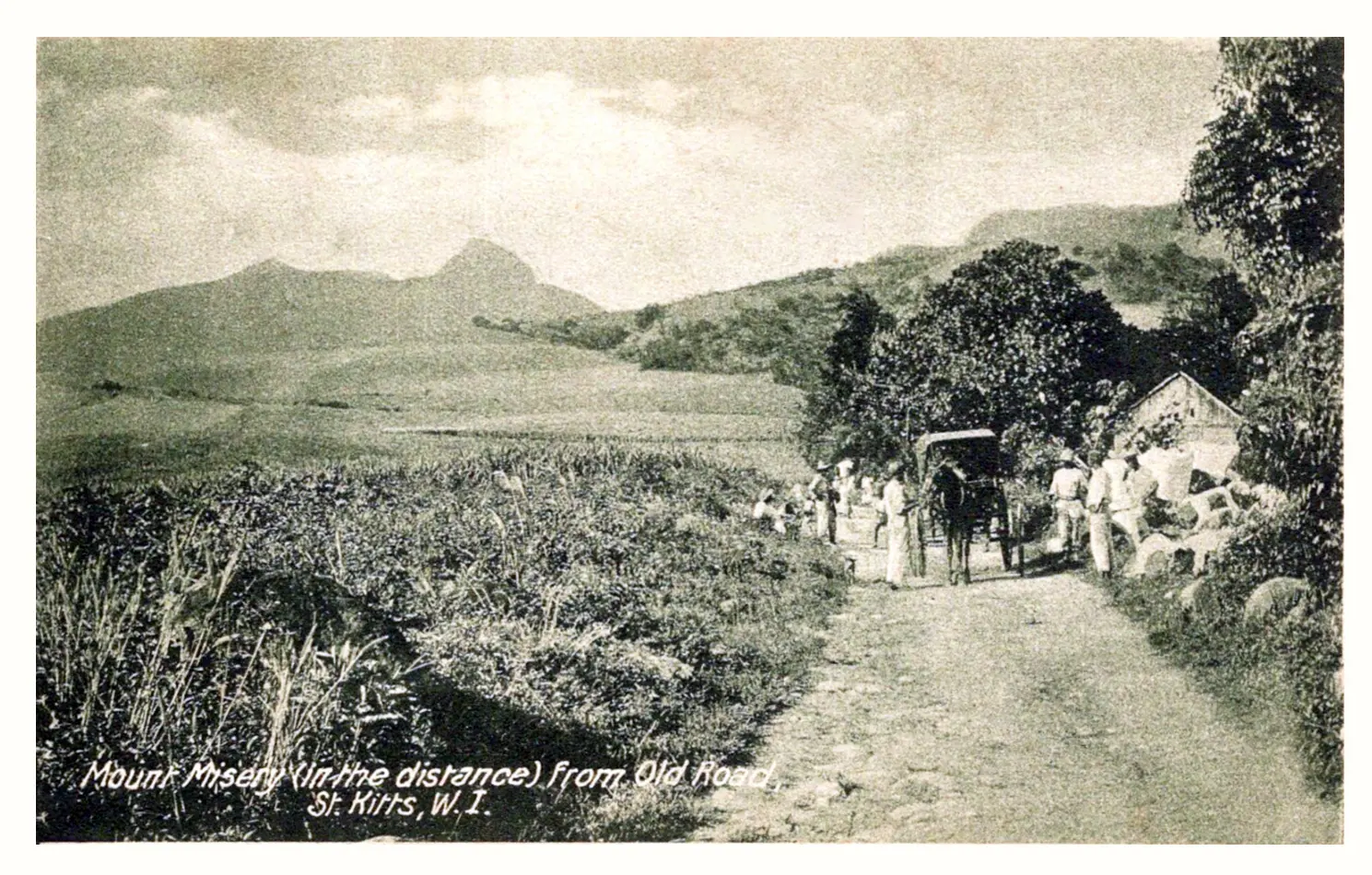
- Hike Mount Liamuiga: the crater climb on St Kitts takes most of a day and needs a guide and good shoes.
- Ride the Scenic Railway: the narrow-gauge sugar train circles the island on a short tour with commentary.
- Swim at Cockleshell Bay: the water is calm, with Nevis visible across the channel.
- Snorkel or dive: reefs and several wrecks lie off both islands, and operators run half-day trips.
- Visit a plantation inn: several former sugar estates serve lunch or afternoon tea in the gardens.
- Walk Basseterre: see the Circus, Independence Square and the cathedral on a self-guided loop.
- Take the ferry to Nevis: the crossing takes about 45 minutes and is a day trip in itself.
- Spot monkeys: green vervet monkeys live across St Kitts, but watch your food and bags.
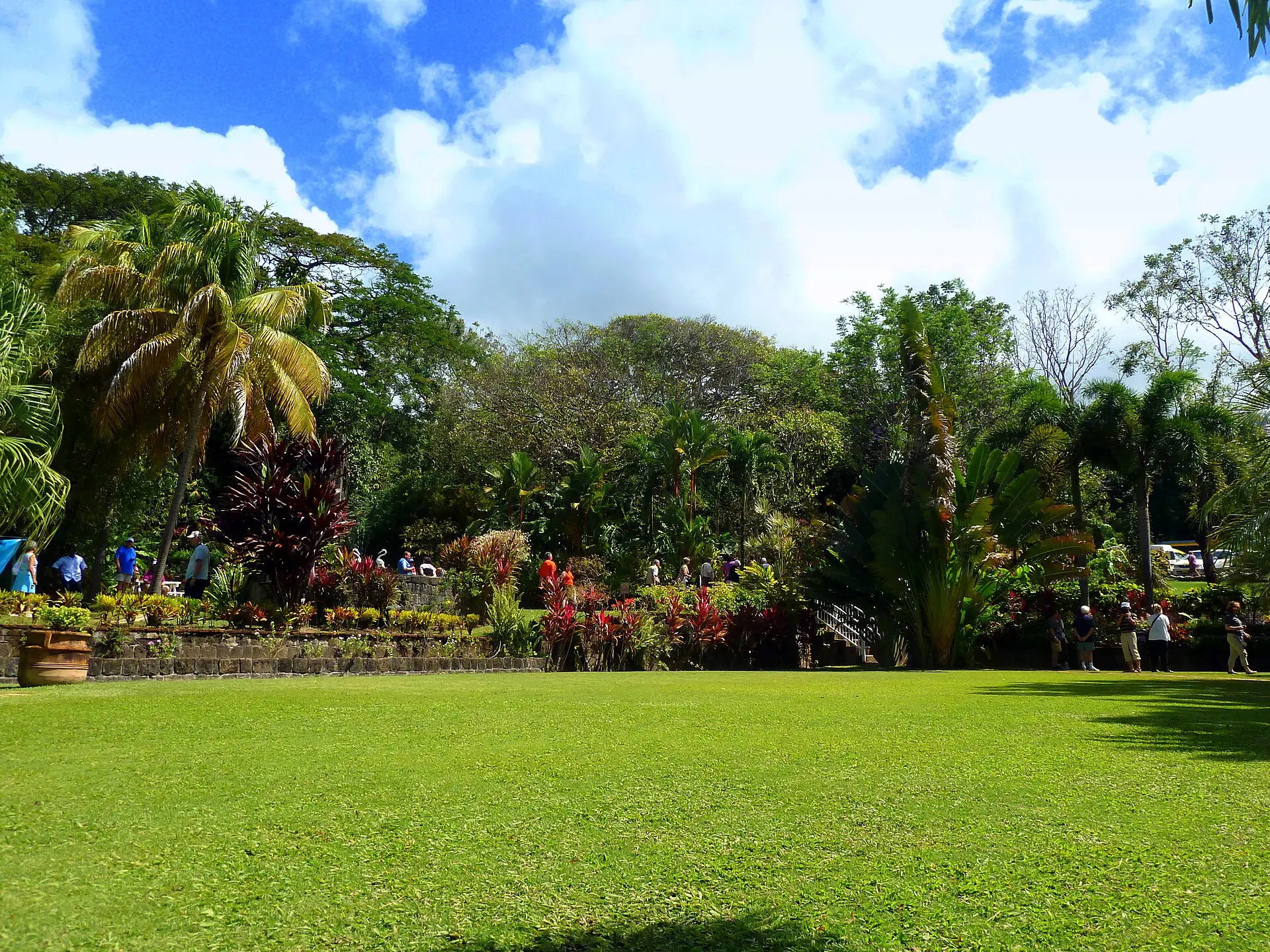
- Tour Romney Manor: the gardens, batik studio and ancient saman tree are near Old Road Town.
Best time to visit St Kitts and Nevis
The best time to visit St Kitts and Nevis is December to April, when days are warm and dry, humidity is lower and the sea is calm. The islands are tropical year-round, with daytime temperatures around 28 to 32 C. The wet season runs roughly from May to November, and the Atlantic hurricane season is June to November, with the highest risk in August to October.
| Season | Weather | Crowds and prices | Good for |
|---|---|---|---|
| Dec-Apr | Dry, sunny, breezy | Peak prices and fullest hotels, especially Christmas and New Year | Beaches, hiking, diving |
| May-Jun | Warmer, showers start | Falling prices, fewer visitors | Value stays, quiet beaches |
| Jul-Aug | Hot, humid, rain and storm risk | Low, though local festivals draw people | Budget travel, Carnival-style events |
| Sep-Nov | Wettest, highest hurricane risk | Lowest; some places close | Flexible travellers with good insurance |
Some hotels and restaurants close for maintenance in September and October. Buy travel insurance that covers storms.
Is St Kitts and Nevis safe to visit?
Yes, St Kitts and Nevis is generally safe for visitors, and most trips pass without incident. Petty theft and occasional break-ins occur, and some violent crime happens between local groups, mainly away from tourist areas. Check your government’s current advice, such as the UK FCDO or US State Department pages, before you book.
Theft. Do not leave valuables on beaches or in parked cars, and lock hotel rooms. Walk with care in Basseterre after dark and use taxis at night.
Sea and weather. Atlantic-facing beaches can have strong currents and big surf, so swim at Caribbean-side beaches unless locals say otherwise. Hurricanes are the main natural hazard from June to November, and earthquakes and volcanic activity are possible in the region, though the local volcano is dormant.
Roads. Driving is on the left. Roads are narrow with few barriers, and goats and monkeys cross unexpectedly. Take care on hill roads in rain.
Health. Mosquito-borne illnesses such as dengue occur, so use repellent. Medical facilities are basic for serious conditions, so carry insurance that covers evacuation. Local cannabis and drug laws are strict, so check them before you travel.
Visa and entry requirements for St Kitts and Nevis
Entry rules depend on your nationality, and they change. Many visitors from North America, the UK and the EU can enter without a visa for stays of up to a few months, while other nationalities need a visa in advance. Confirm the current list with the official St Kitts and Nevis immigration source or the nearest embassy before you book.
In general, bring a passport valid for the length of your stay, and often for six months beyond it, plus a return or onward ticket and proof of accommodation. The islands have used an online arrival form for travellers in the past, and rules on health declarations have changed, so check what applies on the date you travel.
Visitors who plan to stay long, work remotely or invest should look at the separate residence and citizenship programmes, which have their own rules and fees. For ordinary holidays, a standard stamp on arrival is all that is required. Cruise passengers generally need only their ship documents and passport.
Getting to and around St Kitts and Nevis
Most visitors fly into Robert L. Bradshaw International Airport (SKB) on St Kitts, which has connections via Miami, New York, Atlanta, Charlotte, Toronto and London, plus regional flights. Nevis has a small airport (NEV) for regional flights. Many visitors also arrive by cruise ship at Basseterre. Schedules change by season, so check current routes.
Ferry between the islands. Passenger ferries run between Basseterre and Charlestown, taking about 45 minutes, and a shorter water-taxi crossing leaves from the southeast peninsula. Check times and book return tickets, because services are limited and not always daily on all routes.
Taxis and buses. Taxis have set fares and are the main way tourists get about. Minibuses run along the main roads for a low fare, but they can be infrequent in the evening.
Car hire. A rental car gives the most freedom. Driving is on the left, and visitors normally need a temporary local driving licence issued by the police or rental company. The ring road on St Kitts takes about 1.5 hours without stops.
How much does a trip to St Kitts and Nevis cost?
St Kitts and Nevis is a relatively expensive Caribbean destination because most goods are imported and accommodation is oriented to resorts. The local currency is the Eastern Caribbean dollar (XCD), pegged to the US dollar at about 2.7 XCD, and US dollars are widely accepted. The bands below are rough per-person daily costs as of 2026, excluding flights.
- Budget, around USD 90-140: guesthouse or small apartment, local meals, minibuses and shared taxis.
- Mid-range, around USD 150-300: comfortable hotel, restaurant dinners, some taxis or a car rental and one or two tours.
- High-end, USD 450 and up: resorts, plantation inns on Nevis, private tours and fine dining.
Accommodation, season and eating style drive costs. Rooms are cheapest from May to October. A local lunch or roadside barbecue can be affordable, while hotel dinners with drinks add up quickly. Taxis are priced per route rather than metered, so a day of sightseeing by taxi can cost as much as a rental car. Many hotels add a service charge and government tax on top of the listed price, so check the total.
St Kitts and Nevis food and drink
Food in St Kitts and Nevis follows the wider Caribbean pattern: grilled fish, stewed meats, root vegetables and sweet fruit, with a local twist in the sauces and rum drinks.
- Goat water: the national dish, a thick spiced goat stew often served with bread dumplings.
- Saltfish: salted cod, usually cooked with vegetables and served with fried dumplings or breadfruit.
- Grilled lobster and snapper: common at beach bars, especially along the southeast peninsula.
- Johnny cakes: fried bread eaten at breakfast or as a snack.
- Breadfruit and cassava: starchy sides that appear on most local menus.
- Rum punch: the standard house cocktail at beach bars.
- CSR and Brinley Gold: local rums; Brinley is produced on St Kitts.
- Soursop and sugar apple: fruits sold at markets and in juices and ice cream.
Basseterre has casual restaurants, bakeries and rum shops, while the southeast peninsula and Pinney’s Beach have beach bars. Vegetarian choices are limited outside hotels, so ask ahead. Tap water is generally considered safe on St Kitts, but bottled water is common, so check with your hotel.
Culture, language and etiquette in St Kitts and Nevis
English is the official language, spoken with a local Creole that can be hard to follow at speed. Most residents descend from West African people brought to the islands as enslaved labour on sugar estates, and the islands became independent from the United Kingdom in 1983. The country remains a Commonwealth realm, with King Charles III as head of state. This history shapes festivals, food and music.
Etiquette is friendly and fairly formal. Greet people with good morning or good afternoon before asking a question, since skipping the greeting can come across as rude. Dress modestly away from the beach; swimwear in towns, shops and restaurants is frowned upon, and camouflage clothing is illegal in many Caribbean countries, so avoid it.
Music, church and sport matter. Calypso, soca and steel pan are common, and the national Carnival season runs from late December into January, with a separate Nevis festival called Culturama in July and August. Cricket is the main sport. Ask before photographing people, and treat the environment carefully, because reefs and turtle nesting beaches are protected.
St Kitts and Nevis itinerary: a 7-day route
This St Kitts and Nevis itinerary spends four nights on St Kitts and three on Nevis. It works best from December to April, and you can swap days to suit the weather and ferry timetable.
- Day 1, Basseterre: arrive, collect a rental car or arrange a taxi and walk the Circus and Independence Square in the late afternoon.
- Day 2, Brimstone Hill and the north: visit the fortress in the morning, then Romney Manor and the west coast beaches.
- Day 3, Mount Liamuiga or the Scenic Railway: hike with a guide early in the day, or take the train tour if you prefer an easier option.
- Day 4, Southeast Peninsula: spend a beach day at Cockleshell Bay or Turtle Beach and eat at a beach bar.
- Day 5, Ferry to Nevis: cross to Charlestown, visit the museum and drive or take a taxi to your hotel.
- Day 6, Nevis Peak or Pinney’s Beach: climb with a guide in the morning, or spend a slower day on the beach and at a plantation inn.
- Day 7, Return: take an early ferry back to St Kitts and fly out or go to the cruise port, leaving a buffer for the airport.
With extra time, add snorkelling or diving, or a second night at a plantation inn.
Practical tips for St Kitts and Nevis
A few practical points make a short stay easier.
- Money: the Eastern Caribbean dollar is the currency, and US dollars are widely accepted in tourist areas, though change is often given in XCD. ATMs are available in Basseterre and Charlestown. Cards are accepted at hotels and many restaurants.
- SIM and eSIM: local prepaid SIMs are available, and some international plans cover the islands. An eSIM is easiest for a short visit. Signal is weaker in the hills.
- Plugs: sockets are mostly type A, B and G. Voltage differs between hotels (110 V or 230 V), so check before plugging in.
- Tipping: 10 to 15% in restaurants unless a service charge is added, and a small tip for taxi drivers and guides.
- Health: use reef-safe sunscreen and mosquito repellent. Bring prescriptions and insurance that covers medical evacuation.
- Packing: light clothes, a rain jacket, hiking shoes for volcano trails, water shoes and a hat.
- Time and calling: the islands use Atlantic Standard Time (UTC-4) with no daylight saving, and the calling code is +1 869.
FAQ
Q1What is the best time to visit St Kitts and Nevis?
December to April is best, with dry, sunny weather and calm seas, though prices are highest then. May to June offers lower prices with fewer crowds. Hurricane season runs June to November, with the peak risk in August to October, so buy insurance that covers storms.
Q2Is St Kitts and Nevis safe for tourists?
Generally yes. Most visits are trouble-free, and the main concerns are petty theft, strong surf on Atlantic beaches and hurricanes. Lock rooms, keep valuables out of cars and use taxis at night. Check your government's current travel advice before you book.
Q3Do I need a visa for St Kitts and Nevis?
It depends on nationality. Many visitors from North America, the UK and the EU can enter visa-free for short stays, while others need a visa in advance. Confirm the current rules with the official immigration source or an embassy before booking, and carry a valid passport and onward ticket.
Q4How many days do you need in St Kitts and Nevis?
Four to seven days covers both islands comfortably. Three days on St Kitts gets you the fortress, a volcano hike and beaches, and two to three days on Nevis adds Charlestown, Nevis Peak and a quiet beach. A cruise stop only allows a quick tour.
Q5Is St Kitts and Nevis expensive?
Yes, compared with many Caribbean islands. Mid-range travellers should expect around USD 150 to 300 per day because food and goods are imported and hotels cater to resorts. Visiting from May to October, staying in guesthouses and eating locally lowers costs noticeably.
Q6How do you get between St Kitts and Nevis?
Passenger ferries run between Basseterre and Charlestown in about 45 minutes, and a shorter water-taxi crossing leaves from the southeast peninsula of St Kitts. Small planes also link the islands. Check schedules locally because timetables and days of operation vary.