Why visit Barbados
The best things to do in Barbados fit into a small area, which is much of the appeal. The island is the easternmost of the Caribbean, built from coral limestone rather than volcanoes, so the landscape is gently rolling with white-sand beaches in the west and south, and wild surf in the east. The Wikipedia overview notes it is one of the region’s leading tourist destinations, and Bridgetown and its Garrison are a UNESCO World Heritage Site.
Barbados suits couples, families, food and rum lovers and first-time Caribbean visitors, because English is the main language, flights are plentiful and most sights are under an hour from each other. It is also one of the more expensive islands, so it works best for travellers who value comfort, history and easy logistics over rock-bottom prices. Locals call themselves Bajans, and the island is nicknamed Bim.
Best places to visit in Barbados
The best places to visit in Barbados are grouped by coast, and each coast has a distinct character, so it helps to base yourself in one and make day trips.
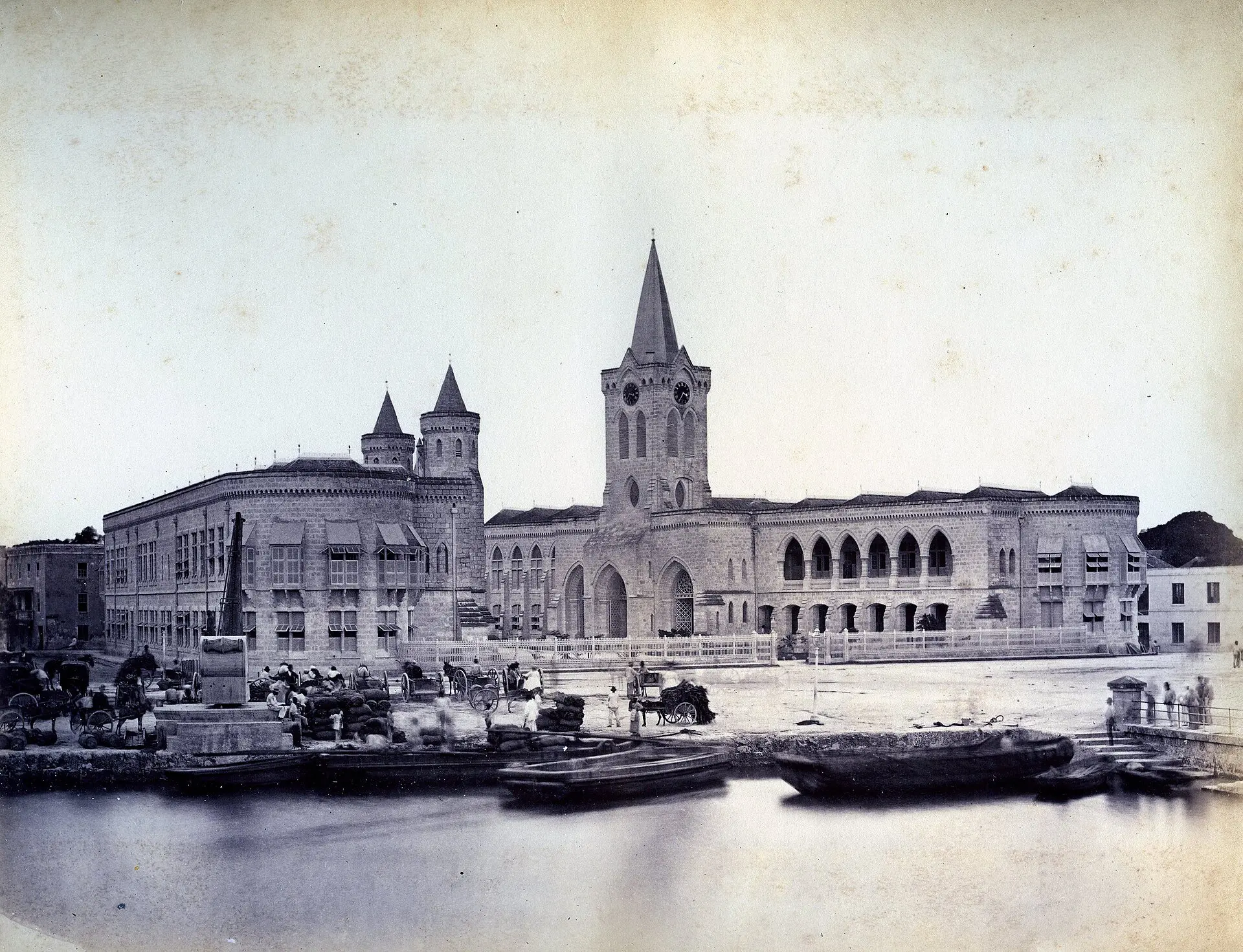
Bridgetown and the Garrison
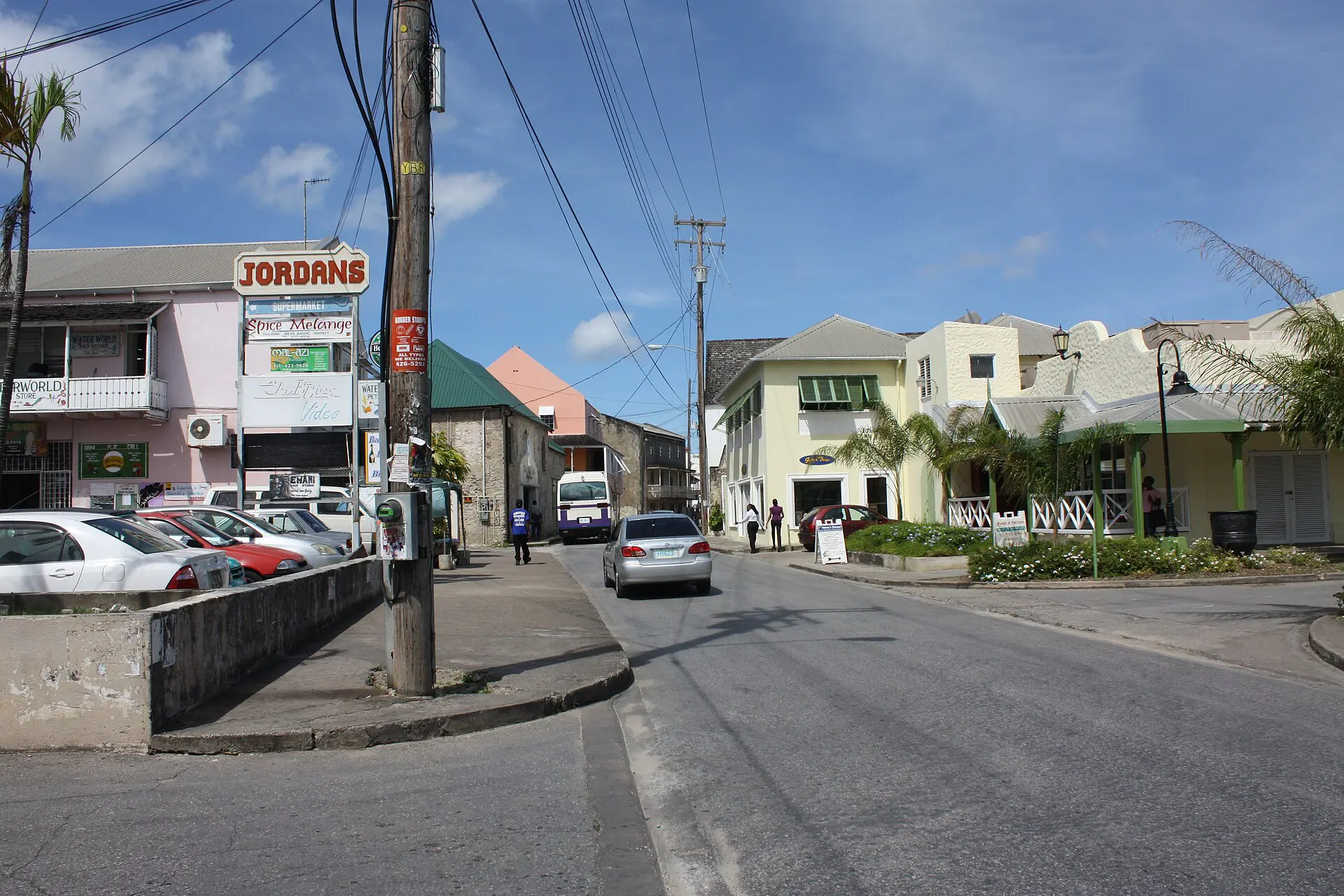
The capital is a working port with a UNESCO-listed historic centre. Highlights include the Parliament Buildings, the Garrison Savannah with its horse racing, and the Barbados Museum. Allow half a day, and visit in the morning before the heat peaks.
Holetown and the west coast
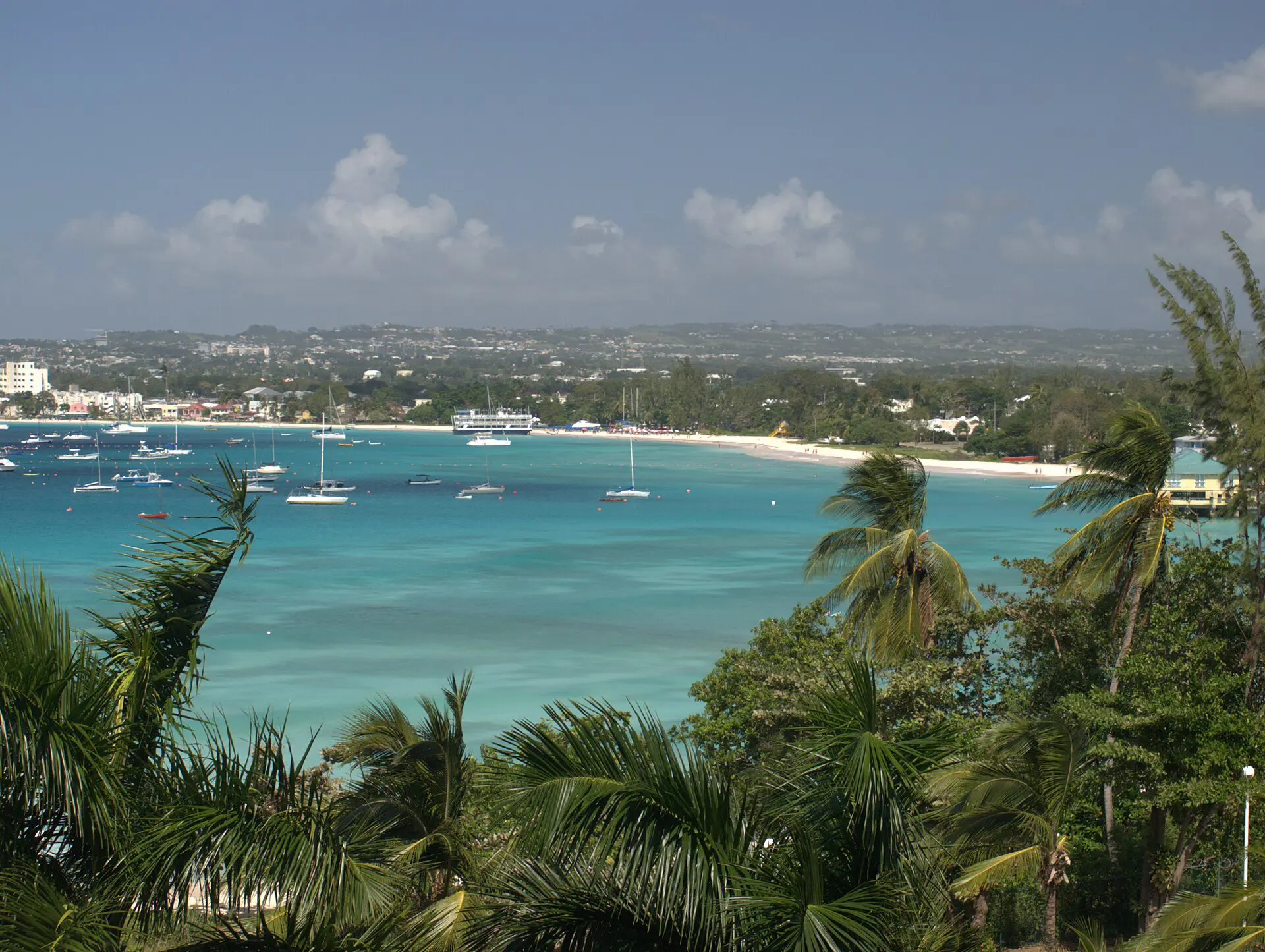
The calm Platinum Coast has the island’s best-known resorts and sheltered swimming beaches. Holetown, where the first English settlers landed in 1627, has restaurants, shops and a lively weekend atmosphere.
Oistins and the south coast
The south coast has breezy beaches such as Accra, Dover and Miami, and a livelier nightlife in St Lawrence Gap. Oistins is a fishing town best known for its Friday night fish fry.
Bathsheba and the east coast
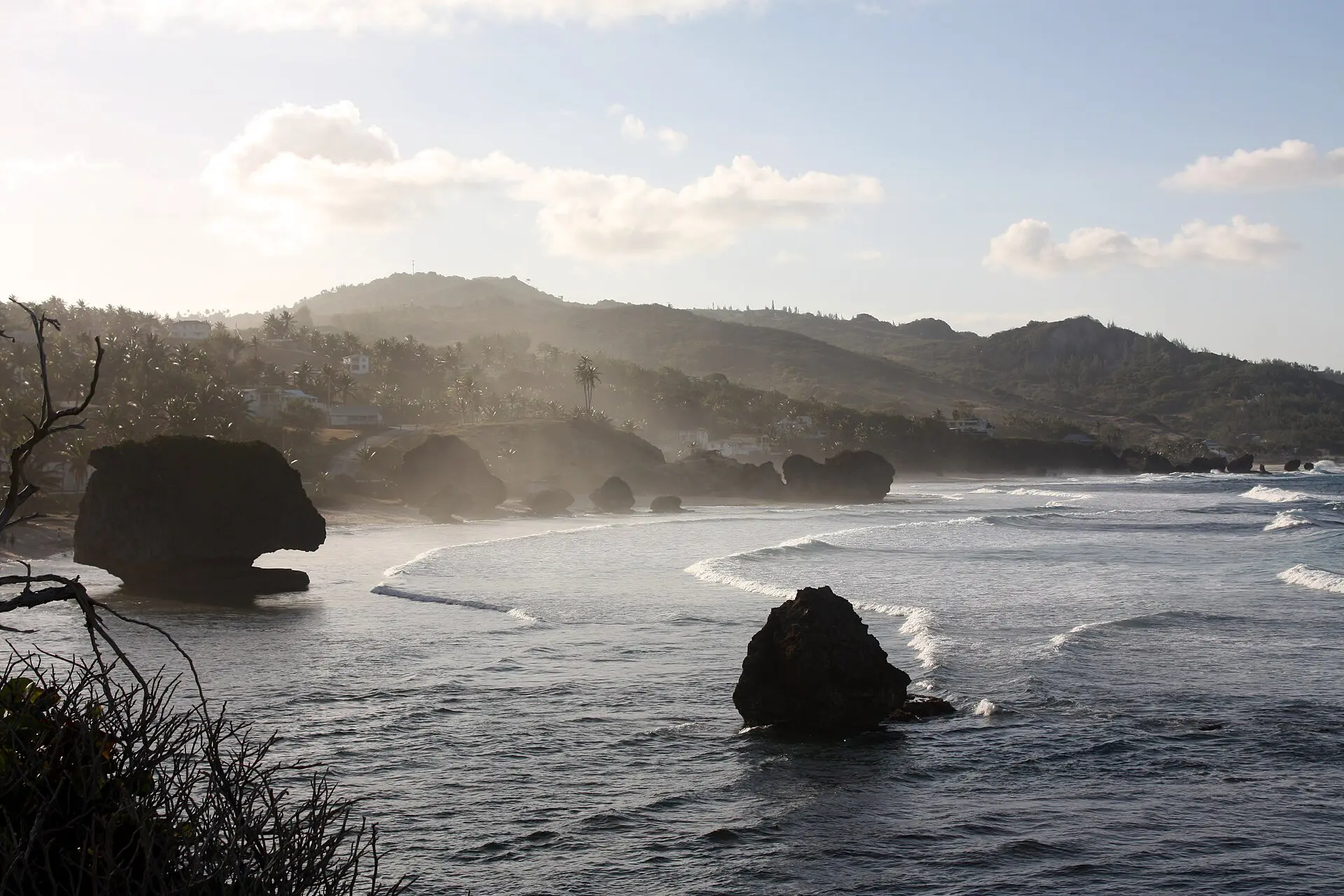
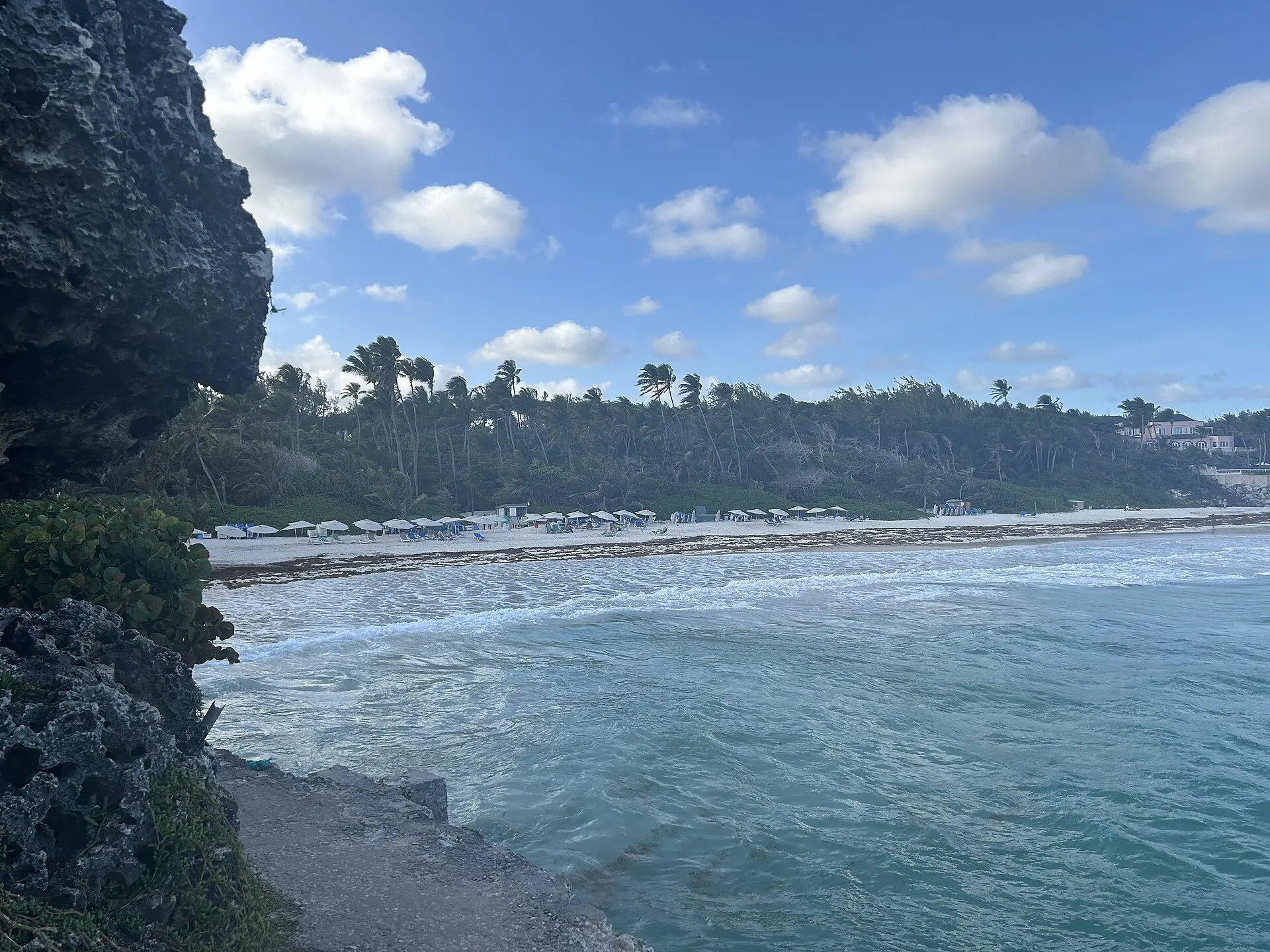
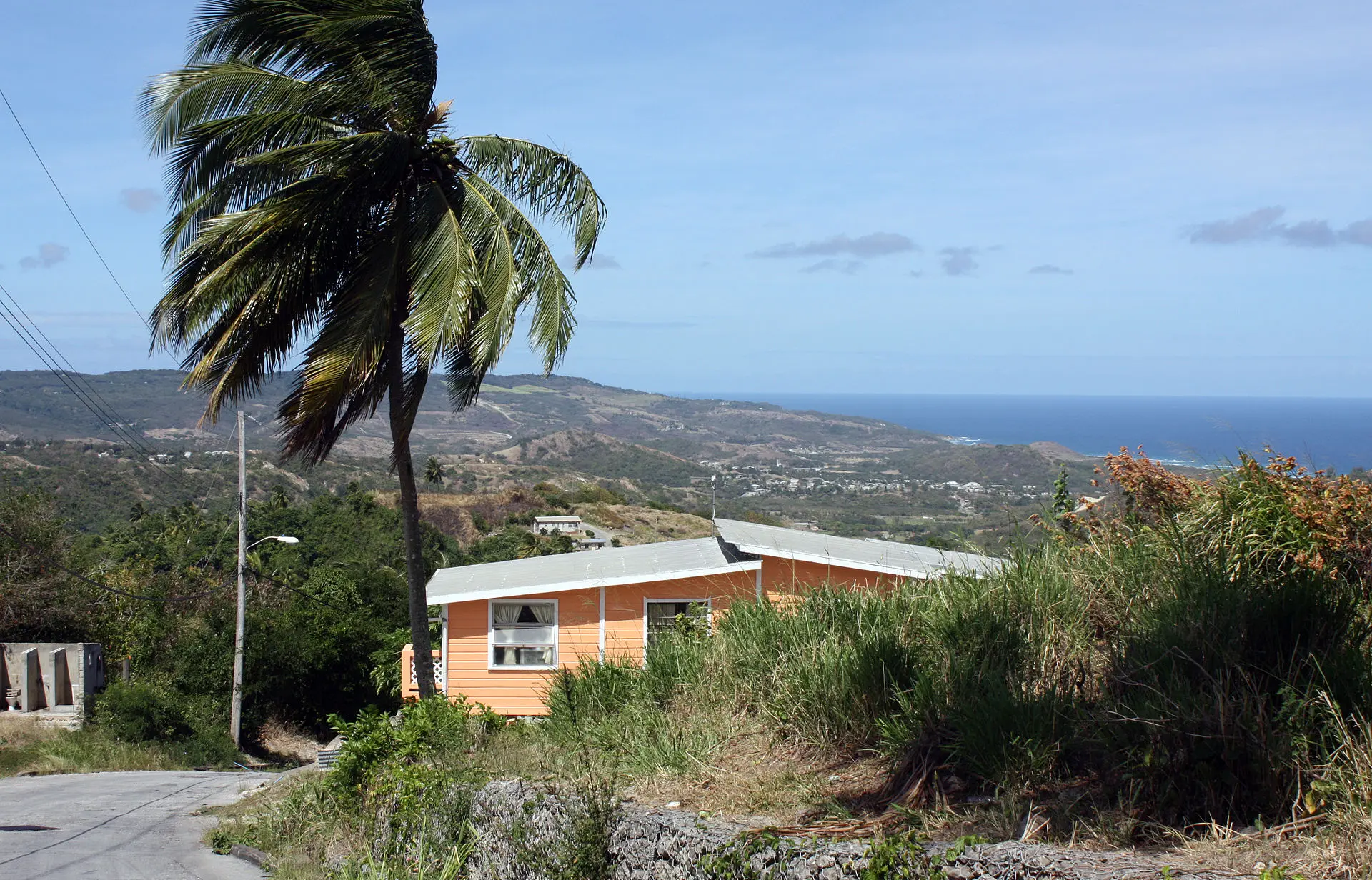
The Atlantic side is wild and dramatic, with giant boulders, surf and strong currents. Bathsheba is the main village, good for walking, surfing and photographs rather than swimming.
St Nicholas Abbey and the interior
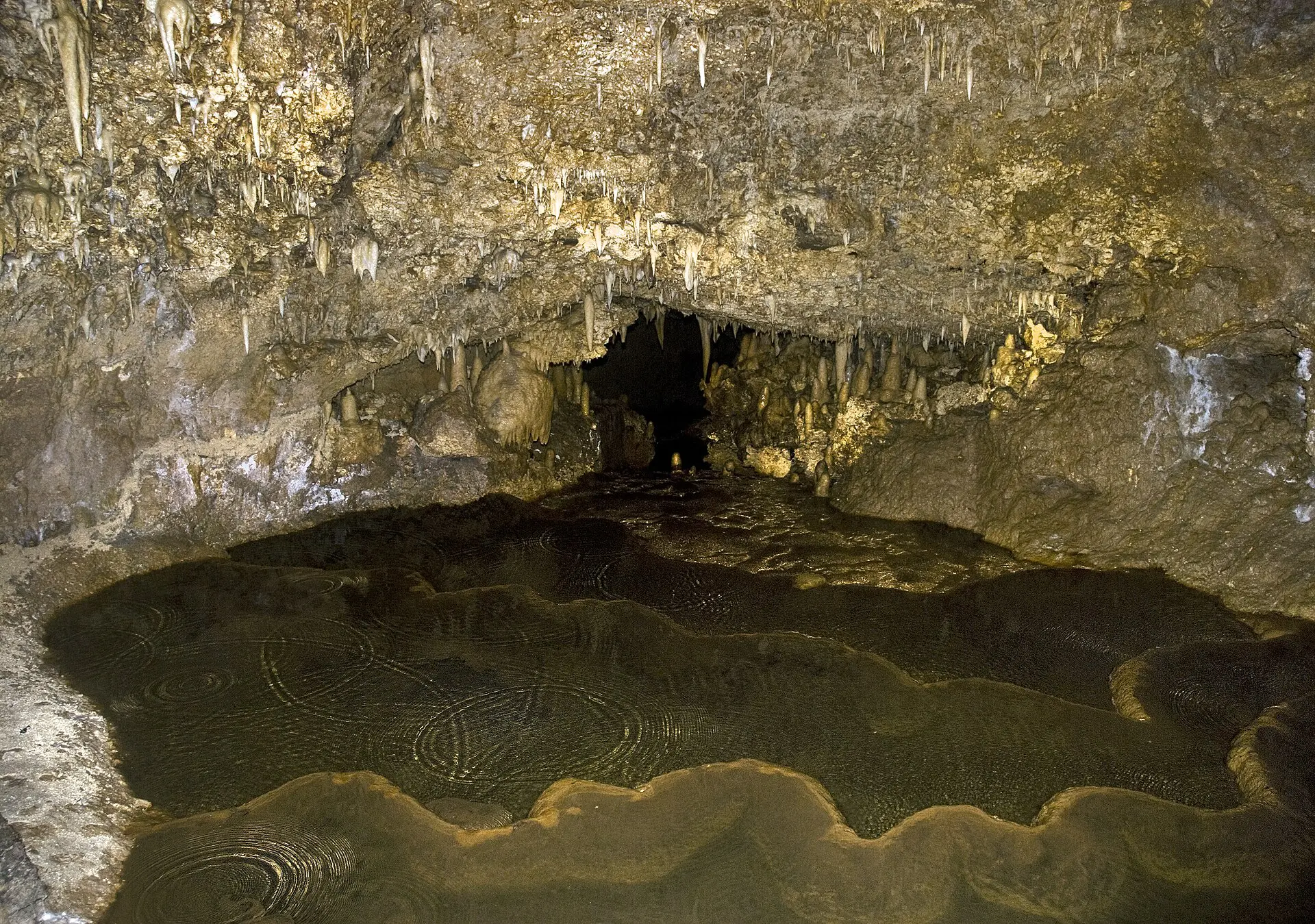
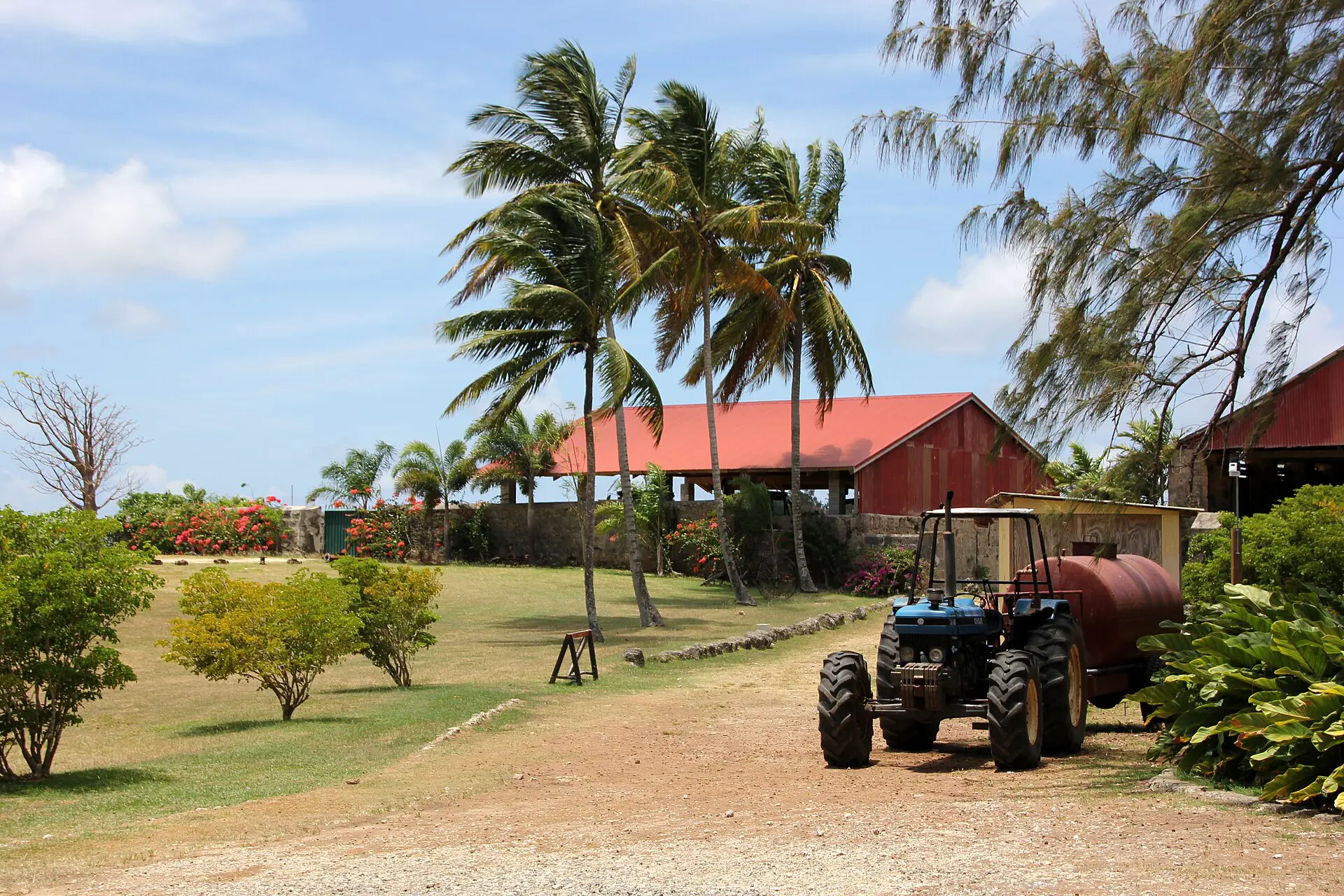
The north-east has restored plantation houses, gardens and gullies. St Nicholas Abbey is a Jacobean-style mansion that produces rum, and Harrison’s Cave offers a tram tour through limestone caverns.
Top things to do in Barbados
The top things to do in Barbados range from swimming with turtles to touring rum distilleries, and most can be done in a week.
- Swim with turtles: boat trips along the west coast stop at reefs where hawksbill and green turtles feed.
- Tour a rum distillery: Mount Gay, Foursquare and St Nicholas Abbey offer tours and tastings, with Mount Gay claiming one of the oldest rum brands.
- Eat at the Oistins Fish Fry: grilled fish, sides and music draw locals and visitors on Friday nights.
- Explore Harrison’s Cave: an electric tram takes visitors through crystal-lined caverns.
- Walk the Garrison: see colonial barracks, the Main Guard and the historic cannon collection in Bridgetown.
- Watch the surf at Bathsheba: experienced surfers ride the Soup Bowl, while others walk the rocky coast.
- Take a catamaran cruise: day sails include snorkelling stops and lunch aboard.
- Visit Animal Flower Cave: at the island’s northern tip, sea-carved caves and rock pools open to the Atlantic.
- Join a Sunday cricket match or horse race: both are cherished local pastimes.
- Hike the Arbib Nature and Heritage Trail: signposted walks cross gullies, sugar-cane fields and old plantation land.
Best time to visit Barbados
The best time to visit Barbados is mid-December to April, the dry season, when days are sunny, humidity is lower and seas are calm on the west coast. This is also the busiest and most expensive time, especially over Christmas and New Year. May to June and November are cheaper shoulder months, with some showers and fewer crowds.
| Season | Weather | Crowds and prices | Good for |
|---|---|---|---|
| Dry season (mid-Dec to Apr) | Sunny, 27-30 C, breezy | Highest prices and crowds | Beaches, sailing, sightseeing |
| Early wet (May-Jun) | Warmer, some showers | Falling prices | Value stays, snorkelling |
| Peak wet (Jul-Oct) | Hot, humid, heavier rain | Low prices; some places close | Budget trips, festivals such as Crop Over |
| Late autumn (Nov) | Showers clearing | Low to moderate | Quieter stays |
The Atlantic hurricane season runs from June to November. Barbados lies at the southern edge of the usual storm track and is hit less often than islands to the north, but travel insurance is wise. Crop Over, the island’s carnival season, culminates in Grand Kadooment in early August.
Is Barbados safe to visit?
Is Barbados safe? Yes, for most visitors, and it is generally regarded as one of the safer Caribbean islands, though petty crime does occur. Check your government’s travel advice, such as the UK FCDO or the US State Department, before booking, because crime reports and entry rules are updated regularly.
Theft. Opportunistic theft from beaches, parked cars and unlocked rooms is the most common problem. Do not leave valuables on the sand, lock rental cars and use hotel safes. Avoid walking alone on isolated beaches or in poorly lit areas at night, including parts of Bridgetown after dark.
Sea and weather. The Atlantic east coast has strong currents and rip tides, and swimming there is often dangerous. Use the calmer west and south coasts, follow lifeguard flags and respect sun strength. Hurricane season runs June to November.
Roads. Driving is on the left, roads are narrow and signs are limited, and many visitors find a taxi or a driver easier on first visits.
Health. Tap water is safe to drink. Use insect repellent, as dengue is present, and carry travel insurance with medical cover.
Barbados visa and entry requirements
Most visitors do not need a Barbados visa for a tourist stay. The exceptions since 2022 are citizens of a short list of countries, which includes Afghanistan, Iran, Iraq, Libya, North Korea, Myanmar, Somalia and Syria. Others may generally enter for between 28 days and six months, depending on nationality, but you should check the current list with the Barbados government before booking.
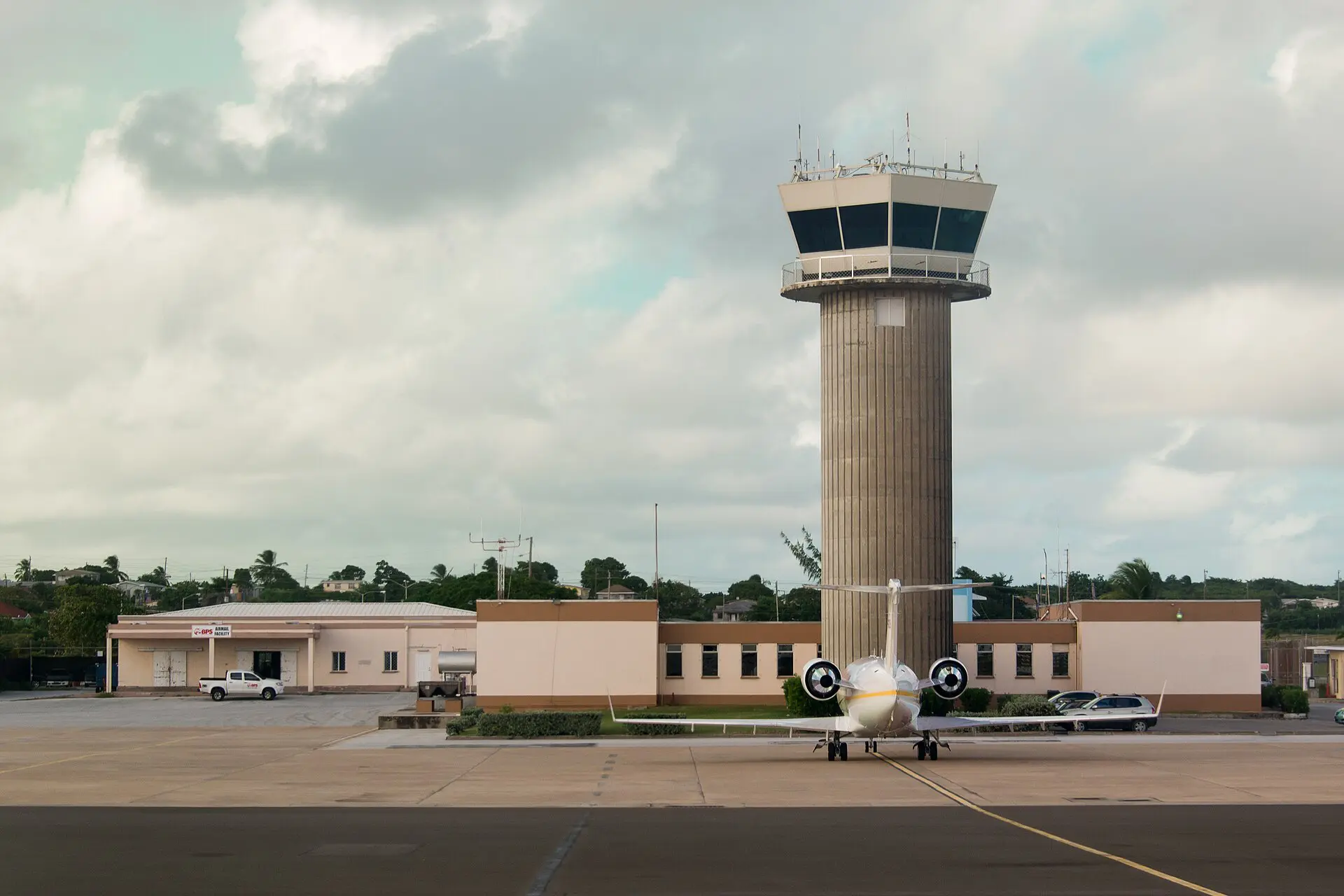
All visitors need a passport valid for the length of the trip and proof of onward or return travel. Barbados has used an online immigration and customs form completed before arrival, so check that requirement on the official Barbados tourism or immigration website. Some visitors may also be asked for proof of accommodation or funds.
Rules on health documents have changed in recent years, so look for the current position. If you plan a cruise stop, the ship’s agent normally handles formalities, and passengers should still carry a passport. For heritage planning, see the UNESCO page for Barbados, which does not cover entry rules.
Getting to and around Barbados
Nearly all visitors arrive at Grantley Adams International Airport, on the south coast about 20 minutes from Bridgetown, with direct flights from London, New York, Miami, Toronto and other cities. Cruise ships dock at the Bridgetown port. There are no road borders, and inter-island flights and ferries are limited.
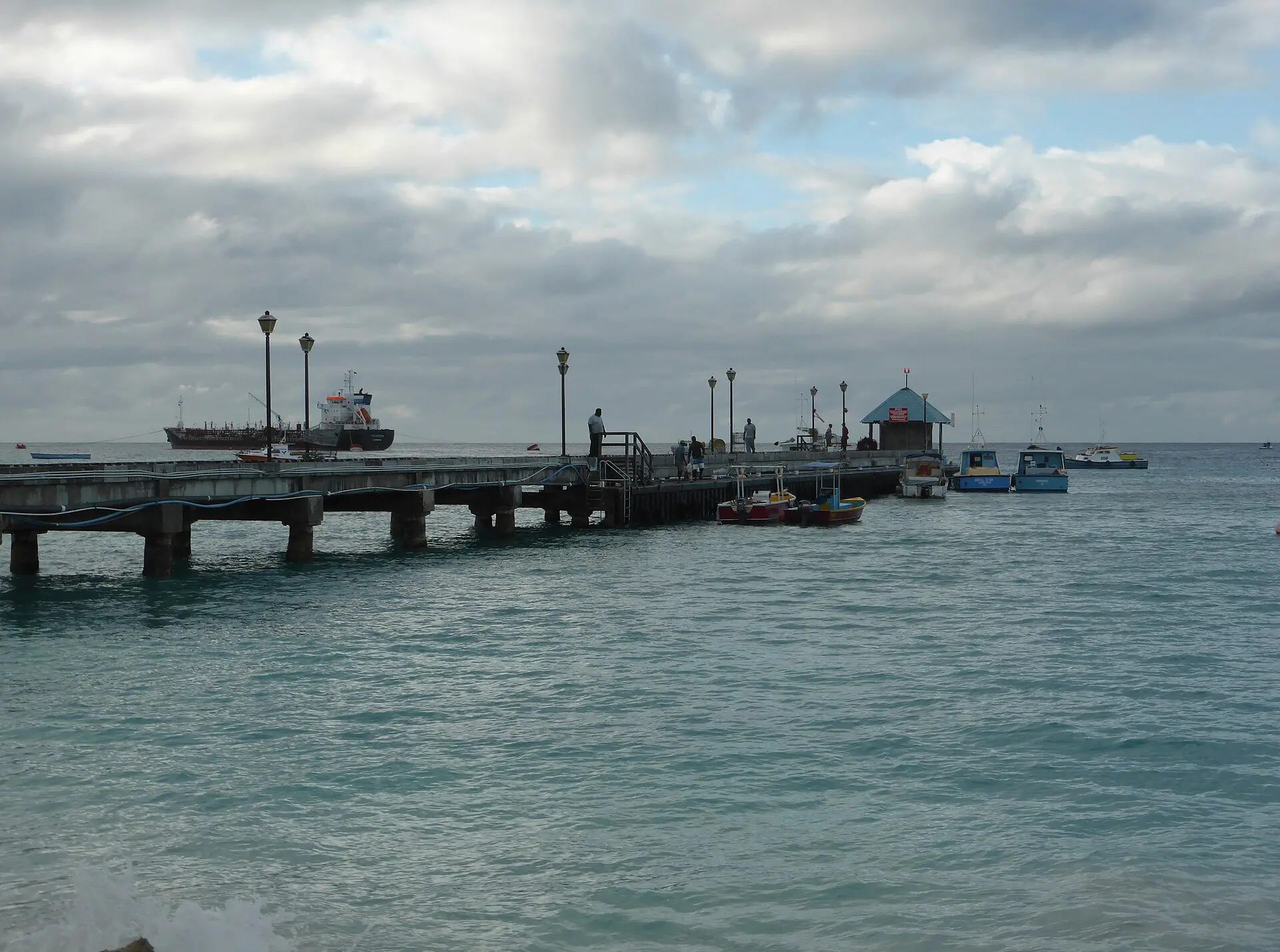
The island is small, about 34 kilometres long, but travel is slower than distances suggest. Public buses are cheap and frequent: government blue buses and privately run yellow minibuses and white ZR vans serve most routes. Taxis are plentiful, and fares are fixed by zone, so agree the price before departing. Many visitors rent a car, and a local driving permit is required, which rental firms normally issue for a fee. Drive on the left, and note that roads on the east coast and in the interior are narrow and winding.
Bridgetown to Holetown takes around 25 to 30 minutes, to Oistins about 25 and to Bathsheba around 45. Walking is practical within resort areas and Bridgetown, and organised tours or boat trips are an easy way to reach the more remote spots.
How much does a trip to Barbados cost?
Barbados is one of the more expensive Caribbean islands, mainly because accommodation and imported goods cost more. The Barbadian dollar (BBD) is pegged to the US dollar at two to one, and US dollars are widely accepted. Prices below are rough 2026 guides in US dollars per person per day, with higher costs in peak winter.
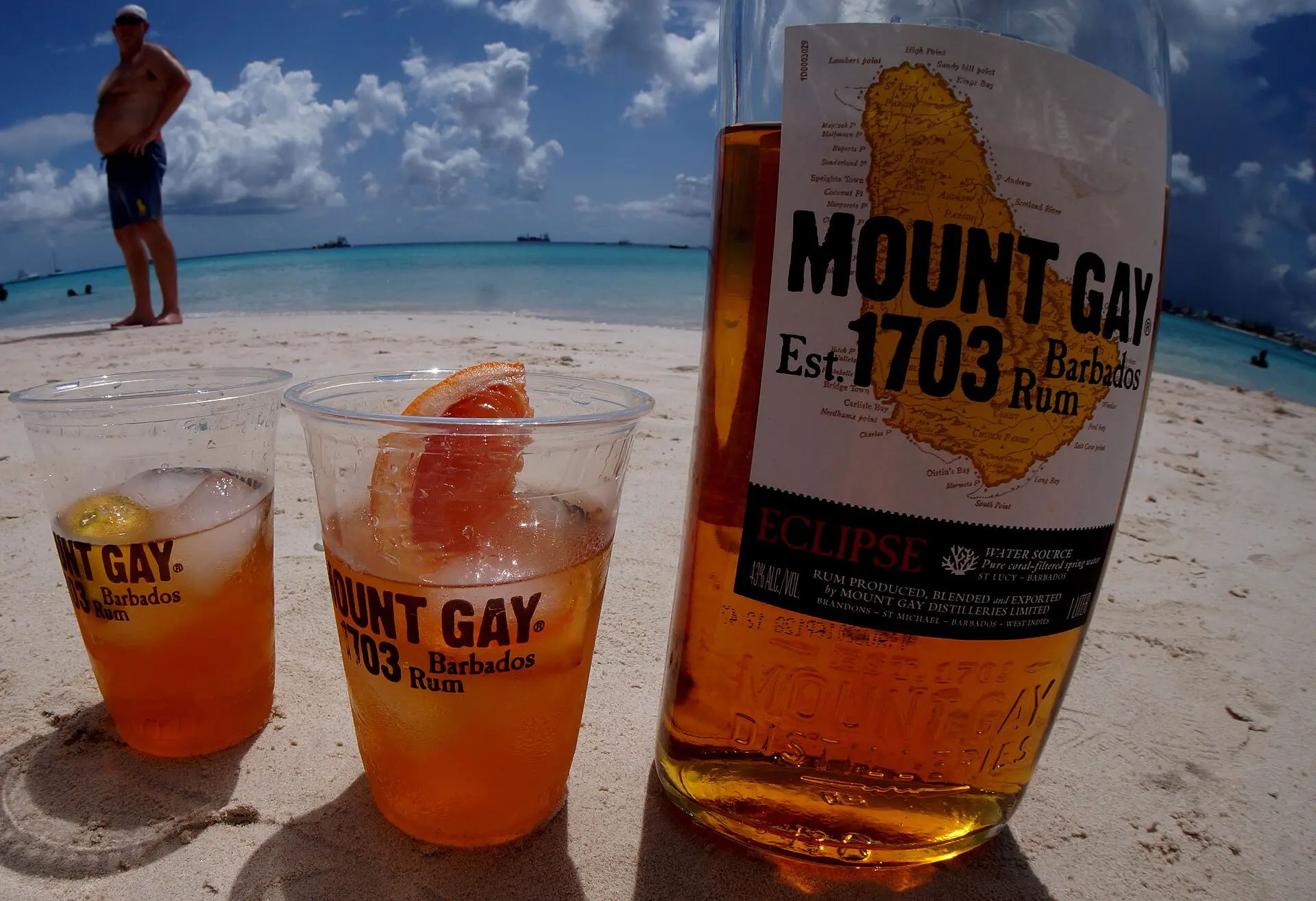
- Budget: around USD 90 to 150 per day, with guesthouses or self-catering, buses, rum shops and fish-fry meals.
- Mid-range: around USD 150 to 300 per day, with a comfortable hotel, restaurant dinners, some taxis or car hire and one or two excursions.
- High-end: from around USD 450 per day, with beachfront resorts, fine dining and private boats.
Accommodation is the main swing factor, particularly on the west coast in December to April. Eating at local places is far cheaper than hotel restaurants, and a plate lunch can cost a fraction of a resort dinner. Many menus add a 10 percent service charge and a government tax, so check your bill. Drinks, taxis and tours add up quickly.
Barbados food and drink
Barbados food blends African, British and Caribbean influences, and has a strong seafood and rum tradition. Bajan cooking uses a seasoning blend of herbs, hot pepper, lime and onion, and dishes are often served with macaroni pie and rice.
- Cou-cou and flying fish: cornmeal and okra paste with steamed or fried flying fish, the national dish.
- Fish cutter: a fried fish sandwich on a salt bread roll, a classic snack.
- Pudding and souse: pickled pork with steamed sweet potato, a Saturday tradition.
- Macaroni pie: baked pasta with cheese, a standard side dish.
- Fish cakes: salt cod fritters, often bought from roadside stalls.
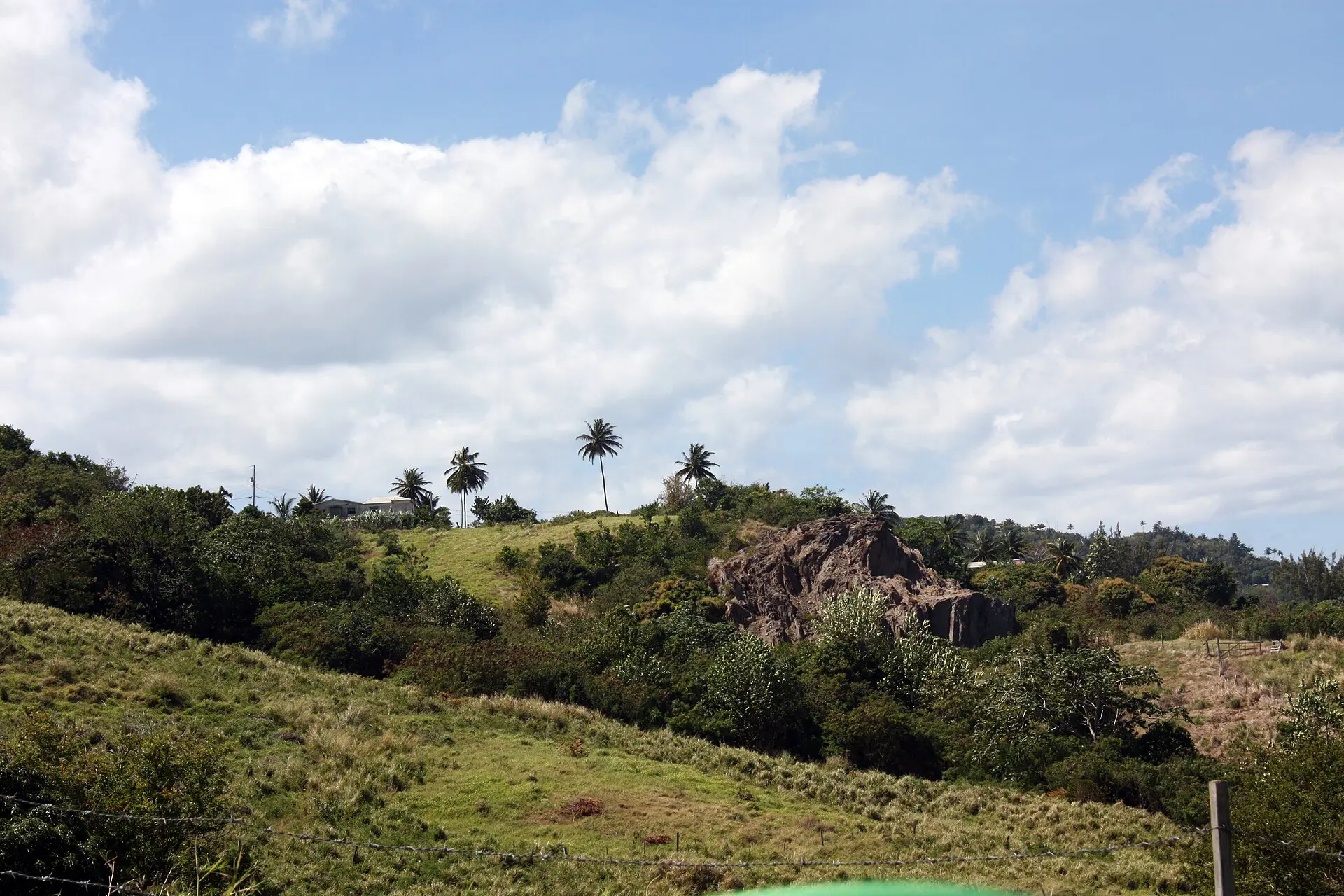
- Rum punch: the classic mix of rum, lime, sugar, bitters and nutmeg, with Banks beer as the popular local lager.
- Mauby: a bittersweet drink from tree bark, an acquired taste.
Fresh tropical fruit, coconut water and sweet breads are also easy to find. Vegetarians can eat well from sides, salads and roti, though meat and fish dominate traditional menus. Rum shops serve cheap drinks and local company, and Oistins and Holetown have good-value places to eat. Tap water is safe to drink.
Culture, language and etiquette in Barbados
English is the official language, and Bajan Creole is widely spoken at home and among friends. It can sound fast, so ask people to repeat themselves if you do not follow. Barbados has an educated, outgoing population, with over 90 percent of people of African descent, and a long history of British colonial rule that ended with independence in 1966. In November 2021 the island became a republic within the Commonwealth.
Greet people with a friendly good morning or good afternoon before asking for anything, as this is considered basic courtesy. Dress is relaxed, but swimwear is for the beach, and cover up in towns, restaurants and churches. Camouflage clothing is prohibited for civilians, so do not pack it.
Church is important, and many Bajans attend on Sunday. Cricket is a national passion, and Sir Garfield Sobers is a revered figure. Respect the island’s history of slavery, which is addressed at heritage sites such as Bussa Emancipation Statue and the Barbados Museum. Ask before photographing people, and keep your voice and music down in residential areas at night.
Barbados itinerary: a 7-day route
This route bases you on the south or west coast and fits the island’s main sights into short day trips. Roads are slow, so keep each day to one or two main stops.
- Day 1, arrival: settle in, walk the beach and plan an early night after travel.
- Day 2, Bridgetown: tour the Garrison, Parliament Buildings and the Barbados Museum, then swim at Carlisle Bay.
- Day 3, west coast: take a catamaran or turtle snorkelling trip, then explore Holetown for dinner.
- Day 4, north: visit Mount Gay or St Nicholas Abbey, then Animal Flower Cave and Speightstown.
- Day 5, east coast: drive to Bathsheba, walk the coast, and visit Harrison’s Cave on the way back.
- Day 6, south coast: relax at Crane Beach or Accra, then eat at the Oistins Fish Fry if it is Friday.
- Day 7, departure: last swim, souvenirs of rum and sauces, and an airport transfer of about 20 minutes.
Swap the Oistins evening to match the day of the week, and add a surf lesson at Freights Bay if you want something active.
Practical tips for Barbados
- Money: the Barbadian dollar is pegged at BBD 2 to USD 1, and US dollars are widely accepted, though change may come in BBD. Cards work in most hotels, restaurants and shops, and ATMs are common.
- SIM and eSIM: local prepaid SIMs from Digicel or Flow are inexpensive, and eSIMs work with most modern phones. Check roaming rates before you travel.
- Plugs: types A and B at 115 V, as in North America. Visitors from Europe and the UK need an adapter and a compatible voltage device.
- Tipping: leave 10 to 15 percent where a service charge is not added.
- Health: use high-factor sunscreen, drink plenty of water and carry mosquito repellent.
- Packing: light clothes, a rain jacket from June to November, reef-safe sunscreen, water shoes for rocky beaches and a cover-up for towns.
- Calling: the country code is +1 246, so US and Canadian phone plans may include calls.
For wider background, see the Wikivoyage Barbados guide.
FAQ
Q1Is Barbados safe?
Yes, for most visitors. Barbados is among the safer Caribbean islands, and violent crime against tourists is uncommon. The main risks are petty theft from beaches and cars, strong currents on the east coast and hurricane season. Lock valuables away and check your government's current travel advice.
Q2What are the best things to do in Barbados?
Top picks are swimming with turtles on the west coast, touring rum distilleries such as Mount Gay, eating at the Oistins Fish Fry, exploring Harrison's Cave, walking Bridgetown's Garrison and watching the surf at Bathsheba. A catamaran cruise is also popular.
Q3What is Barbados food like?
Barbados food mixes African, British and Caribbean traditions. Try flying fish with cou-cou, fish cutters, pudding and souse, macaroni pie and rum punch. Seafood is excellent and local eateries are far cheaper than resort restaurants. Vegetarians can eat from sides and salads.
Q4What is the best time to visit Barbados?
Mid-December to April is best, with sun, lower humidity and little rain, but prices peak. May to June and November offer better value with some showers. Hurricane season runs June to November, though Barbados is hit less often than islands to the north.
Q5Do I need a visa for Barbados?
Most visitors do not need a visa for tourist stays. Citizens of a short list of countries do, so check with the Barbados government for your passport. All visitors need a valid passport, a return or onward ticket and may need to complete an online immigration form.
Q6Is Barbados safe to visit for solo travellers?
Generally yes. Solo travellers, including women, report feeling comfortable in tourist areas. Take sensible precautions: avoid isolated beaches and dark streets at night, use licensed taxis, keep valuables out of sight and use the calm west or south coast for swimming.
Q7How many days do you need in Barbados?
Five to seven days cover the main sights at a relaxed pace, including Bridgetown, a distillery, the east coast and a boat trip. A long weekend is enough for beaches and one or two excursions, while longer stays suit those who want to surf or simply rest.