Why visit the Bahamas
Bahamas travel is built on water: the country is an archipelago of about 3,000 islands, cays and rocks in the Atlantic, only a short flight from Florida, with shallow turquoise seas, long sandy beaches and some of the world’s clearest snorkelling and diving. The Bahamas, officially the Commonwealth of the Bahamas, became independent from the United Kingdom in 1973 (see the Wikipedia overview for background). Only about 30 islands are inhabited, and Nassau on New Providence holds around half of the population.
It suits couples, families, honeymooners, boaters and divers, and anyone who wants a short, easy beach trip with English spoken everywhere. It is not a budget destination, since most goods are imported, but you can stretch money by using local ferries, small guesthouses and cheap local food. Choosing the right island matters more than anything else.
Best places to visit in Bahamas
The best places to visit in Bahamas differ widely in style, from busy Nassau to quiet out-islands that need a small plane or boat.
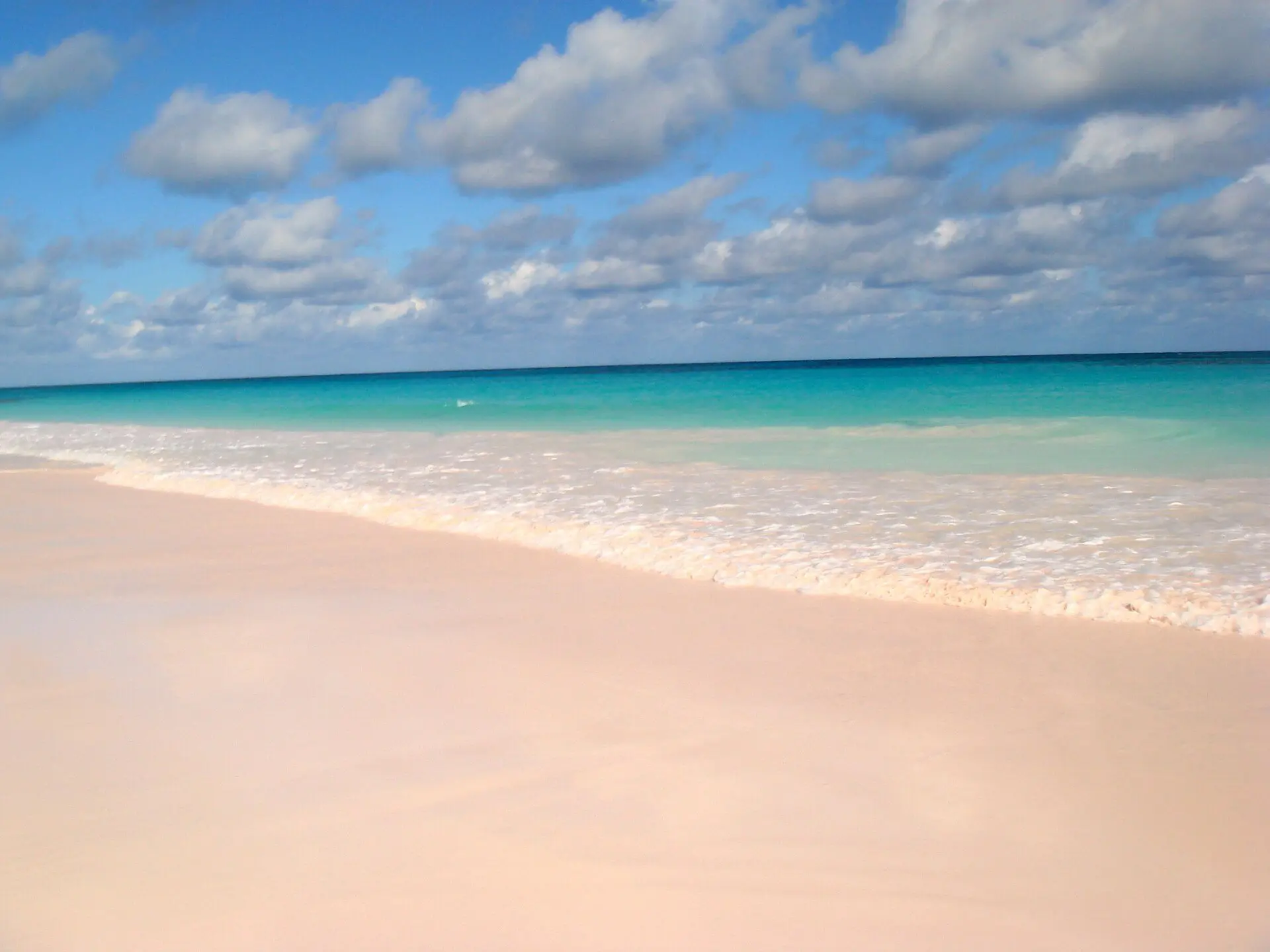
Nassau and Paradise Island
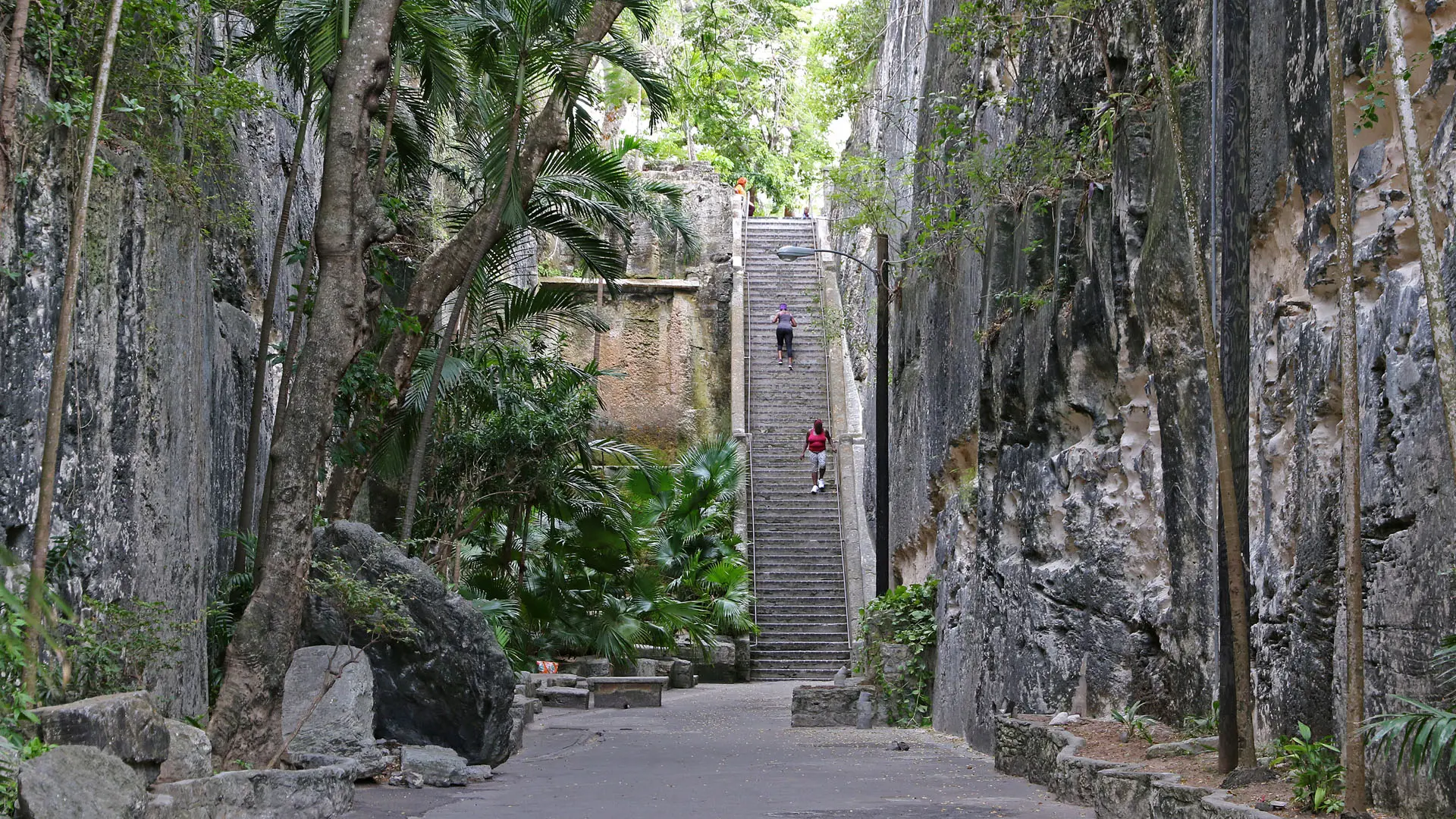
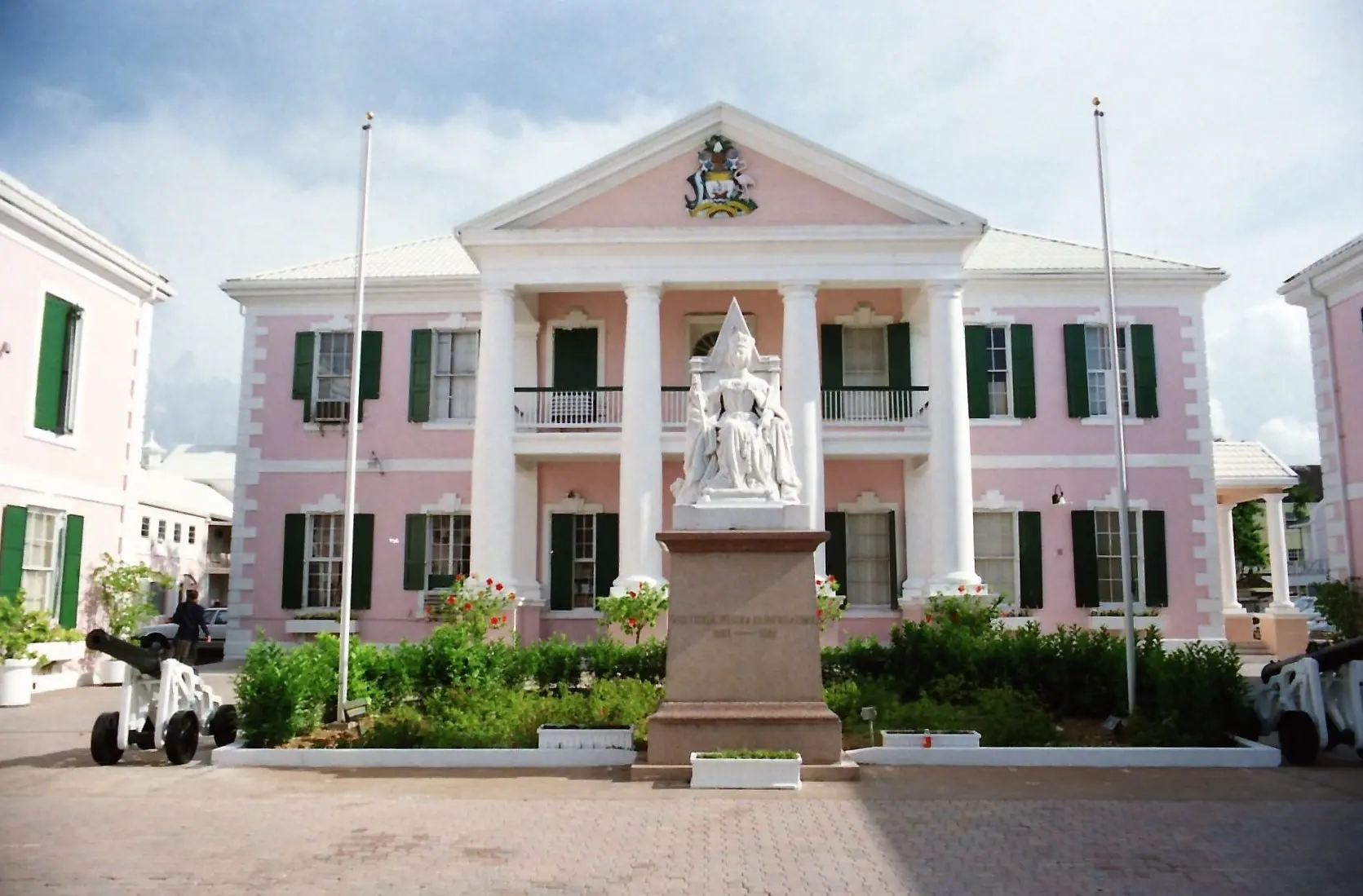
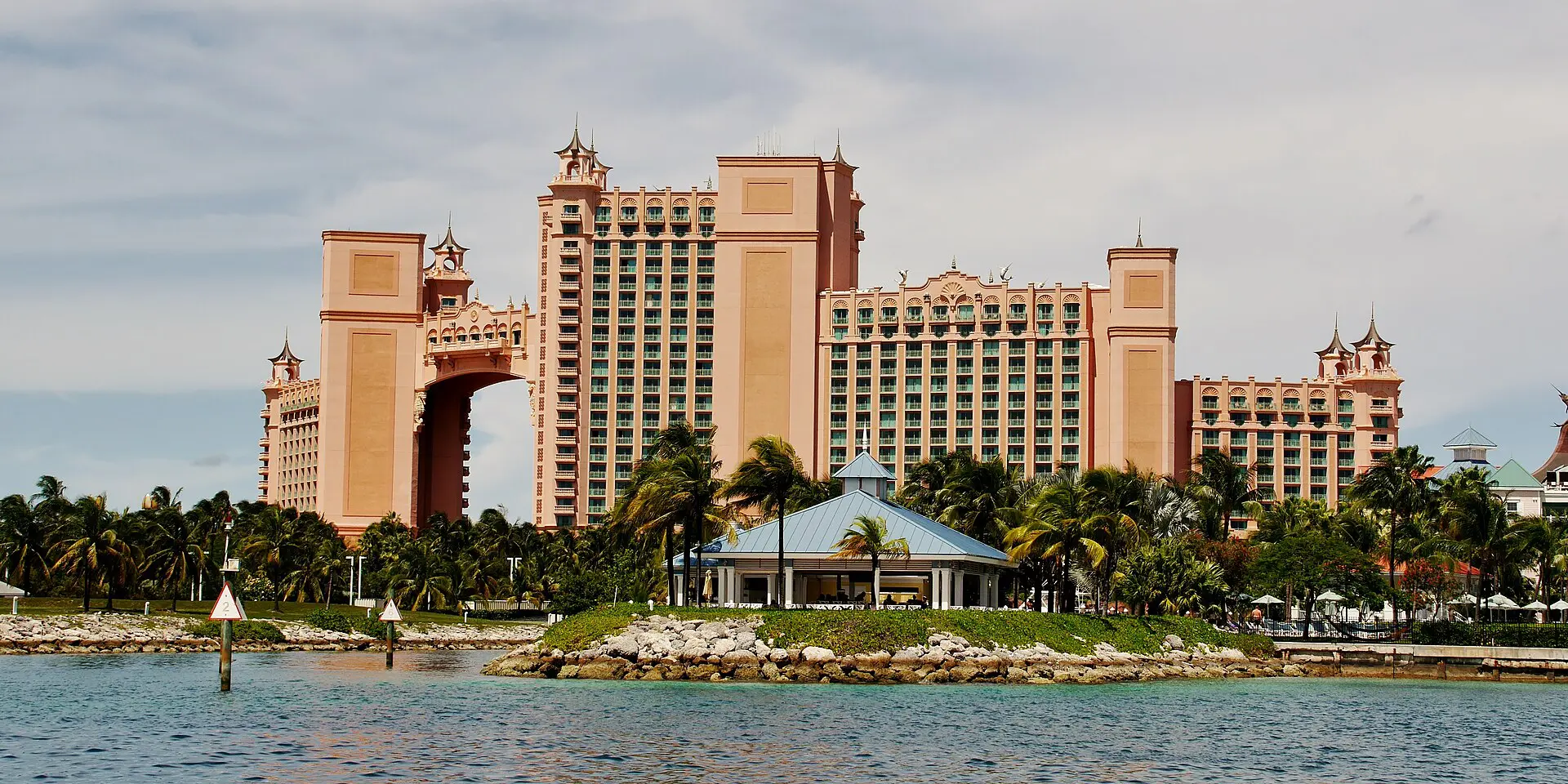
The capital has historic forts, the Queen’s Staircase, cruise-port shops, Cable Beach and the Atlantis resort. It is the main gateway, so most visitors spend at least a night here.
The Exumas
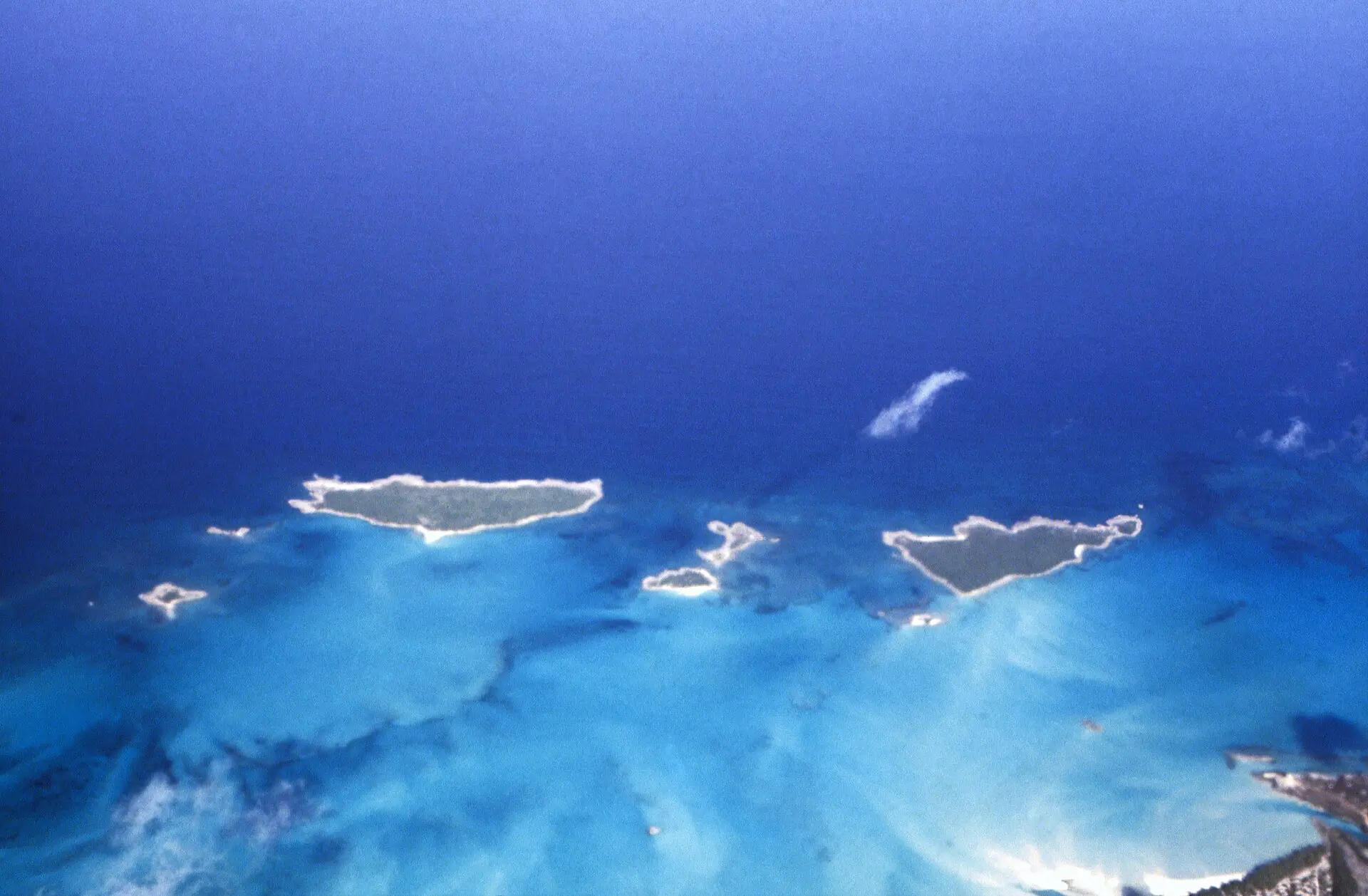
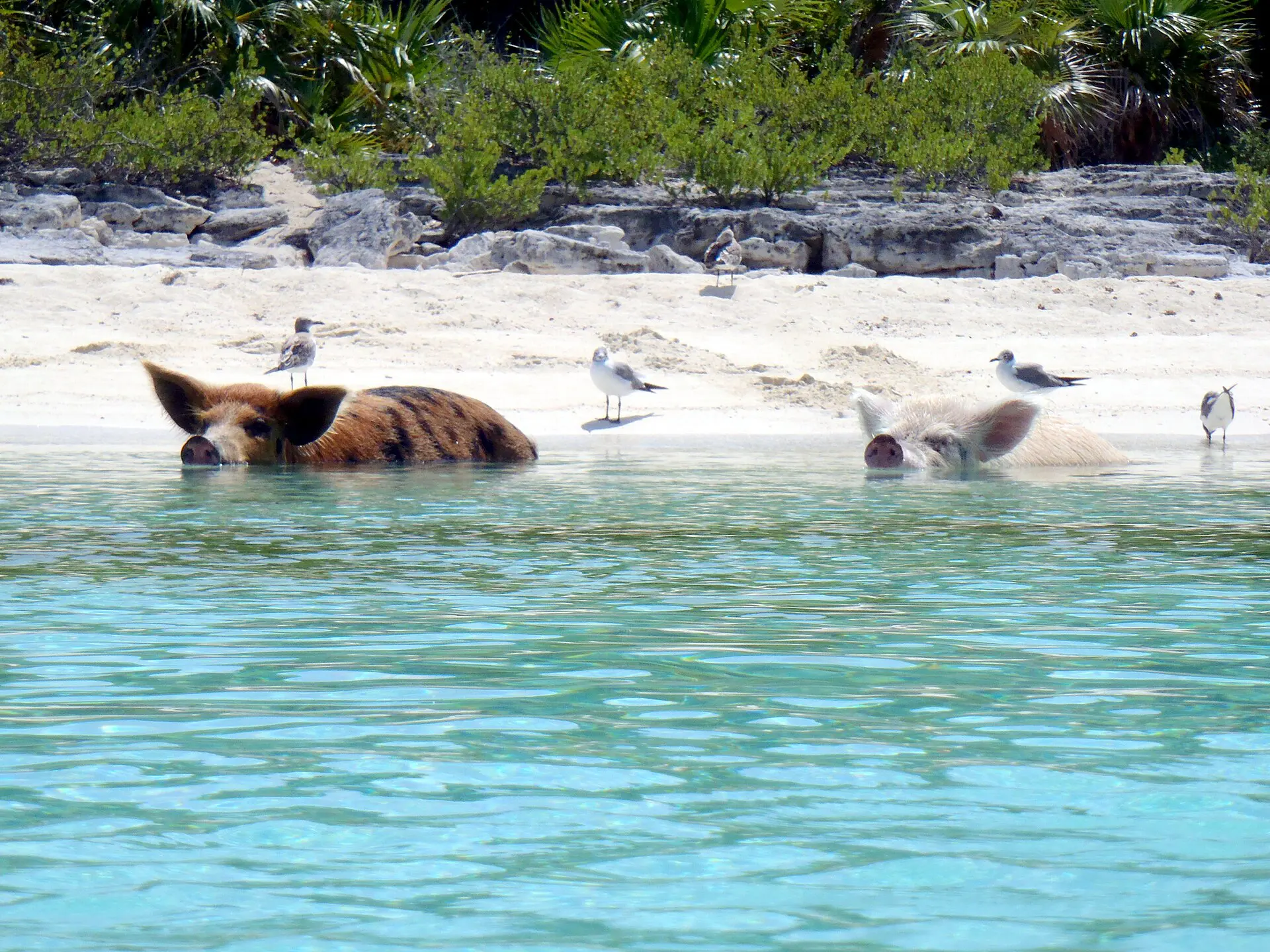
This chain of cays south-east of Nassau is known for sandstone beaches, sailing, swimming pigs on Big Major Cay and boat trips to marine parks. It is best by boat or a guided day tour.
Harbour Island
Reached by a short ferry from North Eleuthera, it has a colonial village and a long pink-tinted sand beach. It is popular, so book early.
Eleuthera
A long, thin island with the Glass Window Bridge, pineapple farms and quiet beaches. A rental car is the best way to explore.
Grand Bahama
Freeport and Lucaya have resorts, diving and Lucayan National Park, and it is close to Florida.
Andros and Long Island
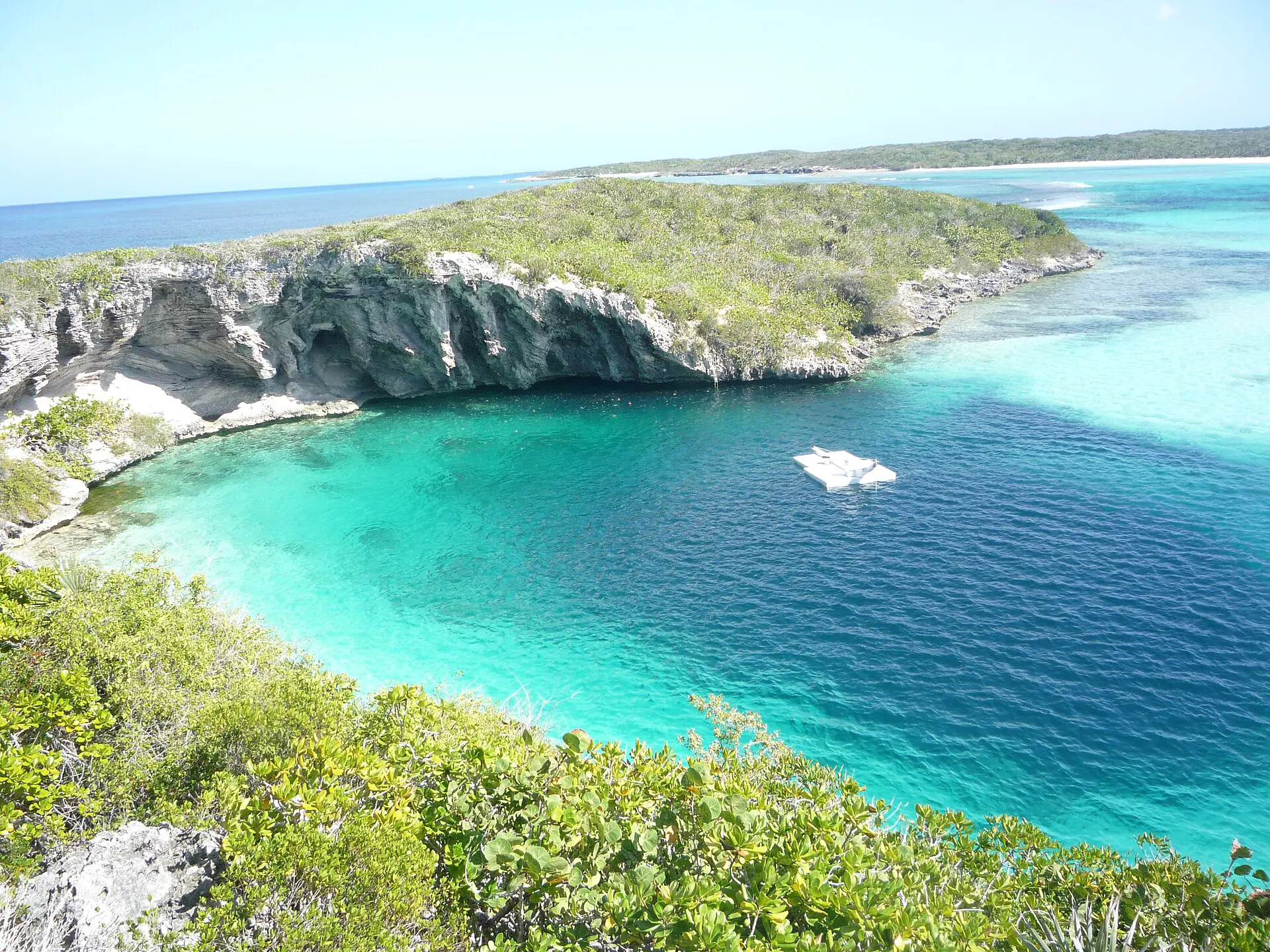
Andros has the world’s third-largest barrier reef, and Long Island has Dean’s Blue Hole, one of the deepest blue holes in the world.
Things to do in the Bahamas
The top things to do in the Bahamas centre on the sea, with a few cultural stops. If you search for things to do in Bahamas, you will find that most activities are booked as day trips from Nassau, Grand Bahama or the Exumas.
Things to do in Bahamas by interest
- Swim with the pigs: boat tours from Nassau or the Exumas visit Big Major Cay, where feral pigs swim out to meet visitors.
- Snorkel the reefs: Andros, Exuma Cays Land and Sea Park and Grand Bahama all have clear shallow reefs.
- Dive blue holes: Dean’s Blue Hole and the inland blue holes of Andros are famous.
- Relax on Pink Sands Beach: the long strand on Harbour Island is among the most photographed.
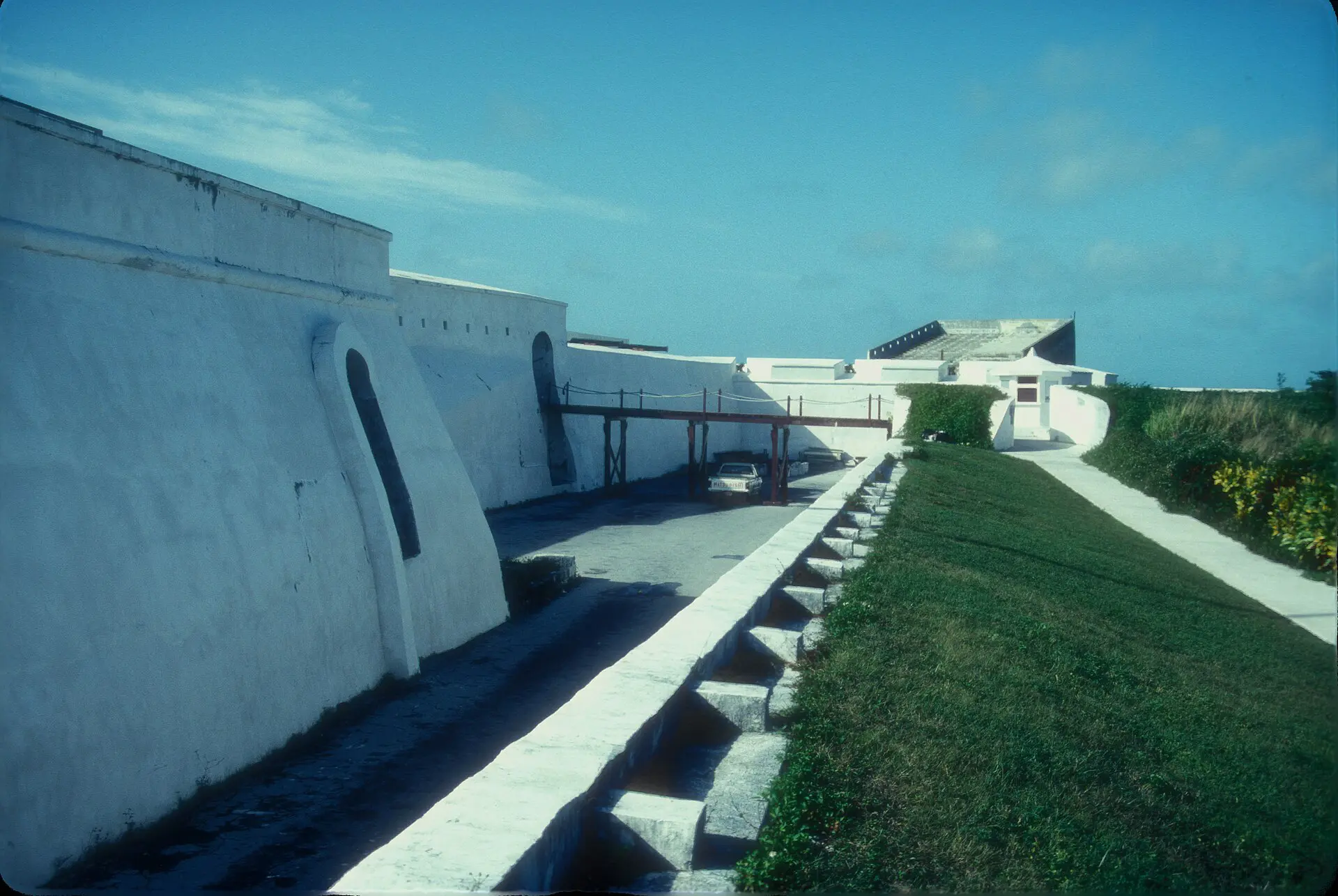
- Walk Nassau’s historic sites: Fort Fincastle, Fort Charlotte and the Queen’s Staircase tell the story of the pirate and colonial era.
- Go sport fishing: bonefishing in the flats and deep-sea trips for marlin run from several islands.
- Sail between islands: charter boats and sailing trips are popular in the Exumas and Abacos.
- Watch Junkanoo: the street carnival is held on Boxing Day and New Year’s Day, with the biggest parades in Nassau.
- Eat at Arawak Cay: the Fish Fry has stalls with conch and fresh fish.
- Kayak mangroves: Grand Bahama and Andros offer quiet creek paddles with birds and turtles.
Best time to visit Bahamas
The best time to visit Bahamas is mid-December to April, when the weather is warm and dry, humidity is lower and hurricane risk is minimal. This is also the high season, so rooms cost the most from Christmas to Easter. Shoulder months of May and November often offer better prices with good weather. Hurricane season officially runs from June to November, with the peak in August to October, and some small resorts close in September and October.
| Season | Weather | Crowds and prices | Good for |
|---|---|---|---|
| Winter (Dec-Mar) | Warm, dry and breezy, around 24-27 C | Highest prices and crowds | Beaches, boating, Junkanoo |
| Spring (Apr-May) | Hot, sunny and fairly dry | Falling prices after Easter | Diving, fishing, snorkelling |
| Summer (Jun-Aug) | Hot, humid, with showers | Lower prices, fewer visitors | Families, budget deals |
| Autumn (Sep-Nov) | Hot, with peak hurricane risk | Lowest prices, some closures | Flexible travellers with insurance |
If you travel in hurricane season, buy flexible bookings and travel insurance that covers storms.
Is the Bahamas safe to visit?
Yes, most visits to the Bahamas are trouble-free, especially in resort areas and on the out-islands, but crime exists and sea conditions need respect. Governments such as the US and UK publish advice that urges care in some parts of Nassau and Freeport. Check the UK FCDO or US State Department page before booking.
Is Bahamas safe for tourists?
Is Bahamas safe at night and away from resorts? Use caution. Stay in well-lit tourist areas, use licensed taxis, avoid walking alone at night, and do not leave valuables on beaches. Violent crime has been concentrated in specific neighbourhoods outside tourist zones, so ask your hotel which areas to avoid.
Water. Rip currents, jet skis and unlicensed water sports operators are the most serious risks. Use licensed operators, wear a life jacket and keep clear of boats. Sharks are present but attacks are rare.
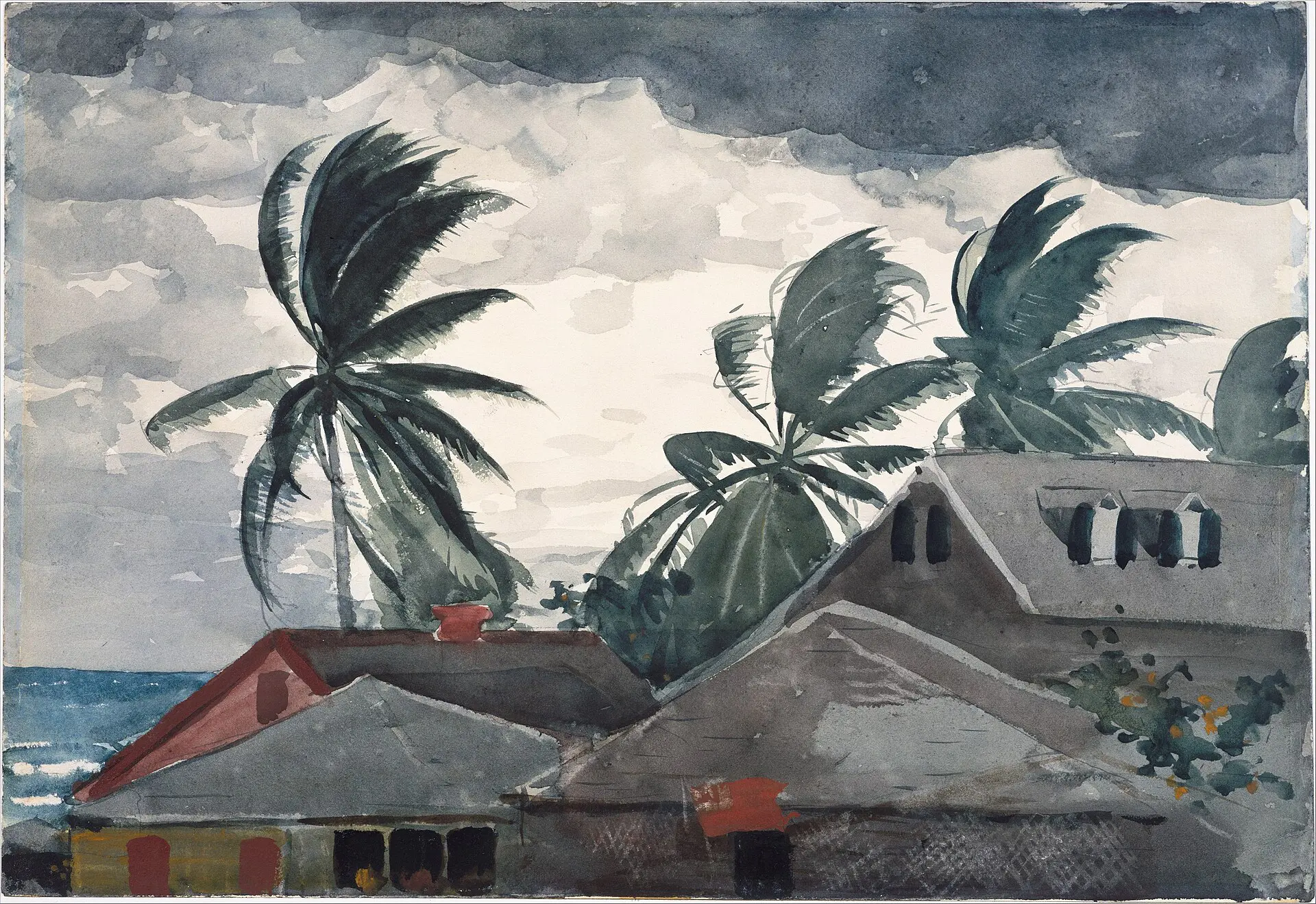
Weather. Hurricanes affect the islands between June and November, so monitor forecasts.
Health and sun. Sun is intense, so apply sunscreen often. Medical facilities on small islands are limited, so carry insurance that includes evacuation.
Bahamas visa and entry requirements
Entry rules depend on your nationality. Many visitors, including citizens of the US, UK, Canada and EU countries, have generally been able to enter the Bahamas without a visa for stays of up to several months, but this changes, so confirm the rule for your passport with the Bahamas Immigration Department or your nearest embassy.
You need a passport valid for the length of your stay, proof of onward or return travel, and often evidence of funds or accommodation. The Bahamas Travel Health Visa and online arrival forms were required at times in the past, so check whether an online immigration or customs declaration is currently needed before you fly.
If you arrive by boat, you must clear immigration and customs at a port of entry before going ashore, and yachts need a cruising permit. Cruise passengers usually go through simpler arrangements on board. For general background, see the Wikivoyage Bahamas guide, then verify requirements with the official source.
Getting to and around the Bahamas
Most visitors fly into Lynden Pindling International Airport in Nassau, with direct flights from many US and Canadian cities, and some from London. Freeport on Grand Bahama and several out-island airports also receive flights. Miami to Nassau takes around an hour. Cruise ships dock at Nassau and in private island ports.
Between islands, small planes are the fastest and most reliable option, and Bahamasair and charter carriers link Nassau with the out-islands. Mail boats and fast ferries run on some routes, but schedules are slow and can change with weather. On Eleuthera and Abaco, a rental car is useful. In the Exumas, most visitors use boats, charters or guided tours.
In Nassau, taxis are the main transport, and fares are regulated by zone. Jitneys (small buses) are cheaper but less simple for visitors. Driving is on the left, and roads can be narrow, so allow extra time.
Book inter-island flights early in high season and build in a buffer day before an international flight, because weather can delay small aircraft.
How much does a trip to the Bahamas cost?
The Bahamas is one of the more expensive Caribbean destinations, because most food and goods are imported. The Bahamian dollar (BSD) is pegged one to one with the US dollar, and US dollars are accepted everywhere. Figures below are rough per-person guides for the 2026 season and are highest from December to Easter.
- Budget: around USD 100 to 160 per day, with a guesthouse room, local food and shared transport. Budget travel is easiest on Nassau and Grand Bahama.
- Mid-range: around USD 250 to 450 per day, with a hotel or boutique room, restaurant meals, taxis and day tours.
- High-end: from around USD 700 per day, with resorts such as those on Paradise Island, private boat charters and flights between islands.
Accommodation is the biggest cost, followed by inter-island flights and boat tours. Eating at local stalls such as Arawak Cay can save a lot of money compared with resort restaurants. Check whether resorts add resort fees, service charges and taxes, since these can add a large percentage to the advertised room price.
Bahamas food and drink
Bahamas food is built on seafood, especially conch, plus rice, peas, plantain and spice. Local cooking is strongest at roadside shacks, fish fry areas and family restaurants rather than resorts.
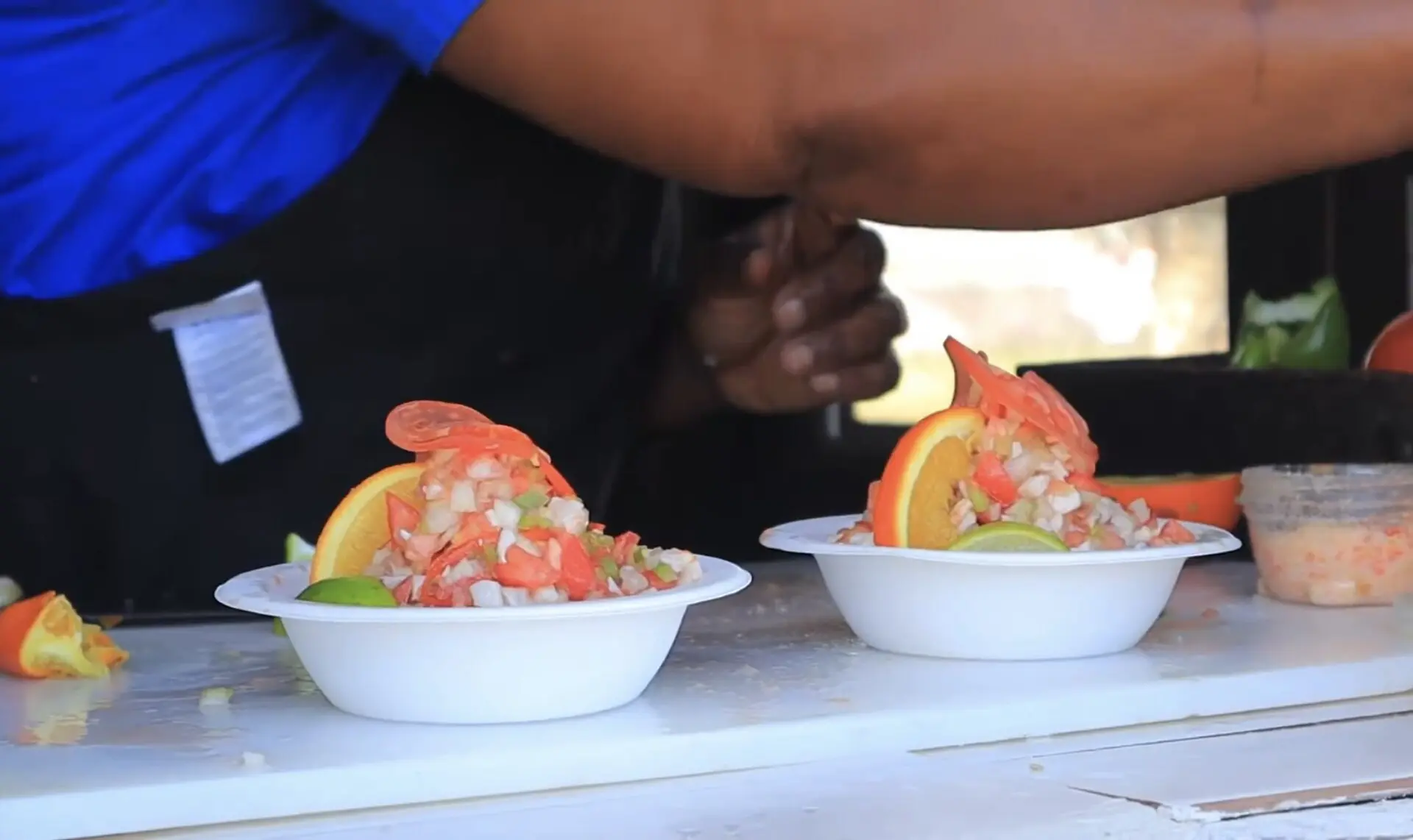
- Conch salad: raw conch chopped with lime, onion, pepper and tomato, prepared in front of you.
- Cracked conch: tenderised conch, battered and fried, usually served with fries or rice.
- Peas ‘n’ rice: rice with pigeon peas, tomato and thyme, a staple side dish.
- Grouper and snapper: grilled or fried fish, often with a spicy tomato sauce.
- Johnnycake: a dense, slightly sweet bread served with seafood or breakfast dishes.
- Guava duff: boiled pastry filled with guava, served with rum sauce.
- Sky Juice and Bahamian rum: a coconut water and gin drink, plus local beers such as Kalik.
Vegetarians will find limited choices at traditional places, but resorts and Nassau restaurants offer salads, vegetables and international food. Ask about seafood allergies before ordering. Prices at Arawak Cay’s fish fry are far lower than at tourist restaurants.
Culture, language and etiquette in the Bahamas
English is the official language, spoken in a lilting Bahamian dialect with its own phrases. Greeting people with good morning or good afternoon is expected, and rushing straight into a request is considered rude. A friendly, unhurried manner suits island life.
The Bahamas has one of the highest numbers of churches per capita in the world, and Sunday is quiet in many places. Locals generally dress modestly away from the beach, so cover up when you are in town, in churches and in restaurants. Swimwear is for the beach and pool.
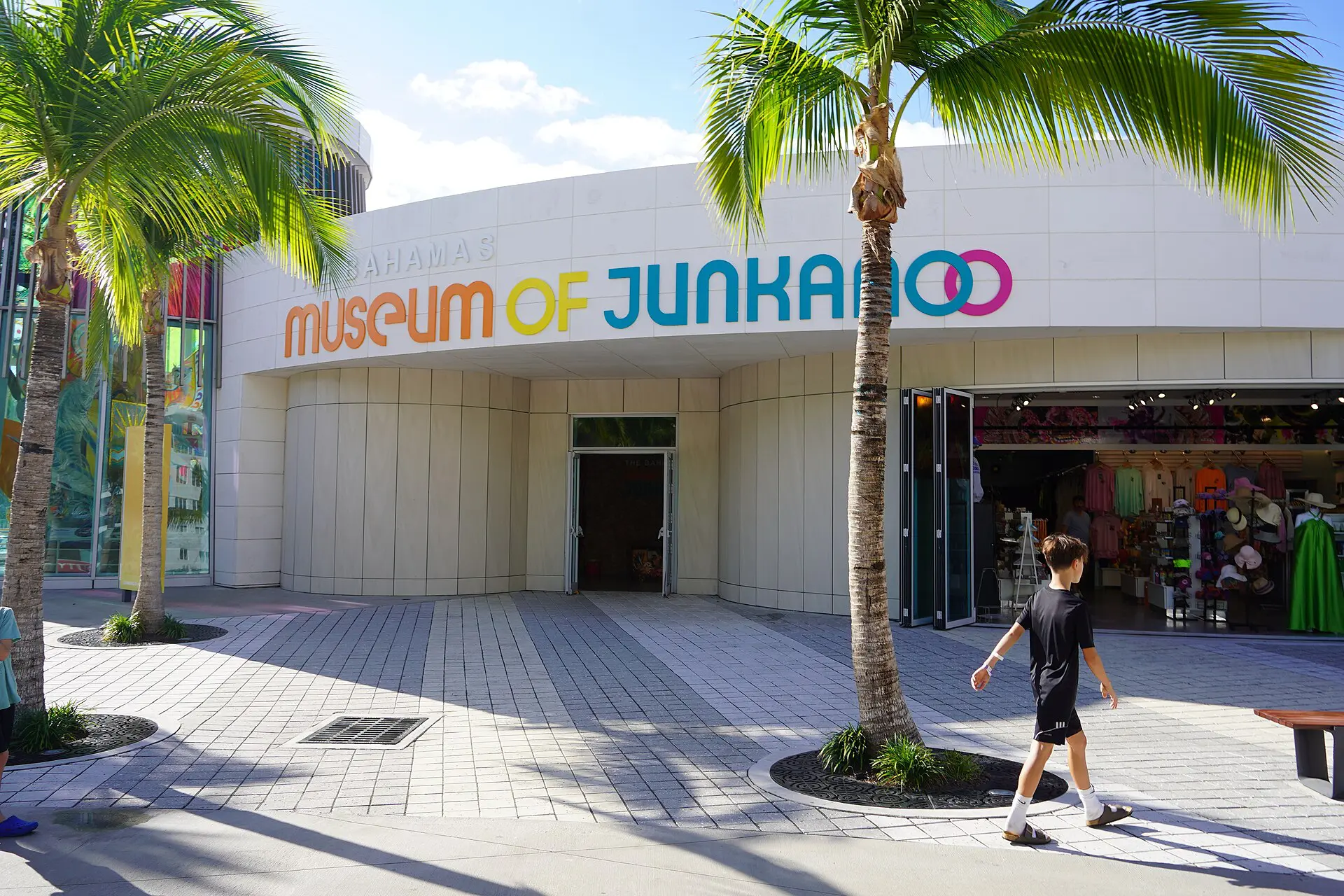
Junkanoo is the main cultural event, a pre-dawn street parade on Boxing Day and New Year’s Day with brass, cowbells and handmade costumes. Rake-and-scrape music and calypso are common in bars and festivals. Buy straw goods and crafts at markets, and ask before taking photos of people.
Camouflage clothing is illegal for visitors to wear, and drug laws are strict. Respect marine protected areas: do not touch coral, feed wildlife except on organised tours, or take conch shells where this is restricted.
Bahamas itinerary: a 7-day route
This route combines Nassau with two out-islands, using short flights and a ferry, and leaves slack for weather delays.
- Day 1, Nassau: arrive, walk through downtown to the Queen’s Staircase and Fort Fincastle, and eat at Arawak Cay.
- Day 2, Nassau: visit Fort Charlotte in the morning, then spend the afternoon on Cable Beach or Paradise Island.
- Day 3, fly to Eleuthera: the flight takes about 30 minutes, and you can drive to the Glass Window Bridge.
- Day 4, Harbour Island: take the short ferry from North Eleuthera and spend the day at Pink Sands Beach.
- Day 5, Eleuthera: return by ferry, then snorkel, visit a pineapple farm or relax at a south-island beach.
- Day 6, Exumas day trip: fly or fast-boat to the Exumas for a day tour with the swimming pigs and snorkelling.
- Day 7, return: fly back to Nassau with several hours to spare before your international flight.
In hurricane season, stay near Nassau and book flexible tickets. With extra days, add Grand Bahama or Andros for diving.
Practical tips for the Bahamas
- Money: the Bahamian dollar is pegged to the US dollar, and both are accepted. Cards work in resorts and Nassau, but carry cash for out-islands, taxis and small shops.
- SIM and eSIM: local prepaid SIMs and eSIMs are available, but roaming from North America may be costly, so check your plan before you go.
- Plugs: types A and B at 120 V, as in the United States and Canada.
- Tipping: 15 to 20 percent in restaurants, unless a service charge has already been added to the bill. Tip taxi drivers and guides about 15 percent.
- Health: bring reef-safe sunscreen, insect repellent and travel insurance that covers medical evacuation and storms.
- Packing: swimwear, light clothing, water shoes and a waterproof bag. Pack a cover-up for town.
- Booking: reserve flights, boat tours and Harbour Island rooms early for winter, and allow a buffer day for weather.
- Etiquette: avoid camouflage clothing, and respect marine park rules.
To plan heritage stops, see the UNESCO page for the Bahamas.
FAQ
Q1What is Bahamas food like?
Bahamas food centres on conch, served as salad, cracked and fried or in chowder, plus grilled grouper and snapper, peas 'n' rice, johnnycake and guava duff. The best meals are at fish fry stalls such as Arawak Cay. Sky Juice and Kalik beer are the local drinks.
Q2What are the best things to do in the Bahamas?
Top picks are swimming with pigs at Big Major Cay, snorkelling or diving the reefs and blue holes, relaxing at Pink Sands Beach on Harbour Island, visiting Nassau's forts and Queen's Staircase, eating at Arawak Cay and watching Junkanoo if you visit at Christmas or New Year.
Q3What is the best time to visit Bahamas?
Mid-December to April is best, with warm, dry weather and low hurricane risk, though prices are highest. May and November offer lower prices and good conditions. June to November is hurricane season, with the highest risk from August to October, so buy flexible bookings and storm-covering insurance.
Q4Is Bahamas safe for tourists?
Mostly yes. Resort areas and out-islands are generally trouble-free, but some Nassau and Freeport neighbourhoods have higher violent crime. Stay in tourist areas, use licensed taxis, avoid walking at night and use licensed water-sports operators. Check your government's current travel advice before you go.
Q5What are the best places to visit in Bahamas?
Nassau and Paradise Island suit first-timers, the Exumas are best for boating and pigs, Harbour Island has the pink-sand beach, Eleuthera is good for quiet drives, Grand Bahama has easy Florida access, and Andros and Long Island suit divers.
Q6Do I need a visa for the Bahamas?
Many nationalities, including US, UK, Canadian and EU citizens, can generally enter without a visa for short stays, while others need one in advance. You need a valid passport and proof of onward travel. Rules and online forms change, so confirm the current requirements with Bahamas Immigration before you book.