Why visit Sedona
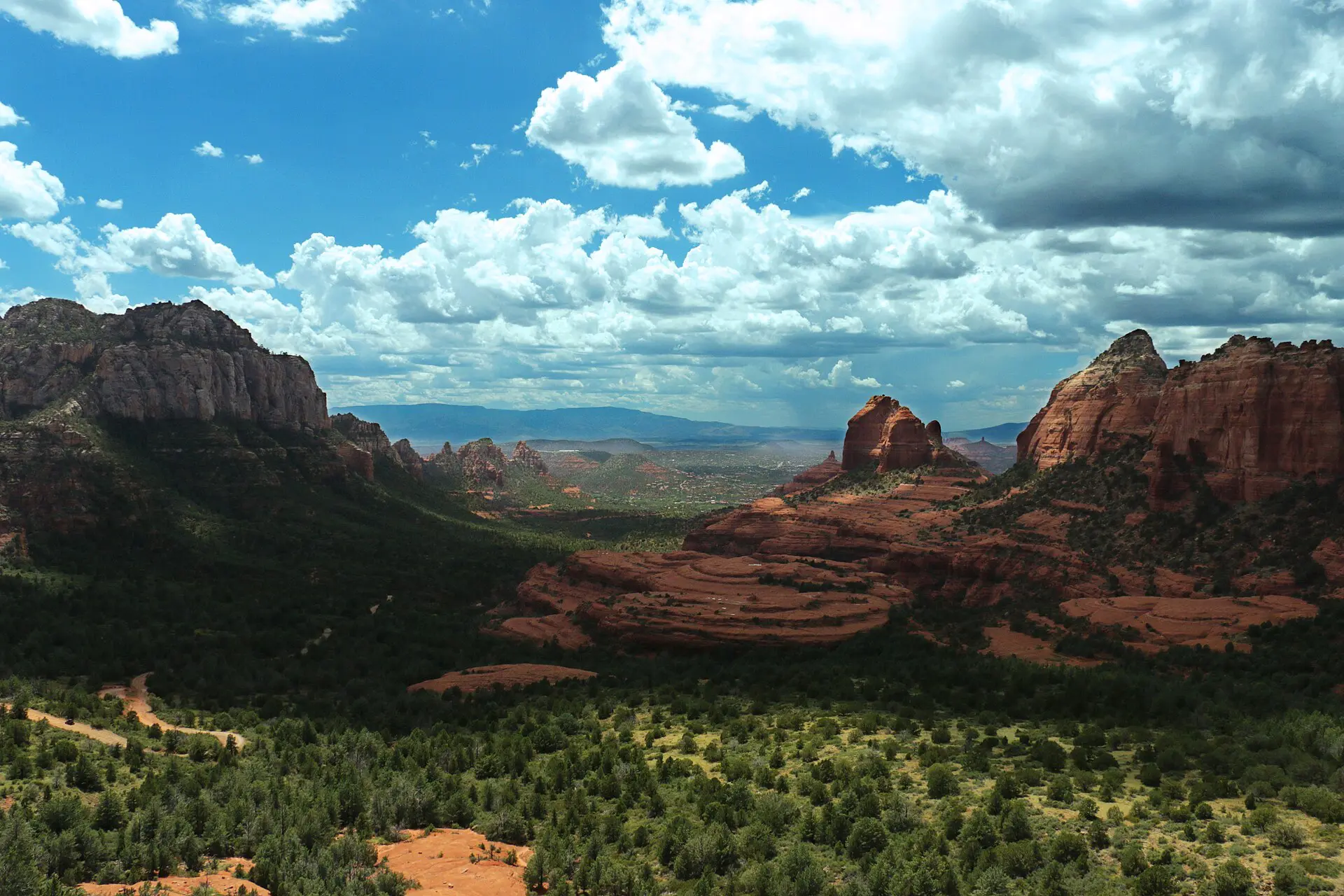
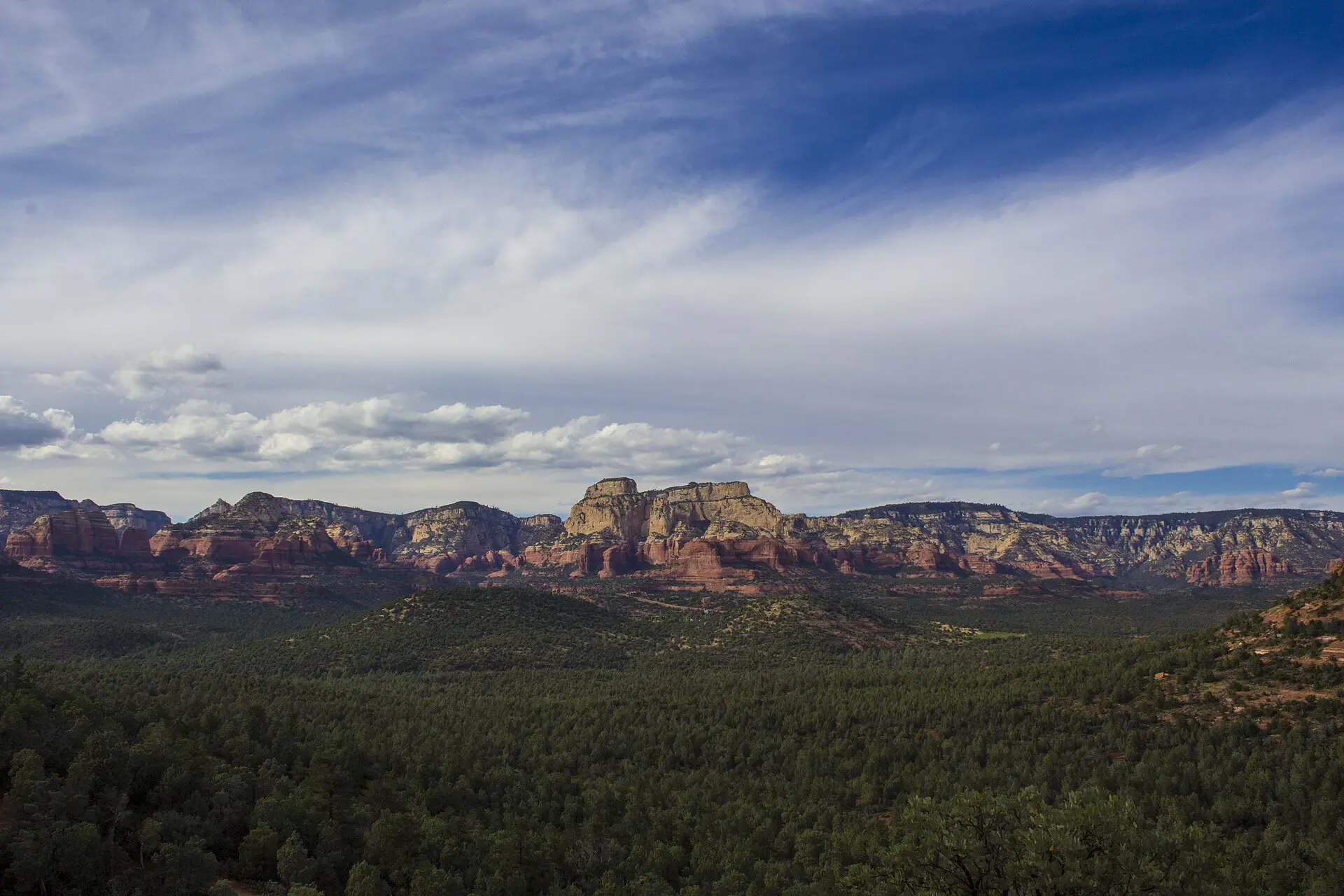
The reason people look for things to do in Sedona is the landscape. The town in Arizona lies about 120 miles north of Phoenix, and is known for its beautiful and serene setting amid the Red Rocks. The formations are the main draw, and they shape most visits.
Outdoor activities are central. The area offers excellent hiking, mountain biking and off-roading, with trails of varied difficulty. Sedona is also known for its arts community, with nearly 100 art galleries, and for events including the Sedona International Film Festival, the Sedona Arts Festival and the Sedona Jazz Festival.
The town is surprisingly sprawling, with Oak Creek to the south, and West Sedona and Uptown Sedona each providing views, hikes, dining and arts. Plan for a car, start early on popular trails and prepare for sun and heat.
Top things to do in Sedona
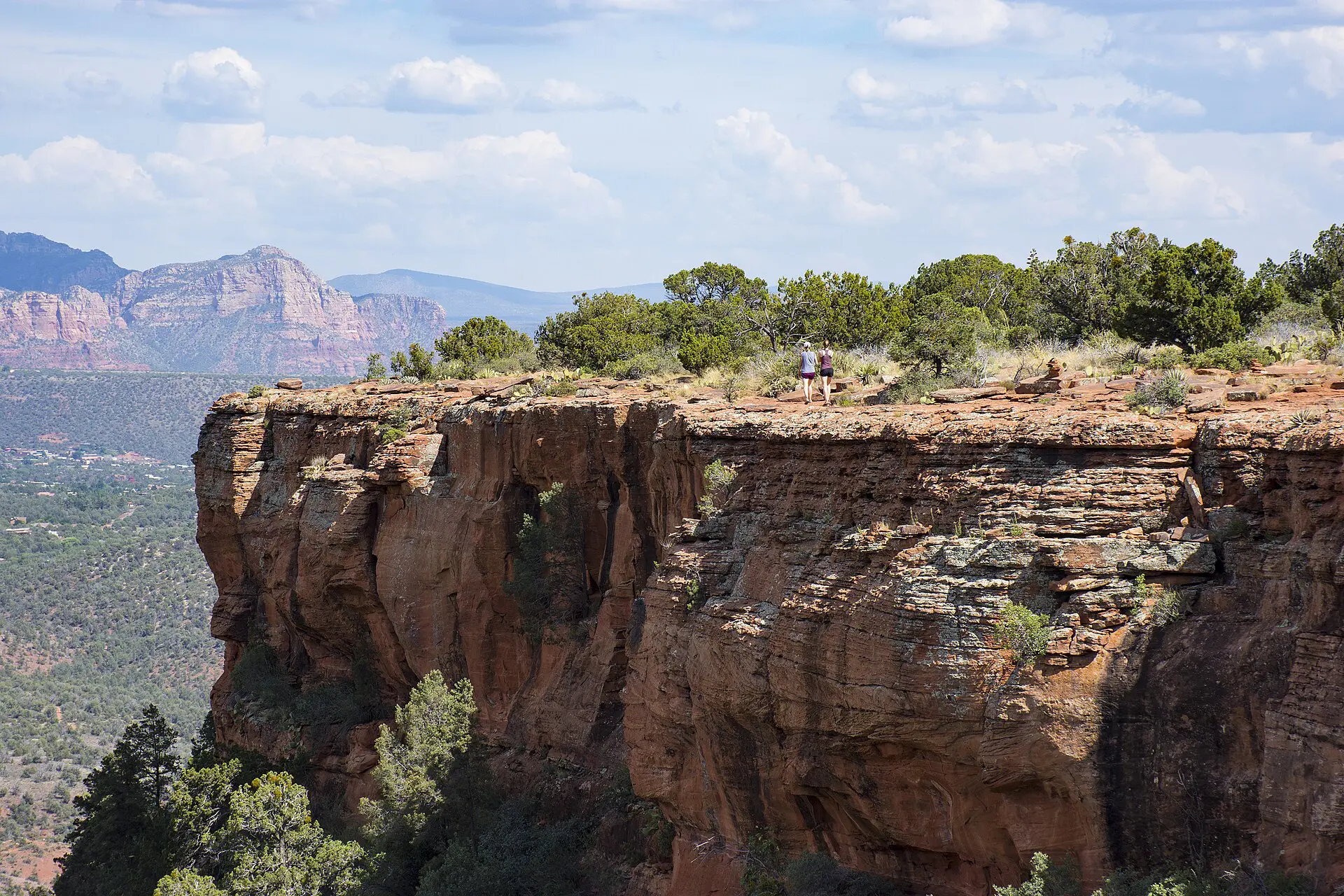
Cathedral Rock
One of the best-known formations, with a steep, short trail that involves some scrambling. Allow one to two hours. Trailhead parking is limited and fills early, so go at dawn or use a shuttle where available. Carry water.
Bell Rock and Courthouse Butte
A popular area south of town, with trails around the base of the formations. Routes range from easy walks to more challenging climbs. Allow one to three hours. Go early, as trailheads are busy, and stay on marked paths.
Devil’s Bridge
A natural sandstone arch and one of the most photographed spots in the area. The trail is moderate, and queues form for photographs at the top. Allow two to three hours, and start early to avoid long waits.
Oak Creek Canyon
The scenic canyon north of town has a winding road, swimming spots and shaded walks. Allow a half day. Parking and entry rules apply at popular stops, so check current arrangements and avoid weekends if you can.
Red Rock State Park
This protected area has trails, creek access and ranger-led programmes. It offers an easier introduction to the landscape. Allow two to three hours, and check opening hours and fees.
Jeep tours and off-roading
Guided jeep tours cover rougher terrain that is difficult to reach on foot. Tours typically last a couple of hours. Compare operators, check cancellation terms and carry sun protection.
Galleries and the town
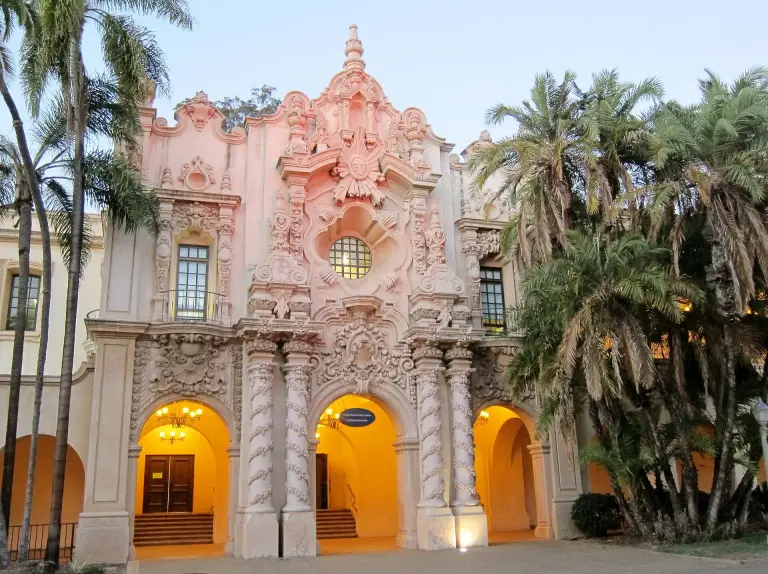
Browse galleries in Uptown Sedona and the Tlaquepaque arts village. Allow a few hours during the heat of the day, when hiking is less pleasant. Shops and galleries often keep varied hours.
Best time to visit Sedona
Sedona has a dry, sunny climate with four seasons. Summers are hot, though cooler than Phoenix because of elevation, and monsoon storms can arrive in late summer. Winters are mild during the day and cold at night, with occasional snow. Spring and autumn are the most comfortable for hiking.
| Season | Weather | Crowds and prices |
|---|---|---|
| Spring (Mar-May) | Mild, pleasant | Busiest, higher prices |
| Summer (Jun-Aug) | Hot, monsoon storms late | Moderate, lower prices |
| Autumn (Sep-Nov) | Warm to mild, clear | Busy, high demand |
| Winter (Dec-Feb) | Cool, cold nights, occasional snow | Quieter, lower rates |
March to May and September to November are the best months. In summer, hike at sunrise and avoid midday heat. Always carry plenty of water, whatever the season.
How to get to Sedona and around
Most visitors drive from Phoenix, which takes around two hours, usually along Interstate 17 and then State Route 179 or 89A. Phoenix Sky Harbor is the nearest major airport, and Flagstaff, about 45 minutes to an hour north, has a smaller airport. Shuttle services run between Phoenix and Sedona. Check current options.
A car is the most practical way to get around, as the town is spread out and trailheads are scattered. Some areas operate trailhead shuttles to ease parking pressure, so check current services. Traffic can be heavy at weekends, particularly on the main highways, so allow extra time. Walking works within Uptown or Tlaquepaque.
Where to stay in Sedona
Sedona is small but spread out, so choose by view and access to trails. Compare current rates, which can be high in peak seasons.
- Uptown Sedona: central, with shops and restaurants. Convenient for first-time visitors, but busy with tour traffic.
- West Sedona: more local, with more services and often better value, though less scenic.
- Village of Oak Creek: south of town, near Bell Rock trails and a quieter pace.
- Oak Creek Canyon: cabins and inns in a wooded canyon, suiting travellers wanting calm and nature.
How many days do you need?
Two to three days gives you time for the main trails, a scenic drive and some arts or dining time. One day covers a quick highlights visit from Phoenix, though with a long drive. Four days allows slower hiking, a canyon visit and a nearby side trip. Start early each day to avoid heat and crowds.
- Day 1: Sunrise hike at Cathedral Rock or Bell Rock, then Tlaquepaque and Uptown galleries.
- Day 2: Devil’s Bridge in the morning, a jeep tour or Red Rock State Park, and sunset at a viewpoint.
- Day 3: Oak Creek Canyon drive and swimming spots, then a leisurely lunch.
Day trips and nearby
Grand Canyon
The South Rim is roughly two to two and a half hours north by road. It works as a long day trip, though an overnight stay is more relaxed. Check current park entry rules and arrive early.
Flagstaff
A mountain town reached through Oak Creek Canyon, known for forests, a historic downtown and nearby volcanic landscapes. It is about 45 minutes to an hour by road.
Jerome
A hillside former mining town with views, galleries and old buildings. It suits a half day, with a winding road to reach it.
Phoenix
Arizona’s largest city lies about two hours south, with museums, dining and desert gardens. Many visitors fly in and out through it. See the nearby places listed in our regional guides.
FAQ
Q1When is the best time to visit Sedona?
March to May and September to November bring comfortable temperatures for hiking, though they are also busiest. Summers are hot, with storms later on, so hike at sunrise. Winters are mild by day and quiet, with occasional snow and lower prices.
Q2How many days do you need in Sedona?
Two to three days covers the main trails, viewpoints, a scenic drive and some time in the arts areas. A day trip from Phoenix is possible but rushed. Add a day for the Grand Canyon or Flagstaff if you have time.
Q3How do you get to Sedona from Phoenix?
Most visitors drive, which takes about two hours depending on traffic. Shuttle services also run between Phoenix and Sedona, so check current options. A car is the most practical way to get around once you arrive, as trailheads are scattered.
Q4Is Sedona expensive or crowded?
Sedona can be costly, especially for lodging in peak seasons, and popular trailheads fill early on weekends. Visiting midweek, starting hikes at sunrise and staying outside Uptown can help with crowds and cost. Many trails themselves are free.
Prices, schedules and entry rules change. Check current details with official sources before you travel. Read the United States travel guide.