
Why visit Montevideo
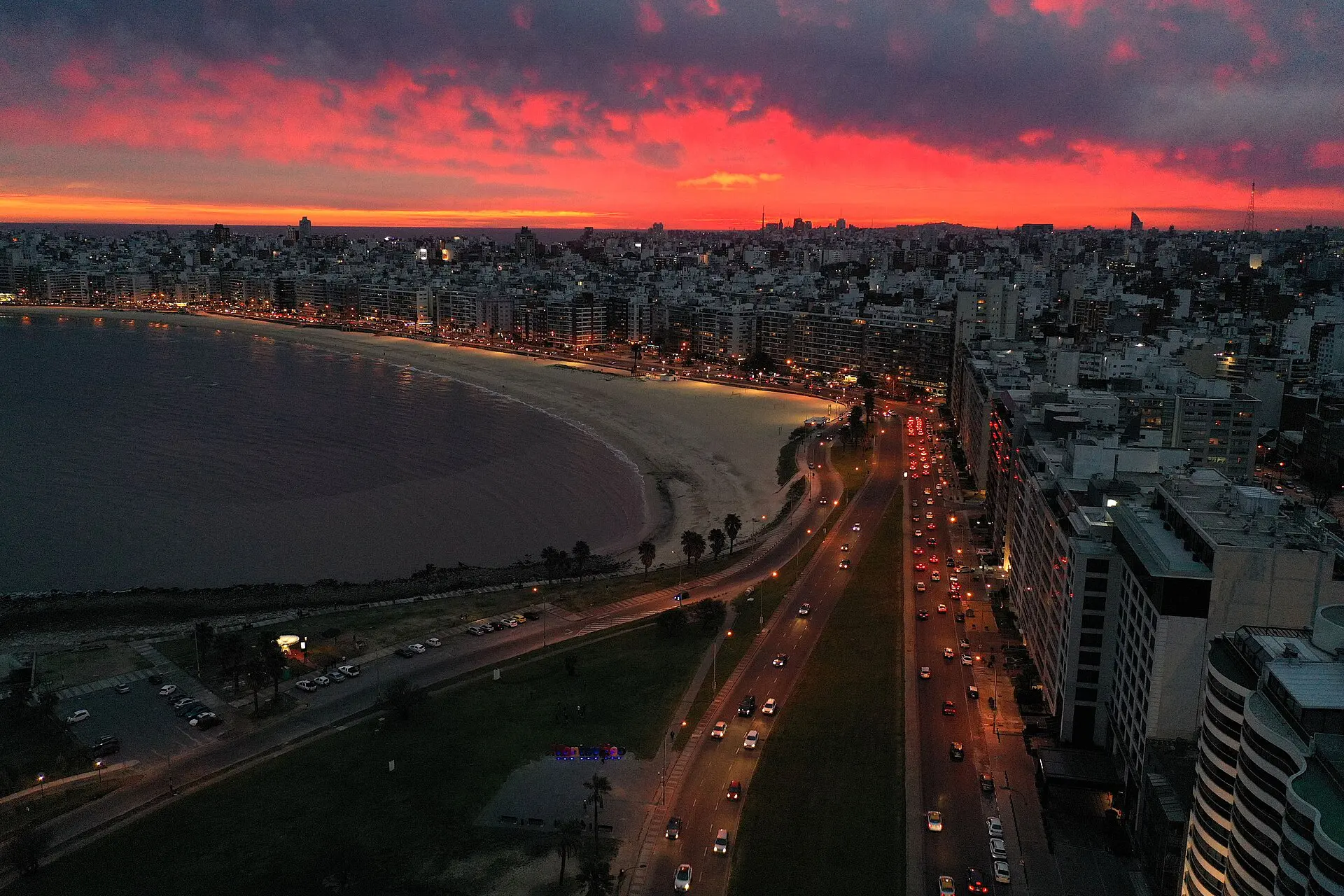
If you are planning things to do in Montevideo, expect a city that is easy to like and easy to underestimate. It is the capital and largest city of Uruguay, home to around 1.3 million people, or roughly 37 percent of the national population, and it sits on the northeast bank of the Rio de la Plata.
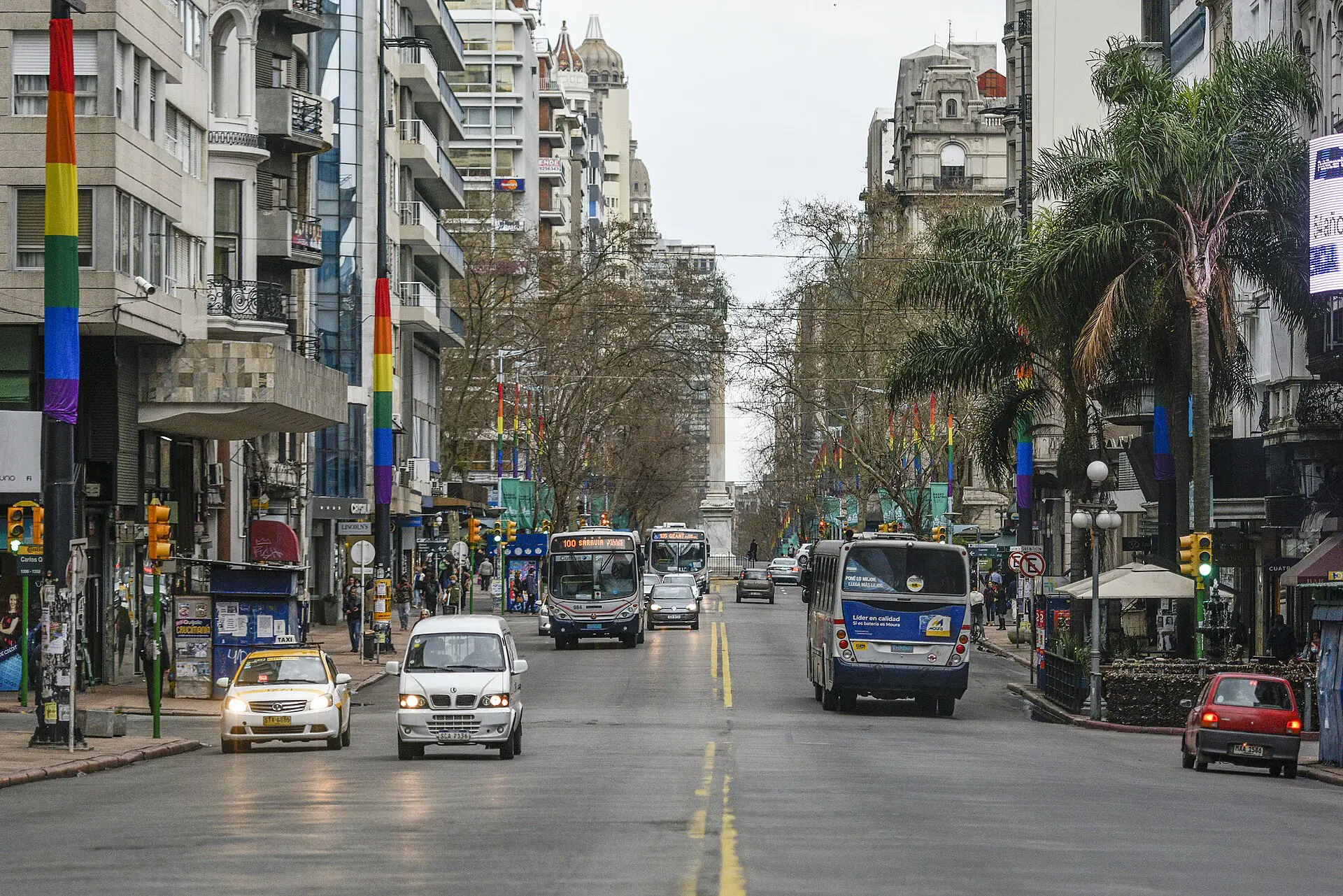

The city was founded in the 1720s, starting as a Portuguese garrison and later a Spanish stronghold, and it was briefly under British rule in 1807. It grew into a port city with a mix of colonial streets, art deco buildings and later modern districts.
Montevideo is a cosmopolitan city with a nostalgic touch, and the friendliness of its residents makes it feel much smaller than it is. A long seafront promenade, good beaches within the city and a lively food and cultural scene make it a pleasant stop, often seen as a quieter alternative to Buenos Aires.
Top things to do in Montevideo

Ciudad Vieja
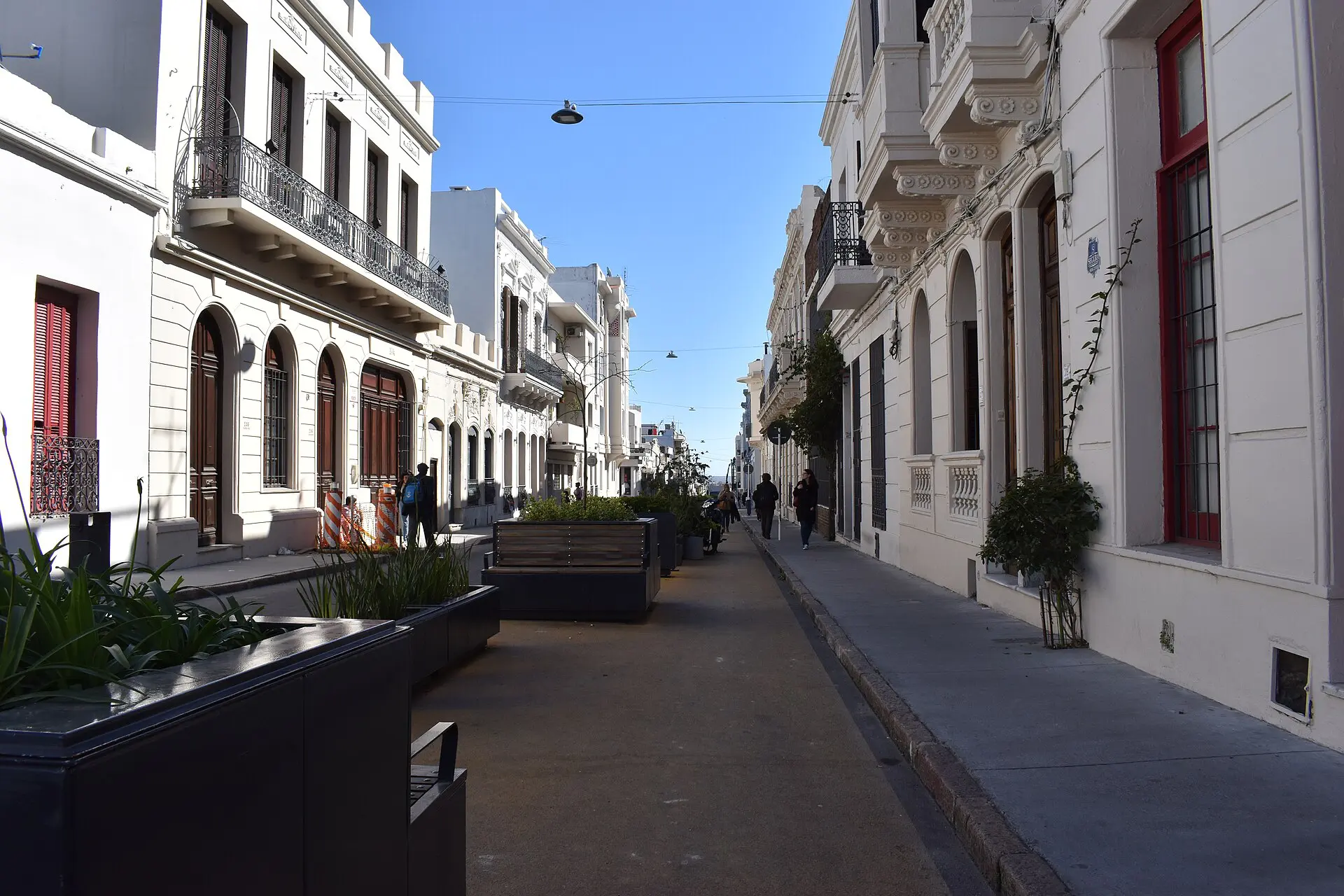
The old town lies on a peninsula and has colonial and early 20th century buildings, small museums, galleries and cafes. Allow two to three hours. Go during the day, and take care in quieter streets in the evening.
Plaza Independencia and Palacio Salvo
The main square marks the border between the old town and the modern centre, with a statue of Artigas and the tall Palacio Salvo. Allow an hour. Check whether tours of landmark buildings are on offer.
Mercado del Puerto
This iron-framed market hall near the port is known for its grills, where people eat meat cooked on open fires. Allow one to two hours. Lunch is the most popular time, and prices are higher than at less touristy restaurants.
The Rambla
The waterfront promenade runs for kilometres along the coast, with beaches, parks and sports areas. Allow an hour or more, on foot or by bike. It is especially busy at sunset and on weekends, when locals gather with mate.
Teatro Solis
The city’s historic theatre has a neoclassical facade and a programme of opera, dance and concerts. Allow an hour for a guided visit or an evening for a performance. Check tour times and book tickets ahead.
Museums and the Torres Garcia collection
Museums in the old town and beyond cover art, history and national heritage, including work by the painter Joaquin Torres Garcia. Allow two hours each. Check opening days, since many close on Mondays.
Pocitos and city beaches
Beaches such as Pocitos and Ramirez are close to the centre and busy in summer. Allow half a day. Facilities vary, and the water is part of the river estuary, so check swimming conditions locally.
Best time to visit Montevideo
Montevideo has a temperate climate with four seasons. Summer, from December to February, is warm and sunny and the best time for beaches, but it brings crowds and higher prices, especially around the new year. Spring and autumn are mild and pleasant for walking and sightseeing. Winter, from June to August, is cool, damp and windy, with limited beach days, but the city has museums, theatre and cafes. Carnival in February is a major event.
| Season | Weather | Crowds and prices |
|---|---|---|
| Summer (December-February) | Warm to hot, sunny | Busy, higher prices |
| Autumn (March-May) | Mild, pleasant | Moderate |
| Winter (June-August) | Cool, damp, windy | Quiet, lower prices |
| Spring (September-November) | Mild, changeable | Moderate, good value |
How to get to Montevideo and around
Carrasco International Airport is the main gateway, with flights from several South American cities and some from Europe and North America, and it is a short taxi or bus ride from the centre. Many travellers also come by ferry from Buenos Aires, sometimes via Colonia del Sacramento. Long-distance buses link Montevideo with other Uruguayan cities and neighbouring countries; check operators and times.
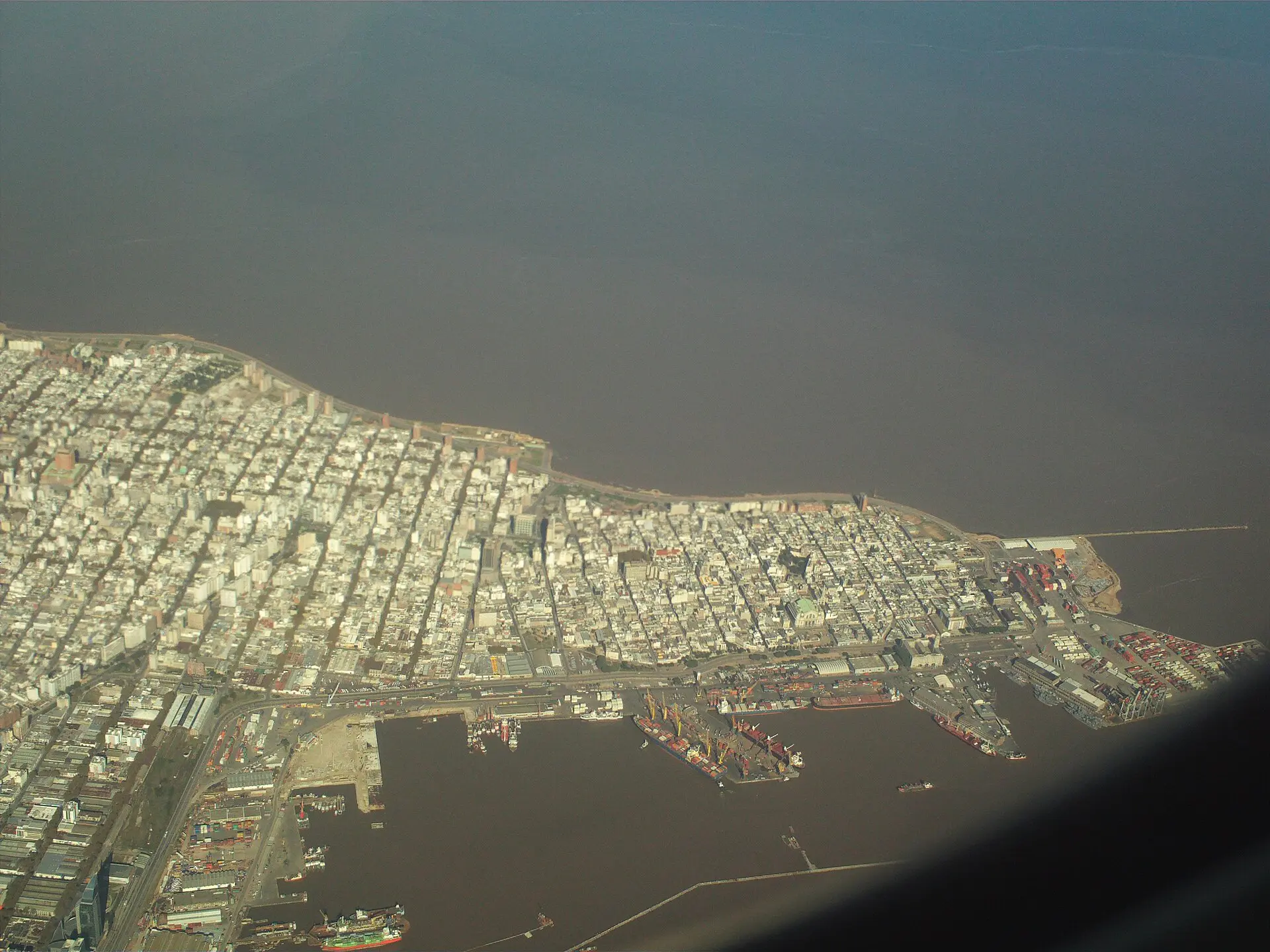

The centre is walkable, and the Rambla makes it easy to follow the coast on foot or by bike. Buses cover the wider city, and taxis and ride-hailing apps are widely used. Many visitors rent a car only for trips to the coast or the interior. Keep an eye on belongings on buses and in crowded areas, and carry only the cash you need.
Where to stay in Montevideo
Montevideo’s neighbourhoods have different characters, so choose based on what you want from your stay.
- Ciudad Vieja: historic and walkable, with museums and restaurants. Suits culture-focused visitors, though it is quiet and less lively at night.
- Centro and Cordon: central, with shops, cafes and transport links. Suits budget travellers and short stays.
- Pocitos: a residential seaside district with beaches, restaurants and a Rambla view. Suits families and longer stays.
- Carrasco: a leafy, upscale area near the airport. Suits travellers who want quiet and green space.
Check security arrangements and book early for summer and carnival.
How many days do you need?
Two days covers the old town, a market meal and a Rambla walk. Three days lets you slow down and add museums and a beach afternoon. A fourth day is useful for a trip to Colonia or the coast.
- Day 1: Plaza Independencia, Ciudad Vieja and lunch at Mercado del Puerto.
- Day 2: Teatro Solis and a museum, then a Rambla walk towards Pocitos at sunset.
- Day 3: Beach time or a day trip to Colonia del Sacramento.
Day trips and nearby
Colonia del Sacramento
This small riverside town west of Montevideo has a UNESCO-listed historic quarter with cobbled streets and a lighthouse. It is reachable by bus in a few hours. Allow a full day or stay overnight.
Punta del Este
This resort peninsula east of the capital has beaches, a marina and busy summer nightlife. Buses run from Montevideo, taking around two hours. Allow a full day, and expect higher prices in January.
Punta Ballena
Near Punta del Este, this headland has coastal viewpoints and an art-filled hillside complex. Allow half a day by car or bus. Check opening hours and any entry fees.
Cabo Polonio
This remote coastal village on the Atlantic is reached by a long bus ride and then a short off-road transfer. It suits an overnight stay rather than a day trip. Check transport arrangements and conditions in advance.
FAQ
Q1When is the best time to visit Montevideo?
October to April is the most comfortable period, with mild spring weather and warm summers that suit beaches and the Rambla. Winter is cool, damp and windy, but quieter and cheaper. Carnival in February is a highlight for many visitors.
Q2How many days do you need in Montevideo?
Two days covers the old town, Mercado del Puerto and the Rambla. A third day gives you time for museums, a beach and a slower pace. Add a fourth if you want to take a day trip to Colonia del Sacramento.
Q3How do you get to Montevideo?
Fly to Carrasco International Airport, take a ferry from Buenos Aires, often combined with a bus, or ride a long-distance bus from other Uruguayan cities and neighbouring countries. Check schedules and book ferries ahead in summer.
Q4Is Montevideo safe and expensive?
Montevideo is generally relaxed, but petty theft occurs, so keep valuables hidden and take care at night in quiet areas. Uruguay is moderately expensive for South America, especially in summer, but local food and public transport are good value.
Prices, schedules and entry rules change. Check current details with official sources before you travel. Read the Uruguay travel guide.