Why visit Toronto
Planning things to do in Toronto starts with its character. It is the most populous city in Canada, the centre of the country’s financial sector and the provincial capital of Ontario. It is also a diverse, energetic and liveable city, with seemingly endless dining, shopping and entertainment options.
Toronto is one of the most culturally and ethnically diverse cities in the world, with more than 80 ethnic communities represented, and over half of its residents born outside Canada. That shows in the neighbourhoods, where you can move from one food culture to another within a short ride.
The city covers about 631 square kilometres and stretches roughly 32 kilometres along Lake Ontario. For visitors, the sensible approach is to pick a handful of areas, use the transit network, and combine one or two big sights with time for wandering the streets and waterfront.
Top things to do in Toronto
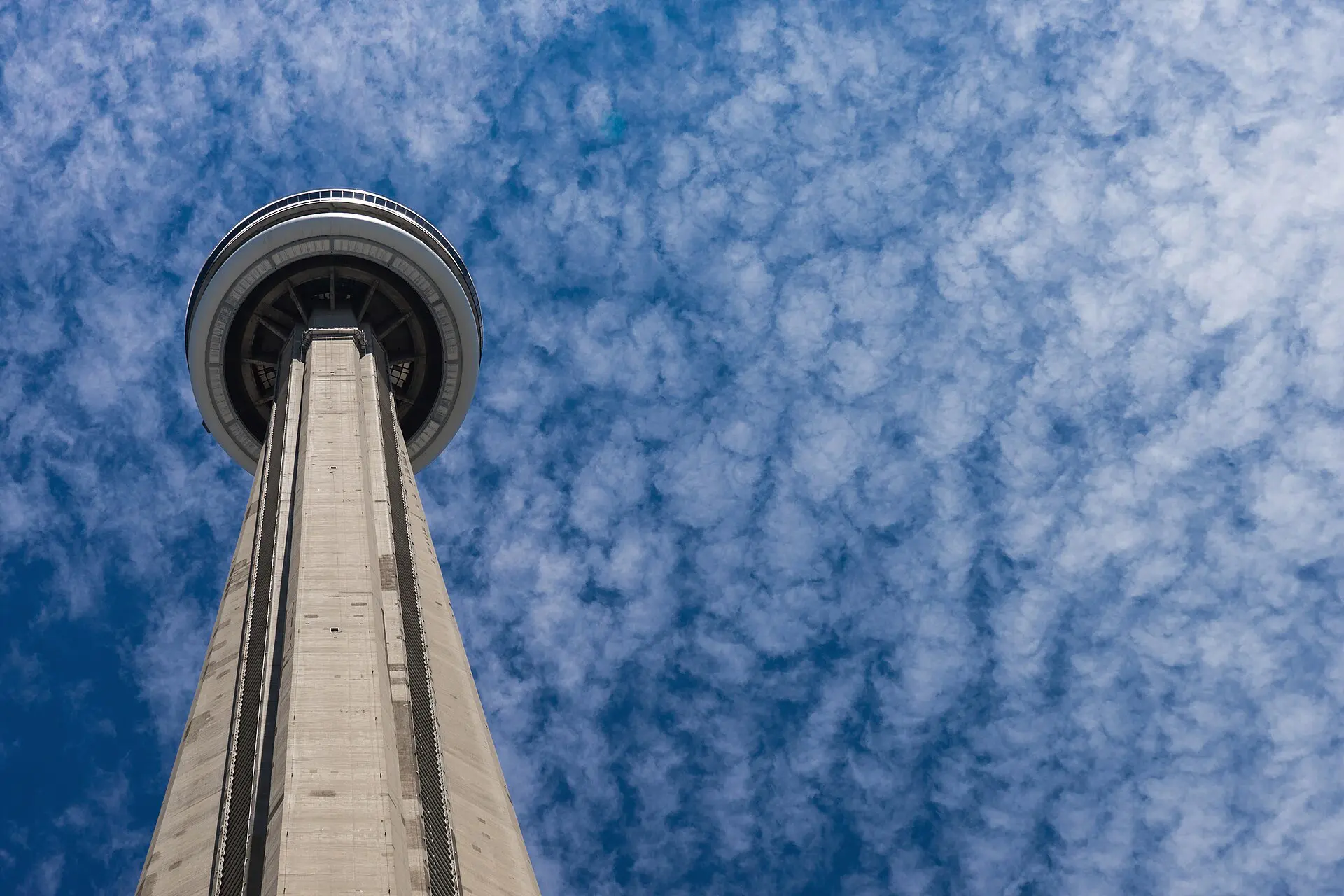
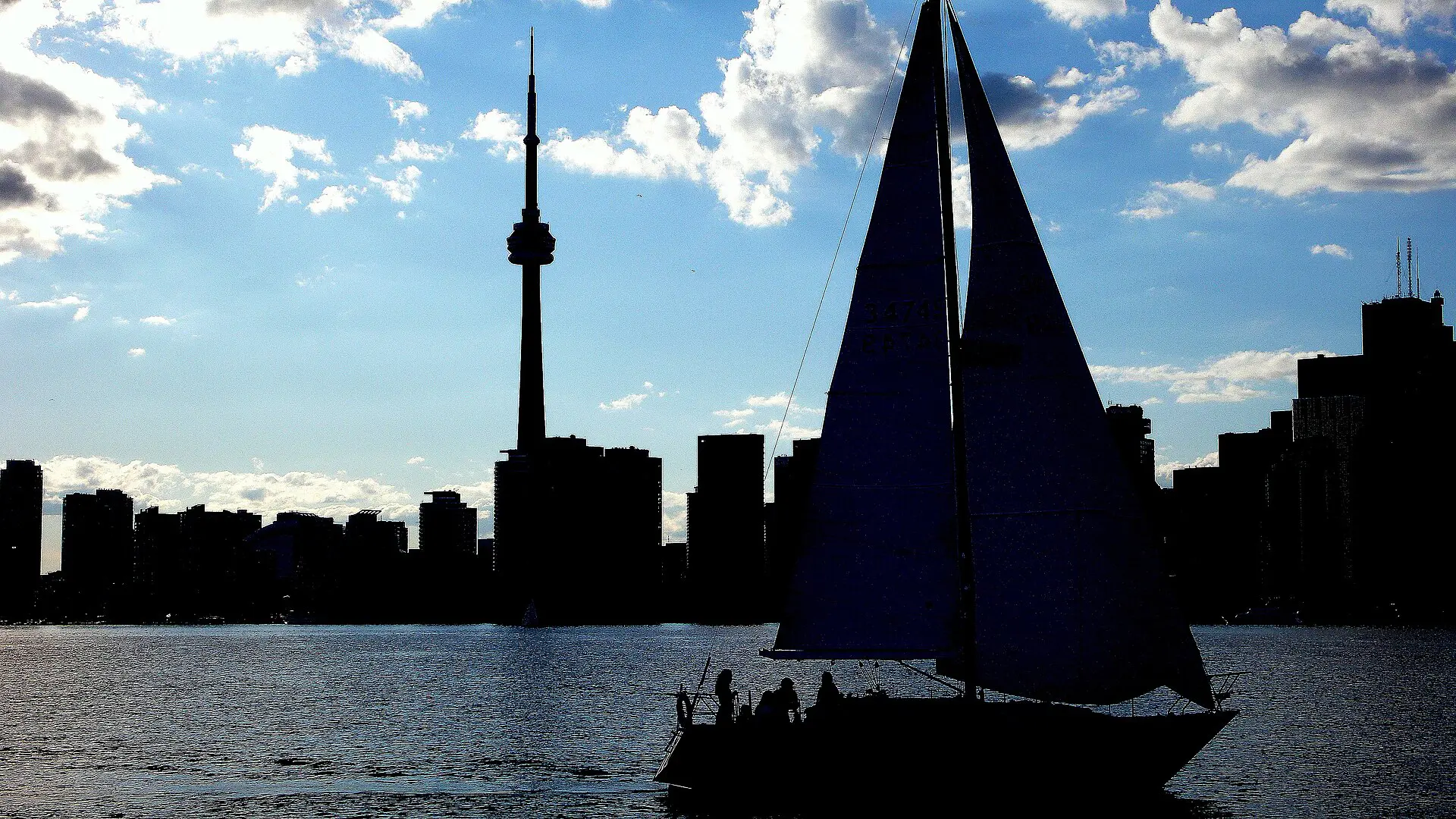
CN Tower
The tower is the city’s best-known landmark, with an observation deck and a glass floor. Allow one to two hours. Book timed tickets online for shorter queues, and pick a clear day for the best views over the lake and the skyline.
Toronto Islands
A short ferry ride from the waterfront leads to car-free islands with beaches, parks and skyline views. Allow half a day. Ferries can be busy on warm weekends, so go early, and consider renting a bike once you arrive.
St. Lawrence Market
This historic food market sells produce, seafood and prepared food. Allow one to two hours. Check opening days, as hours vary, and go with an appetite. The surrounding area has several historic buildings worth a short walk.
Royal Ontario Museum
One of the largest museums in the country, covering natural history and world cultures. Allow two to three hours. Check current admission and any free or discounted times, which can change.
Kensington Market and Chinatown
These neighbouring districts have independent shops, cafes and street food, and a distinct local character. Allow two to three hours. They are best explored on foot, and weekends can be busy.
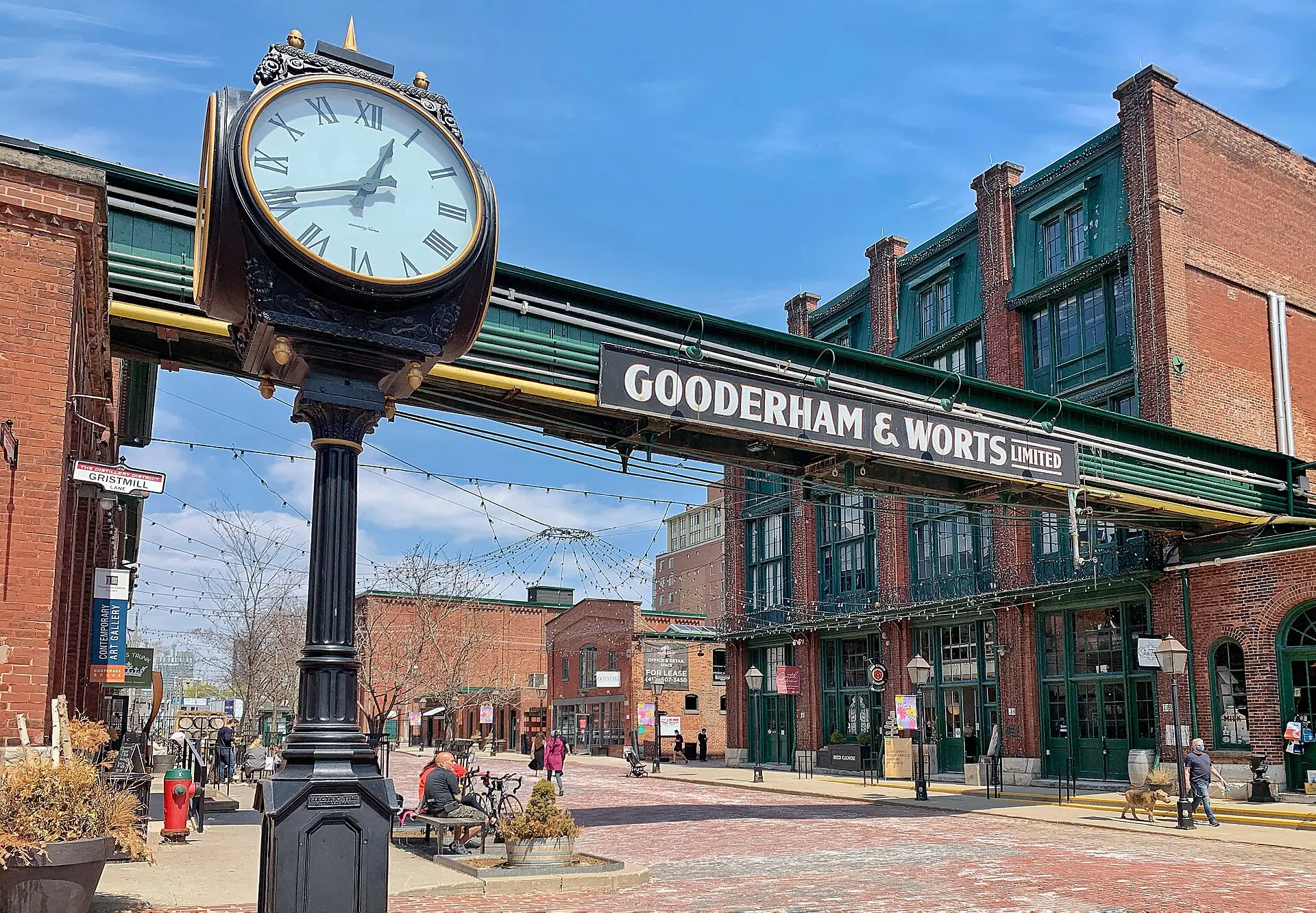
Distillery District
A pedestrian area of restored Victorian industrial buildings, now home to galleries, cafes and shops. Allow an hour or two. It is lively in the evenings and during seasonal events.
The waterfront and Harbourfront
A waterside promenade runs along the lake, with parks, public art and boat tours. It suits a relaxed walk or ride. Allow an hour or two, and bring a layer, as the breeze off the lake can be cool.
Best time to visit Toronto
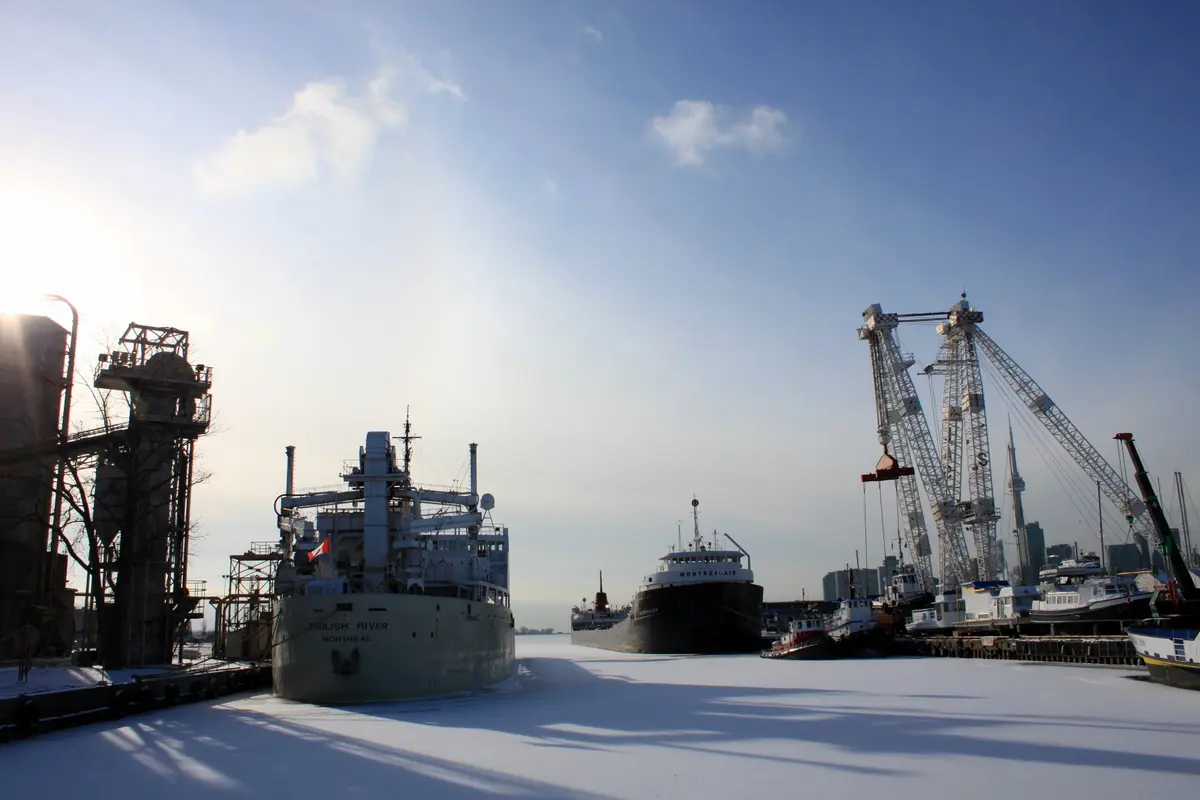
Toronto has four clear seasons. Summers are warm to hot and humid, autumn brings colour and mild days, winters are cold with snow, and spring is changeable. Lake Ontario moderates the climate slightly, but winter cold can still be significant.
| Season | Weather | Crowds and prices |
|---|---|---|
| Spring (Apr-May) | Cool to mild, variable | Moderate, lower prices |
| Summer (Jun-Aug) | Warm to hot, humid | Busiest, festivals, higher prices |
| Autumn (Sep-Oct) | Mild, colourful | Moderate, good value |
| Winter (Dec-Mar) | Cold, snow | Quieter, lower hotel rates |
June to September is the easiest time for outdoor sights and island visits, while September and early October combine good weather with fewer crowds. In winter, much activity moves indoors, including underground walkways downtown.
How to get to Toronto and around
Toronto Pearson International Airport is the main gateway, with a rail link to Union Station and other bus and ride options. A smaller island airport handles some regional flights. Trains and buses also arrive at Union Station, in the heart of downtown. Check current routes and journey times before booking.
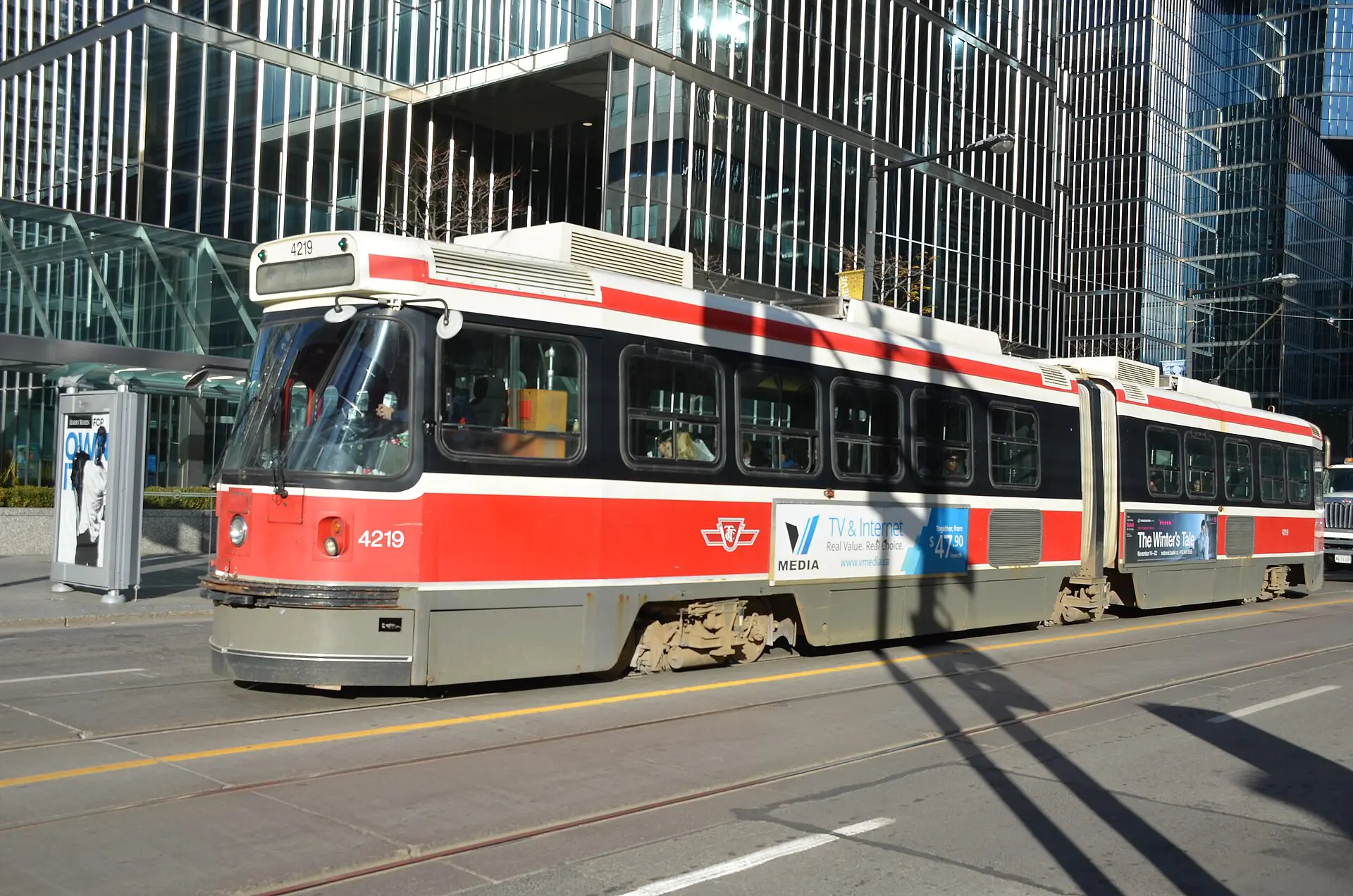
Within the city, the TTC runs subways, streetcars and buses, and a contactless card or transit app is usually the easiest way to pay. Downtown sights are close enough to walk between, and bike-share is available. A car is rarely needed in the centre, as parking is costly and traffic can be heavy, particularly at rush hours.
Where to stay in Toronto
Toronto is large, so base yourself near a subway line. Compare current rates, which rise during major events.
- Downtown and the Entertainment District: close to the CN Tower, theatres and the waterfront. Convenient, but busy and loud at night.
- Yorkville and the Annex: upscale, close to museums and shops, with a calmer feel.
- Queen West and Kensington: trendy and food-focused, good for travellers who like neighbourhood life.
- The Distillery and waterfront areas: quieter, with a historic feel and easy access to the lake.
How many days do you need?
Three days is a good length for a first trip, covering the main sights and a few neighbourhoods. Two days works for a quick overview. Add one or two days if you want to include Niagara Falls or other regional trips. Winter visitors may want extra indoor time.
- Day 1: CN Tower, the waterfront and a ferry to the Toronto Islands.
- Day 2: St. Lawrence Market, the Distillery District and Kensington Market.
- Day 3: Royal Ontario Museum, Yorkville and an evening in a neighbourhood restaurant.
Day trips and nearby
Niagara Falls
The waterfalls lie roughly 90 minutes to two hours from Toronto by road, with trains and buses on some days. Allow a full day, check the transport schedule and bring a waterproof layer for boat tours.
Niagara-on-the-Lake
A historic town near the falls, known for wineries and its pretty main street. It combines well with Niagara Falls on a longer day.
Montreal
One of Canada’s best-known cities, reached by train or plane, which suits a separate trip rather than a day trip. Allow several days.
Ottawa
The national capital has museums and government buildings, and is a few hours by road or train. It suits an overnight stay rather than a day trip.
FAQ
Q1When is the best time to visit Toronto?
June to September is warmest and best for outdoor activities and island visits, though also the busiest. September and early October offer mild weather and fewer crowds. Winters are cold and snowy, but hotels are cheaper and many attractions are indoors.
Q2How many days do you need in Toronto?
Three days is enough for most first-time visitors, covering the CN Tower, the waterfront, markets, a museum and a couple of neighbourhoods. Add a day for Niagara Falls. Two days works if you stay selective and focus on downtown.
Q3How do you get from Toronto Pearson Airport to downtown?
A rail link runs from Pearson to Union Station downtown, and buses, taxis and ride-hailing are also available. The train usually avoids traffic. Check current schedules and fares, since services and pricing can change.
Q4Is Toronto expensive and safe for tourists?
Toronto is generally safe for visitors, with usual urban precautions. It can be expensive, mainly for hotels and dining. Staying near a subway line, eating in neighbourhood restaurants and using public transport help keep daily costs down.
Prices, schedules and entry rules change. Check current details with official sources before you travel. Read the Canada travel guide.