Why visit Edmonton
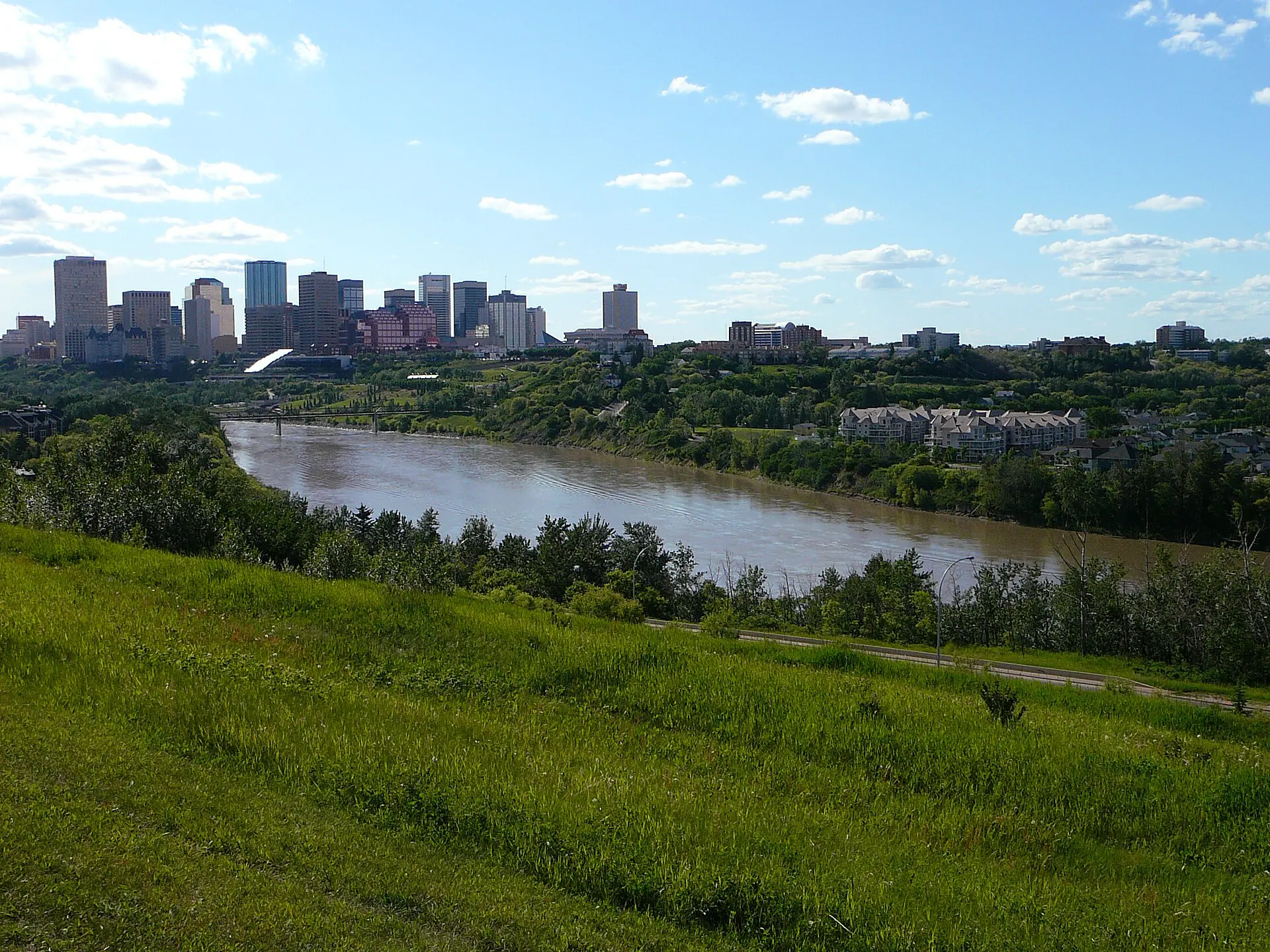
If you are planning things to do in Edmonton, begin with the river. The city is the capital of Alberta and sits on the North Saskatchewan River, with more than a million residents. It is the northernmost city in North America with a population over one million.
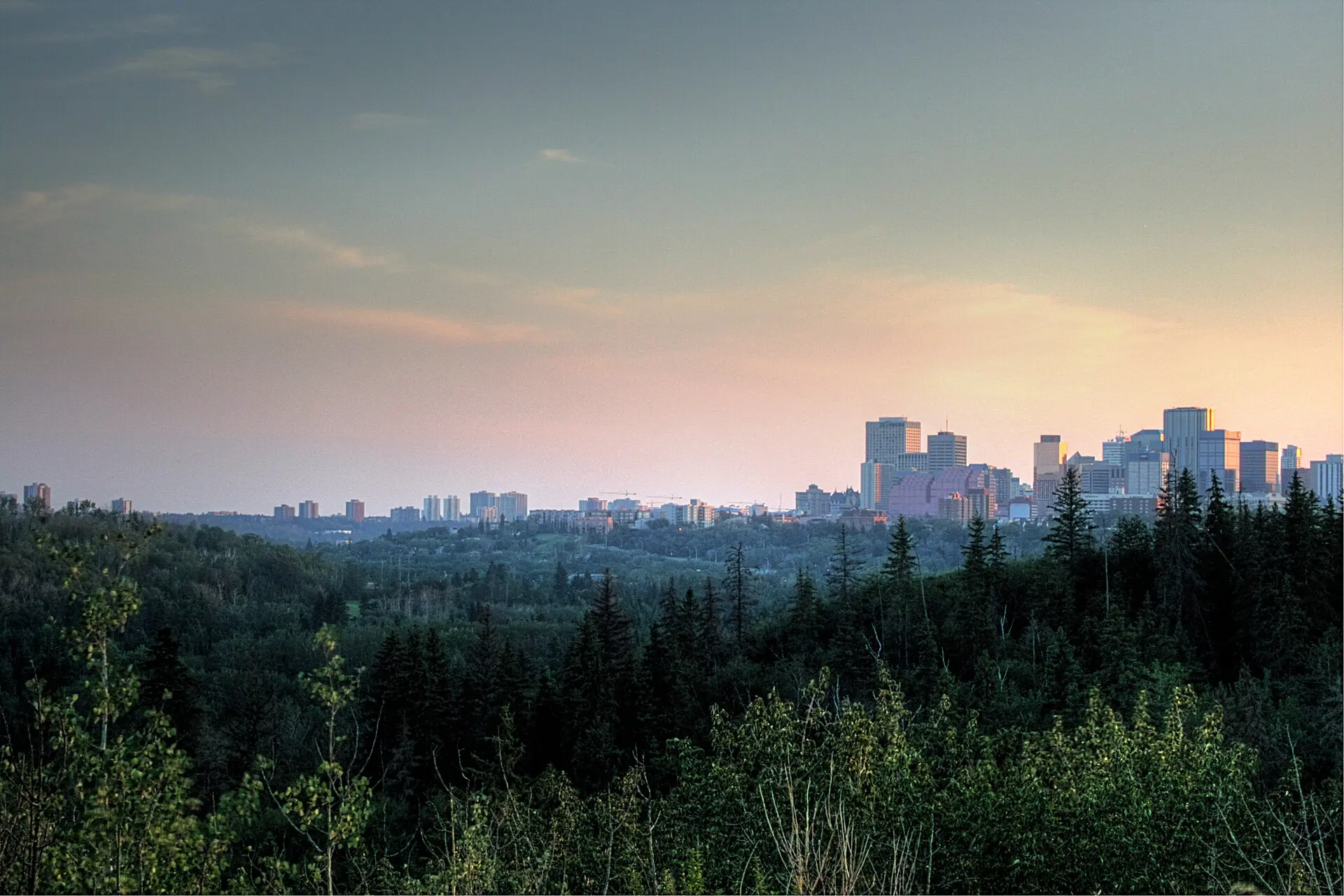
Its best-known asset is the river valley, a continuous green corridor of more than 100 km of trails, parks and viewpoints that runs through the middle of the city. It includes Fort Edmonton Park, the largest historical park in Canada.
Edmonton also has a busy theatre community, a long cycle of annual festivals, and winter recreation that makes the cold part of the appeal. Its history includes First Nations and Métis communities and the fur trade, since Fort Edmonton became a main trading centre in the early 1800s. It makes a good base before the Rockies.
Top things to do in Edmonton
North Saskatchewan River Valley
The valley is the main outdoor draw, with trails for walking, running and cycling, plus wildlife viewing and city views. Allow half a day. Bring layers, as river-level temperatures can differ from the streets above, and check for seasonal trail closures.
Fort Edmonton Park
A living-history park showing different periods of the city’s past, from the fur trade era onward. Allow three to four hours. Operating days and seasons vary, so check before going, and wear comfortable shoes for the large site.
Alberta Legislature Grounds
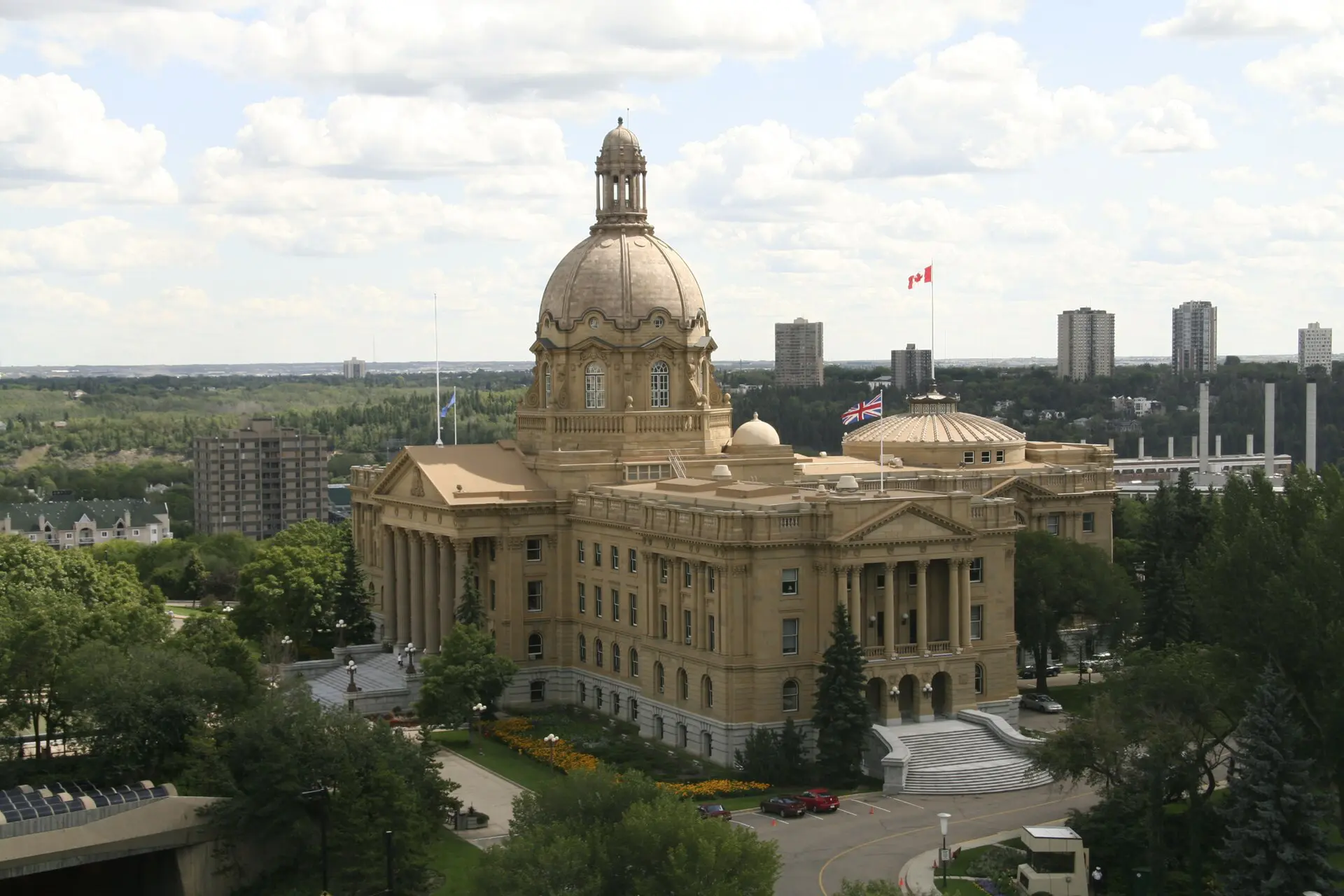
The provincial legislature stands in a landscaped setting above the river. Allow one to two hours for the grounds and, if open, a tour. Check security and tour times in advance, and look for seasonal events on the lawns.
West Edmonton Mall
One of the largest shopping malls in North America, it also holds entertainment attractions. Allow two to four hours. It is useful on very cold or wet days, but attractions have separate prices, so check what you need.
Old Strathcona
This historic district on the south side has independent shops, cafés, theatres and a well-known farmers’ market on certain days. Allow two to three hours. Market days and times vary by season, so check before you plan a morning there.
Festivals and theatre
Edmonton is known for its summer festivals, including large arts and fringe events. Allow evenings or several days if your dates match. Book accommodation early, and check programmes in advance, since popular shows sell out.
Winter activities
In cold months, the river valley and parks host skating, skiing and snowshoeing. Allow half a day. Dress in warm layers, and check what equipment is available to hire locally.
Best time to visit Edmonton
Edmonton has a northern continental climate, with warm summers and long, cold winters.
- Summer (June to August): the busiest and most popular time, with long daylight hours, festivals and patio season. Rooms cost more, especially during major events.
- Autumn (September to October): cooler and often sunny, with yellow leaves along the river valley. Good for walking and fewer crowds.
- Winter (November to March): cold and snowy, sometimes very cold. Suits skating, skiing and indoor culture, with lower hotel prices.
- Spring (April to May): a changeable shoulder season, with melting snow and variable weather, and some trails still muddy.
Pack layers whatever the month, as weather can change quickly.
How to get to Edmonton and around
Edmonton International Airport lies south of the city, and transfer options include buses, taxis and ride-hailing, usually taking around 30 to 45 minutes. The former city centre airport closed in 2013, so all scheduled flights use the international airport.
By road, Edmonton is roughly 290 km north of Calgary, and the drive typically takes about three hours. Intercity buses and long-distance routes serve the city.
Within the city, buses and light rail serve the centre and some suburbs, though many visitors find a car useful for the river valley and out-of-town sights. Cycling is popular in summer. In winter, factor in snow and plan extra travel time.
Where to stay in Edmonton
Edmonton is spread out, so choose by the type of trip you want.
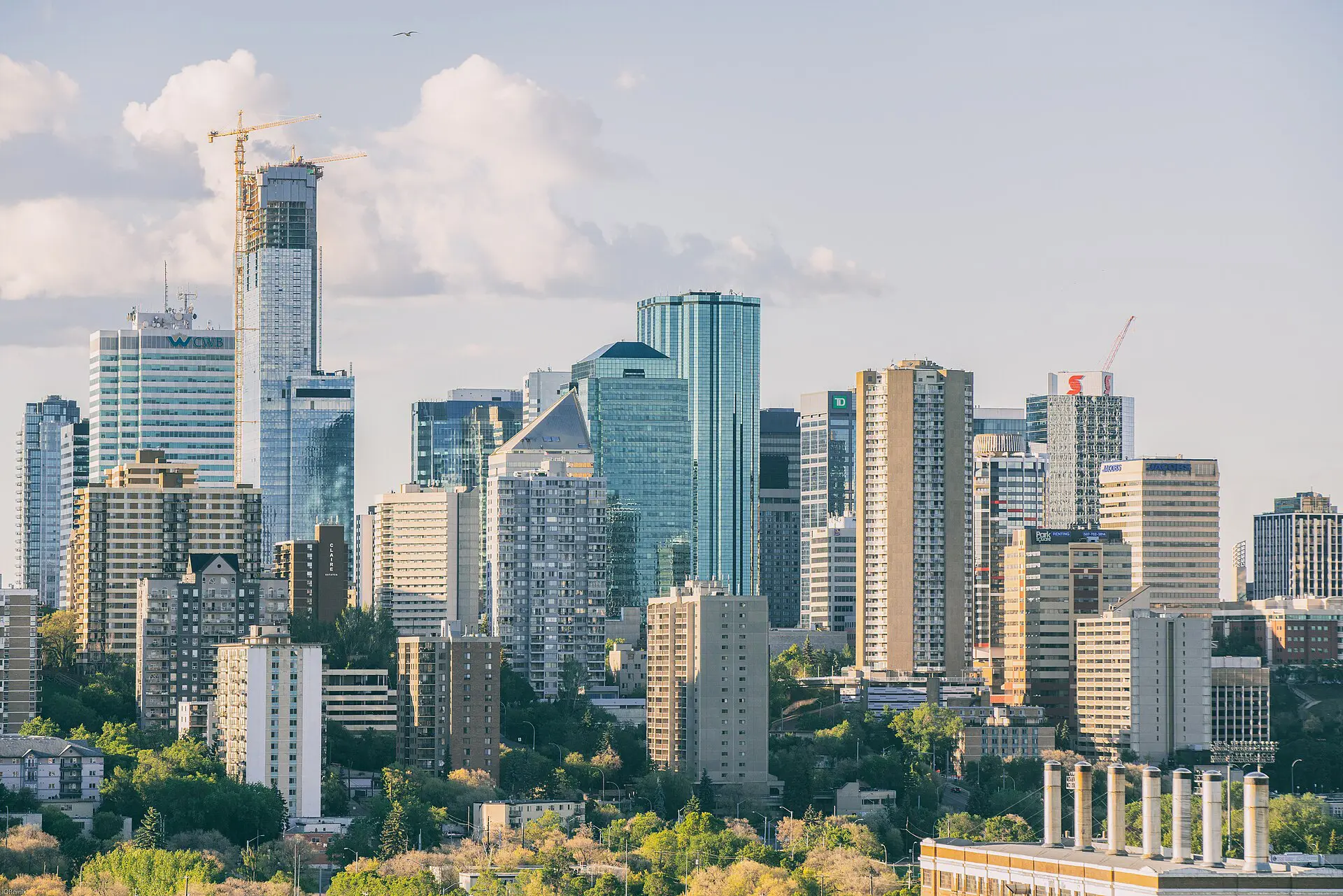
- Downtown: hotels near the arts venues, restaurants and transit, suited to short stays and business travellers.
- Old Strathcona and the south side: a lively area with cafés, theatres and nightlife. Good for visitors who prefer a neighbourhood feel.
- West Edmonton Mall area: hotels with large facilities, convenient for shopping and families, but farther from the river valley.
- Near the airport: practical for early flights and onward trips, though far from the centre.
Prices rise during large festivals, so book early for summer.
How many days do you need?
Two days covers the key sights at an easy pace, and a third adds festival time, extra trail walking or a day trip. Visitors heading to the Rockies often use Edmonton as a one- or two-night stop.
- Day 1: a morning in the river valley, lunch downtown, then the Legislature grounds and an evening show or dinner.
- Day 2: Fort Edmonton Park in the morning, then Old Strathcona for shops, food and a stroll.
- Day 3: West Edmonton Mall, a festival event or a day trip to nearby communities.
In winter, swap trail time for museums and indoor attractions on the coldest days.
Day trips and nearby
St. Albert
This community northwest of the city has French-Canadian roots and a popular farmers’ market on certain days. It is reachable by road in roughly 20 to 30 minutes. Check market days before going.
Sherwood Park
A suburban community east of the city, it works as a quieter stop for parks and trails. It is easy to reach by car, but there is limited sightseeing, so treat it as an add-on.
Calgary
Alberta’s other major city lies about 290 km south. A day return is possible but long, so an overnight stay is better. It is a natural next stop on a Calgary and Rockies route.
Banff and the Rockies
The mountain parks are a long drive away, usually well over four hours. Edmonton works as a gateway, but plan an overnight stay and check road conditions in winter.
FAQ
Q1When is the best time to visit Edmonton?
Summer, from June to August, has the best weather and the most festivals, but also higher prices. September is calm and colourful, while winter suits skating, skiing and lower rates if you are comfortable with the cold.
Q2How many days do you need in Edmonton?
Two to three days is enough for the river valley, Fort Edmonton Park, Old Strathcona and the Legislature. Add a day if you are attending a festival or want a day trip to St. Albert or the Rockies.
Q3How do you get to Edmonton?
Most visitors fly to Edmonton International Airport, about 30 minutes south of downtown, or drive from Calgary, roughly 290 km and about three hours. Long-distance buses also serve the city.
Q4Is Edmonton worth visiting?
Yes, especially for the river valley, festivals and arts scene, and as a base for Alberta. It is spread out and cold in winter, so plan transport and clothing, but it can be good value compared with larger cities.
Prices, schedules and entry rules change. Check current details with official sources before you travel. Read the Canada travel guide.