Why visit Victoria BC
The best things to do in Victoria BC are centred on its waterfront. It is the capital of British Columbia, on the southern tip of Vancouver Island off Canada’s Pacific coast, and the southernmost major city in western Canada. The city has about 92,000 residents, within a wider area of nearly 400,000.
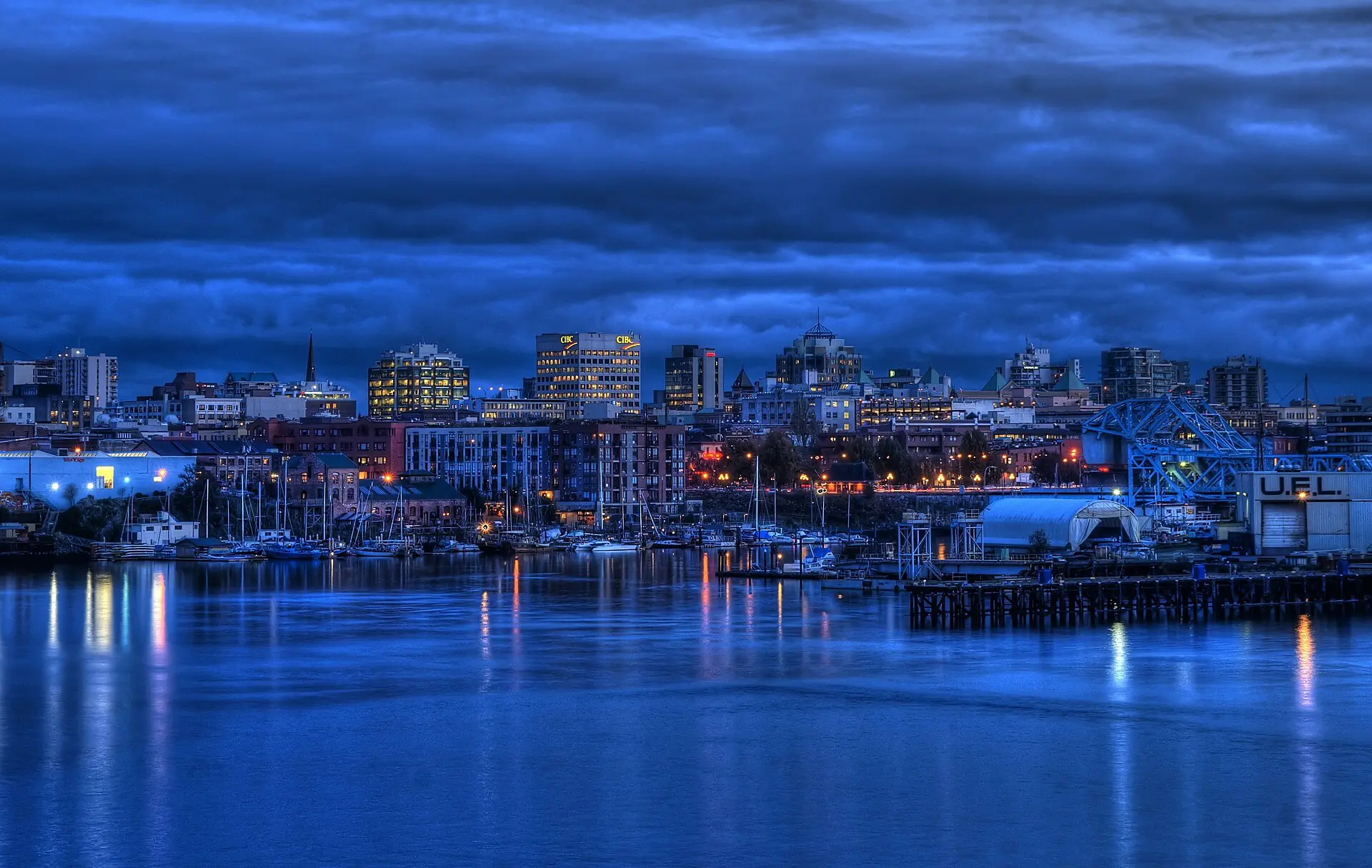
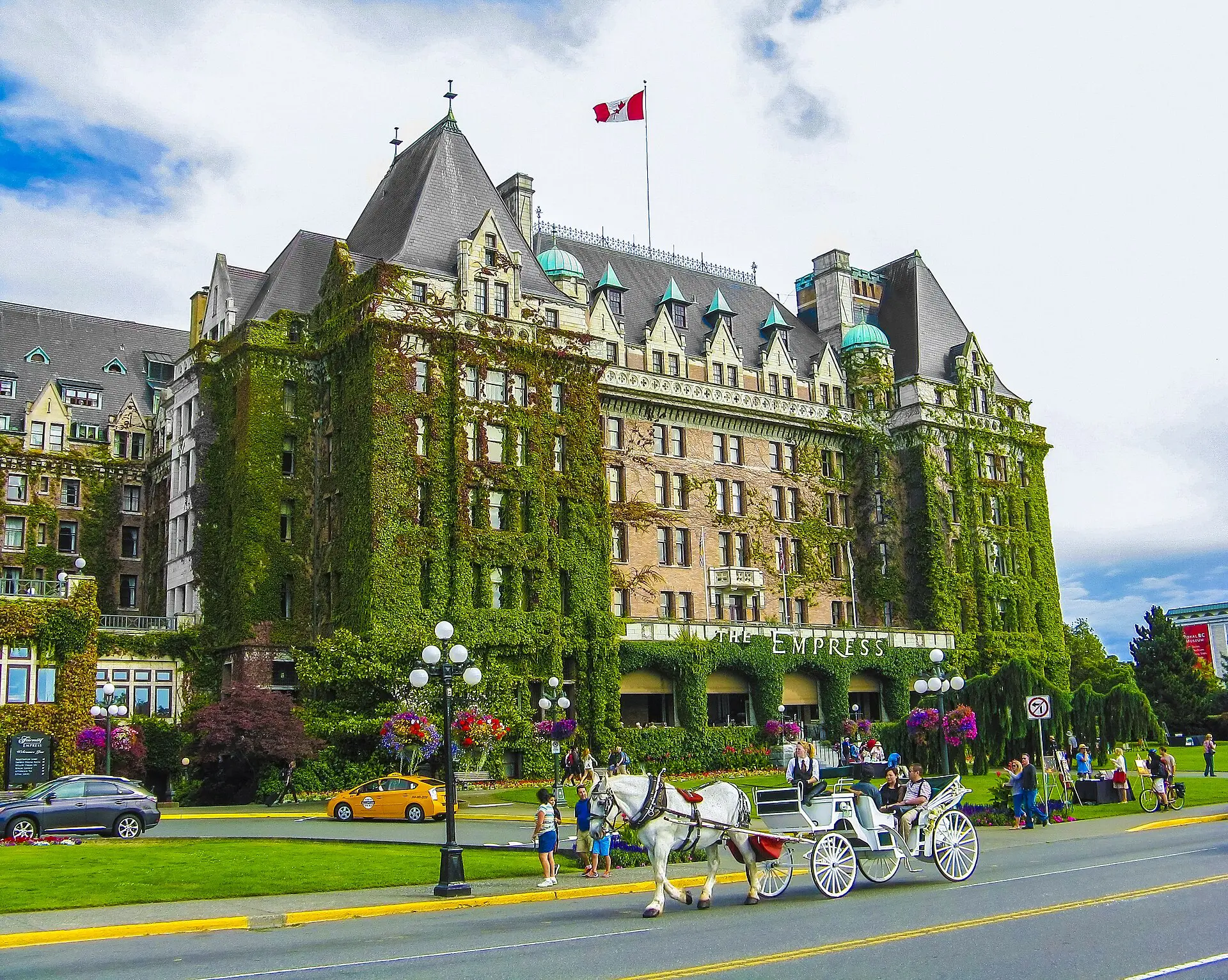
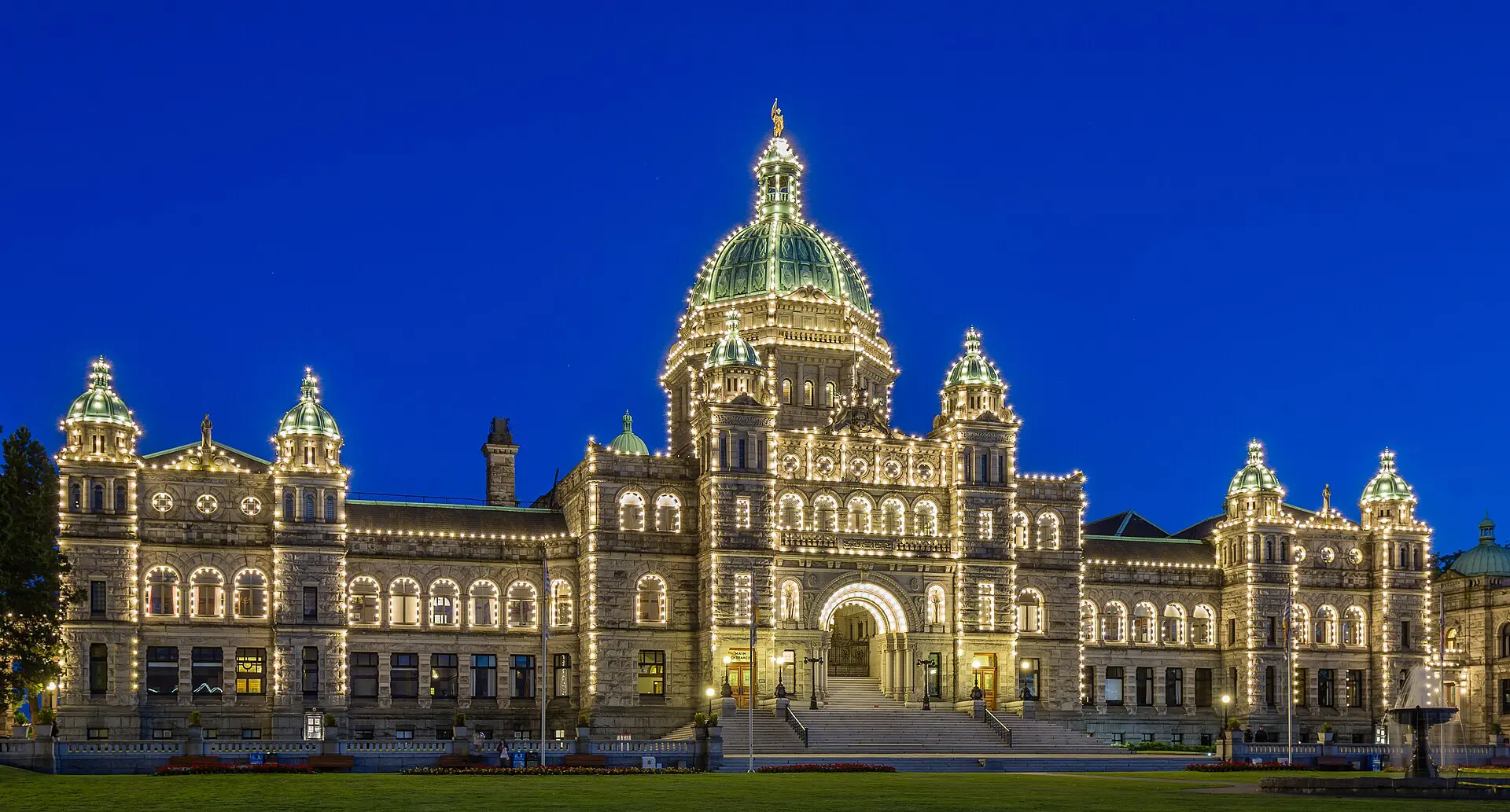
British settlement began in 1843, and the city has kept many historic buildings. Its two best-known landmarks are the Parliament Buildings, finished in 1897, and the Empress Hotel, which opened in 1908. Both sit beside the Inner Harbour.
Victoria is compact and walkable, which makes it a good short break or a base for the island. It lies roughly 100 kilometres from Vancouver and from Seattle by air, ferry or seaplane, so it is a natural add-on to a Pacific Northwest trip.
Top things to do in Victoria BC
Inner Harbour
The waterfront is the centre of the city, with boats, seaplanes and street performers in good weather. Allow an hour or two to stroll. It is busiest on summer afternoons, so mornings and evenings are calmer.
British Columbia Parliament Buildings
The legislature building is a landmark on the harbour. Tours may be offered, so check current availability and book if you want to go inside. Allow around an hour, and take photos from across the water.
The Empress Hotel
The historic hotel is part of the harbour skyline, and many visitors come to look around the public areas. Allow 30 minutes. You do not need to stay to see it, though dining and tea offerings should be booked ahead.
Royal BC Museum
The provincial museum covers the natural and human history of British Columbia. Allow two hours or more. Check which galleries are open, as exhibits and access can change over time.
Waterfront walks and Fisherman’s Wharf
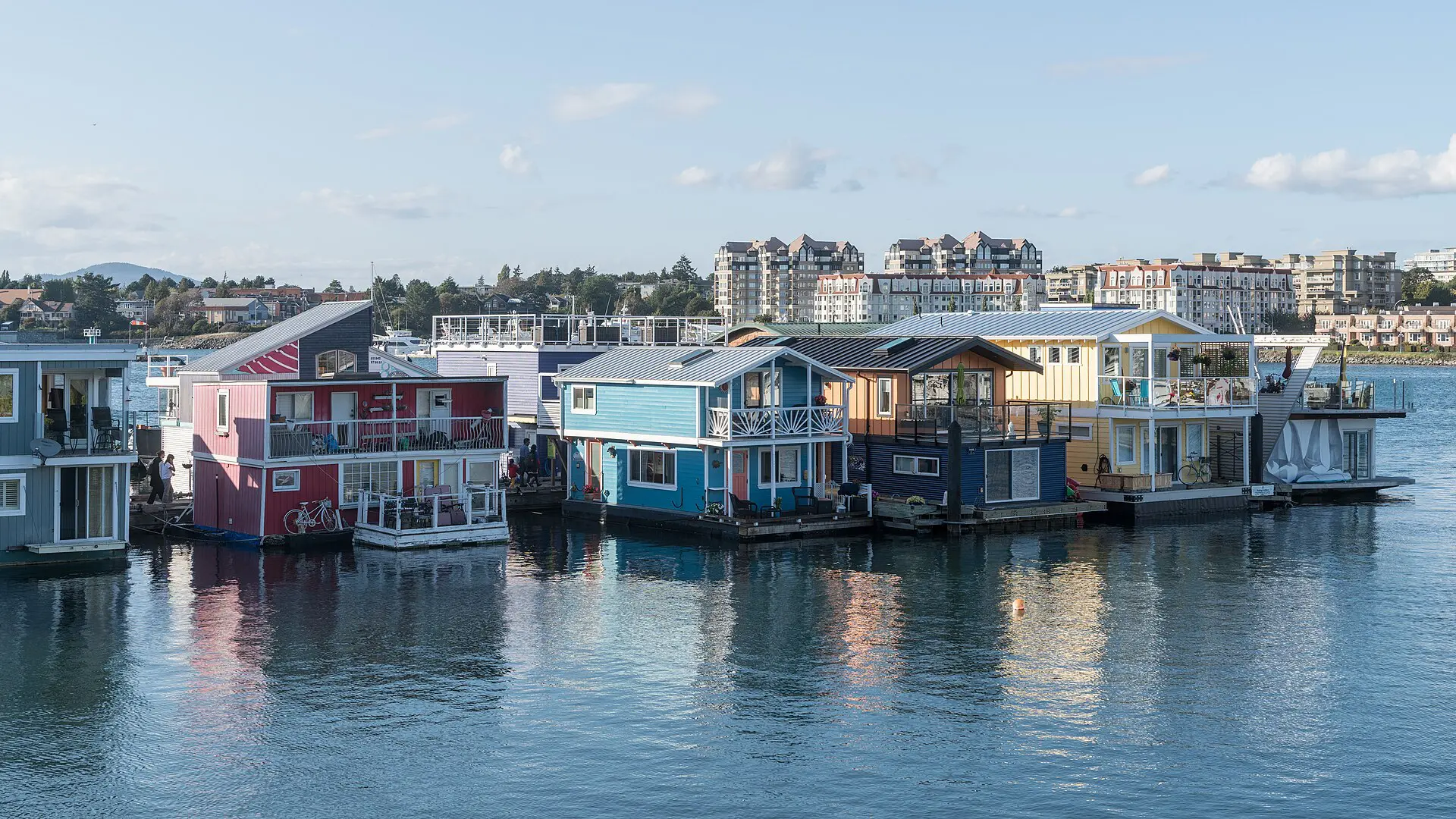
The shoreline has paths and quiet viewpoints, and Fisherman’s Wharf is known for its floating homes and casual food. Allow a few hours for a long walk. Bring a layer for the sea breeze.
Whale watching
Boat tours run from the harbour in season and may spot marine wildlife. Trips usually last a few hours. Sightings are not guaranteed, so choose a reputable operator and dress warmly.
Gardens and parks
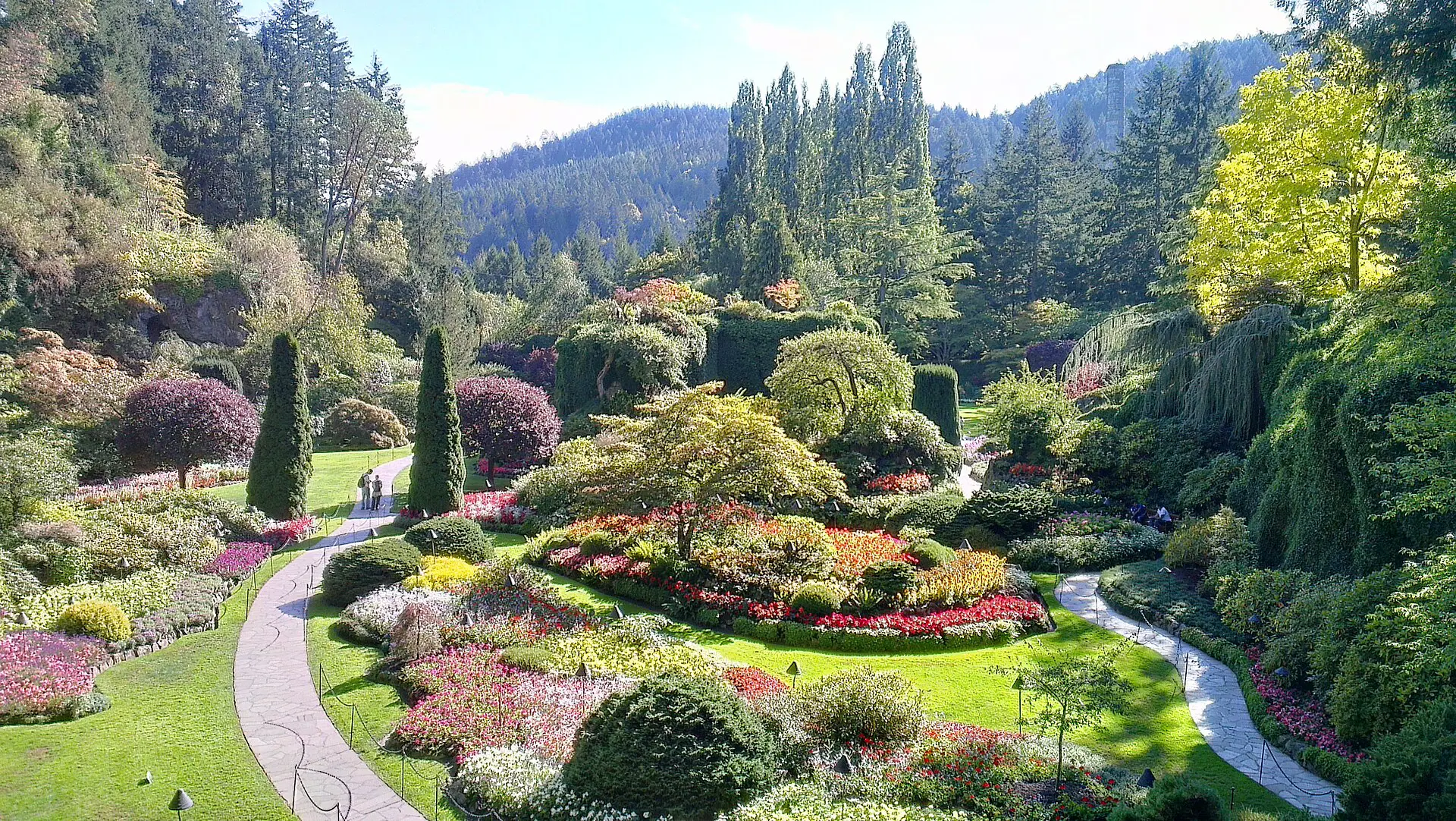
Victoria is known for its mild climate and garden-friendly setting, with parks and gardens across the area. Check which gardens are open and when they are at their best, since displays vary by season.
Best time to visit Victoria BC
Summer, from June to September, is the most popular, with long days, mild temperatures and the full range of tours and events. Prices peak, so book accommodation and whale-watching trips ahead.
Late spring and early autumn are good compromises, with fewer crowds and often good weather. Winter is mild by Canadian standards but wet and grey, and some seasonal services may be reduced. Bring a rain jacket at any time of year.
| Season | Weather | Crowds and prices |
|---|---|---|
| Spring | Mild, some rain | Moderate |
| Summer | Warm, mostly dry | Busiest, highest prices |
| Autumn | Mild, increasingly wet | Moderate |
| Winter | Cool, wet | Quietest, cheaper |
How to get to Victoria BC and around
Victoria is on an island, so you arrive by air or water. Victoria International Airport has flights from several Canadian cities, and floatplanes and helicopters connect the harbour with Vancouver. Ferries run from the mainland, and a passenger ferry connects Seattle with the harbour. A car ferry runs from Port Angeles, Washington.
Check schedules and booking rules in advance, since services vary by season. If you drive, reserve a car space on busy ferries. Passport or border rules apply for international routes.
The downtown is compact and walkable, and buses cover the wider area. Cycling paths and taxis are available, and many visitors do not need a car unless they plan to explore the island.
Where to stay in Victoria BC
Downtown and the Inner Harbour suit first-time visitors, with walking access to the sights, restaurants and the waterfront. Prices are higher, especially in summer, so book early.
Neighbourhoods just outside the centre offer a calmer feel and often better value, with a short bus ride or walk to the harbour. They suit longer stays and visitors who prefer quiet evenings.
Options near the waterfront outside the centre give you sea views and shoreline walks, though you may need transport. If you plan to explore the island, consider a stay close to the main road out of town. Compare prices for weekdays and weekends.
How many days do you need?
Two days covers the harbour, the Parliament Buildings, the museum and a waterfront walk. Three days leaves time for whale watching or a gardens visit. Add more if you plan to explore the rest of Vancouver Island.
- Day 1: Inner Harbour, Parliament Buildings, the Empress Hotel and the Royal BC Museum.
- Day 2: A waterfront walk, Fisherman’s Wharf and a whale-watching tour.
- Day 3: Gardens, local cafes and a slower day, or a drive up the island.
Day trips and nearby
Vancouver
Canada’s western gateway city is about 100 kilometres away across the water, reached by ferry, seaplane or flight. It is a long day trip but better as a separate stay.
Whistler
Whistler is a mountain resort on the mainland, north of Vancouver. It requires crossing to the mainland and driving, so plan it as an overnight stay.
Banff
Banff is in the Rocky Mountains, far from Victoria, and best handled as a separate trip with a flight and a few days.
Seattle
Seattle is across the border, reachable by passenger ferry. It makes a good onward stop, and you need valid travel documents. Check current border requirements.
FAQ
Q1When is the best time to visit Victoria BC?
June to September has the warmest and driest weather, plus the widest choice of tours, but also the biggest crowds and highest prices. Late spring and early autumn are good alternatives, while winter is mild but wet.
Q2How many days do you need in Victoria BC?
Two days is enough for the harbour, Parliament Buildings and museum, and three days adds whale watching or gardens. Stay longer if you want to explore beyond the city on Vancouver Island.
Q3How do you get to Victoria BC?
You can fly into Victoria International Airport, take a ferry from Vancouver or Seattle, or use a floatplane to the harbour. Check schedules and book in advance for summer, especially if you are bringing a car.
Q4Is Victoria BC expensive?
Prices are often higher than in smaller Canadian towns, especially for waterfront hotels in summer. You can save by visiting in spring or autumn, staying outside the centre and eating at casual places. Check current rates.
Prices, schedules and entry rules change. Check current details with official sources before you travel. Read the Canada travel guide.