Why visit Winnipeg
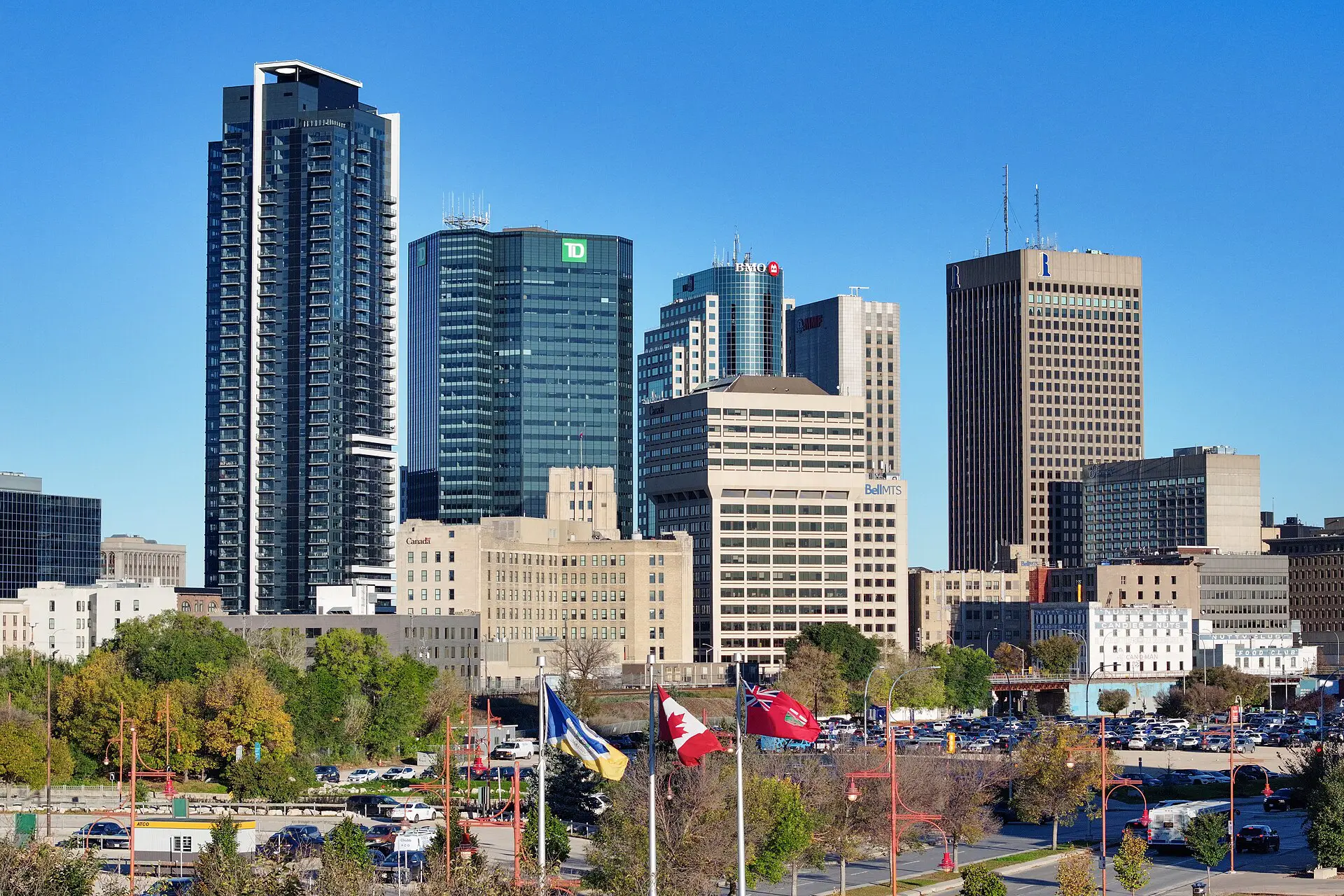
People looking for things to do in Winnipeg often find the city more interesting than its reputation suggests. It sits at the meeting point of the Red and Assiniboine rivers, in the middle of the Canadian prairies, and that junction has been a gathering place for Indigenous peoples for thousands of years.
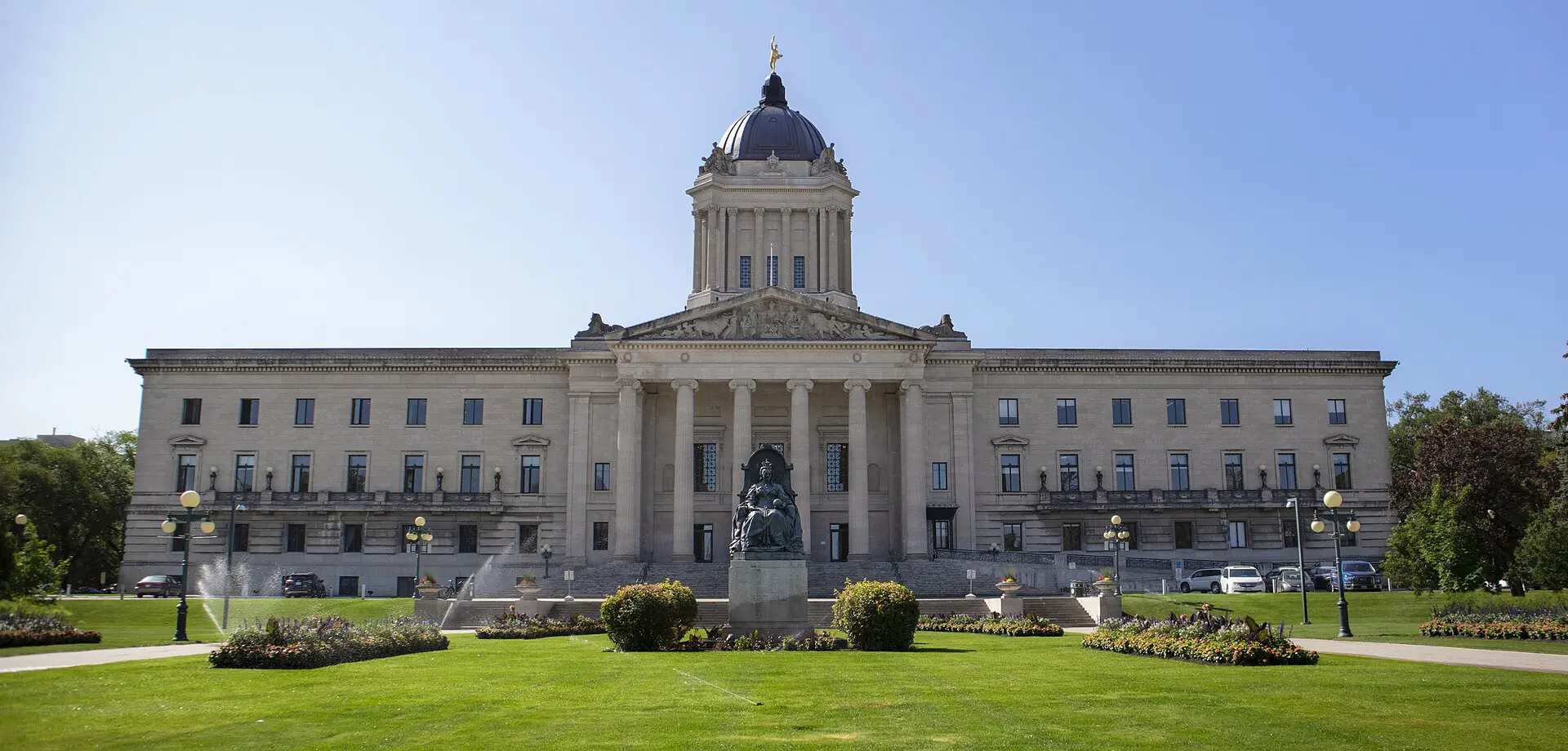
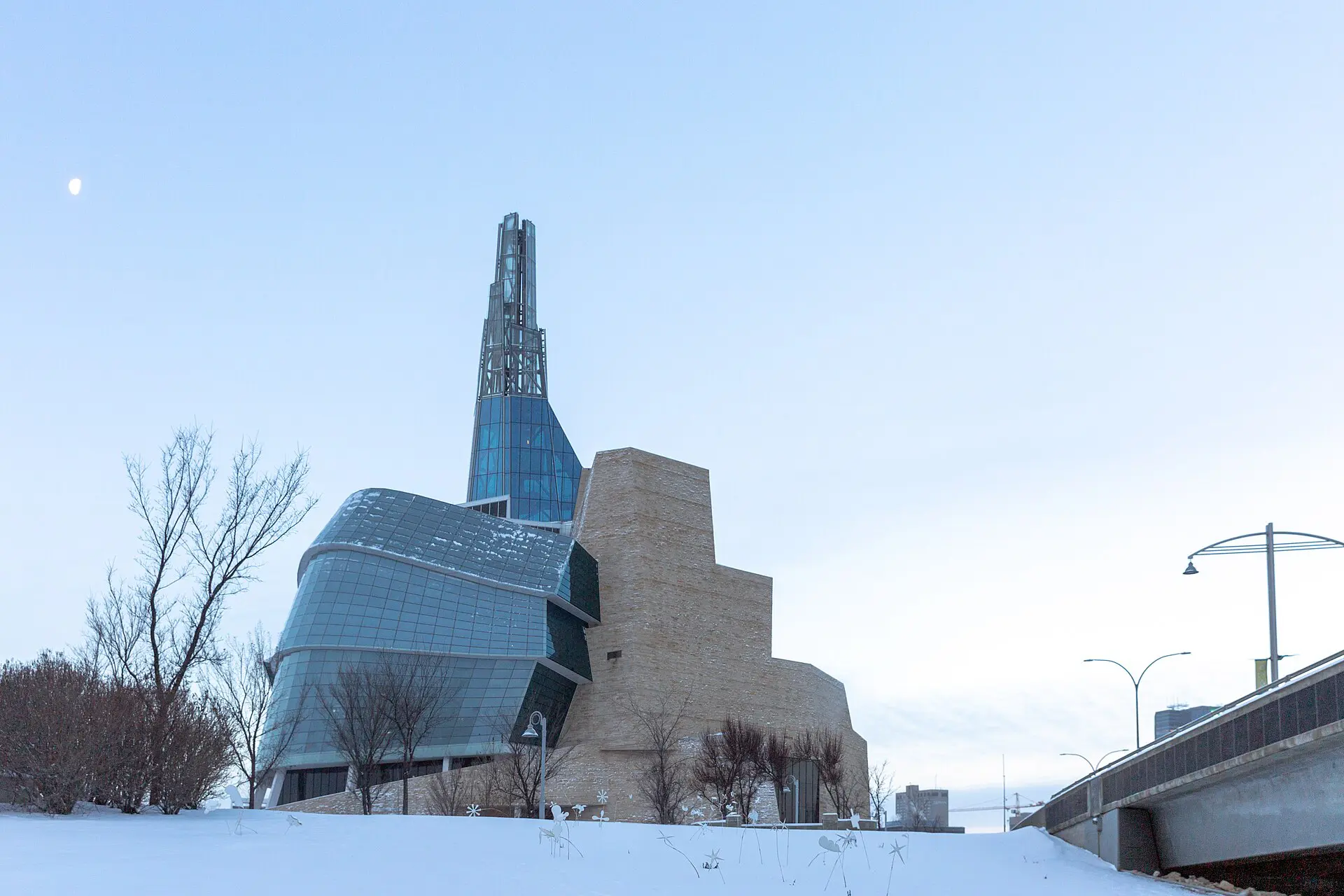
The Forks, where the rivers meet, is the city’s main public space, with markets, trails, a historic port and the Canadian Museum for Human Rights. The nearby Exchange District preserves a large collection of early twentieth-century commercial buildings, now home to galleries, theatres and restaurants.
Winnipeg is also a festival city, with major events in summer and a strong arts scene. It has very cold winters, but the city leans into them, with river skating trails and winter markets that make the season part of the attraction.
Top things to do in Winnipeg
The Forks
This riverside meeting place has a market hall, food stalls, shops, paths and a historic site. It is busy all year, with skating in winter and boat rides in summer. Allow two to three hours, and arrive at midday for lunch from the market.
Canadian Museum for Human Rights
A striking building with galleries on human rights history and issues, including Indigenous rights and the Holocaust. Allow two to three hours. Book timed tickets in busy periods, and check opening days.
Exchange District
A national historic district of brick and stone warehouses, now with cafes, galleries and shops. It is a pleasant place for a walk and a long lunch. Look for street art and small theatres, and allow about two hours.
Assiniboine Park and Zoo
A large park on the Assiniboine River with gardens, a conservatory, a sculpture area and a zoo with a focus on northern species such as polar bears. Allow half a day, and check admission and hours.
Manitoba Museum
The museum covers the province’s natural and human history, with galleries including a replica of a historic sailing ship. It suits families, and takes about two hours.
St. Boniface
The French-speaking district across the Red River has a cathedral ruin, a museum and cafes. It adds a Francophone and Metis dimension to a visit, and works as a short afternoon stop.
Winter river skating
In winter, the frozen rivers become a long skating trail with warming huts. Conditions depend on the weather, so check whether the trail is open before you go, and dress for very low temperatures.
Best time to visit Winnipeg
June to September is the most pleasant time, with warm days, long daylight and many festivals and outdoor events. July and August can be hot and humid, and mosquitoes are common near the rivers, so bring repellent.
Spring and autumn are shorter shoulder seasons with changeable weather. Late September and October can have colourful leaves and clear days, but nights turn cold fast.
Winter is long and very cold, with temperatures that can fall far below freezing and wind chill that makes it feel colder. If you come prepared, you can enjoy skating, winter festivals and clear sunny days. Hotel prices are often lower. Dress in layers, with proper boots, hat and gloves.
How to get to Winnipeg and around
Winnipeg James Armstrong Richardson International Airport is a short drive from downtown, usually around 15 to 20 minutes by taxi or ride-hailing. It has direct flights to major Canadian cities, and to some US destinations. Check current routes and seasonal flights.
Long-distance bus services and the national rail route also serve the city, though schedules are limited and often slower than flying. Check ahead before planning an overland trip.
The downtown core, Exchange District and The Forks can be covered on foot in good weather. Public buses cover the rest of the city, and ride-hailing and taxis are widely available. A car is helpful for Assiniboine Park, the surrounding region and day trips.
Where to stay in Winnipeg
Downtown and the Exchange District are the best bases for first-time visitors. You can walk to restaurants, theatres and The Forks, and there are hotels at most price levels, including some in historic buildings.
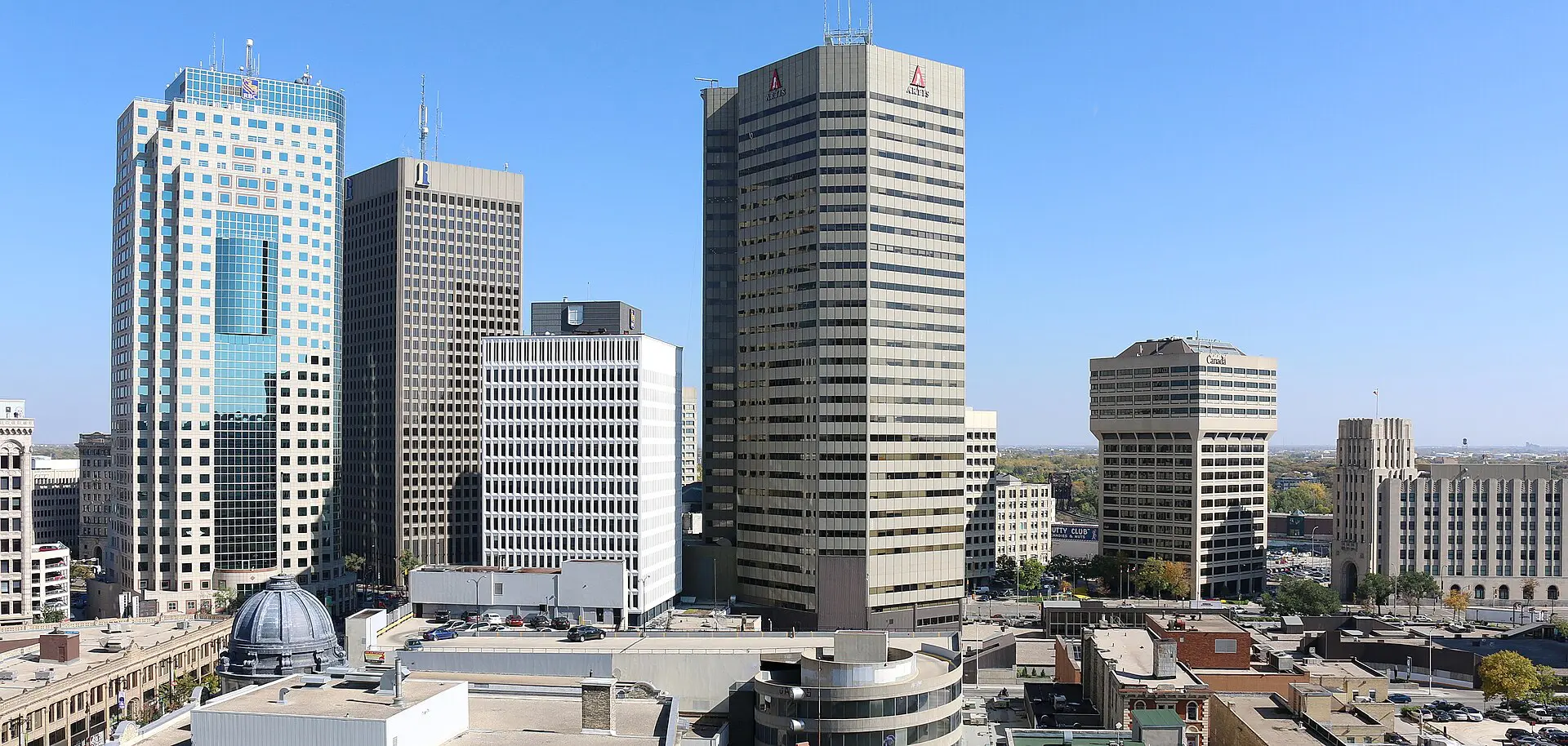
The area around The Forks has hotels with river views, handy for the museum and the market. It suits travellers who want to be at the centre of the attractions, though prices can rise during events.
The Osborne Village and Corydon Avenue areas have restaurants, bars and guesthouses, a good fit for longer stays and for visitors who want a neighbourhood feel. Book early during major summer festivals and events.
How many days do you need?
Two days is enough to see the highlights. Three days lets you add Assiniboine Park, St. Boniface and a slower pace. If you want a day trip to a lake or wildlife viewing, add more time.
- Day 1: The Forks, the Canadian Museum for Human Rights and an evening in the Exchange District.
- Day 2: Assiniboine Park and Zoo, then dinner in Osborne Village or St. Boniface.
- Day 3: Manitoba Museum and a short trip toward Lake Winnipeg or a prairie drive.
Day trips and nearby
Lake Winnipeg beaches
Sandy beaches such as Grand Beach lie around one to one and a half hours north by road. They are popular in summer for swimming and picnics, and best reached by car.
Riding Mountain National Park
Further west, this park has forests, lakes and wildlife, including elk and black bears. It is more than two hours by road, so it suits an overnight trip.
Churchill
Famous for polar bears and beluga whales, Churchill is reached by flight or train from Winnipeg. It is a major trip, not a day excursion, and needs planning well ahead.
Calgary and Banff
These are in Alberta, a long flight or drive west, and work better as the next stop on a western Canada itinerary.
FAQ
Q1How many days do you need in Winnipeg?
Two days covers The Forks, the human rights museum, the Exchange District and Assiniboine Park. Three days is more relaxed and adds St. Boniface, the Manitoba Museum and a short trip toward Lake Winnipeg.
Q2When is the best time to visit Winnipeg?
June to September has warm weather, long days and many festivals. Winter is very cold but offers river skating and fewer crowds. Spring and autumn are changeable. Pack repellent for summer and serious layers for winter.
Q3How do you get to Winnipeg?
Most visitors fly into Winnipeg James Armstrong Richardson International Airport, which is a short drive from downtown. Rail and bus services also exist but are slower and less frequent. Check current flight routes before booking.
Q4Is Winnipeg expensive?
Winnipeg is generally more affordable than Toronto or Vancouver for hotels and meals. Museum tickets and tours add up, but many outdoor areas are free. Summer festival weekends can raise hotel rates, so book early.
Prices, schedules and entry rules change. Check current details with official sources before you travel. Read the Canada travel guide.