Why visit Jasper
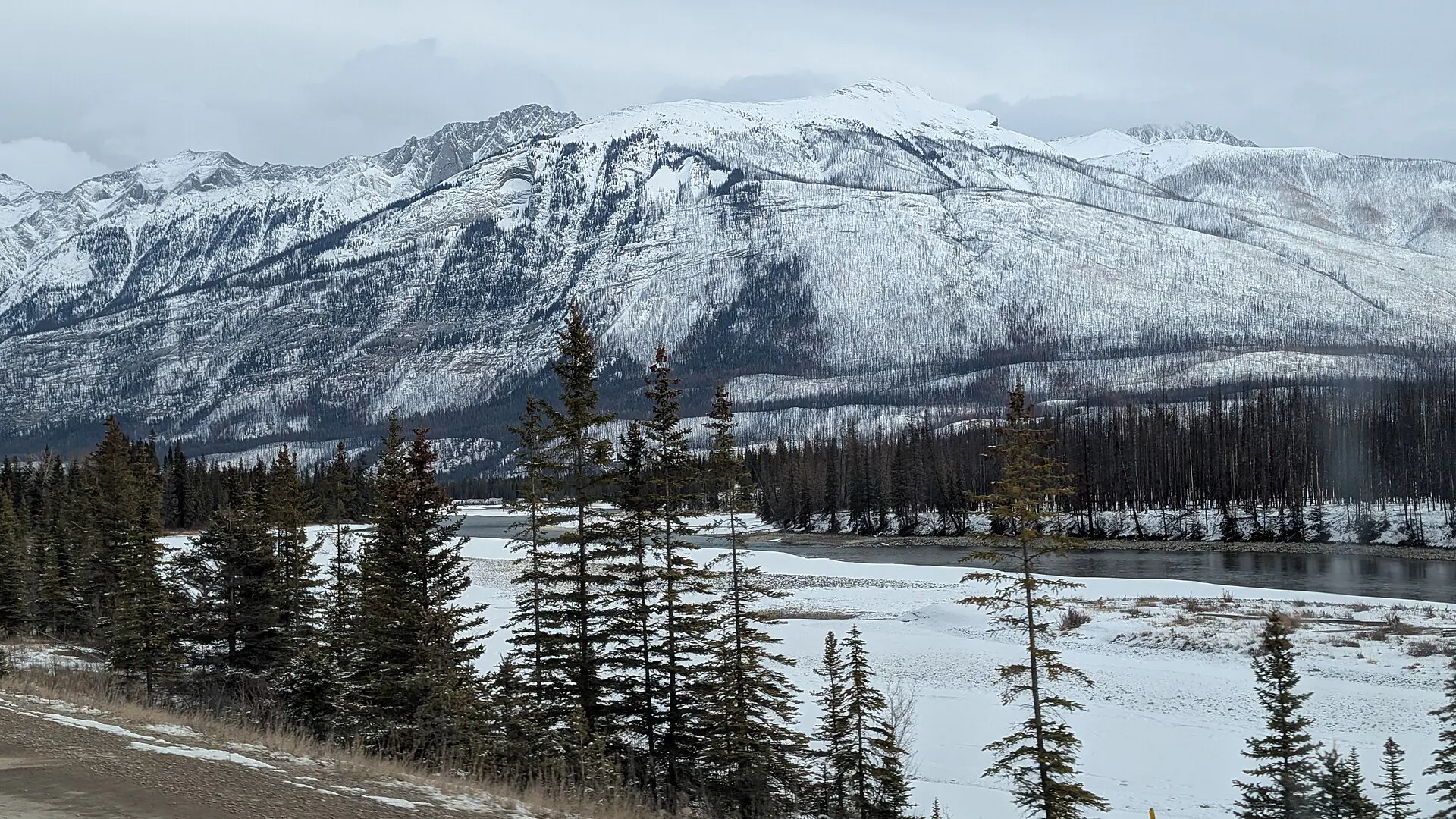
If you are planning things to do in Jasper, start with its role. The town sits in the Athabasca River valley in western Alberta and is the commercial centre of Jasper National Park, which was established in 1907. With roughly 4,700 residents as of the 2021 count, it is small, and almost everything revolves around the park around it.
The setting is the draw: mountains, lakes, glaciers, rivers and wildlife within easy reach of one base. The town supports hiking, skiing, climbing, rafting, canoeing and fat biking.
The town has fur-trade origins: Jasper House was set up in 1813, and the railway established a divisional point here in 1911. Today it feels more relaxed than Banff, with a town grid that is easy to walk. A wildfire in July 2024 damaged part of the townsite and the surrounding park, and rebuilding and recovery may still affect some services, so check what is open. Wildfire risk and park closures can affect trips, so check official sources before you travel.
Top things to do in Jasper
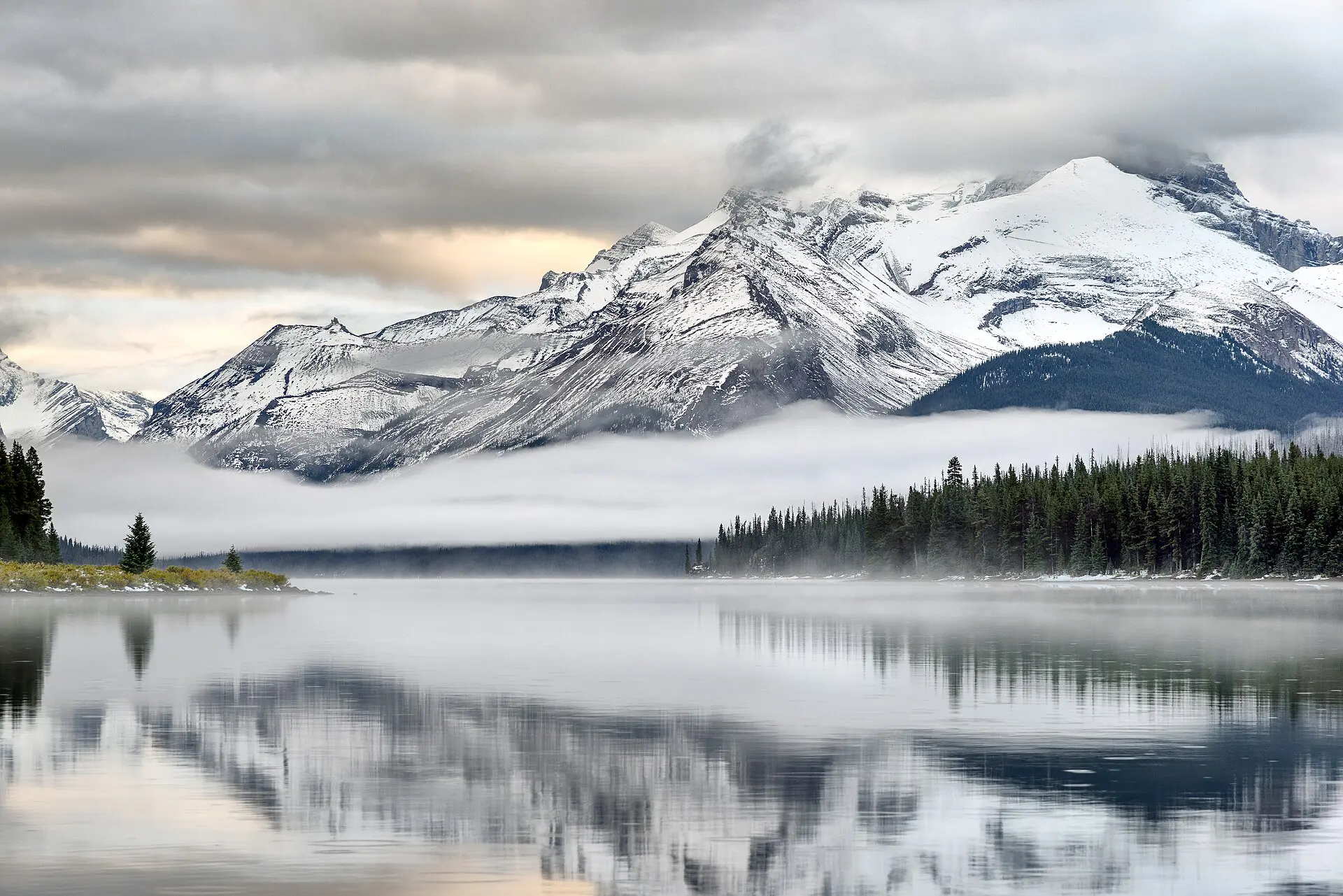
Visit Maligne Lake
Maligne Lake is one of the best-known destinations in the park, reached by road from town. Many visitors walk the shore or take a boat cruise to a small island. Allow half a day or more. Tip: book a cruise ahead in summer, and check road and wildlife closures.
Drive the Icefields Parkway
The highway between Jasper and Lake Louise passes glaciers, lakes and viewpoints, including the Columbia Icefield. Allow a full day with stops. Tip: fill the tank before leaving, as services along the route are limited.
Walk around Pyramid and Patricia lakes
These lakes lie close to the town, with views of the mountains and a gentle environment for short walks or paddling. Allow two hours. Tip: go in the evening for softer light and fewer people.
Hike a canyon or valley trail
The park has many trails, from short riverside walks to day hikes into alpine terrain. Pick a route that suits your fitness and check the current conditions with the visitor centre. Tip: carry bear spray and learn how to use it, as the park is bear country.
Look for wildlife
Elk, deer and other animals are often seen near roads and the town, and bears and sheep appear in some areas. Dawn and dusk are the best times. Tip: keep a safe distance, never feed animals and follow park guidance.
Go stargazing
The park is known for its dark skies, and clear nights offer long views of stars. Check whether an organised event is running. Tip: dress warmly, since mountain nights are cold even in summer.
Ride, paddle or raft
Rivers and lakes support rafting, canoeing and kayaking, and operators run guided trips in season. Allow a half day. Tip: book early in July and August and ask about water levels, which change through the season.
Best time to visit Jasper
Summer, from about June to September, is the main season. Trails and roads are generally open, days are long and boat trips run. It is also the busiest and most expensive period, so book early.
Autumn can be beautiful and quieter, with cooler nights and some services closing in the shoulder months. Winter, roughly December to March, suits skiing and snow sports, but roads can be icy and some attractions close. Spring is a transition period, with muddy trails and variable weather.
| Season | Weather | Crowds and prices |
|---|---|---|
| Summer (Jun-Sep) | Mild days, cool nights | Busiest, highest prices |
| Autumn (Oct-Nov) | Cool, changing weather | Quieter, some closures |
| Winter (Dec-Mar) | Cold, snow | Moderate, ski season |
| Spring (Apr-May) | Variable, thawing | Quiet, limited services |
How to get to Jasper and around
Most visitors drive. Jasper is reached by road from Edmonton, which has been possible since the early 1930s, and by the Icefields Parkway from Banff and Lake Louise to the south. Distances are large, so plan driving time realistically, and check road reports in winter.
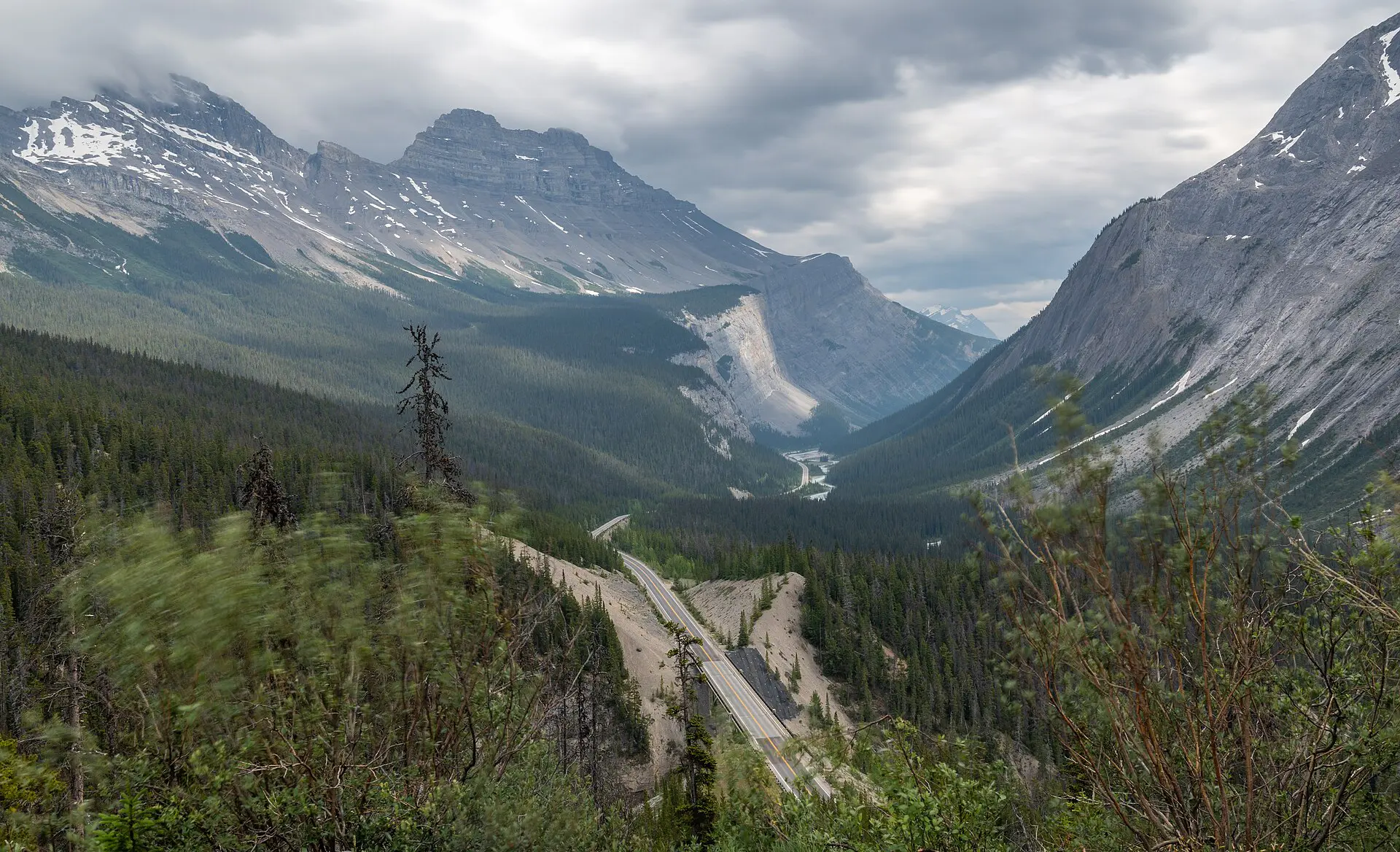
The town also has a railway station, with long-distance passenger trains on the route from Vancouver and Prince Rupert; confirm current services. The nearest major airports are Edmonton and Calgary, and some travellers also fly into Vancouver and continue by road or rail.
The town itself is compact and walkable. For the park, a rental car is the easiest option. Some shuttles and tours serve major sights, especially in summer. Entry to the national park requires a pass, so check current fees.
Where to stay in Jasper
The townsite is the best base for most travellers. It has the widest choice of hotels, guesthouses and restaurants, and you can walk to the station and the main street. Rooms are in high demand in July and August, so book well ahead.
Lodges and cabins outside town, on the lakes and along the parkways, suit those who want quiet and scenery. Check the distance from services, as you will need a car and should bring groceries.
Campgrounds in and around the park suit budget travellers and those with their own gear; reservations are often needed in summer, and booking windows open well in advance. Hostels offer a cheaper option for solo travellers. Prices are highest in summer and drop in winter and shoulder months.
How many days do you need?
Two days covers the main town-area sights and a lake, but three to five days is better if you want to drive the Icefields Parkway, hike and spend a day on the water. Add a day if you plan to continue to Banff. Weather and wildfire smoke can change plans, so keep one day flexible.
- Day 1: Walk the townsite, visit Pyramid Lake and look for wildlife at dusk.
- Day 2: Drive to Maligne Lake for a walk or a boat trip.
- Day 3: Drive the Icefields Parkway towards the Columbia Icefield, with stops.
Day trips and nearby
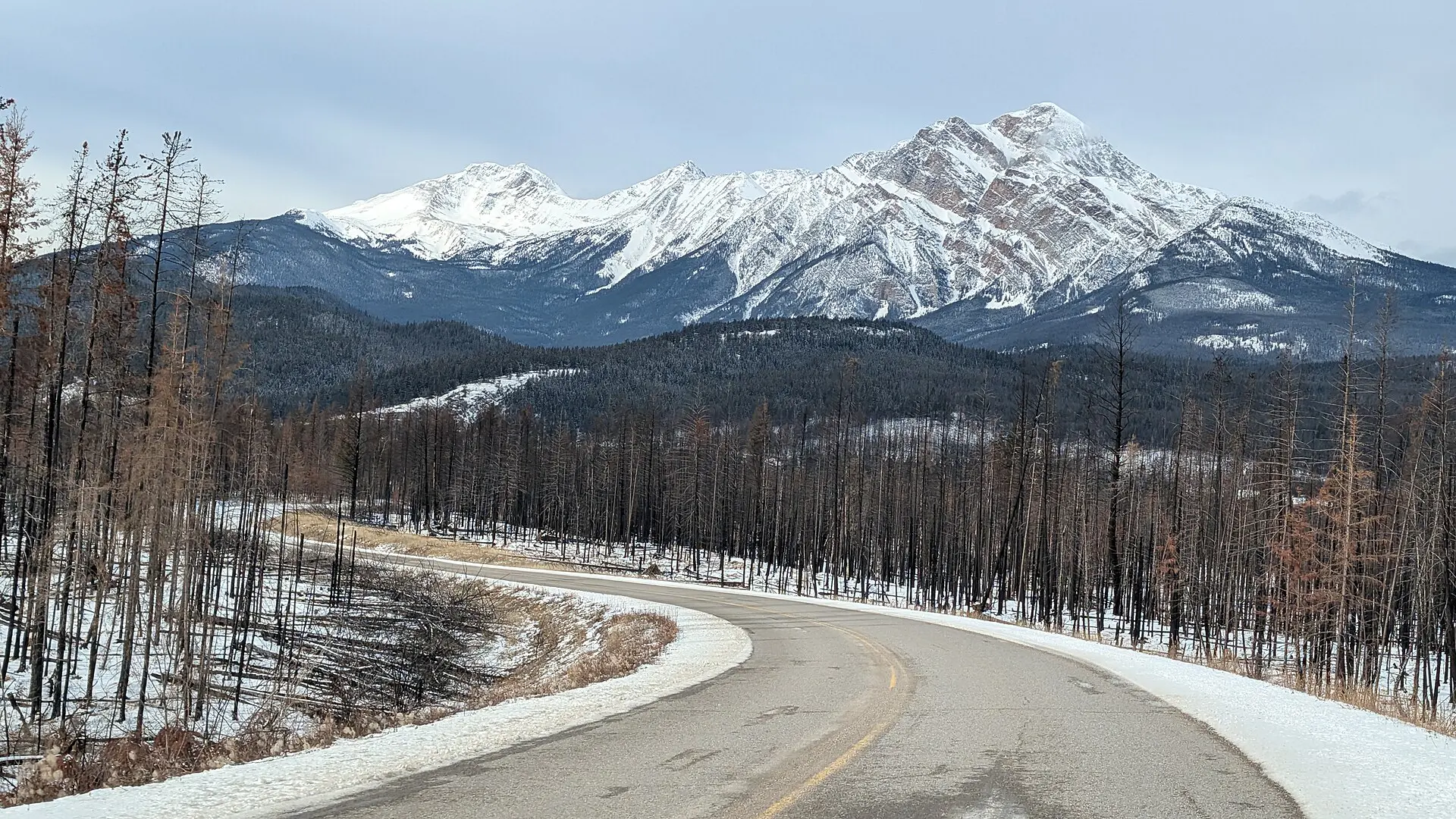
Banff
Banff lies to the south via the Icefields Parkway, a long scenic drive that many travellers spread over a day or more. The town and national park are busier and more developed. Allow a full day with stops, and check road conditions in winter.
Columbia Icefield
The Columbia Icefield, the largest uninterrupted glacial mass in the Rockies, is on the Icefields Parkway between Jasper and Banff. It is a long day trip from Jasper, so plan an early start and check which services operate.
Edmonton
Edmonton is the main city to the east, the usual gateway by road, and has a major airport. A full day of driving each way makes it a transit point rather than a day trip. Add a night if you want to see the city.
Calgary
Calgary is the other main gateway, reached by driving via Banff or the Icefields Parkway. Allow most of a day. Check road conditions and daylight hours if you travel in winter.
FAQ
Q1When is the best time to visit Jasper?
June to September is the main season, with open trails, long days and boat trips. It is also the most expensive and crowded. September can be quieter, and winter suits skiing. Check conditions and any wildfire alerts before you go.
Q2How many days do you need in Jasper?
Three to five days works for most visitors: a day around town and the closer lakes, a day for Maligne Lake, and a day on the Icefields Parkway. Add more time for hiking or rafting, and keep a spare day for weather.
Q3How do you get to Jasper?
Most people drive from Edmonton, roughly four hours, or from Banff along the Icefields Parkway. Long-distance trains also stop at Jasper. The nearest major airports are Edmonton and Calgary. Check current road and rail conditions, especially in winter, before you travel.
Q4Is Jasper expensive?
It can be, especially in July and August when lodging is at its highest. Costs drop in shoulder seasons. Park passes, car rental and guided activities add up. Camping, groceries and self-guided hikes help keep a trip affordable.
Prices, schedules and entry rules change. Check current details with official sources before you travel. Read the Canada travel guide.