Why visit Niagara Falls
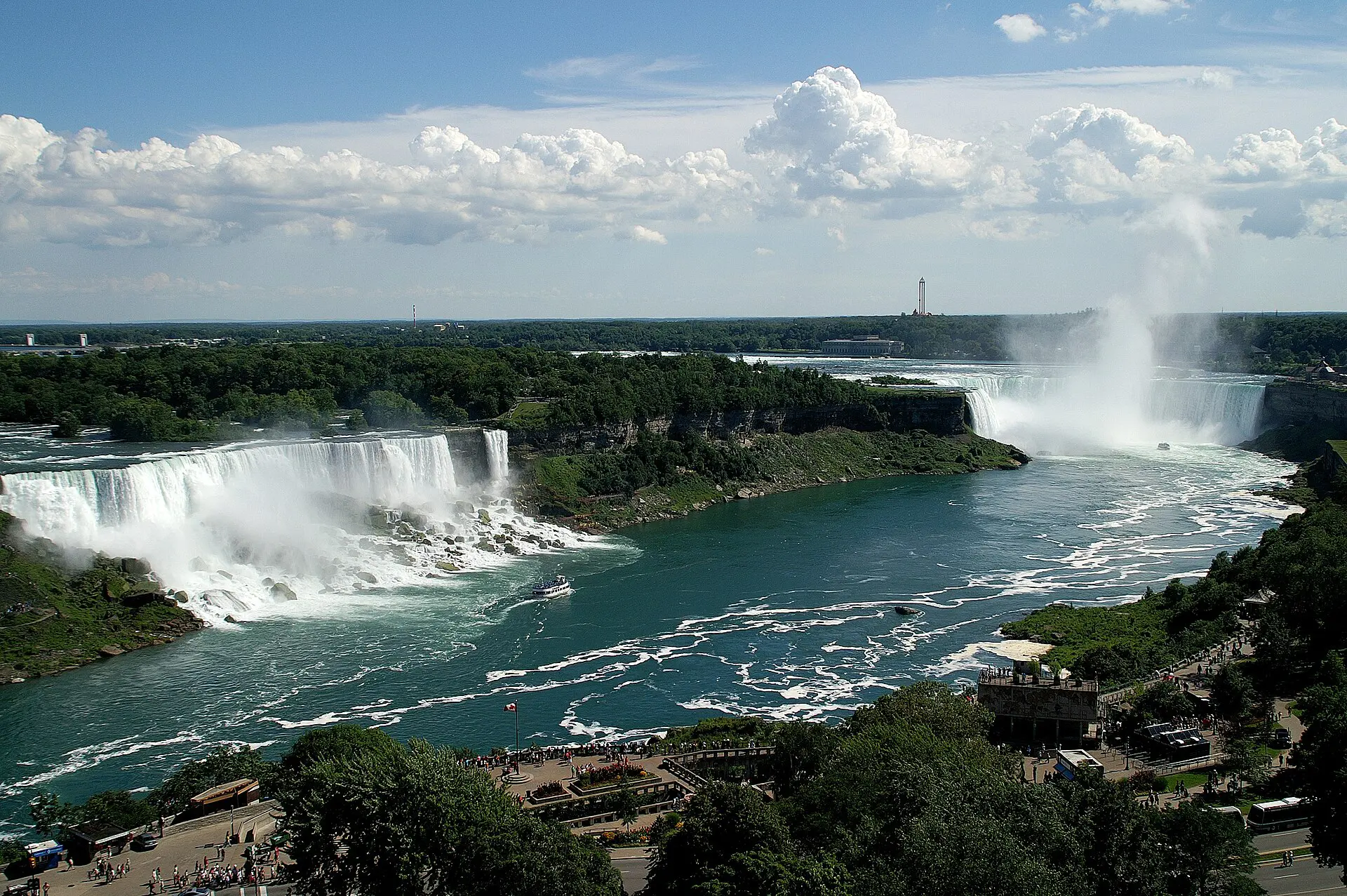
People searching for things to do in Niagara Falls on the Canadian side usually want one thing: the view of the falls. The city of Niagara Falls, Ontario, stands on the western bank of the Niagara River, across from its twin city of Niagara Falls, New York, and had a population of 94,415 at the 2021 census. Three waterfalls, the Horseshoe Falls, the American Falls and the Bridal Veil Falls, straddle the border.
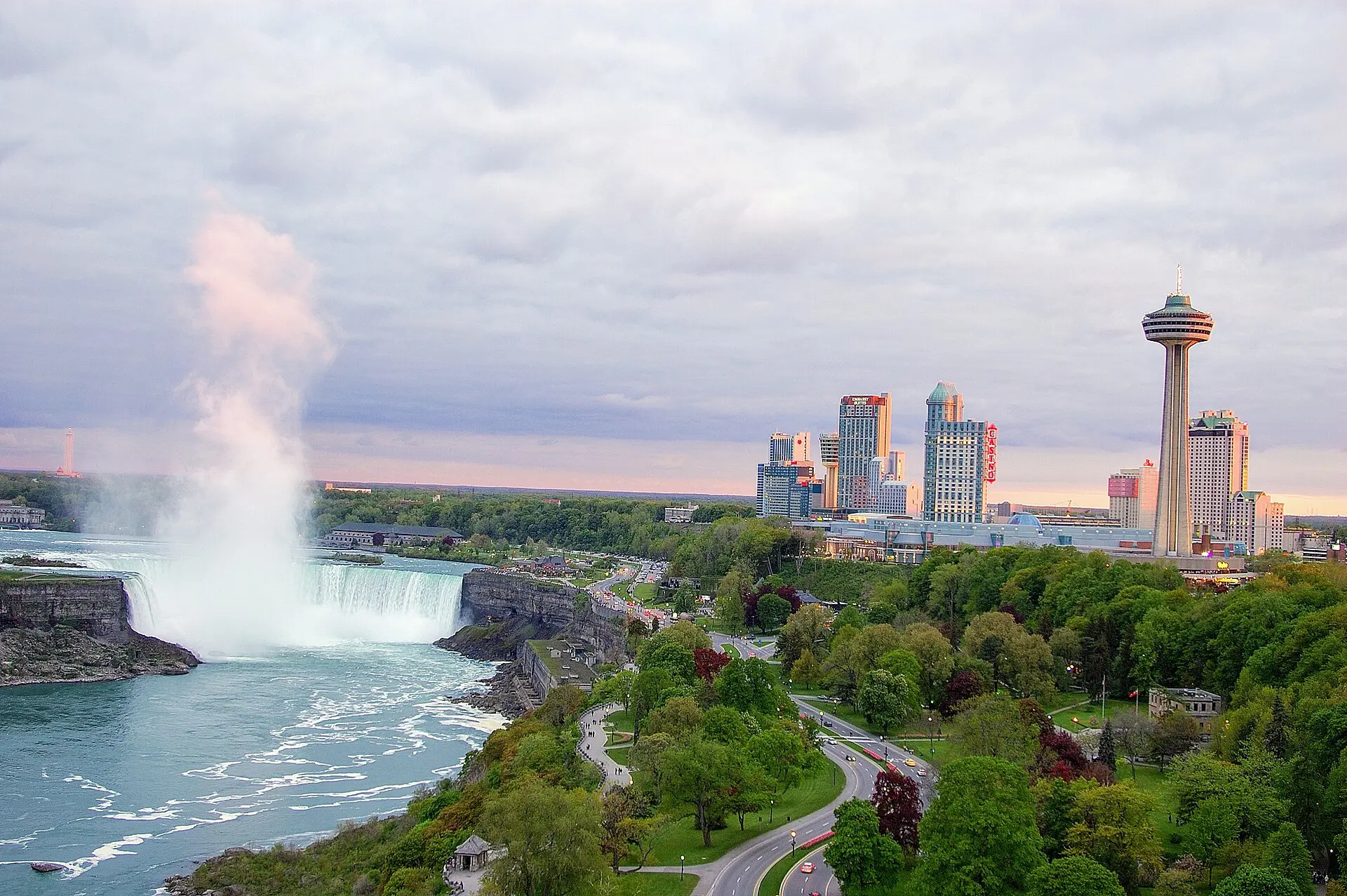
The international boundary runs roughly through the middle of the Horseshoe Falls, the largest of the three, which is why it is often called the Canadian Falls. The Canadian bank gives the wider panorama, with the American Falls and the Horseshoe Falls both in view.
The area is popular but often tacky and touristy, and that is fair. Beyond the water, the city has high-rise hotels, observation towers, arcades, casinos and amusement rides. Expect a lively, commercial atmosphere, and look beyond the main strip to the parks and historic sites for a calmer visit.
Top things to do in Niagara Falls
See Horseshoe Falls from the promenade
A walkway along the gorge edge offers free views of the falls throughout the day. Allow one to two hours. Tip: arrive early or visit in the evening to avoid the heaviest crowds, and bring a light waterproof, as mist can reach the path.
Take a boat tour
Boats carry visitors close to the base of the falls, giving the most dramatic view and a good soaking. Allow around an hour including queues. Tip: operating dates depend on the season and weather, so check the schedule and book ahead in summer.
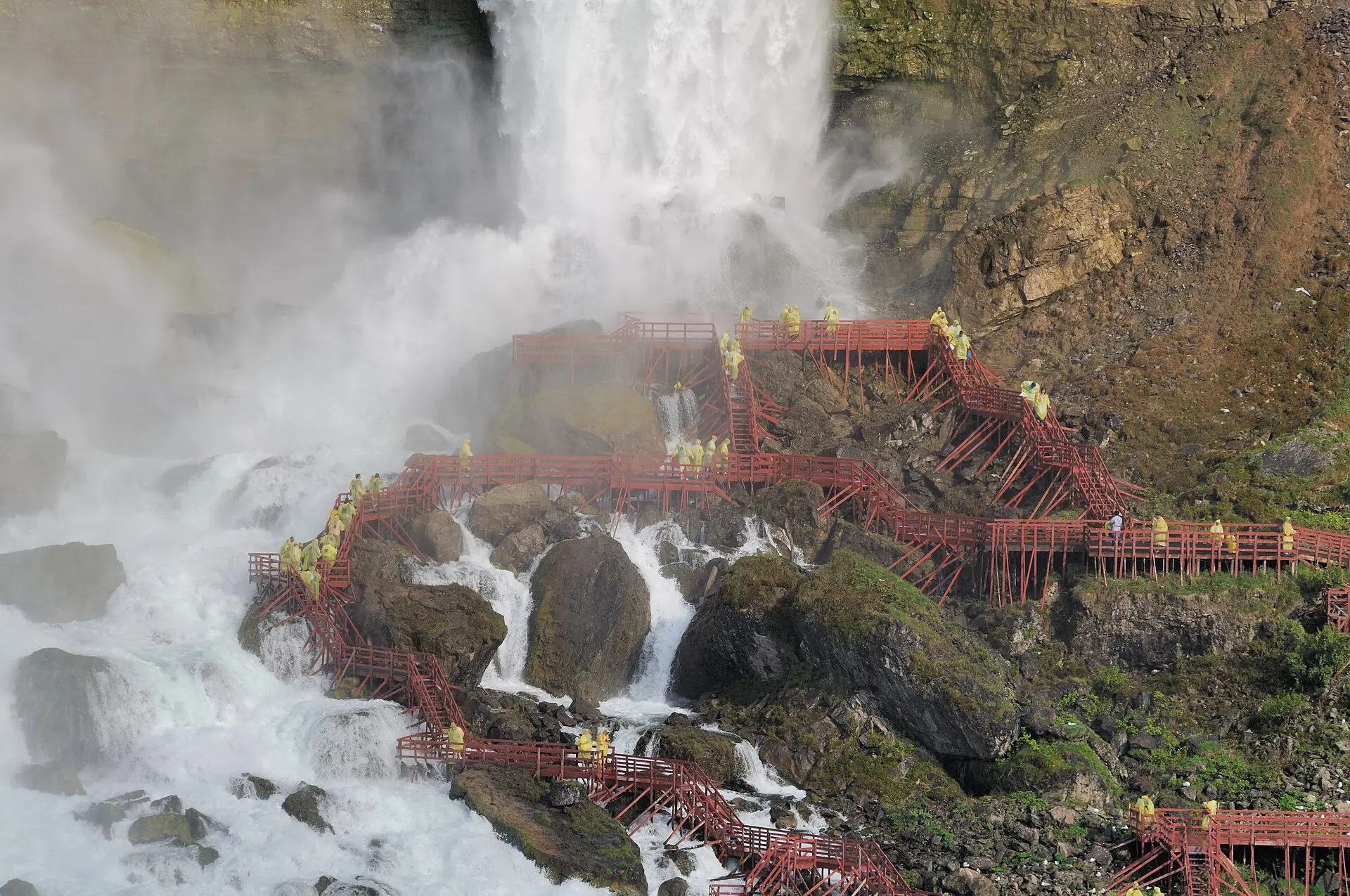
Walk behind the falls
Tunnels and viewing platforms lead behind the curtain of water, where the roar is loudest. Allow one to two hours. Tip: expect wet conditions and queues in peak months, and check current opening arrangements before you go.
See the falls lit at night
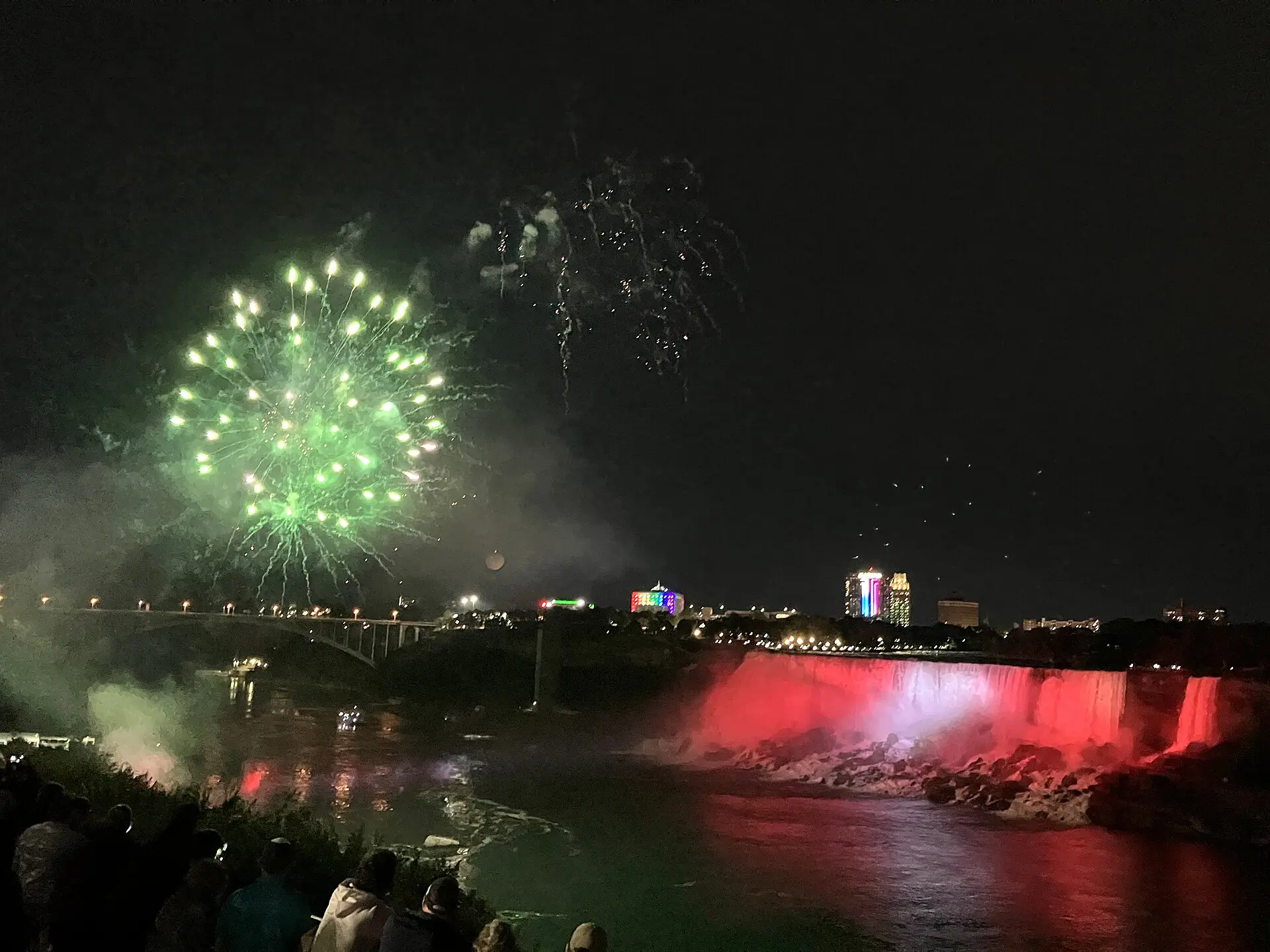
The falls are illuminated in the evening, and fireworks are scheduled on some nights in the warmer months. Allow an hour or two. Tip: the schedule changes by season, so check dates before you plan an evening around it.
Ride or climb a viewing tower
Observation towers rise above the gorge for wide views of both countries and the surrounding landscape. Allow one hour. Tip: clear weather matters here, so choose a bright day if you can.
Explore the Niagara Gorge
Parks and walking routes follow the Niagara River downstream of the falls, with a quieter, more natural feel. Allow half a day. Tip: wear sturdy shoes, and check which routes and viewpoints are open.
Visit the War of 1812 sites
The wider area has historic forts and battlefields from the War of 1812, which offer a break from the tourist strip. Allow two hours. Tip: opening hours vary by season, so confirm before you drive out.
Best time to visit Niagara Falls
The falls flow all year, and each season gives a different mood. Summer is warm and busy, with every attraction and boat tour running. Winter is cold, and ice and frozen spray can turn the area striking, though some attractions run reduced schedules.
| Season | Weather | Crowds and prices |
|---|---|---|
| June to August | Warm to hot, humid | Busiest and most expensive, especially weekends |
| May, September, October | Mild, changeable | Moderate crowds, good value |
| November to April | Cold, snow and ice possible | Quiet, lower prices, fewer tours |
May and September are a good balance of open attractions and thinner crowds. Check seasonal schedules before you book.
How to get to Niagara Falls and around
The city lies on the Niagara Peninsula, roughly between Lake Erie and Lake Ontario. Most visitors come from Toronto, which is the main airport gateway for the Canadian side. By road the trip usually takes around 90 minutes, longer in traffic.
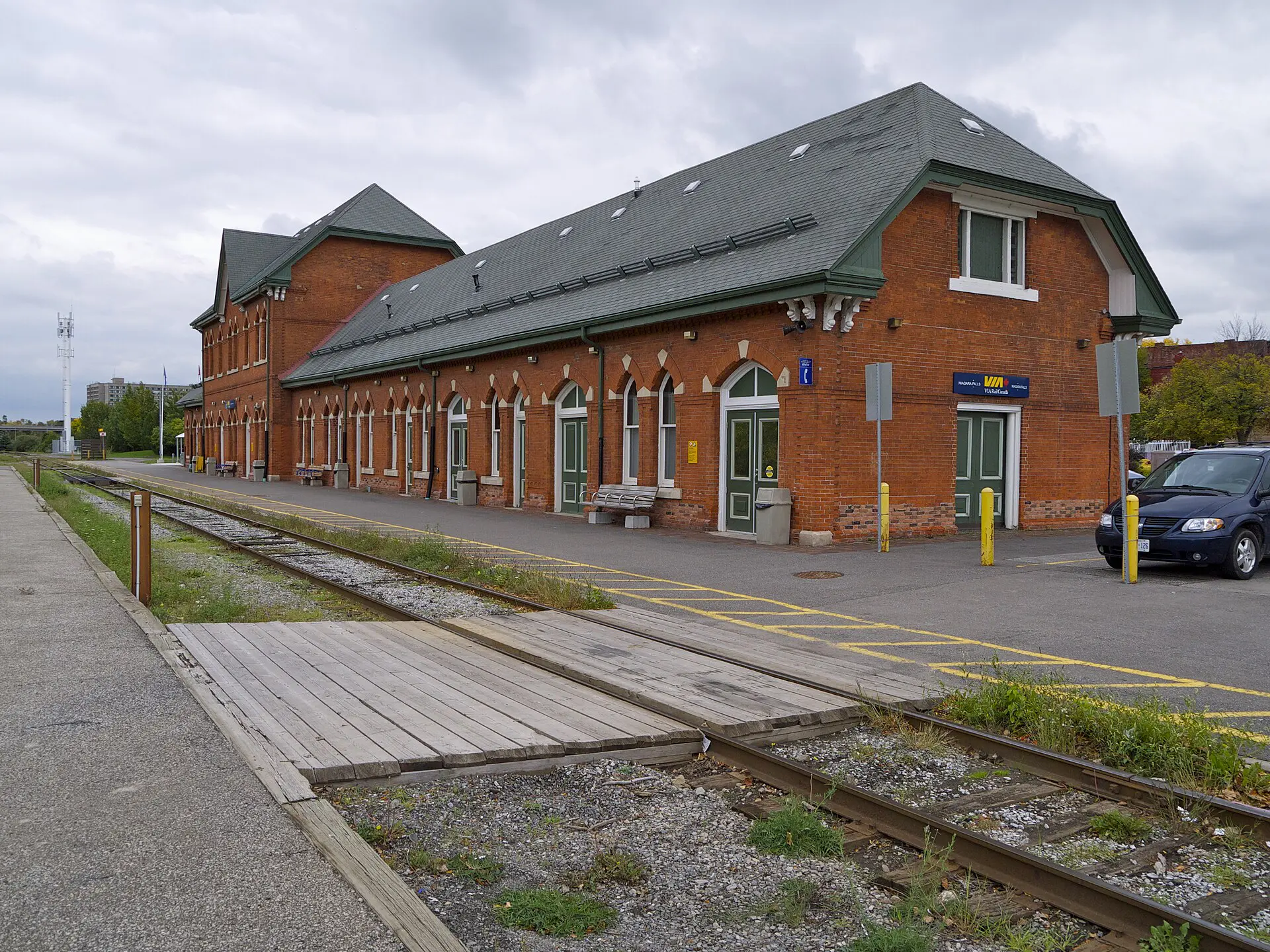
Trains and buses also link Toronto with Niagara Falls, and some services run mainly in the warmer months, so check current timetables. Buffalo airport in New York State is another option, but you will need to cross the border and meet entry requirements.
The main tourist area is compact and walkable. Local buses and visitor shuttles serve the falls, the gorge and outlying attractions, and a car helps for the wider region. Parking near the falls is costly, so plan your budget.
Where to stay in Niagara Falls
Staying near the falls, in the main tourist area, puts the views and attractions within walking distance. Higher floors in the high-rise hotels offer panoramas, and this area suits short stays and first-time visitors. Expect higher prices and crowds, especially on summer weekends.
The streets away from the main strip, and the quieter residential areas, offer lower rates and a calmer evening. They suit travellers with a car or those who do not mind a short bus ride.
Niagara-on-the-Lake and other towns along the river suit visitors who want a slower pace, with historic streets and a wine-country feel. Book well ahead for July, August and holiday weekends, and compare midweek rates, which are often lower.
How many days do you need?
One full day covers the falls, a boat tour and the evening lights, which is enough for most day visitors from Toronto. Two days let you add the gorge, the historic sites and a trip along the river, with less rushing.
- Day 1: Walk the promenade in the morning, take a boat tour, go behind the falls, and return for the evening illumination.
- Day 2: Explore the Niagara Gorge or a historic site in the morning, then spend the afternoon in Niagara-on-the-Lake or the wider region.
If you only have a day, start early to beat the queues for the boat tours. Allow extra time on summer weekends, when lines and traffic grow.
Day trips and nearby
Toronto
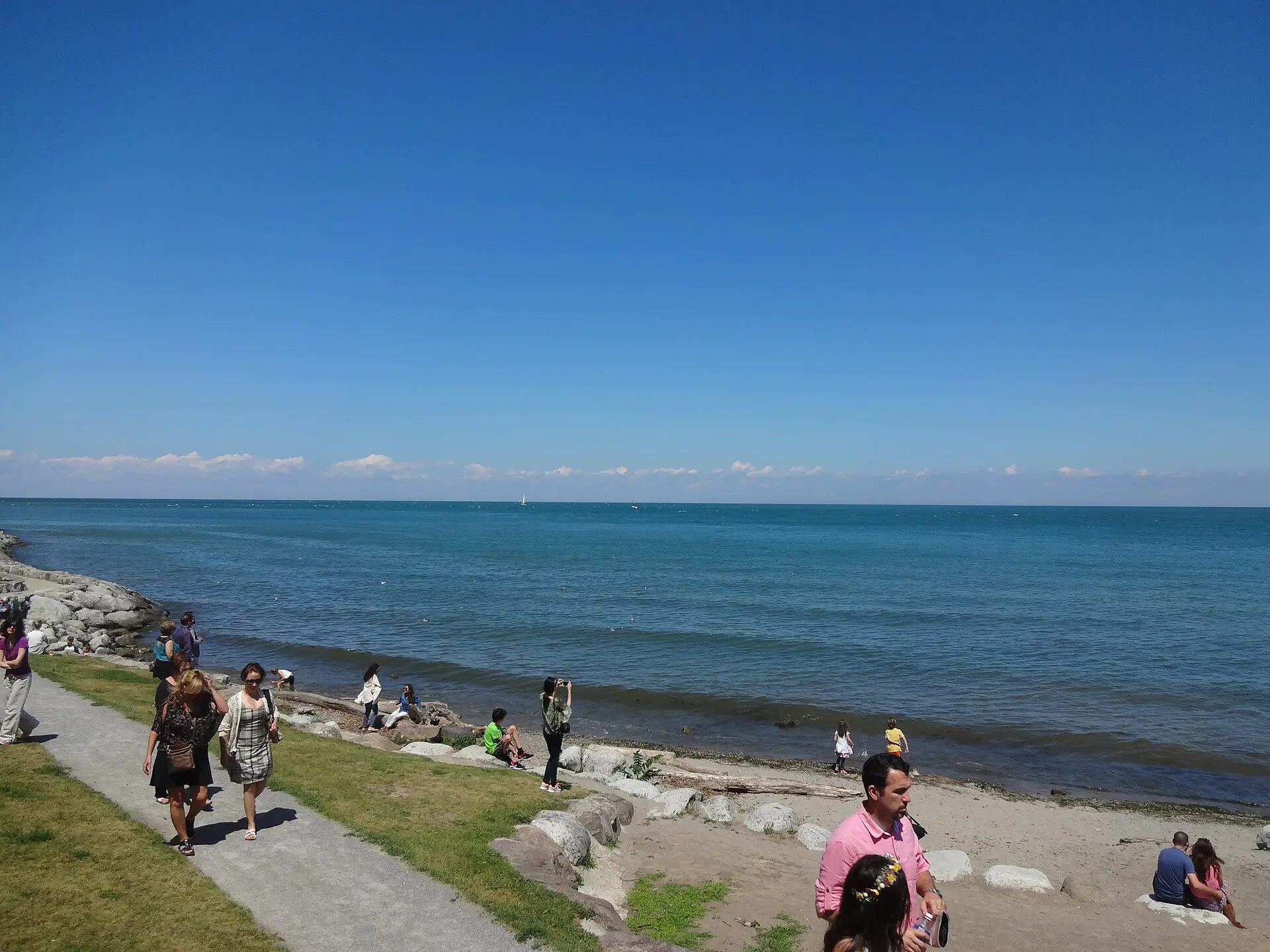
Canada’s largest city is the main gateway to the falls and an easy trip in either direction. Allow a full day or more. Tip: choose between a car, train or bus, depending on the season and your plans.
Niagara-on-the-Lake
This historic town sits where the Niagara River meets Lake Ontario, surrounded by farms and wineries. Allow half a day. Tip: if you plan to taste wine, arrange a driver or tour.
Ottawa
The national capital lies several hours away by road and is better as part of a longer Ontario trip than a day trip. Tip: check train and bus options before deciding.
Montreal
Montreal is a long journey from the falls and better visited as a separate stop. Tip: flights or the train can save time compared with driving.
FAQ
Q1When is the best time to visit Niagara Falls?
May and September are good for mild weather and open attractions with thinner crowds. June to August is warmest and busiest, with the highest prices. Winter is cold but quiet, and some attractions run reduced schedules, so check dates before you book.
Q2How many days do you need at Niagara Falls?
One full day covers the falls, a boat tour and the evening lights. Two days let you add the gorge, historic sites and Niagara-on-the-Lake with less rushing. Day visitors from Toronto often manage the main sights in one long day.
Q3How do you get to Niagara Falls from Toronto?
By road the trip takes roughly 90 minutes, longer in heavy traffic. Trains and buses also run between Toronto and Niagara Falls, with some services seasonal. Check current timetables and fares before you travel, and compare options if you are travelling without a car.
Q4Is Niagara Falls expensive?
It can be, especially in summer, on weekends and for hotels with falls views. Parking and attractions add up, so budget accordingly. Visiting midweek or outside July and August usually lowers costs, and walking the promenade is free.
Prices, schedules and entry rules change. Check current details with official sources before you travel. Read the Canada travel guide.