Why visit Banff National Park
If you are planning things to do in Banff National Park, begin with its size and status. Established in 1885 as Rocky Mountains Park, it is Canada’s first national park and covers about 6,641 square kilometres of mountains, glaciers, forest and alpine terrain in Alberta, 110 to 180 km west of Calgary.
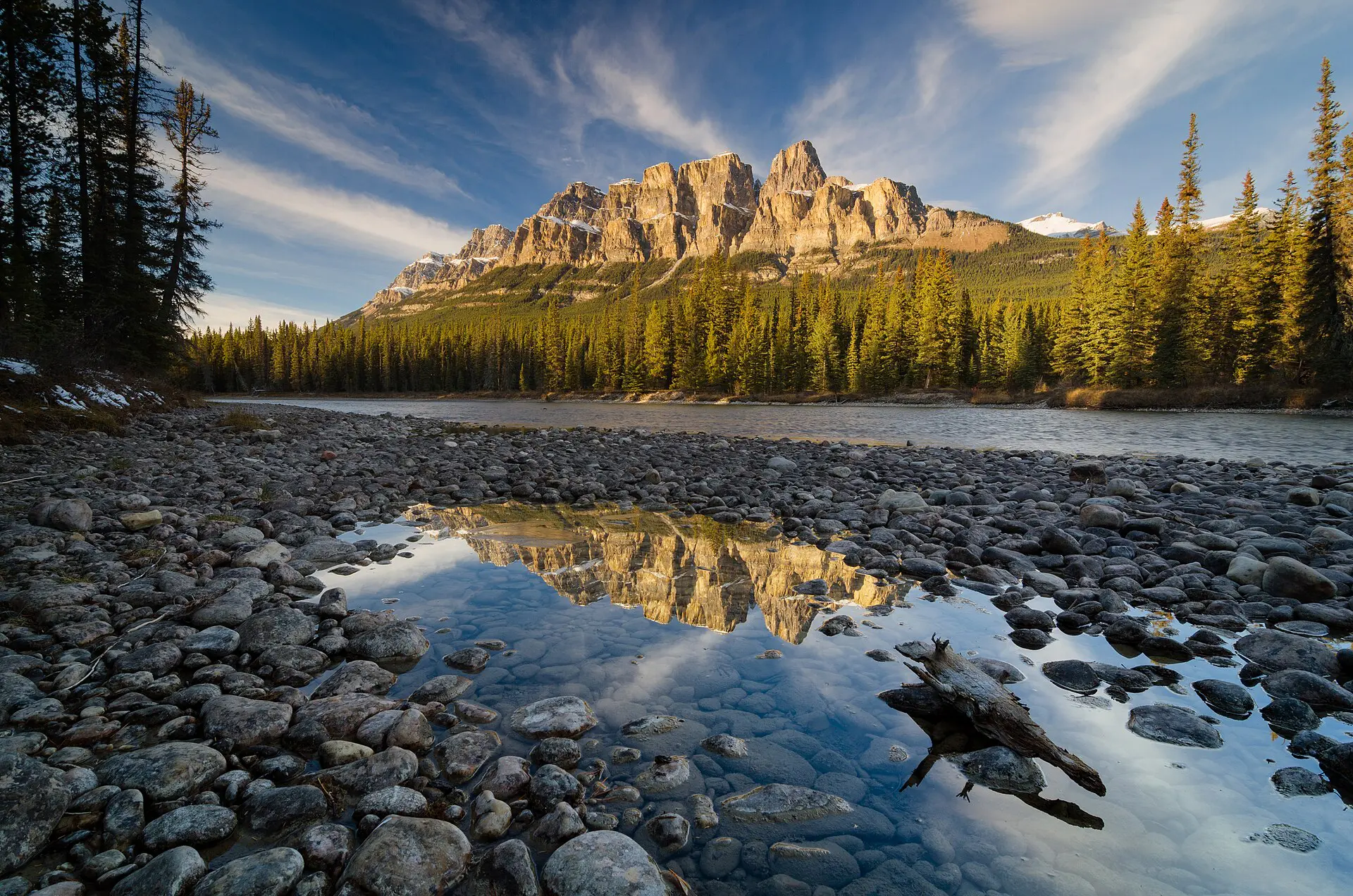
The park holds many glaciers and ice fields, and the Columbia Icefield, the largest in the Rockies, sits at its northern edge near the Jasper boundary. It also holds the town of Banff and the village of Lake Louise, and is part of the UNESCO World Heritage site Canadian Rocky Mountain Parks.
It is among the most visited places in Canada, with millions of visitors each year, so popular spots can be crowded in summer. The reward is a wide range of landscapes within a short drive, from forest and rivers to high alpine lakes. Plan early, reserve where needed and check current park conditions.
Top things to do in Banff National Park
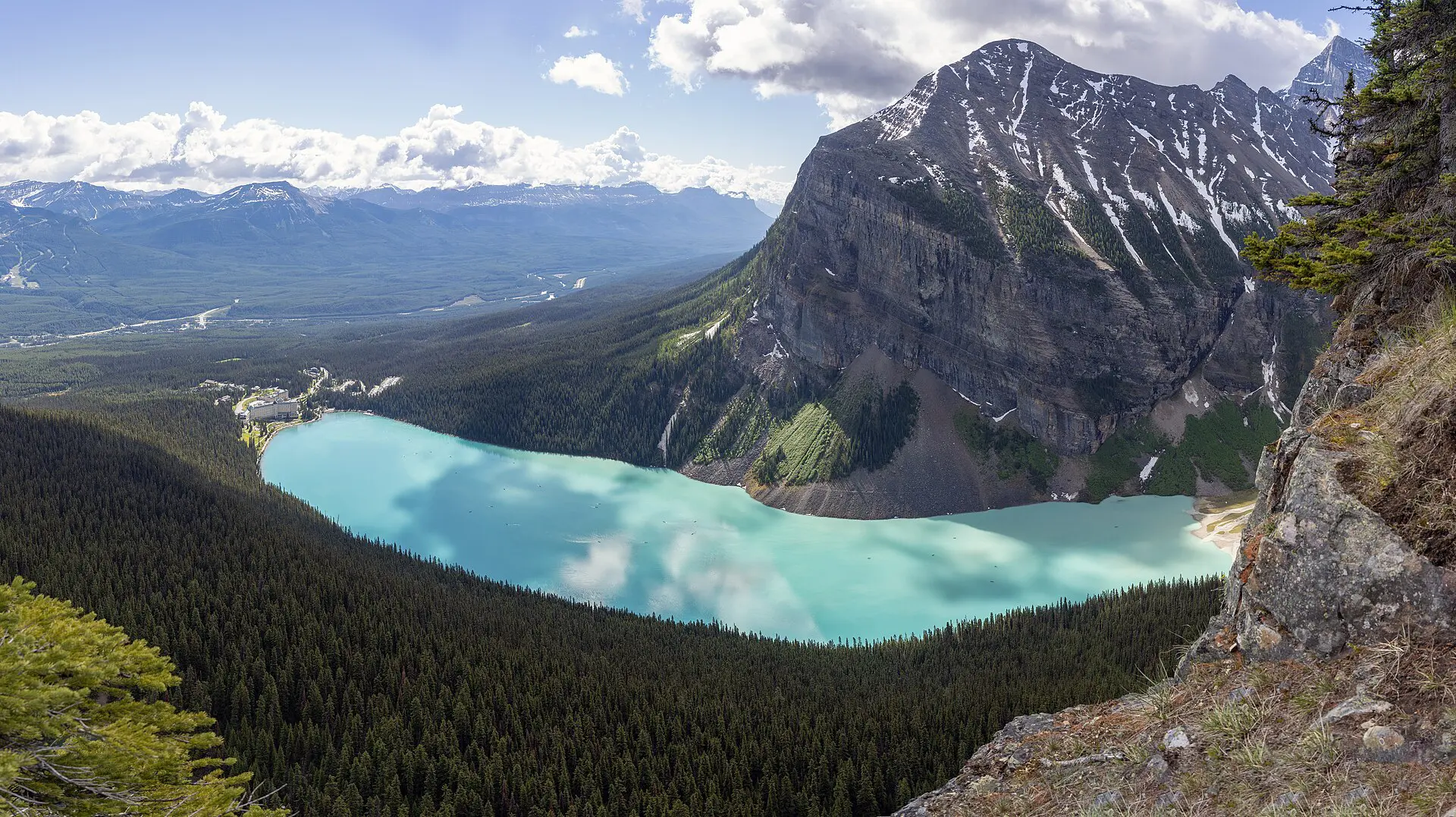
See Lake Louise
Lake Louise is one of the best-known lakes in the Rockies, set below mountain peaks. Many visitors walk the shoreline or hike to viewpoints. Allow half a day. Tip: arrive early, as parking and access can be restricted in peak season; check current shuttle and access rules.
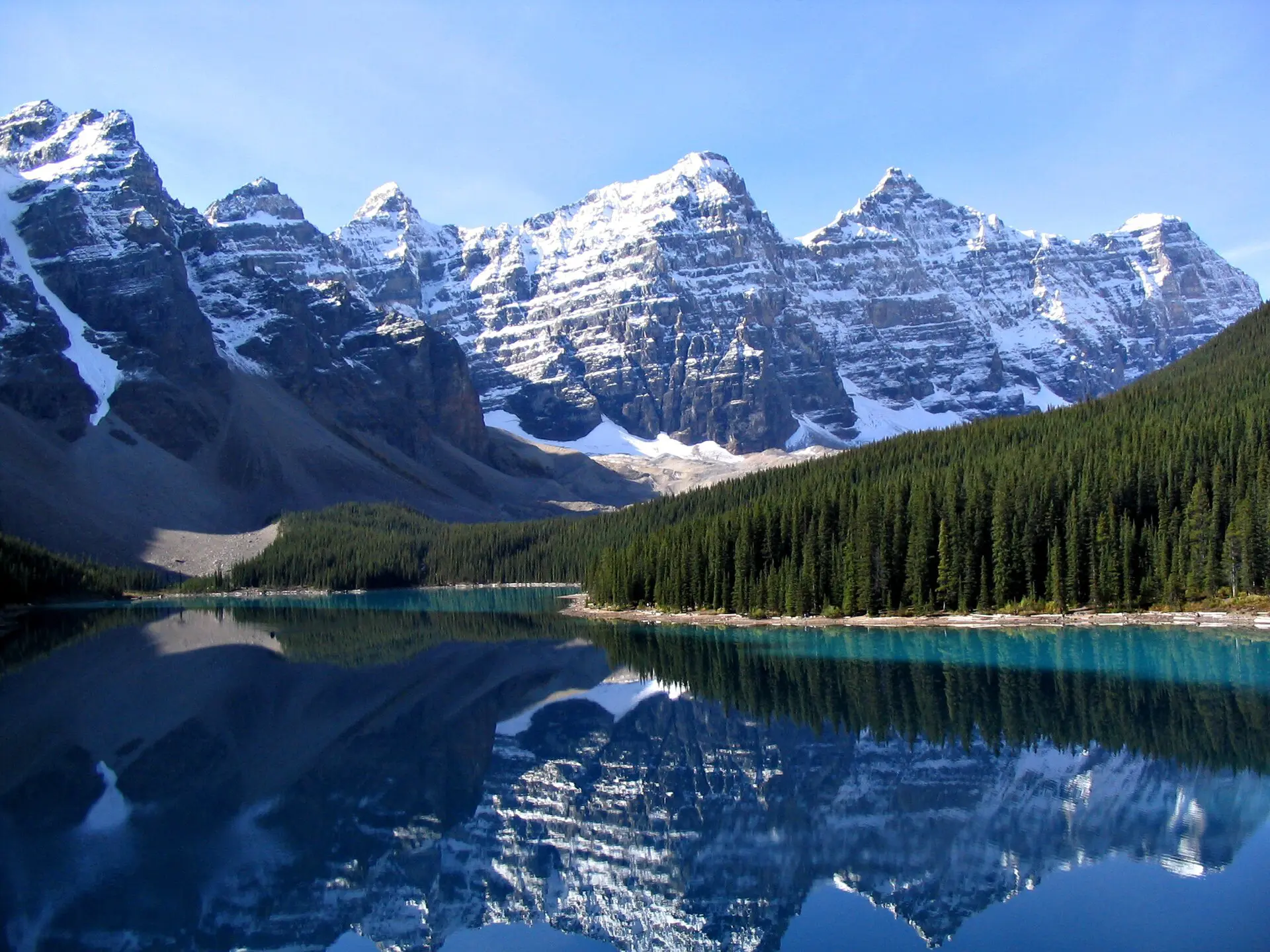
Visit Moraine Lake
Moraine Lake lies in a valley near Lake Louise, known for its colour and surrounding peaks. Access is often managed through shuttles or limited vehicle access, so check current arrangements. Allow two to four hours. Tip: book transport ahead in summer.
Drive the Icefields Parkway
The road north from Lake Louise passes glaciers, lakes and viewpoints and reaches the Columbia Icefield area at the Jasper boundary. Allow a full day with stops. Tip: fuel up beforehand, since services on the route are limited.
Explore the town of Banff
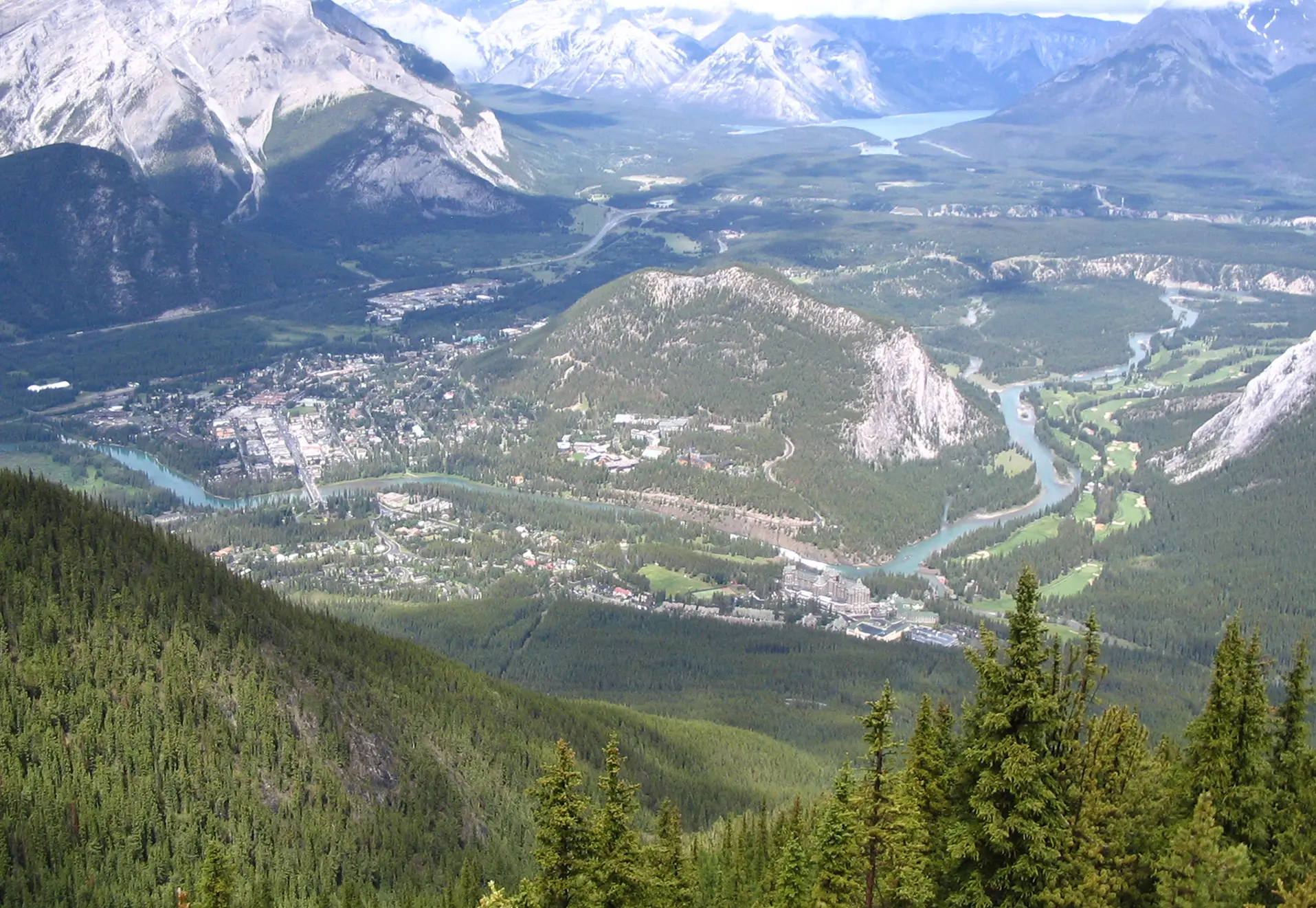
The town sits in the Bow River valley and is the main commercial centre of the park, with shops, restaurants and museums. Allow half a day. Tip: use the town as a base and take buses to the nearest viewpoints and trails in summer.
Hike a mountain trail
The park has hundreds of kilometres of trails, from short lakeside walks to demanding alpine routes. Pick based on your ability and check conditions with a park visitor centre. Tip: carry bear spray, water and layers, as weather changes quickly.
Spot wildlife
The park supports elk, bears, sheep and many other animals, often seen near roads in the early morning or evening. Tip: stay in your vehicle near wildlife, keep distance, and never feed animals.
Ski or snowboard in winter
Winter brings downhill skiing, cross-country trails and snowshoeing. Lift passes and conditions vary by resort and season. Tip: check road reports, since mountain roads can be icy, and book equipment early for holiday weeks.
Best time to visit Banff National Park
Summer, from about June to September, is the main season. Trails and roads are generally open, days are long and lakes are accessible, though high-altitude trails can keep snow into early summer. It is also the busiest and most expensive time.
Autumn is shorter, with cooler weather and golden larches in some areas in late September, and usually fewer people. Winter brings skiing and frozen scenery but also cold temperatures and reduced access to some roads and trails. Spring is a muddy transition, with variable weather.
| Season | Weather | Crowds and prices |
|---|---|---|
| Summer (Jun-Sep) | Mild days, cool nights | Busiest, highest prices |
| Autumn (Oct-Nov) | Cool, changeable | Quieter, lower prices |
| Winter (Dec-Mar) | Cold, snowy | Busy around holidays |
| Spring (Apr-May) | Variable, thawing | Quiet, some closures |
How to get to Banff National Park and around
Most visitors fly into Calgary and continue by road. The park is 110 to 180 km west of Calgary, and the drive to the town of Banff typically takes around 1.5 hours. Airport shuttles and buses serve Banff in season; check current operators and schedules.
The park can also be entered from the north via the Icefields Parkway from Jasper, and from British Columbia via Kicking Horse Pass and Vermilion Pass. A park pass is required, so check current fees and where to buy them.
Inside the park, a rental car gives the most freedom. Local buses and seasonal shuttles reach the town of Banff and some popular sites, and parking at busy lakes can be limited, so use shuttles where offered. Drive carefully in winter and watch for wildlife on roads.
Where to stay in Banff National Park
The town of Banff has the widest choice of hotels, hostels and guesthouses, plus restaurants and shops. It suits first-time visitors without a car, since local buses and walking cover much of the town. Rates are highest in summer.
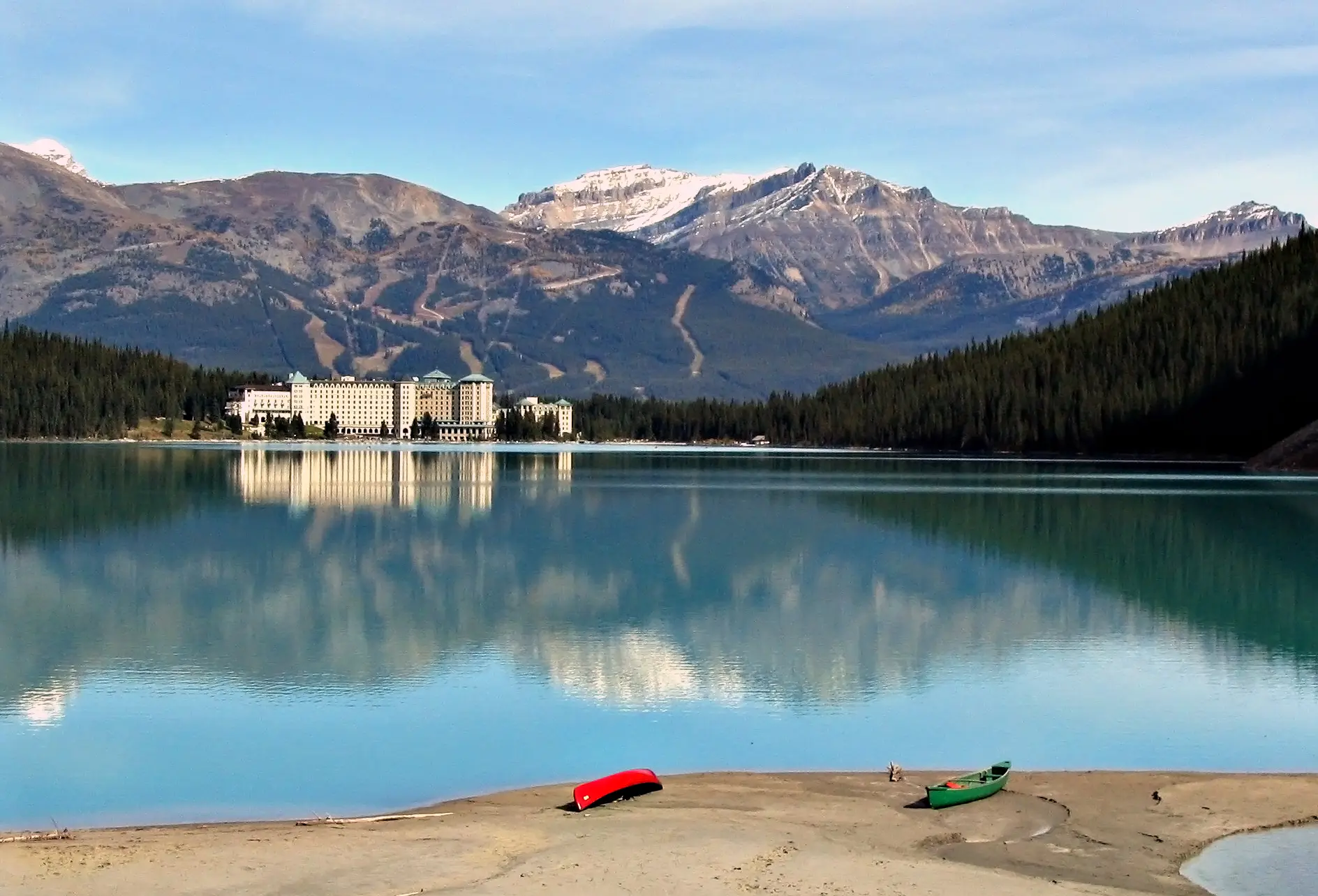
The village of Lake Louise is smaller and closer to the lakes and trails, suited to hikers and those who want early access. Lodging is limited and often pricey, so book well ahead.
Campgrounds within the park suit travellers with their own gear and those on a budget, though summer reservations fill early. Canmore, just outside the southern entrance, offers more lodging at somewhat different prices and works as an alternative base. Check what is included, including parking, before you book.
How many days do you need?
Two days covers the town and one major lake, but four to six days gives time for the Icefields Parkway, a proper hike and a buffer for weather. If you are also visiting Jasper, add at least two days. Summer crowds and access rules mean early starts help.
- Day 1: Explore the town of Banff and its surroundings in the Bow River valley.
- Day 2: Visit Lake Louise and Moraine Lake, using shuttles where required.
- Day 3: Drive the Icefields Parkway towards the Columbia Icefield, with stops.
Day trips and nearby
Jasper
Jasper National Park borders Banff to the north. The town of Jasper is reached via the Icefields Parkway, and many travellers make it an overnight stop. Allow a full day each way if you stop at the viewpoints. Check road conditions in winter.
Yoho National Park
Yoho lies to the west in British Columbia, across the park boundary. It has waterfalls, lakes and mountain scenery. It is possible as a long day trip from Lake Louise. Check current access and conditions.
Kootenay National Park
Kootenay is also in British Columbia and borders Banff to the west. It offers canyons and hot springs along its main road. Allow a day, and check what is open before you go.
Calgary
Calgary is the main gateway city, 110 to 180 km east depending on the entrance. Many visitors add a night for city sights before or after the park. Check flights and transfers.
FAQ
Q1When is the best time to visit Banff National Park?
June to September is the most popular period, with long days and open trails, though also the busiest and priciest. Late September offers fall colours and fewer people. December to March suits skiing. Check conditions and access rules before you go.
Q2How many days do you need in Banff National Park?
Four to six days works for most visitors, covering the town, Lake Louise, the Icefields Parkway and a hike. Two or three days is enough for highlights. Add time if you plan to continue to Jasper or want more hiking.
Q3How do you get to Banff National Park?
Fly into Calgary, then drive about 1.5 hours to the town of Banff, or use airport shuttles and buses in season. You can also enter from Jasper via the Icefields Parkway. A park pass is required, so check current fees and rules.
Q4Is Banff National Park expensive?
Yes, especially in summer. Lodging, meals and activities cost more than elsewhere in Alberta, and parking and shuttles add to the total. Camping, staying in Canmore, self-catering and visiting in shoulder seasons can lower costs.
Prices, schedules and entry rules change. Check current details with official sources before you travel. Read the Canada travel guide.