Why visit Calgary
If you are planning things to do in Calgary, begin with what kind of city it is. Calgary is the largest city in Alberta, set on the Bow and Elbow rivers where the prairies meet the foothills of the Rocky Mountains. It is a business city, shaped by the energy industry, with a modern downtown and a strong ranching heritage.
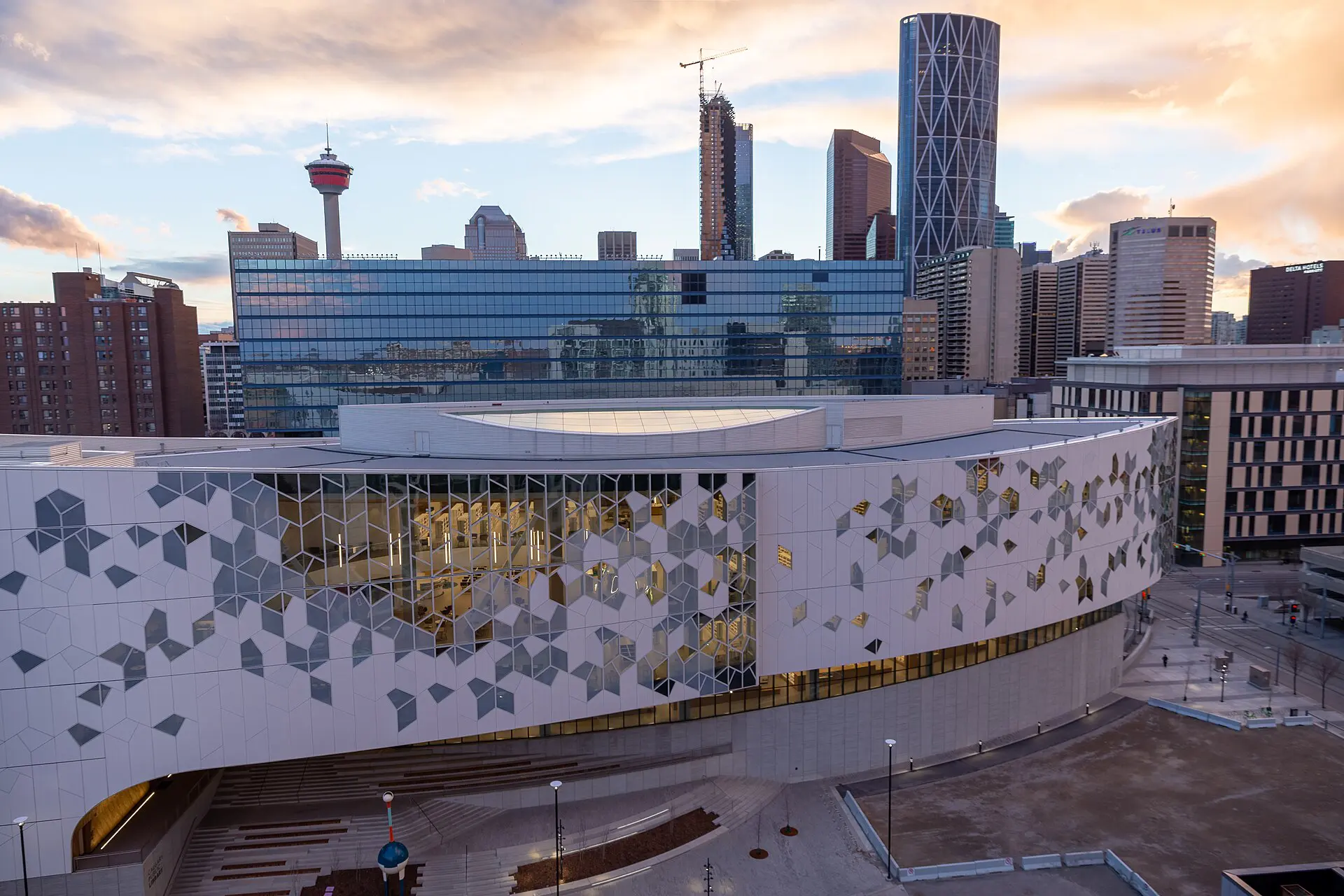
The city is best known for the Calgary Stampede, a ten-day rodeo and festival held every July. Outside that period, it offers museums, a riverfront pathway system, Prince’s Island Park, local restaurants and breweries, and a view of the mountains on clear days. Winter Olympic facilities from the 1988 Games remain in use.
Calgary is not a classic sightseeing city, but it is a comfortable one, with plenty of sunshine and a calmer pace than larger Canadian cities. Many visitors treat it as a gateway, with Banff around 90 minutes west. Weather can swing sharply, and winters are cold, so check forecasts. A day or two here rounds out a Rockies trip nicely, especially if you want to see the Stampede or eat well before heading into the mountains.
Top things to do in Calgary
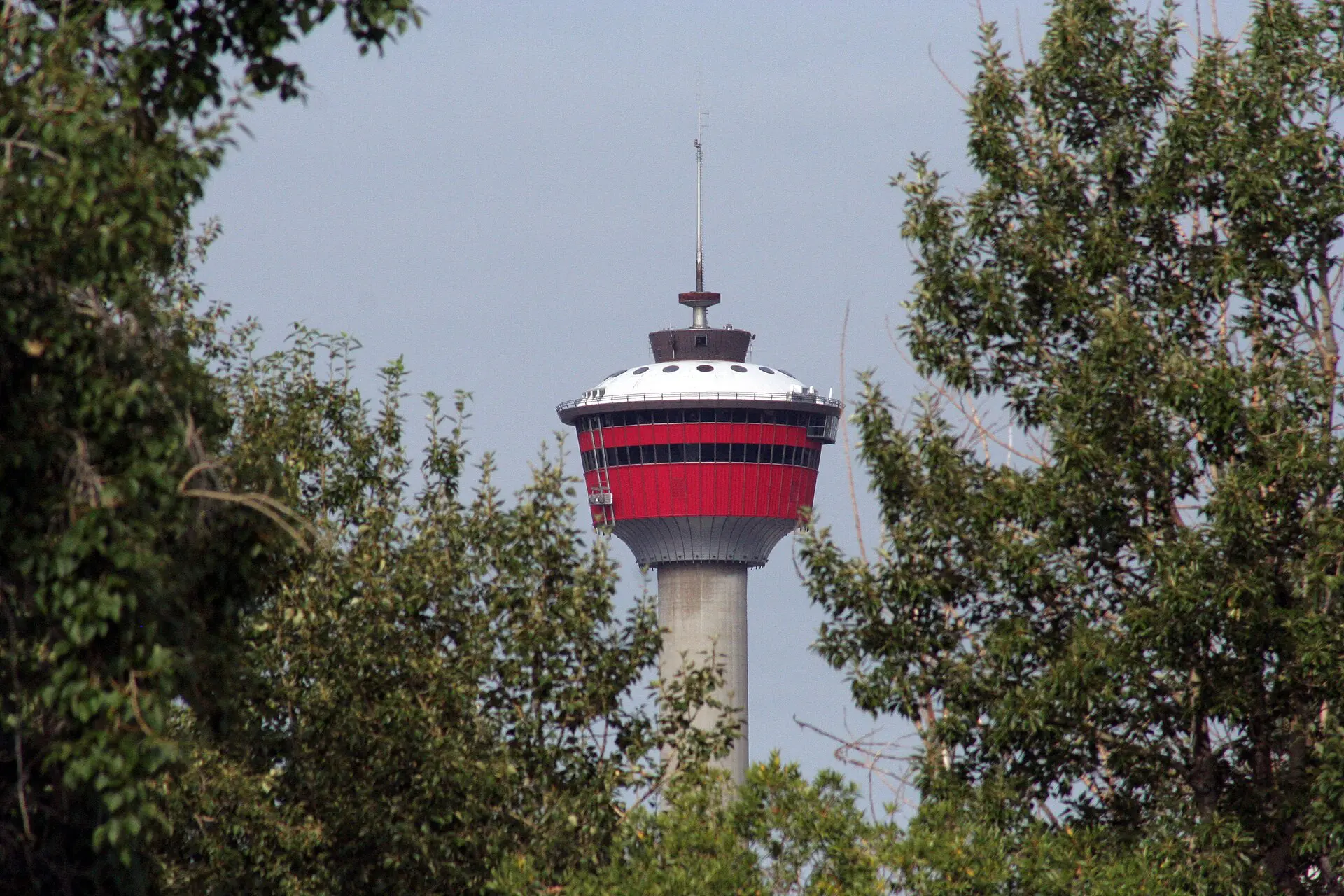
Calgary Tower
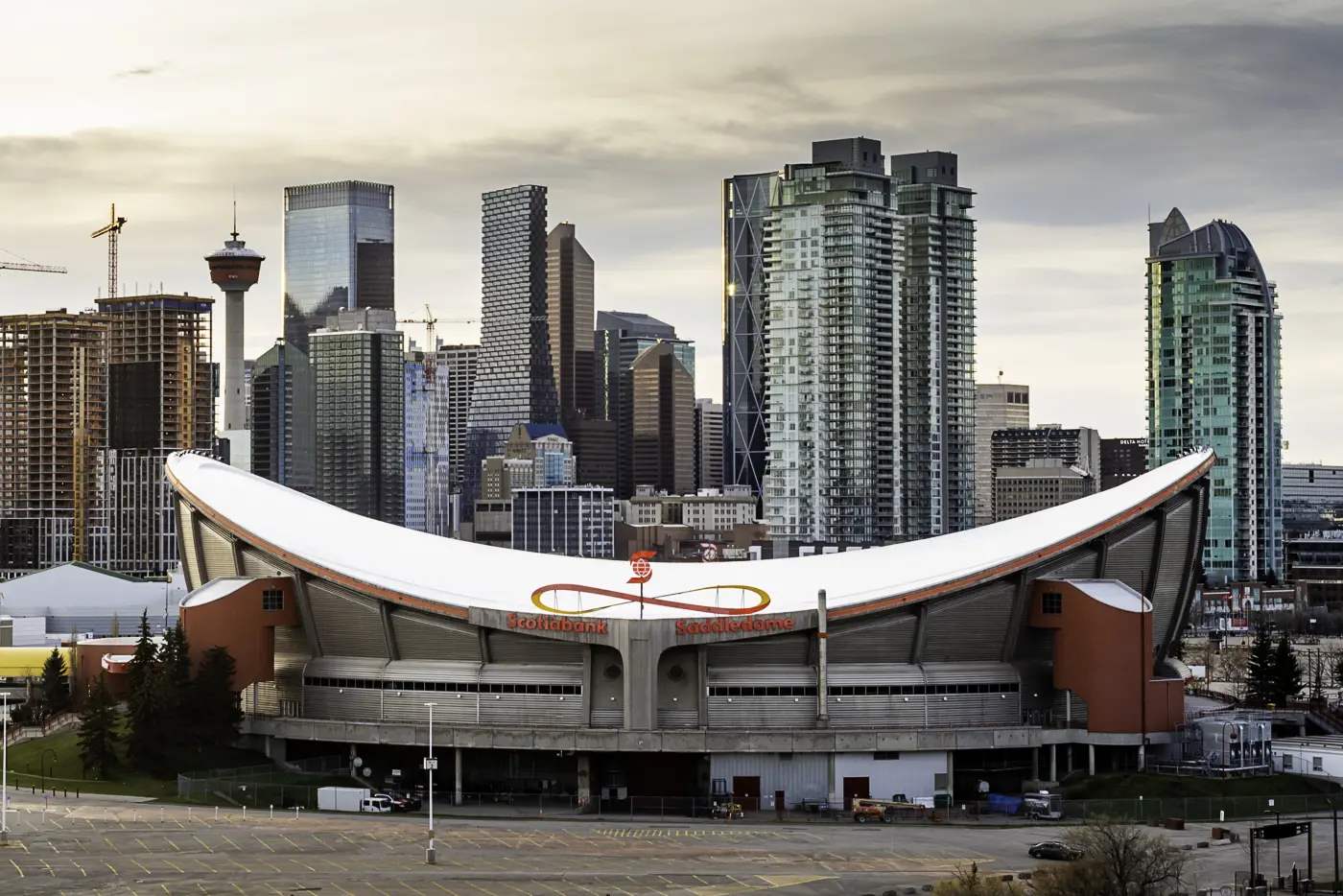
The Calgary Tower is a downtown landmark with an observation deck that offers views of the skyline and, on clear days, the Rockies. Allow about 45 minutes to an hour. Check opening hours and ticket prices, and choose a clear day or sunset for the best views.
Calgary Stampede
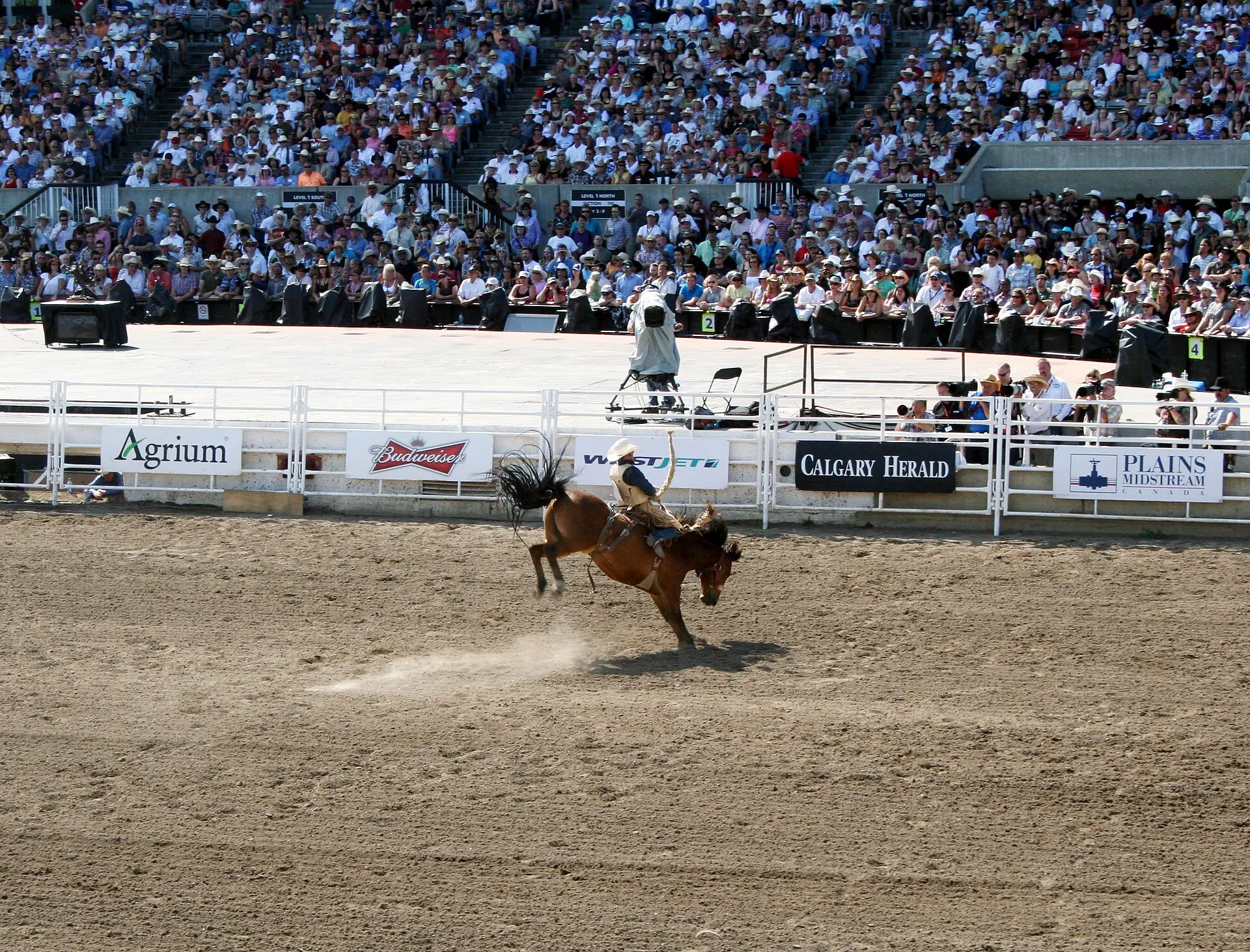
The Stampede takes place each July and combines rodeo, chuckwagon races, concerts, a midway and food stalls on Stampede Park. It is the city’s biggest event and fills hotels. Book accommodation well ahead, buy tickets early and expect crowds.
Heritage Park Historical Village
Heritage Park is an open-air living history museum with buildings from across western Canada, a working steam train and costumed staff. It operates seasonally. Allow three to four hours, and check opening dates, since winter access is limited.
The city’s museums
Calgary has museums covering Indigenous history, art, aviation and the Olympic legacy. The Telus Spark science centre suits families. Check which institutions are open, as some have been closed or reorganised in recent years, and plan one or two rather than many.
Prince’s Island Park and the Bow River pathway
Prince’s Island Park sits in the Bow River near downtown and is popular for walking, cycling and picnics. Paths connect to a long network along the rivers. Allow one to two hours, and rent a bike to cover more distance.
Calgary Zoo and the Inglewood district
The Calgary Zoo is on an island in the Bow River and has a range of animals and a prehistoric park. Nearby Inglewood is the city’s oldest neighbourhood, with independent shops, cafes and music venues. Allow half a day for each.
Olympic Park
Canada Olympic Park, built for the 1988 Winter Games, has ski jumps, a bobsled track and visitor activities. It also offers zip lines and a museum. Allow two to three hours, and check seasonal activities and whether tours operate.
Best time to visit Calgary
Calgary has a continental climate, with warm, sunny summers and cold, dry winters. Chinook winds can bring sudden warm spells in winter.
| Season | Weather | Crowds and prices |
|---|---|---|
| Summer (Jun-Aug) | Warm, long days, some thunderstorms | Peak crowds and prices, especially during the Stampede |
| Autumn (Sep-Oct) | Cool, crisp, first snow possible | Moderate, easing |
| Winter (Nov-Mar) | Cold, snowy, short days | Lower prices |
| Spring (Apr-May) | Variable, thawing, late snow possible | Quiet, good value |
June to September is the best window for the city and the Rockies. July brings the Stampede, which is exciting but expensive. Winter suits skiers heading to the mountains, but it can be very cold, so pack layers.
How to get to Calgary and around
Calgary International Airport (YYC) is northeast of downtown, roughly 15 to 20 minutes by road, with direct flights across Canada, the United States and a number of international cities. Taxis, rideshares and public buses serve the airport, and the city has been extending its transit links.
Within the city, the CTrain light rail runs through downtown, while buses cover other areas. Check current fares and any fare-free zones. A downtown walkway system called the Plus 15 links many buildings and is helpful in cold weather.
A car is useful if you plan to explore beyond the centre or head to the mountains, and several rental companies operate at the airport. Many visitors take a shuttle bus from the airport directly to Banff, around 90 minutes away. Book ahead in peak season.
Where to stay in Calgary
Calgary’s hotels cluster around downtown and the airport, with smaller pockets elsewhere.
- Downtown and the Beltline are convenient for the Tower, restaurants, the CTrain and the Stampede grounds. They suit first-time visitors and those without a car.
- Kensington is a lively neighbourhood across the river with independent shops, cafes and boutique stays. It suits couples and travellers who prefer a local feel.
- Inglewood offers character and a creative scene, with limited accommodation. It suits visitors who want something different from downtown.
- Near the airport is practical for early flights or late arrivals, with a range of chain hotels and shuttles.
During the Stampede in July, prices rise and rooms sell out quickly, so book well ahead.
How many days do you need?
Two days is enough for the main sights, and one day is workable if you are heading onward to the Rockies. If you want to attend the Stampede, explore museums or add the mountains, plan three days or more. Calgary is a compact city with distinct areas.
- Day 1: Calgary Tower, downtown, Prince’s Island Park and the riverside pathways, then an evening in Kensington.
- Day 2: Heritage Park or the zoo, then Inglewood for dinner.
- Day 3: Olympic Park or an early start for Banff.
If you only have a short stop, concentrate on downtown and the river.
Day trips and nearby
Banff
Banff is the most popular excursion from Calgary, around 90 minutes by road. It has mountain views, hot springs and the nearby lakes. It works as a long day trip, though an overnight stay gives time for hiking. Check park pass and parking rules.
Canmore
Canmore is a mountain town outside the national park, roughly an hour from Calgary. It has cafes, hiking and a quieter atmosphere than Banff, and works well as a half-day trip or an alternative base.
Drumheller and the Badlands
Drumheller is east of Calgary, about 1.5 hours by road, and known for its badlands landscape and a major dinosaur museum. It makes a good day trip for families. Check opening hours and the weather, as summers can be very hot.
Edmonton
Edmonton is Alberta’s capital, around three hours north by road. It has museums, festivals and a large river valley park system. It is better treated as part of a wider route than a day trip.
FAQ
Q1When is the best time to visit Calgary?
June to September is the best window, with warm sunny weather and long days. July brings the Calgary Stampede, which is lively but also expensive and crowded. Winter is cold and dry, so pack layers, and check conditions if you plan to drive to the mountains.
Q2How many days do you need in Calgary?
Two days cover the main sights, including the Calgary Tower, the riverside parks, a museum or Heritage Park and a good meal. One day is workable if you are heading to Banff. Add a day for the Stampede or a trip to Drumheller.
Q3How do you get from Calgary Airport to downtown?
Calgary International Airport is around 15 to 20 minutes from downtown by road. Taxis, rideshares and buses serve the route, and the city has been expanding its transit. Check current fares and options, and book a shuttle in advance if you are going directly to Banff.
Q4Is Calgary worth visiting?
Calgary is a comfortable city with good food, parks and museums, and it is the gateway to the Rockies. It is less of a destination on its own than Banff or Vancouver, but one or two days work well, especially in July for the Stampede.
Prices, schedules and entry rules change. Check current details with official sources before you travel. Read the Canada travel guide.