Why visit Banff
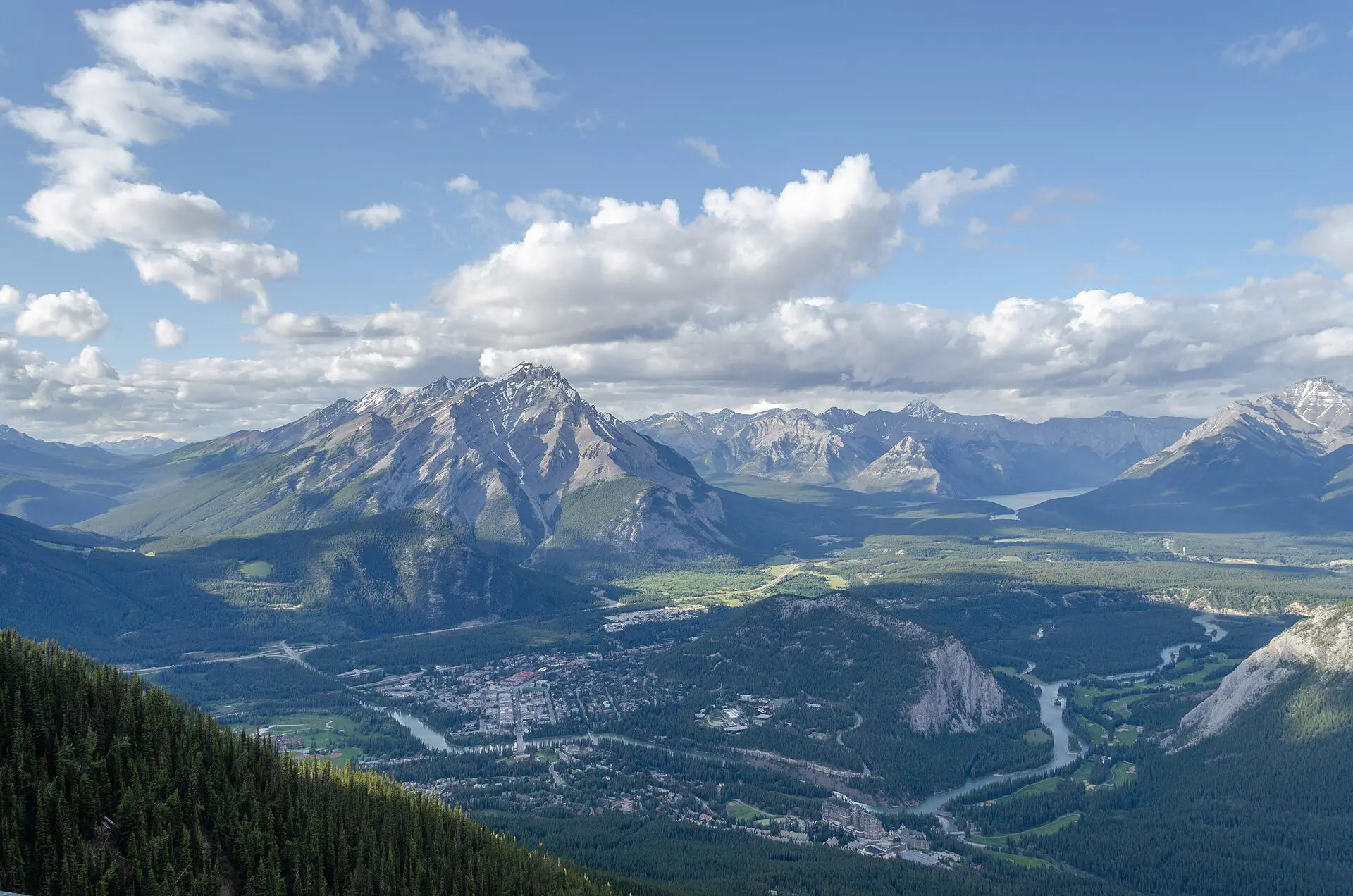
If you are planning things to do in Banff, start with its setting. The town is in the Bow Valley inside Banff National Park, in the Canadian Rockies of Alberta, and the park is part of a UNESCO World Heritage area. Mountains rise straight above the main street, and lakes, glaciers and trails are close by.
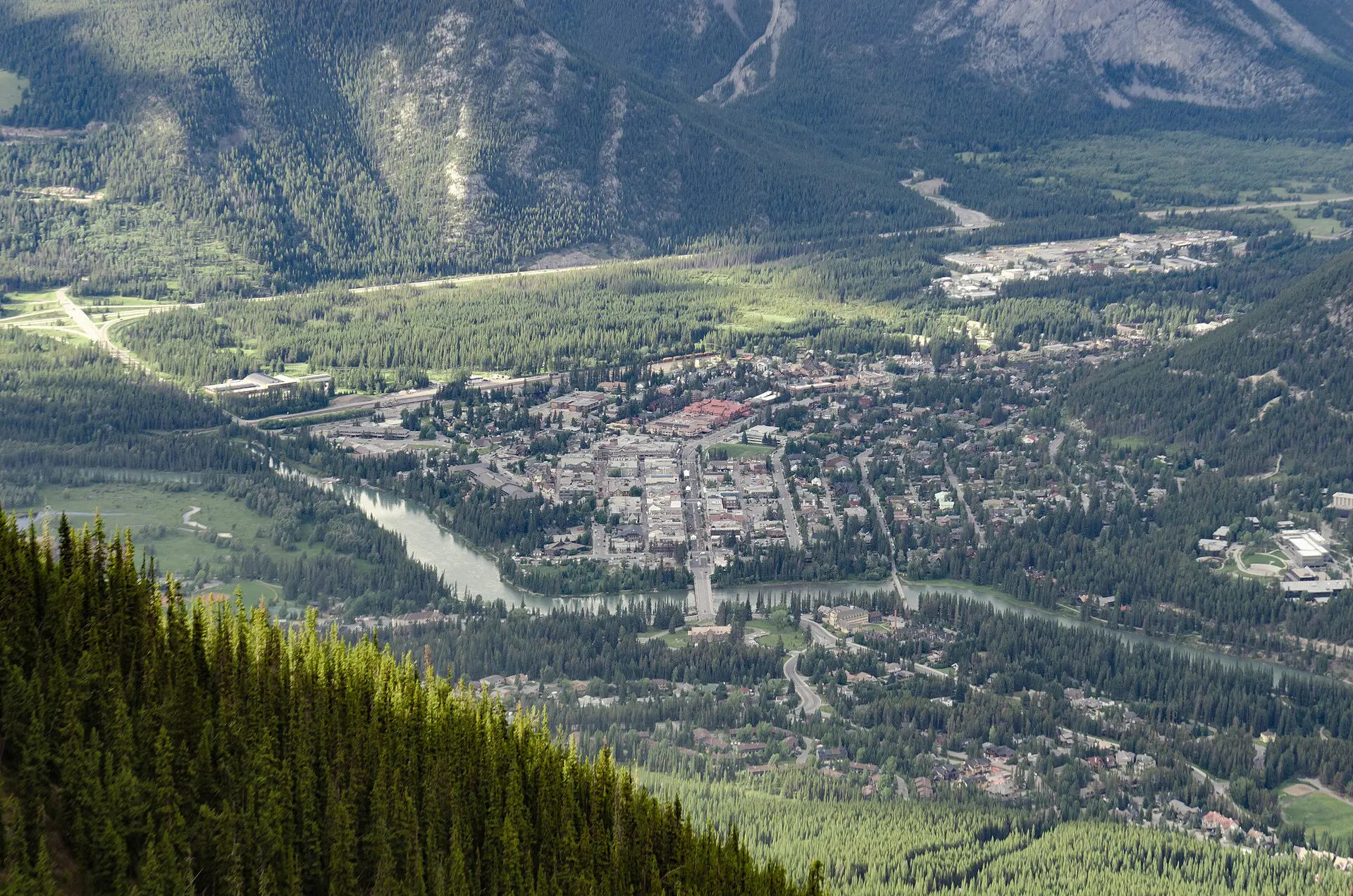
Banff has a small permanent population but a big visitor economy. The centre has restaurants, shops, museums and outfitters, and it is a practical base for hiking, skiing, wildlife watching and scenic drives. Nearby Lake Louise and Moraine Lake draw crowds, as do the hot springs on the slope of Sulphur Mountain.
The park’s popularity means busy summers, limited parking and restrictions in some areas. Plan ahead, book accommodation early and check access rules, shuttle systems and park passes before you go. Wildlife such as elk, bears and bighorn sheep live in the area, so keep a safe distance and follow park guidance. Weather can change quickly in the mountains, even in summer.
Top things to do in Banff
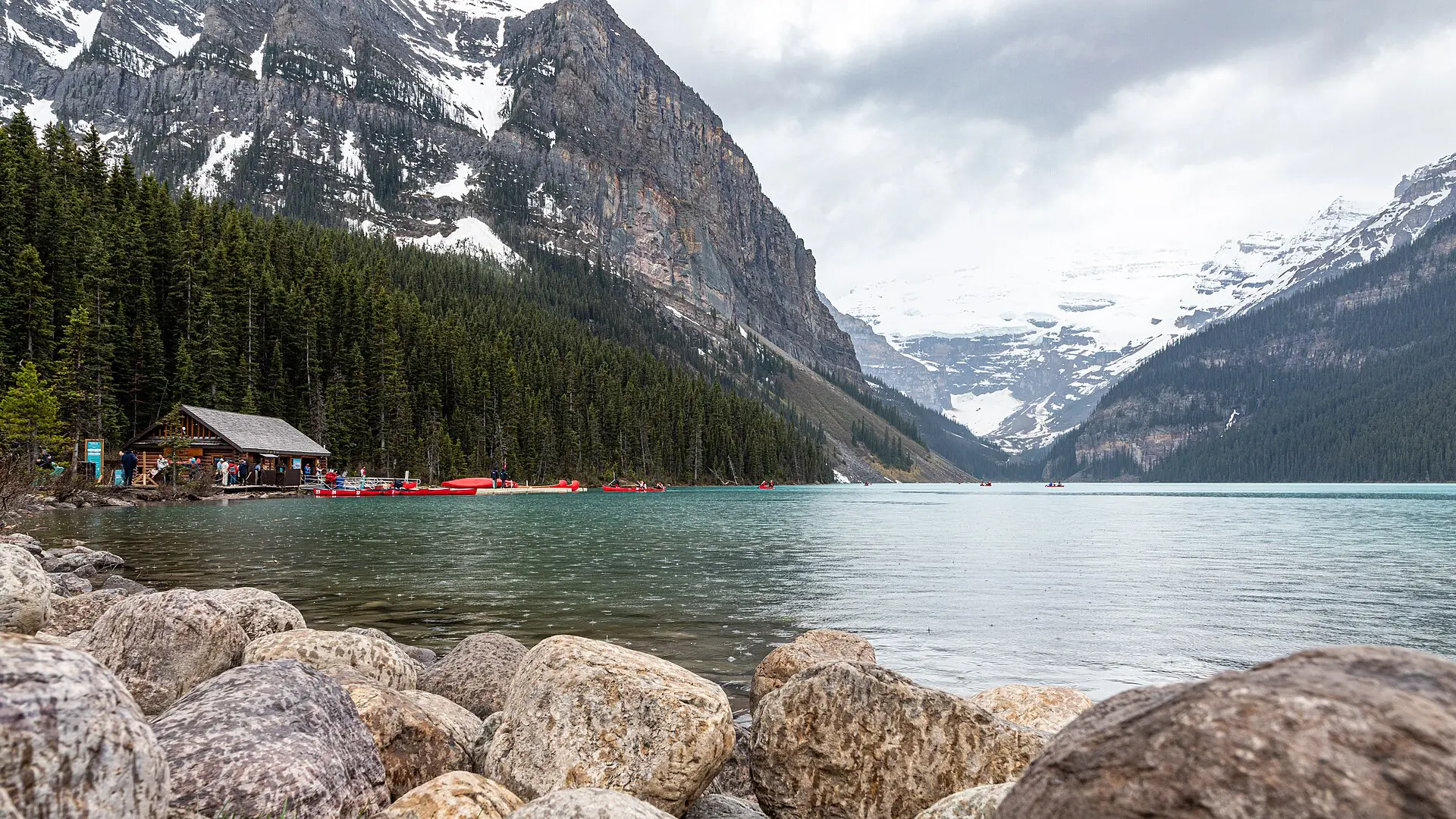
Lake Louise
Lake Louise is a glacier-fed lake with intense turquoise colour, surrounded by peaks. You can walk the shore, rent a canoe in season or hike to teahouse viewpoints. Allow half a day. Arrive early, as car parks fill quickly, and check shuttle options.
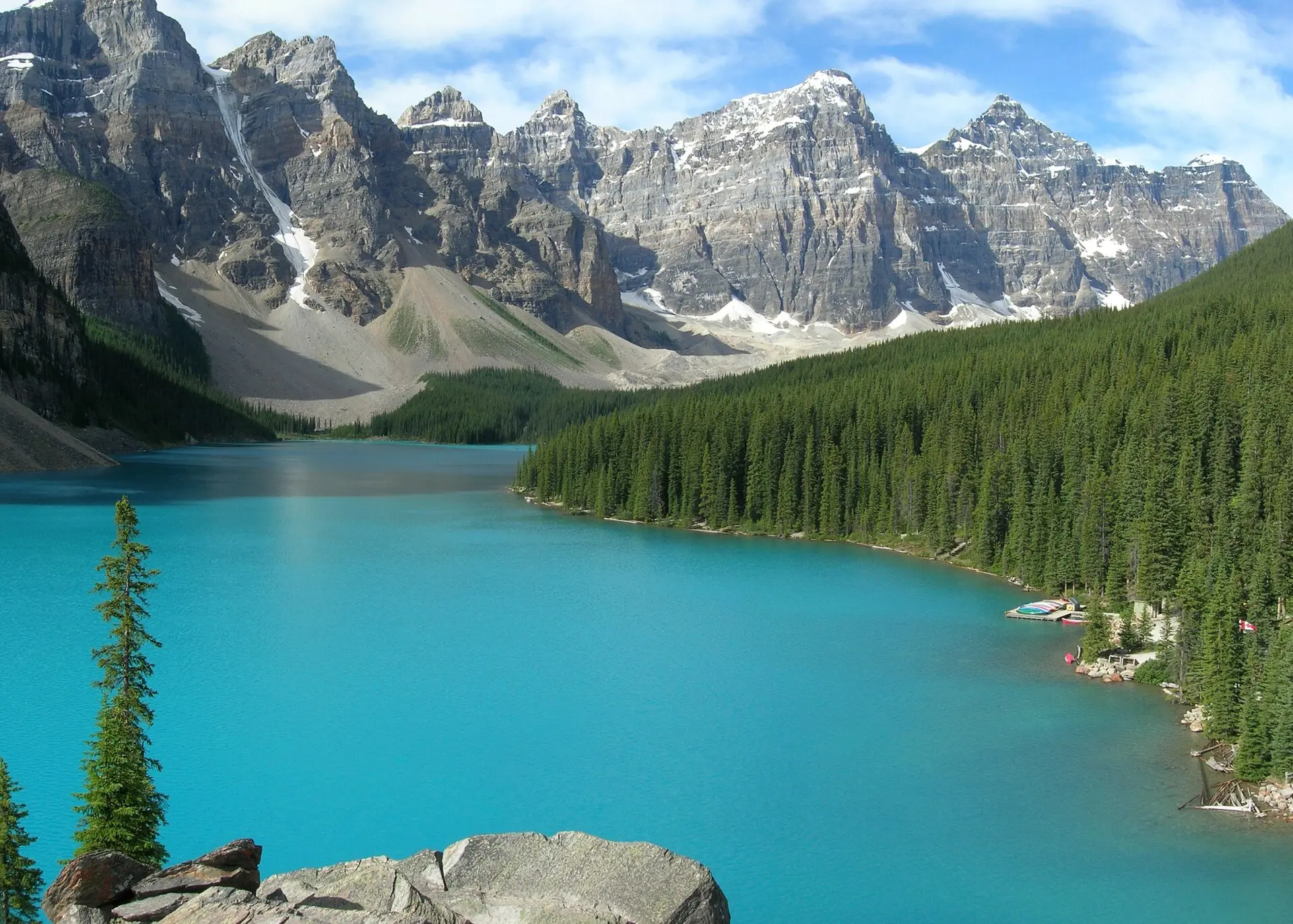
Moraine Lake
Moraine Lake sits in the Valley of the Ten Peaks and is one of the most photographed views in the Rockies. Private vehicle access has been restricted in recent years, so check how visitors currently get there. Plan two to three hours and bring layers.
Banff Gondola and Sulphur Mountain
The gondola climbs Sulphur Mountain for wide views over the town and the surrounding ranges, with boardwalks at the top. Allow around two hours. Book ahead for summer, and consider a clear morning for the best visibility.
Banff Upper Hot Springs
These mineral hot springs are on the slope of Sulphur Mountain, with an open-air pool and mountain views. They are especially pleasant in cold weather. Plan one to two hours, check opening hours and bring a swimsuit, or rent one on site.
Lake Minnewanka and Johnson Lake
Lake Minnewanka is a large lake a short drive from town, with a shoreline path and boat tours in season. Johnson Lake is smaller and good for a calm walk. Allow two to three hours, and keep an eye out for wildlife on the roads.
Hiking and the Bow River
Easy walks near town include Tunnel Mountain, the Bow Falls viewpoint and the riverside paths. Longer hikes depend on conditions and snow cover. Check trail reports with park staff, carry bear spray if advised and bring water and layers.
Skiing and winter activities
Ski resorts in the area run from late autumn into spring, with options from beginner slopes to alpine terrain. Skating, snowshoeing and sleigh rides also operate in winter. Book lessons and rentals ahead, and check snow reports for conditions.
Best time to visit Banff
The mountain climate means warm summers, cold winters and variable weather in between. Snow can linger at higher elevations into early summer.
| Season | Weather | Crowds and prices |
|---|---|---|
| Summer (Jun-Aug) | Mild to warm, cool nights | Peak crowds and prices |
| Autumn (Sep-Oct) | Crisp, golden larches in late September | Busy early, then quieter |
| Winter (Nov-Mar) | Cold, snowy, short days | Busy at holidays, lower prices outside |
| Spring (Apr-May) | Variable, thawing, muddy trails | Quiet, good value |
June to September is best for hiking and lakes, though high trails may keep snow into early July. Winter suits skiing and a quieter, cosy trip. Late spring has limited access to some lakes and trails.
How to get to Banff and around
Most visitors fly to Calgary International Airport and travel about 90 minutes west to Banff by road. Airport shuttles, scheduled buses and rental cars all serve the route. Check timetables and book ahead in peak season, since seats can sell out.
The Trans-Canada Highway passes through the Bow Valley, and Banff sits just off it. Lake Louise is around 45 minutes further northwest. If you are driving, a park pass is required for stopping in the national park, so check current fees and where to buy it.
In town, much of the centre is walkable. The local Roam bus network serves the town and several nearby attractions, including some seasonal routes to the lakes. Taxis and rideshare are limited. Driving in winter requires appropriate tyres and a check of road conditions, as storms can close sections.
Where to stay in Banff
Accommodation is limited and prices are high in summer, so book early. The main choices are in town, in nearby villages and at Lake Louise.
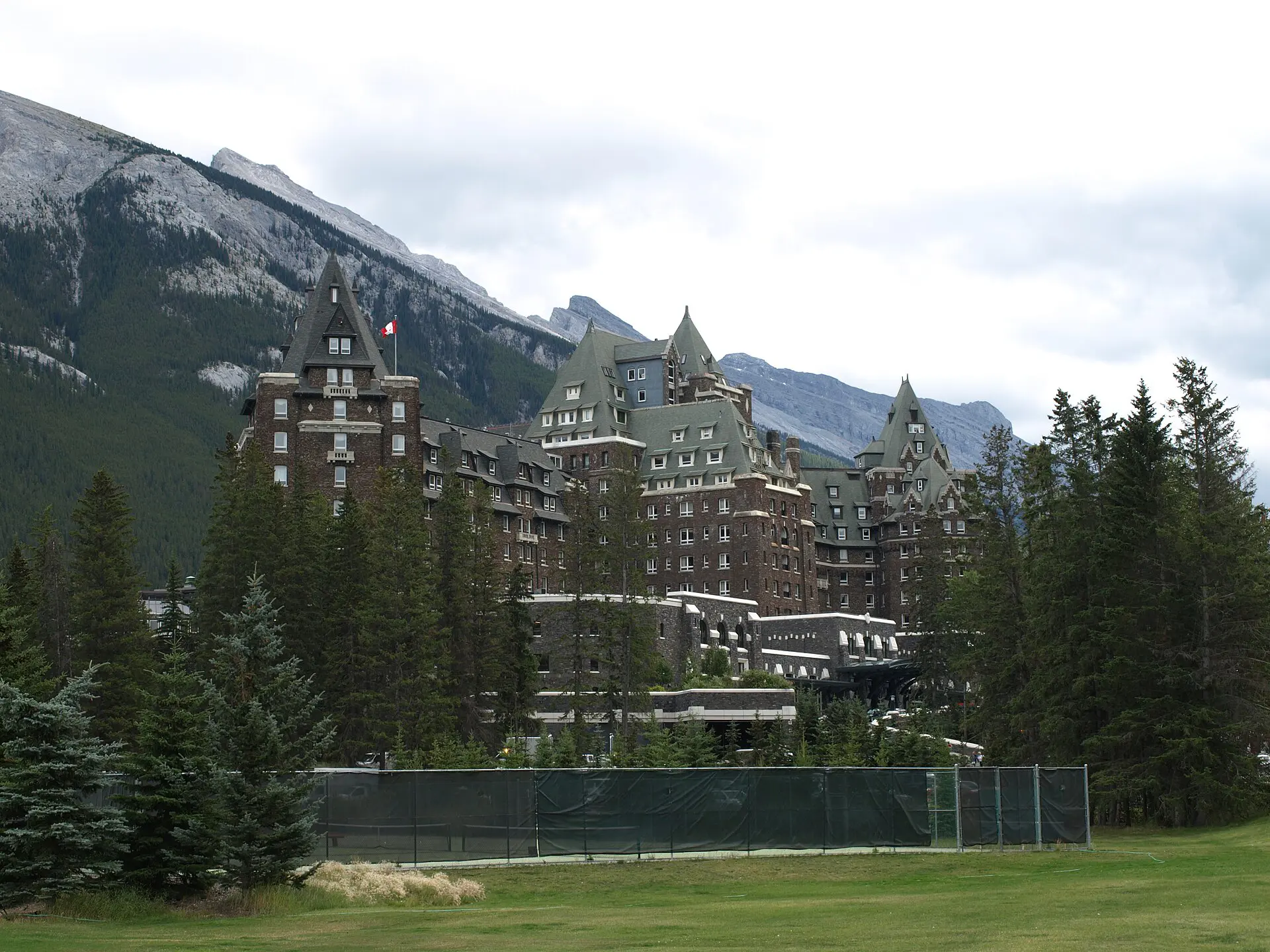
- Banff town centre suits visitors without a car who want restaurants, shops and the local bus network on their doorstep. It is the busiest option.
- Lake Louise village is quieter and closer to the lakes and trails, which suits hikers and early starters, though services are limited.
- Canmore is a town outside the park gate with wider choices and often lower prices. It suits families and longer stays, with a drive of around 25 to 30 minutes.
- Campgrounds and hostels offer lower-cost options, and campsites usually require reservations.
Check the cancellation policy, since summer plans can change.
How many days do you need?
Three days is a good minimum for Banff, with the town, Lake Louise and a lake or hike. Four to five days allow for the Icefields Parkway, more hiking or a ski trip. A single day from Calgary is possible but rushed, and parking and traffic can eat up much of it.
- Day 1: Walk through town, ride the Banff Gondola and finish with the hot springs.
- Day 2: Early start for Lake Louise and Moraine Lake, with a short lakeside walk.
- Day 3: Lake Minnewanka and the Bow Falls, or a longer hike if conditions allow.
Add extra days for the Icefields Parkway or Yoho National Park.
Day trips and nearby
Calgary
Calgary is the nearest major city and the main airport gateway, roughly 90 minutes east. It has museums, restaurants and the Calgary Stampede in July. It suits a stop before or after your mountain stay.
Canmore
Canmore is a mountain town just outside the park, popular for hiking, cafes and a quieter atmosphere. It is a short drive from Banff and works as a half-day excursion or an alternative base.
Whistler
Whistler is a major ski resort in British Columbia, far to the west. It is too far for a day trip and is better as a separate stop on a longer Canadian Rockies and coast itinerary. Plan a full day of travel.
Edmonton
Edmonton is Alberta’s capital, north of Banff, and reached by a long drive of several hours or a flight. It makes more sense as part of a wider trip than as a short excursion.
FAQ
Q1When is the best time to visit Banff?
June to September is best for hiking, lakes and warm weather, though it is also the busiest and priciest period. Skiing season runs from late autumn through spring. Late September can bring autumn colour. Check trail and road conditions before you travel.
Q2How many days do you need in Banff?
Three days covers the town, Lake Louise, Moraine Lake and a gondola or hot springs visit. Four to five days allow for hiking, the Icefields Parkway or winter sports. A single day trip from Calgary is possible but rushed.
Q3How do you get to Banff?
Most visitors fly to Calgary International Airport and then travel about 90 minutes west by shuttle, scheduled bus or rental car. Check timetables and book ahead in peak season. A park pass is required when stopping in Banff National Park.
Q4Is Banff expensive?
Banff is one of the pricier destinations in Canada, especially in July and August, with accommodation the main cost. Staying in Canmore, travelling in shoulder seasons and self-catering can reduce costs. Check current prices before you book.
Prices, schedules and entry rules change. Check current details with official sources before you travel. Read the Canada travel guide.