Why visit Ottawa
People searching for things to do in Ottawa are usually looking for Parliament Hill and the national museums. Ottawa is the capital of Canada, in the southeast of Ontario at the confluence of the Ottawa and Rideau rivers, and borders Gatineau, Quebec. As of 2021 the city had just over one million residents, making it the fourth-largest city in Canada.
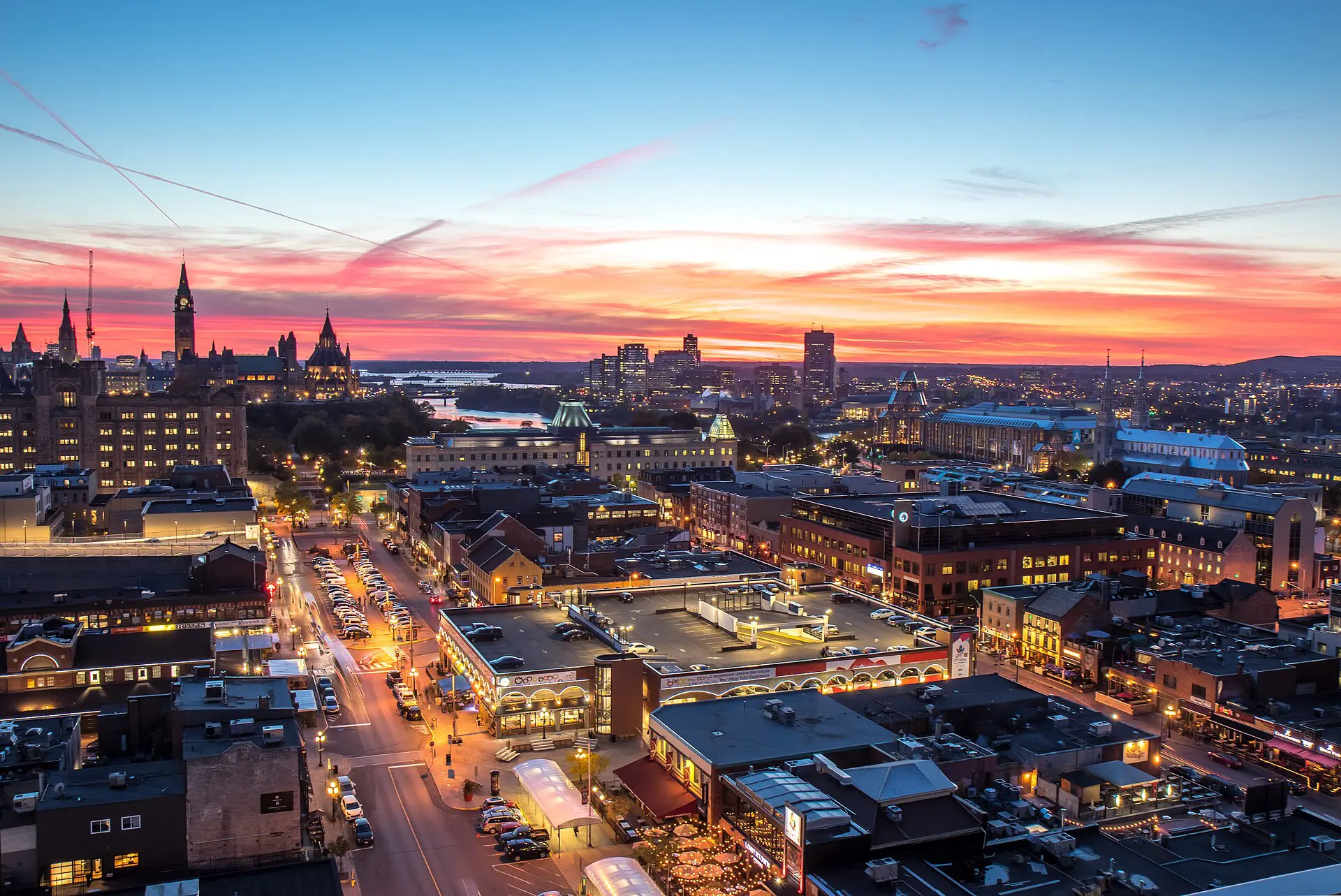
It is the political centre of the country and houses Parliament, the Supreme Court, many embassies and key national institutions. The city also has plenty of shopping, restaurants and lively nightlife.
The city began as a lumber town called Bytown, named after Colonel John By, who oversaw the construction of the Rideau Canal, now a UNESCO World Heritage site. About 15 percent of residents are native French speakers, and bilingual service is common on both sides of the river, so expect English or French in most restaurants and shops.
Top things to do in Ottawa
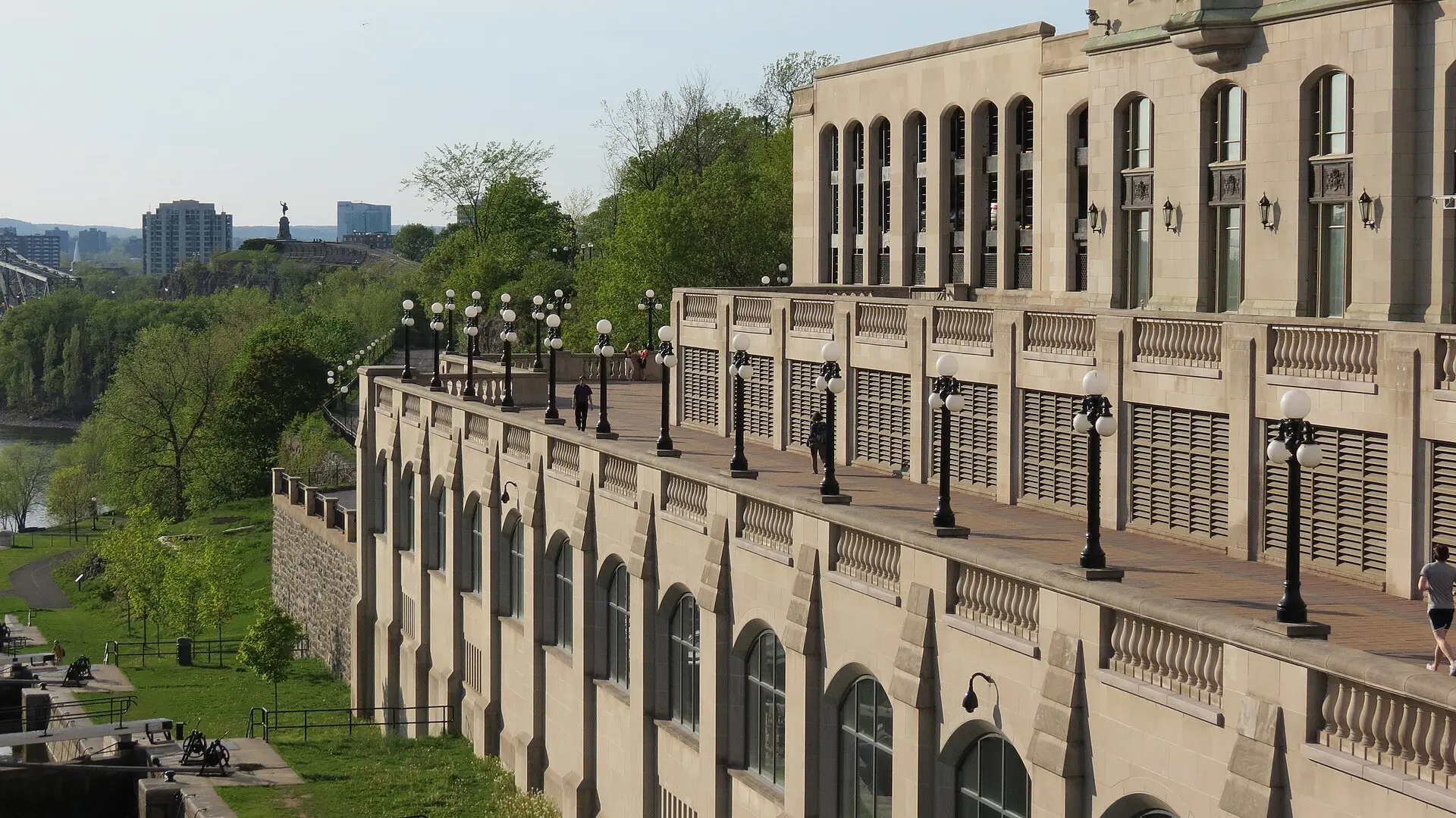
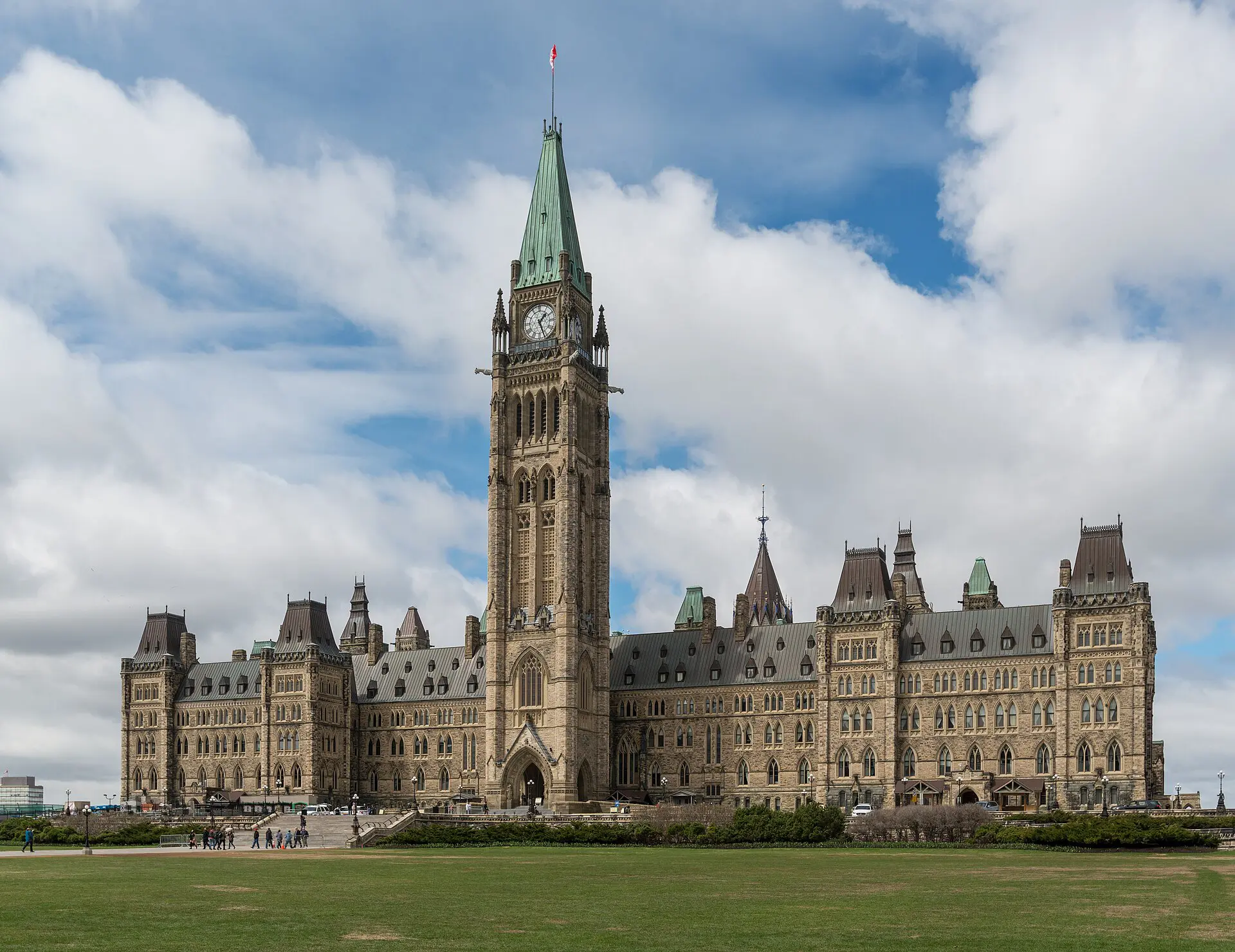
Visit Parliament Hill
The Gothic-style Parliament buildings stand above the river and anchor the capital. Allow two hours. Tip: the Centre Block has been closed for a long restoration, so tours currently use other buildings; check current availability and booking rules before you go.
Walk or skate the Rideau Canal
The canal runs through the city and is a UNESCO World Heritage site, popular for walking and cycling in summer. Allow one to two hours. Tip: in winter, parts become a skating route when conditions allow, so check the status before you plan around it.
Explore the national museums
The capital has several large national museums covering art, history and nature. Allow two to three hours each. Tip: choose one or two rather than trying them all, and check hours, as some close on a weekday.
Wander ByWard Market
This long-running market district has food stalls, shops, restaurants and nightlife. Allow two hours. Tip: go earlier for browsing, and later for dinner or drinks.
Cross to Gatineau Park
Just across the river in Quebec, this large park offers hiking, cycling and skiing depending on the season. Allow half a day. Tip: you will need a bus, bike or car, so check transport and conditions.
See the Rideau Falls and river views
Waterfalls and riverside paths give a quieter side of the city. Allow one hour. Tip: combine it with a walk along the river path.
Visit the Supreme Court and other institutions
Several national institutions offer visits or exterior views. Allow one to two hours. Tip: check the access rules, which can change.
Best time to visit Ottawa
Ottawa has four distinct seasons. Summers are warm and lively with outdoor festivals, autumn brings colour, and winters are cold and snowy but offer skating and winter events. Spring is changeable.
| Season | Weather | Crowds and prices |
|---|---|---|
| June to August | Warm to hot, humid at times | Busiest, higher hotel prices |
| September and October | Mild, autumn colour | Moderate crowds, good value |
| November to March | Cold, snow | Quieter, lower prices, winter events |
| April and May | Cool to mild, changeable | Quiet, tulip season in May |
Check event dates for festivals and winter activities, as schedules vary by year.
How to get to Ottawa and around
Ottawa International Airport serves the city, with flights from other Canadian cities and some international routes. Check current options and how to reach the centre by public transport or taxi.
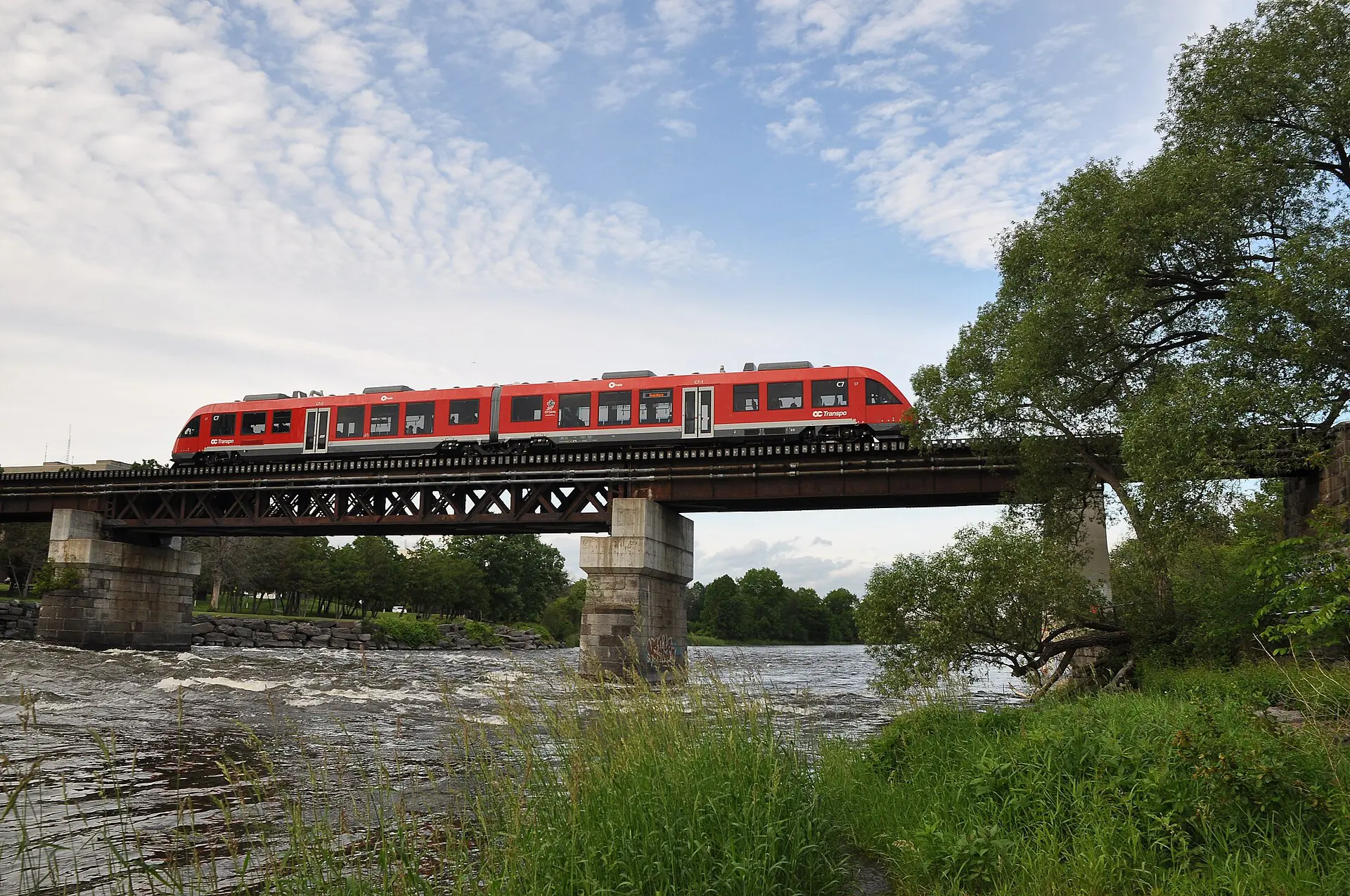
Trains and buses link Ottawa with Montreal, Toronto and Quebec City. Journey times vary, so check current timetables. Driving is also common, and the city is a few hours from both Toronto and Montreal.
The downtown core is compact and good for walking and cycling. Buses and the light rail network cover longer distances, and taxis and ride-hailing services are available. Bridges across the river link the city with Gatineau, which is easy to reach by bus or bike.
Where to stay in Ottawa
Downtown, near Parliament Hill and the Rideau Canal, is the best base for short stays. It puts the main sights within walking distance, and suits first-time visitors and business travellers, though prices are higher.
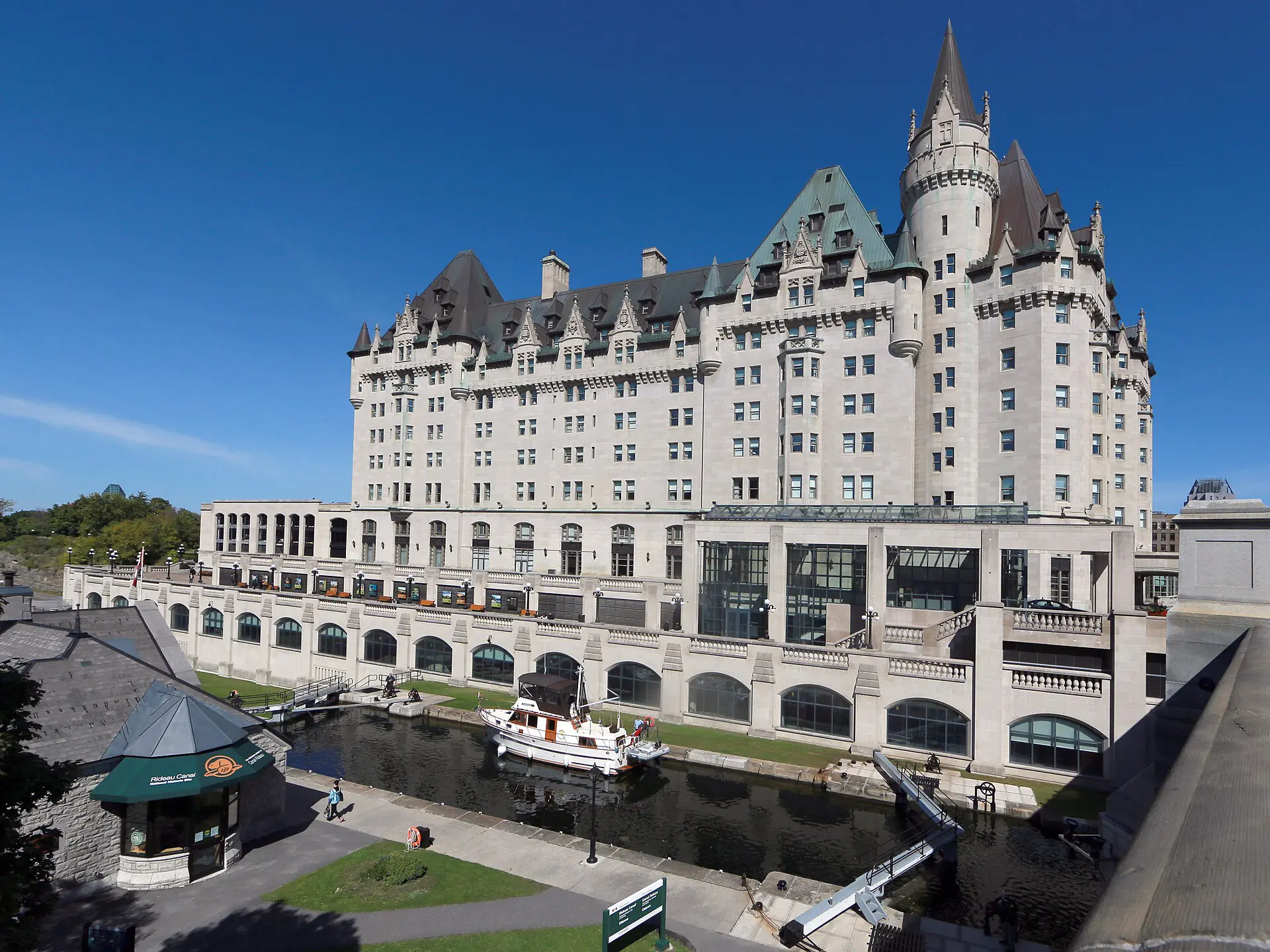
ByWard Market and the surrounding streets offer restaurants and nightlife close to hotels, suiting visitors who want to be in the middle of things. Expect more noise on weekend nights.
Quieter neighbourhoods such as Centretown or areas near the canal offer calmer stays with local cafes. Gatineau, across the river, can offer different prices and a francophone feel. Book early for major summer events and check parking costs if you drive.
How many days do you need?
Two days covers Parliament Hill, the canal, a museum and ByWard Market. A third day lets you add Gatineau Park or a second museum at a calmer pace. A day trip from Toronto or Montreal is possible but rushed.
- Day 1: Visit Parliament Hill, walk the canal, and finish in ByWard Market.
- Day 2: Spend the morning at a national museum, and explore the neighbourhoods in the afternoon.
- Day 3: Cross to Gatineau Park for a hike, bike ride or winter activity.
Check the opening times for museums and tours, and book ahead for popular summer weekends.
Day trips and nearby
Gatineau Park
A large park across the river with trails, lakes and lookouts. Allow half a day or more. Tip: check seasonal access and bring layers.
Montreal
Canada’s second-largest city lies a few hours east by road, train or bus. Allow a full day, but an overnight stay is better. Tip: check current timetables.
Toronto
Toronto is farther away and better as a separate stop. Tip: train or flight can save time compared with driving.
Quebec City
The historic provincial capital is a longer journey, best saved for an overnight trip. Tip: check train, bus and road options.
FAQ
Q1When is the best time to visit Ottawa?
May to September offers the warmest weather and the most outdoor events, with tulips in spring and colour in autumn. Winter is cold and snowy but has skating and winter festivals when conditions allow. Check event dates, as they change each year.
Q2How many days do you need in Ottawa?
Two days covers Parliament Hill, the Rideau Canal, a museum and ByWard Market. Three days allow time for Gatineau Park or more museums. A day trip from Montreal or Toronto is possible but rushed.
Q3How do you get to Ottawa?
Ottawa International Airport has flights from Canadian cities and some international routes. Trains and buses link Ottawa with Montreal, Toronto and Quebec City, and driving is common. Check current schedules and journey times before you book.
Q4Do you need French in Ottawa?
No. Most residents speak English, and about 15 percent are native French speakers. Bilingualism is common, and you can expect service in English or French in most restaurants and shops, on both sides of the river.
Prices, schedules and entry rules change. Check current details with official sources before you travel. Read the Canada travel guide.