Why visit Whistler
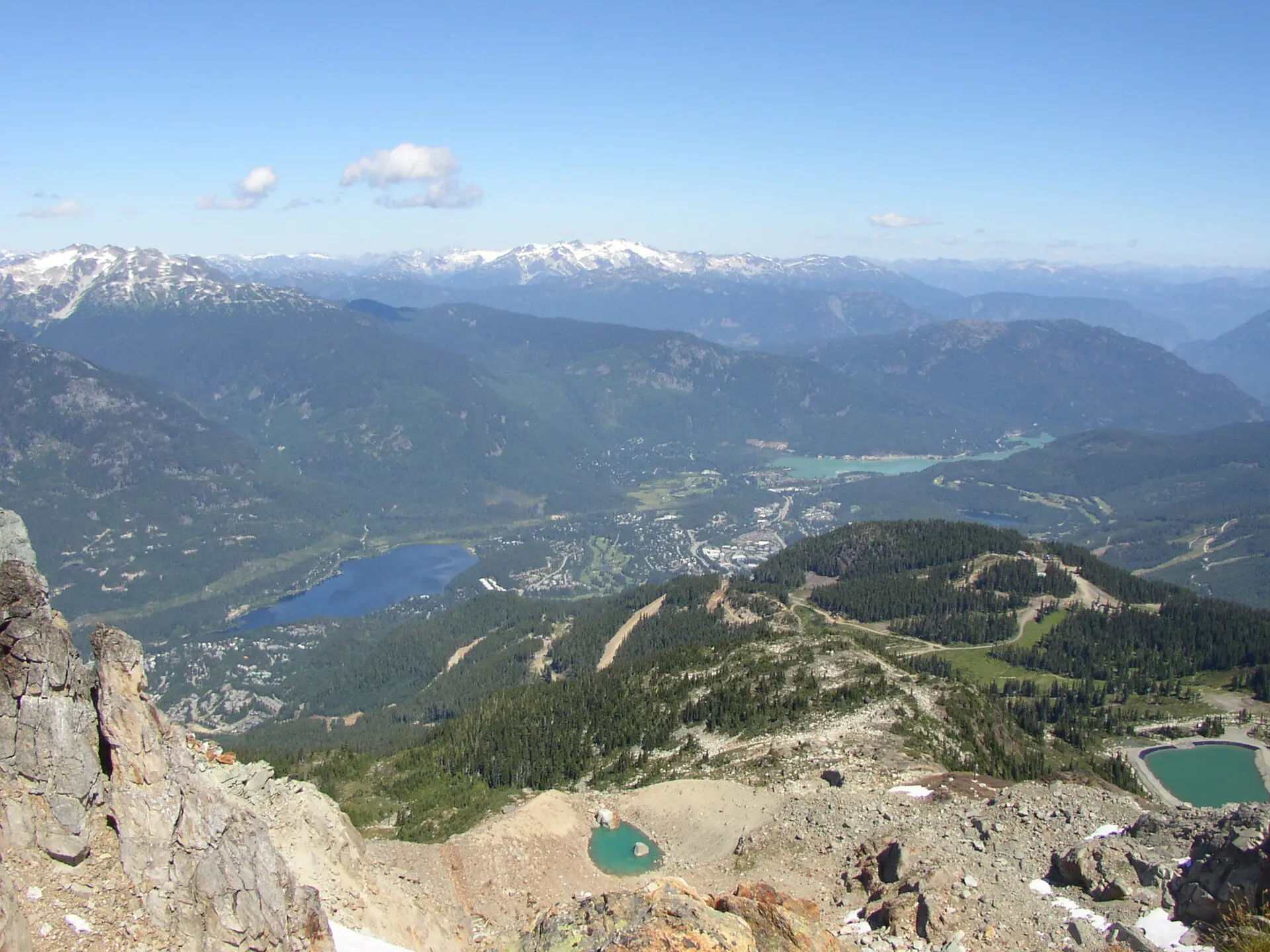
If you are looking for things to do in Whistler, the answer depends on the season, and that is the appeal. The resort town sits in the Coast Mountains of British Columbia, north of Vancouver, between two large mountains, Whistler and Blackcomb. It is known for skiing and snowboarding in winter, and mountain biking and hiking in summer.
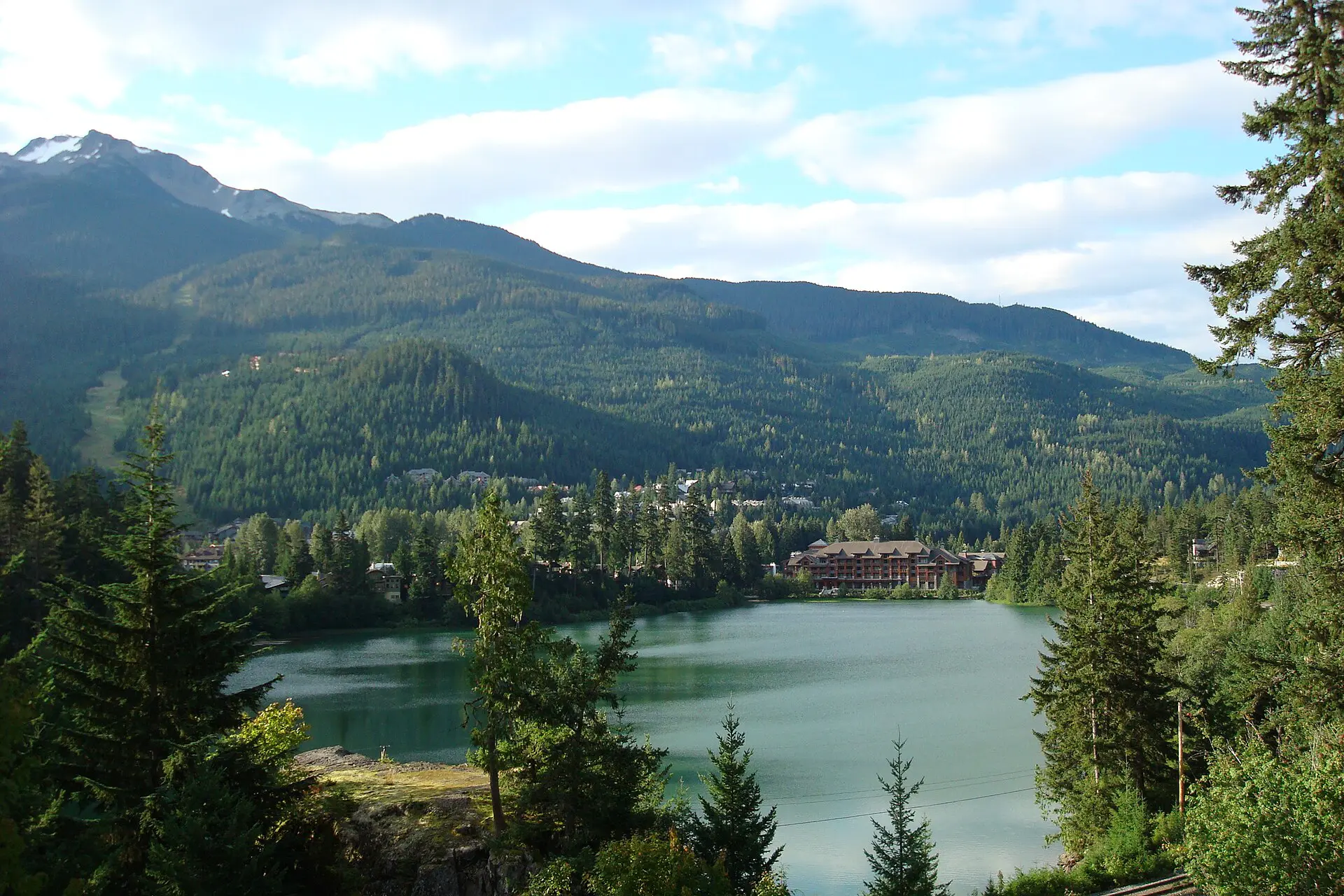
The village at the base is largely pedestrian, with shops, restaurants and lodging in a compact area, so you can walk to the lifts and leave the car parked. Beyond the mountains, the area has lakes, forest trails and a small-town feel outside the busy village core.
It is expensive and can be crowded in peak weeks, but the mix of terrain, facilities and scenery is hard to match in a short trip from a major city. Planning ahead helps.
Top things to do in Whistler
Skiing and snowboarding
The two mountains form one of the largest ski areas in North America, with terrain for all levels. Buy lift tickets in advance if possible, check snow reports and consider a lesson on your first day. Start early for fewer lines and better snow.
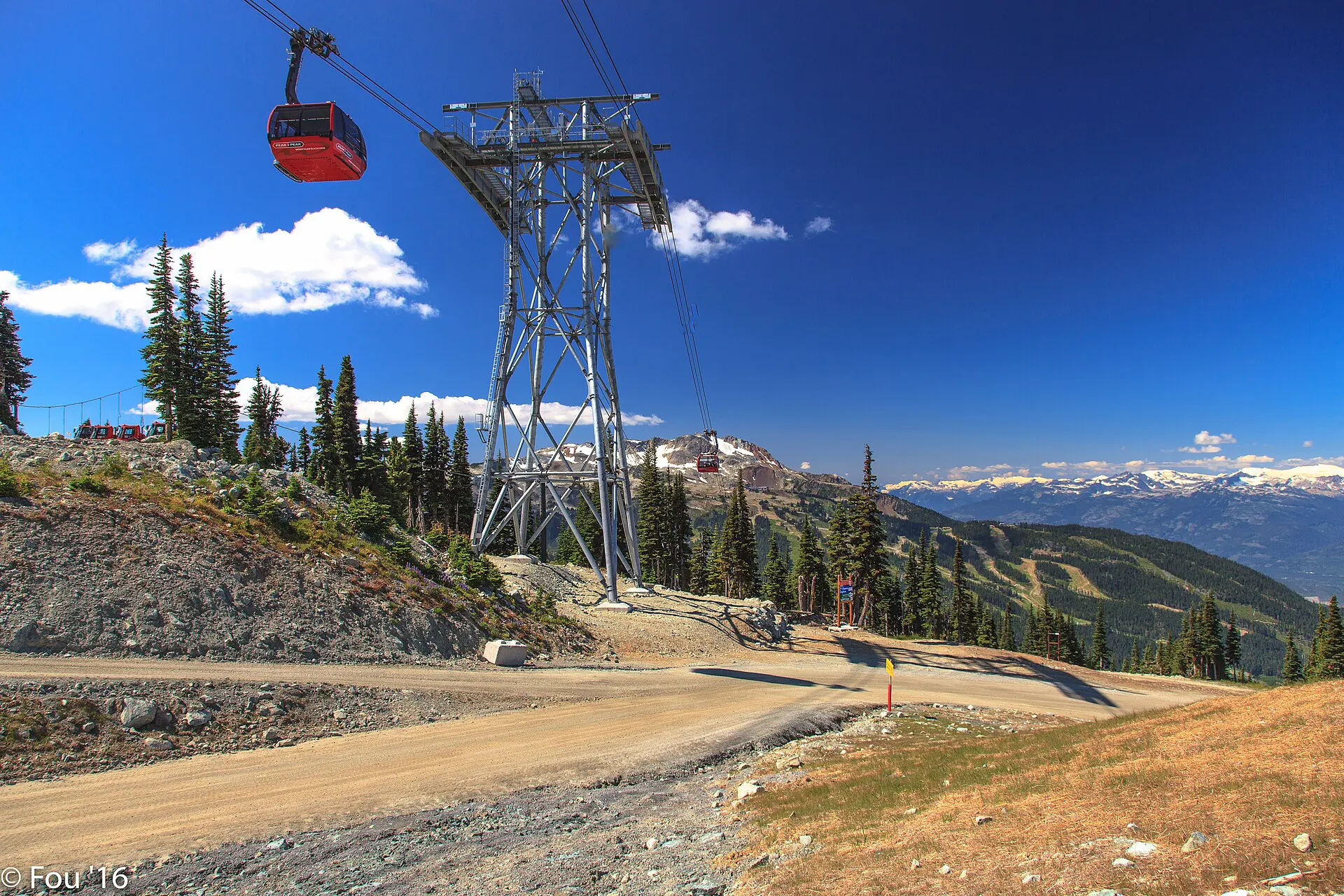
Peak 2 Peak Gondola
This gondola links the two mountains high above the valley and runs in both winter and summer. Plan an hour or two with the views. Check operating times and weather, as strong winds or low cloud can affect service.
Whistler Village
The pedestrian village is the centre of the resort, with restaurants, shops and events. Walk it in the evening for the atmosphere. Allow an hour or two, and check for seasonal events and live music in the plaza.
Mountain biking
In summer, lifts carry bikes up the mountain for downhill trails, from easy to expert. Rent gear and book a lesson if you are new. Check trail and lift status, and wear full protective equipment.
Lost Lake and Green Lake
Lakes near the village offer swimming, paddling and easy walking trails in summer. Plan a half-day. Water temperatures can be cool, so bring a towel and layers, and check local conditions.
Alpine hiking
Lift-assisted trails reach high-alpine terrain with meadows and views. Plan a half or full day and bring layers, water and sturdy shoes. Snow can linger into July, so check conditions and trail openings before you set out.
Spa and Scandinavian baths
The area has spas and outdoor bath facilities that suit rest days or après-ski. Book ahead in peak season and check what is included. They are a popular way to recover after a day on the mountain.
Best time to visit Whistler
Whistler is a two-season destination. Winter, roughly December to March, is the main ski season, with snow-covered mountains and busy weeks over Christmas, New Year and school holidays. Late winter can have strong snow and sunnier days, with slightly lower crowds. Summer, from about late June to September, brings mountain biking, hiking and lake days, with warm days and cooler nights; July and August are the busiest. Spring and late autumn are quiet shoulder seasons, with fewer activities running and some lifts closed. Check opening dates before you book.
| Season | Weather | Crowds and prices |
|---|---|---|
| Winter (December-March) | Cold, snowy | Busy, highest at holidays |
| Spring (April-May) | Variable, melting snow | Quiet, lower prices |
| Summer (July-September) | Warm days, cool nights | Busy, high prices |
| Autumn (October-November) | Cool, wet | Quiet, lower prices |
How to get to Whistler and around
Most visitors come from Vancouver, about two hours by road via the Sea to Sky Highway, which has scenic stops along Howe Sound. Coach services and shuttles run from Vancouver and its airport; check current schedules. Driving in winter requires appropriate tyres or chains, so check road conditions before you leave.
Vancouver International Airport is the nearest major airport. Once in Whistler, the village is easy to walk, and a local bus network covers other neighbourhoods and the lakes. Taxis and ride services are available, and a car is not essential if you stay in or near the village. Parking can be expensive, so ask your accommodation.
Where to stay in Whistler
Because costs are high, think about location and what you are paying for.
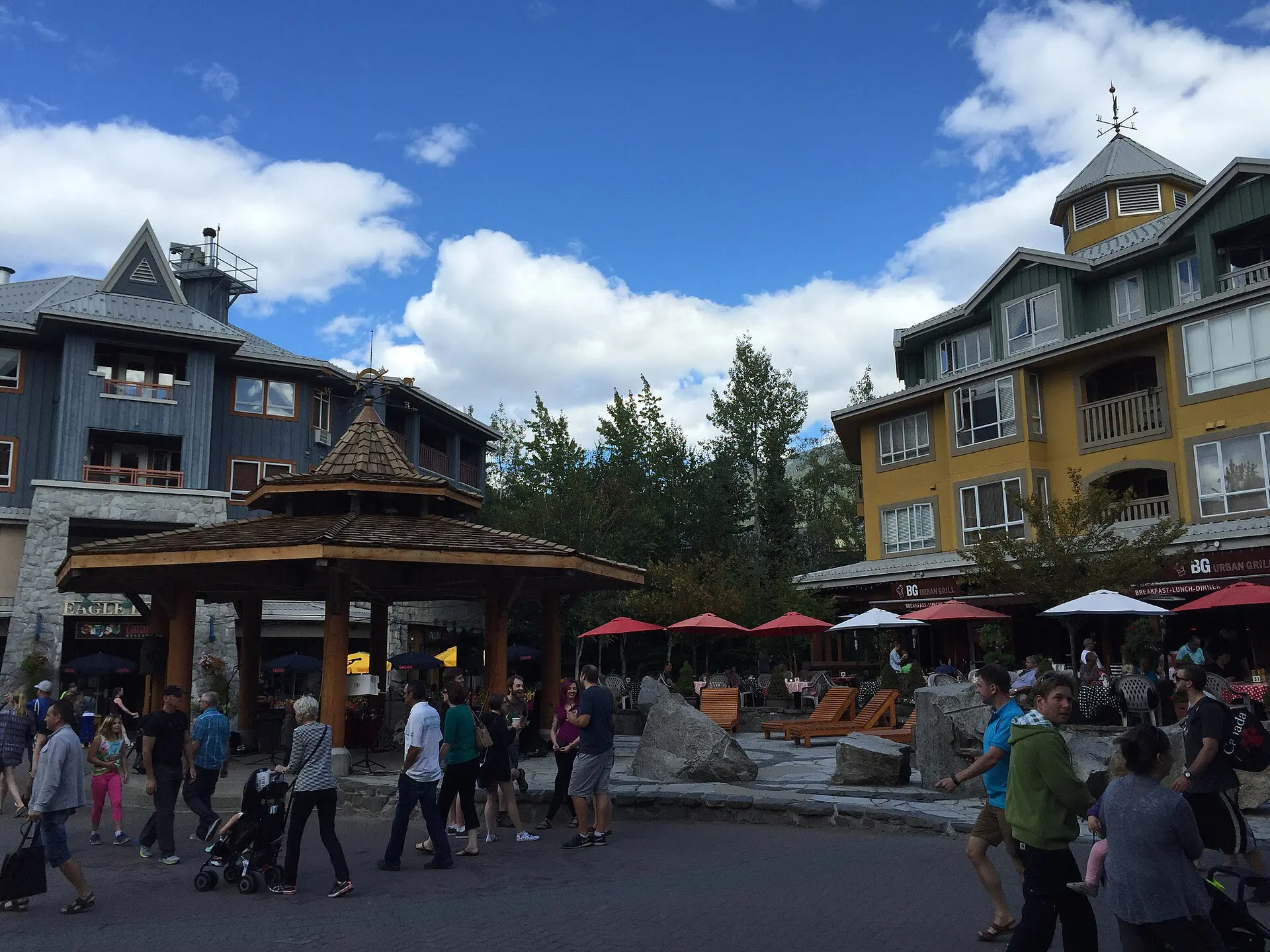
- Whistler Village: the most convenient, with ski lifts, restaurants and nightlife on your doorstep. Best for first-time visitors and short stays, though the priciest.
- Upper Village: quieter and close to the Blackcomb lifts, with a more upscale feel. Suits couples and families who want ski-in access.
- Creekside: a smaller area with its own lift and cafes. A good alternative that is often a little cheaper and more relaxed.
- Further out and nearby towns: cheaper but needs transport. Useful on a budget, or for longer stays.
Book early for winter holidays and summer weekends, and check the local fees and parking costs.
How many days do you need?
Three days is the practical minimum for a resort trip, and five lets you vary activities and allow for weather. A single day is only realistic as a quick winter ski day from Vancouver, and it will be tiring.
- Day 1: Arrive, walk the village and book lessons or rentals.
- Day 2: Spend a full day on the mountain, skiing in winter or biking and hiking in summer, with a Peak 2 Peak ride.
- Day 3: Take a slower day around a lake, a spa visit or an easy walk before heading back.
Add extra days for a second mountain day or to wait out poor weather.
Day trips and nearby
Squamish
A town on the Sea to Sky Highway, about halfway to Vancouver, known for climbing, hiking and the Sea to Sky Gondola. It is a good stop on the way back, so allow half a day. Check gondola hours and trail conditions.
Pemberton
A farming valley north of Whistler with quieter scenery and trails. It is a short drive and works as a half-day trip. Check the road and weather, especially in winter.
Vancouver
The nearest big city, with its parks, waterfront and museums. Most visitors spend a day or two there before or after Whistler. The drive takes around two hours, so plan a start in the morning.
Victoria and Vancouver Island
These are better as a separate trip, reached by ferry or flight from Vancouver. Treat them as a longer extension rather than a day trip from Whistler.
FAQ
Q1How many days do you need in Whistler?
Three to five days is a good range. That allows time for a full mountain day, a lake or village day and a rest day. A day trip from Vancouver is possible in winter but tiring and rushed.
Q2When is the best time to visit Whistler?
December to March is best for skiing and snowboarding, with late winter often offering good snow and fewer crowds than the holidays. July to September suits hiking, biking and lake days. Spring and autumn are quieter, with fewer open lifts.
Q3How do you get to Whistler?
Most visitors travel from Vancouver by car, coach or shuttle along the Sea to Sky Highway, roughly two hours without stops. In winter, check road conditions and tyre requirements. The nearest major airport is Vancouver International.
Q4Is Whistler expensive?
Yes, it is among Canada's pricier destinations. Expect mid-range costs of roughly CAD 300-500 per day, with lift tickets and lodging the largest items. Staying outside the village, booking early and cooking some meals can lower the bill.
Prices, schedules and entry rules change. Check current details with official sources before you travel. Read the Canada travel guide.