Why visit Dubrovnik
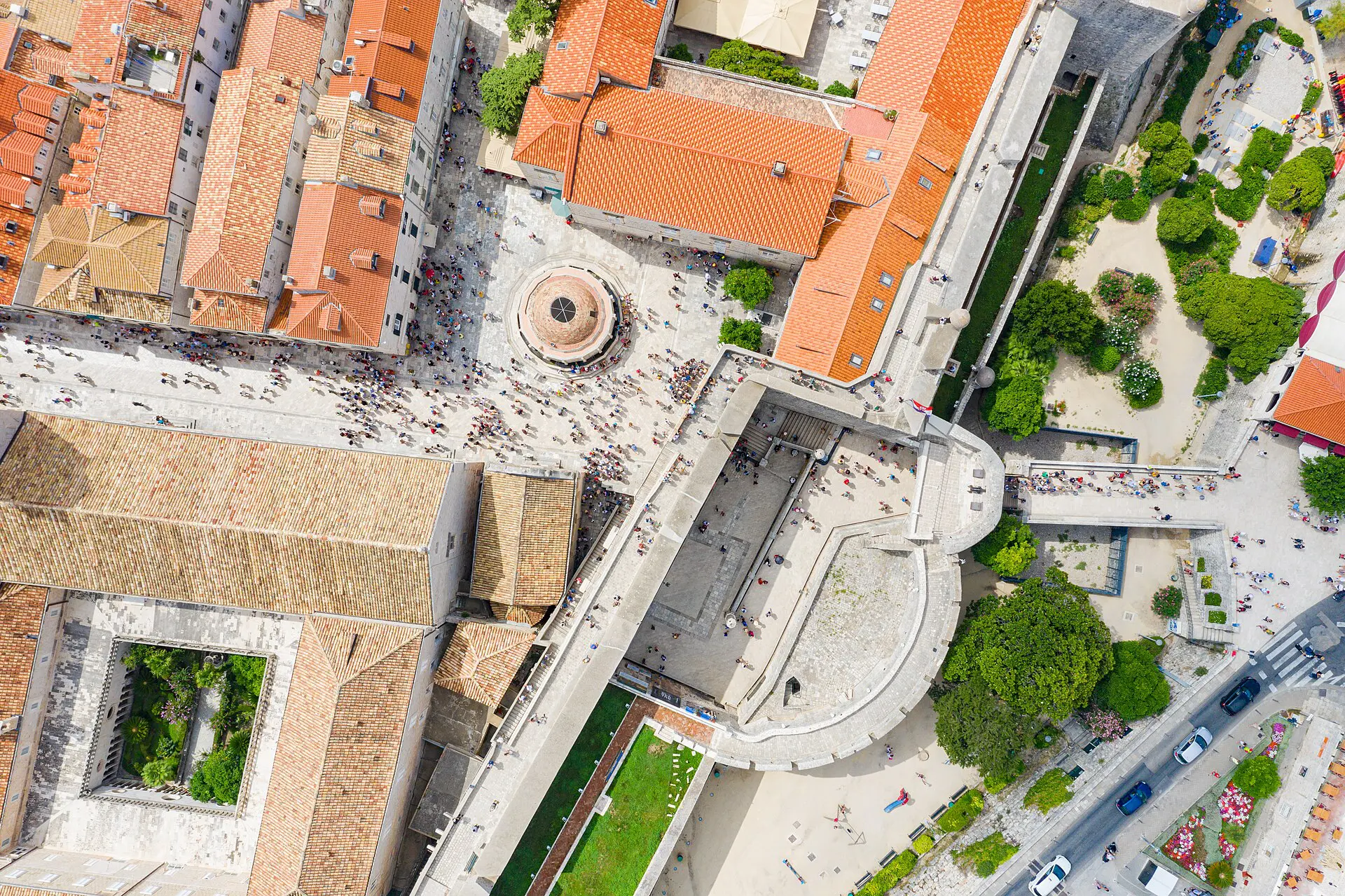
People searching for things to do in Dubrovnik are usually drawn by the Old Town, a walled medieval city on the Adriatic coast in the far south of Croatia. UNESCO inscribed it as a World Heritage Site in 1979, recognising its outstanding medieval architecture and fortifications.
The city, historically also known as Ragusa, was built on maritime trade. In the Middle Ages it became the only city-state in the Adriatic to rival Venice, and between the 14th and 19th centuries it ruled itself as a free state. It also became a centre of Croatian literature.
It is one of the most beautiful towns in the Mediterranean and an elite destination, though much more expensive and tourism-centred than other places in Croatia. Expect crowds in summer, especially when cruise ships are in port, and plan your visit accordingly. The compact setting makes it easy to see the highlights in a couple of days, and the nearby islands and coast reward a longer stay.
Top things to do in Dubrovnik
Walk the city walls
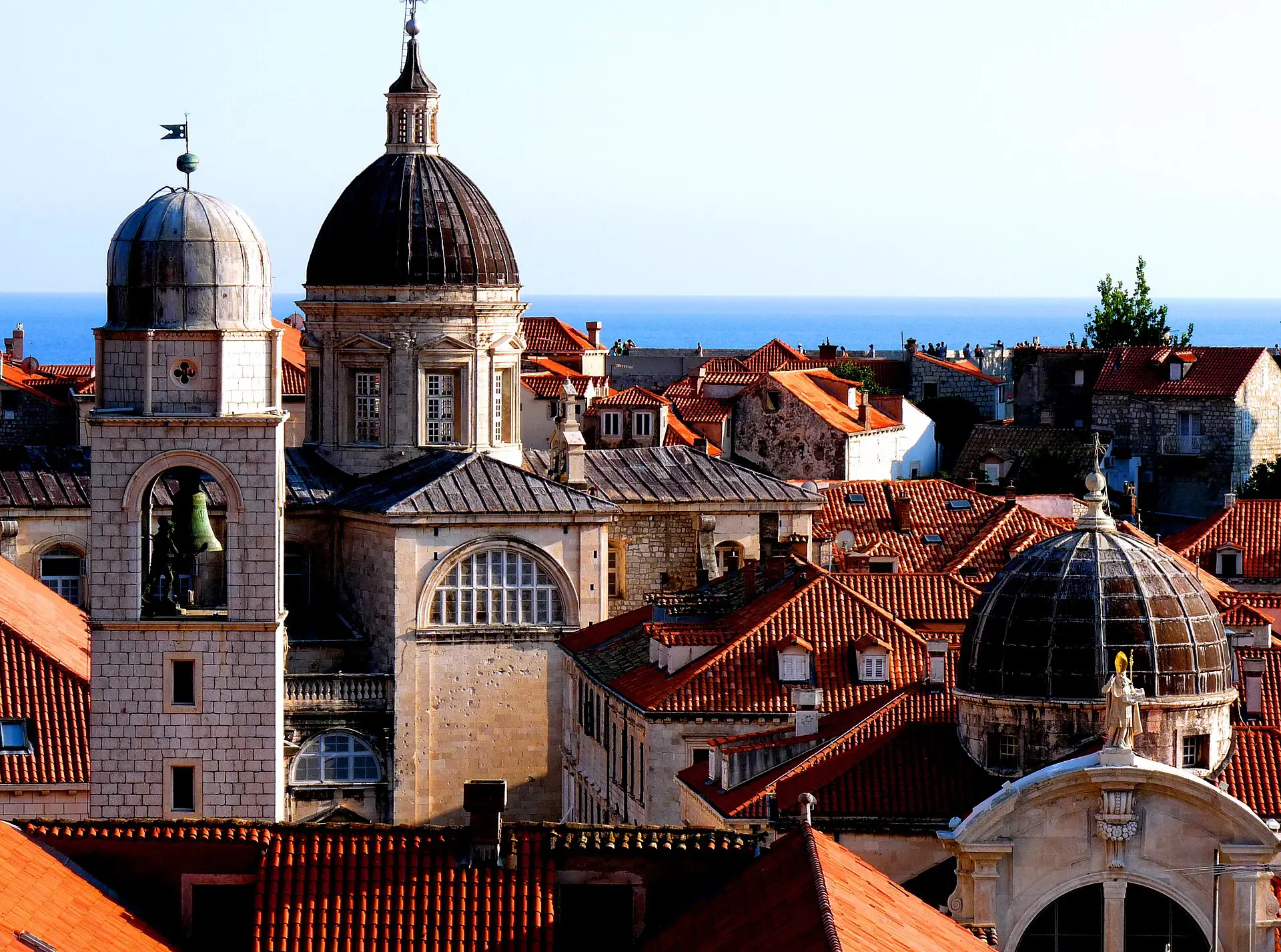
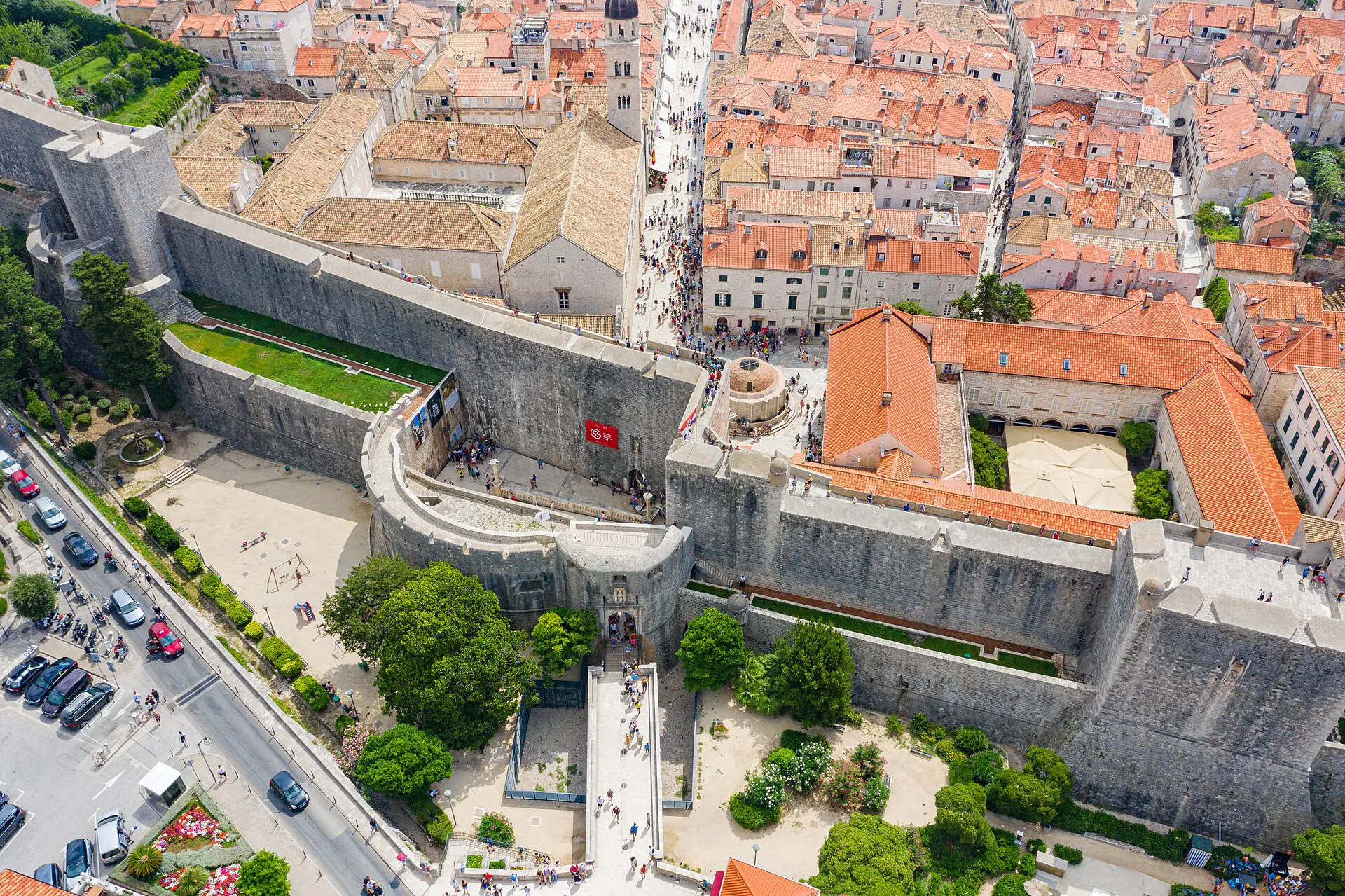
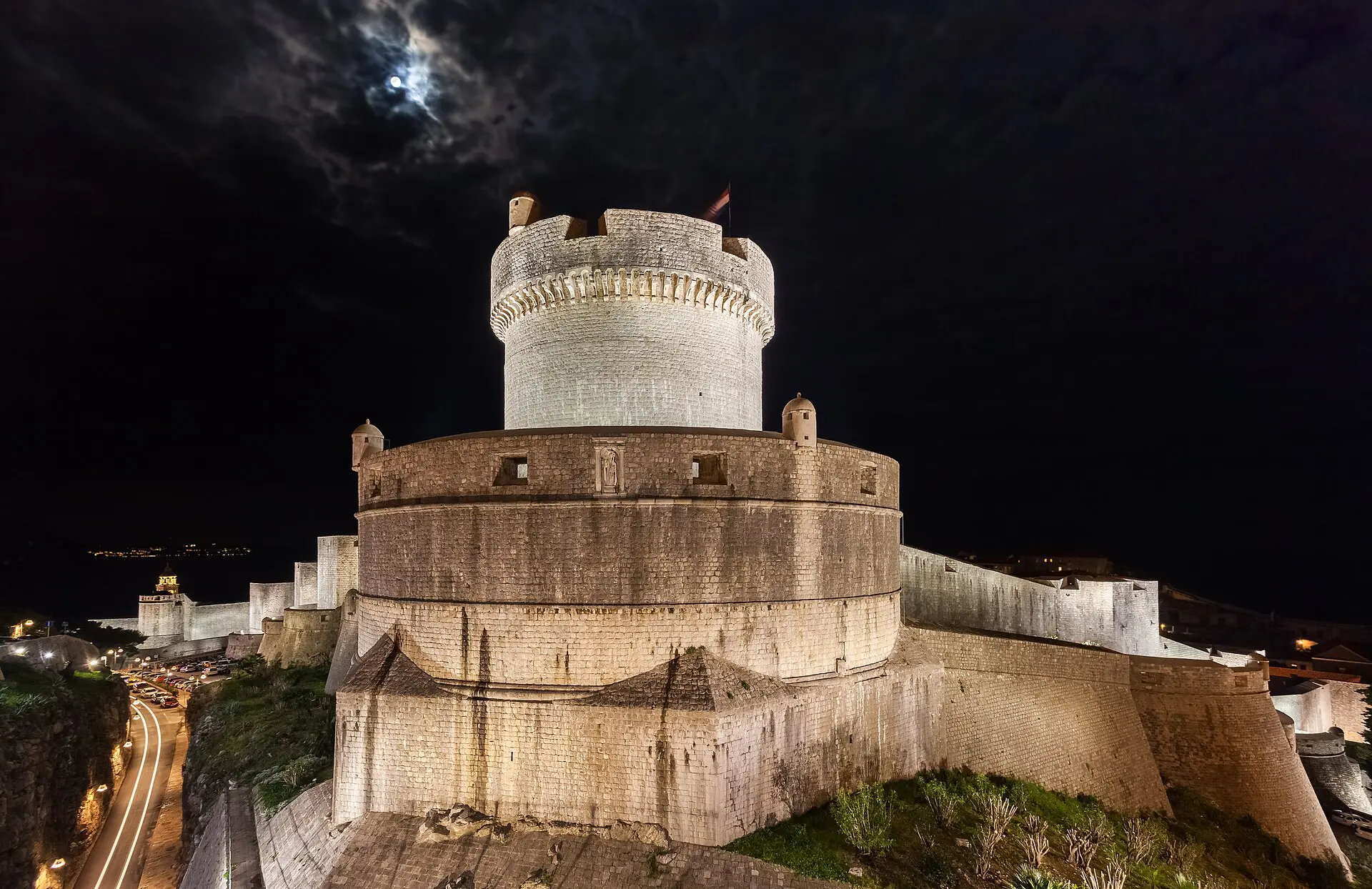
The walls circle the Old Town and give views over the red roofs and the sea. Allow about two hours at an easy pace. Go early in the morning or late in the day to avoid heat and crowds, carry water, and check ticket prices and opening hours.
Stradun and the Old Town
The main street runs through the heart of the walled city, lined with limestone buildings and cafes. Allow an hour or two to wander side streets and squares. Visit in the early morning or evening, when day-trippers have left.
Rector’s Palace and museums
The palace was the seat of the Republic of Ragusa and now houses a museum that covers the city’s history. Allow one to two hours. Check opening hours and ticket options, since some venues offer combined tickets.
Cable car and Mount Srd
A cable car climbs the hill above the town for sweeping views over the coast and the Old Town. Allow one to two hours, and time your visit for late afternoon light. Check that the service is running, since wind can interrupt it.
Lokrum island
A short boat ride from the Old Town port takes you to a green island with walking paths and swimming spots. It makes a good half-day escape. Check ferry times, bring water and sun protection, and plan your return before the last boat.
Swimming and the coast
Pebble beaches and rocky platforms near the Old Town allow for swimming in summer. Allow a couple of hours. Water shoes help on the stones, and mornings are less crowded than afternoons.
Sunset and the harbour
The old port and the areas outside the walls are pleasant for an evening walk with views of the fortifications. It costs nothing and takes about an hour. Bring a light layer, since sea breezes can be cool.
Best time to visit Dubrovnik
Dubrovnik has a Mediterranean climate, with hot, dry summers and mild, wetter winters. Summer is the peak season for prices and crowds, and the stone streets and walls can be very hot at midday.
| Season | Weather | Crowds and prices |
|---|---|---|
| Spring (April to June) | Mild to warm | Moderate; good for walls and walking |
| Summer (July to August) | Hot and dry | Peak crowds and prices |
| Autumn (September to October) | Warm, sea still swimmable | Easing; good value |
| Winter (November to March) | Cool, rainy | Quiet; some venues close |
For the best balance of weather and crowds, aim for late spring or early autumn, and check that attractions you want are open if you travel in winter.
How to get to Dubrovnik and around
Dubrovnik Airport lies roughly 20 km south of the city, and airport buses and taxis connect it with the Old Town in around 30 to 45 minutes, depending on traffic. Flights are most frequent in the warmer months, so check the schedule if you travel in winter.
Coastal buses run along the Adriatic to Split and other towns, and the journey is scenic but long, so allow several hours. Ferries link some islands, and cruise ships call at the port, which affects crowd levels on the day. The Pelješac Bridge, opened in 2022, lets the coastal road to Split avoid the short stretch through Bosnia and Herzegovina at Neum, but some buses still use the old route, so carry your passport and check the route when you book.
The Old Town is pedestrian only and compact, with many steps. Local buses connect it with outer neighbourhoods and the port, and taxis are available but pricey. Walking is the main way to get around, so pack comfortable shoes with good grip, as the polished stone can be slippery when wet.
Where to stay in Dubrovnik
Staying inside the Old Town is the most atmospheric option, and it puts you within a short walk of the walls and the harbour. It suits short stays and first-time visitors, though rooms can be small, noise at night is common, and luggage must be carried up steps.
Areas just outside the walls, such as the Pile and Ploce neighbourhoods, offer a good compromise, with easy walking access and often better prices. They suit travellers who want a bit of quiet but still wish to reach the sights on foot.
The Lapad peninsula to the northwest has beaches, promenades and larger hotels, with buses into town, and it suits families and people who want a more resort-style stay. Book early for summer, and compare prices between the Old Town and the surrounding areas, since the difference can be large.
How many days do you need?
Two days is enough for the walls, the Old Town and one excursion. Three days lets you add an island trip or a day along the coast at a more relaxed pace. If you are visiting from a cruise, even a single day covers the essentials if you start early.
- Day 1: Walk the city walls early, then explore Stradun and a museum, and finish with sunset from the harbour.
- Day 2: The cable car to Mount Srd in the morning and a boat to Lokrum in the afternoon.
- Day 3: A day trip along the coast, or time to swim and relax.
Day trips and nearby
Korcula
An island town with a walled old centre, known for its streets and sea views. It can be reached by ferry or on an organised tour, and works as a long day trip or an overnight stay. Check ferry schedules in advance.
Split
Croatia’s second city lies further up the coast, and the journey by road takes several hours, so it is better as a separate stop. It is known for its Roman-era palace, and regular buses and ferries connect it with Dubrovnik.
Hvar
A popular island reached by ferry from Split or on longer boat services. It is better treated as part of a wider island-hopping trip than as a day trip from Dubrovnik. Check seasonal ferry timetables.
Trogir
A small historic town further north, also reached from Split, with a compact old centre. It is too far for a day trip from Dubrovnik, but works well as part of a longer coastal journey.
FAQ
Q1When is the best time to visit Dubrovnik?
Late spring (May and June) and early autumn (September and October) offer warm weather and fewer crowds than July and August. The sea is warm enough to swim in early autumn, and walking the city walls is more comfortable.
Q2How many days do you need in Dubrovnik?
Two days covers the walls, the Old Town and a museum or cable car ride. Three days lets you add a boat trip to an island such as Lokrum or a longer excursion along the coast without rushing.
Q3How do you get from Dubrovnik airport to the Old Town?
The airport is about 20 km south of the city. Airport buses and taxis take roughly 30 to 45 minutes depending on traffic. Check current fares and schedules, especially outside the summer season, when services run less often.
Q4Is Dubrovnik expensive?
It is much more expensive than other places in Croatia. Prices peak in July and August, and eating inside the walls costs more. Visiting in spring or autumn and eating outside the Old Town helps keep costs down.
Prices, schedules and entry rules change. Check current details with official sources before you travel. Read the Croatia travel guide.