Why visit Zagreb
If you are planning things to do in Zagreb, expect a city that is easy to enjoy at a slow pace. It is the capital and largest city of Croatia, and its centre is split between the older Upper Town on the hill and the 19th-century Lower Town with its squares, parks and Austro-Hungarian architecture.
Most of what you want to see is walkable. Cobbled streets, churches and viewpoints sit in the Upper Town, while the Lower Town has museums, cafes, a market and the main squares. The city is known for its coffee-drinking habit, and long mornings and evenings on terraces are part of the experience.
Zagreb also gets less attention than the Croatian coast, which is partly why it feels relaxed and reasonably priced. It is a good city break on its own, and it works as a gateway to Plitvice Lakes and the wider country.
Top things to do in Zagreb
Upper Town (Gornji Grad)
The medieval hilltop district is the oldest part of the city, with narrow streets, gas lamps and small squares. You can walk up or take the short funicular. Plan around two hours and wander without a strict route. Streets are cobbled, so wear comfortable shoes.
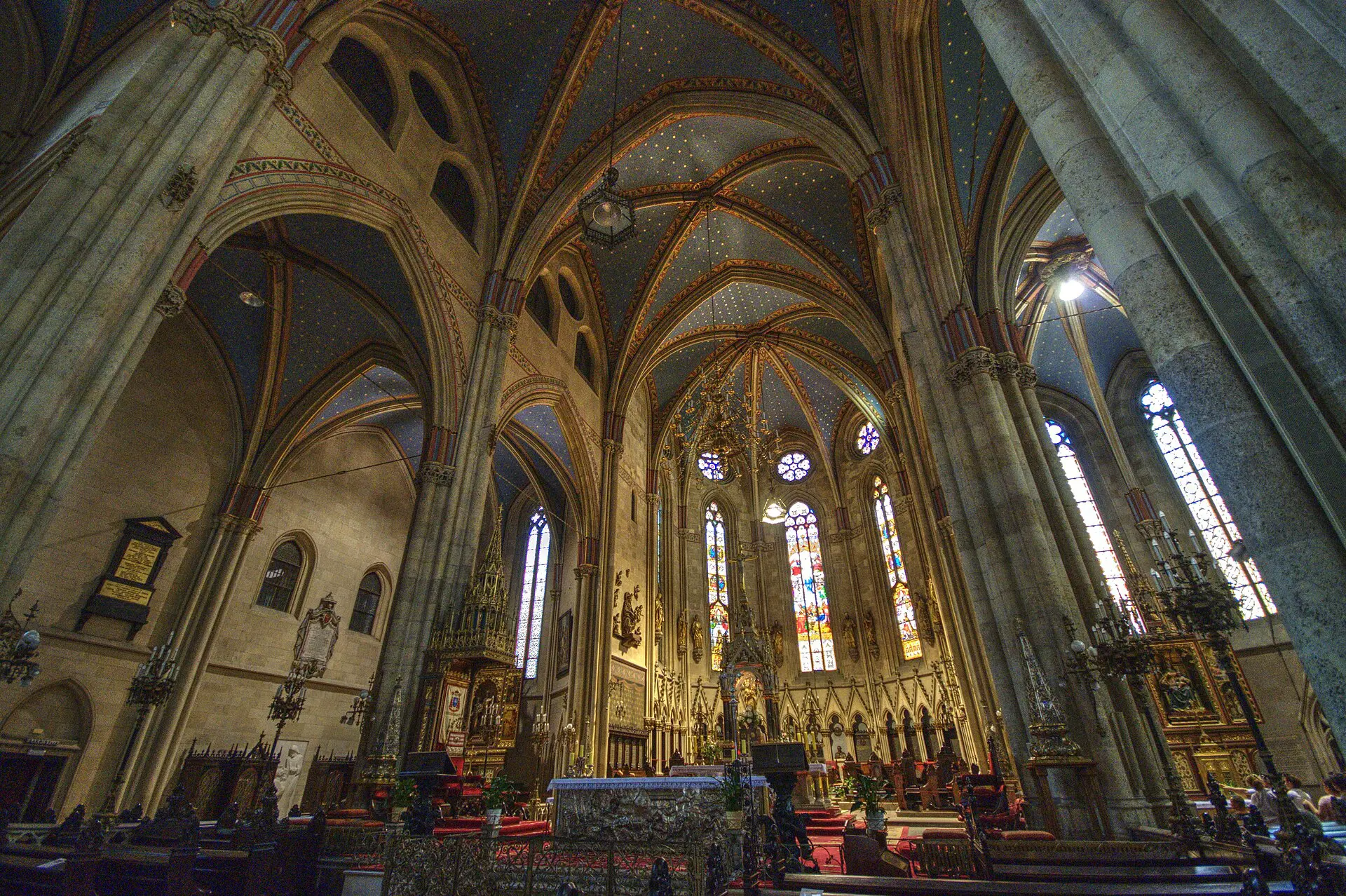
Zagreb Cathedral
The twin spires of the cathedral dominate the skyline and can be seen from much of the centre. Visit for the exterior and, when open, the interior. Plan thirty to sixty minutes. Dress modestly and check opening hours and any restoration work before you go.
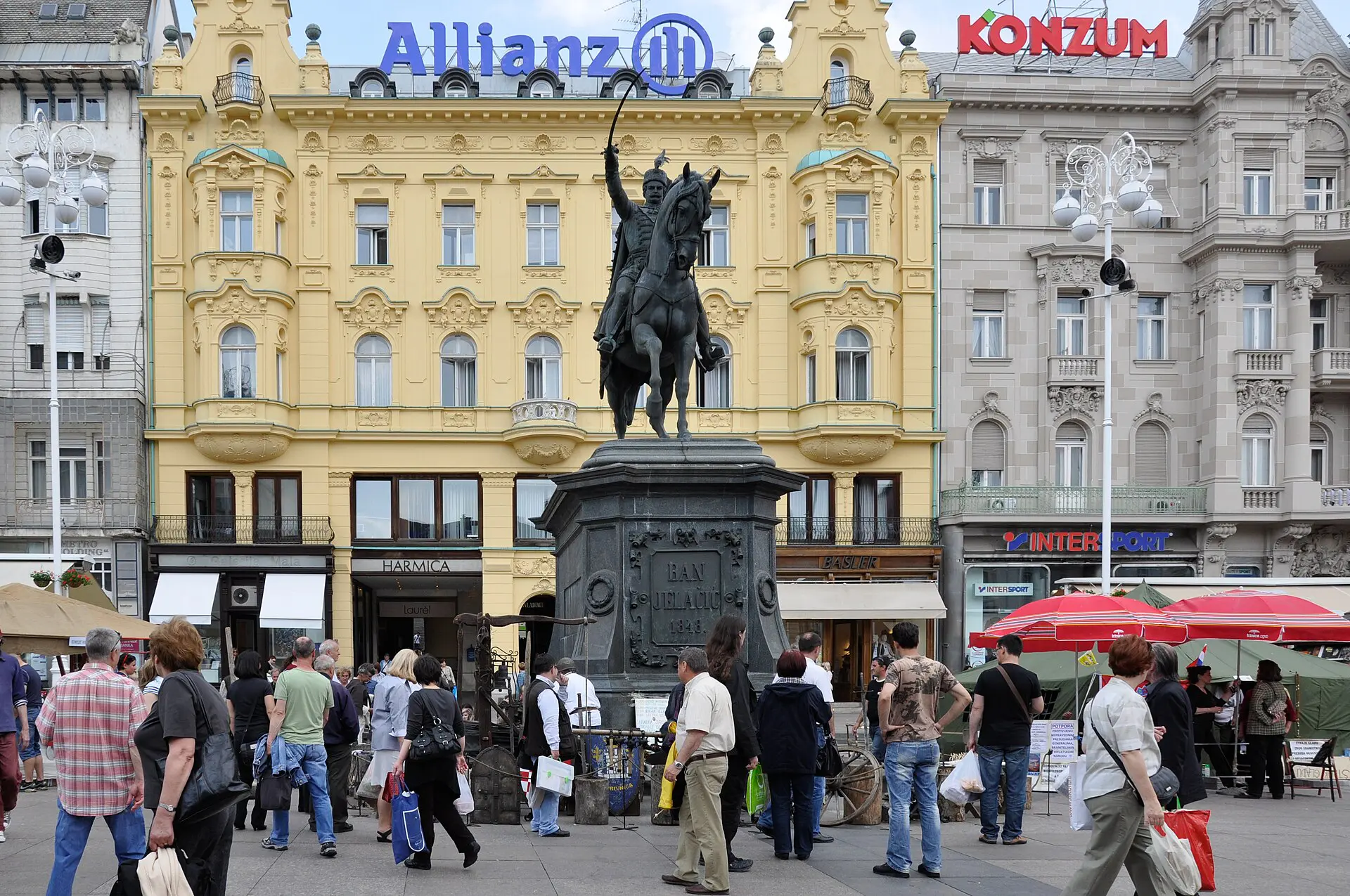
Ban Jelačić Square
The main square is the city’s central meeting point and the start of many walks. Trams cross it and cafes line the edges. It takes only a few minutes to see, but it is the best place to orient yourself and decide where to go next.
Dolac Market
The open-air market just below the Upper Town sells fruit, vegetables, flowers and local food. Go in the morning when it is liveliest and combine it with coffee. Stall offerings vary by season, so use it as a casual food stop rather than a fixed meal.
Museums
Zagreb has a surprising number of small and specialist museums. Choose one or two that match your interests and allow one to two hours each. Opening days and hours vary, and many are closed on Mondays, so check before you plan a day around them.
Maksimir Park
This large park on the east side of the city is a favourite for walking and relaxing. It is an easy tram ride from the centre and a free way to spend a morning. Bring water in summer, and note that the nearby zoo is a separate paid visit.
Mirogoj Cemetery
Known for its arcades and landscaped grounds, this large cemetery is a quiet, atmospheric place to walk. Allow an hour, dress respectfully and keep voices low. It is reachable by bus from the centre.
Best time to visit Zagreb
Zagreb has a continental climate, so seasons matter. Spring and early autumn are the most comfortable for walking, with mild temperatures and relatively few tour groups. Summers are warm to hot and some locals head to the coast, which can make the city quieter, although sights remain open. Winter is cold, but December brings Advent markets and lights, one of the most popular times to visit. Prices vary less dramatically than on the coast, but December and holiday weekends are busier.
| Season | Weather | Crowds and prices |
|---|---|---|
| Spring (April-June) | Mild, some rain | Moderate |
| Summer (July-August) | Warm to hot | Quieter city, fair prices |
| Autumn (September-October) | Mild, often pleasant | Moderate |
| Winter (November-March) | Cold | Busy in December, quiet otherwise |
How to get to Zagreb and around
Zagreb Franjo Tuđman Airport lies south-east of the city, roughly 17 km from the centre, with airport buses and taxis into town; check current schedules. The city also has train and bus links with Ljubljana, Vienna, Budapest and the Croatian coast. Journey times vary by route, so check timetables before you book.
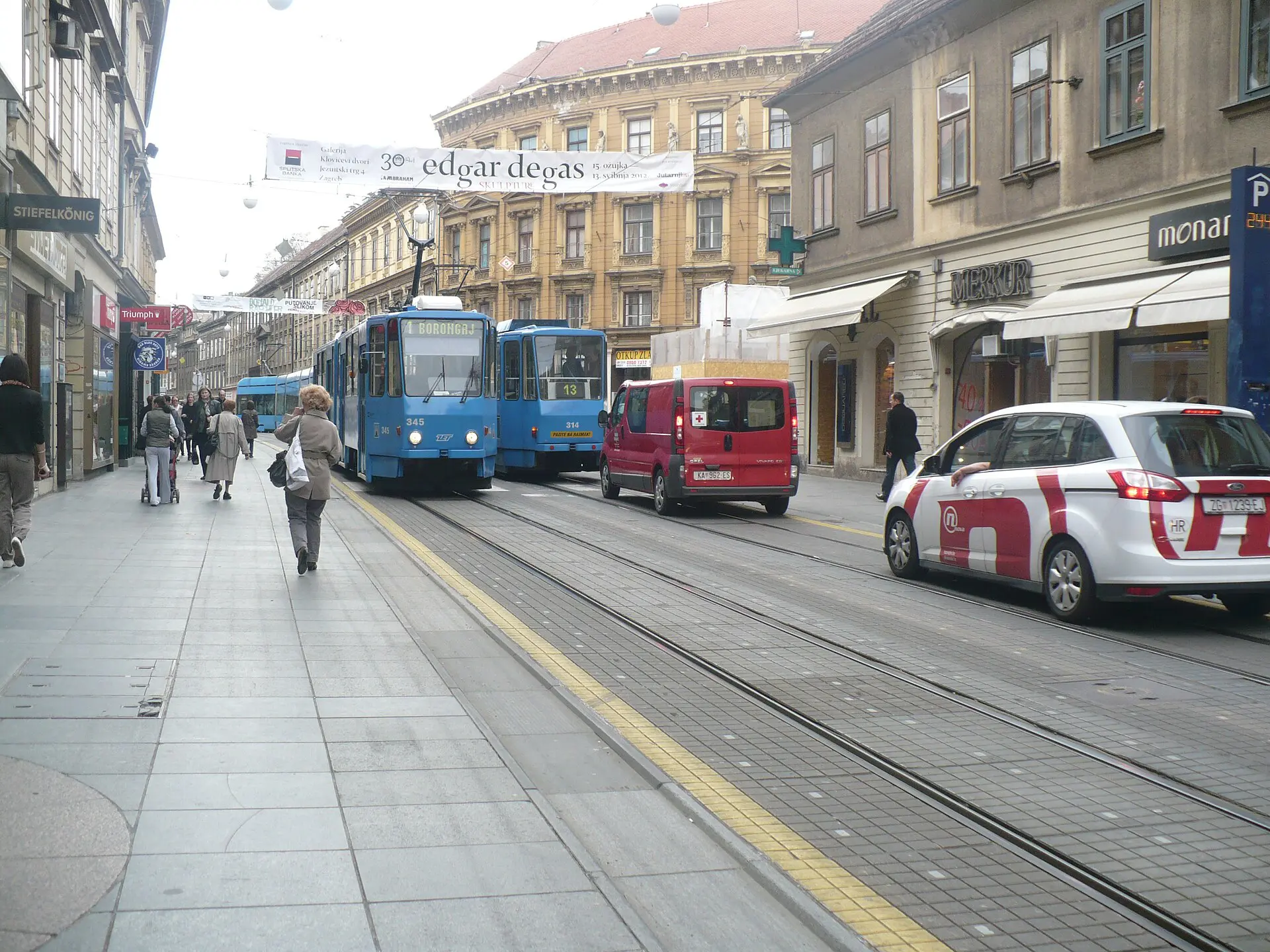
The central railway and bus stations are close to the Lower Town, within a walk or a short tram ride of the centre. Once in the city, walking covers most sights. The blue trams are the easiest public transport option for longer distances, and there are also buses and taxis. Tickets can usually be bought from kiosks or on board; check current rules. A funicular connects the Lower and Upper towns on a short, steep route.
Where to stay in Zagreb
The compact centre makes most areas convenient, so choose based on atmosphere.
- Lower Town: the practical choice, close to the main square, trams, cafes and the station. Good for first-time visitors and short stays.
- Upper Town: atmospheric, historic and quiet at night. Suits couples and travellers who value setting over convenience, but the cobbled hill can be tiring with luggage.
- Around Ilica street: a long, lively street with shops and restaurants, convenient to both towns.
- Near the station: a good option for early trains and budget hostels or apartments, with a short walk to the centre.
Book ahead for December and for event weekends, and check whether a local tourist tax is added to your bill.
How many days do you need?
Two days is enough to see the main sights at a comfortable pace, and three days lets you add a day trip. One day is possible for a stopover, though you will rush the museums and market.
- Day 1: Start at Ban Jelačić Square, browse Dolac Market, walk through the Upper Town and visit the cathedral, then have a long coffee or dinner in the Lower Town.
- Day 2: Visit one or two museums, spend time in a park such as Maksimir or Mirogoj, and explore the cafes along Ilica.
- Day 3: Take a day trip to Plitvice Lakes, or another town nearby, and return in the evening.
Start museum visits early, since many close in the late afternoon.
Day trips and nearby
Plitvice Lakes National Park
A national park of terraced lakes and waterfalls, usually reached in around two hours by road from Zagreb. Many visitors go for a full day by organised tour or rental car. Book entry in summer, wear sturdy shoes and check seasonal access.
Istria
The peninsula on the north Adriatic, with towns such as Rovinj and Pula, is further away. It is better as an overnight or longer stay than a day trip, and works well with a rental car.
Zadar and Split
These Dalmatian coastal cities are several hours away. Most visitors travel by bus, train or car and stay overnight. They combine well with a longer Croatian itinerary rather than a rushed day trip.
Dubrovnik
A long journey from Zagreb by road, and most travellers fly instead. Treat it as a separate stop on a coastal itinerary rather than a day trip.
FAQ
Q1How many days do you need in Zagreb?
Two days is enough to see the Upper Town, Lower Town, a market and a museum at a relaxed pace. A third day lets you add a day trip such as Plitvice Lakes. One day is possible but rushed.
Q2When is the best time to visit Zagreb?
Spring and early autumn are the most comfortable for walking, with mild weather and fewer crowds. December is popular for Advent markets, though cold. Summer is warm and quieter in the city but can be hot.
Q3How do you get to Zagreb?
Most visitors fly to Zagreb Franjo Tuđman Airport, then take an airport bus or taxi into town. Trains and buses also connect Zagreb with Ljubljana, Vienna, Budapest and Croatian coastal cities. Check current schedules before you book.
Q4Is Zagreb expensive?
It is usually cheaper than the Croatian coast and many Western European capitals. Expect mid-range costs of roughly EUR 80-150 per day. Cafes, markets and free sights keep costs low, while December and event weekends push prices up.
Prices, schedules and entry rules change. Check current details with official sources before you travel. Read the Croatia travel guide.