Why visit Bosnia and Herzegovina
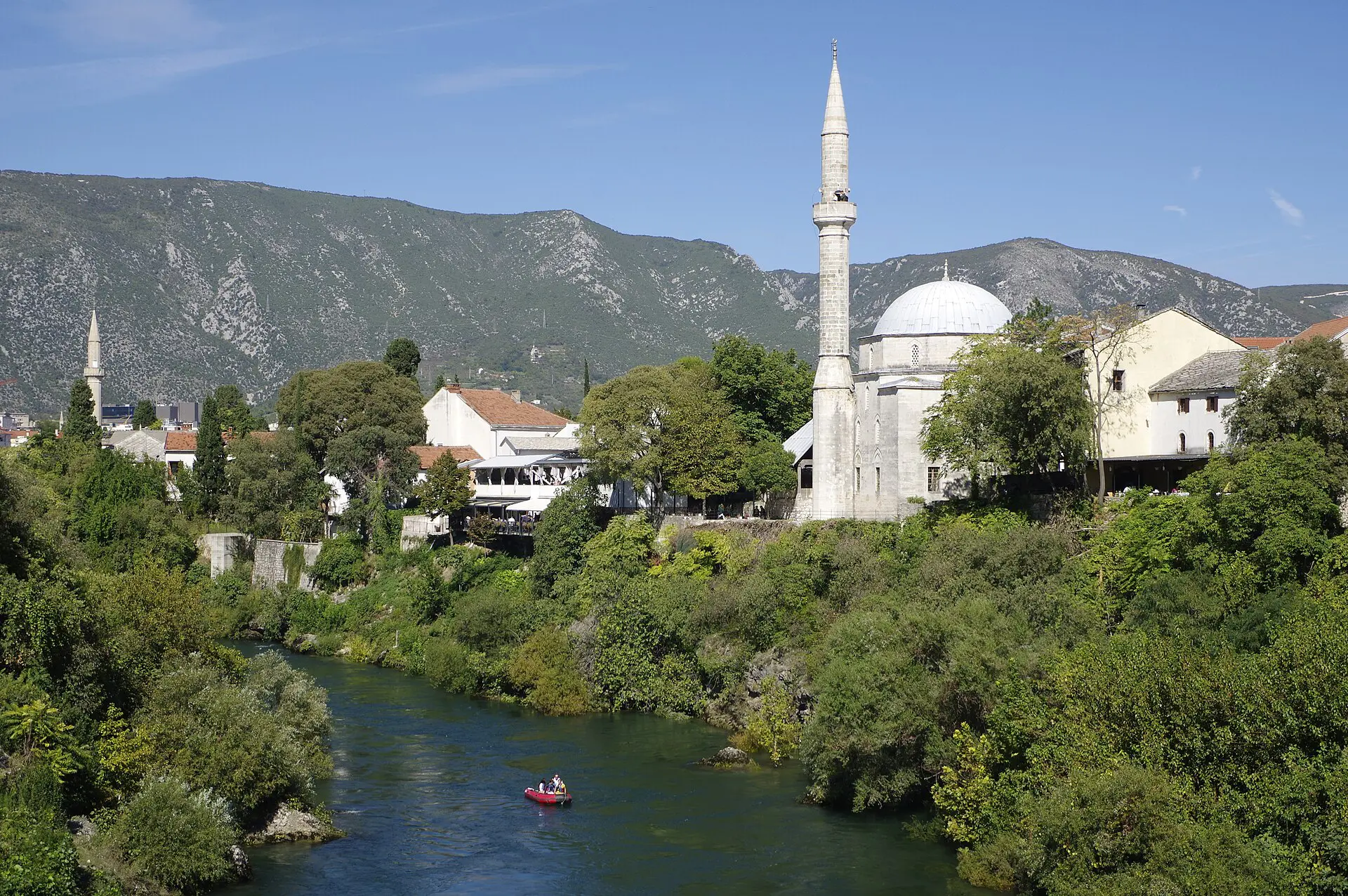
The best things to do in Bosnia and Herzegovina combine Ottoman bazaars, Austro-Hungarian boulevards, mountain rivers and sobering modern history. The country sits on the Balkan Peninsula, is mostly mountainous and has a tiny Adriatic coastline (see the Wikipedia overview). Mosques, Orthodox and Catholic churches and synagogues stand within a short walk of each other in Sarajevo.
It suits travellers who like cities with character, outdoor activity and honest conversations about the 1990s war, and who do not mind a few rough edges. Costs are low by European standards, and distances are short. Locals often shorten the name to BiH.
Best places to visit in Bosnia and Herzegovina
The best places to visit in Bosnia and Herzegovina are concentrated around Sarajevo, Mostar and the northwest.
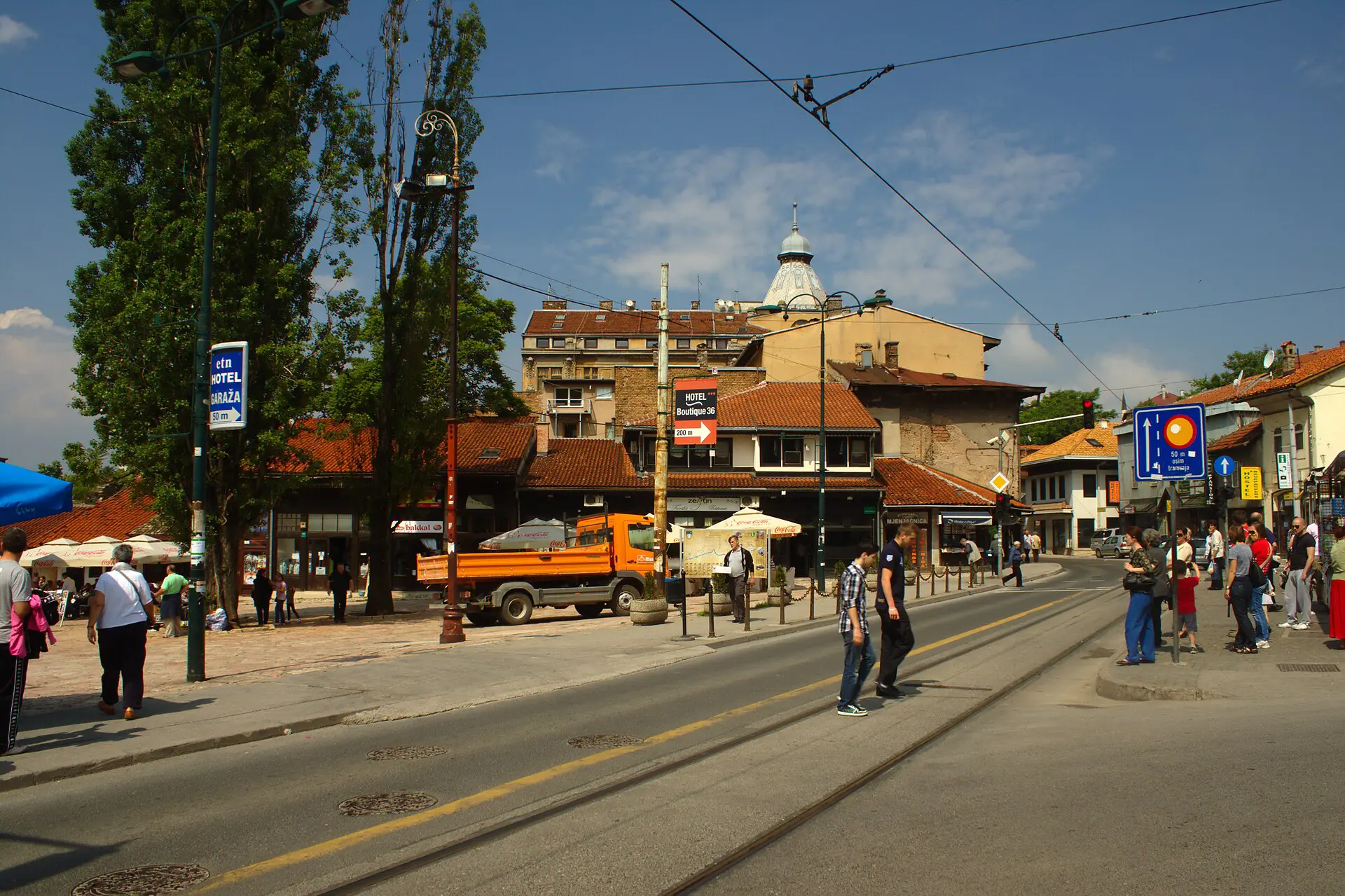
Sarajevo
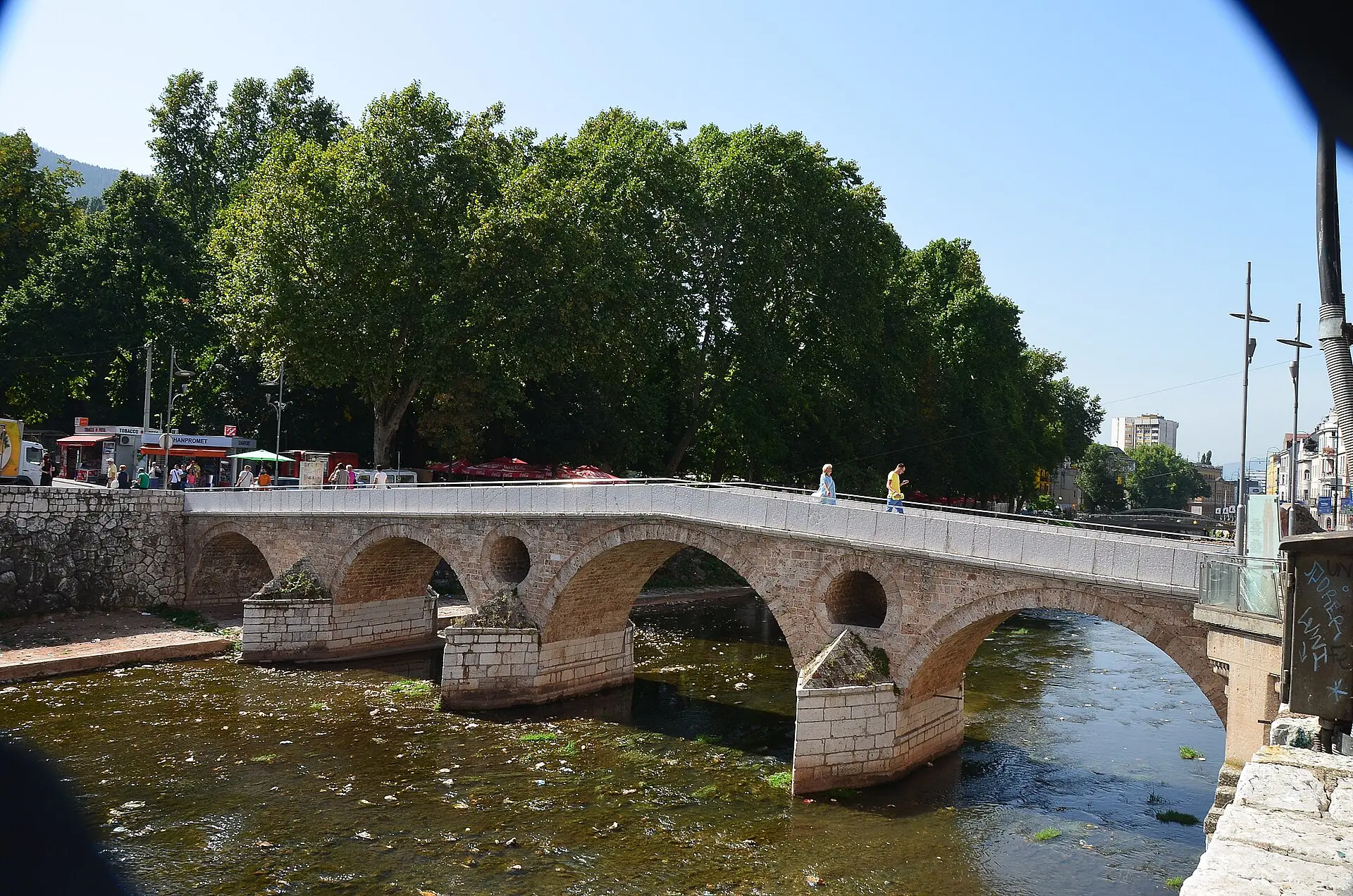
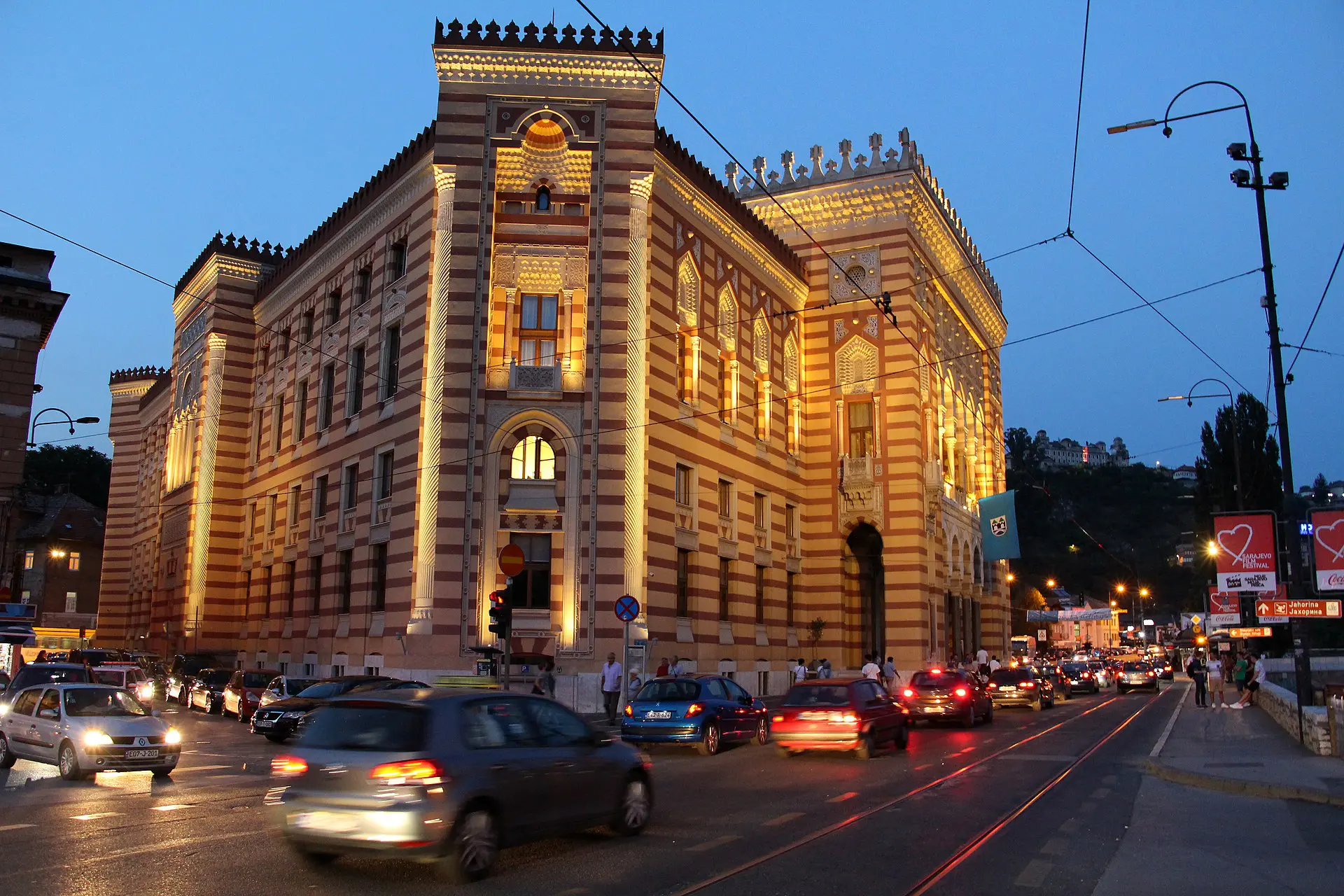
The capital’s Baščaršija bazaar, Latin Bridge and the Vijećnica City Hall show Ottoman and Austro-Hungarian layers. Museums and the Tunnel of Hope explain the 1992 to 1996 siege. Allow two to three days.
Mostar
The Old Bridge, rebuilt in 2004 after being destroyed in the war, is the heart of a town of stone alleys and Neretva river views. Diving from the bridge is a local tradition.
Jajce
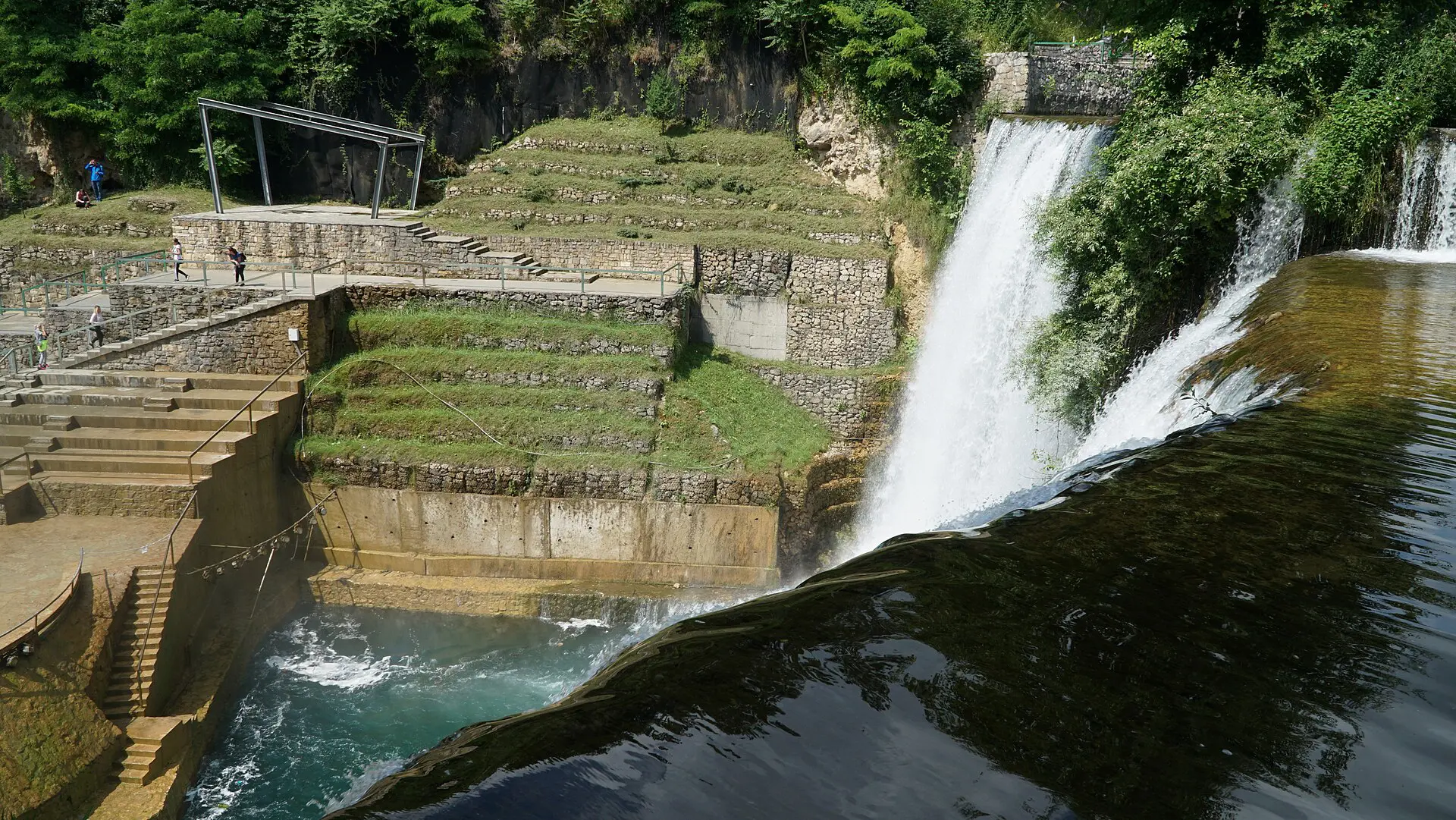
A hilltop fortress town with a waterfall tumbling into the Vrbas confluence, a medieval citadel and catacombs. It is an easy stop on the way north.
Una National Park and Bihać
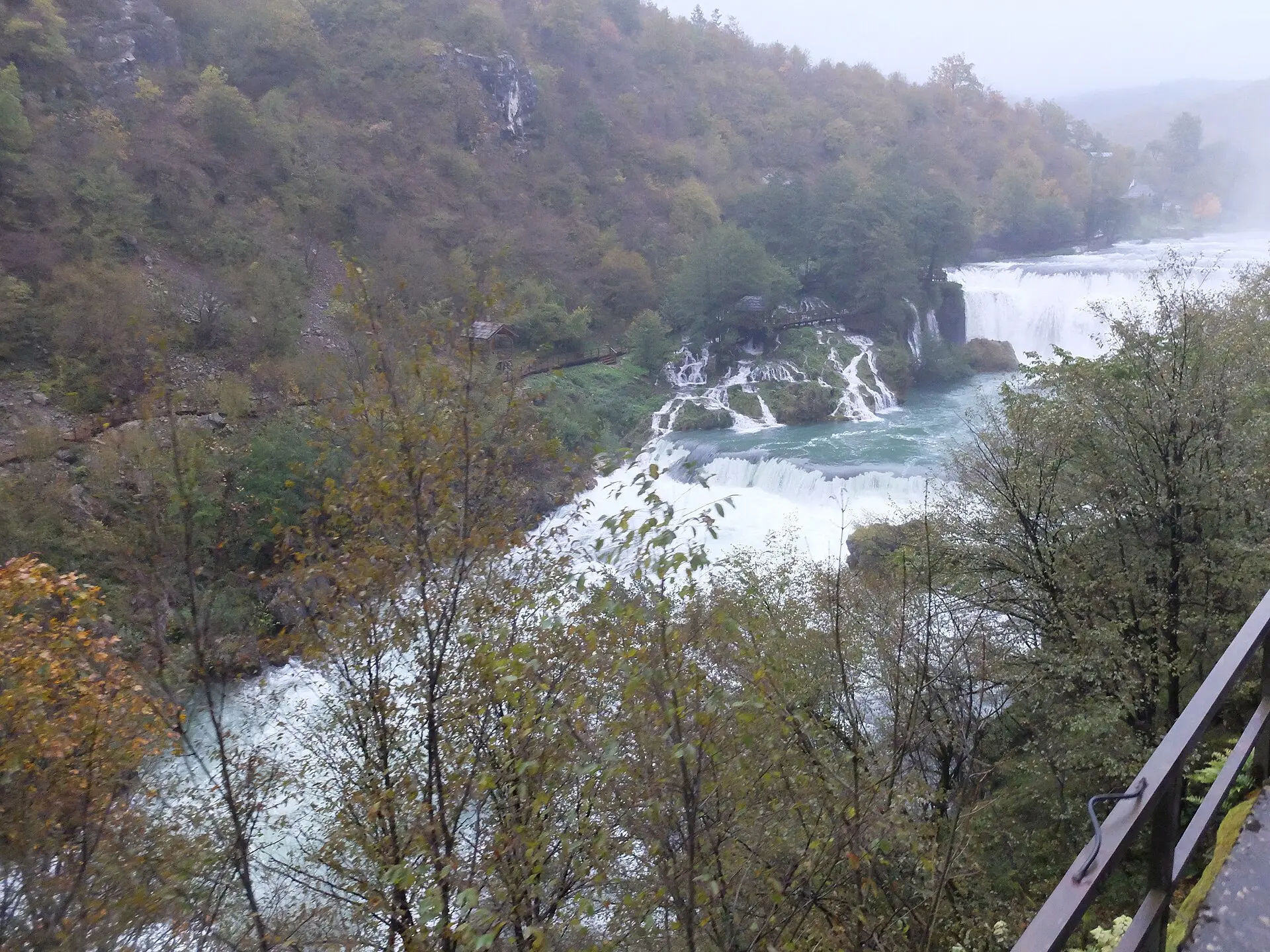
Emerald rivers, tufa falls such as Štrbački buk and rafting make this the best nature stop in the northwest.
Počitelj and Blagaj
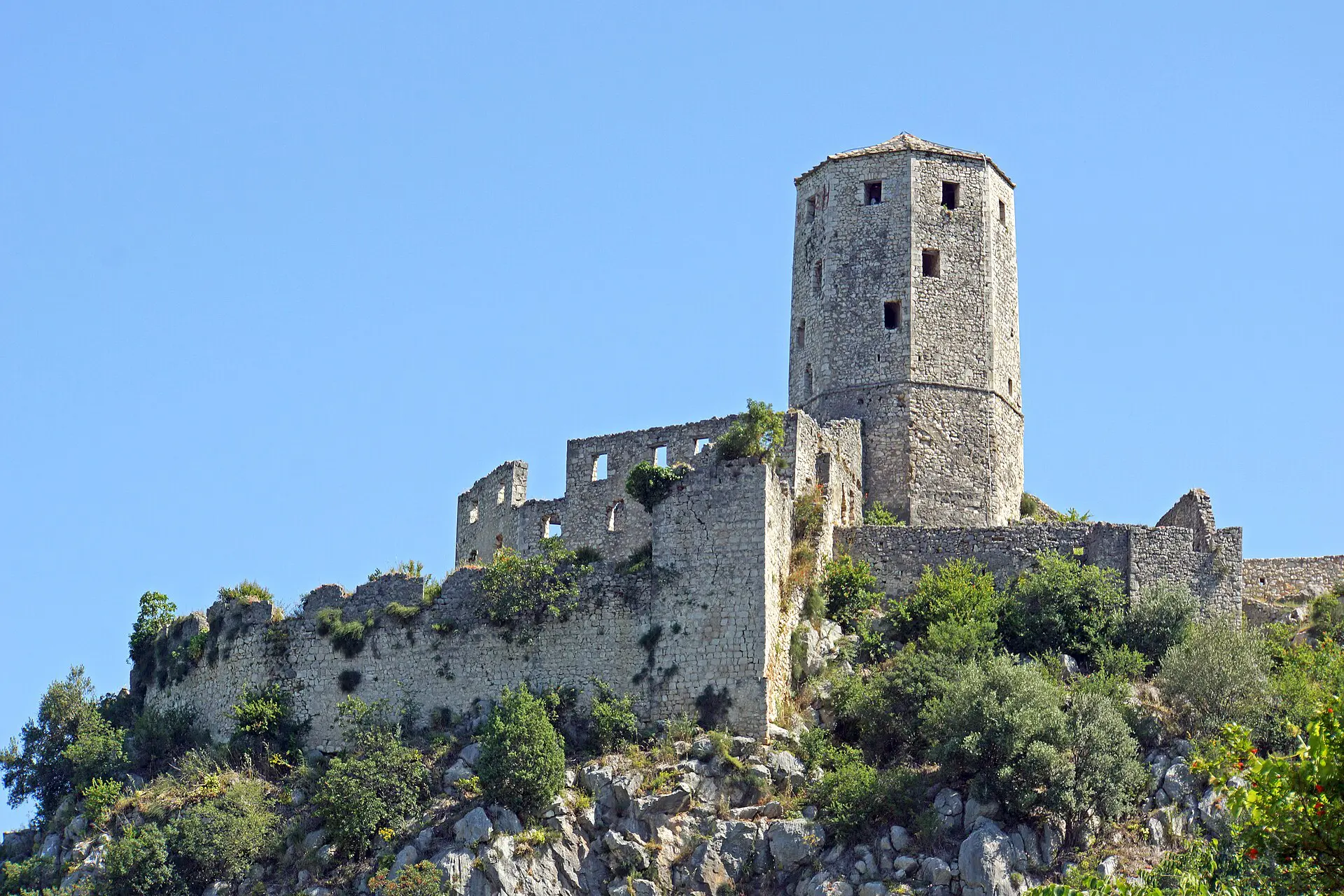
Počitelj is a hillside Ottoman village, and Blagaj has a dervish house at the source of the Buna river.
Top things to do in Bosnia and Herzegovina
The top things to do in Bosnia and Herzegovina mix old towns, rivers and food, and most can be reached by short drives.
- Wander Baščaršija: Sarajevo’s old bazaar has coppersmiths, cafés and the Sebilj fountain.
- Visit the Tunnel of Hope: a museum at a wartime supply tunnel near Sarajevo airport.
- Watch the Old Bridge in Mostar: catch the summer divers and cross at sunset.
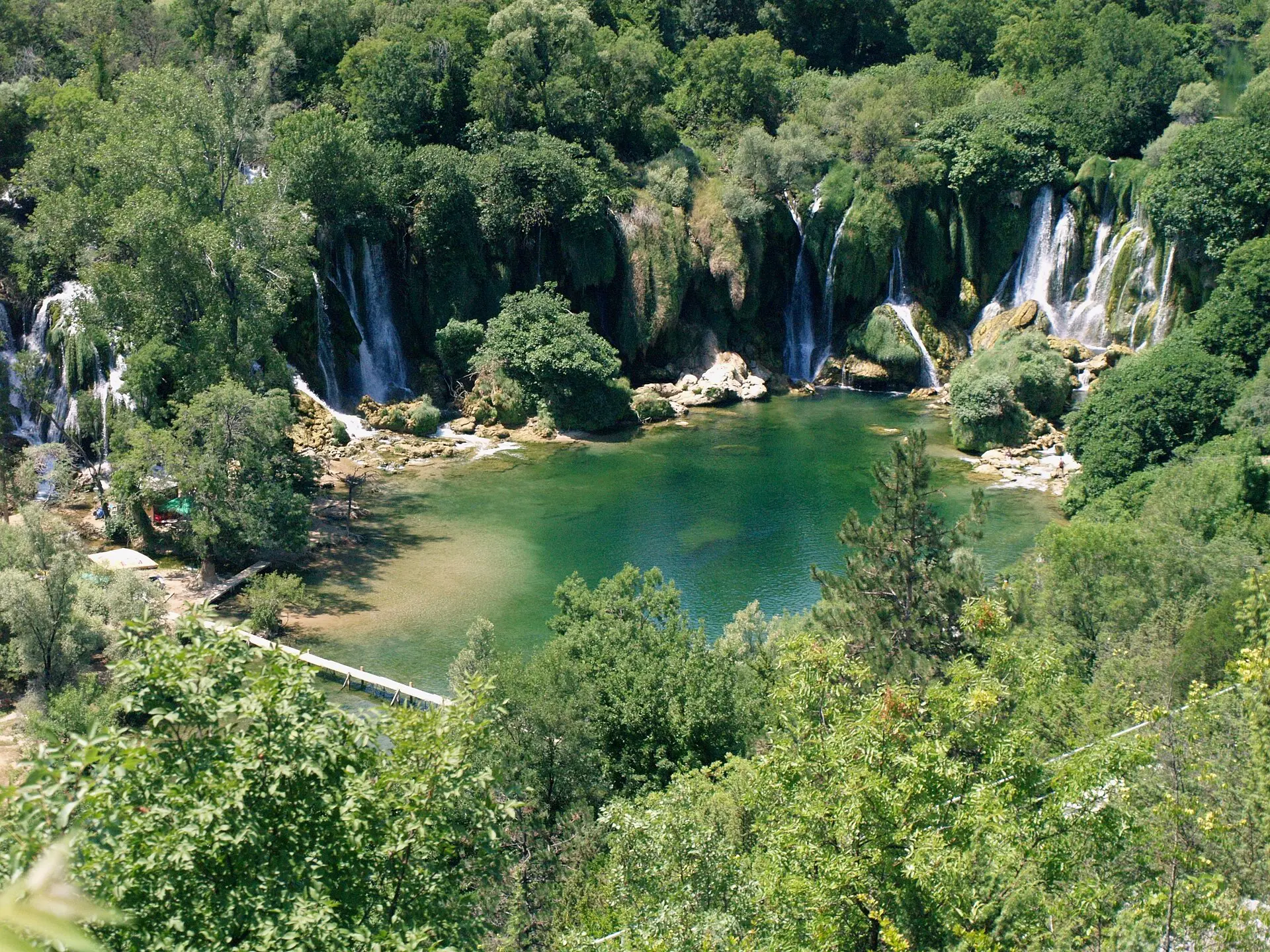
- Swim at Kravica waterfall: a wide, 25-metre tufa curtain south of Mostar, best in summer.
- Walk to Pliva waterfall in Jajce: a 20-metre drop in the town centre.
- Raft or hike in Una National Park: clear rivers and walking trails around Bihać.
- Visit Blagaj Tekke: a dervish monastery below a cliff.
- Take the Trebević cable car: views over Sarajevo, subject to operating days.
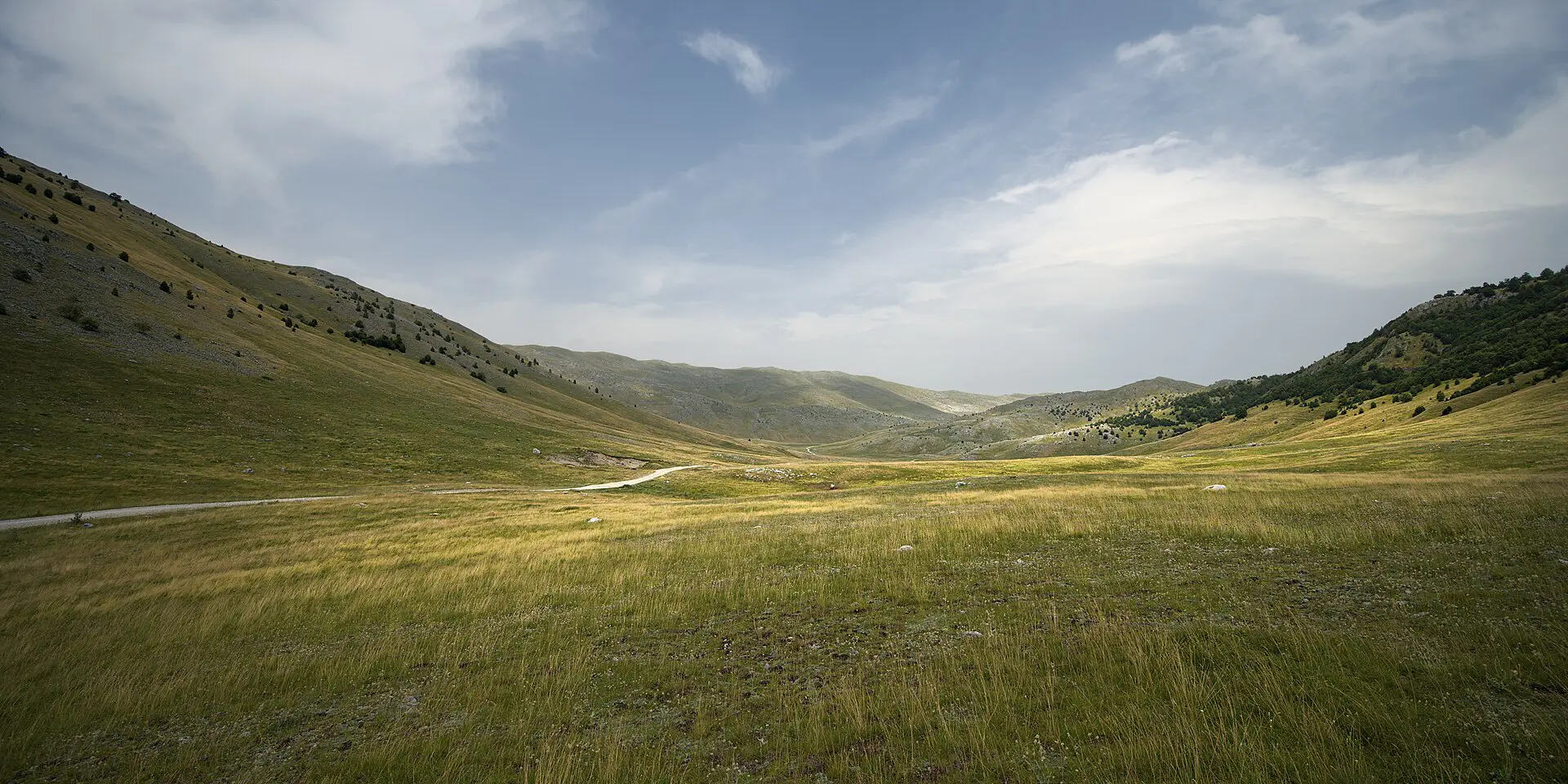
- Hike Lukomir or Sutjeska: mountain villages and wild national parks.
Best time to visit Bosnia and Herzegovina
The best time to visit Bosnia and Herzegovina is May to June and September to October, when days are warm, towns are comfortable and rivers are at their prettiest. July and August are hot, especially in Mostar, where temperatures regularly exceed 35 C. Winters are cold and snowy inland, with skiing near Sarajevo.
| Season | Weather | Crowds and prices | Good for |
|---|---|---|---|
| Spring (Apr-Jun) | Mild, some rain early | Moderate | Cities, rivers, hiking |
| Summer (Jul-Aug) | Hot in Herzegovina, warm in the hills | Highest, coach groups in Mostar | Swimming, rafting, waterfalls |
| Autumn (Sep-Oct) | Warm, clear, colourful foliage | Falling | Culture, hiking, wine |
| Winter (Nov-Mar) | Cold, snow in the mountains | Low, except ski resorts | Skiing, Sarajevo cafés |
Sarajevo’s film festival in August brings extra visitors and higher hotel prices.
Is Bosnia and Herzegovina safe to visit?
Is Bosnia and Herzegovina safe? Yes, for most visitors, and violent crime against tourists is rare. The key hazard is landmines left from the 1990s war in some rural areas. Stay on marked roads and paths, and never step into abandoned buildings or overgrown fields. Check your government’s travel advice, such as the UK FCDO or US State Department, before booking.
Landmines. Hiking and camping away from established trails, especially near former front lines, needs local advice. Look for yellow warning signs and follow them.
Theft and scams. Pickpocketing in busy bazaars and overcharging by some taxis occur. Agree fares or use a ride-hailing app.
Roads. Mountain roads are narrow, fog and ice are common in winter, and overtaking can be aggressive.
Politics. Political tensions between entities continue, but they rarely affect tourists. Avoid demonstrations.
Bosnia and Herzegovina visa and entry requirements
Entry rules depend on nationality. Citizens of the EU, UK, US and many other countries have generally been able to enter visa-free for stays of up to 90 days, but rules change, so check with the Bosnia and Herzegovina Ministry of Foreign Affairs or your nearest embassy before travelling.
Bring a passport valid for the length of your stay, and register with the police through your accommodation, which usually handles this automatically. If you travel by car, bring your driving licence, vehicle papers and a green card for insurance, and check whether your rental company allows cross-border trips. Land borders with Croatia, Serbia and Montenegro are common entry points, with queues in summer, especially at the Croatian border near Neum.
The UNESCO page for Bosnia and Herzegovina is useful for heritage planning but does not cover entry rules.
Getting to and around Bosnia and Herzegovina
Sarajevo International Airport is the main gateway, with budget and full-service flights to many European cities. Tuzla, Banja Luka and Mostar airports have limited service. Many travellers also arrive by road from Dubrovnik (about 3 hours to Mostar), Split or Belgrade.
Buses connect the main towns, and a train line between Sarajevo and Mostar runs scenic services, though schedules are limited. Sarajevo to Mostar takes about 2 to 2.5 hours by road, Sarajevo to Jajce about 3 hours, and Mostar to Kravica waterfall about 45 minutes. A rental car gives the most freedom for waterfalls and villages, but allow extra time on mountain roads. Taxis in Sarajevo are cheap, and apps are available.
How much does a trip to Bosnia and Herzegovina cost?
Bosnia and Herzegovina is one of the cheaper countries in Europe. The currency is the convertible mark (BAM, KM), which is pegged to the euro, and card payments are common in cities though cash is useful elsewhere. Figures are rough per-person guides.
- Budget: around EUR 25 to 40 per day, with hostels, bakery meals and buses.
- Mid-range: around EUR 40 to 75 per day, with private rooms, restaurant meals and some car hire or taxis.
- High-end: from around EUR 100 per day, with boutique hotels and private drivers.
Accommodation in Sarajevo and Mostar is the biggest cost, and it rises in summer. Meals are inexpensive, and a plate of ćevapi usually costs only a few euros. Rental cars add flexibility but cost more.
Bosnia and Herzegovina food and drink
Bosnia and Herzegovina food is Ottoman-influenced, meat-forward and generous, with strong coffee culture.
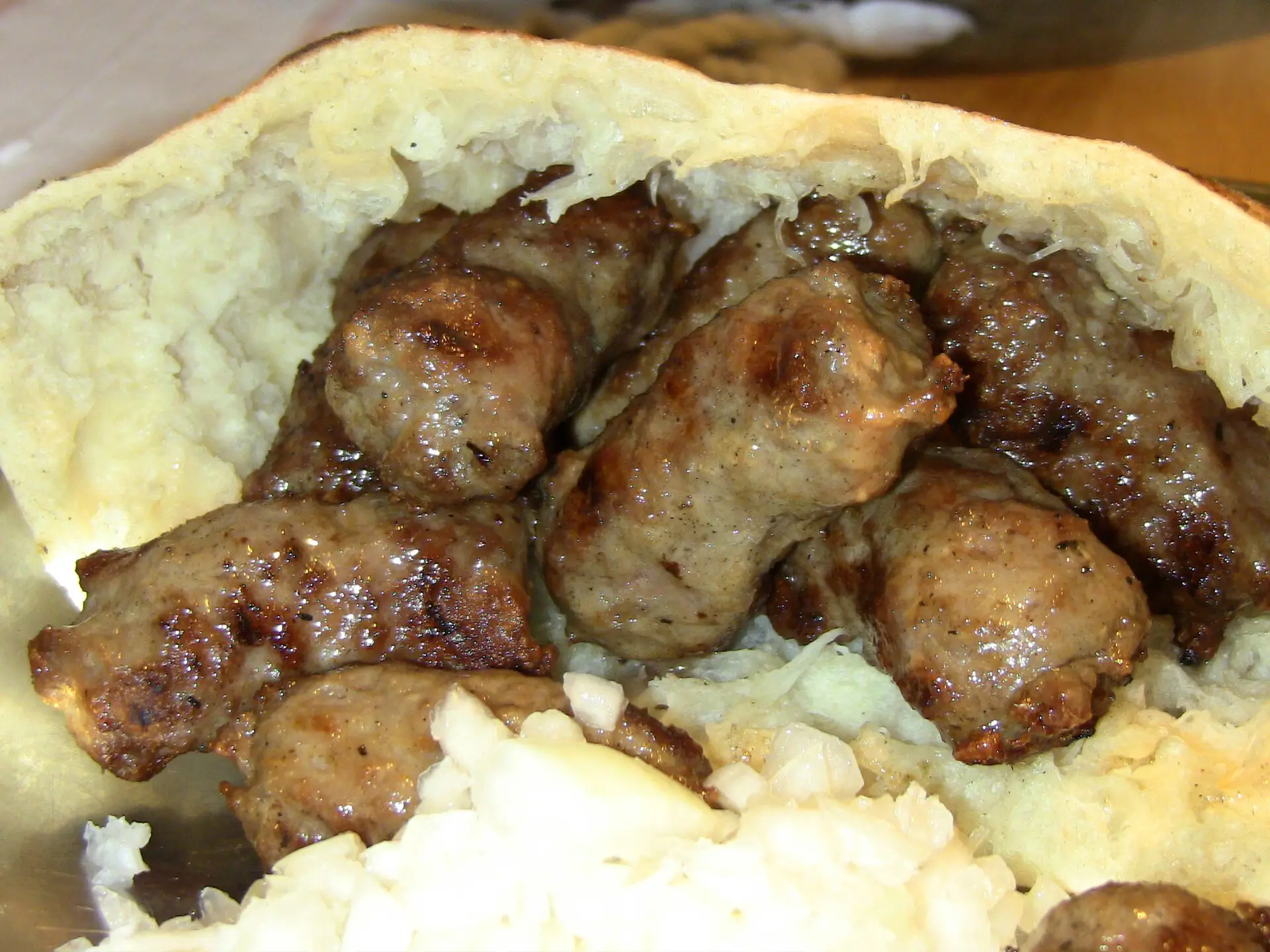
- Ćevapi: small grilled minced-meat sausages in flatbread (somun) with onions and kajmak.
- Burek and pita: filo pastry with meat (burek) or cheese, spinach or potato (sirnica, zeljanica, krompiruša).
- Begova čorba: a creamy chicken and okra soup.
- Dolma and sarma: vegetables or cabbage rolls stuffed with rice and minced meat.
- Klepe: Bosnian dumplings with yoghurt and garlic.
- Tufahija: a baked apple stuffed with walnuts and topped with cream.
- Bosnian coffee: served in a copper pot with a sugar cube and Turkish delight.
- Rakija: a fruit brandy, usually plum.
Vegetarians can find cheese pita, grilled vegetables and beans, though meat is hard to avoid in traditional restaurants. Pork is not served in some Muslim-run places.
Culture, language and etiquette in Bosnia and Herzegovina
Bosnian, Croatian and Serbian are the official languages, and they are mutually intelligible. English is widely spoken by younger people and in tourism. The country is home to Bosniaks, Serbs and Croats, with Muslim, Orthodox and Catholic communities, and also a small Jewish community in Sarajevo.
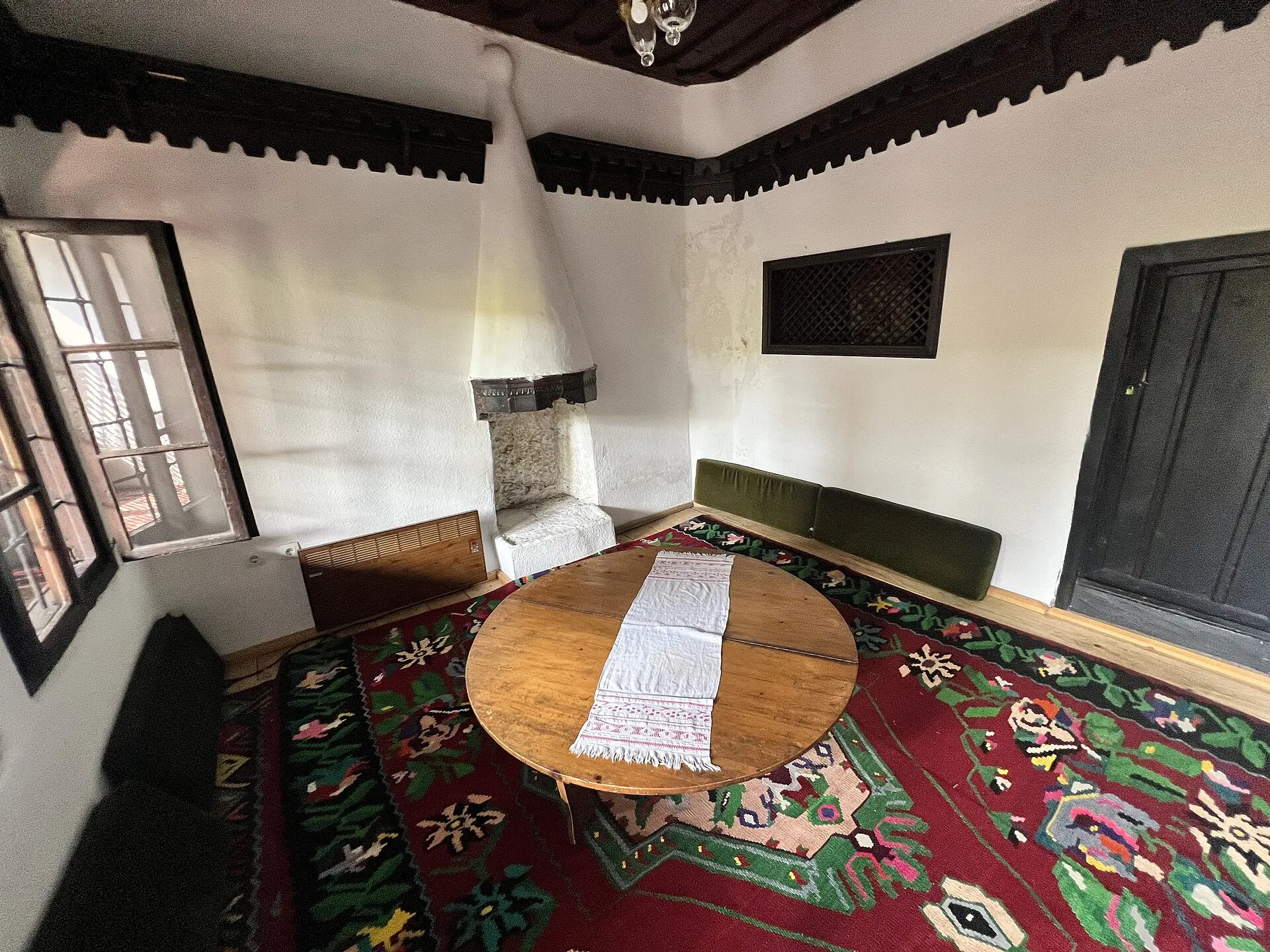
Hospitality is a core value, and guests are offered coffee, sweets or rakija. Accept at least a coffee. Dress modestly in mosques and churches, and remove shoes at mosque entrances. Be careful when discussing the war: listen first, avoid taking sides and treat memorials, such as those at Srebrenica, with quiet respect. Smoking indoors is still common. Ask before photographing people, and greet with a handshake and eye contact.
Bosnia and Herzegovina itinerary: a 7-day route
This route runs from Sarajevo to Mostar and then northwest to Jajce, with roads that are mostly good but slow.
- Day 1, Sarajevo: arrive, walk Baščaršija and the Latin Bridge, and eat ćevapi.
- Day 2, Sarajevo: visit the Vijećnica, a museum on the siege and the Tunnel of Hope.
- Day 3, Mostar: travel about 2.5 hours, stopping at Jablanica, then see the Old Bridge in the evening.
- Day 4, Blagaj and Počitelj: visit the dervish house and the hillside village.
- Day 5, Kravica: swim at the waterfall in the morning, then drive back toward Sarajevo or stay in Mostar.
- Day 6, Travnik and Jajce: drive about 3 to 4 hours with a stop in Travnik, and see the old town.
- Day 7, Jajce and return: visit Pliva waterfall and the fortress, then allow about 3 hours to Sarajevo.
In winter, replace Kravica with a day of skiing at Jahorina or Bjelašnica.
Practical tips for Bosnia and Herzegovina
- Money: the convertible mark (KM) is the local currency; ATMs are plentiful in towns, and cards are accepted in most restaurants and hotels, but carry cash for rural stops.
- SIM and eSIM: local prepaid SIMs and eSIMs are cheap, and check EU roaming rules for your plan.
- Plugs: types C and F at 230 V.
- Tipping: not required, but rounding up or leaving around 10 percent is appreciated.
- Health: bring insurance, sunscreen and a first-aid kit; pharmacies are common in towns.
- Packing: comfortable shoes for cobbles, a layer for mountain evenings and swimwear for waterfalls.
- Driving: traffic drives on the right, and winter tyres are required in the cold season.
For wider background, see the Wikivoyage Bosnia and Herzegovina guide.
FAQ
Q1What are the best things to do in Bosnia and Herzegovina?
Walk Sarajevo's Baščaršija bazaar, see the Old Bridge in Mostar, swim at Kravica waterfall, visit Jajce and Una National Park, and learn about the 1990s war at the Tunnel of Hope. Add Blagaj and Počitelj for Ottoman-era villages.
Q2Is Bosnia and Herzegovina safe?
Yes for most visitors, and violent crime against tourists is rare. The main hazard is leftover landmines in some rural areas, so stay on marked paths. Expect some petty theft in busy places. Check your government's current travel advice before you go.
Q3What is the best time to visit Bosnia and Herzegovina?
May to June and September to October are best, with warm weather and fewer crowds. July and August are hot, especially in Mostar. Winters are cold and snowy but good for skiing near Sarajevo. Spring can be rainy.
Q4What is Bosnia and Herzegovina food like?
Bosnia and Herzegovina food is Ottoman-influenced and meat-heavy. Try ćevapi in flatbread, burek and pita, begova čorba soup, dolma, klepe dumplings, baklava and strong Bosnian coffee. Vegetarians can eat cheese pita and vegetables.
Q5Do I need a visa for Bosnia and Herzegovina?
Citizens of the EU, UK, US and many other countries have generally been able to enter visa-free for up to 90 days. Rules change and depend on nationality, so confirm with the official immigration source or an embassy before booking.
Q6How many days do you need in Bosnia and Herzegovina?
Seven days covers Sarajevo, Mostar, Blagaj, Kravica and Jajce at a comfortable pace. Four days suffice for Sarajevo and Mostar only. Add two to three days for Una National Park or hiking in the mountains.