
Why visit Sarajevo
If you are searching for things to do in Sarajevo, the first thing to know is how much fits into a small area. The capital of Bosnia and Herzegovina lies along the Miljacka River in a valley surrounded by the Dinaric Alps, and its historic centre can be crossed on foot in under an hour.

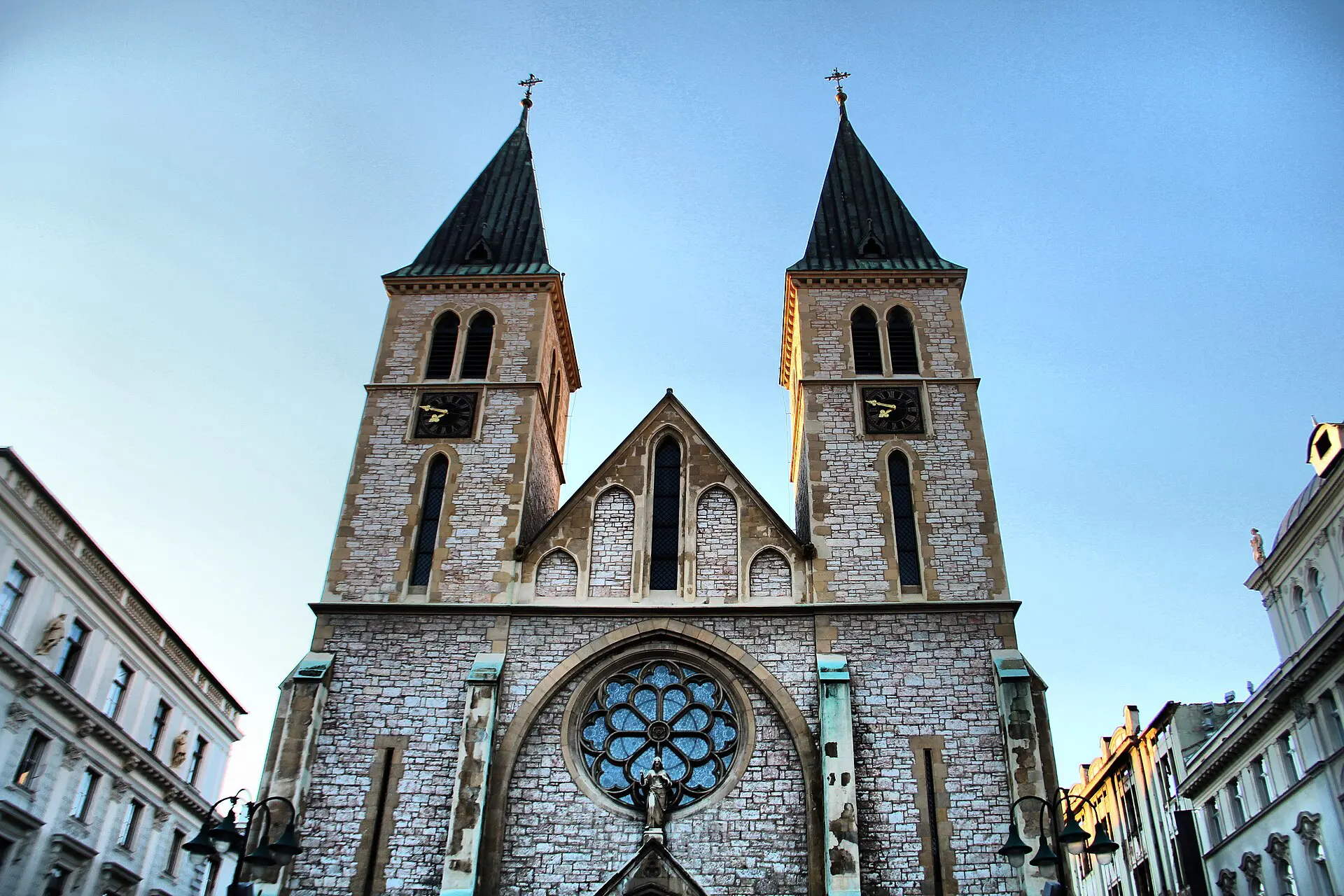
Sarajevo is sometimes called the Jerusalem of Europe because a mosque, a Catholic church, an Orthodox church and a synagogue stand within the same neighbourhood. Ottoman-era lanes with coppersmiths and coffee houses give way to Austro-Hungarian boulevards, and the city also carries the memory of the 1990s siege, which is visible in museums and memorials.
Travel writers describe Sarajevo as very tourist friendly, especially its pedestrian old town, and as a cosmopolitan European capital with an Eastern twist. It suits travellers who enjoy history, good food and slow evenings, and it works well as a base for exploring the rest of Bosnia and Herzegovina.
Top things to do in Sarajevo

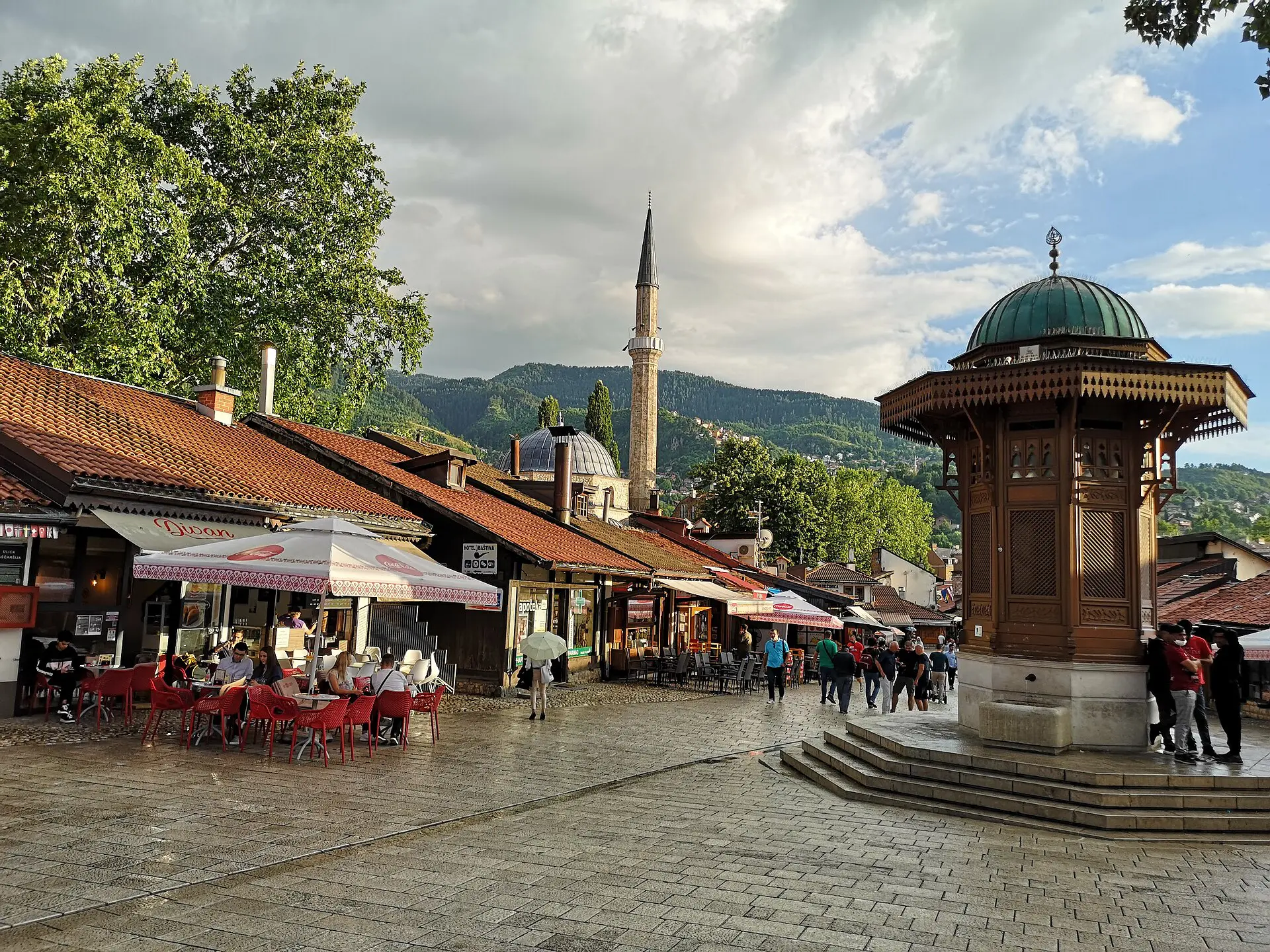
Baščaršija and the Sebilj
The old Ottoman bazaar is the heart of the city, with narrow lanes of coppersmiths, cafes and shops around the wooden Sebilj fountain. Allow two hours. Go in the morning for quiet lanes or in the evening for atmosphere, and try Bosnian coffee in a traditional cafe.
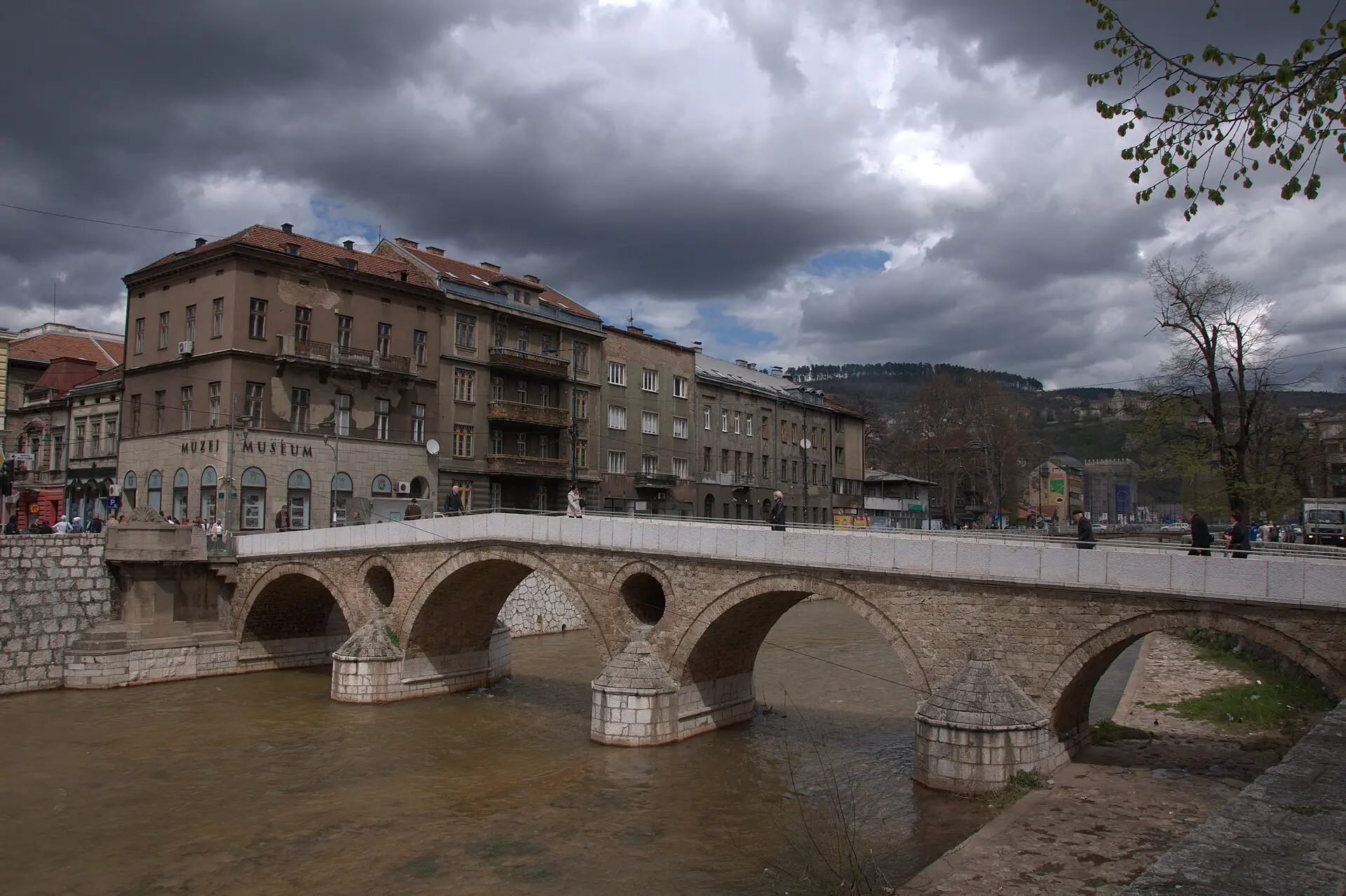
Latin Bridge and the Miljacka riverside
This stone bridge is near the spot linked to the assassination of Archduke Franz Ferdinand in 1914, an event often connected with the start of the First World War. A short stop takes about 20 minutes. A walk along the river gives you views of both Ottoman and Austro-Hungarian architecture.
Gazi Husrev-beg Mosque
One of the best-known Ottoman monuments in the Balkans, this mosque is central to the old town. Visitors are generally welcome outside prayer times. Dress modestly, remove your shoes and check current opening hours and any entrance fee.
Sarajevo Cathedral and Orthodox church
Walking between the Catholic cathedral, the Orthodox cathedral and a synagogue in a small area shows why the city earned its nickname. Allow about an hour. Dress modestly and avoid entering during services.
War Tunnel Museum
Located near the airport, this museum preserves part of the tunnel that connected the besieged city with the outside during the 1990s. Allow around 90 minutes. It is moving and best visited with some background, and a taxi or organised tour is the simplest way to reach it.
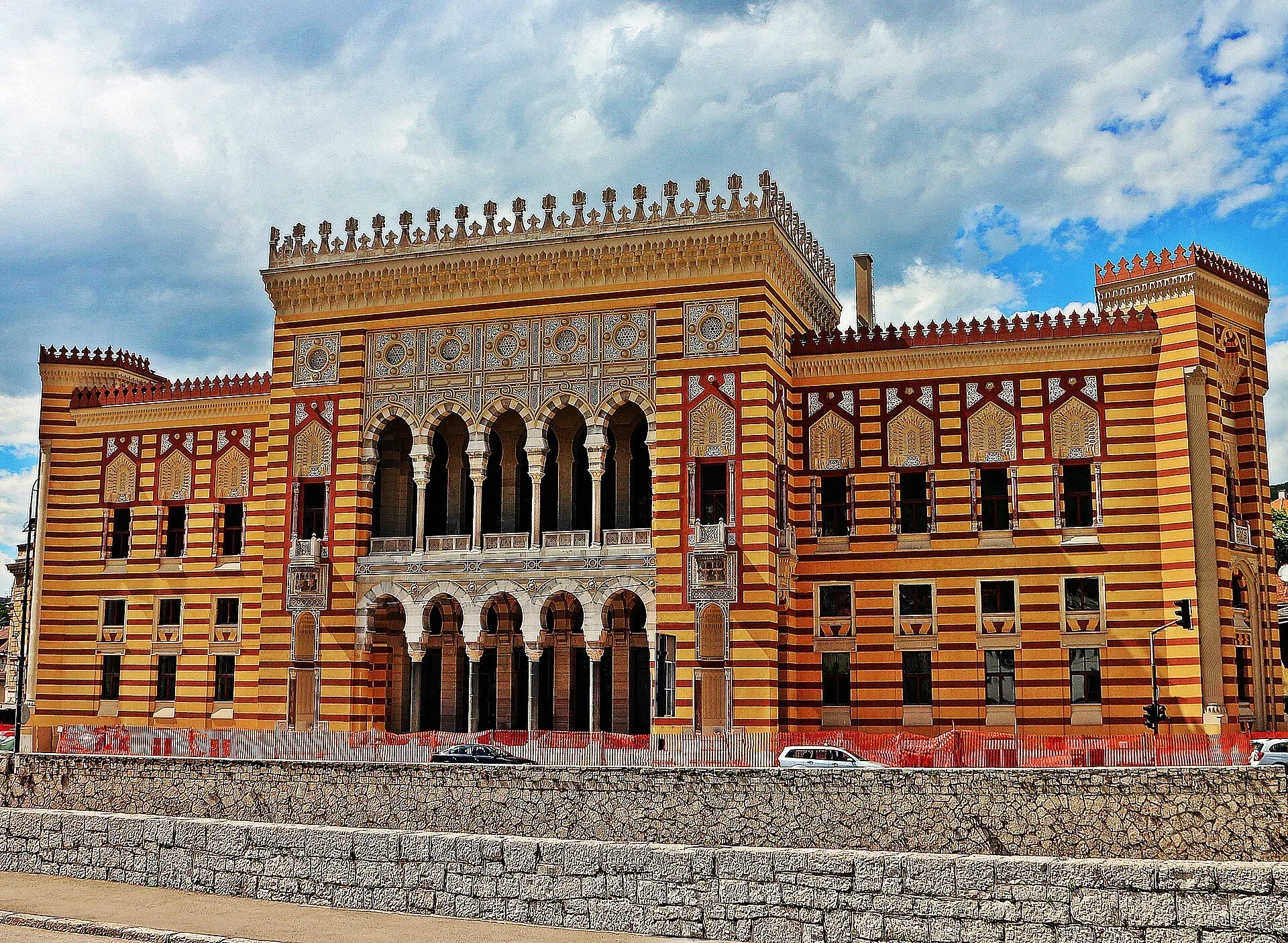
Vijecnica and the Miljacka promenade
The former city hall is a striking pseudo-Moorish building on the river. Check whether visits are possible and what the entry arrangements are. Allow 30 to 60 minutes for the building and a walk along the water.
Yellow Fortress and hill viewpoints
Climb to a hillside viewpoint above the old town, particularly at sunset, to see the valley, red roofs and minarets. Allow one to two hours, with a taxi or a short uphill walk. Bring water and sturdy shoes.
Best time to visit Sarajevo
Sarajevo has a continental climate with warm summers and cold, snowy winters. Late spring and early autumn, roughly May to June and September to October, offer the most comfortable temperatures for walking the old town and climbing the hills. July and August can be hot, though evenings are pleasant, and winter brings snow and a quieter, atmospheric city with nearby ski areas.
| Season | Weather | Crowds and prices |
|---|---|---|
| May to June | Mild to warm | Moderate crowds |
| July to August | Hot days, cooler evenings | Busy, higher prices |
| September to October | Mild, autumn colour | Moderate, good value |
| November to March | Cold, snow likely | Quiet, lower prices |
The Sarajevo Film Festival in August brings extra visitors, so book early if you plan to attend.
How to get to Sarajevo and around
Sarajevo International Airport is a short taxi ride from the centre and has flights to a number of European and regional hubs. Check current routes, because schedules change. Buses connect the city with other Bosnian towns and neighbouring countries, and there is a limited train service, so check timetables before relying on rail.
The old town is compact and best explored on foot. Trams and trolleybuses run along the main axis of the valley and are useful for reaching the outskirts and the area near the airport. Taxis are generally affordable, and ride-hailing may be available, but confirm the fare or insist on the meter.
For day trips to Mostar and other towns, buses are inexpensive, though a hired car or tour gives more flexibility and the mountain roads are scenic.
Where to stay in Sarajevo
The old town around Baščaršija is the most atmospheric base, with guesthouses, hostels and mid-range hotels within walking distance of nearly every sight. It suits first-time visitors, though evenings can be lively. The area around the main pedestrian streets and Ferhadija is a bit more modern and has a wider choice of hotels, shops and restaurants.

The residential hillside neighbourhoods offer quieter nights and views over the valley, and suit visitors who do not mind a short climb or taxi ride. Rooms near the main railway and bus stations are practical for early departures. Book ahead in August and during major festivals, and ask whether your accommodation is easy to reach on foot.
How many days do you need?
Two full days cover the main old town sights and key museums at a calm pace. A third day gives space for a viewpoint, a longer meal and a deeper look at recent history. Add a fourth day for Mostar if you plan to travel onward.
- Day 1: Baščaršija, Gazi Husrev-beg Mosque and the Latin Bridge, then coffee and dinner in the old town.
- Day 2: Cathedral, Orthodox church, Vijecnica and a walk along the river, then a hillside viewpoint at sunset.
- Day 3: War Tunnel Museum in the morning and a relaxed afternoon in the old town.
Day trips and nearby
Mostar
The town with the famous Old Bridge over the Neretva river lies about two to three hours away by road. It works as a full day trip or an overnight stay. Check current bus and train times.
Jajce
Jajce is a historic town with a medieval fortress and a waterfall in the town centre. It lies northwest of Sarajevo and suits a long day trip or an overnight stop.
Travnik
Travnik is a historic town with an old fortress and an Ottoman-era centre, within easy reach by road. It is often combined with a visit to Jajce.
Medjugorje
Medjugorje is a Catholic pilgrimage site in Herzegovina, usually visited on a tour or as part of a trip to Mostar. Allow a half day and respect the religious atmosphere.
FAQ
Q1When is the best time to visit Sarajevo?
Late spring and early autumn, roughly May to June and September to October, offer mild weather for walking the old town. Summer can be hot, and winter is cold and snowy, with fewer visitors and lower prices. The film festival in August is busy.
Q2How many days do you need in Sarajevo?
Two days is enough for the old town, the main mosques and churches, and a museum. Three days lets you add the War Tunnel Museum and a hillside viewpoint. Allow a fourth day for a trip to Mostar.
Q3How do you get to Sarajevo?
Most visitors fly into Sarajevo International Airport, a short taxi ride from the centre, or take a bus from nearby Balkan cities. Train service is limited, so check timetables. Entry rules depend on your nationality, so check official guidance before you go.
Q4Is Sarajevo safe and expensive?
Sarajevo is generally considered safe and tourist friendly, and costs are modest by Western European standards. Take normal city precautions, especially against pickpocketing in busy areas, and check current official travel advice. Be aware that some areas outside the city may still have unmarked hazards from the past war.
Prices, schedules and entry rules change. Check current details with official sources before you travel. Read the Bosnia and Herzegovina travel guide.