Why visit Albania
This Albania travel guide starts with the case for going: the country packs Ottoman stone towns, Roman and Greek ruins, a long Ionian coastline and genuine mountain wilderness into an area of about 28,700 square kilometres (see the Wikipedia overview for background). Tirana, the capital, is a short drive from the coast and a few hours from the highlands, so one trip can include a city break, a beach stay and a hike. Albanians call their country Shqipëria, the Land of the Eagles.
Albania suits travellers who want Mediterranean scenery without Mediterranean prices, and who are comfortable with some rough edges: patchy public transport, variable road quality and a tourism industry that is still growing quickly. It is best for independent travellers, road-trippers, hikers and anyone interested in 20th-century history, from communist-era bunkers to the country’s post-1992 reinvention.
Best places to visit in Albania
The best places to visit in Albania are spread across a country you can cross in a day, so most trips combine a city, a heritage town and a stretch of coast.
Berat
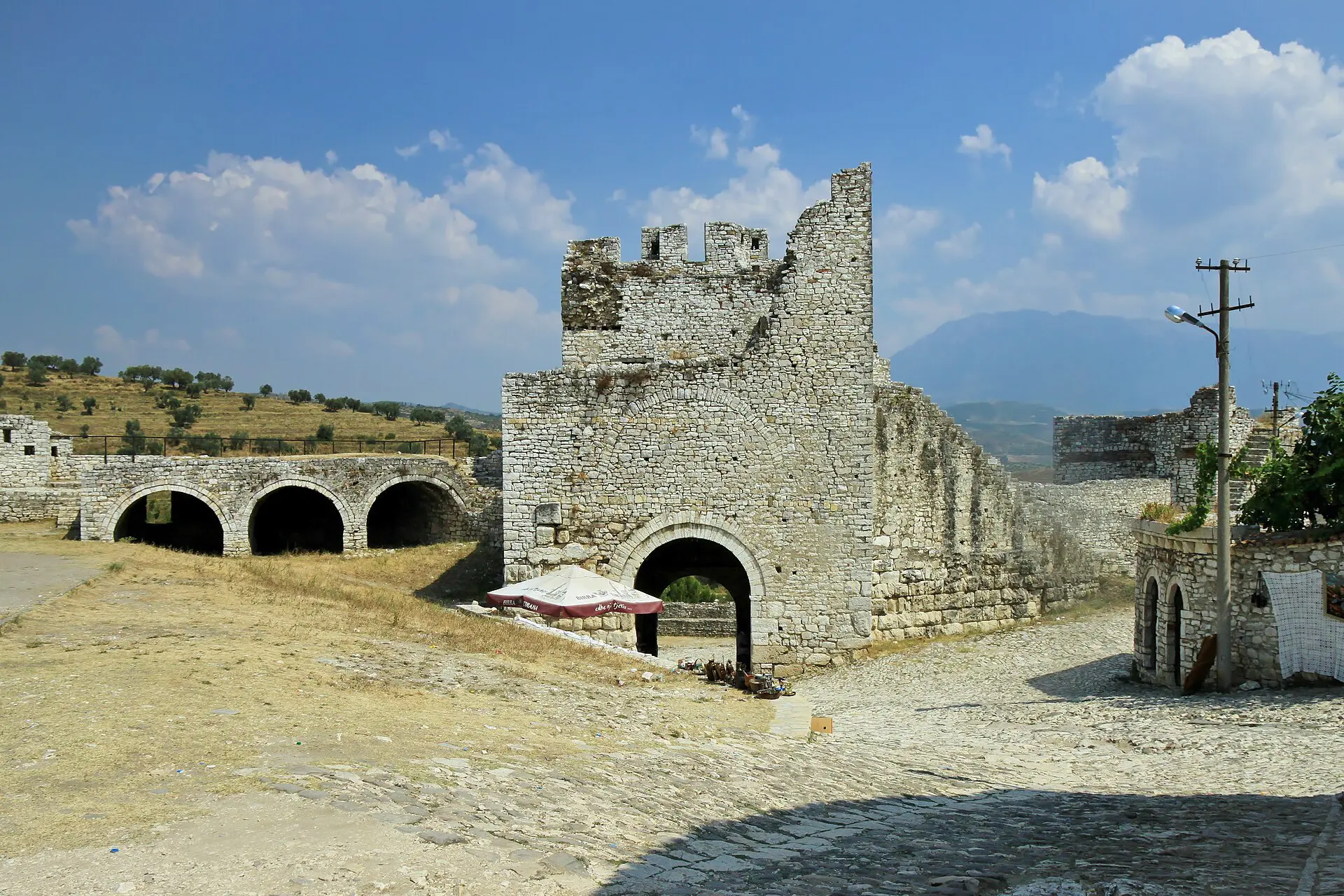
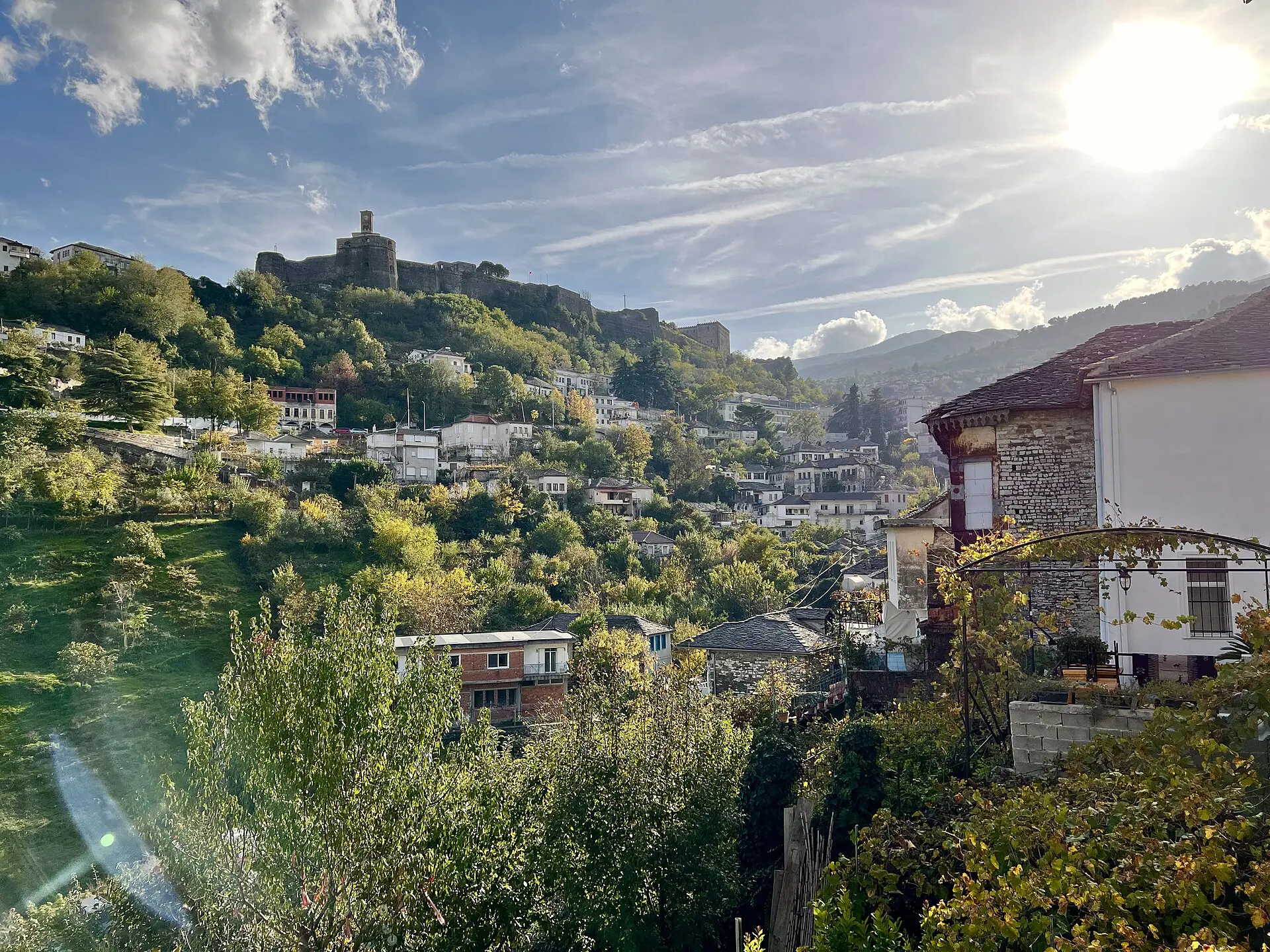
Known as the city of a thousand windows, Berat is a UNESCO-listed town of whitewashed Ottoman houses climbing a hillside above the Osum River. Its hilltop castle is still inhabited. Allow one night so you can walk the castle lanes in the evening, when day trippers have left.
Gjirokastër
The other UNESCO stone town sits in the south under a large fortress that now houses a military museum. Steep cobbled streets lead to fortified Ottoman townhouses, and the birthplaces of Enver Hoxha and the writer Ismail Kadare are museums. Two nights is comfortable.
Tirana
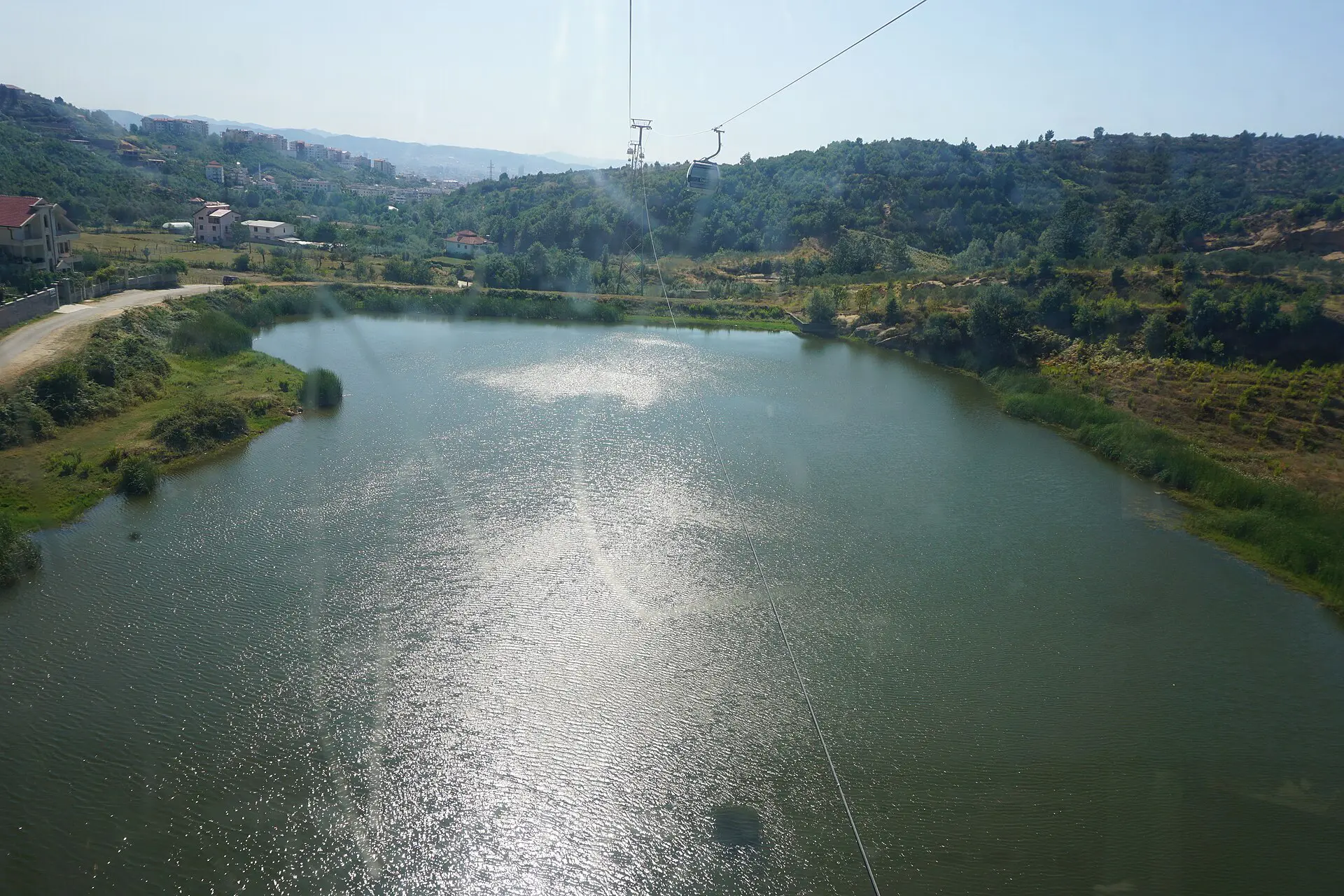
The capital mixes Ottoman, Italian and communist-era architecture with colourful cafés and nightlife. Skanderbeg Square is the centre, and the Mount Dajti cable car gives a view over the city and surrounding mountains.
Albanian Riviera
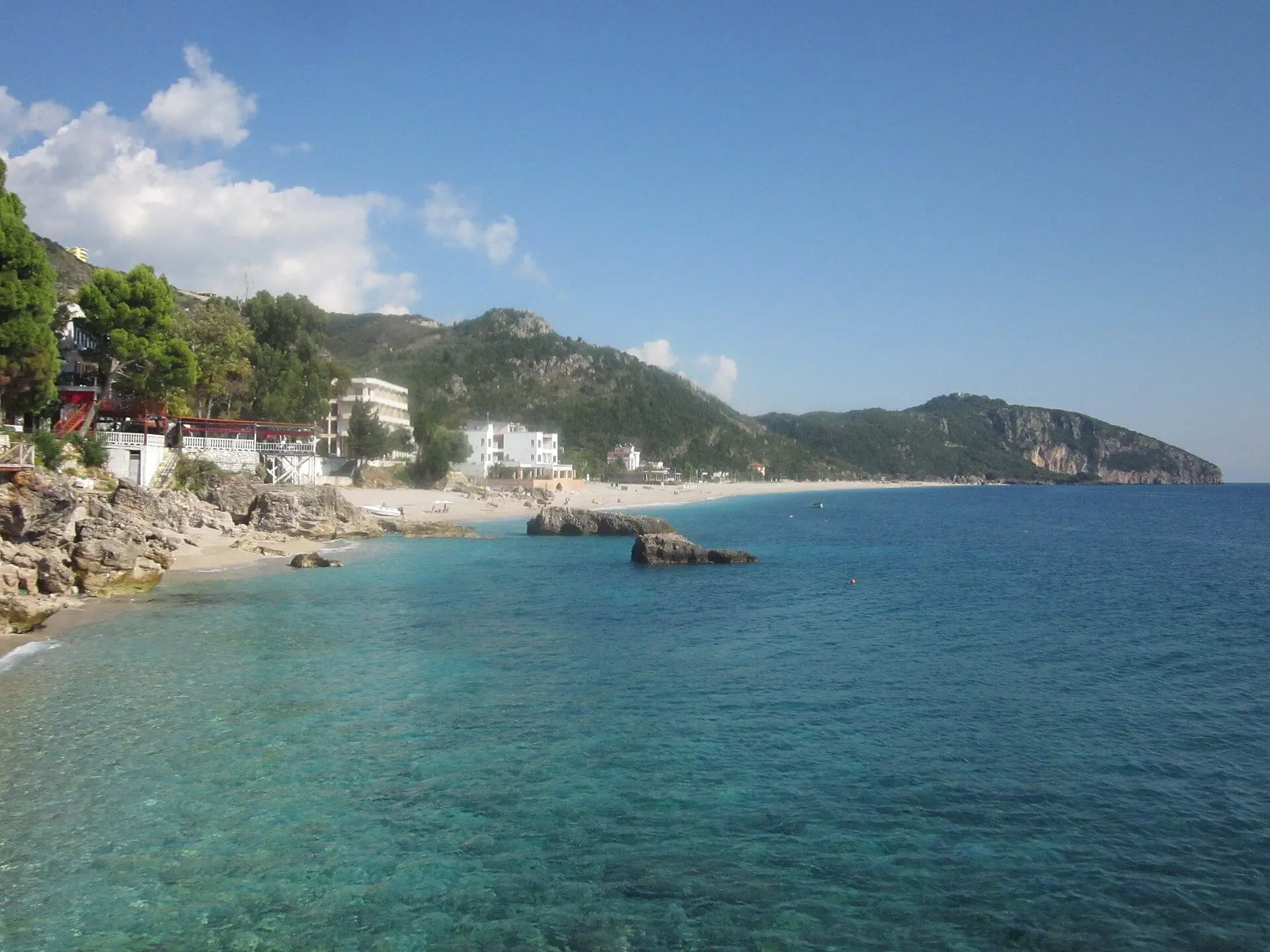
The coast from Vlorë to Sarandë has clear water and pebble beaches. Dhërmi is one of the best-known stops, and the road crosses the Llogara Pass with long sea views. Book ahead in July and August.
Butrint and Sarandë
Butrint, in the far south near the Greek border, is the country’s largest ancient site, with Greek, Roman and Byzantine layers beside a lagoon. Sarandë is the usual base, with ferry links to Corfu.
Shkodër and the Albanian Alps
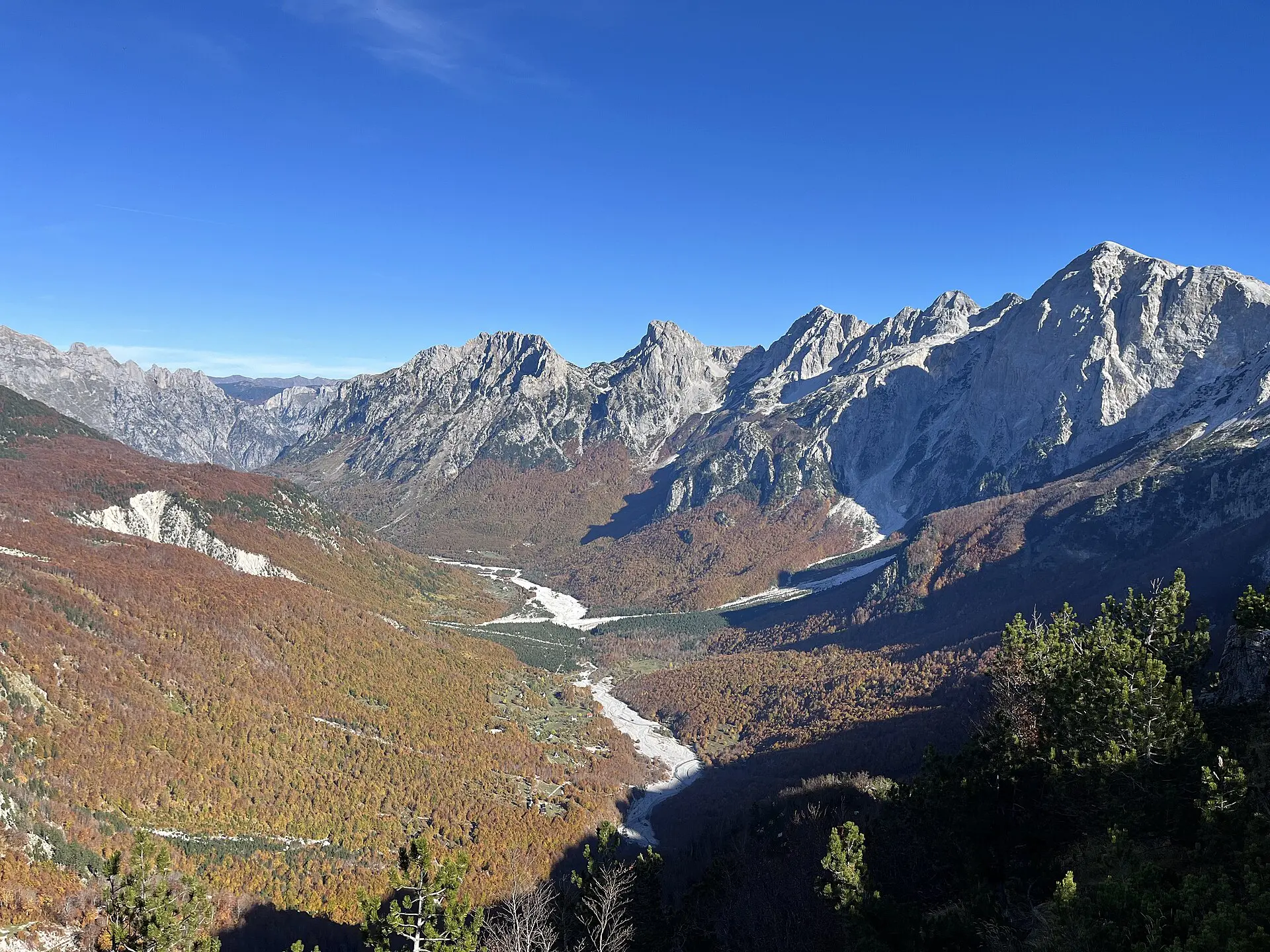
Shkodër is the main city of the north, with Rozafa Castle above the lake. Beyond it, Thethi and Valbonë are the main hiking villages in the Alps, reached by mountain road or, for Valbonë, by seasonal ferry across Lake Koman.
Top things to do in Albania
The top things to do in Albania mix heritage, outdoors and food, and most can be done in a short trip.
- Walk Berat’s castle quarter: follow the lanes inside the walls and look across to the Gorica district.
- Tour Butrint: explore the theatre, baptistery and city walls beside the lagoon.
- Ride the Dajti Ekspres: the cable car above Tirana reaches the mountain’s viewpoints in about 15 minutes.
- Drive the Llogara Pass: the road climbs through pine forest before dropping to the Riviera.
- Swim at Dhërmi or Ksamil: pick weekday mornings to avoid crowds in summer.
- Visit Bunk’Art in Tirana: a former nuclear shelter now holds exhibitions on the communist period.
- Climb to Rozafa Castle in Shkodër: a legend of a walled-in woman is tied to its foundation.
- Hike Thethi or Valbonë: day walks suit most fitness levels from June to September.
- Explore Krujë: Skanderbeg’s castle is now a museum, with a small bazaar below.
- Taste wine and raki: small producers around Berat and Korçë offer tastings.
Best time to visit Albania
The best time to visit Albania is May to June and September to October, when the sea is swimmable, the cities are comfortable and crowds are lighter than in high summer. July and August are hot, busy and expensive on the coast. Hiking in the Alps works best from June to September, once snow has cleared the passes.
| Season | Weather | Crowds and prices | Good for |
|---|---|---|---|
| Spring (Apr-Jun) | Mild to warm, some rain early | Moderate, rising in June | Towns, road trips, early swims |
| Summer (Jul-Aug) | Hot, often above 30 C on the coast | Highest prices and crowds | Beaches, mountain hiking |
| Autumn (Sep-Oct) | Warm, sea still warm in September | Falling quickly | Coast, culture, harvest food |
| Winter (Nov-Mar) | Cool and wet; snow in the mountains | Low; many coastal places close | Tirana, Berat, budget city breaks |
Mountain roads and guesthouses in the north can close outside the summer season, so check before planning winter treks.
Is Albania safe to visit?
Yes, Albania is safe for most visitors, and violent crime against tourists is rare. The most common problems are petty theft in busy areas, aggressive driving and the occasional overcharge. Check your government’s current travel advice, such as the UK FCDO or US State Department pages, before you book.
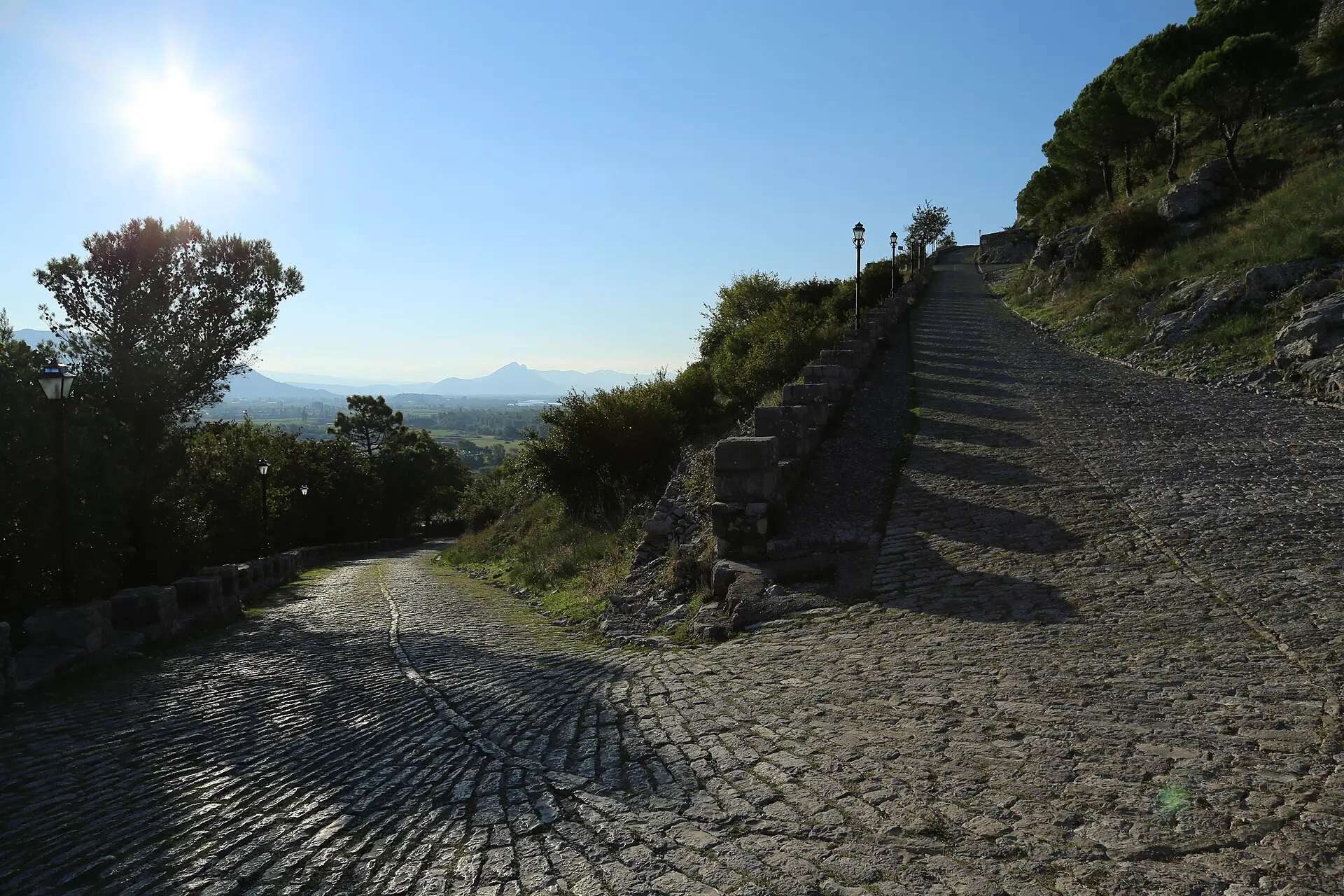
Roads. Driving is the biggest practical risk. Expect overtaking on blind bends, uneven surfaces and few streetlights outside towns. Avoid mountain roads after dark and in heavy rain.
Scams and theft. Agree taxi fares before getting in or use a ride-hailing app, keep valuables out of sight on beaches and at bus stations, and check restaurant bills.
Nature. Summer wildfires and heat are real hazards on the coast. Earthquakes occur in Albania, and a serious one struck near Durrës in 2019. On trails, carry water and a map, as signage is limited and shepherd dogs can be territorial.
Health. Tap water is not reliably drinkable everywhere, so many visitors choose bottled water. Carry travel insurance with medical cover.
Visa and entry requirements for Albania
Entry rules depend on your nationality. Many visitors, including citizens of the EU, UK and US, have generally been able to enter visa-free for short tourist stays, but this changes, so confirm the current rule for your passport with the Albanian Ministry for Europe and Foreign Affairs or your nearest embassy.
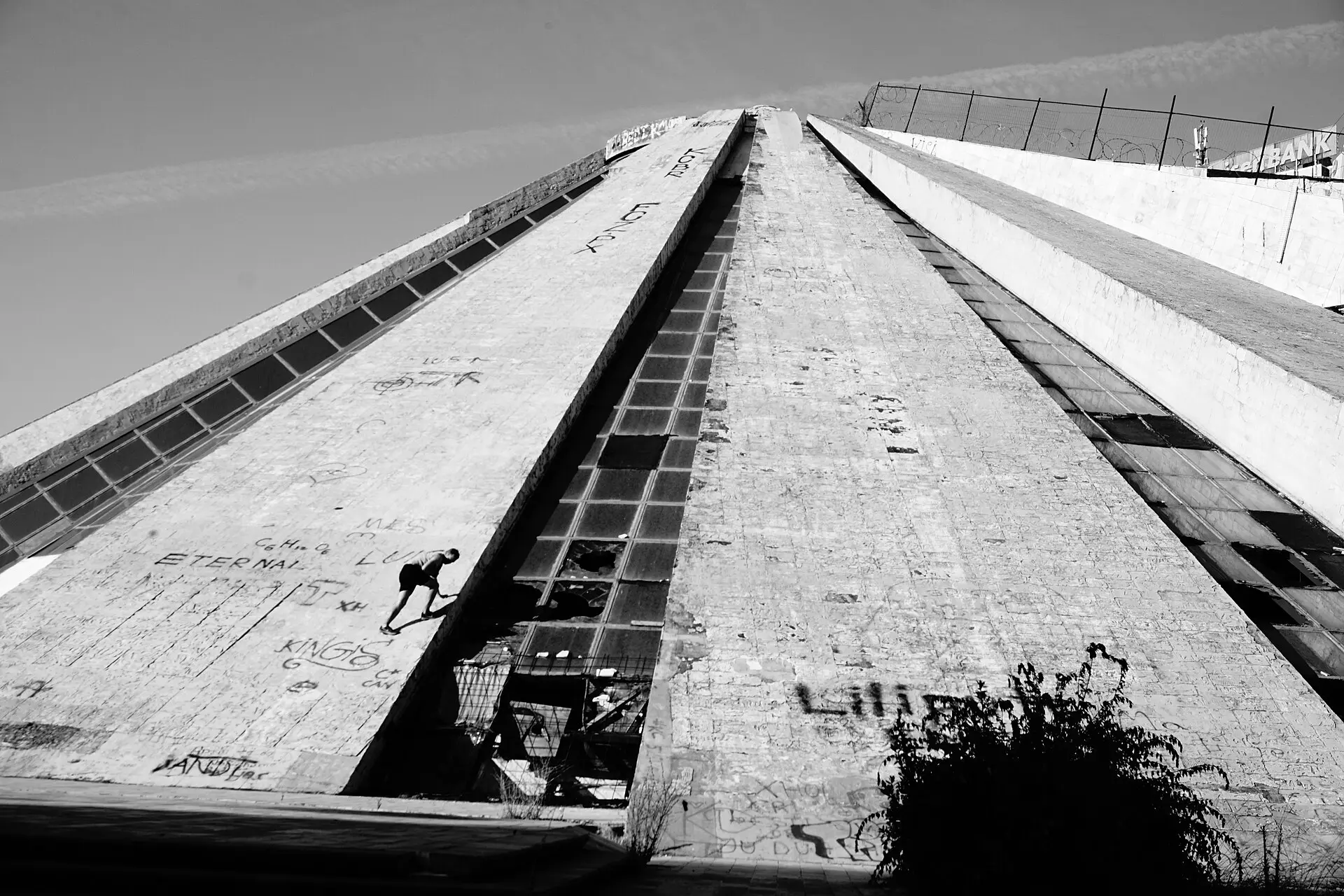
Bring a passport valid for the length of your stay, and keep proof of accommodation and onward travel in case you are asked. If you plan to cross by land from Montenegro, Greece, North Macedonia or Kosovo, carry the same documents, and expect queues at the busiest crossings in summer. The UNESCO page for Albania is a useful reference when you plan heritage stops, though it does not cover entry rules.
Rental cars bring additional paperwork: check that your driving licence is accepted, and that the rental company allows you to take the vehicle across borders if you plan to.
Getting to and around Albania
Most visitors fly into Tirana International Airport, which has budget-airline links to many European cities. Ferries connect Durrës and Vlorë with Italy, and Sarandë has a ferry link to Corfu in Greece. Land crossings are open with Montenegro, Greece, North Macedonia and Kosovo.
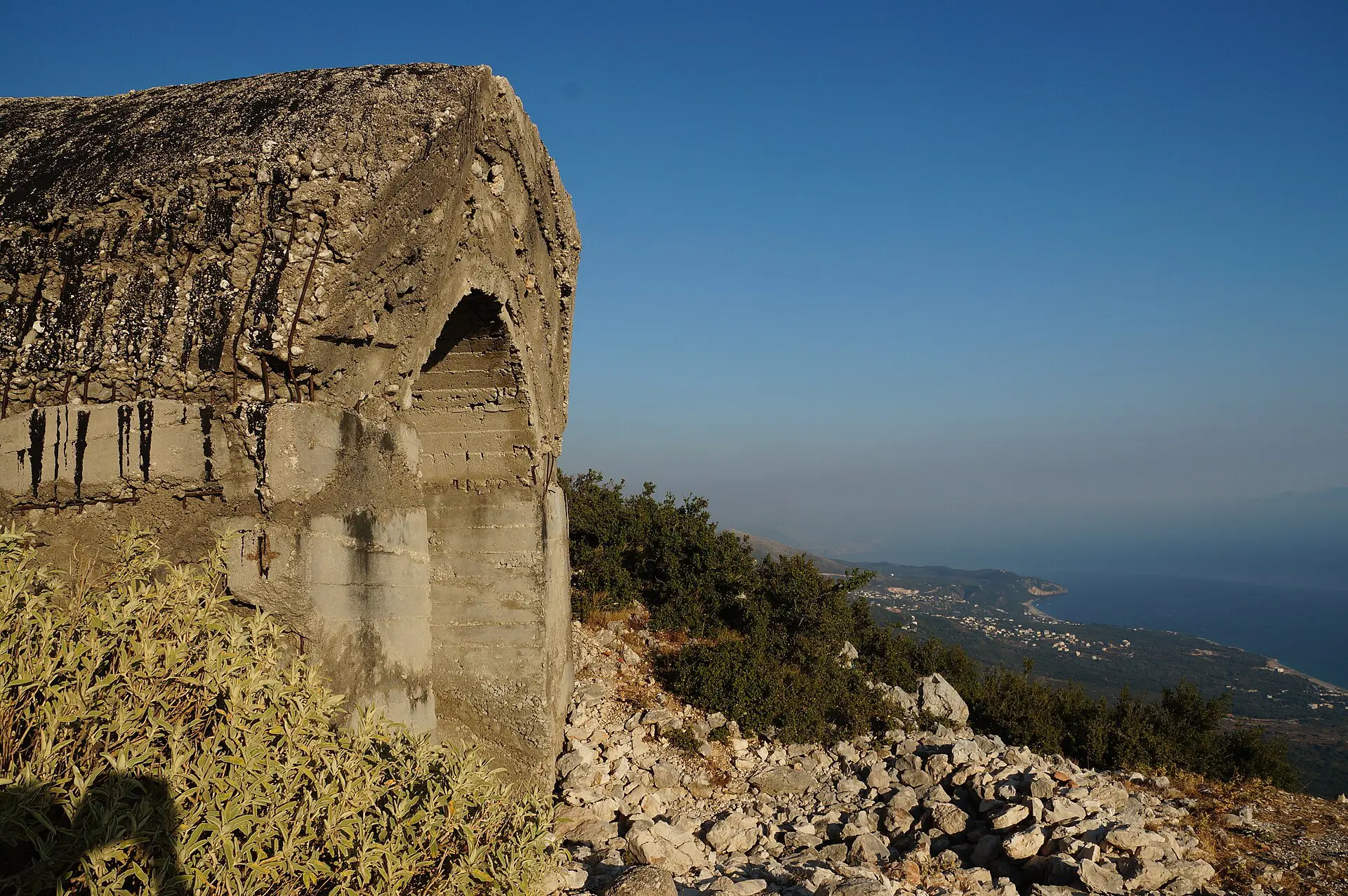
Albania has no useful passenger rail network, so travel is by bus, minibus (furgon) or car. Furgons run between most towns and leave when full, often from informal stops, so ask locally for the departure point. Tirana to Berat takes around two hours, Tirana to Shkodër about two hours, and Tirana to Gjirokastër about four. Mountain stretches and the Riviera road are slower than the distance suggests.
A rental car gives the most freedom on the Riviera and in the south, and highways are improving, but allow extra time on rural roads. Taxis in towns are cheap; use an app or agree the fare first.
How much does a trip to Albania cost?
Albania remains cheaper than most of Western Europe, although coastal prices have climbed. The currency is the Albanian lek (ALL); euros are widely accepted in tourist areas, but you will often get a better price in lek. Figures below are rough per-person guides for the 2026 season, and cost most in July and August.
- Budget: around EUR 30 to 45 per day, with dorm beds or simple guesthouses, furgons and local food.
- Mid-range: around EUR 45 to 80 per day, with private hotel rooms, restaurant meals and some car hire or taxis.
- High-end: from around EUR 100 per day, with boutique hotels, Riviera resorts and a private driver.
Accommodation on the coast is the biggest swing factor, followed by car hire. Meals are inexpensive, and a full restaurant lunch often costs less than a city-centre coffee in Western Europe. Entrance fees to sites such as Butrint and castles are modest.
Albania food and drink
Albania food draws on Mediterranean, Ottoman and Balkan cooking, with a strong emphasis on fresh vegetables, olive oil, dairy and grilled meat. Portions are generous and prices low.
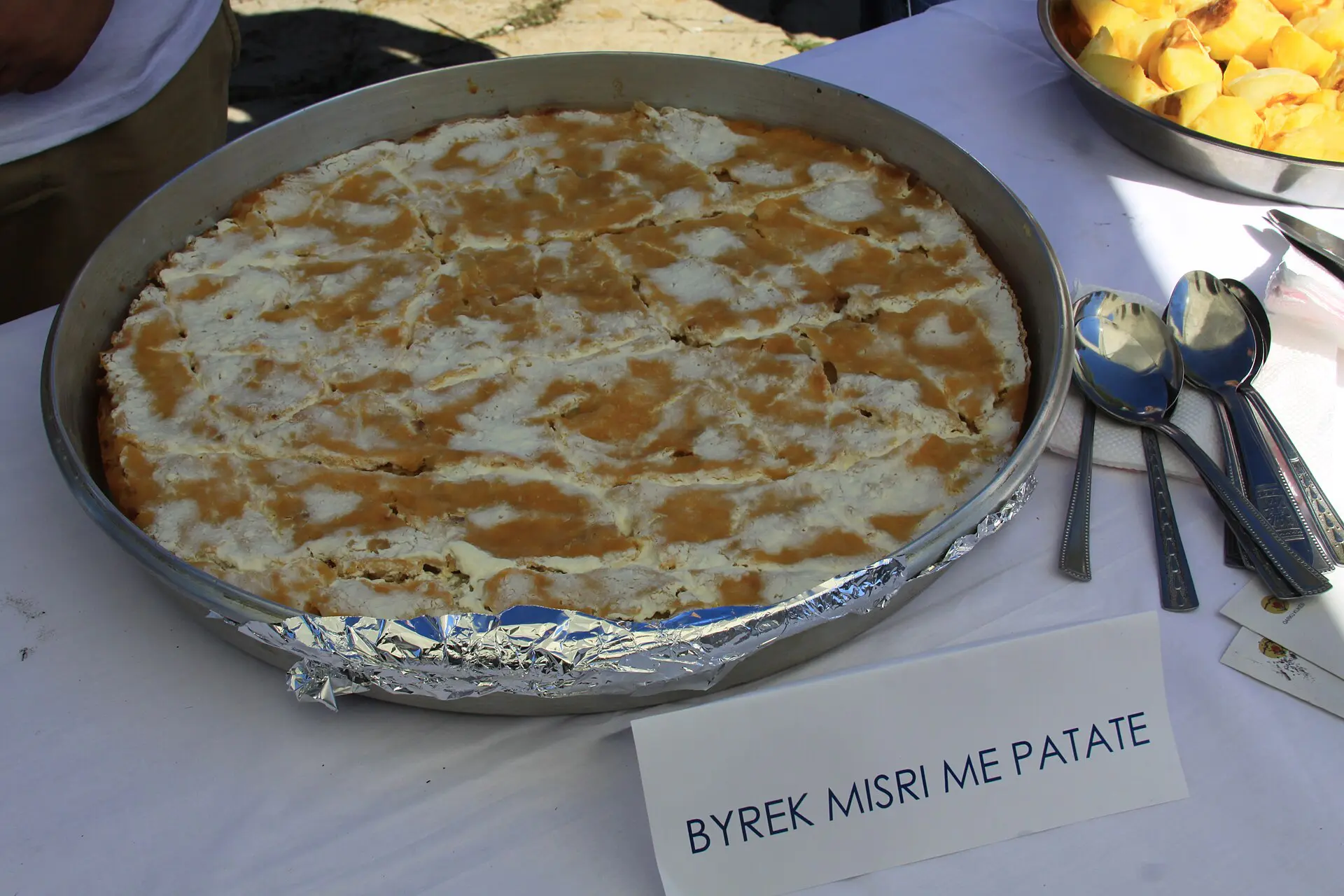
- Tavë kosi: baked lamb with rice and a yoghurt-egg topping, often called the national dish.
- Byrek: flaky pastry filled with spinach, cheese or meat, eaten for breakfast or a snack.
- Fërgesë: a baked dish of peppers, tomatoes and cheese, sometimes with liver.
- Qofte: seasoned grilled meatballs, usually served with salad and bread.
- Fresh seafood: grilled fish and mussels on the coast, particularly around Vlorë and Sarandë.
- Raki: a grape or fruit brandy served as an aperitif, with Korça beer as a common alternative.
- Turkish-style coffee and macchiato: a large part of daily social life.
Vegetarians do well, because vegetable dishes, salads, cheese and pastries are everywhere, though meat appears in many traditional dishes. Agriturismo-style farm restaurants offer set menus of local produce, and Berat and Korçë are good for tasting local wines.
Culture, language and etiquette in Albania
Albanian is the national language, with two main dialects, Gheg in the north and Tosk in the south. English is common among younger people and in tourism, while Italian is also widely understood, and Greek is spoken in the south. Learning a few words, such as faleminderit (thank you) and mirëdita (good day), is welcomed.
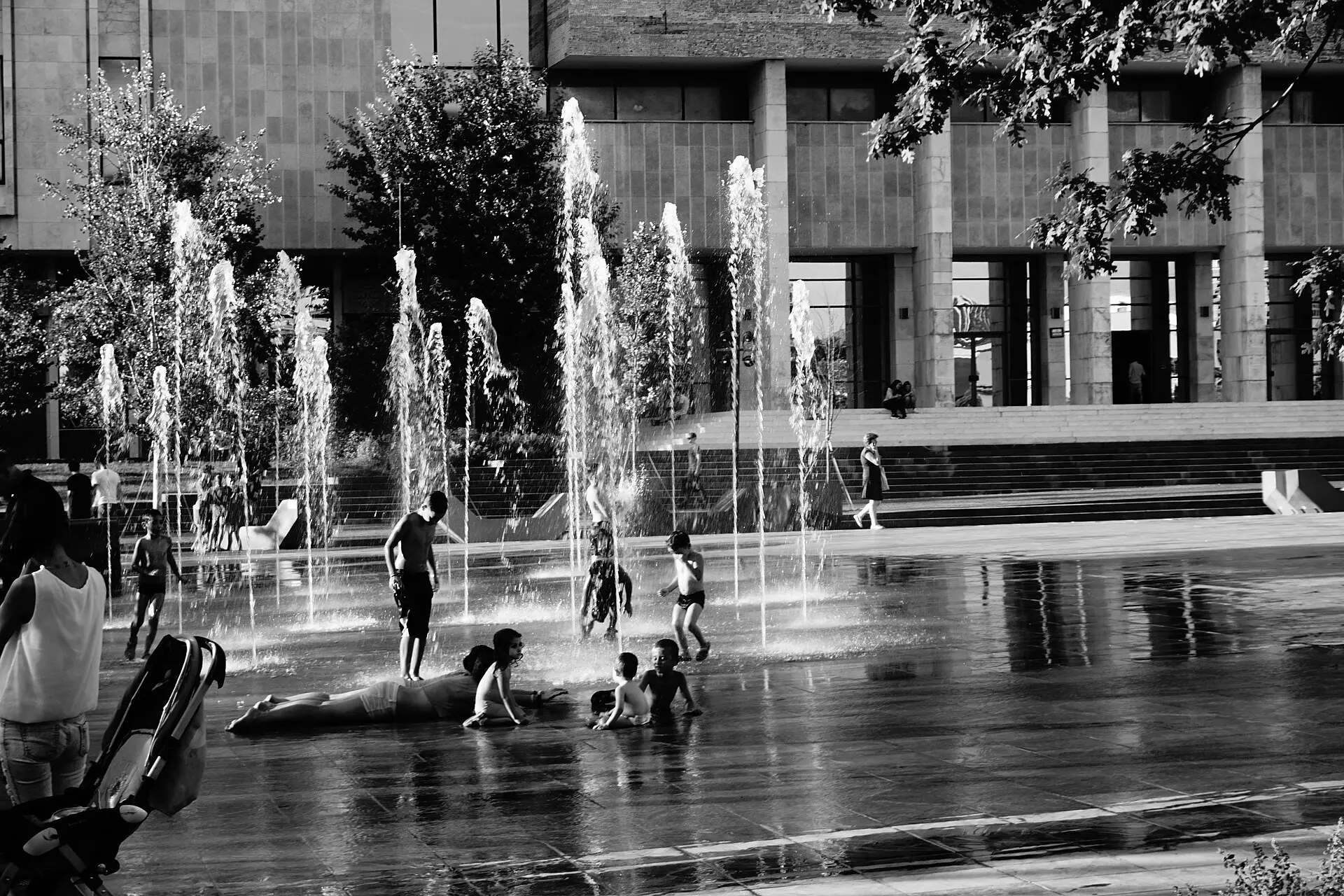
Hospitality is central to Albanian culture, and guests are often offered coffee, raki or food. Declining politely is fine, but accept at least a coffee if you can. Albania’s religious mix includes Muslim, Orthodox and Catholic communities, along with many people who describe themselves as non-religious, and mixed marriages are common.
A head shake for yes and a nod for no is traditional in Albania, which can cause confusion, so confirm answers with words. Dress modestly in mosques and churches. Avoid discussing politics, Kosovo or the communist period unless locals raise it first, and ask before photographing military sites or people.
Albania itinerary: a 7-day route
This route runs north to south by car or bus and avoids long backtracking.
- Day 1, Tirana: arrive, walk Skanderbeg Square and the Blloku district, and eat dinner locally.
- Day 2, Krujë and Tirana: visit Skanderbeg’s castle in the morning, then ride the Dajti cable car or see Bunk’Art.
- Day 3, Berat: travel about two hours south, climb the castle, and stay overnight in the old quarter.
- Day 4, Gjirokastër: drive about three and a half hours, visit the fortress and a restored townhouse.
- Day 5, Butrint and Sarandë: spend the morning at the ruins, then swim at Ksamil in the afternoon.
- Day 6, Riviera: follow the coast road north via Himarë and Dhërmi, crossing the Llogara Pass, to Vlorë.
- Day 7, return: allow about three to four hours back to Tirana airport.
With extra days, add Shkodër and Thethi in the north. In winter, replace the beach stops with Korçë.
Practical tips for Albania
- Money: the lek is the local currency; ATMs are common in towns, and cards are accepted in most hotels and mid-range restaurants but not all small guesthouses or furgons. Carry some cash.
- SIM and eSIM: prepaid local SIMs and eSIMs are cheap, and mobile coverage is good along main routes. Check roaming rules if you come from the EU.
- Plugs: types C and F at 230 V, as in most of continental Europe.
- Tipping: not required, but rounding up or leaving around 10 percent is appreciated.
- Health: bring insurance, sunscreen and insect repellent; pharmacies are plentiful in towns.
- Packing: sturdy shoes for cobbled towns, a light layer for evenings in the mountains, and a swimsuit from late spring.
- Booking: reserve Riviera rooms early for July and August, and check whether a guesthouse offers dinner when staying in the Alps.
For wider background, see the Wikivoyage Albania guide.
FAQ
Q1Is Albania safe?
Yes, for most visitors. Violent crime against tourists is rare, and the main risks are dangerous driving, petty theft and summer wildfires. Use taxi apps, keep valuables hidden and avoid mountain roads at night. Check your government's current travel advice before you go.
Q2What are the best things to do in Albania?
Top picks are exploring the UNESCO towns of Berat and Gjirokastër, touring the ruins of Butrint, swimming on the Riviera at Dhërmi or Ksamil, riding the Dajti cable car above Tirana and hiking in Thethi or Valbonë in the Albanian Alps.
Q3What is Albania food like?
Albania food blends Mediterranean, Ottoman and Balkan cooking. Expect tavë kosi (baked lamb and yoghurt), byrek pastries, grilled meats, fresh seafood on the coast, salads and local raki. Portions are large, prices are low and vegetarians can eat well.
Q4What is the best time to visit Albania?
May to June and September to October are best, with warm weather, swimmable sea and fewer crowds. July and August are hot and expensive on the coast, though they suit mountain hiking. Winter is cool and wet, and many coastal businesses close.
Q5Is Albania safe to visit for solo travellers and women?
Albania is generally considered safe for solo travellers, including women, especially in towns and tourist areas. Use normal precautions: avoid isolated places at night, use licensed taxis or apps, and tell someone your plans before long hikes. Politeness and a firm no handle most unwanted attention.
Q6What are the best places to visit in Albania?
Berat and Gjirokastër are the best Ottoman towns, Butrint is the main archaeological site, and the Albanian Riviera has the best beaches. Tirana offers museums and nightlife, while Shkodër, Thethi and Valbonë open up the northern Alps.
Q7How many days do you need in Albania?
Seven days is enough for Tirana, Berat, Gjirokastër, Butrint and the Riviera at a steady pace. Add three to four days for the northern Alps or Korçë, and plan extra time if you prefer to stay at the beach.