
Why visit Tirana
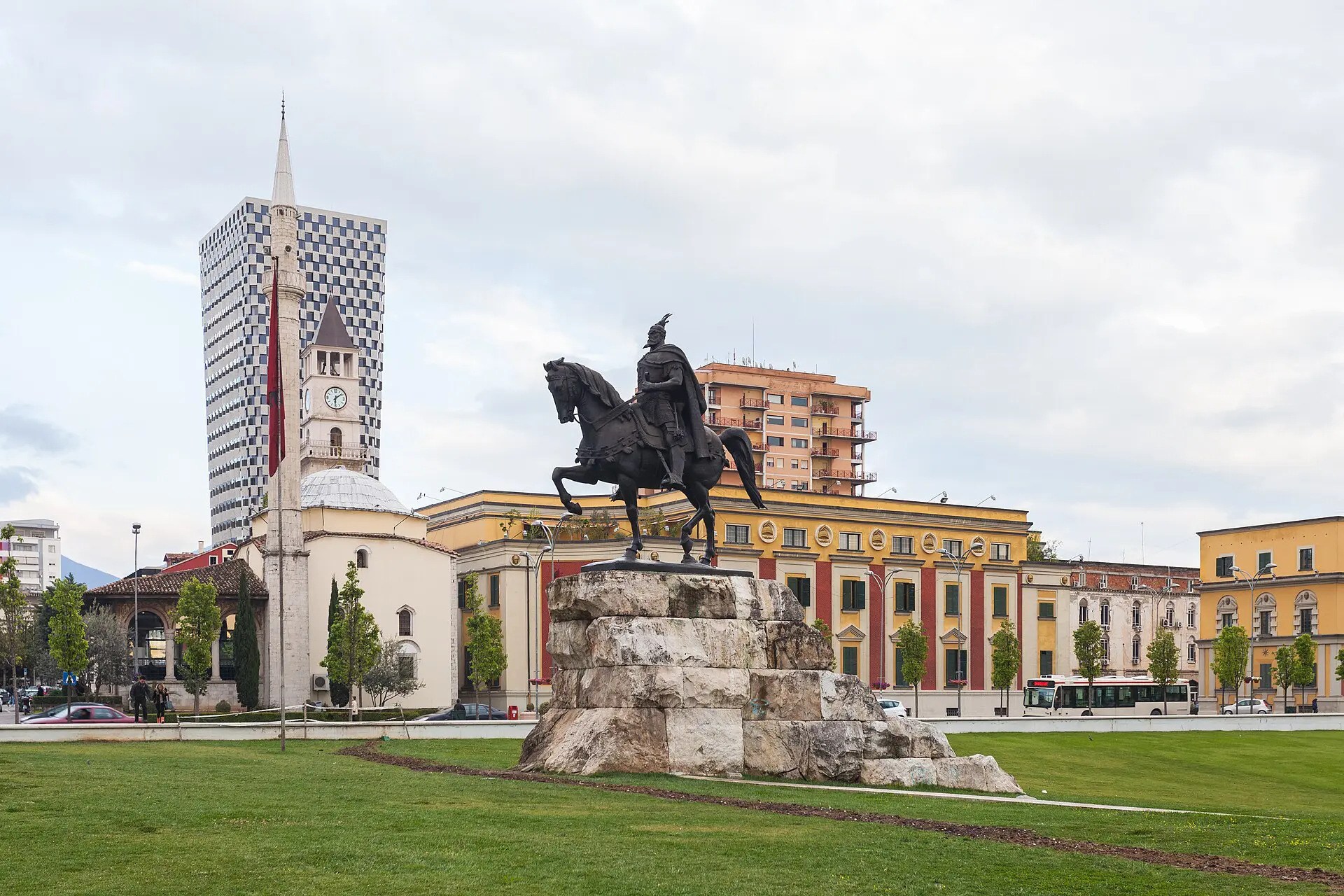
If you are searching for things to do in Tirana, start with the fact that Albania’s capital is a city of contrasts that is easy to cover on foot. It was founded in 1614 by the Ottoman nobleman Sulejman Pasha Bargjini, who built a mosque, a bakery and a hamam, and it only became the capital in the 1920s. That relatively short history shows in the streets: Ottoman-era religious buildings stand near Italian-built government blocks, communist-era monuments and brightly painted apartment facades.
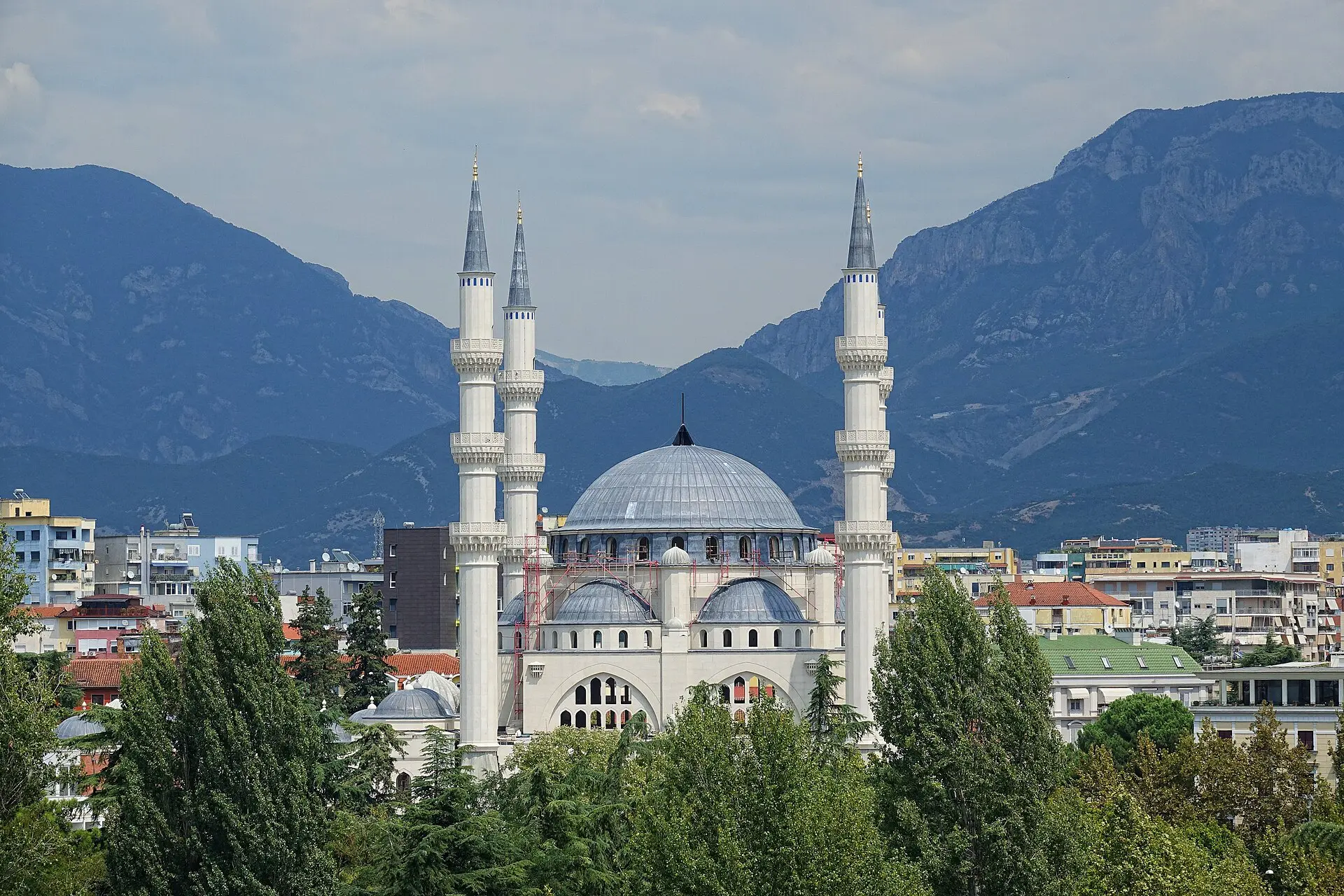

Tirana sits in a valley with Mount Dajti rising to the east, so you can go from a morning of museums to an afternoon on a mountain in under an hour. The city is also known for its cafe culture and lively evenings, and it is often described as both cosmopolitan and small-town in feel.
It is not a polished showpiece. Traffic, construction and air quality can be real drawbacks. If you accept that, Tirana rewards curiosity and works well as the first or last stop of a wider Albania trip.
Top things to do in Tirana
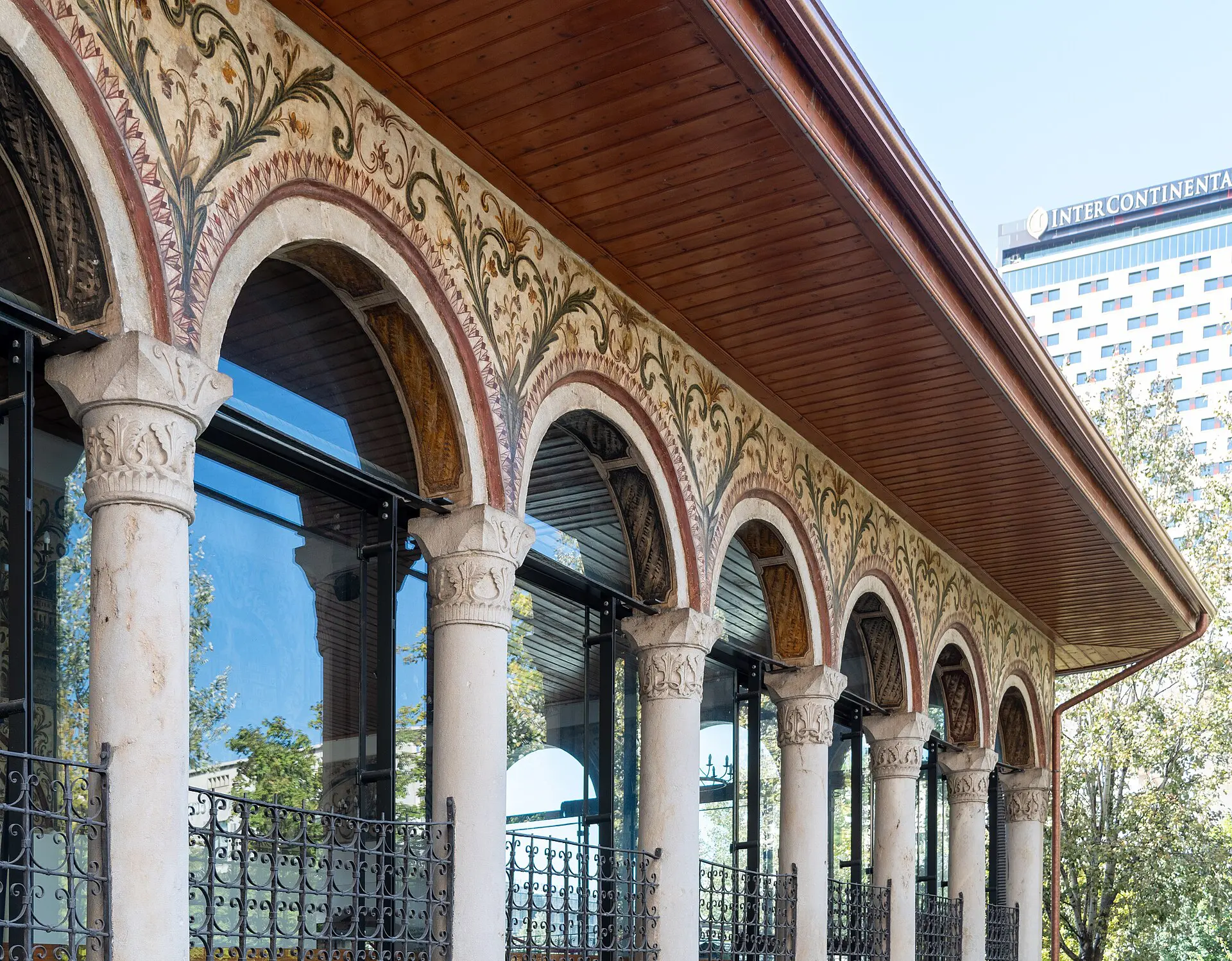

Skanderbeg Square and the Et’hem Bey Mosque
The wide central square is the natural starting point and a useful orientation tool, since most major sights are within a short walk. The Et’hem Bey Mosque on its edge is one of the city’s best-known historic buildings. Allow about an hour for the square and mosque exterior. Tip: visit in the evening when the square fills with locals, and check mosque visiting rules and dress expectations before entering.
National History Museum
Facing the square, the national museum covers Albania from antiquity through the 20th century and is the best single place to understand the country before you travel further. Plan one to two hours. Tip: opening days and ticket prices change, so check the current schedule before you go, and consider visiting early in the day to avoid tour groups.
Bunk’Art museums
Tirana has converted Cold War-era bunkers into museums about the communist period, including its surveillance and security apparatus. They are sobering and informative rather than light entertainment. Allow around 90 minutes for one site. Tip: they sit in different parts of the city, so choose one rather than trying to see both in a single morning.
Blloku district
Once a restricted area reserved for the communist leadership, Blloku is now the city’s best-known strip of cafes, bars and restaurants. It is a good place for a long lunch or an evening walk. Allow two to three hours. Tip: prices tend to be higher here than in side streets a few blocks away, so wander before you sit down.
Dajti Express cable car and Mount Dajti
Dajti rises to the east of the city and is reached by cable car from the edge of Tirana. At the top you find cooler air, views over the valley and walking paths. Allow a half day including travel. Tip: clouds can hide the view, so choose a clear morning and check that the cable car is operating, especially in strong wind.
Grand Park and the artificial lake
The city’s large park on the southern side is where residents walk, jog and relax. It is a calm break from traffic and an easy place to get a sense of everyday Tirana. Allow one to two hours. Tip: go late afternoon in summer, when shade and a cooler breeze make the walk more pleasant.
Pyramid of Tirana
This distinctive concrete structure was built in the communist era and has since been repurposed and redeveloped. It is a quick stop and a striking piece of recent history. Allow 20 to 30 minutes. Tip: pair it with a walk through the nearby streets, and check current access rules, as use of the building has changed over the years.
Best time to visit Tirana
Tirana is among the sunniest and wettest cities in Europe, with around 2,500 hours of sun a year, so plan for both. Spring and early autumn are the most comfortable seasons for walking the city and taking the cable car.

| Season | Weather | Crowds and prices |
|---|---|---|
| Spring (April to June) | Mild to warm, some rain early on | Moderate crowds, generally good value |
| Summer (July and August) | Hot, often very warm in the valley | Busier, higher prices; many Albanians head to the coast |
| Autumn (September and October) | Warm, then cooler with more rain | Moderate crowds, good for sightseeing |
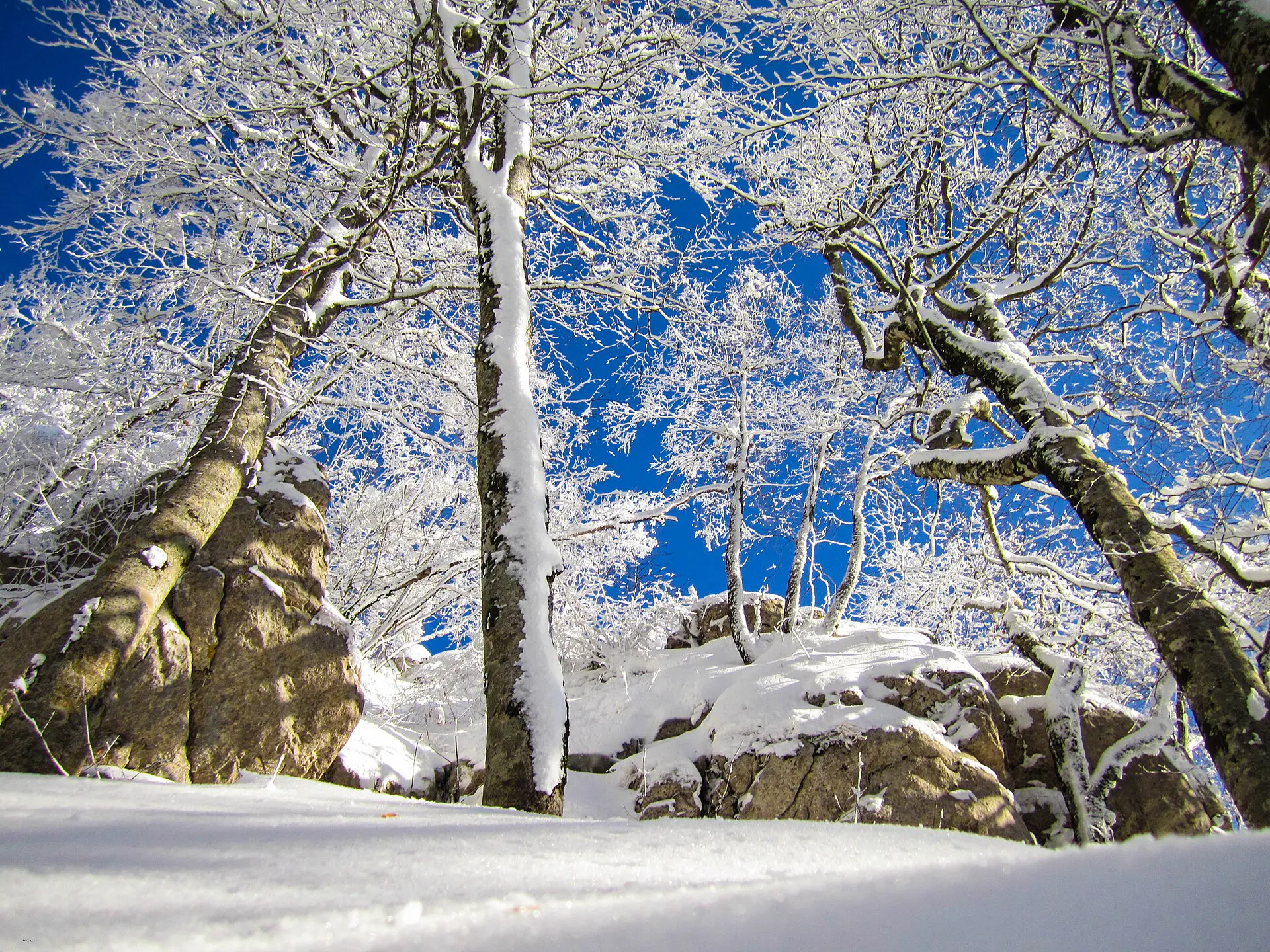
| Winter (November to March) | Cool and wet; snow possible on Dajti | Quietest and cheapest |
For a mix of comfortable temperatures and open attractions, aim for April to June or September to October. Check forecasts shortly before travel, as conditions vary year to year.
How to get to Tirana and around
Most international visitors arrive by air at Tirana International Airport, northwest of the city. Ground transport options include airport buses, taxis and arranged transfers; check current routes and fares on arrival, as they change. The journey into the centre usually takes roughly 30 to 45 minutes depending on traffic.
Tirana is the hub of Albania’s bus network. Buses and shared minibuses (furgons) run to destinations such as Berat, Gjirokaster, Saranda and Shkoder, but departure points are spread across the city and schedules are informal, so confirm the terminal for your destination the day before. Berat is roughly 120 km from the capital by road, around two to three hours depending on the service.
Inside the city, the central sights can be covered on foot. City buses and taxis cover longer distances; agree the fare or use a taxi app where available. Driving in Tirana is stressful because of dense traffic, so a rental car is better kept for trips out of town.
Where to stay in Tirana
For first-time visitors, the area around Skanderbeg Square is the most convenient, putting museums, cafes and bus links within walking distance. Expect a range from simple guesthouses to larger hotels. It can be noisy in the evenings, so ask about room position.
Blloku suits travellers who prioritise food, nightlife and a younger crowd. It is lively and walkable, and generally pricier. If you want quiet, choose a side street rather than the main strip.
Residential neighbourhoods a short walk or taxi ride from the centre suit longer stays and travellers on a budget, with apartments and small hostels often cheaper than central options. Check the walking distance and the route after dark.
Book ahead for July and August and for major events, and check recent reviews for noise and air conditioning, which matter in summer heat.
How many days do you need?
Two full days cover the main sights at a relaxed pace. A third day lets you take a day trip or visit more museums. If you only have one day, focus on the centre and one major museum, then finish in Blloku.
- Day 1: Skanderbeg Square, the Et’hem Bey Mosque, the National History Museum, lunch in Blloku and an evening walk.
- Day 2: Morning at a Bunk’Art museum, afternoon at Grand Park, or take the Dajti cable car if the weather is clear.
- Day 3: Day trip to Kruja or Durres, or head on to Berat for the night.
If you are planning a longer Albania itinerary, Tirana is better treated as a base for a night or two at each end of the trip rather than a place to linger for a week.
Day trips and nearby
Kruja
This hill town northwest of Tirana is associated with Albania’s medieval national hero Skanderbeg and has a castle, a museum and an old bazaar. Allow half a day. Tip: go by bus or arranged transfer and check current schedules, as services vary.
Durres
The country’s main port lies on the Adriatic coast west of Tirana and has Roman remains alongside a beach promenade. Allow a half to full day. Tip: it is busy on summer weekends, so aim for a weekday if you can.
Berat
Berat is a UNESCO-listed Ottoman town roughly 120 km south of the capital by road, known as the city of a thousand windows. It works as a long day trip but is better with an overnight stay. Check current bus times before you commit.
Shkoder
The northern city of Shkoder sits near Lake Shkoder and the foothills of the Albanian Alps. It is possible as a long day trip and better as a night or two. Tip: it is a common gateway to Theth National Park.
FAQ
Q1When is the best time to visit Tirana?
April to June and September to October are usually the most comfortable, with mild to warm weather and fewer crowds than midsummer. July and August can be hot in the valley, while winter is cool and wet but quiet and cheaper. Check forecasts before you travel.
Q2How many days do you need in Tirana?
Two full days cover the main sights, including Skanderbeg Square, a museum, Blloku and a cable car ride to Dajti. Add a third day if you want a day trip to Kruja or Durres, or if you prefer a slower pace with more cafe time.
Q3How do you get to Tirana?
Most visitors fly into Tirana International Airport, which has airport buses and taxis into the city. Within Albania, buses and furgons connect the capital with towns such as Berat, Gjirokaster, Saranda and Shkoder. Departure points vary, so confirm locally before travelling.
Q4Is Tirana safe and expensive?
Tirana is generally considered a safe city for visitors, though normal precautions apply, and traffic is the main hazard. Prices are usually lower than in most of Western Europe, but they vary by area and season, so check current costs and official travel advice before you go.
Prices, schedules and entry rules change. Check current details with official sources before you travel. Read the Albania travel guide.