Why visit Bulgaria
The things to do in Bulgaria cover more ground than most visitors expect: Thracian tombs, Roman theatres, medieval fortresses, Orthodox monasteries, mountain trails and a Black Sea coast, all inside an area of about 110,000 square kilometres (see the Wikipedia overview for background). It is one of Europe’s oldest states, and it developed the Cyrillic script.
Bulgaria suits travellers who want history and mountains at a lower cost than much of Western Europe. It works well for road trips, hikers, winter sports fans and anyone who enjoys regional food and wine. Be ready for Cyrillic signs, uneven roads outside the main routes and a mix of Soviet-era and Revival-period architecture. Bulgaria joined the euro area at the start of 2026, which simplifies payments for many visitors.
Best places to visit in Bulgaria
The best places to visit in Bulgaria include two lively cities, a medieval capital and several mountain and coastal bases.
Sofia
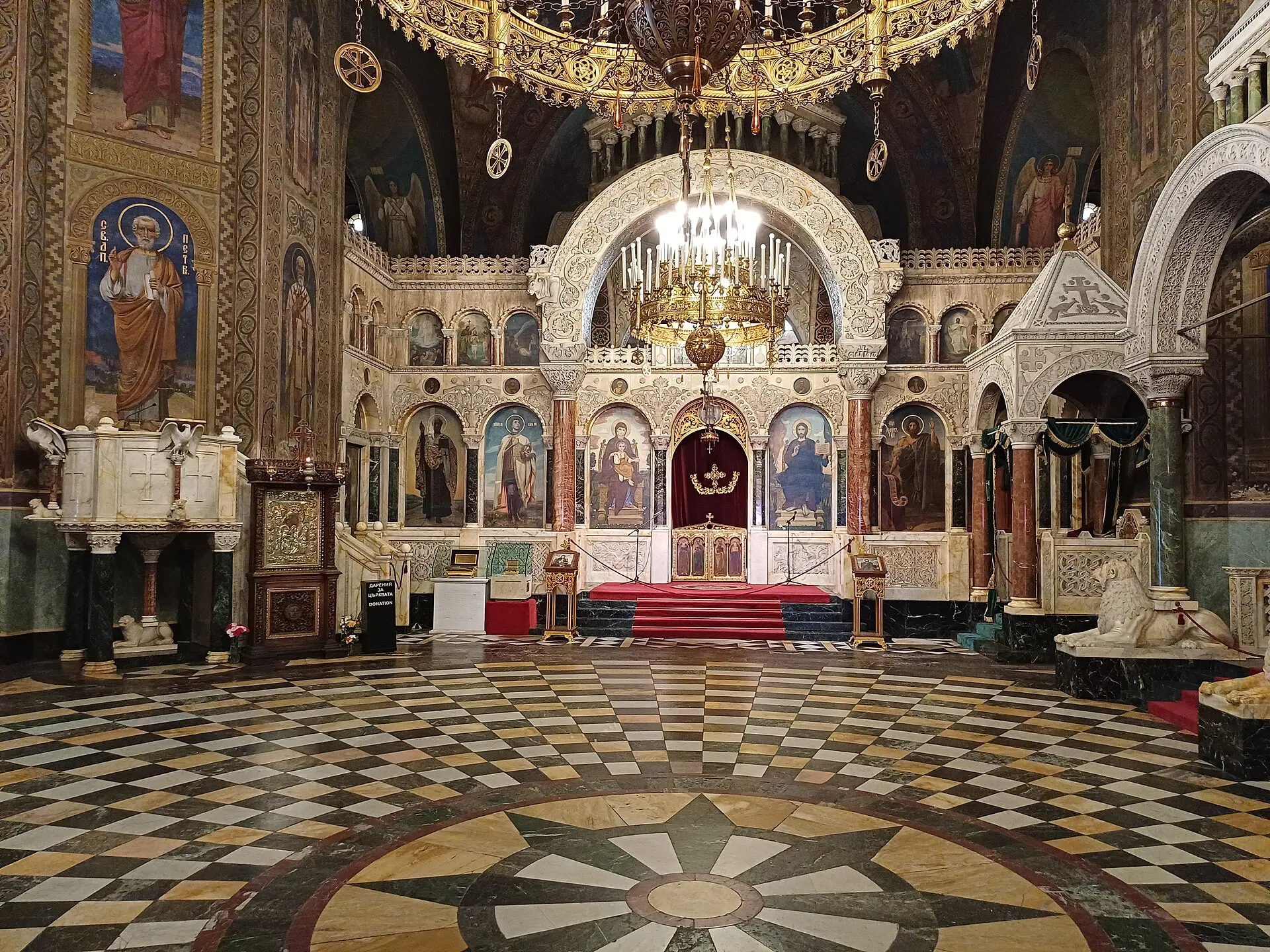
The capital lies below Vitosha Mountain and mixes Roman ruins, Orthodox churches and Soviet-era buildings. The gold-domed Alexander Nevsky Cathedral is the symbol of the city, and the pedestrian centre is easy to walk. Allow two days.
Plovdiv
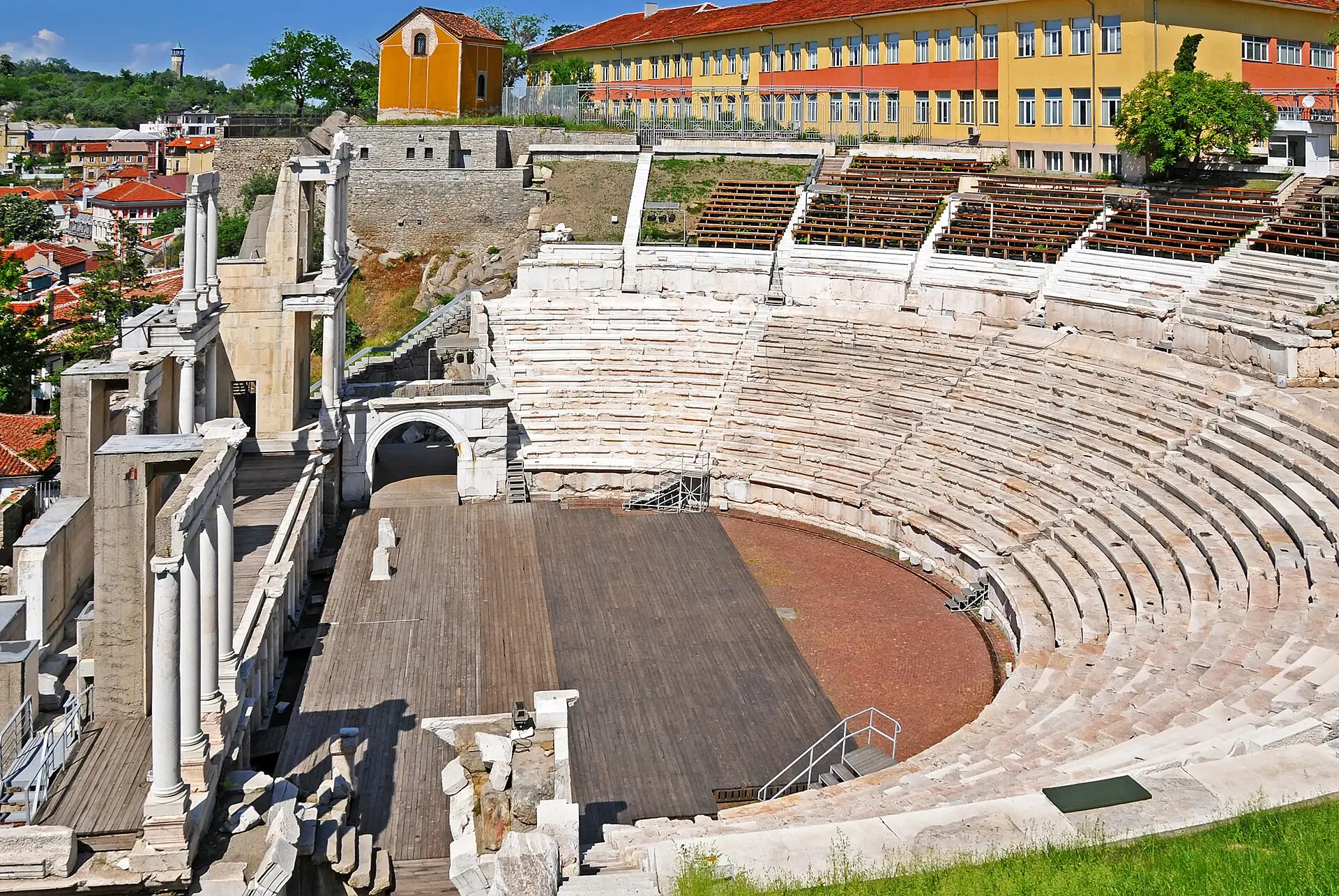
One of Europe’s oldest continuously inhabited cities, Plovdiv has a Roman theatre, a Revival-style old town on steep hills and the creative Kapana district. It was a European Capital of Culture in 2019.
Veliko Tarnovo
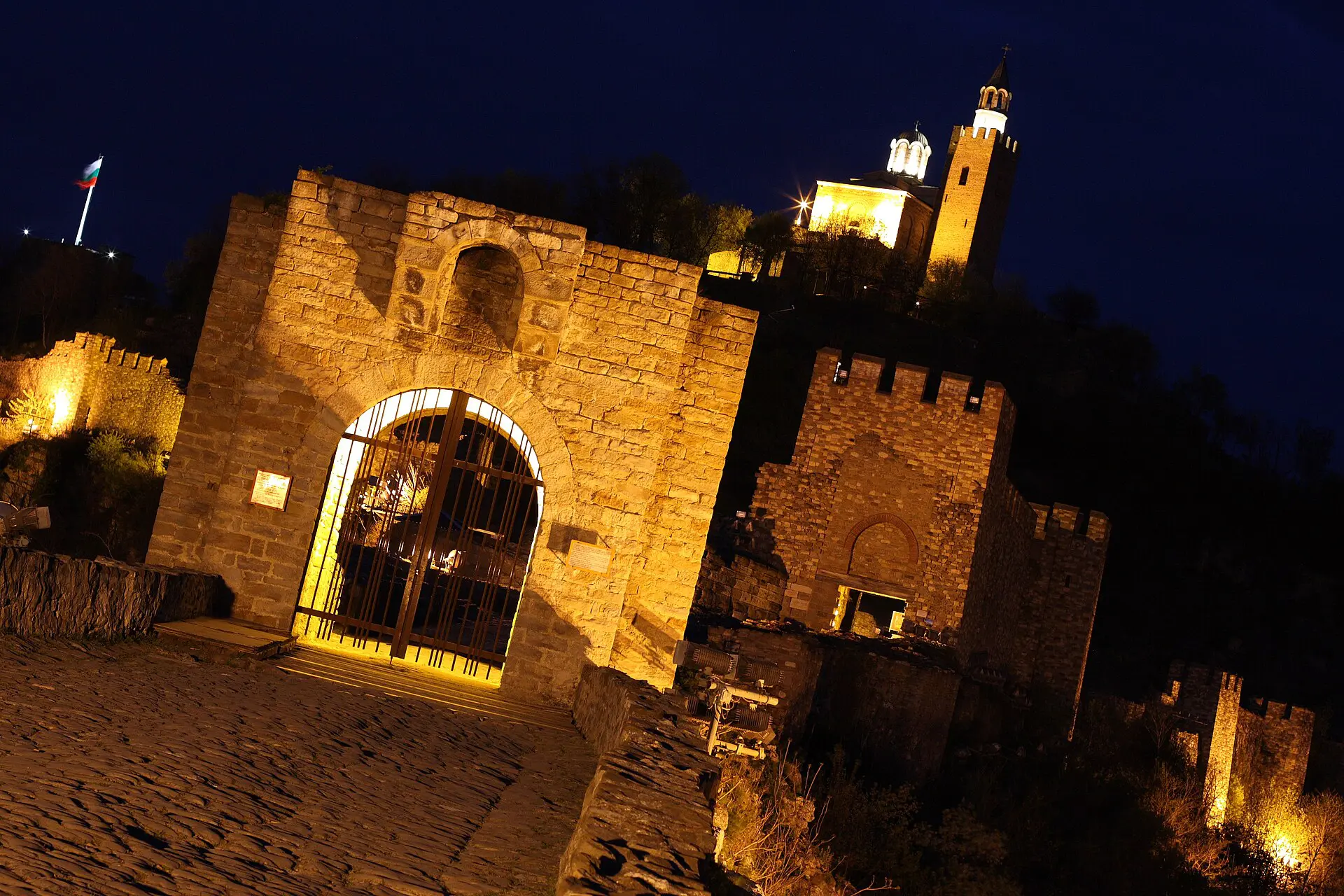
The medieval capital of the Second Bulgarian Empire sits on steep banks above the Yantra River. The Tsarevets fortress crowns a hill, and there is an evening light show on some dates.
Rila Monastery and the Rila mountains
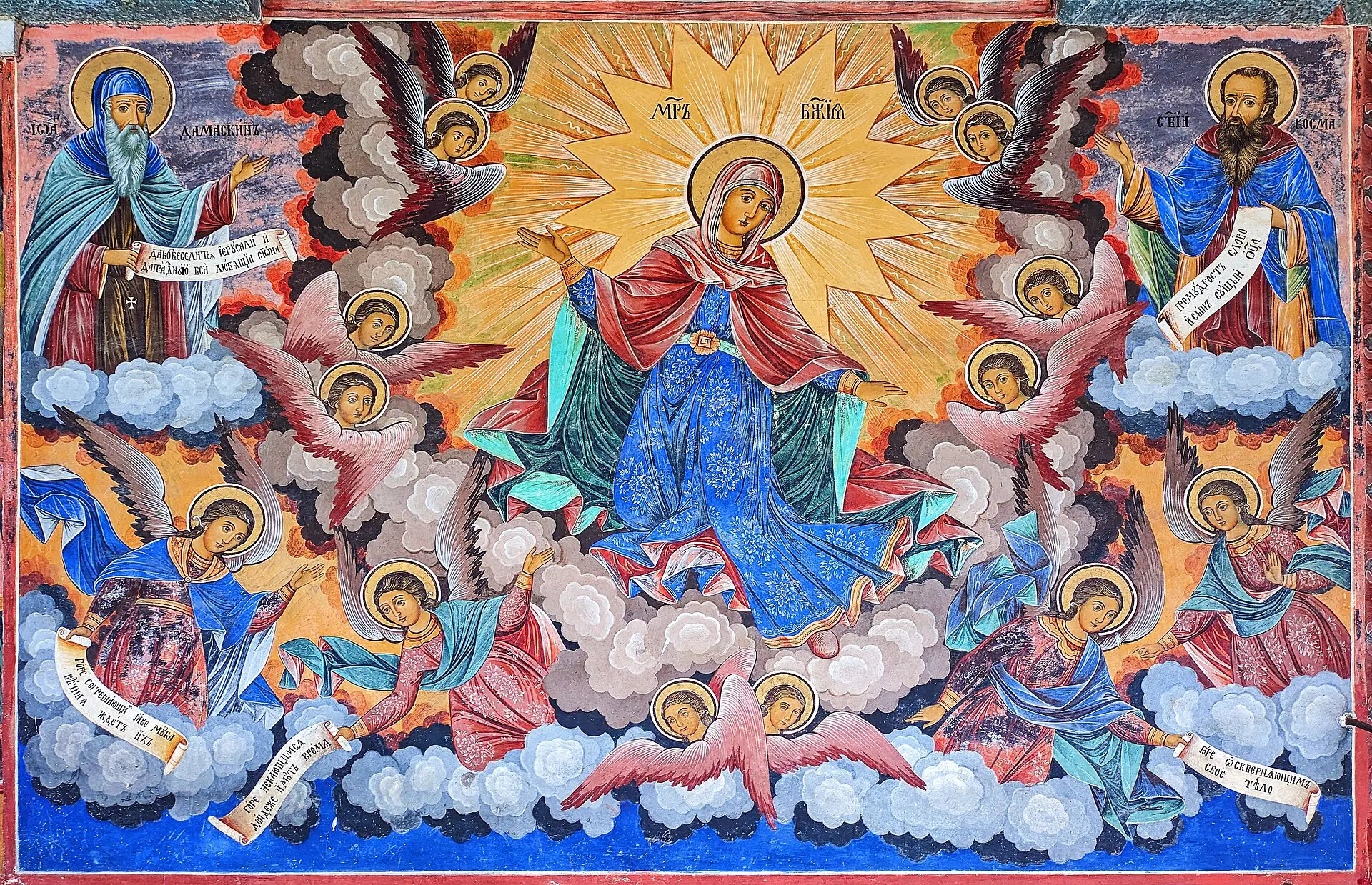
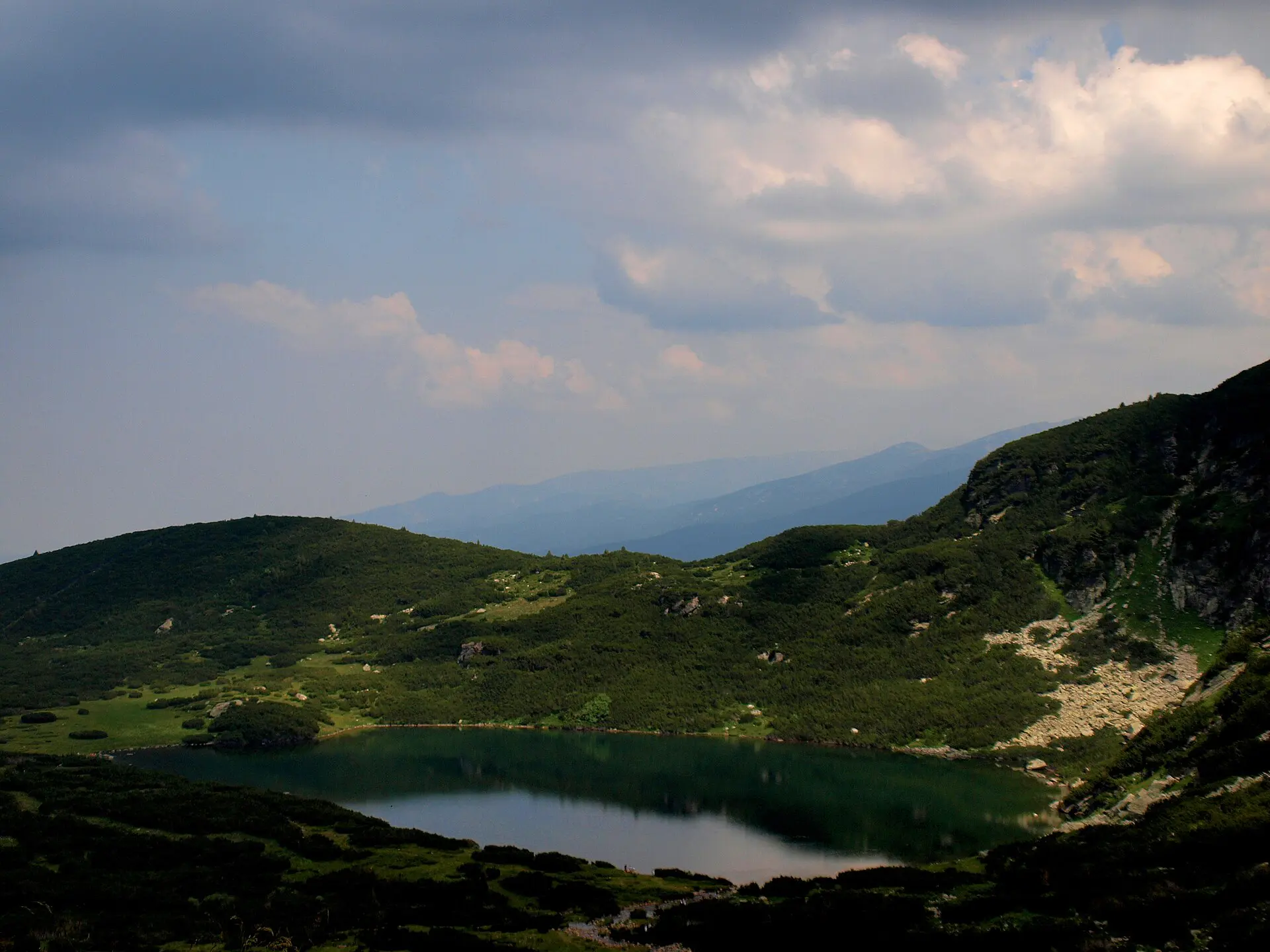
Bulgaria’s largest and most venerated monastery lies in the Rila mountains, and the Seven Rila Lakes make a classic day hike in summer.
Bansko and Pirin
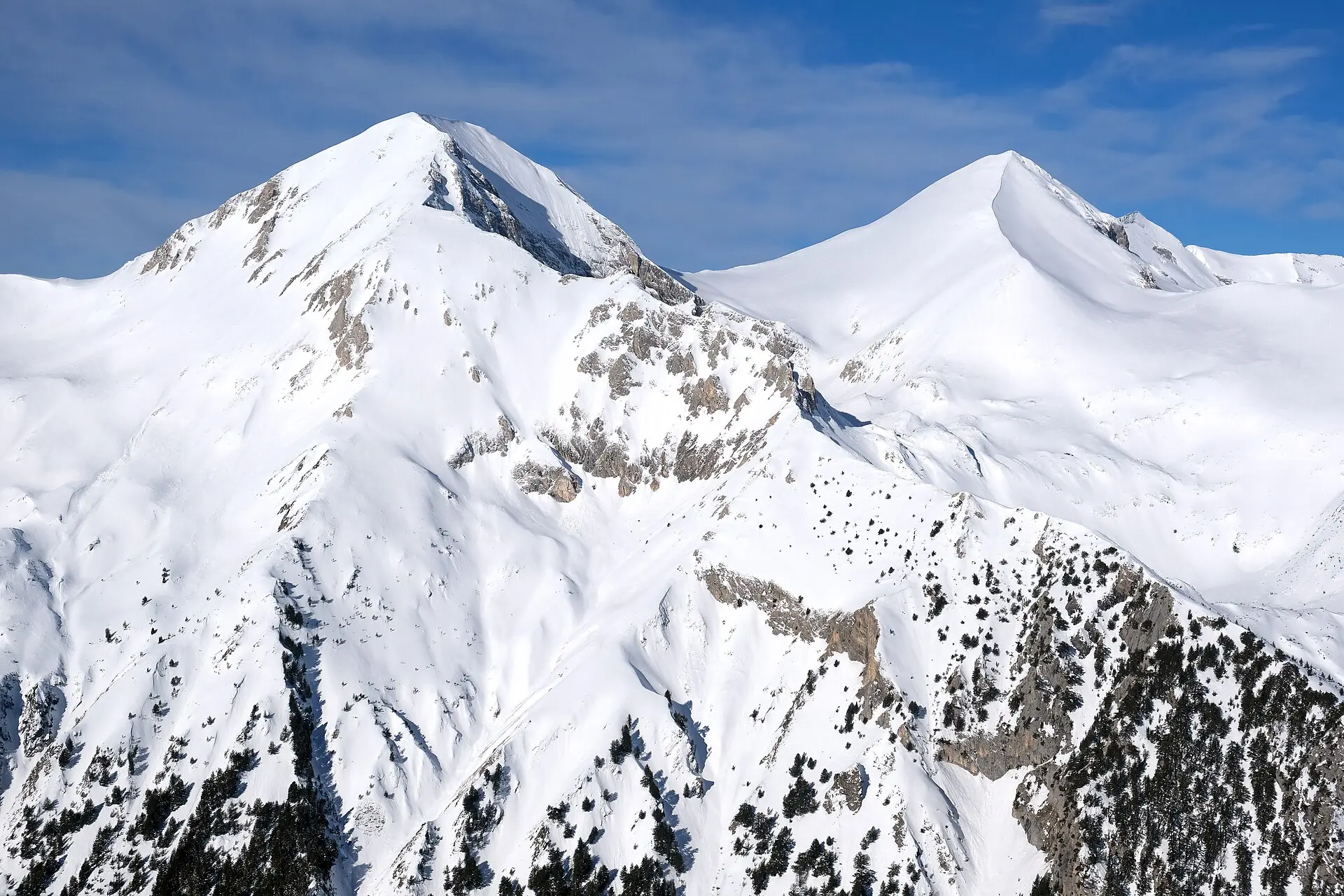
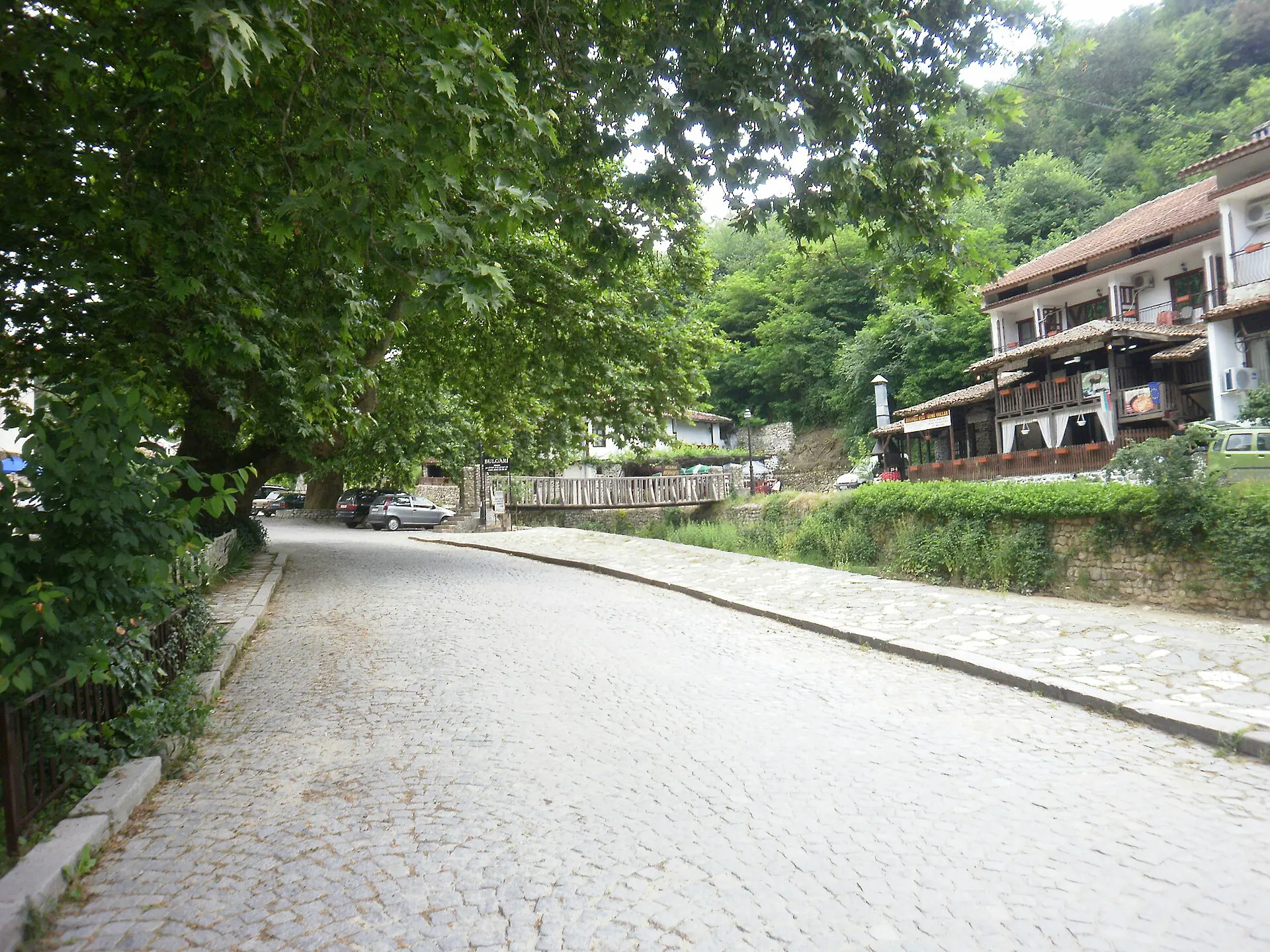
Bansko is Bulgaria’s main ski resort and a summer base for Pirin National Park, a UNESCO site. Nearby Melnik is a tiny wine town with sandstone pyramids.
Black Sea coast
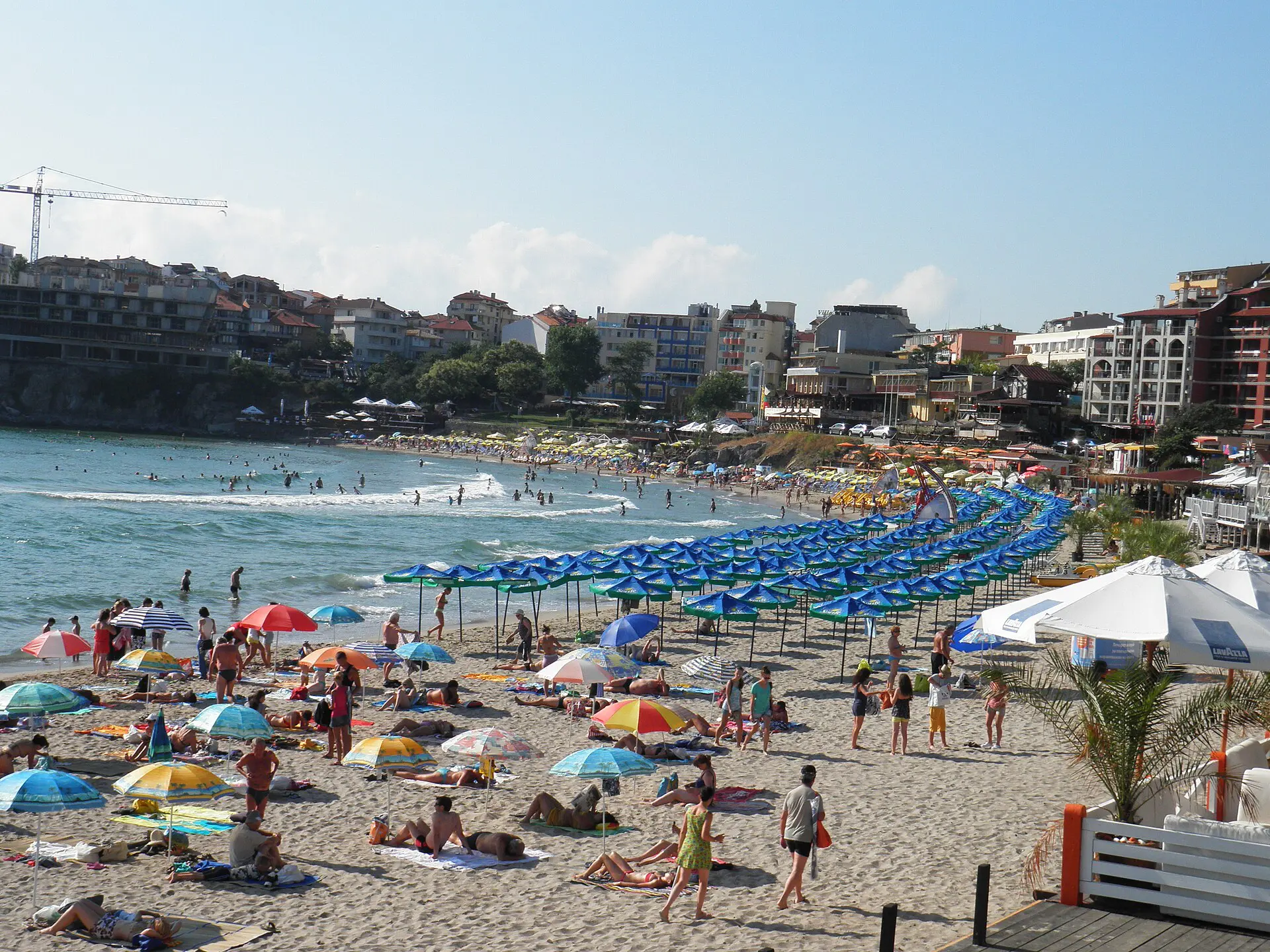
Nessebar and Sozopol are historic seaside towns, while Varna and Burgas are the main cities, and Sunny Beach and Golden Sands are the large resorts.
Top things to do in Bulgaria
The top things to do in Bulgaria are a mix of heritage, outdoors and food, and most work in any season except deep winter.
- Visit Rila Monastery: go early in the morning to see the frescoed church before coaches arrive.
- Hike the Seven Rila Lakes: a chairlift shortens the climb, and the circuit usually takes four to six hours.
- Walk Plovdiv’s old town: climb Nebet Tepe, visit the Roman theatre and browse the galleries in Kapana.
- Explore Tsarevets in Veliko Tarnovo: the fortress walls and patriarchal church give views over the river loops.
- Ski or snowboard in Bansko: the season usually runs from December to March.
- Taste wine in Melnik: local cellars sell reds made from regional grape varieties.
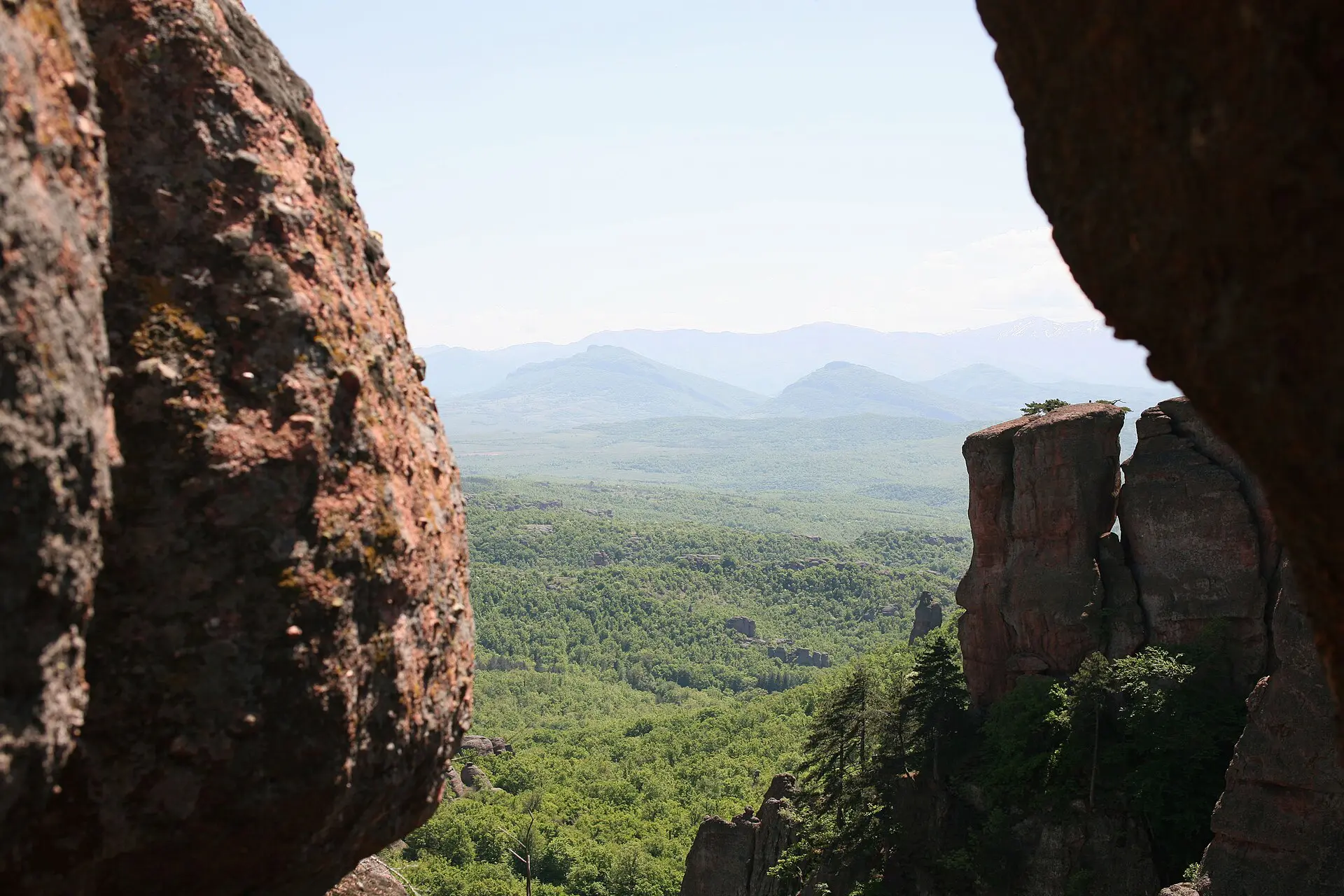
- See the Belogradchik Rocks: red sandstone formations surround a fortress in the northwest.
- Stroll through Nessebar: the old town sits on a peninsula and has medieval churches and stone houses.
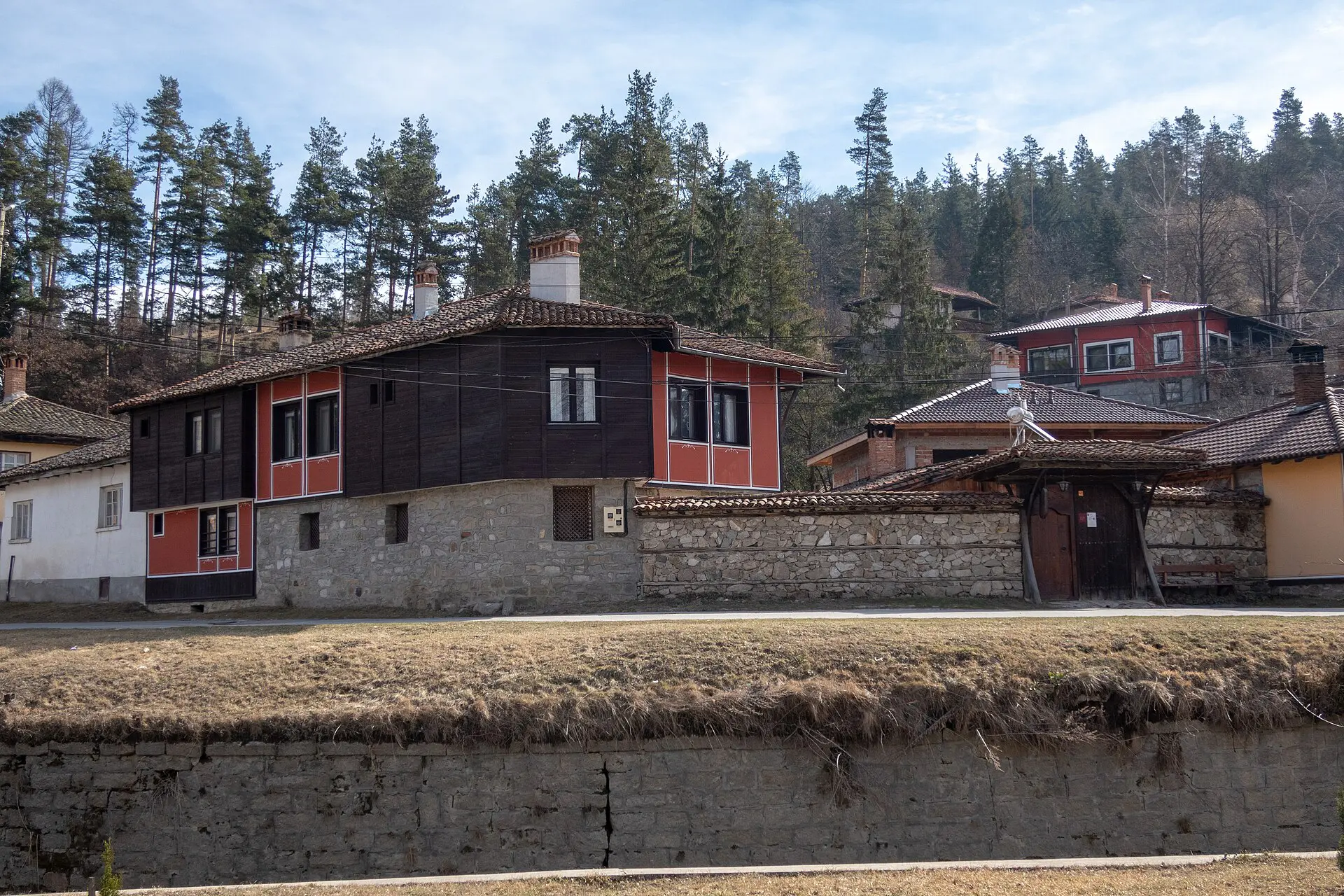
- Visit Koprivshtitsa: this hill town preserves National Revival houses and hosts a folk festival every five years.
- Join the Rose Festival in Kazanlak: the rose harvest is celebrated in early June, with petal picking and parades.
Best time to visit Bulgaria
The best time to visit Bulgaria is May to September for hiking, cities and the coast, with June and September offering warm weather and fewer crowds than July and August. Winter suits skiing, and late October brings autumn colour in the mountains.
| Season | Weather | Crowds and prices | Good for |
|---|---|---|---|
| Spring (Apr-May) | Mild, some rain | Low to moderate | Cities, monasteries, roses in late May |
| Summer (Jun-Aug) | Warm to hot; hotter in the south | Highest on the coast in July and August | Black Sea, hiking, festivals |
| Autumn (Sep-Oct) | Warm, then cool | Low | Hiking, wine, culture |
| Winter (Nov-Mar) | Cold, snow in the mountains | High in ski resorts, low elsewhere | Skiing, Sofia, spa towns |
Mountain trails above about 2,000 metres can hold snow into June, and most coastal resorts close from October to April.
Is Bulgaria safe?
Is Bulgaria safe? Yes, for most visitors. Violent crime against tourists is uncommon, and the main problems are pickpocketing, taxi overcharging and dangerous driving. Check your government’s current advice, such as the UK FCDO or US State Department pages, before you travel.
Theft and scams. Pickpockets work crowded trams, metros and markets in Sofia, and resort areas such as Sunny Beach have a reputation for overpriced drinks and bar scams. Use taxi apps or agree a fare, and check bills carefully.
Roads. Bulgaria has one of the higher road death rates in the EU. Overtaking is aggressive, rural roads can be poor, and winter driving needs proper tyres.
Nature and health. Mountain weather changes fast, and trails can hold snow into early summer. Wildfires occur in hot, dry months. Earthquakes happen occasionally. Ticks are present in forests, and stray dogs are common in some towns. Carry travel insurance, including cover for mountain rescue if you hike.
Women travelling alone generally report few problems in cities, with the usual precautions at night.
Bulgaria visa and entry requirements
Bulgaria visa rules depend on your nationality. EU citizens enter with an ID card or passport, and citizens of the UK, US, Canada, Australia and many other countries have generally been able to enter without a visa for short tourist stays of up to 90 days in any 180-day period. Confirm the current rule for your passport with the Bulgarian Ministry of Foreign Affairs or a Bulgarian embassy.
Bulgaria joined the Schengen area for air and sea travel in March 2024 and for land borders in January 2025, so Schengen day-counting applies to visitors who do not hold EU citizenship. New border-system rules for non-EU travellers have been phased in across Schengen, so check the current entry procedure before you go.
If you plan to drive, a motorway vignette is required, and you can buy it online in advance. Carry your driving licence and vehicle papers. The UNESCO page for Bulgaria lists World Heritage sites, including Rila Monastery and the Rock-Hewn Churches of Ivanovo.
Getting to and around Bulgaria
Sofia Airport is the main international gateway, with budget flights from many European cities. Varna and Burgas have seasonal flights for the Black Sea, and Plovdiv has a smaller airport. Buses connect Sofia with Istanbul, Belgrade, Skopje and Bucharest, and you can also arrive by road from Greece, Romania, Serbia, North Macedonia and Turkey.
Buses are the most practical way to travel between towns, with frequent services on main routes and modest fares. Trains run between larger cities but are slower and less reliable than buses. Sofia to Plovdiv takes around two hours by bus, Sofia to Veliko Tarnovo about three to four, and Sofia to Varna about six.
A rental car gives the most freedom for monasteries, mountain trails and small towns, with right-hand driving, a mandatory vignette on motorways and extra care needed on rural roads. Sofia has a metro, trams and buses, and ride-hailing apps work in the larger cities.
How much does a trip to Bulgaria cost?
Bulgaria is one of the cheaper countries in the European Union, although prices in Sofia, Bansko and on the coast in peak season are higher. The currency is the euro, adopted in 2026, and prices may have risen with the change. The figures below are rough per-person guides for 2026.
- Budget: around EUR 30 to 50 per day, with hostels or guesthouses, local restaurants and buses.
- Mid-range: around EUR 50 to 90 per day, with private hotel rooms, restaurant meals and some taxis or car hire.
- High-end: from around EUR 120 per day, with boutique hotels, ski packages and private drivers.
Ski resorts and July and August on the coast drive prices up. Lift passes, equipment and lodging in Bansko cost more than the national average. Restaurant meals, local transport and museum entry remain inexpensive, and a good lunch can cost under EUR 10.
Bulgaria food and drink
Bulgaria food is Balkan, with fresh vegetables, white cheese, grilled meat and dairy at its core. Meals are generous and cheap, and most restaurants have English menus in tourist areas.
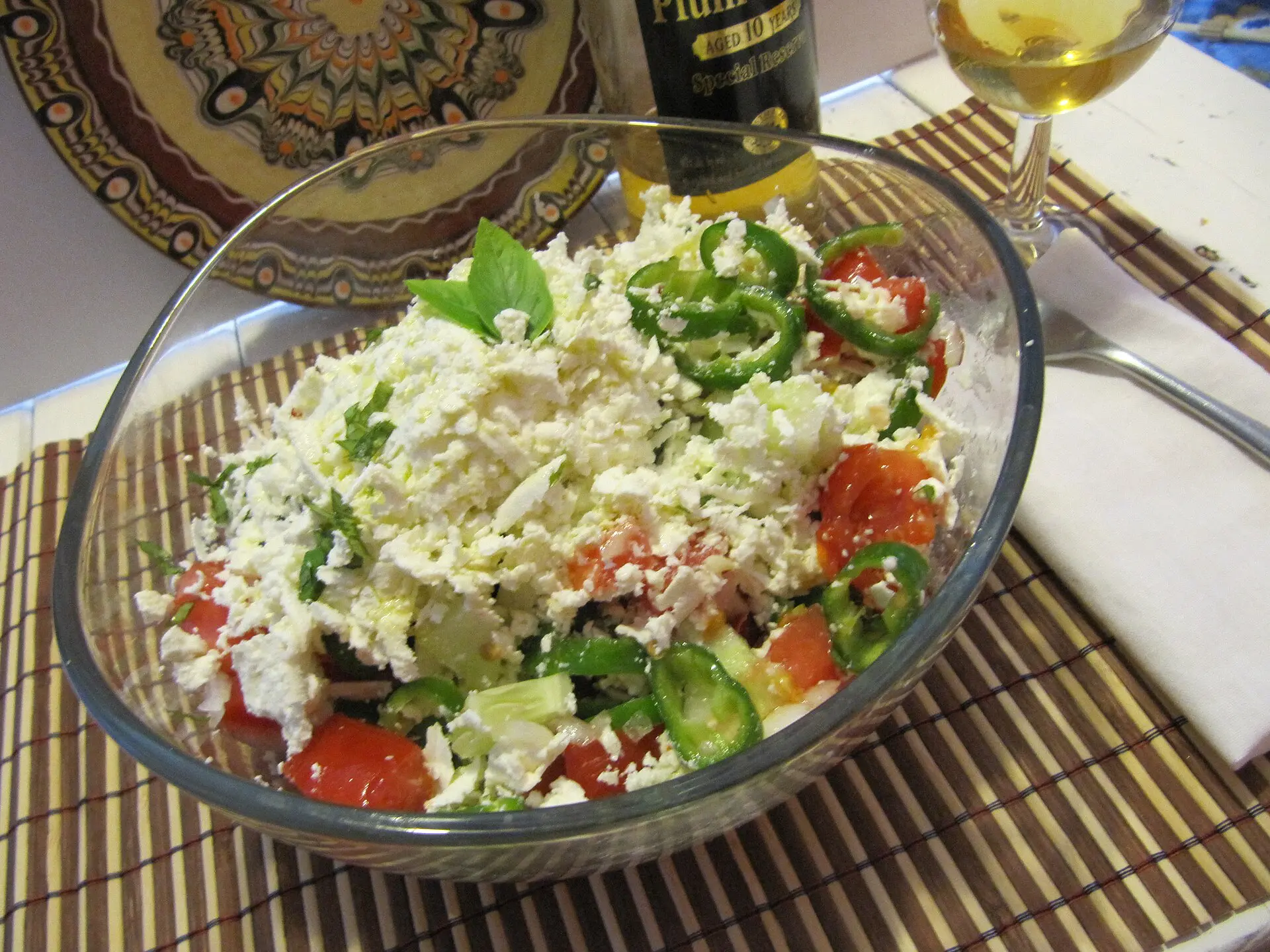
- Shopska salad: chopped tomato, cucumber and onion topped with grated sirene cheese.
- Banitsa: a flaky pastry filled with cheese and eggs, a standard breakfast.
- Tarator: a cold yoghurt and cucumber soup, popular in summer.
- Kebapche and kyufte: grilled minced-meat sausages and patties.
- Kavarma: a slow-cooked stew of meat and vegetables in a clay pot.
- Bulgarian yoghurt: a staple, with a distinctive tang from local bacteria.
- Rakia: a fruit brandy served as an aperitif, with local wine and craft beer as alternatives.
- Mekitsa: fried dough eaten with jam or white cheese.
Vegetarians do well because salads, cheese pastries, bean dishes and vegetable stews are everywhere, though many soups use meat stock. Look for traditional taverns called mehana for regional food and live folk music.
Culture, language and etiquette in Bulgaria
Bulgarian is the official language and is written in Cyrillic. English is common among younger people and in tourist businesses, while older people may speak Russian. A few words help: blagodarya means thank you, and zdravei is hello. Learn the Cyrillic alphabet if you plan to drive or use buses, as signs are not always transliterated.
Bulgarians shake their heads from side to side to mean yes and nod to mean no, the reverse of much of the world, so confirm answers in words. Hospitality is warm, and guests may be offered rakia, coffee or sweets. Dress modestly in monasteries and churches, with covered shoulders and knees, and do not take photos inside where signs forbid it.
Most Bulgarians are Orthodox Christians, with a Muslim minority and a sizeable Roma community. Avoid sweeping political comments, especially about neighbouring countries and the communist period, until you know your host. Smoking is common in some cafes despite indoor bans, and a customary tip of around 10 percent is appreciated in restaurants.
Bulgaria itinerary: a 7-day route
This route links the main cultural sites by bus or rental car without long backtracking.
- Day 1, Sofia: arrive, visit Alexander Nevsky Cathedral and walk the pedestrian centre.
- Day 2, Rila Monastery: travel about two to three hours south, tour the monastery and return to Sofia or stay in the area.
- Day 3, Plovdiv: take a bus of around two hours, then see the Roman theatre and old town.
- Day 4, Plovdiv and Kapana: explore the creative district and, if you have time, visit the Bachkovo Monastery.
- Day 5, Veliko Tarnovo: travel about three to four hours north, then climb Tsarevets and watch the sunset above the river.
- Day 6, Veliko Tarnovo to Sofia: take a morning walk through the old town, visit Arbanasi if time allows, then return by road, about three to four hours.
- Day 7, departure: keep this day free for flights.
With extra days, add Bansko for hiking or skiing, or finish at Sozopol on the Black Sea in summer.
Practical tips for Bulgaria
- Money: the euro is now the currency. ATMs are common, and cards work in cities and most hotels, though small guesthouses, markets and rural taverns may prefer cash.
- SIM and eSIM: local prepaid SIMs and eSIMs are cheap and coverage is good along main routes. EU roaming rules apply to visitors with EU SIMs.
- Plugs: types C and F at 230 V, as in much of continental Europe.
- Tipping: around 10 percent in restaurants is customary; round up taxi fares.
- Health: carry insurance, including mountain rescue cover for hiking, and use tick repellent in forests.
- Packing: sturdy shoes for cobbled streets and mountain trails, warm layers even in summer for the highlands and a modest outfit for monasteries.
- Driving: buy the electronic vignette before using motorways and carry your licence.
For wider background, see the Wikivoyage Bulgaria guide.
FAQ
Q1Is Bulgaria safe?
Yes, for most visitors. Violent crime against tourists is uncommon. The main risks are pickpocketing in Sofia and at resorts, taxi overcharging, bar scams in beach towns and dangerous driving. Use taxi apps, watch your belongings and check your government's current travel advice.
Q2What is Bulgaria food like?
Bulgaria food is Balkan, built on fresh vegetables, white cheese, yoghurt and grilled meat. Try shopska salad, banitsa, tarator, kavarma and kebapche with rakia or local wine. Portions are large, prices are low, and vegetarians can eat well.
Q3What are the best things to do in Bulgaria?
Visit Rila Monastery, walk Plovdiv's Roman and Revival old town, climb Tsarevets in Veliko Tarnovo, hike the Seven Rila Lakes, ski at Bansko and relax at Nessebar or Sozopol on the Black Sea. Add the Rose Festival in Kazanlak if you visit in early June.
Q4What are the best places to visit in Bulgaria?
Sofia, Plovdiv, Veliko Tarnovo and Rila Monastery are the core stops. Add Bansko and Melnik for mountains and wine, Belogradchik for rock formations, and Nessebar, Sozopol or Varna for the Black Sea coast. Most can be reached by bus within a few hours.
Q5What is the best time to visit Bulgaria?
May to September is best for cities, hiking and the coast, with June and September offering warm weather and fewer crowds. December to March suits skiing. Many coastal resorts close outside summer, and mountain trails can hold snow until June.
Q6Is Bulgaria safe to visit for solo travellers and women?
Bulgaria is generally safe for solo travellers, including women, especially in cities and tourist areas. Take normal precautions: avoid empty streets late at night, use licensed taxis or apps and keep valuables hidden. Be careful in nightlife areas of beach resorts.
Q7Do I need a Bulgaria visa?
It depends on your passport. EU citizens need no visa, and citizens of the UK, US, Canada and Australia have generally been able to enter for up to 90 days in 180 without one. Rules change, so confirm with the Bulgarian foreign ministry before you travel.
Q8How many days do you need in Bulgaria?
Seven days covers Sofia, Rila Monastery, Plovdiv and Veliko Tarnovo at a steady pace. Add three to four days for Bansko and the Pirin mountains, or for the Black Sea coast, if you want a beach stop or a ski holiday.