Why visit Auckland
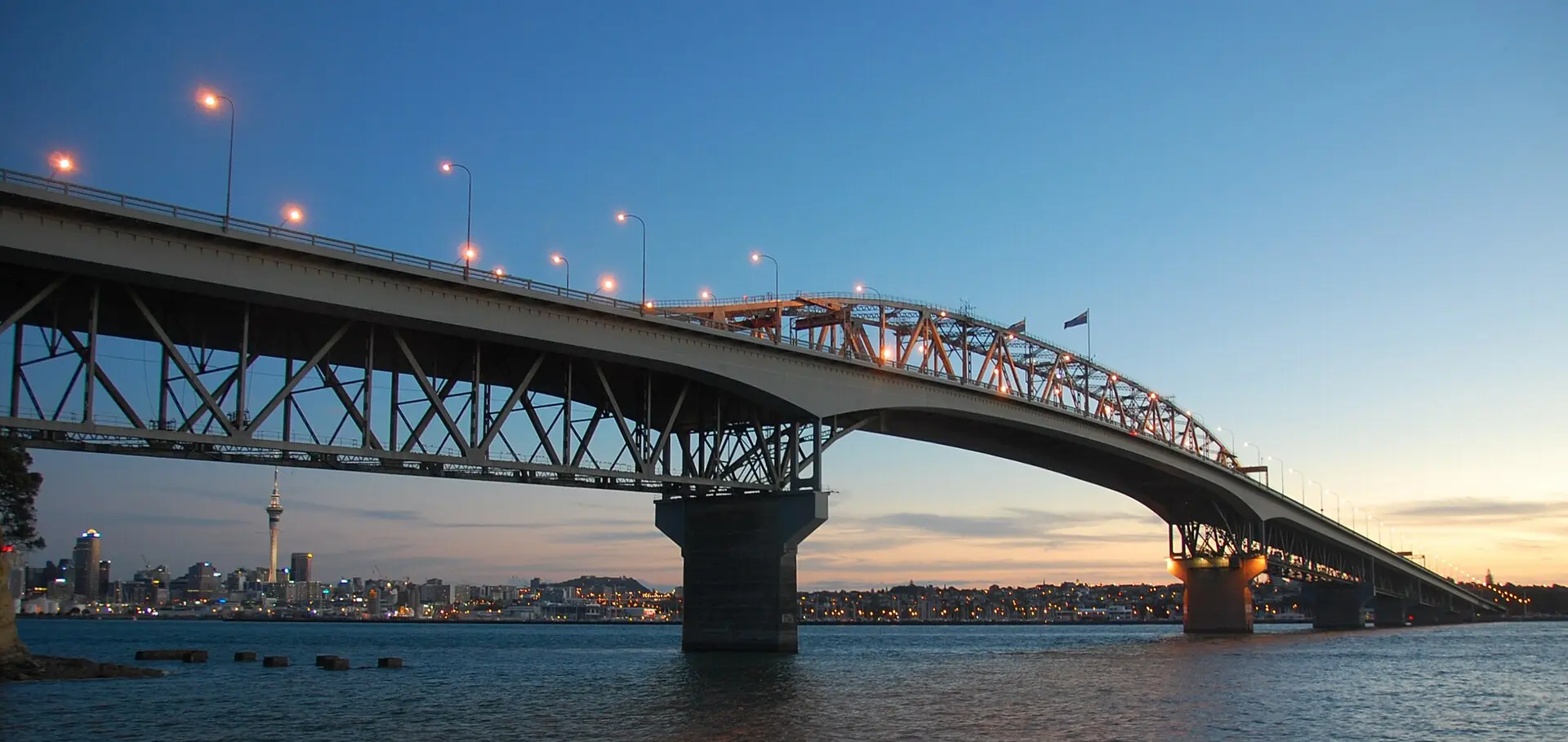
If you are planning things to do in Auckland, start with its geography. The country’s largest city sits on a narrow isthmus between two harbours, the Waitemata on the east and the Manukau on the west, and it is built across dozens of volcanic cones that now serve as parks and viewpoints.
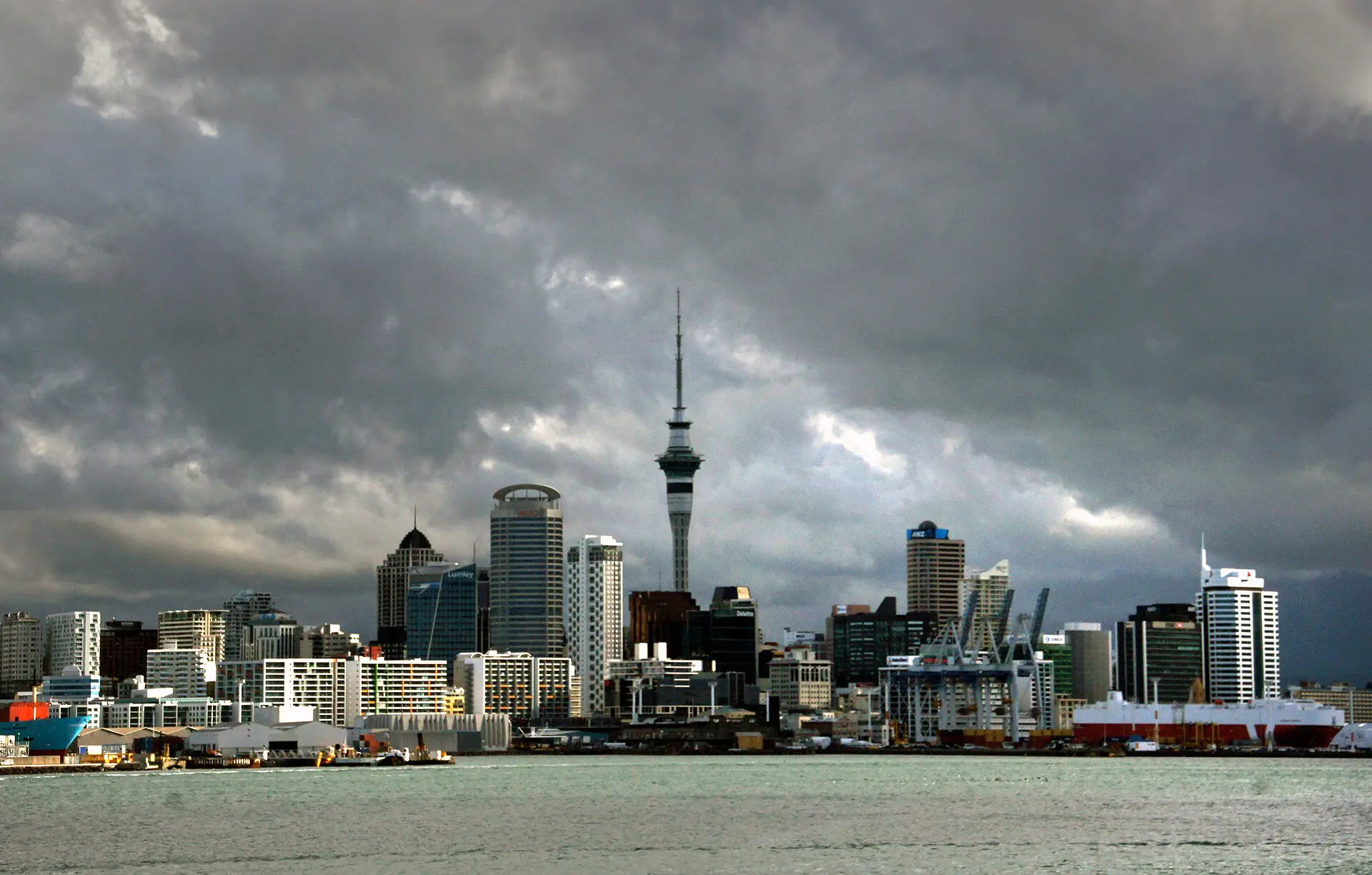
The result is a city with water in almost every direction. Ferries cross the harbour to islands and suburbs, surf beaches lie on the west coast, and vineyards and bush walks are a short trip away. It also has a large Maori and Pacific Islander population, which shapes its food, art and festivals.
Many travellers treat Auckland as a transit point, but a few days are rewarding. Come between December and March for warm weather, and allow time to get out on the water.
Top things to do in Auckland
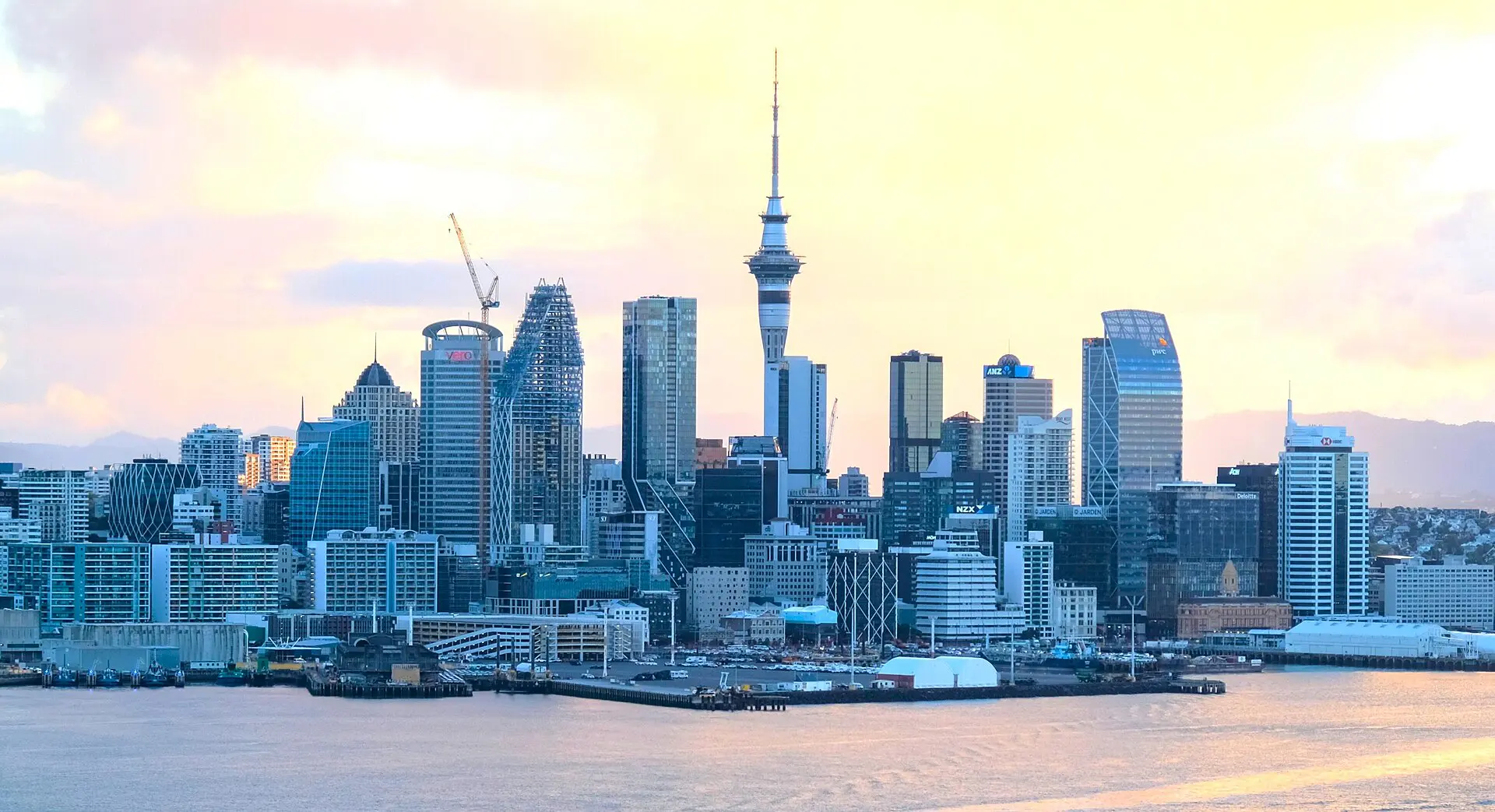
Sky Tower
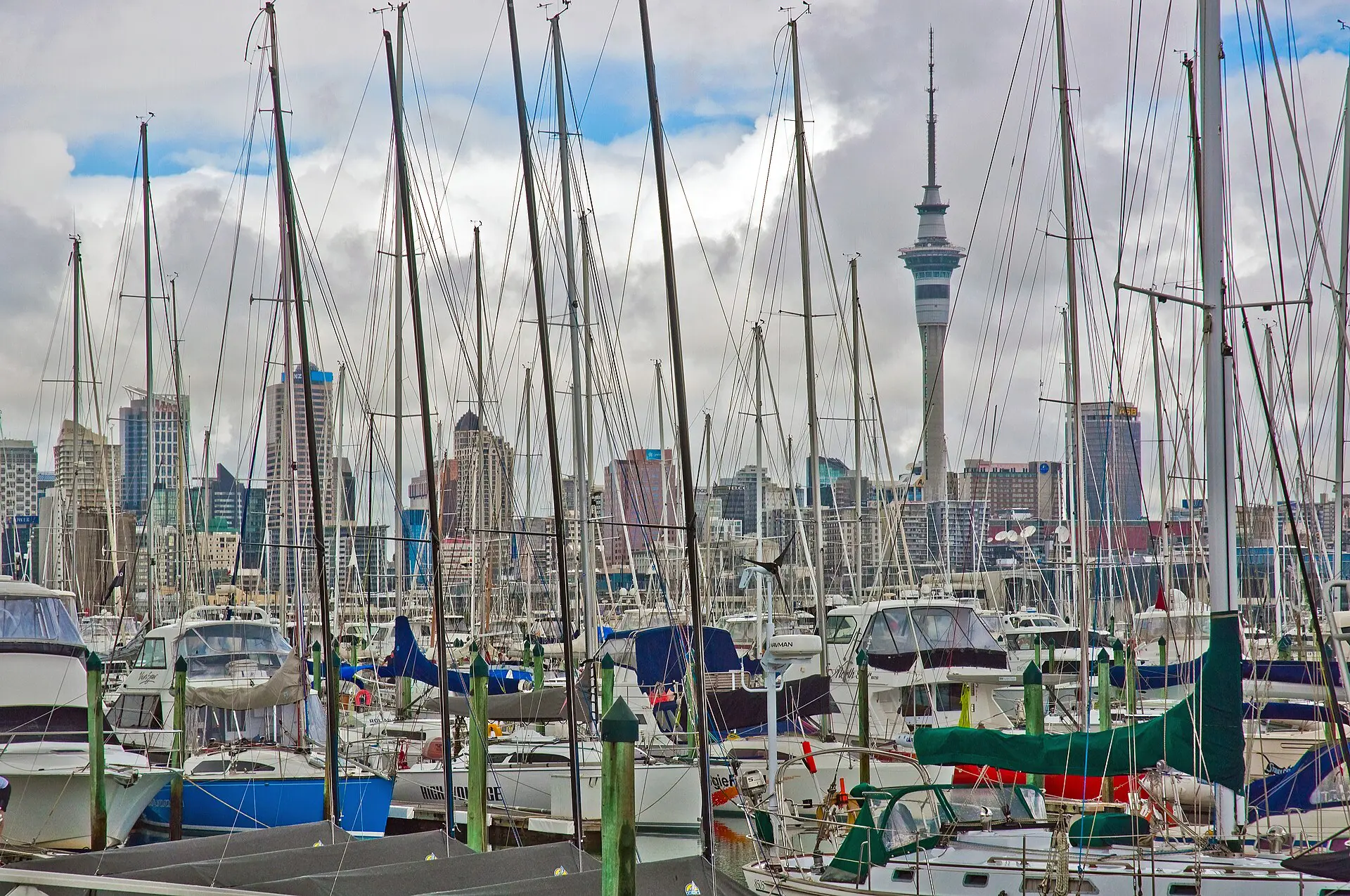
The tallest structure in the country gives wide views of the city, harbours and volcanic cones, and has an optional walk or jump for thrill seekers. Allow one to two hours. Go on a clear day, and book ahead for a sunset slot.
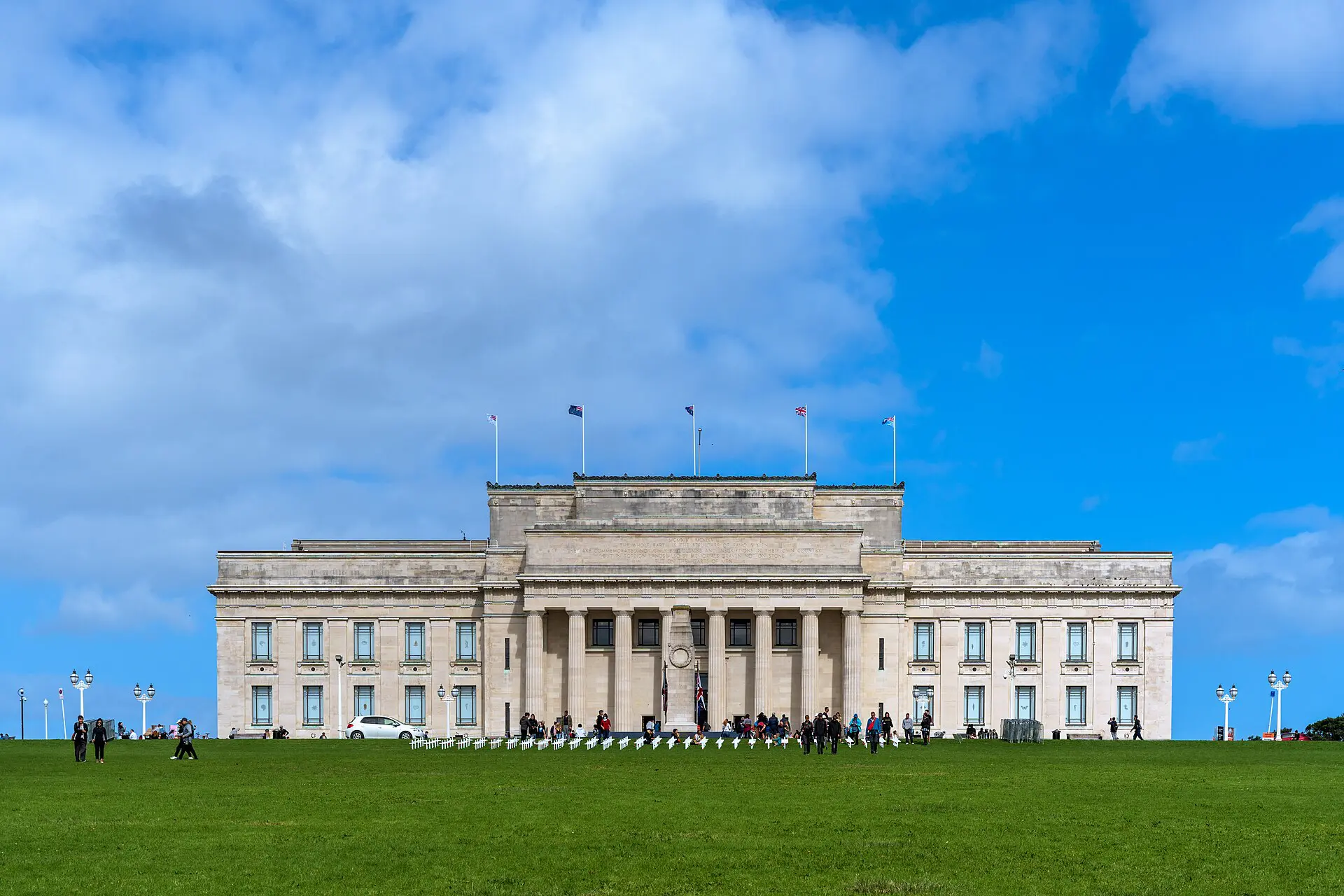
Auckland Domain and Auckland War Memorial Museum
The large park holds the museum, which has strong Maori and Pacific collections and natural history. Allow two to three hours for the museum alone. Check current entry fees for visitors, as they can differ from those for residents.
Mount Eden and One Tree Hill
Two of the best volcanic viewpoints in the city. Mount Eden has a crater and wide views, and One Tree Hill has a landmark obelisk and wide parkland. Allow an hour for each. Respect signs about sacred sites and stay on paths.
Waiheke Island
A ferry ride of roughly 40 minutes leads to an island of vineyards, beaches and olive groves. Allow a full day. Book winery visits in summer, plan transport on the island and check ferry times for the return trip.
Viaduct Harbour and the waterfront
A lively area of restaurants and bars along the harbour with views of yachts. It is also the ferry terminal area, and a good evening stop. Allow one to two hours.
Piha and the west coast beaches
The black-sand surf beaches west of the city are wild and dramatic, with Lion Rock rising from Piha. Allow half a day, swim only between the flags as currents are strong, and drive carefully on winding roads.
Rangitoto Island
A volcanic island with a short, easy summit walk and lava fields, reached by ferry in around 25 minutes. Allow half a day. Wear sturdy shoes, bring water and check ferry times, as the last boat back is fixed.
Best time to visit Auckland
Auckland has a mild, humid climate with warm summers and cool, wet winters. Weather can change quickly through the day, so pack layers at any time of year.
| Season | Weather | Crowds and prices |
|---|---|---|
| December to March | Warm, mostly sunny, humid | Busiest, highest prices |
| April to May | Mild, settled, cooling | Moderate, good value |
| June to August | Cool, wet, windy at times | Quiet, lower prices |
| September to November | Changeable, spring blossom | Moderate |
Summer is best for beaches and island trips, while winter suits museums and city breaks. Remember that seasons are reversed from the northern hemisphere.
How to get to Auckland and around
Auckland Airport is about 20 km south of the centre and is the main entry point for international flights. An airport bus, taxis and ride-hailing connect it with the city in roughly 30 to 60 minutes, depending on traffic. Domestic flights link it to Queenstown, Wellington and other cities.
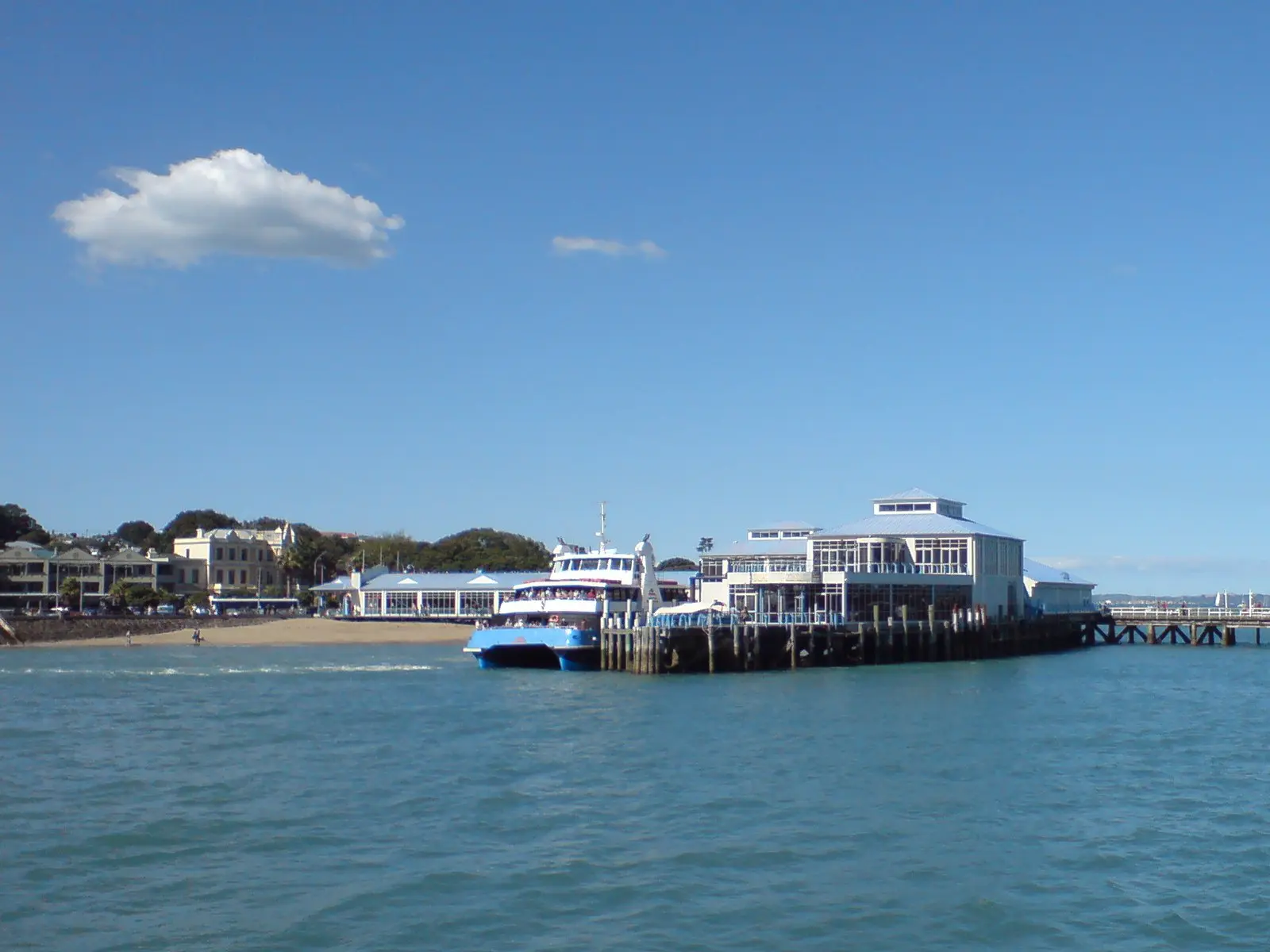
Within the city, buses, trains and ferries make up the public network, and a stored-value travel card is the usual way to pay. Ferries are the best way to reach Waiheke and Rangitoto, and the downtown area is walkable.
A car is useful for the west coast and the north, but traffic can be heavy at rush hour, and parking in the centre is costly. Drive on the left and check the rules before hiring.
Where to stay in Auckland
The central business district and the waterfront suit short stays and first-time visitors, with many hotels, restaurants and easy access to ferries and buses. It is busy and can be pricey.
Ponsonby and Parnell are leafier, with cafes, boutiques and heritage houses, and suit those who want a more local, walkable base. They are a short bus or taxi ride from downtown.
Devonport, across the harbour by ferry, has a seaside village feel and views back to the city. It suits couples and travellers who want a quieter evening. Waiheke is another option for an overnight stay, but book ahead in summer, and compare prices as accommodation costs vary widely.
How many days do you need?
Two days covers the main city sights, while three or four lets you add an island and a west-coast beach. If you only have a stopover, focus on the Sky Tower, the waterfront and one volcanic viewpoint.
- Day 1: Sky Tower and the waterfront, then the museum in the Domain and an evening in Ponsonby or Viaduct Harbour.
- Day 2: Ferry to Waiheke for beaches and a vineyard lunch, returning in the evening.
- Day 3: Mount Eden in the morning, then a drive to Piha or a ferry to Rangitoto.
Add extra days for the Bay of Islands or the Coromandel Peninsula.
Day trips and nearby
Rotorua
Known for geothermal activity and Maori culture, about three hours south by road. It suits an overnight stay, though a long day trip is possible if you start early.
Taupo
A large lake town roughly four hours away by car, with views of volcanic peaks. It is better as part of a longer North Island trip than as a day excursion.
Waiheke Island
The easiest escape from the city, with ferries every day. Many visitors rent a car, bike or use the local bus to reach beaches and wineries.
Wellington and the South Island
Domestic flights make Wellington, Queenstown and Christchurch easy to add. Check flight times and baggage rules, and avoid trying to fit them into a short Auckland stay.
FAQ
Q1When is the best time to visit Auckland?
December to March is warmest and driest, with the best conditions for beaches and ferries. April and May are mild and cheaper, while winter is cool and wet, and suits museums and city activities.
Q2How many days do you need in Auckland?
Two to four days works well. That covers the city sights, a ferry trip to Waiheke or Rangitoto and a west-coast beach. A stopover of one day should focus on the harbour and one viewpoint.
Q3How do you get around Auckland?
Buses, trains and ferries form the public network, and a stored-value card is the usual way to pay. Ferries reach the islands, and a car helps for the west coast and the north, although traffic can be heavy.
Q4Is Auckland expensive?
Prices are high by global standards, especially for accommodation, dining and activities. Summer is the most expensive season, and costs fall in autumn and winter. Booking early and using public transport can reduce spending.
Prices, schedules and entry rules change. Check current details with official sources before you travel. Read the New Zealand travel guide.