Why visit Wellington
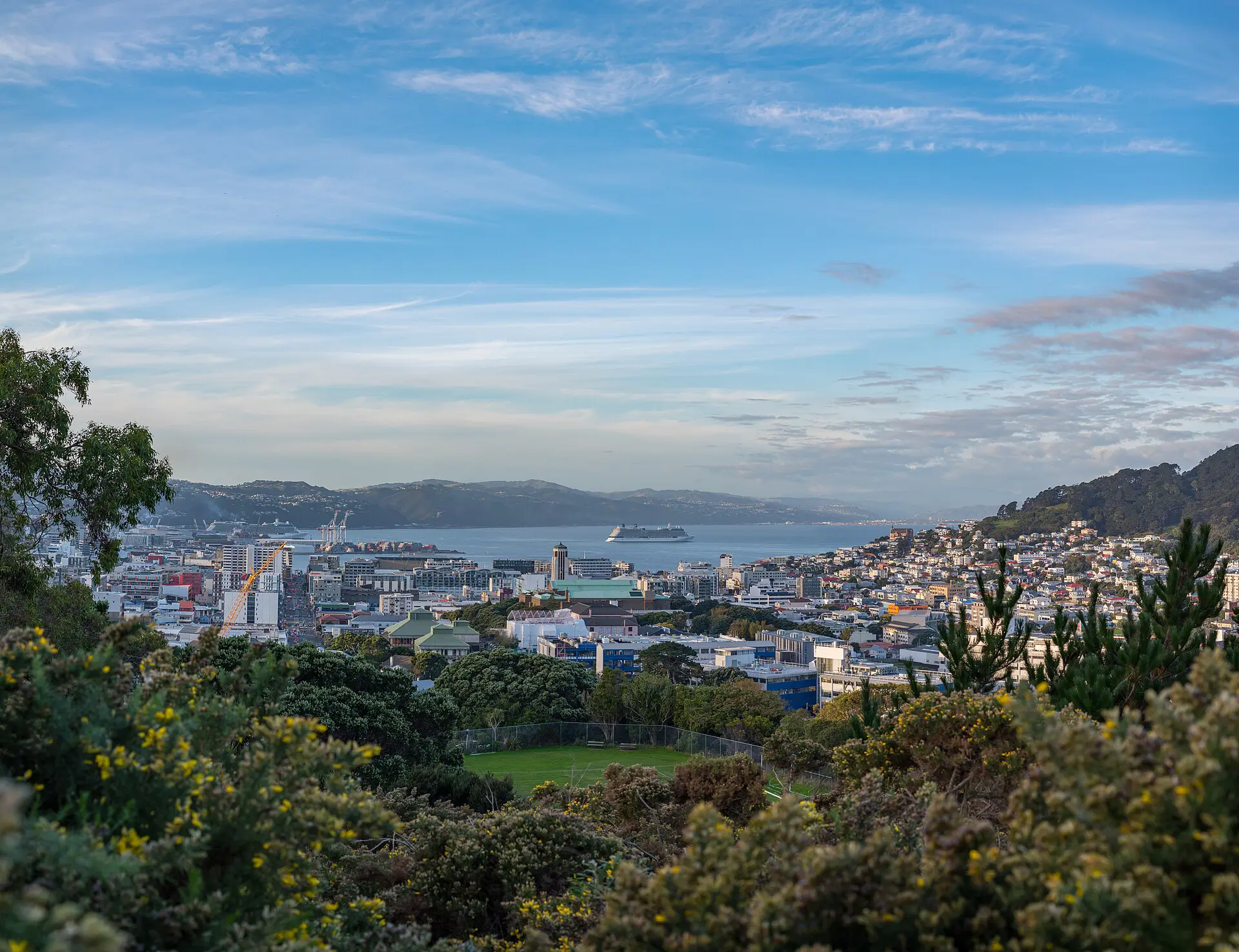
For anyone planning things to do in Wellington New Zealand, the appeal is a compact capital on a scenic harbour, with museums, cafes and easy access to nature. The city sits at the southwestern tip of the North Island, between Cook Strait and the Remutaka Range, and is the world’s southernmost capital of a sovereign state.
It became the capital in 1865, replacing Auckland, and it is nicknamed the Windy City, with a temperate maritime climate and some of the strongest average winds of any city in the world. It is ringed by hills on the foreshore of Wellington Harbour, and home to many of the country’s national arts and cultural attractions.
The city is far smaller than Auckland, with about 434,000 people in the wider urban area, so most sights are within a short walk or bus ride. It suits travellers who like museums, coffee, food and walks with views more than beaches or adventure sports.
Top things to do in Wellington
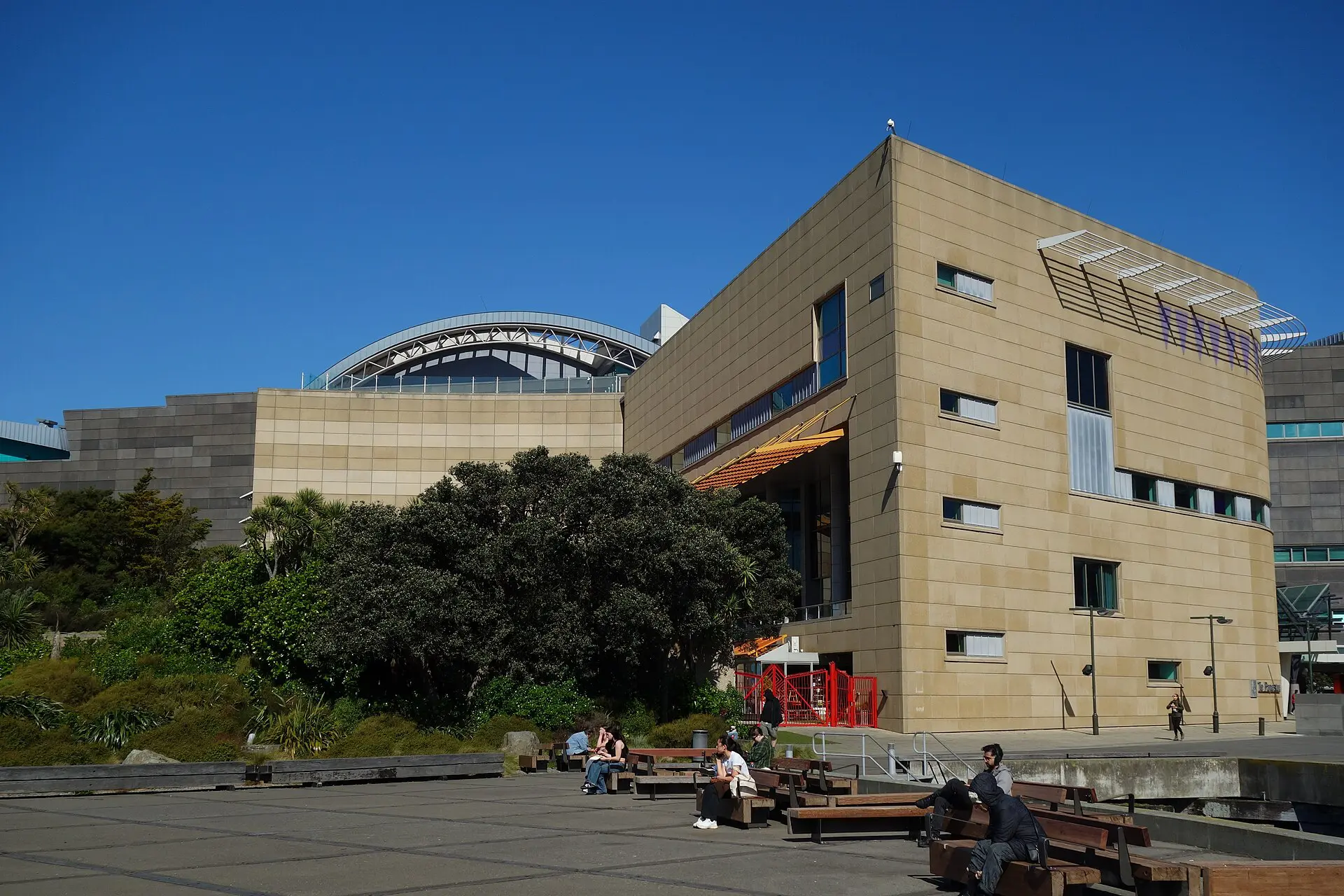
Visit Te Papa
The national museum on the waterfront covers New Zealand’s natural history, Māori culture and art. Allow two to four hours. Tip: general entry has typically been free for New Zealanders with charges for some exhibitions, so check current ticket rules.
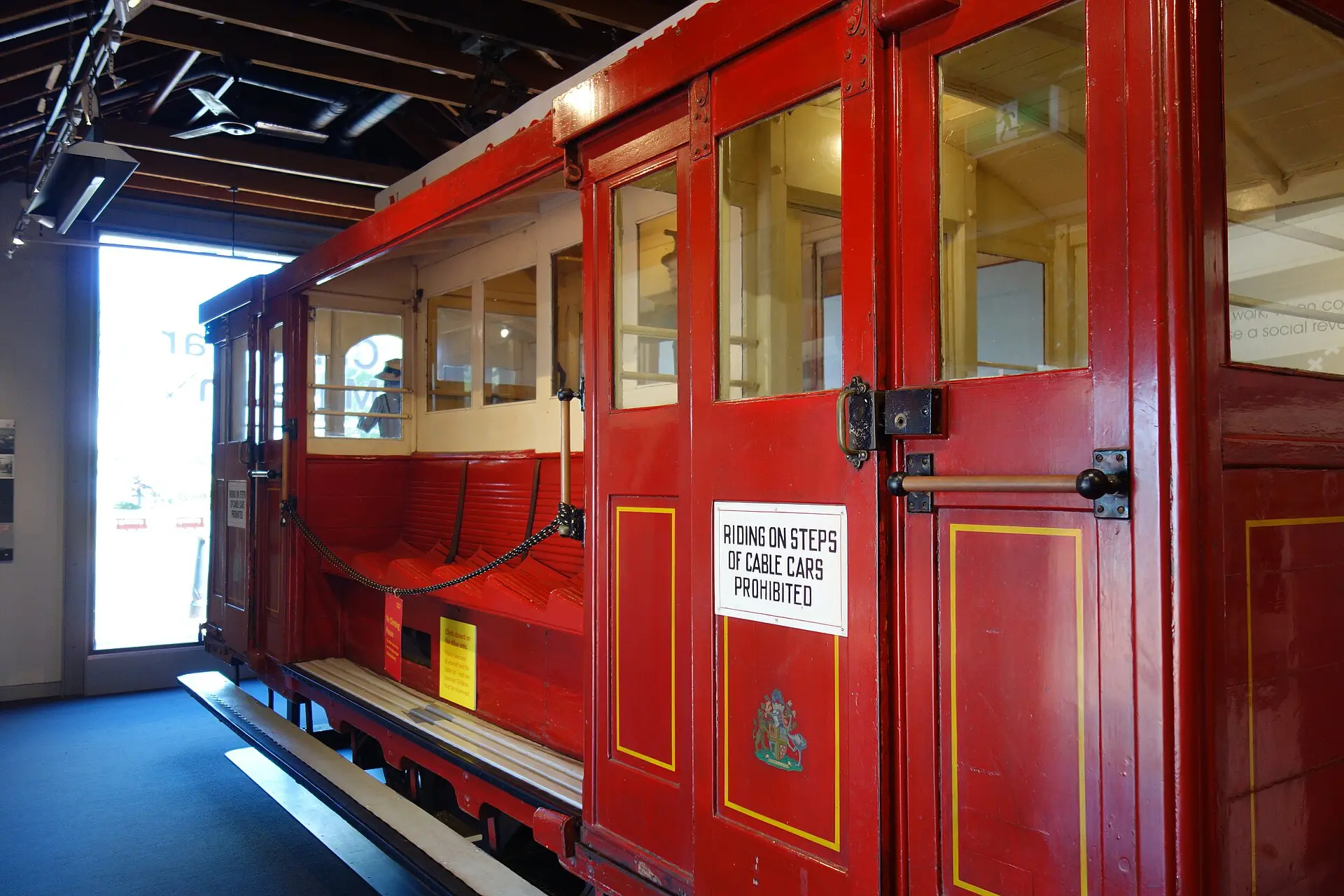
Ride the cable car
The cable car climbs from the city centre to the Botanic Garden. Allow an hour including views. Tip: you can ride up and walk down through the gardens, which is an easy, rewarding downhill route.
Walk the waterfront
The harbour promenade links museums, cafes and public art, and it is the heart of city life. Allow one to two hours. Tip: it can be very windy, so bring a windproof layer even on sunny days.
Explore the cafes and food scene
Wellington is known for coffee and a dense mix of restaurants. Allow an evening and a morning. Tip: book popular restaurants ahead on weekends, and check opening times, since some close early.
Climb Mount Victoria
This lookout gives views over the harbour, city and airport. Allow one to two hours. Tip: go at sunrise or late afternoon, and wear sturdy shoes, since paths can be steep.
Visit Zealandia
This fenced ecosanctuary near the city protects native birds and wildlife. Allow half a day. Tip: book ahead, take warm layers, and consider a guided evening visit if available.
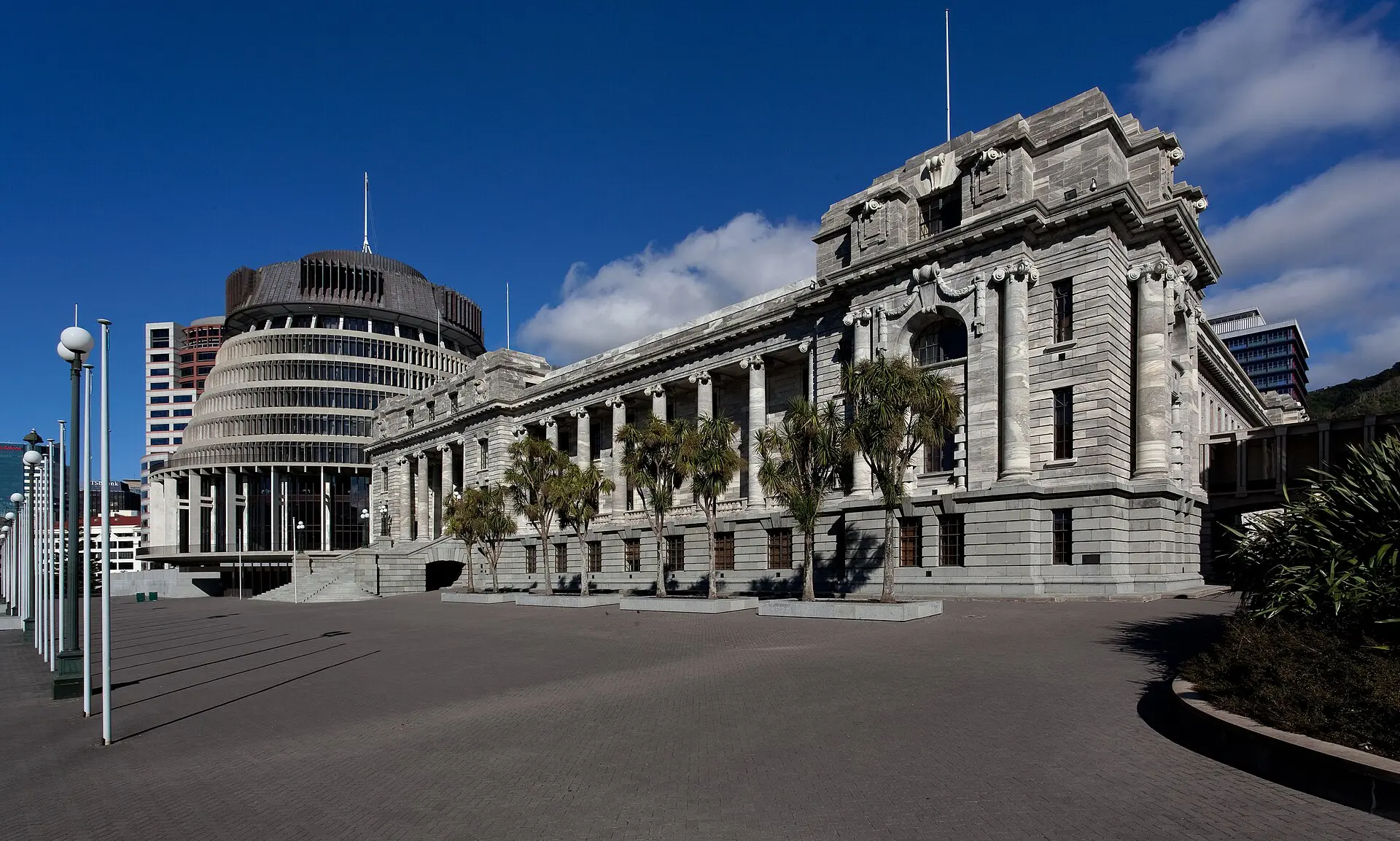
See Parliament and the Beehive
The parliament precinct is central and can be visited on guided tours. Allow about an hour. Tip: check tour times and security rules before you go.
Best time to visit Wellington
Wellington has a temperate maritime climate, with changeable weather and strong winds at any time of year. Summer, roughly December to March, is the most settled and warmest, and also the busiest and most expensive period. Autumn is often pleasant, winter is cool and wet but quiet, and spring brings a mix of weather.
| Season | Weather | Crowds and prices |
|---|---|---|
| December to March | Mild to warm, windy | Busiest, highest prices |
| April to May, October to November | Cool to mild, changeable | Moderate |
| June to August | Cool, wet, windy | Quiet, lower prices |
Pack layers and a windproof jacket whenever you visit, and check ferry forecasts if you plan to cross Cook Strait.
How to get to Wellington and around
Wellington Airport is close to the city centre and has domestic flights across New Zealand and some international routes, mainly to Australia. A bus or taxi takes you into town in a short time. Check current services and fares.
Ferries cross Cook Strait to the South Island, and the main operators carry passengers and vehicles. Crossings are weather-dependent, so check timetables and book ahead in peak season. In the city, the centre is walkable and buses and a cable car cover the hills. Trains run to the surrounding region, and taxis and ride-hailing are available.
Where to stay in Wellington
Because the city is compact, most central areas work well for short stays.
- Central business district: best for first-time visitors, with walkable access to the waterfront, museums and restaurants.
- Cuba Street area: suited to travellers who like cafes, bars and a bohemian feel, though evenings can be noisy.
- Oriental Bay: a pleasant harbourside suburb with sea views and a beach, and a short bus ride from the centre.
- Near the ferry terminal or airport: practical for early departures and short stops on the way to the South Island.
Prices rise in summer and around events, so book ahead and check cancellation terms. Hilly streets can make walking with luggage tiring.
How many days do you need?
Two to three days covers the main sights comfortably. With a single day you can see Te Papa and the waterfront, and a third day lets you add a nature or day trip.
- Day 1: Te Papa and the waterfront, lunch at a harbourside cafe, then the cable car and Botanic Garden.
- Day 2: Zealandia in the morning, Parliament in the afternoon, and dinner in the Cuba Street area.
- Day 3: Mount Victoria at sunrise, then a day trip or ferry across Cook Strait.
If it is raining, swap outdoor stops for museums and galleries.
Day trips and nearby
Napier
Napier is an Art Deco city on the Hawke’s Bay coast on the North Island. It is a long drive from Wellington, so it suits an overnight stay. Check road conditions and distances in advance.
Taupo
Taupo sits beside New Zealand’s largest lake in the central North Island. It is several hours away, so allow an overnight stay. Check driving times and weather.
Kaikoura
Kaikoura on the South Island is known for marine wildlife. It is reached by ferry and road, so it suits a longer trip. Check ferry and road status before planning.
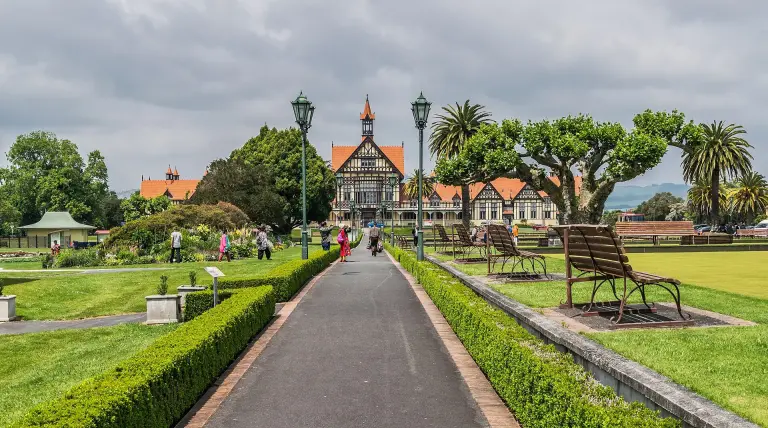
Rotorua
Rotorua is known for geothermal activity and Māori culture. It is a long drive north, so it fits an extended North Island itinerary rather than a day trip.
FAQ
Q1When is the best time to visit Wellington?
Summer, from roughly December to March, is the warmest and most settled, but also the busiest. The city is windy and changeable all year, so pack layers and a windproof jacket. Winter is cooler and wetter but quieter and cheaper.
Q2How many days do you need in Wellington?
Two to three days covers Te Papa, the waterfront, the cable car and a nature visit such as Zealandia. One day gives a quick overview. Add time if you are catching a ferry to the South Island.
Q3How do you get to Wellington?
Wellington Airport is close to the centre and serves domestic and some international flights. Ferries cross Cook Strait from the South Island, and roads and trains connect the city to the rest of the North Island. Check current timetables and fares.
Q4Is Wellington expensive?
New Zealand is not cheap, and Wellington's hotels and restaurants are priced accordingly. The city is compact, so you save on transport, and many walks and viewpoints are free. Prices rise in summer, so book accommodation early.
Prices, schedules and entry rules change. Check current details with official sources before you travel. Read the New Zealand travel guide.