Why visit Fes
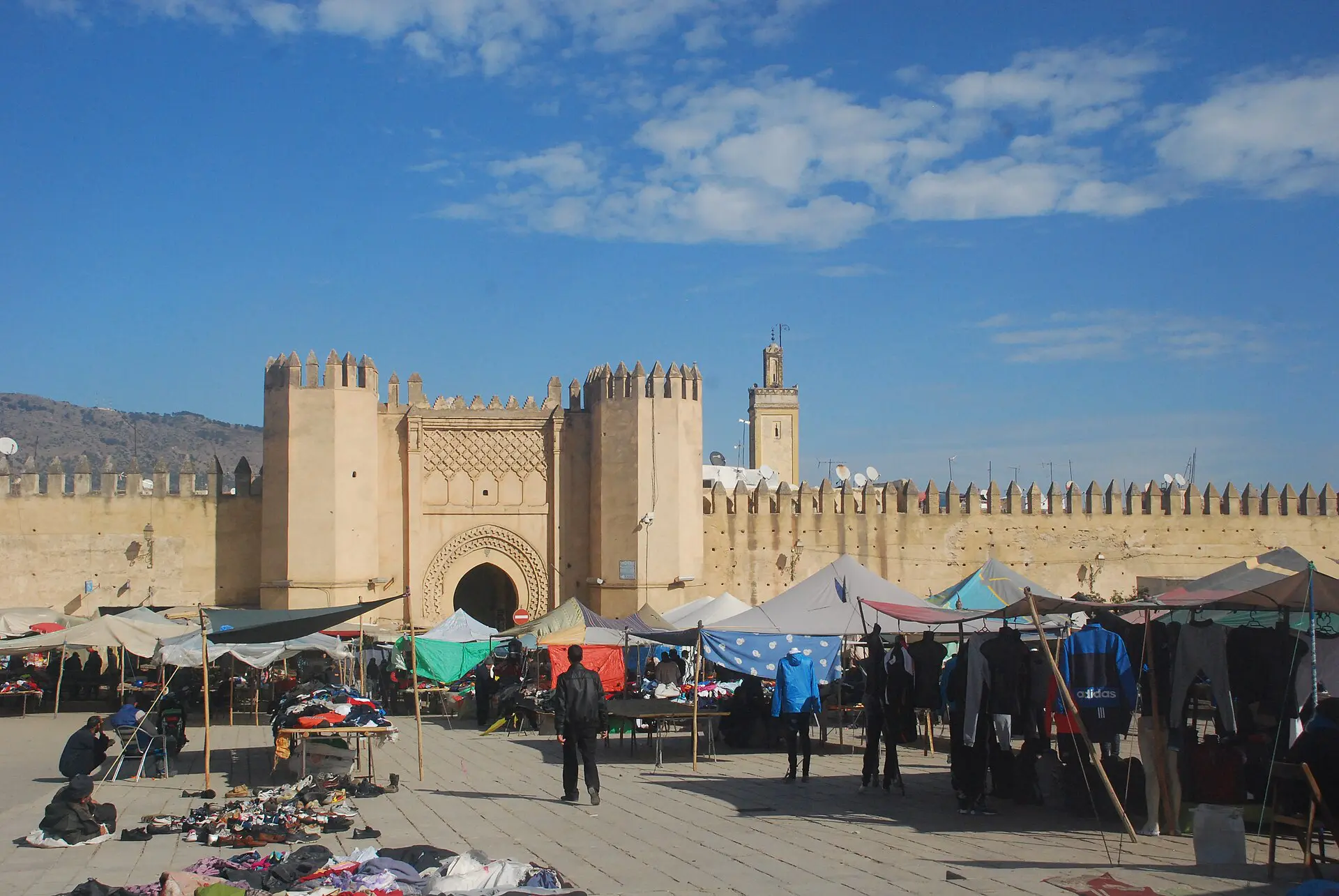
If you are planning things to do in Fes, the medina is the answer. The city in northern inland Morocco is the medieval capital of the country and was founded under the Idrisid dynasty in the 8th century. Its old city, Fes el-Bali, is a UNESCO World Heritage site and is often described as the world’s largest car-free urban zone.
Inside the walls, a maze of alleys is filled with workshops, fountains, mosques and religious schools. Goods are moved by donkeys, handcarts and motorbikes, so you walk in a flow of locals and craftspeople rather than past museum displays. The city is also home to the Al-Qarawiyyin, widely cited as the oldest continuously operating university, dating to 859.
Fes is intense, with touts, strong smells and steep, crowded lanes. It repays patience and a good guide. If you go in with realistic expectations and a few phrases of French or Arabic, it is one of the most rewarding cities in Morocco.
Top things to do in Fes
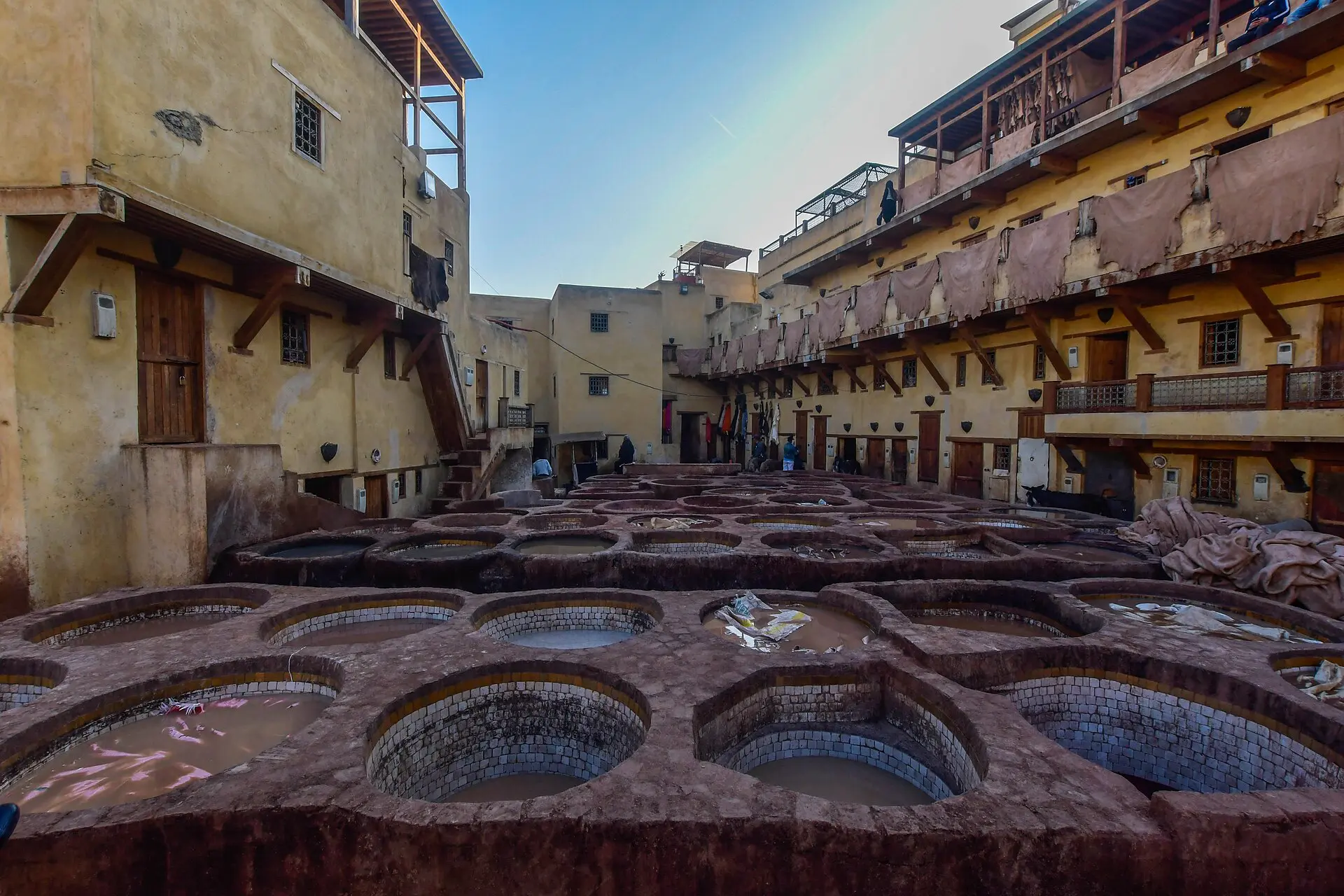
Fes el-Bali medina
The old city is the main attraction, and it deserves at least a full day. Start early, when streets are quieter, and walk along the main lanes before exploring side streets. Expect to get lost, and consider hiring a licensed guide for the first few hours.
Chouara Tannery
The leather tannery, with its stone vats of dye, is the best-known view in the city. Allow 30 to 45 minutes. Viewing terraces are above leather shops, and you may be offered a sprig of mint for the smell. Expect a sales pitch and agree on any prices before buying.
Bou Inania Madrasa
This 14th-century religious school is known for its carved wood, tilework and calm courtyard. Allow around 30 minutes. Entry details and opening hours change, so check on the day, and dress modestly.
Al-Attarine Madrasa
A smaller, finely decorated school near the Al-Qarawiyyin. It takes about 20 to 30 minutes and is often quieter than other sights. Check opening hours, as they vary and it can close for short periods.
Al-Qarawiyyin and the Zaouia
The Al-Qarawiyyin complex is closed to non-Muslims inside, but you can see the exteriors and some doorways from the street. Allow around 20 minutes. Respect signs and local guidance, and do not photograph worshippers.
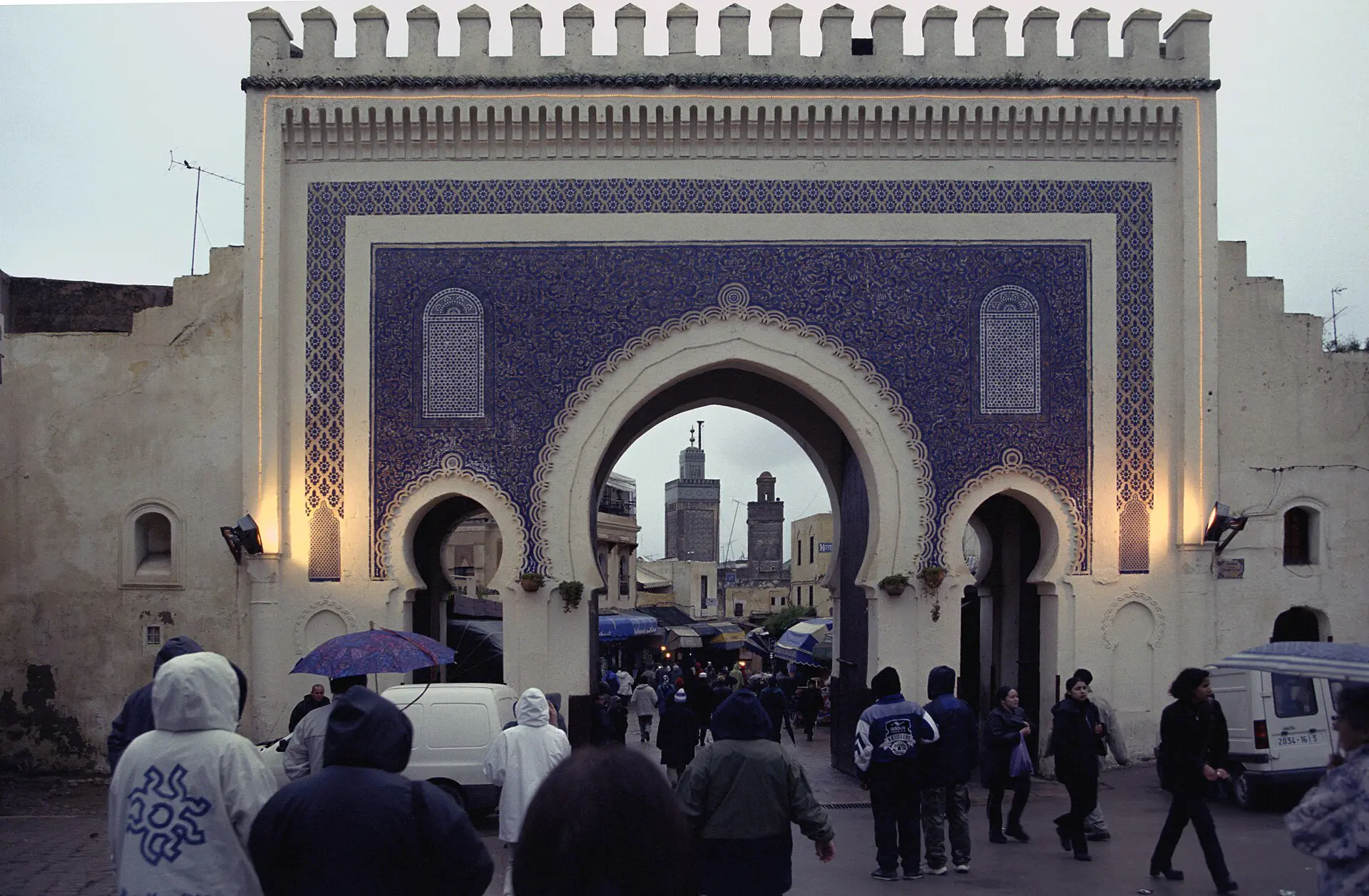
Bab Bou Jeloud and Fes el-Jdid
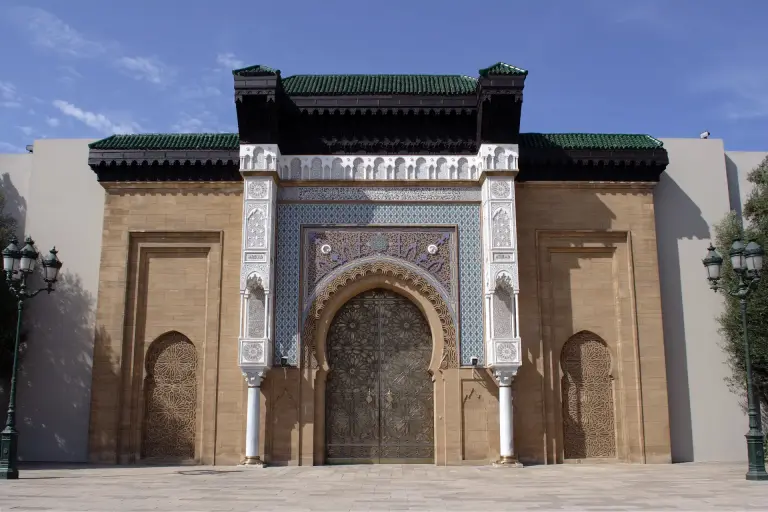
The blue gate at Bab Bou Jeloud is a popular entrance to the medina. Fes el-Jdid, the newer royal quarter, has the Mellah, the old Jewish quarter, and the royal palace gates. Allow two hours for both on foot.
Viewpoints over the city
The hills above the medina give views across the roofs. The old fort and tombs on the northern ridge are popular at sunset. Allow one to two hours and consider a taxi, as the climb is steep.
Best time to visit Fes
Fes has hot, dry summers and cool, wetter winters, with temperatures that vary a lot between day and night. Spring and autumn are the most comfortable seasons for walking around the medina. July and August can be very hot, and winter evenings can be cold.
| Season | Weather | Crowds and prices |
|---|---|---|
| Spring (Mar to May) | Mild, some rain early | Busier, higher prices |
| Summer (Jun to Aug) | Hot and dry | Quieter in heat, lower prices |
| Autumn (Sep to Nov) | Warm, then cooler | Busier, higher prices |
| Winter (Dec to Feb) | Cool to cold, wetter | Quiet, lower prices |
March to May and September to November are best. Check the dates of Ramadan, as opening hours and restaurant service change.
How to get to Fes and around
Fes-Saiss Airport is about 15 km from the city and has flights from several European cities and from Moroccan hubs. Taxis run to the city, and you should agree on the fare or ensure the meter is on. Check current routes, as they change.
The train is a good option. Fes has rail links with Casablanca, Rabat, Meknes and Tangier, and the journey times from Casablanca and Rabat are a few hours. Check current schedules and book ahead for busy days. Long-distance buses also serve the city.
Inside the medina, you walk. Petit taxis cover the newer city and drop you near the gates, while larger grand taxis serve longer routes. Many riads can arrange a porter to meet you at a gate. Keep small change for tips and street purchases.
Where to stay in Fes
A riad inside Fes el-Bali puts you in the heart of the medina, with traditional courtyards and rooftop terraces. It suits visitors who want atmosphere and are happy to walk through alleys with luggage, often with help from a porter. Look for a place with clear directions.
The area near Bab Bou Jeloud is a good compromise, with easier access and more restaurants. Fes el-Jdid and the Ville Nouvelle, the modern French-era district, have larger hotels with parking and easier taxi access. They suit families and anyone who prefers a calmer base.
Budget guesthouses and hostels are in the medina and near the train station. Book ahead in spring and autumn, and ask whether the property provides airport pickup and breakfast.
How many days do you need?
Two days covers the essentials of the medina and the main sights. Three days lets you slow down and add a rooftop view or a cooking class. A fourth day adds Meknes and Volubilis as an easy trip. If you only have one day, focus on the main medina lanes, a medersa and the tannery.
- Day 1: Enter through Bab Bou Jeloud, visit Bou Inania and Al-Attarine, and wander the main lanes to the tannery.
- Day 2: Explore Fes el-Jdid, the Mellah and the royal gates, and watch the sunset from a viewpoint.
- Day 3: Take a cooking class or a craft workshop, and explore quieter medina neighbourhoods with a guide.
Day trips and nearby
Meknes
A former imperial city close to Fes, Meknes has a walled medina, a huge gate called Bab Mansour and royal stables. Allow half a day to a full day. It is an easy train ride from Fes.
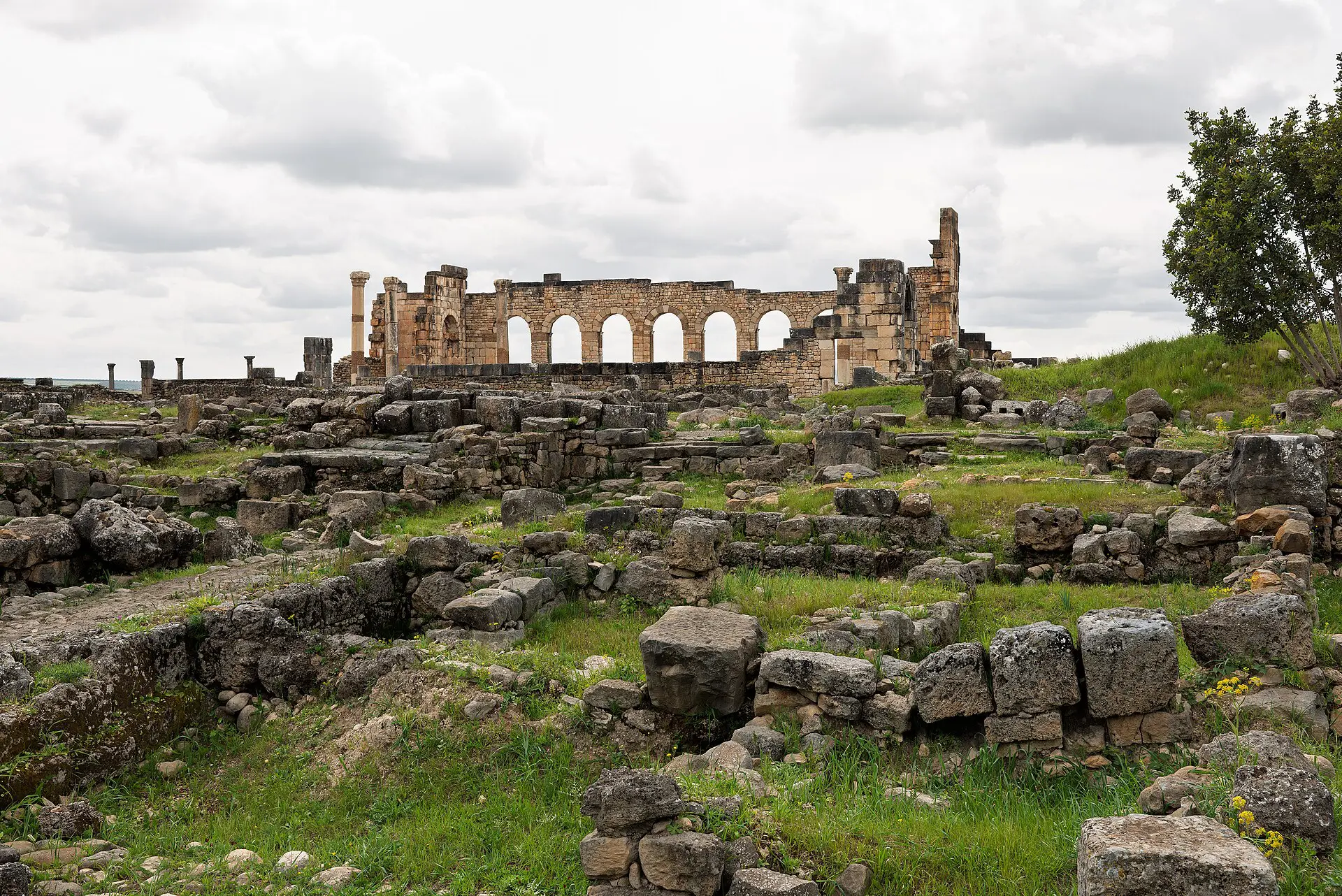
Volubilis
The best-known Roman site in Morocco lies near Meknes, with mosaics and columns on a hillside. Allow two to three hours. Combine it with a Meknes trip, and bring a hat and water, as there is little shade.
Chefchaouen
The blue-washed mountain town lies to the north and is reachable by road in several hours. It is better as an overnight stop than a day trip. Check current bus and transfer schedules.
Ifrane and the Middle Atlas
The hill town of Ifrane and the cedar forests of the Middle Atlas offer cooler air and a very different landscape. Allow a full day, ideally by car, and check road conditions in winter, when snow is possible.
FAQ
Q1When is the best time to visit Fes?
March to May and September to November are best, with mild weather for walking the medina. Summer is very hot, and winter evenings can be cold and wet. Check the dates of Ramadan if you want normal restaurant service and opening hours.
Q2How many days do you need in Fes?
Two to three days covers the medina, the main medersas and the tannery at a comfortable pace. Add a day if you want to visit Meknes and Volubilis. A single day only gives you a taste of the old city.
Q3How do you get to Fes?
Fes-Saiss Airport, about 15 km from the city, has flights from several European and Moroccan cities. Trains link Fes with Casablanca, Rabat, Meknes and Tangier. Check current timetables and book ahead for busy days.
Q4Is Fes safe, and do you need a guide?
Fes is generally safe for visitors, though touts and pickpockets are common in crowded alleys, so keep valuables secure. A licensed guide is worth hiring for the first few hours, since the medina is a maze and signage is limited.
Prices, schedules and entry rules change. Check current details with official sources before you travel. Read the Morocco travel guide.