Why visit Marrakech
If you are planning things to do in Marrakech, begin with the medina. This is one of Morocco’s imperial cities and the country’s main tourist destination, split into the historic walled medina and the modern district of Gueliz. The name is said to come from Amazigh words meaning Land of God.
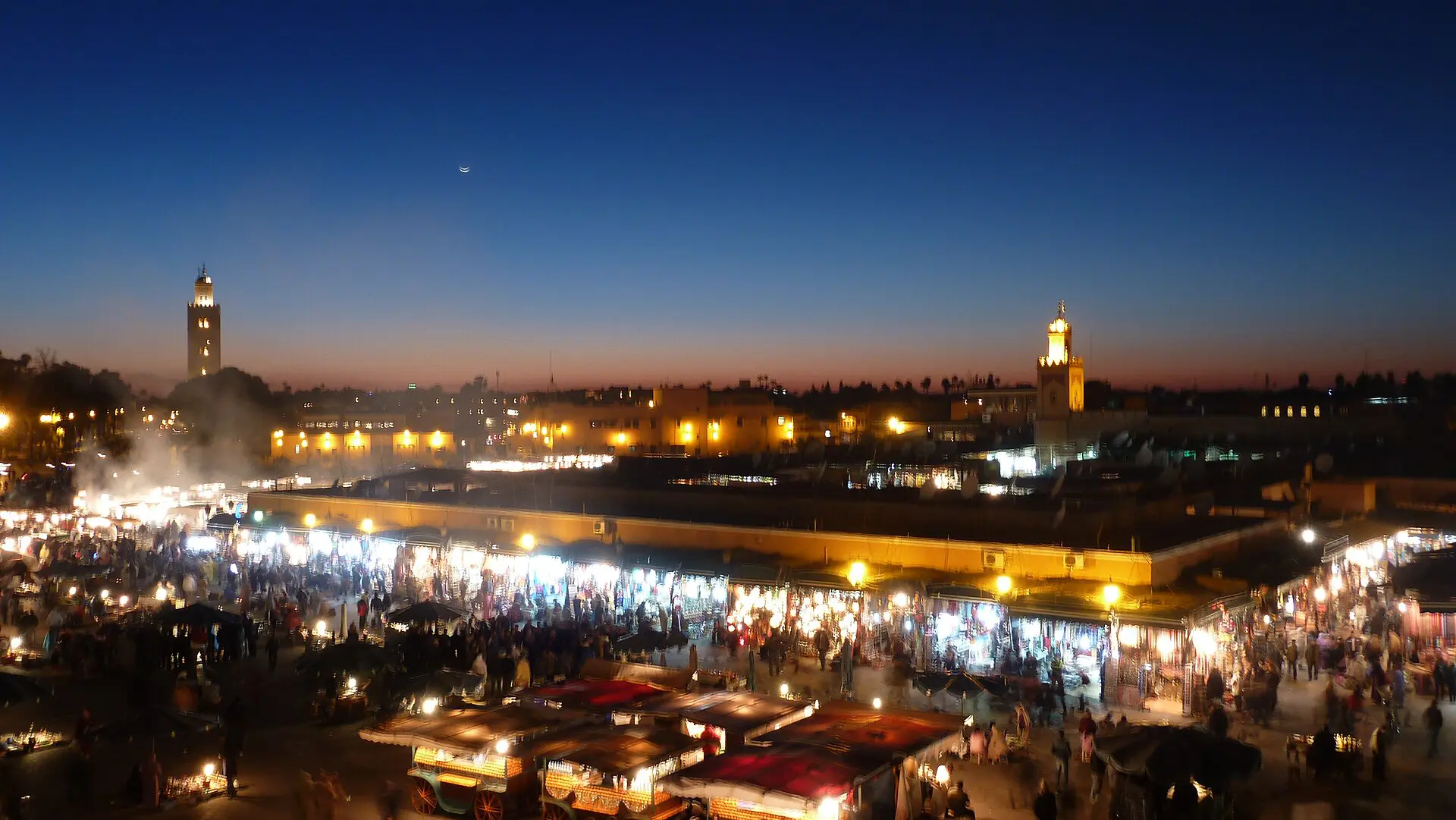
The medina is a maze of narrow passageways, workshops and shops around the large square Djemaa el-Fna, where visitors, locals and vendors gather. Many riads, traditional houses with inner courtyards, now operate as small hotels. Gueliz, by contrast, has modern restaurants and brand-name shops.
The city lies near the foothills of the snow-capped Atlas Mountains, which gives day trips a very different landscape. Marrakech can be overwhelming, with touts, motorbikes and heat, but a flexible plan, patient bargaining and a calm riad to return to make it enjoyable.
Top things to do in Marrakech
Jemaa el-Fna
The central square comes alive in the late afternoon with food stalls, storytellers and musicians. Plan one to two hours at dusk. Agree prices before eating, be wary of anyone who asks for money to photograph them, and keep valuables secure.
Souks of the medina
The covered markets north of the square sell leather, lamps, spices, textiles and metalwork. Allow two to three hours. Bargain politely, start around half the asking price, walk away if you are uncomfortable, and use a map app, since the lanes are confusing.
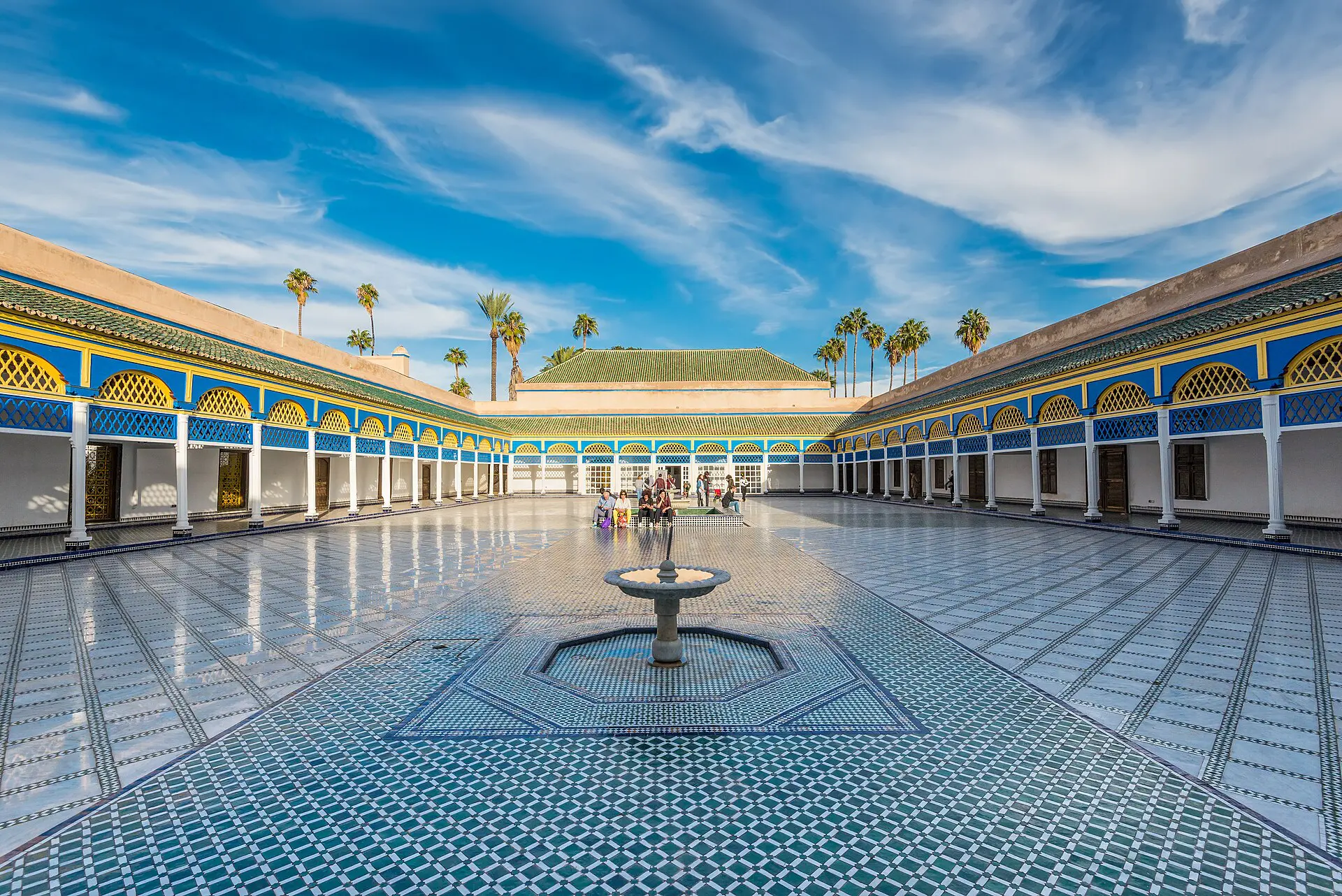
Bahia Palace
A 19th-century palace with painted ceilings, tiled courtyards and gardens. It takes about an hour. Go early to avoid tour groups, check the current entry price and note that some rooms may be closed.
Saadian Tombs
A royal burial site with finely decorated chambers, rediscovered in the early 20th century. Visits are short, around 30 to 45 minutes, but queues form at midday. Go at opening time.
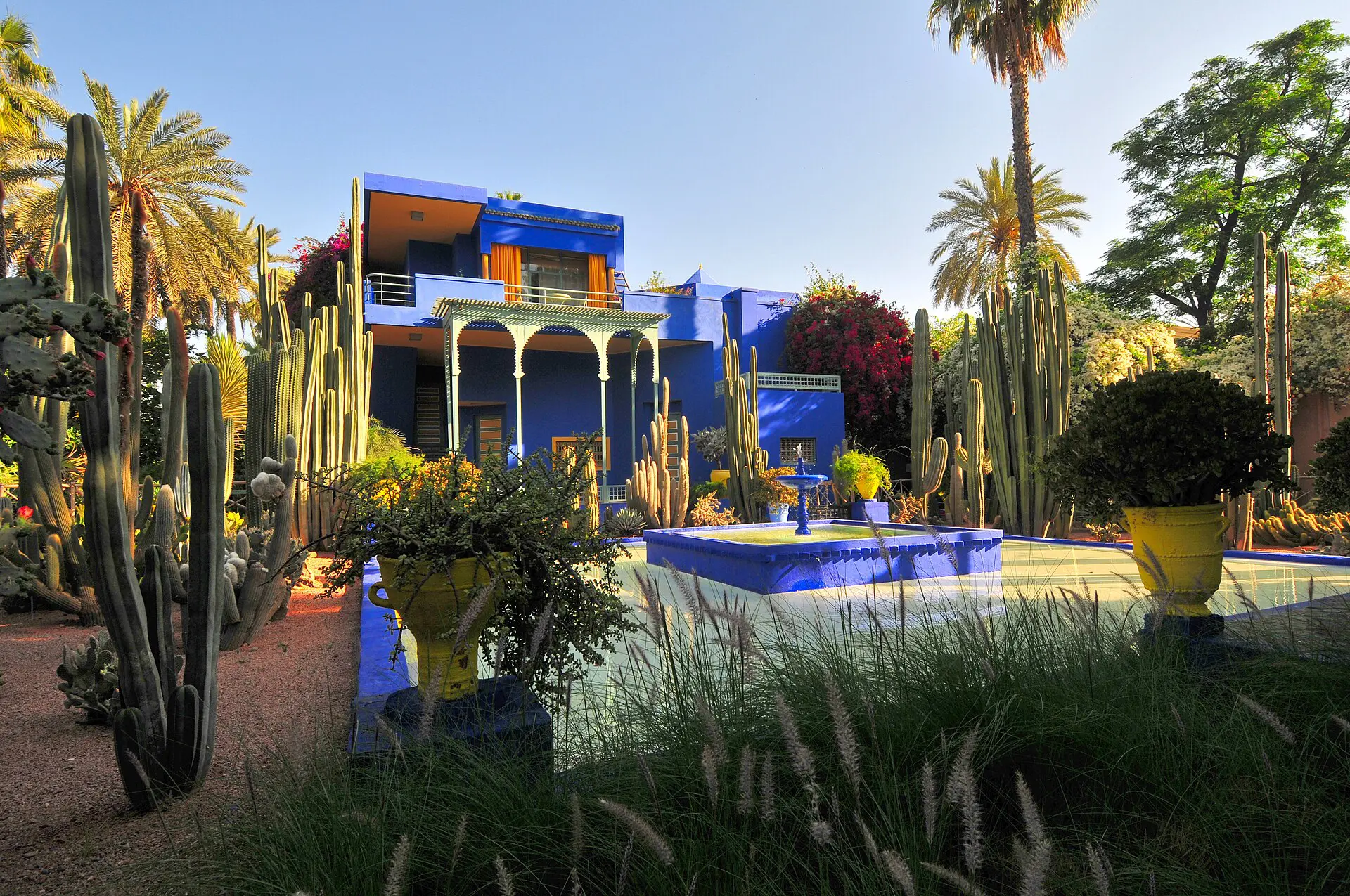
Majorelle Garden
A garden of cobalt-blue buildings, cacti and bamboo in Gueliz, linked with the artist Jacques Majorelle and later Yves Saint Laurent. Allow one to two hours. Book timed tickets online where possible, as it is busy.
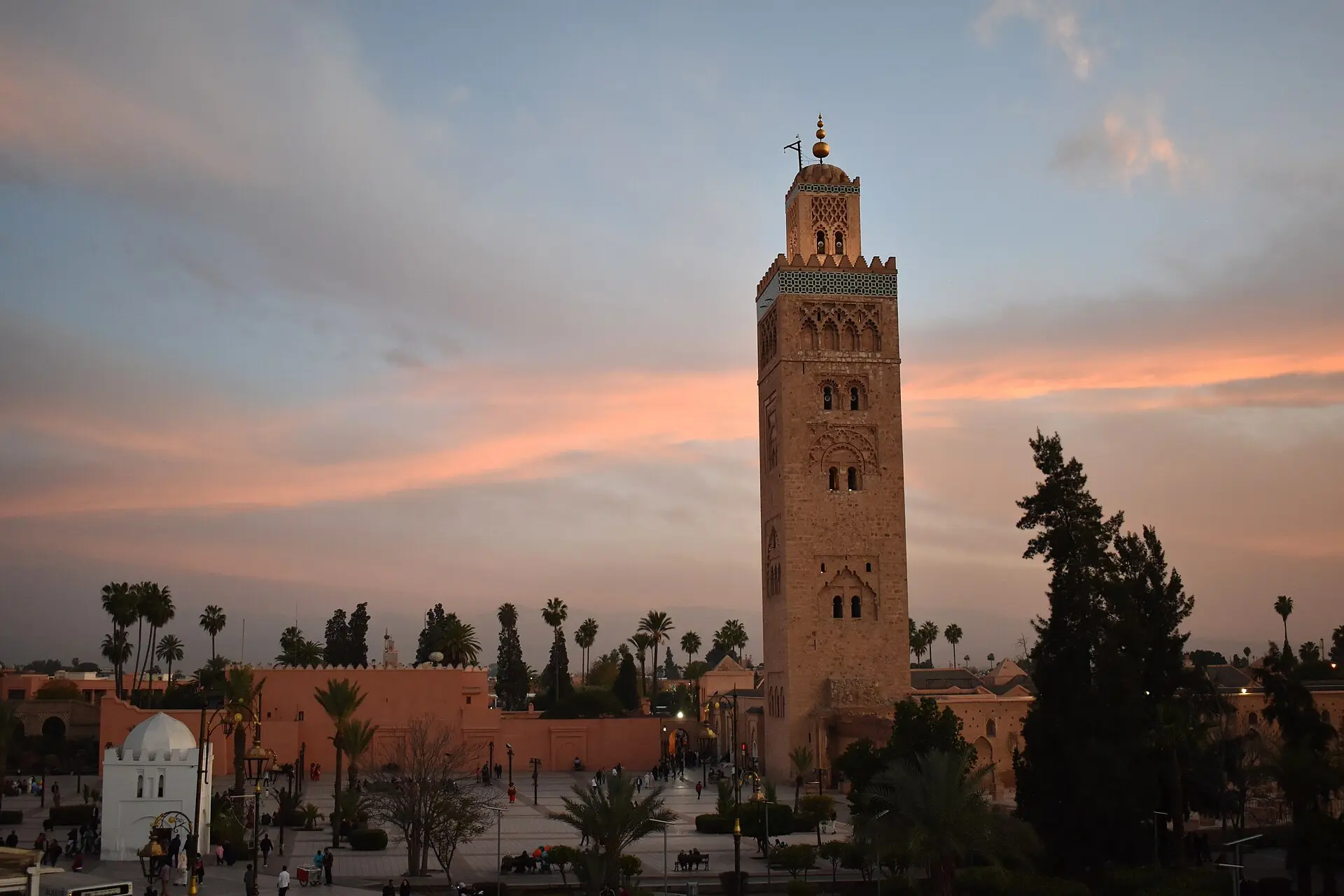
Koutoubia Mosque
The minaret is the city’s best-known landmark and visible from many points. Non-Muslims cannot enter the mosque, but the gardens and surrounding square are open. Allow 20 to 30 minutes for the exterior, and visit near sunset.
Hammam visit
Traditional steam baths offer scrubs and massages. Local hammams are cheap and basic, while spa-style ones cost more. Allow one to two hours. Ask about prices upfront and what to bring, such as a swimsuit or towel.
Best time to visit Marrakech
March to May and October to November are the most comfortable seasons, with warm days and mild evenings. The snow on the Atlas peaks can be visible in early spring. Winters are mild during the day but nights can be cold, and many riads are poorly heated.
Summer is very hot, with temperatures that can exceed 40 degrees Celsius, so sightsee early and rest in the afternoon. Ramadan alters opening hours and meal times, and its dates change each year, so check before you book.
| Season | Weather | Crowds and prices |
|---|---|---|
| March to May | Warm, pleasant | Busy; higher prices |
| June to September | Very hot and dry | Fewer visitors; lower rates |
| October to November | Warm, then cooler | Busy around holidays |
| December to February | Cool, cold nights | Moderate; peak at New Year |
How to get to Marrakech and around
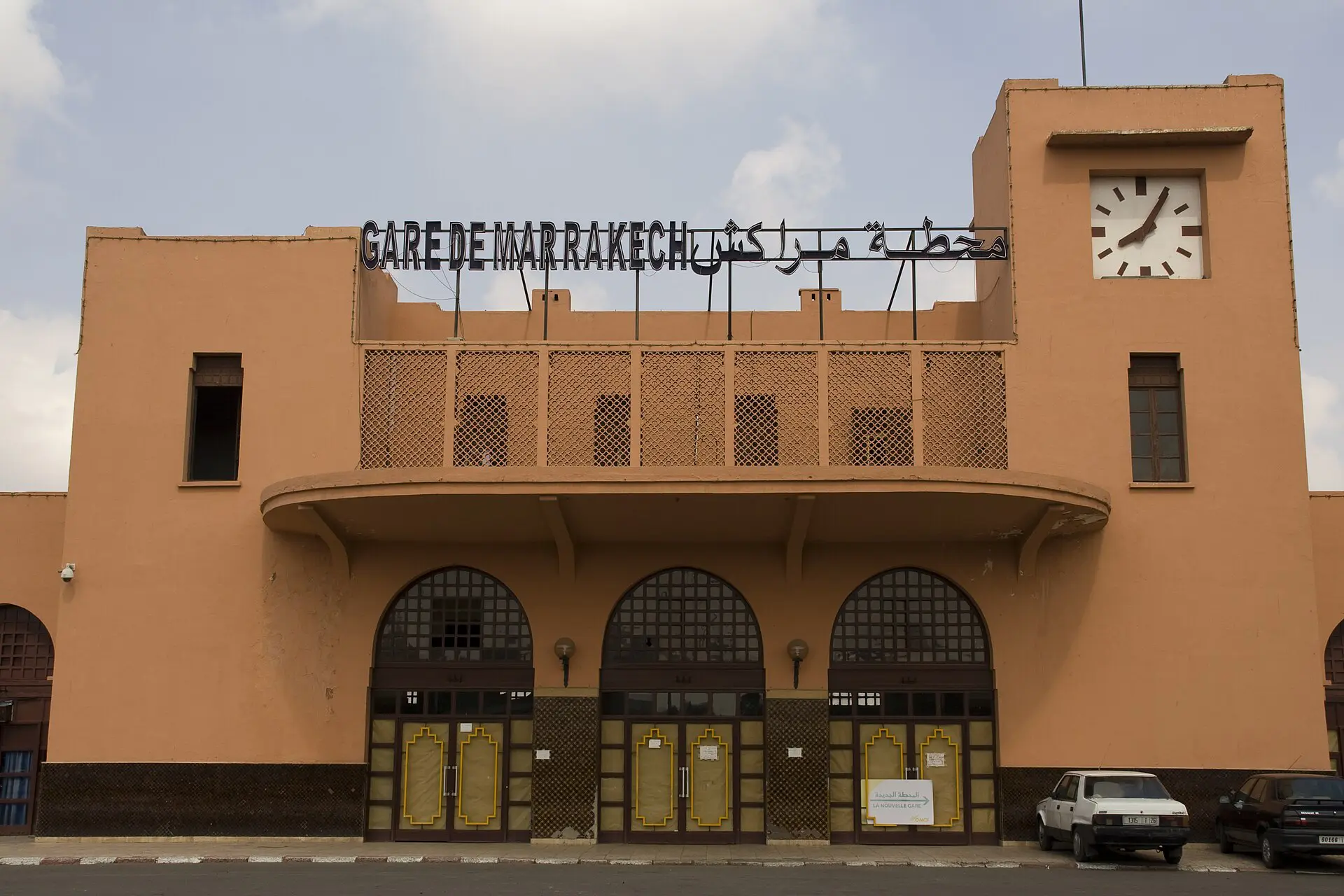
Marrakech Menara Airport has flights from many European cities and Moroccan hubs, with a short taxi ride into the medina. Agree the fare before getting in or ask about fixed airport fares. Trains run from Casablanca, Rabat and Tangier, and buses reach Essaouira and other towns.
Inside the medina, you will mostly walk, since many lanes are too narrow for cars. Many riads are hard to find, so ask your host to arrange a pickup. Petit taxis are small, metered cars, though drivers may not always use the meter, so confirm the price in advance.
For day trips, a hired car with a driver or an organised tour is simplest.
Where to stay in Marrakech
Where you stay shapes your experience of the city.
- Medina riads: courtyard guesthouses inside the old city, close to the souks and sights. Suits travellers who want atmosphere, though some are tucked down alleys and can be noisy during festivals.
- Near Jemaa el-Fna: very central but loud and busy. Suits those who want to be in the thick of it.
- Gueliz: modern, with cafes, shops and larger hotels. Suits those who prefer easy taxis and a quieter evening.
- Palmeraie: resort-style stays outside the centre. Suits families and those wanting pools and space, though you will need transport.
How many days do you need?
Three days works well. It gives you two days in the city and one for an excursion. Two days is possible for a short visit, while a week suits those who want to add the Atlas, Essaouira and the desert. Leave time for rest in the afternoon.
- Day 1: Bahia Palace, souks and lunch in the medina, then Jemaa el-Fna at dusk.
- Day 2: Saadian Tombs, Majorelle Garden in Gueliz and a hammam.
- Day 3: a day trip to the Atlas foothills or Essaouira.
Day trips and nearby
Atlas Mountains
The High Atlas rises about an hour or so from the city, with Berber villages, valleys and walking. Imlil is a common base. Arrange a driver or tour, and bring layers, as it is cooler than the city.
Essaouira
A walled coastal town on the Atlantic with a fishing port, breezy beaches and an easygoing feel. It takes around two to three hours each way. It suits an overnight stay more than a rushed day.
Ouarzazate and Ait Benhaddou
A route over the Tizi n’Tichka pass leads to film studios and a famous fortified village. It is a long day, so many travellers prefer a night or two. Check road conditions in winter.
Sahara at Merzouga
The dunes are a multi-day trip rather than a day excursion, with long drives each way. If you want to see them, plan at least two to three days and compare tour operators carefully.
FAQ
Q1When is the best time to visit Marrakech?
March to May and October to November have the most comfortable weather. Summer is extremely hot, so plan early starts, long breaks and evening activity. Winter days are mild but nights can be cold, and many riads lack strong heating.
Q2How many days do you need in Marrakech?
Three days is ideal, with two days in the medina and Gueliz and one day for the Atlas or Essaouira. Two days works for a short visit. Add more time if you want the desert or a slower pace.
Q3How do you get around Marrakech?
Walk in the medina, and use petit taxis for longer rides. Confirm the fare before you set off, since meters are not always used. Ask your riad to arrange airport transfers, as the lanes are hard to navigate.
Q4Is Marrakech safe for tourists?
Most visitors have no serious problems, but expect persistent touts and the occasional scam. Pickpocketing happens in crowded areas. Agree prices beforehand, ignore unsolicited guides, keep valuables secure, and take care at night in quiet alleys.
Prices, schedules and entry rules change. Check current details with official sources before you travel. Read the Morocco travel guide.