Why visit Casablanca
If you are searching for things to do in Casablanca, set your expectations first. It is Morocco’s largest city and its economic and business centre, on the Atlantic coast of the Chaouia plain, with about 3.2 million people in the urban area. It is a working city rather than a postcard one.
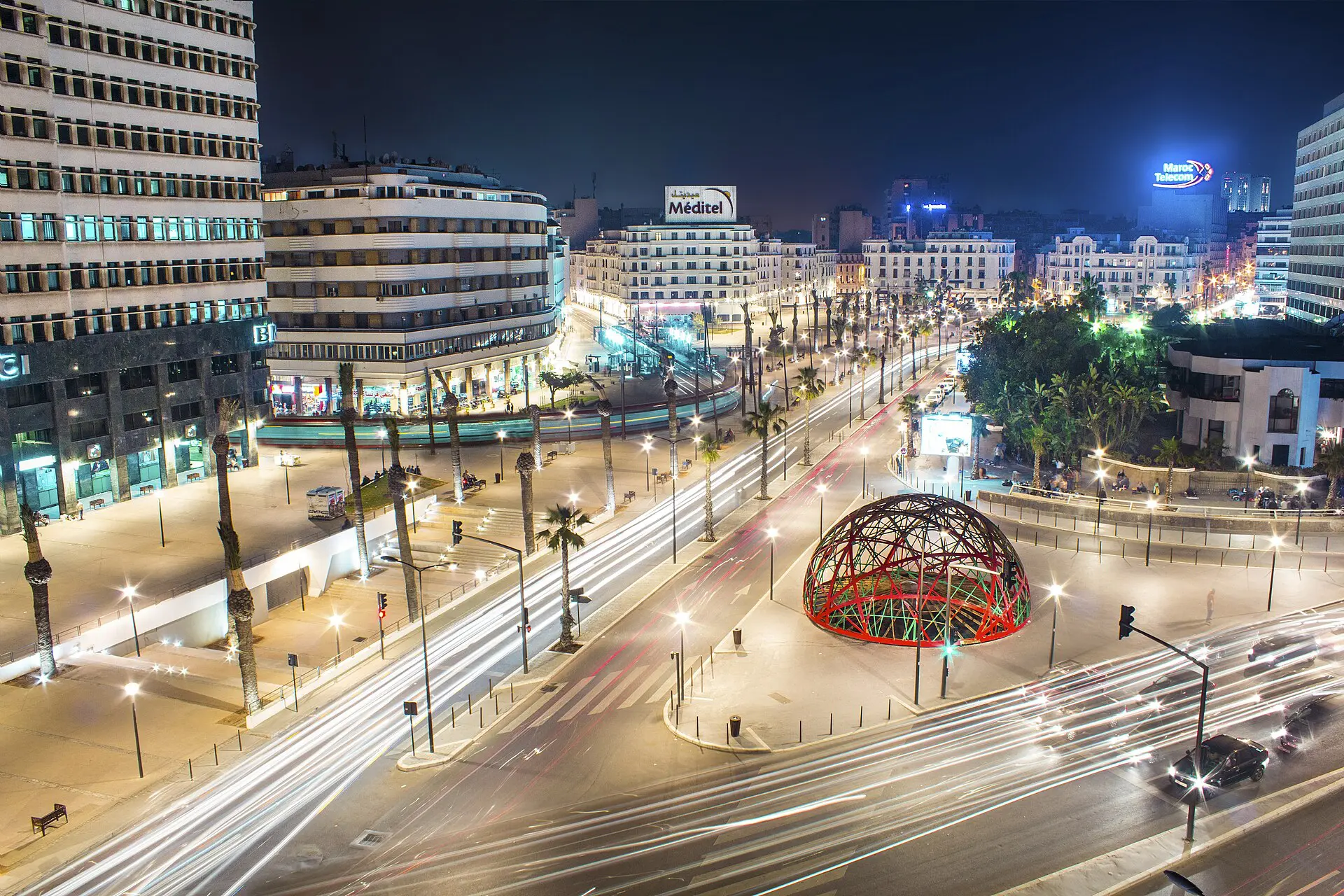
It is one of the less endearing of the country’s sights, with a small medina and traffic-heavy centre. It also says that the Hassan II Mosque and the nightlife and architecture, mostly from colonial times, are worth at least a day of a Moroccan itinerary.
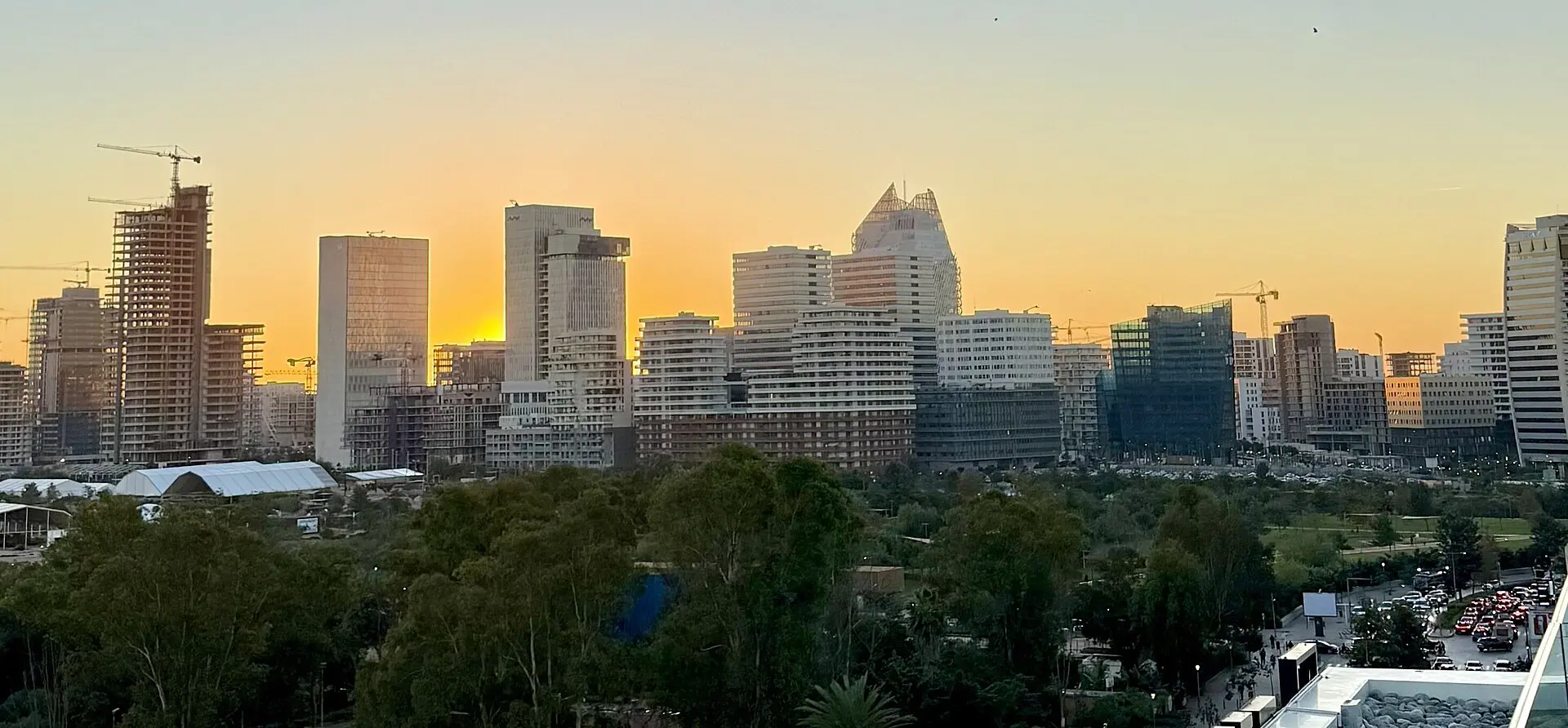
That is a fair summary. Come for the mosque, the Art Deco and colonial-era buildings and a look at modern Moroccan life, then move on. It suits travellers who want a real city, not a heritage showpiece.
Top things to do in Casablanca
Hassan II Mosque
The mosque stands beside the Atlantic and is the city’s signature landmark, with a very tall minaret. Allow one to two hours. Tip: non-Muslim visitors can usually enter on guided tours, but times and rules change, so check the official arrangements before you go.
The Atlantic corniche
The seafront promenade at Ain Diab is lined with cafés and beach clubs and is popular in the evening. Allow one to two hours for a walk and a drink. Tip: the ocean can be rough, so take care when swimming.
Art Deco and colonial architecture
The ville nouvelle, built after the French established a protectorate in 1912, has many period buildings in the city centre. Allow two hours on foot. Tip: look up, since much of the detail is above shop level.
The old medina
The medina is small and unassuming, and does not match those of Fes or Marrakech. Allow an hour. Tip: keep valuables secure and use it as a quick stop, not a main event.
Habous quarter
A district built in the colonial period in a Moroccan style, with arcades and shops. Allow one to two hours. Tip: it is a calmer, more compact place to browse for crafts and food.
Cafés and food
The city has a large café culture and a wide mix of Moroccan and international food. Allow a meal or two. Tip: prices vary, so check menus before ordering.
Best time to visit Casablanca
Casablanca has a mild Atlantic climate, which is generally more moderate than inland cities. Spring and autumn are the most comfortable seasons for walking and sightseeing, with pleasant temperatures and fewer extremes.
Summer is warm and the coast can be busy with domestic visitors, though sea breezes make it more bearable than the interior. Winter is cooler and can be wet, so pack a waterproof layer. Because most visitors pass through in a day or two, the city is rarely crowded outside holiday periods. Prices for hotels vary by event and season, so check dates in advance.
How to get to Casablanca and around
Mohammed V International Airport is the main gateway, around 30 km from the centre, with a rail link to the city. Check current timetables. Trains also connect Casablanca with Rabat, Marrakech, Tangier and Fes, and the main stations are Casa-Voyageurs and Casa-Port. Buses and shared taxis serve other routes.
In the city, the tram, buses and petit taxis are the usual options. Petit taxis are cheap and common, but ask for the meter or agree a price first. The centre is large and traffic is heavy, so allow extra time between sights. Walking works within individual districts.
Where to stay in Casablanca
The city centre and the ville nouvelle suit first-time visitors, with many restaurants, cafés and good transport links. It is also close to much of the older architecture.
The corniche at Ain Diab is more relaxed and suits those who want the sea and evening promenades, with the trade-off of being farther from the centre. Areas near the railway stations are practical for short transit stays. Since many travellers pass through quickly, choose a base near where you arrive and leave, and compare prices and reviews before you book.
How many days do you need?
One full day is enough for the mosque, the central architecture and the corniche. Two days lets you slow down and add the Habous quarter and a longer meal.
- Day 1: Hassan II Mosque in the morning, a walk through the centre in the afternoon, and the corniche at sunset.
- Day 2: The medina and the Habous quarter, then a train to Rabat or onward to another city.
Day trips and nearby
Rabat
The capital is the easiest add-on, about an hour by train, with a calmer feel and historic sites. Check the timetable before you go. It is a manageable day trip.
Marrakech
Reachable by train in a few hours, Marrakech is better as a separate stay than as a rushed day trip. Plan for at least two nights if you can.
Fes and Meknes
These cities of the north are farther away and are best as overnight stops. Fes has one of Morocco’s most famous medinas, and Meknes is smaller and quieter.
Essaouira and the coast
Essaouira lies down the Atlantic coast and is better with an overnight stay. Check current transport options and travel times before you commit.
FAQ
Q1When is the best time to visit Casablanca?
Spring (March to June) and autumn (September to November) are the most comfortable seasons, with mild weather for walking. Summer is warm but eased by sea breezes. Winter is cooler and can be wet, so bring a light waterproof layer.
Q2How many days do you need in Casablanca?
One to two days is enough. One day covers the Hassan II Mosque, central architecture and the corniche. A second day lets you add the Habous quarter, the old medina and a relaxed meal before heading to Rabat or another city.
Q3How do you get to Casablanca?
Mohammed V International Airport is the main gateway and has a rail connection to the city. Trains also link Casablanca with Rabat, Marrakech, Tangier and Fes. Check current timetables and which station is closest to your accommodation before you travel.
Q4Is Casablanca worth visiting?
For a short stay, yes. The Hassan II Mosque and the colonial-era architecture are the main draws, and it offers a view of modern Moroccan life. It is less atmospheric than other Moroccan cities, so most visitors spend a day or two and move on.
Prices, schedules and entry rules change. Check current details with official sources before you travel. Read the Morocco travel guide.