Why visit Tangier
If you are planning things to do in Tangier, start with its position. The city sits in northwestern Morocco where the Mediterranean meets the Atlantic, just across the Strait of Gibraltar from Spain, and it is the third most populous city in the country and a popular entry point to Morocco and Africa.
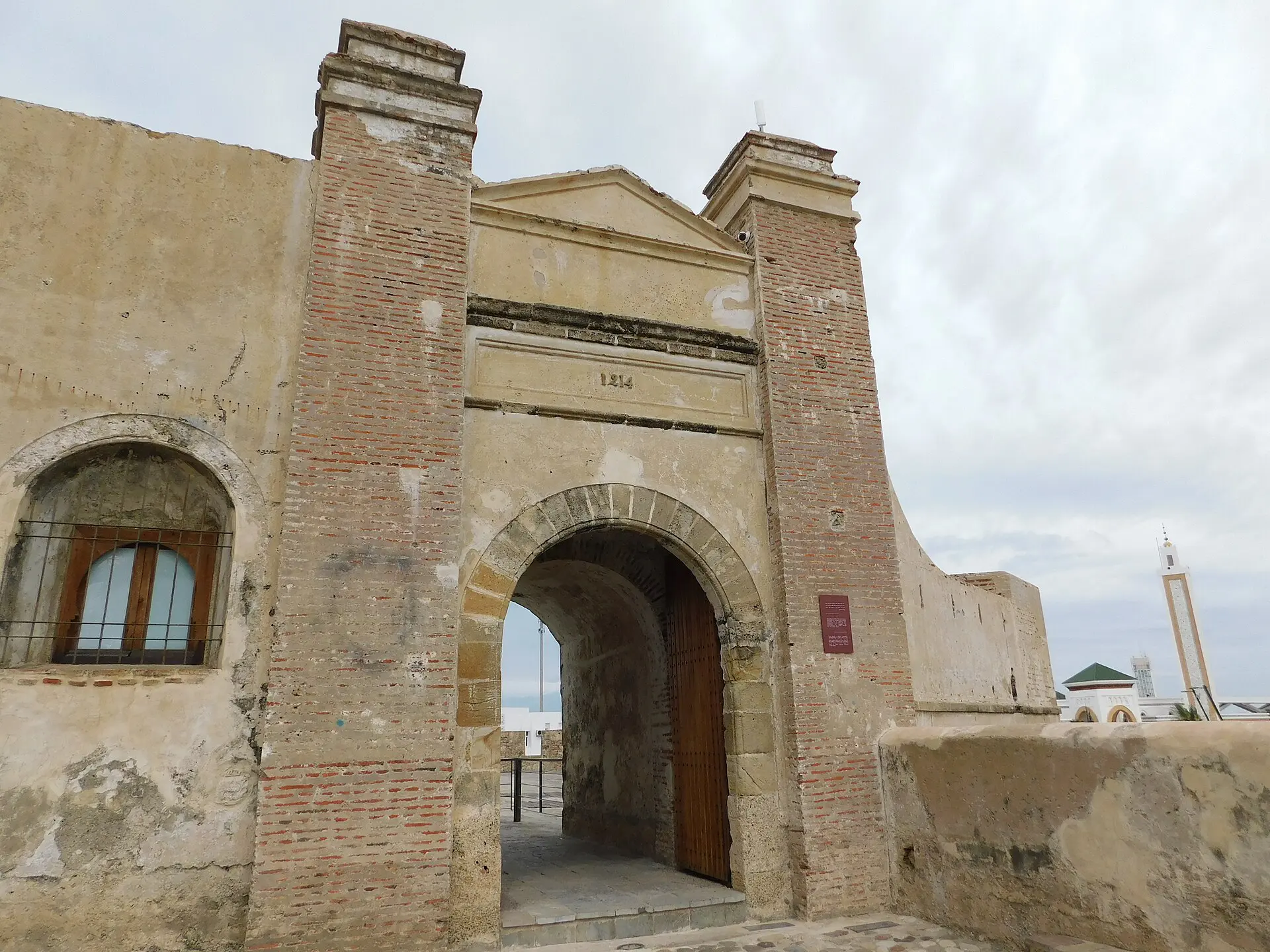
Tangier has a long, layered history. It began as a strategic Phoenician town and trading centre, was contested by European powers over the centuries, and became an international zone in 1923. That status drew diplomats, spies, writers and bohemians, and it ended in phases between 1956 and 1960, after Moroccan independence.
Today the city is developing fast, with a busy port, new tourism projects along the bay and a modern business district. Even so, the old medina, the Kasbah and the beaches give it an atmosphere distinct from Marrakech or Fes.
Top things to do in Tangier
The medina
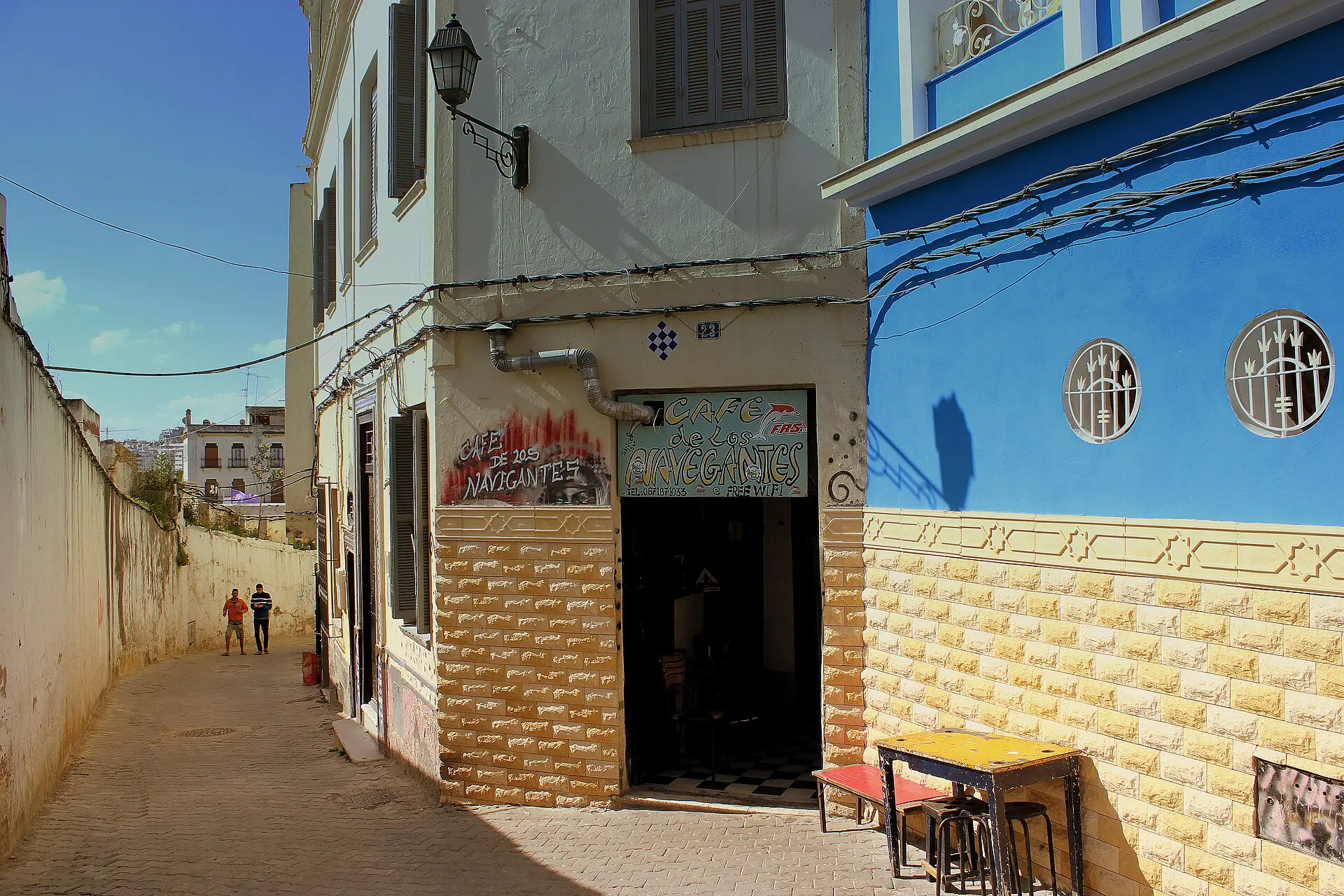
Tangier’s old town is a maze of narrow lanes, small shops and cafes, climbing from the port to the Kasbah. Allow two to three hours. It is easy to lose your bearings, so use a map app, and agree prices before buying anything.
Grand Socco and Petit Socco
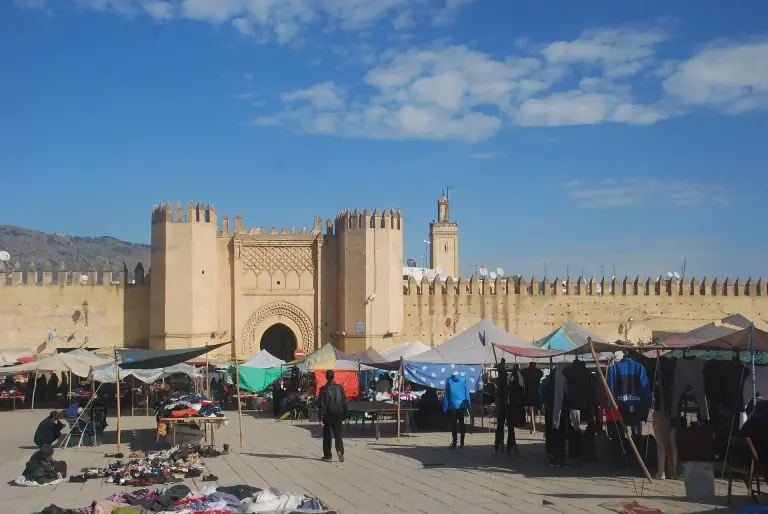
These two squares mark the edge and heart of the medina. The Grand Socco is a busy market square, while the Petit Socco is smaller and lined with cafes with literary associations. Allow an hour, and stay alert for pickpockets in crowds.
The Kasbah
The fortified hilltop district has a palace museum, views across the strait and quiet lanes. Allow one to two hours. Check opening times and ticket prices for the museum, since hours can vary by day and season.
Cap Spartel and the Hercules Caves
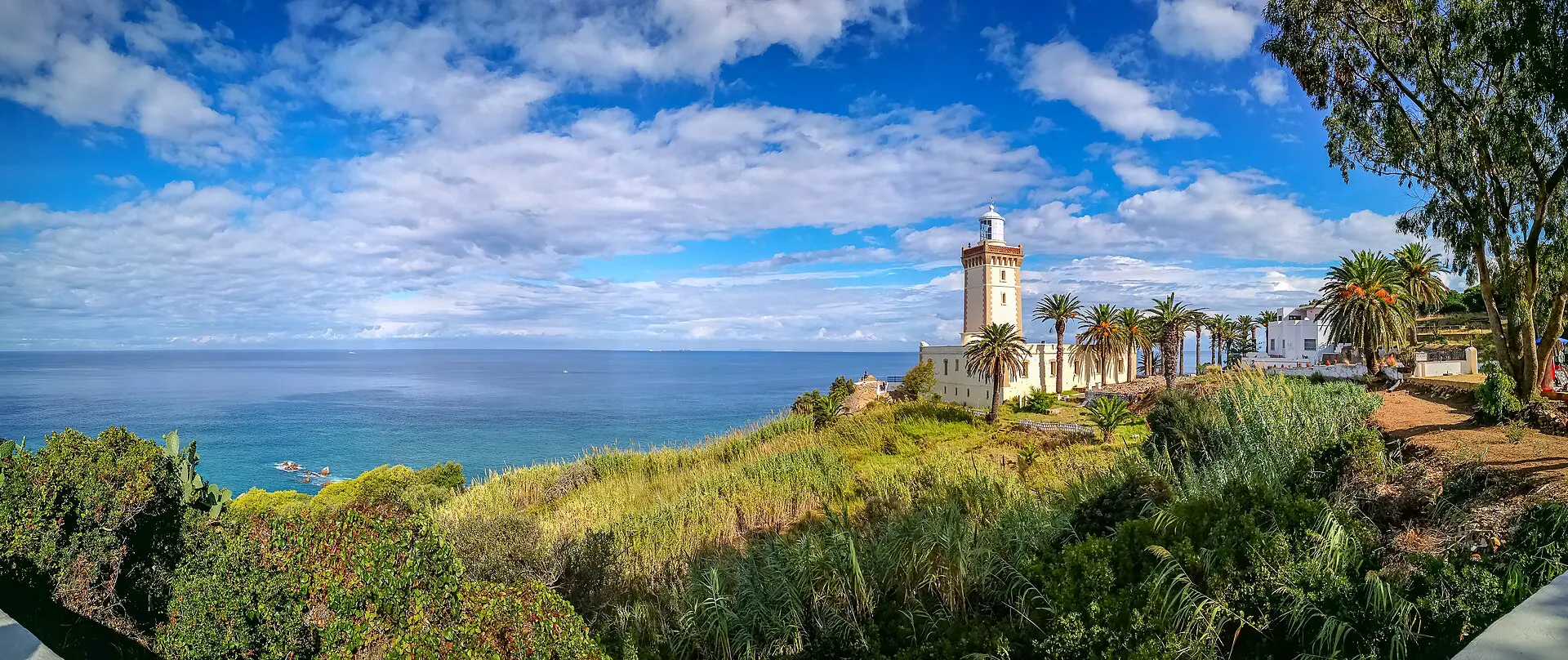
West of the city, Cap Spartel marks the point where the Atlantic meets the Mediterranean, with a lighthouse and viewpoints. The Hercules Caves nearby have a sea-facing opening. Allow half a day, and visit early to avoid crowds.
Beaches and the corniche
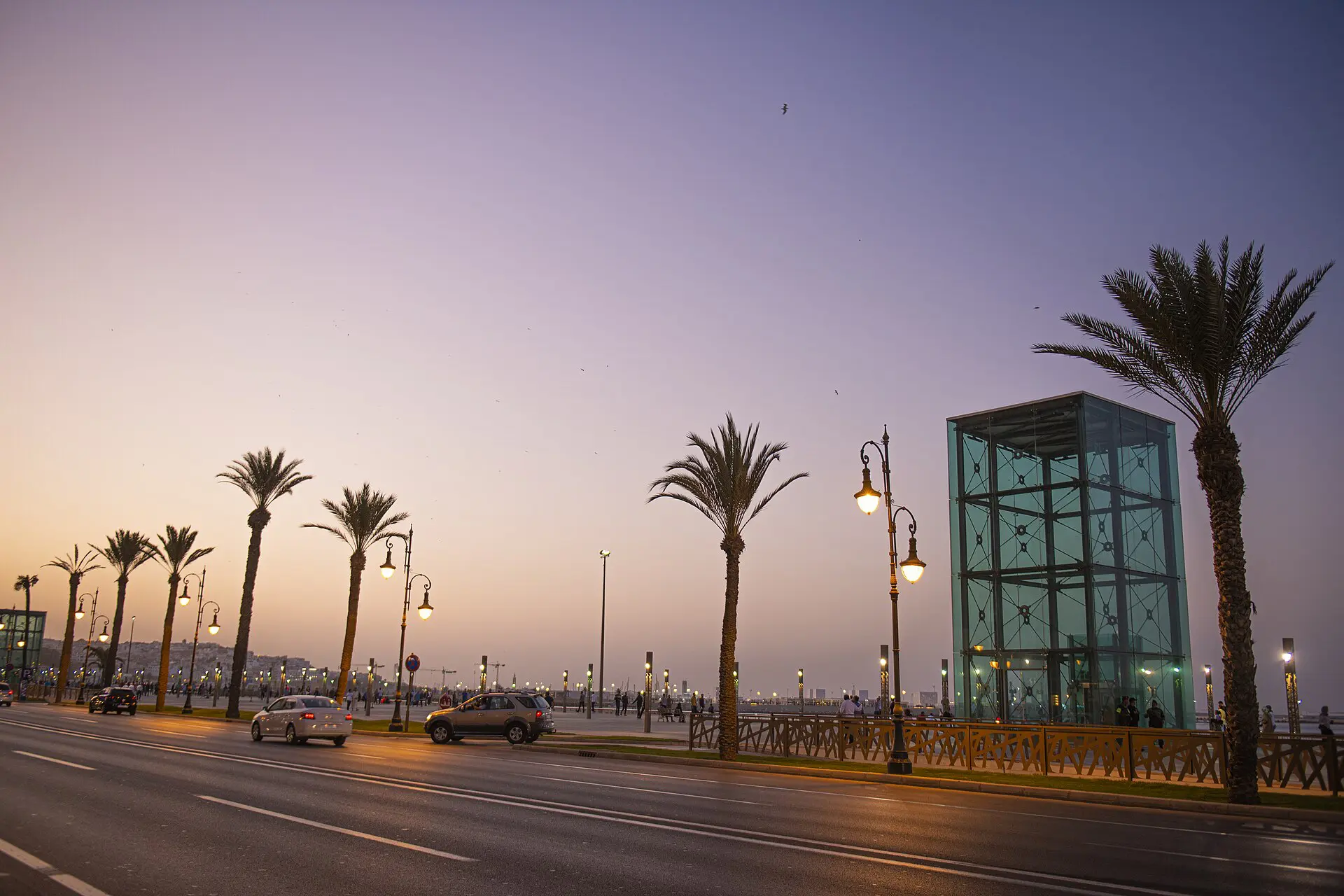
The city’s bay has a long seafront with cafes and sandy areas, and quieter beaches lie along the Atlantic coast. Allow half a day. Swimming conditions vary, so check currents and rules, and expect heavier use at weekends in summer.
Cafe culture
Tangier is known for old-style cafes and mint tea terraces overlooking the sea. Allow an hour at a seat with a view. Prices are modest, and watching the street from a terrace is a standard part of the city’s rhythm.
Markets and crafts
The medina and nearby streets sell leather goods, spices, ceramics and textiles. Allow time for browsing. Bargaining is expected, so compare prices and decide on a maximum you are willing to pay before you start.
Best time to visit Tangier
Tangier has a Mediterranean climate influenced by the Atlantic, with mild, wet winters and warm, dry summers. Spring and autumn are the most comfortable seasons for sightseeing. Summer brings warm sea breezes, beach crowds and higher prices, especially in July and August when many Moroccans and visitors from Europe arrive. Winter is cooler and can be rainy and windy, but it is quiet and good for cafes and museums.
| Season | Weather | Crowds and prices |
|---|---|---|
| Spring (March-May) | Mild, some showers | Moderate |
| Summer (June-August) | Warm, dry, breezy | Busy, higher prices |
| Autumn (September-November) | Warm to mild | Moderate, good value |
| Winter (December-February) | Cool, wet, windy | Quiet, lower prices |
How to get to Tangier and around
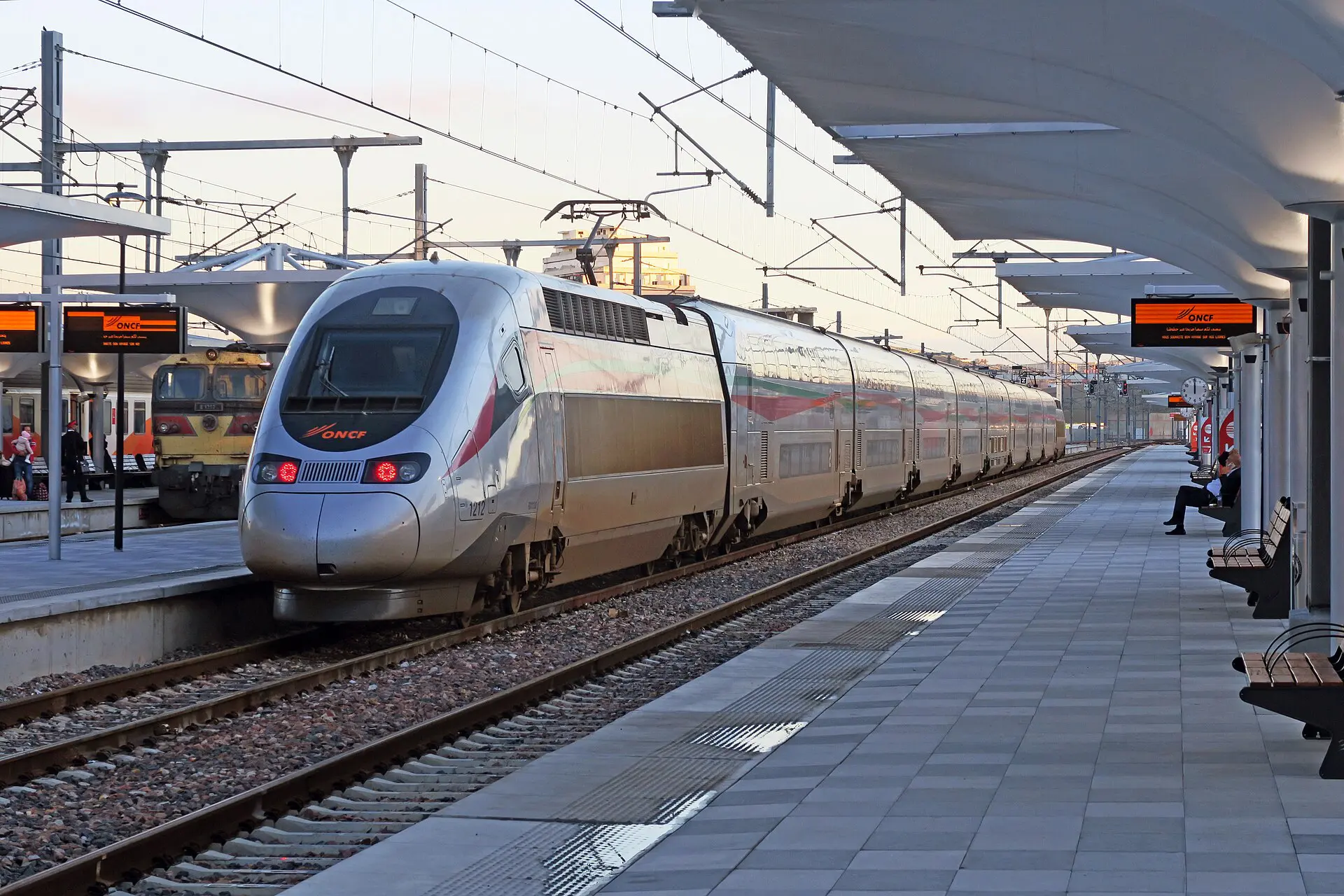
Tangier is served by an international airport, and a modern terminal is part of the city’s development. A high-speed train links Tangier with Rabat and Casablanca, and other long-distance trains and buses connect it with the rest of the country. Ferries run across the Strait of Gibraltar from southern Spain, with services to the port in the city and to the Tanger-Med port; check which one your ticket uses.
The medina is for walking, and cars cannot enter most of its streets. Taxis are plentiful, and petit taxis in the city should use a meter, so insist on it or agree a fare in advance. Grand taxis run set routes to nearby places. For Cap Spartel and coastal sites, a taxi for a half day or a rental car works well.
Where to stay in Tangier
Most visitors choose between the medina and the newer city.
- Medina and Kasbah: traditional houses converted into guesthouses, set in atmospheric lanes. Suits couples and travellers who enjoy character, though luggage access can be awkward.
- Ville Nouvelle: the modern city centre with hotels, cafes and shops. Suits business travellers and those who want easier taxi access.
- Beachfront and bay: larger hotels along the seafront. Suits families and summer stays, with a walk or taxi ride to the medina.
- Outside the city: villas and small hotels towards Cap Spartel. Suit longer stays and visitors with a car.
Ask hosts to arrange a meeting point near the medina gate, and book early for summer.
How many days do you need?
Two days is enough for the medina, the Kasbah and a sunset at the coast. A third day lets you add a headland trip or a day in a nearby town. Many travellers pass through quickly, but the city rewards a slower look.
- Day 1: Grand Socco, medina and Kasbah, followed by mint tea with a view.
- Day 2: Cap Spartel and the Hercules Caves, then a seafront walk or beach time.
- Day 3: Day trip to Asilah or Chefchaouen.
Day trips and nearby
Chefchaouen
The blue-washed mountain town lies roughly two to three hours away by bus or car. Many visitors stay overnight, but a long day trip is possible. Check bus times and go early to beat the crowds.
Asilah
This small walled coastal town, south of Tangier, has whitewashed lanes, murals and an Atlantic seafront. Allow half a day. It is reachable by train or taxi, and it is quieter than the city.
Tetouan
The medina of Tetouan is a UNESCO-listed old town with Andalusian influence. It is a short ride from Tangier. Allow half a day, and check bus or taxi options in advance.
Gibraltar and southern Spain
Spain is visible across the strait. Ferries link Tangier and Tanger-Med with Tarifa and Algeciras, but Gibraltar has no direct ferry from Morocco. Check border rules, visa requirements and timetables carefully before planning a day across.
FAQ
Q1When is the best time to visit Tangier?
March to May and September to November bring comfortable weather for sightseeing. Summer is warm and busy, especially in July and August. Winter is cooler, wetter and windier but quieter, with lower prices, which suits cafes and museums.
Q2How many days do you need in Tangier?
Two days covers the medina, Kasbah and coastal viewpoints such as Cap Spartel. A third day lets you add a day trip to Asilah, Tetouan or Chefchaouen. A single day is possible if you are crossing from Spain, but it is rushed.
Q3How do you get to Tangier?
You can fly to Tangier's airport, ride the high-speed train from Rabat or Casablanca, or take a ferry from southern Spain. Ferries use different ports, so check where your ticket arrives and the schedules before booking.
Q4Is Tangier safe for tourists?
Tangier is a busy tourist port, and visitors may meet persistent touts and petty theft in crowded areas. Agree prices first, ignore unofficial guides and keep valuables secure. Check your government's travel advice before you go.
Prices, schedules and entry rules change. Check current details with official sources before you travel. Read the Morocco travel guide.