Why visit East Timor
This East Timor travel guide starts with what sets the country apart: it is one of the least visited places in Asia, with reefs close to shore, mountains above 2,900 metres and almost no tourist infrastructure to dilute the experience. The country, also written Timor-Leste, covers about 15,000 square kilometres on the eastern half of Timor plus the Oecusse exclave and the islands of Atauro and Jaco (see the Wikipedia overview). It became independent in 2002, after centuries of Portuguese rule and a long Indonesian occupation, and that history shapes every museum, memorial and conversation.
East Timor suits divers and snorkellers, hikers, history readers and travellers who prefer self-reliance to packaged tours. It does not suit anyone who needs reliable schedules, many restaurants or polished facilities. Roads are slow, accommodation is simple outside Dili, and English is limited beyond the capital. The reward is quiet beaches, coffee-growing highlands and the sense of visiting a country that is still deciding what tourism should look like.
Best places to visit in East Timor
The best places to visit in East Timor are spread along one north coast road and a few mountain routes, so a short trip usually combines the capital, one island or reef stop and one highland area.
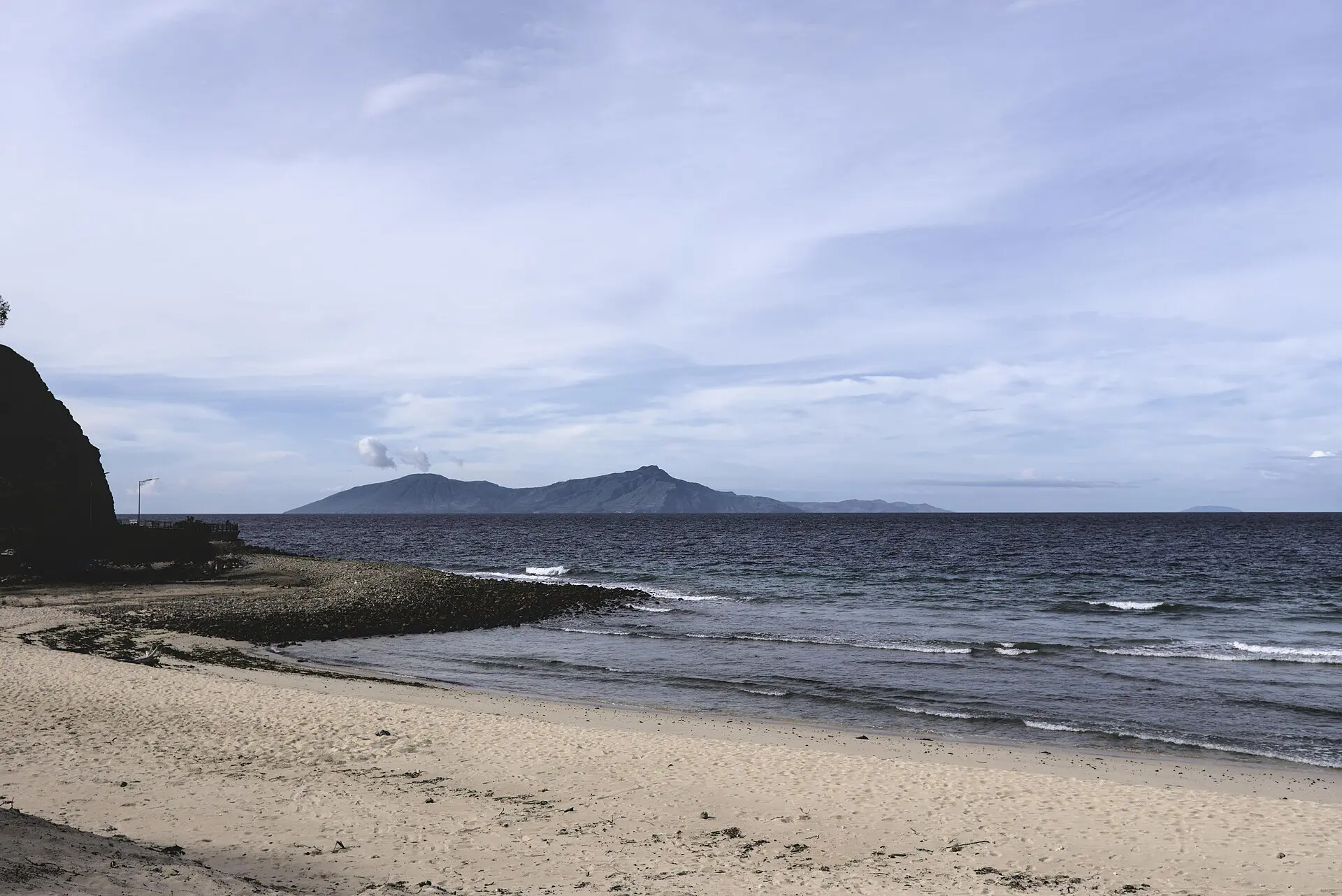
Dili
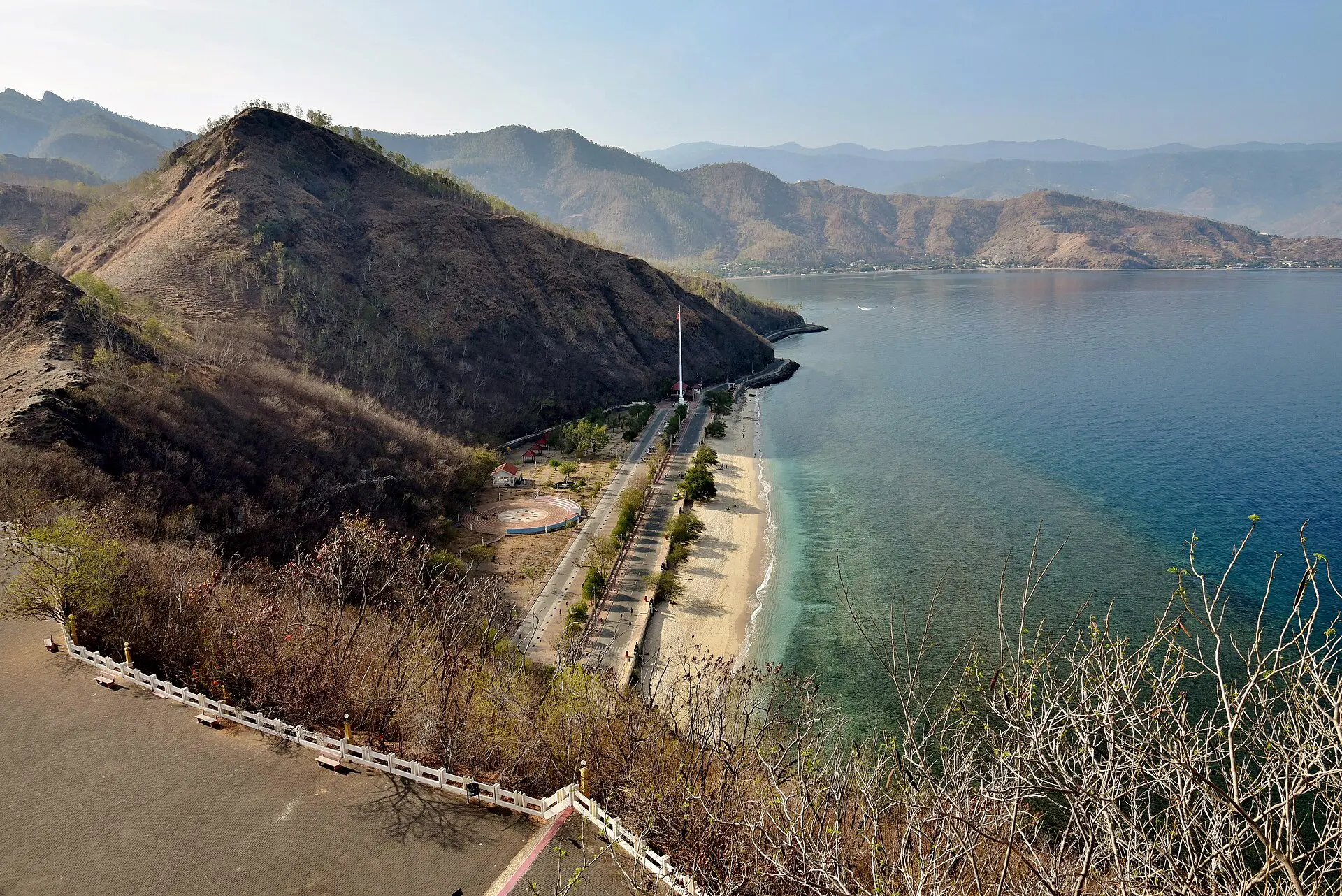
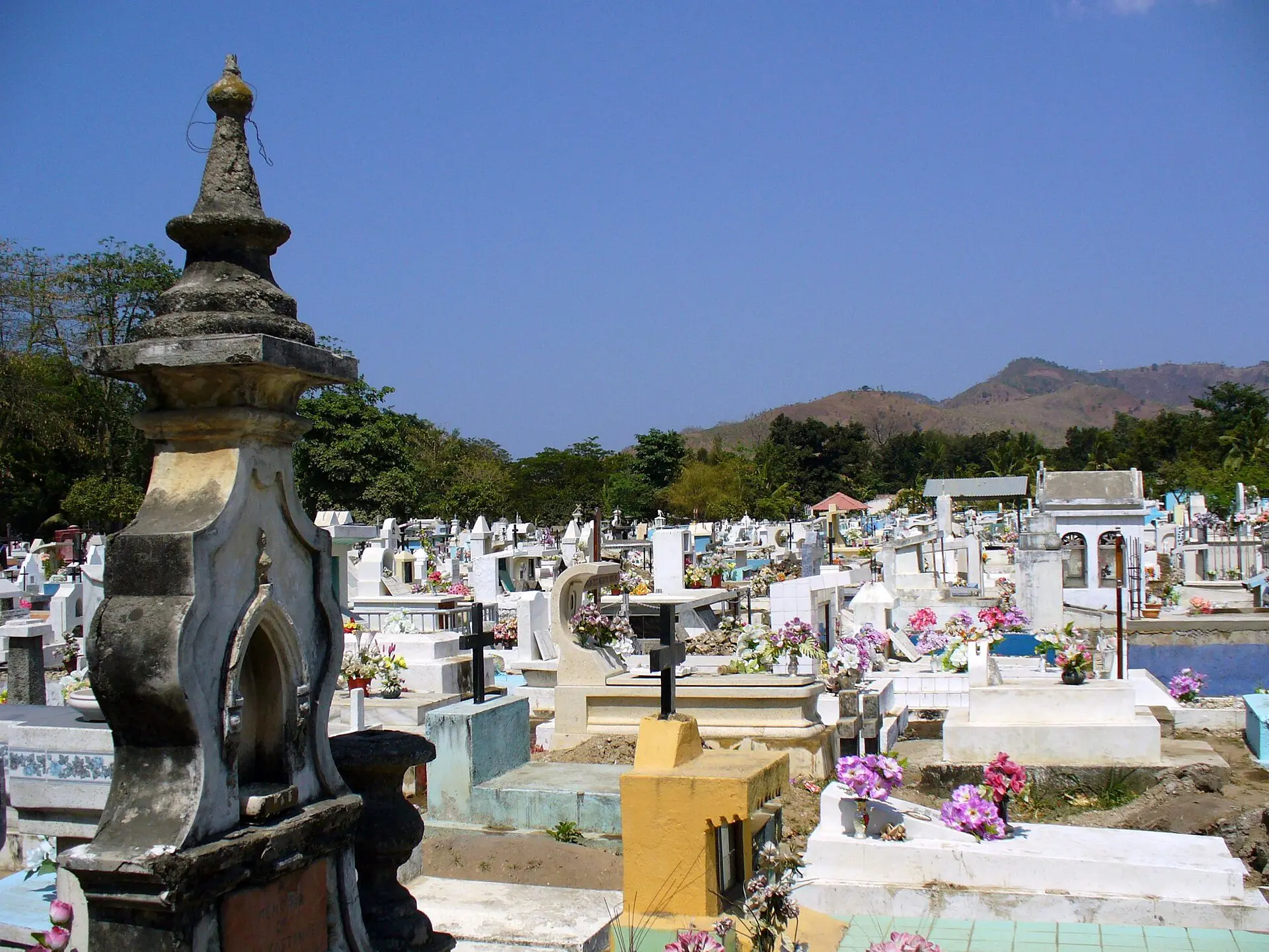
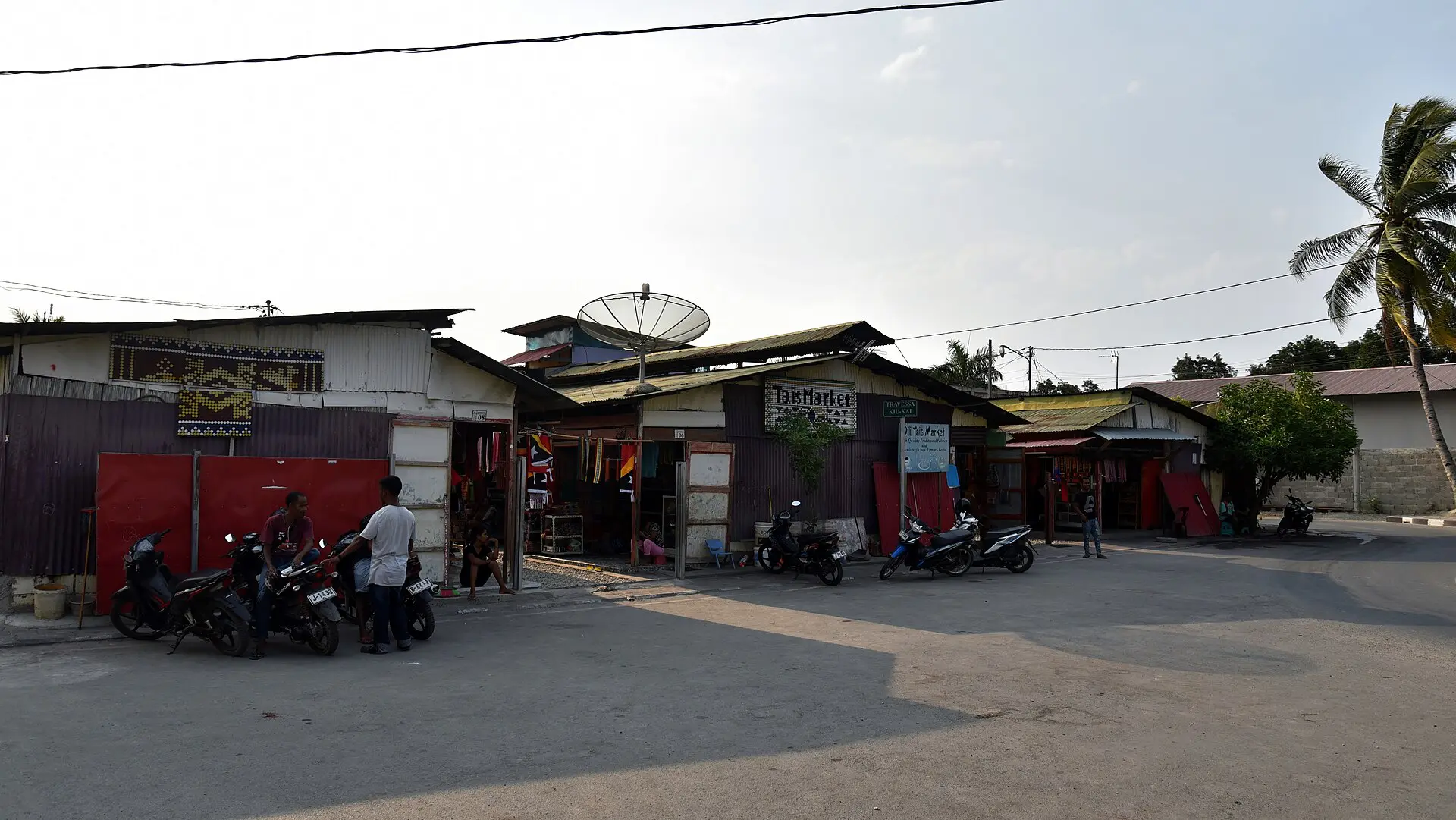
The capital stretches along a sheltered bay and is where most visitors start. Sights include the Cristo Rei statue on its headland, the Resistance Museum, the Santa Cruz cemetery and the Tais Market for woven cloth. The waterfront promenade fills at dusk. Reefs begin just off the beach, so snorkelling and diving can be done in town.
Atauro Island
Atauro lies about 25 kilometres north of Dili and is reached by ferry or fast boat. It is known for clear water, healthy reefs and simple eco-lodges. Most visitors stay two to four nights to snorkel, dive, walk between villages and buy local crafts.
Mount Ramelau and Maubisse
Mount Ramelau, also called Tatamailau, is the highest peak in the country at roughly 2,960 metres. Hikers sleep in the village of Hato Builico and climb before dawn for a sunrise view across the island. Maubisse, on the road from Dili, has cool air and a hillside pousada.
Baucau
The second city sits on a plateau east of Dili, with an old town of Portuguese colonial buildings and a lower coastal strip with beaches. It makes a good overnight stop on the way east.
Tutuala and Nino Konis Santana National Park
At the eastern tip, the national park combines forest, coast and the uninhabited island of Jaco. Nearby caves hold prehistoric rock art, and Com has a pleasant beach. Allow a full day each way from Dili.
Ermera highlands
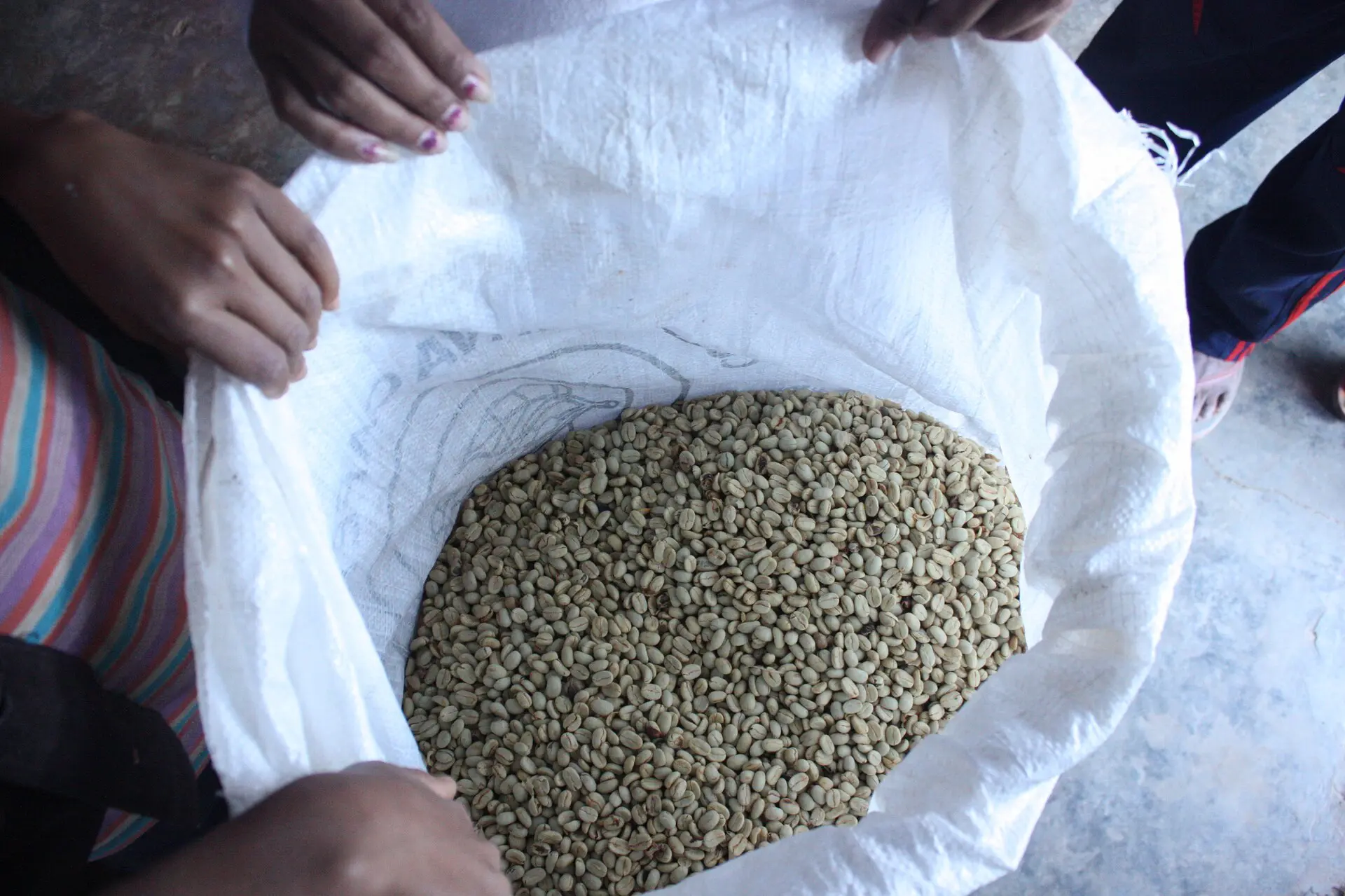
The coffee district southwest of Dili has misty hills, plantations and small towns such as Gleno. Visitors can tour farms and taste locally grown arabica.
Top things to do in East Timor
The top things to do in East Timor, or things to do in Timor-Leste as many travellers search it, centre on the sea, the mountains and the recent past.
- Dive or snorkel off Dili: reefs and walls start close to the shoreline, and operators run day trips.
- Stay on Atauro: swim, snorkel and walk the coast between small villages.
- Climb Mount Ramelau at sunrise: start around 3 or 4 a.m. from Hato Builico with a local guide.
- Visit the Resistance Museum: exhibits explain the independence struggle in clear detail.
- Walk up to Cristo Rei: the statue overlooks the bay and is popular for early exercise.
- Look for whales: blue and other whales pass the north coast in roughly October and November, so ask local operators.
- Browse the Tais Market: buy traditional woven cloth directly from weavers.
- Tour a coffee farm in Ermera: see how beans are grown, dried and roasted.
- Explore Baucau’s old town: look for colonial-era architecture and views over the coast.
- Visit Jaco Island and Tutuala: combine beaches, forest and rock art in the far east.
Best time to visit East Timor
The best time to visit East Timor is the dry season, roughly June to October, when roads are more reliable, skies are clearer and sea conditions are good for diving. The wet season runs from about November to May, and heavy rain can damage roads and make remote areas hard to reach. Temperatures stay around 30 C near the coast all year, and it is much cooler in the mountains.
| Season | Weather | Crowds and prices | Good for |
|---|---|---|---|
| Dry (Jun-Oct) | Sunny, less humid, cool nights in the mountains | Busiest, but still very quiet; book key lodges ahead | Hiking, diving, road trips |
| Transition (Oct-Nov) | Hot, first rains arrive | Quiet | Whale watching, beach stays |
| Wet (Dec-Mar) | Hot, humid, heavy rain and landslide risk | Lowest demand | Dili only, short stays |
| Late wet (Apr-May) | Rain easing, green landscapes | Quiet | Flexible trips, lush scenery |
Local holidays and festivals can affect transport and shops, so check the calendar if you plan to travel on national or religious dates.
Is East Timor safe to visit?
Is East Timor safe? For most visitors, yes: the country has been broadly calm for years, violent crime against foreigners is uncommon and Timorese people are generally welcoming. Political unrest and street violence have flared in the past, mainly in Dili, so check current advice from your own government before you book and again before you leave.
Roads. Road accidents are the most realistic danger. Surfaces are poor in places, animals wander onto roads and mountain sections are narrow. Avoid driving at night.
Theft. Petty theft happens in Dili, so keep phones and cameras out of sight and avoid walking alone late at night.
Nature. Estuarine crocodiles live in some rivers, lakes and coastal areas, so heed local warnings before swimming. The country is also prone to earthquakes, flash floods and landslides in the wet season.
Health. Dengue is present, and malaria risk varies by area, so ask a travel clinic for current advice. Medical facilities are limited, and serious cases may need evacuation, so buy insurance that covers it.
Visa and entry requirements for East Timor
Entry rules depend on your nationality. Citizens of Schengen countries have been able to stay up to 90 days in any 180 without a visa, and a few other nationalities, including Indonesia, Singapore and Thailand, up to 30 days. Most other visitors can get a 30-day tourist visa on arrival at Dili airport, Dili seaport or the Batugade land border, paid in cash in US dollars. Fees and rules change, so confirm everything with the official immigration authority or an embassy.
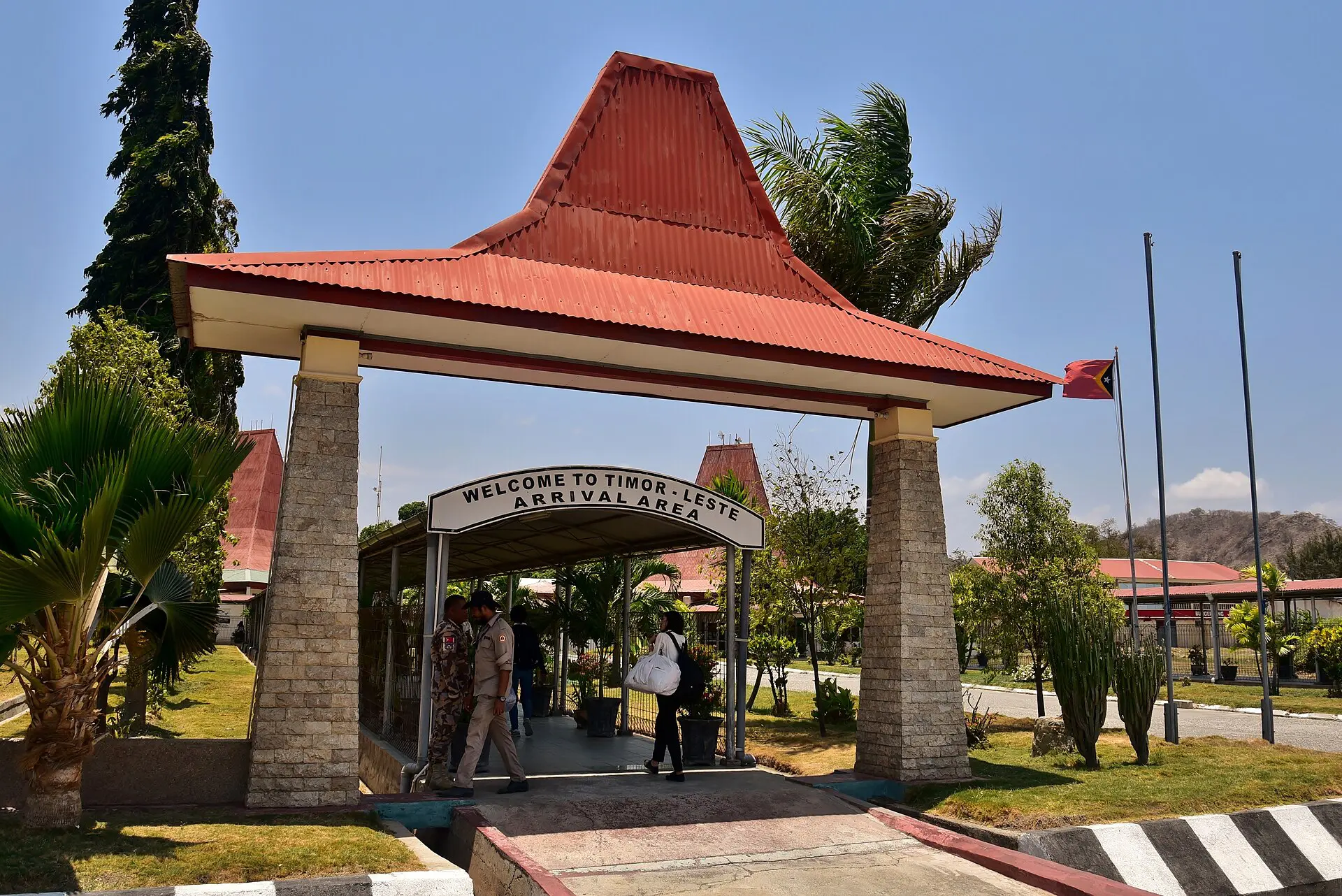
Your passport should have at least six months of validity and a blank page. Have the name and address of your first night’s accommodation ready, and keep proof of onward travel. Extensions are possible but can require a local sponsor, so plan your length of stay ahead. The Wikivoyage Timor-Leste guide gives more detail on entry points.
If you plan to cross by land from Indonesian West Timor, check which crossings are currently open to foreigners and whether your Indonesian visa allows re-entry.
Getting to and around East Timor
Most visitors fly into Presidente Nicolau Lobato International Airport in Dili. Direct services have run from Denpasar (Bali), Singapore and Darwin, with other routes changing from year to year, so check current timetables. Land crossings with Indonesia exist at Batugade, Mota’ain and the Oecusse border, and ferries and cruise ships call at Dili.
There is no passenger railway. Travel is by shared minibus (microlet), long-distance bus, taxi, rented car with driver or motorbike. Traffic drives on the left. Roads along the north coast are mostly paved but slow: Dili to Baucau takes about three to four hours, Dili to Maubisse around two to three, and Dili to Tutuala a long day of seven to nine hours. Mountain roads and wet-season landslides add delays.
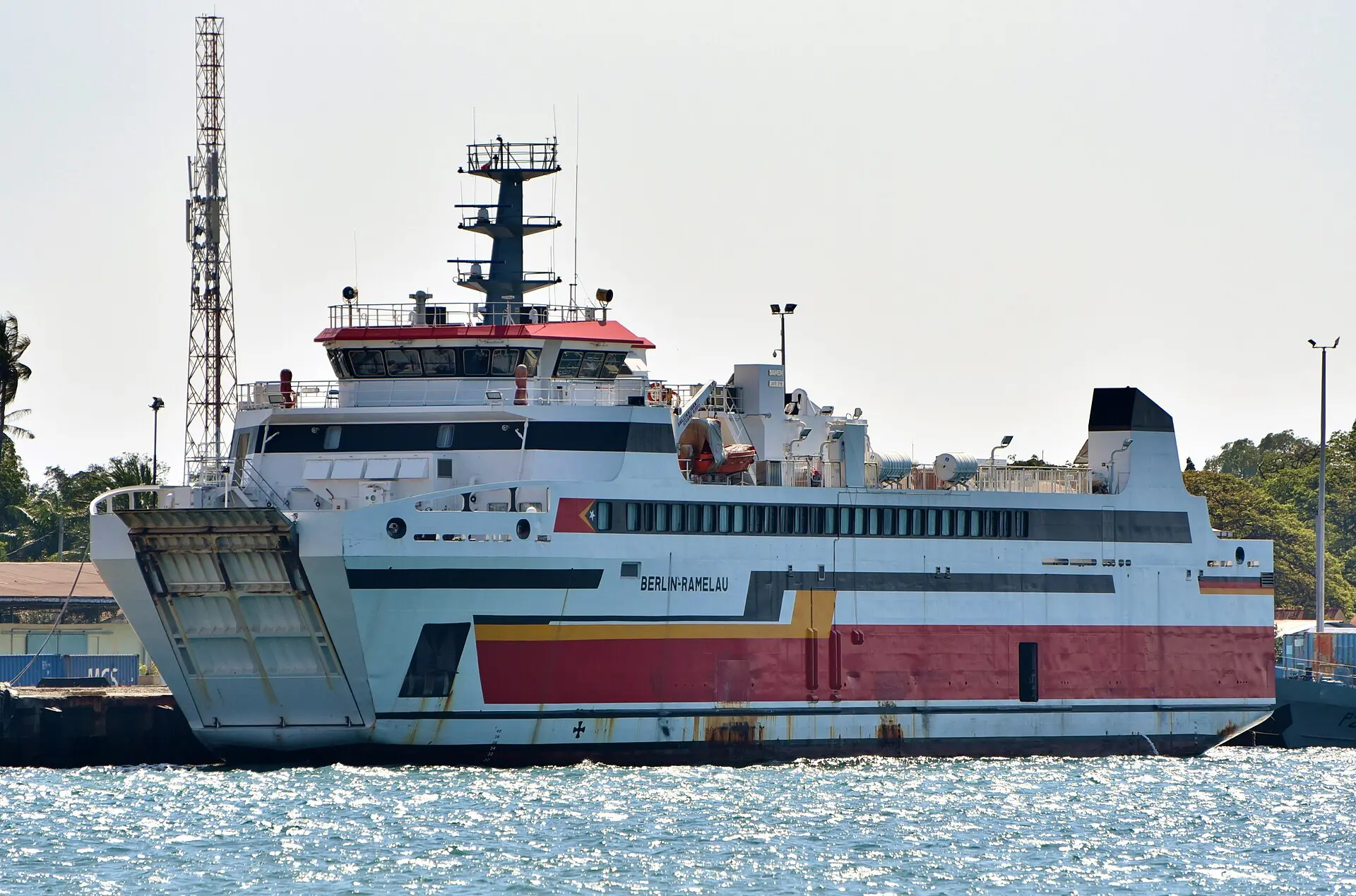
Ferries run to Atauro, with a slower public boat and faster private services; journey times of roughly one to three hours are typical. Taxis in Dili are cheap but unmetered, so agree the fare first. Hiring a driver for several days is often the most practical option for the east.
How much does a trip to East Timor cost?
East Timor is not as cheap as much of Southeast Asia, because most goods are imported and tourism is small. The currency is the US dollar, so bring clean small notes. The figures below are rough per-person guides for 2026 and may vary.
- Budget: around USD 40 to 60 per day, with guesthouses, local food stalls and shared minibuses.
- Mid-range: around USD 60 to 120 per day, with private rooms, restaurant meals and occasional taxis or a hired driver.
- High-end: from around USD 150 per day, with the better Dili hotels, dive packages and private transport.
Accommodation in Dili is the main cost surprise, since hotel prices are higher than in neighbouring countries. Hiring a car and driver for several days, diving and island stays also add up. Meals at local warungs and street stalls are inexpensive. ATMs exist in Dili and larger towns but are scarce elsewhere, so carry enough cash for rural trips.
East Timor food and drink
East Timor food is simple and filling, built on rice, corn, cassava, fish and vegetables, with Portuguese, Indonesian and local influences. Dili has a growing number of cafes and restaurants, while elsewhere you eat at small warungs and guesthouses.
- Ikan sabuko: fish cooked in a sour, spiced tamarind-style sauce.
- Batar da’an: a hearty stew of corn, beans and pumpkin, common in homes.
- Grilled fish: fresh tuna and reef fish, often served with rice and chilli sambal.
- Cassava and fried banana: everyday snacks sold at roadside stalls.
- Timorese coffee: arabica grown in highland districts such as Ermera, a major export.
- Tuak: palm wine, often sold in plastic bottles or served at gatherings.
- Portuguese-style bread and pastries: found in Dili bakeries and cafes.
Vegetarians can eat rice, vegetables and eggs but should ask about fish sauce and meat stock. Stick to bottled or boiled water and well-cooked food, especially outside Dili.
Culture, language and etiquette in East Timor
Tetum and Portuguese are the official languages, and Indonesian and English are working languages under the constitution. Tetum is understood almost everywhere, while Portuguese is spoken by a minority, and English is mainly limited to Dili and tourism. About 30 indigenous languages are also spoken. Useful Tetum words include obrigadu (thank you, said by men) and obrigada (said by women), and bondia for good morning.
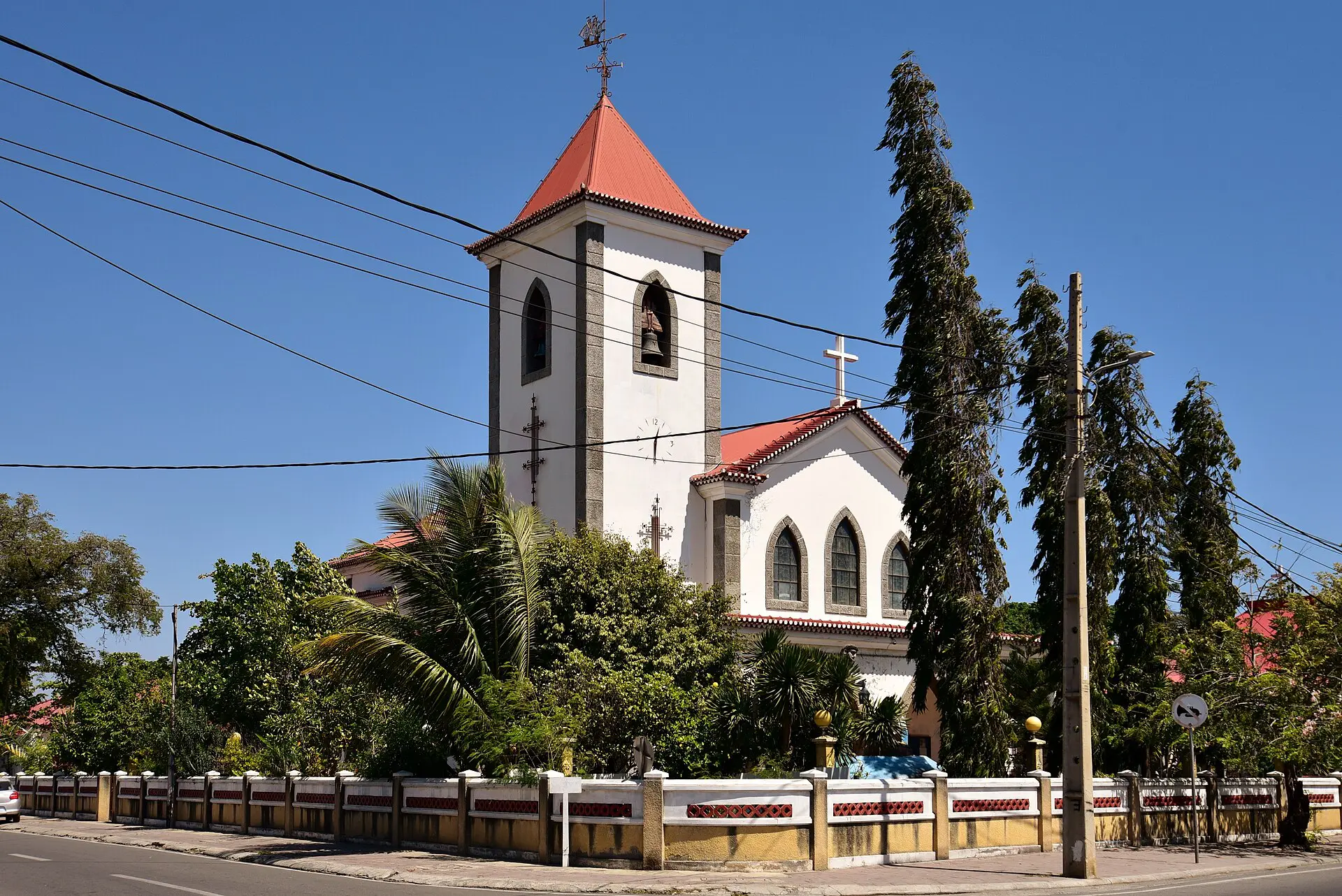
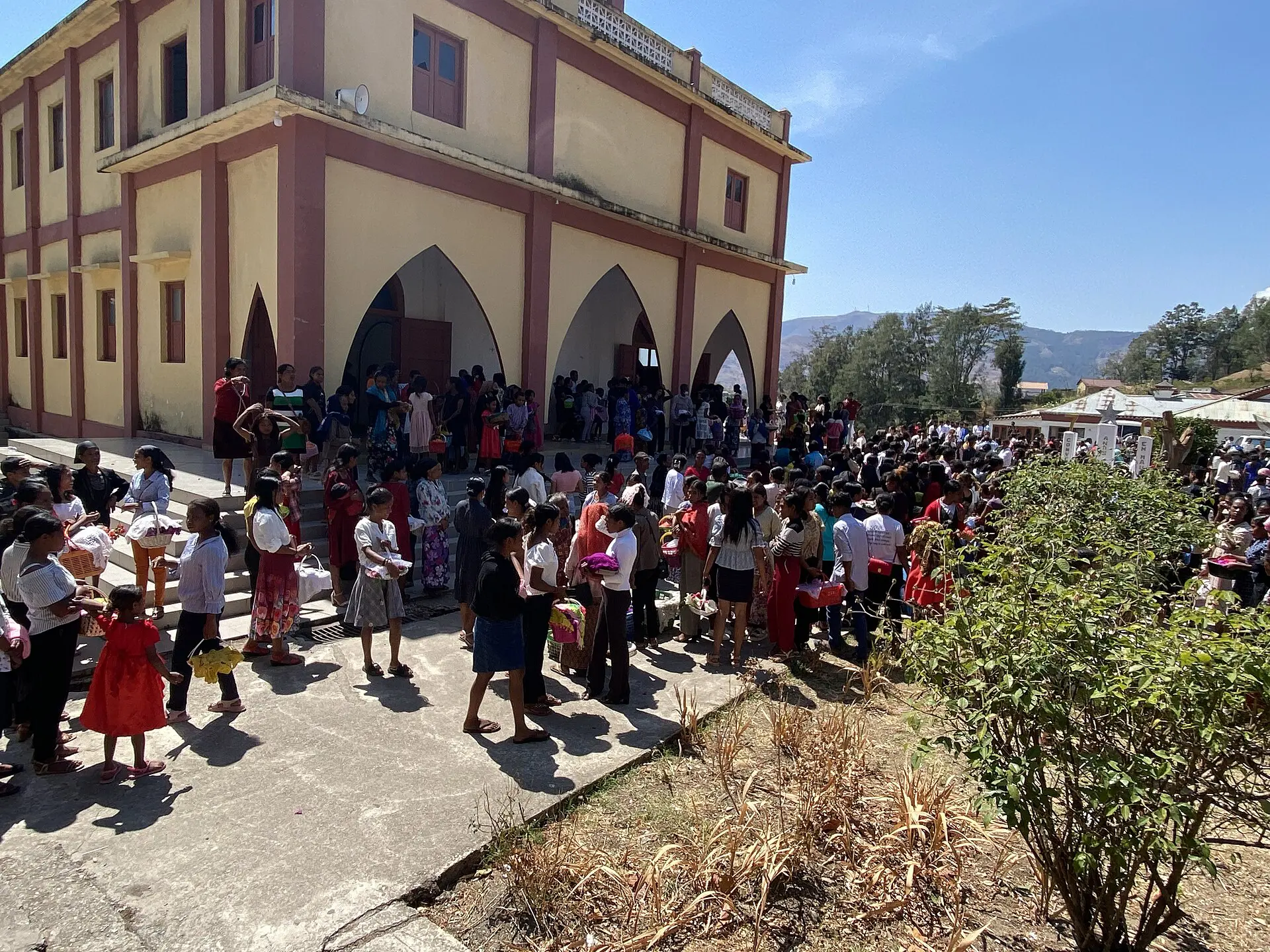
The country is overwhelmingly Roman Catholic, with strong local traditions and sacred houses (uma lulik) in many rural areas. Sundays are quiet, and churches are central to community life. Dress modestly away from the beach, with shoulders and knees covered in villages and churches.
Greet people with a handshake and a smile, and accept coffee if offered. Ask before photographing people, ceremonies, sacred houses or government buildings. The independence struggle is a recent and personal memory for many families, so listen first and avoid casual opinions about the occupation or politics.
East Timor itinerary: a 7-day route
This route combines the capital, an island and the highlands without long backtracking, and it works best in the dry season.
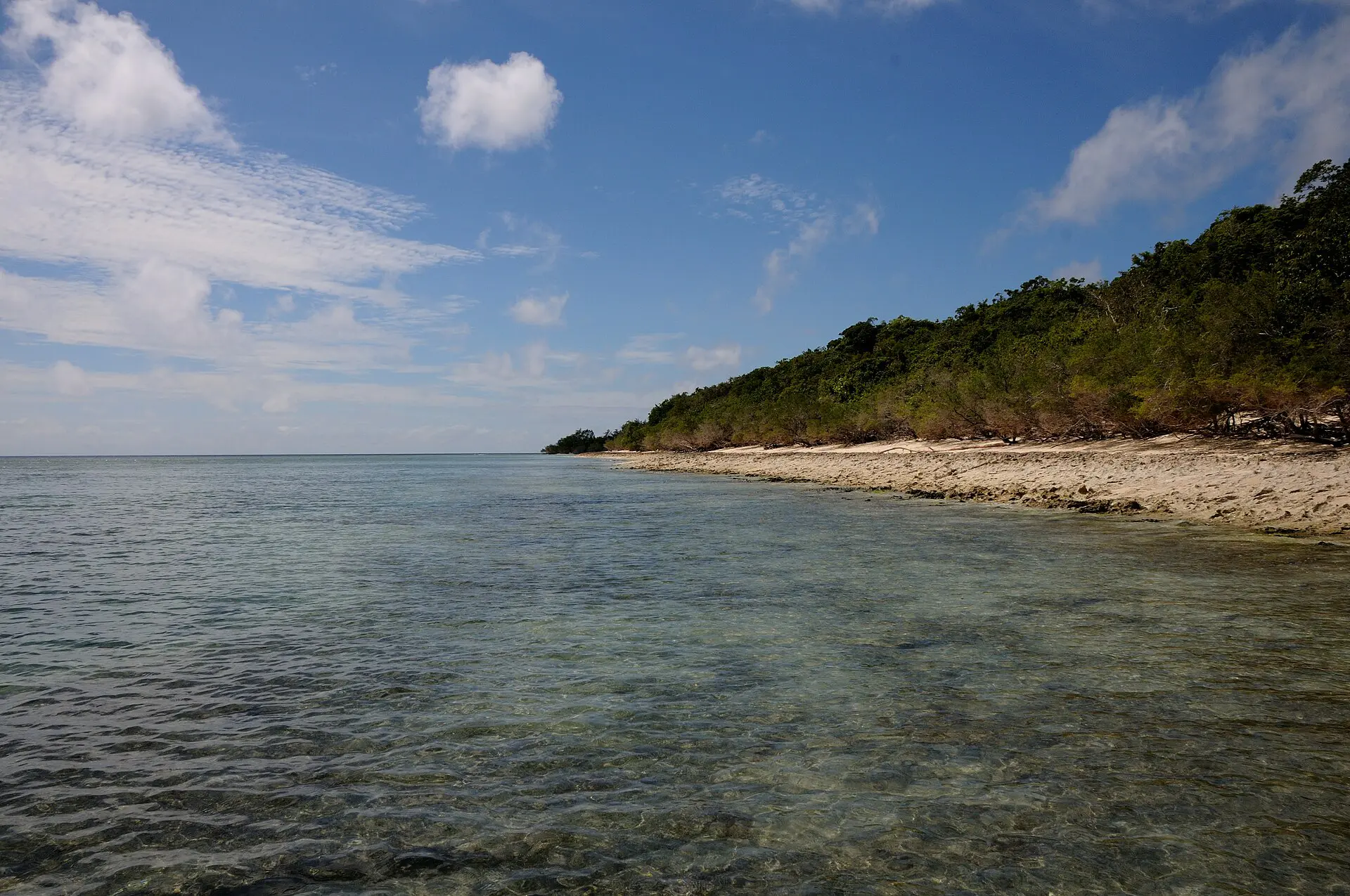
- Day 1, Dili: arrive, walk the waterfront and eat dinner near the bay.
- Day 2, Dili sights: visit the Resistance Museum, Santa Cruz cemetery and Tais Market, then climb to Cristo Rei for sunset.
- Day 3, Atauro: take the morning boat across, check in at a beach lodge and snorkel.
- Day 4, Atauro: dive or snorkel again, walk to a nearby village and return to the lodge.
- Day 5, to Maubisse: take the morning boat back to Dili, then drive about two to three hours up to the highlands and overnight there.
- Day 6, Hato Builico: continue to the foot of Mount Ramelau, walk in the village and rest before the climb.
- Day 7, Ramelau and return: climb before dawn for sunrise, descend, and drive back to Dili for an evening flight or one more night.
With more time, add Baucau and Tutuala in the east, which need at least three extra days. Skip Atauro in the wet season if seas are rough.
Practical tips for East Timor
- Money: the US dollar is the currency, with local centavo coins. Cards are accepted in some Dili hotels, but cash is essential elsewhere.
- SIM and eSIM: local prepaid SIMs are cheap and available in Dili, but coverage is patchy outside towns. Check whether your phone supports local networks before you rely on an eSIM.
- Plugs: sockets are commonly types C, E, F and I at about 220 to 240 V, so carry a universal adaptor.
- Tipping: not expected, though rounding up or leaving a small amount in restaurants and for guides is welcome.
- Health: bring insurance with evacuation cover, insect repellent, sunscreen and a basic medical kit, and ask a travel clinic about vaccines and malaria.
- Packing: light clothes, a rain jacket, sturdy shoes, a warm layer for the mountains and reef-safe sun protection.
- Booking: reserve Atauro lodges and Ramelau accommodation in advance in the dry season.
The UNESCO page for Timor-Leste gives heritage background if you are planning cultural stops.
FAQ
Q1What is East Timor food like?
East Timor food is simple, based on rice, corn, cassava, fish and vegetables. Try ikan sabuko (fish in a sour sauce), batar da'an (corn and bean stew), grilled tuna with chilli sambal and locally grown coffee. Dili has cafes with Portuguese-style bread and pastries.
Q2What are the best things to do in Timor-Leste?
Top picks are diving or snorkelling off Dili and Atauro, climbing Mount Ramelau for sunrise, visiting the Resistance Museum and Tais Market, touring coffee farms in Ermera and exploring Baucau, Tutuala and Jaco Island in the east.
Q3Is East Timor safe?
Mostly, yes. Violent crime against visitors is uncommon, and the main risks are poor roads, petty theft in Dili, dengue, crocodiles in some waters and limited medical care. Avoid night driving, buy evacuation insurance and check your government's current travel advice.
Q4What is the best time to visit East Timor?
The dry season from about June to October is best, with clearer skies, better roads and good diving conditions. From November to May heavy rain can damage roads and make remote areas hard to reach, though the landscape is greener and visitors are fewer.
Q5Do I need a visa for East Timor?
It depends on your passport. Schengen citizens have been visa-free for up to 90 days, and most other nationalities can get a 30-day visa on arrival for a fee paid in US dollars. Rules change, so confirm with the Timor-Leste immigration authority or an embassy first.
Q6What is the best place to stay in East Timor?
Dili suits a first night and day trips, Atauro Island is best for reefs and quiet beach stays, Maubisse and Hato Builico suit hikers, and Baucau is a good base for the east. Book popular island and mountain lodges ahead in the dry season.
Q7How many days do you need in East Timor?
Seven days covers Dili, two nights on Atauro and a Mount Ramelau climb at a steady pace. Add three or four days for Baucau, Tutuala and Jaco Island, because distances are short on the map but roads are slow.