Why visit Jakarta
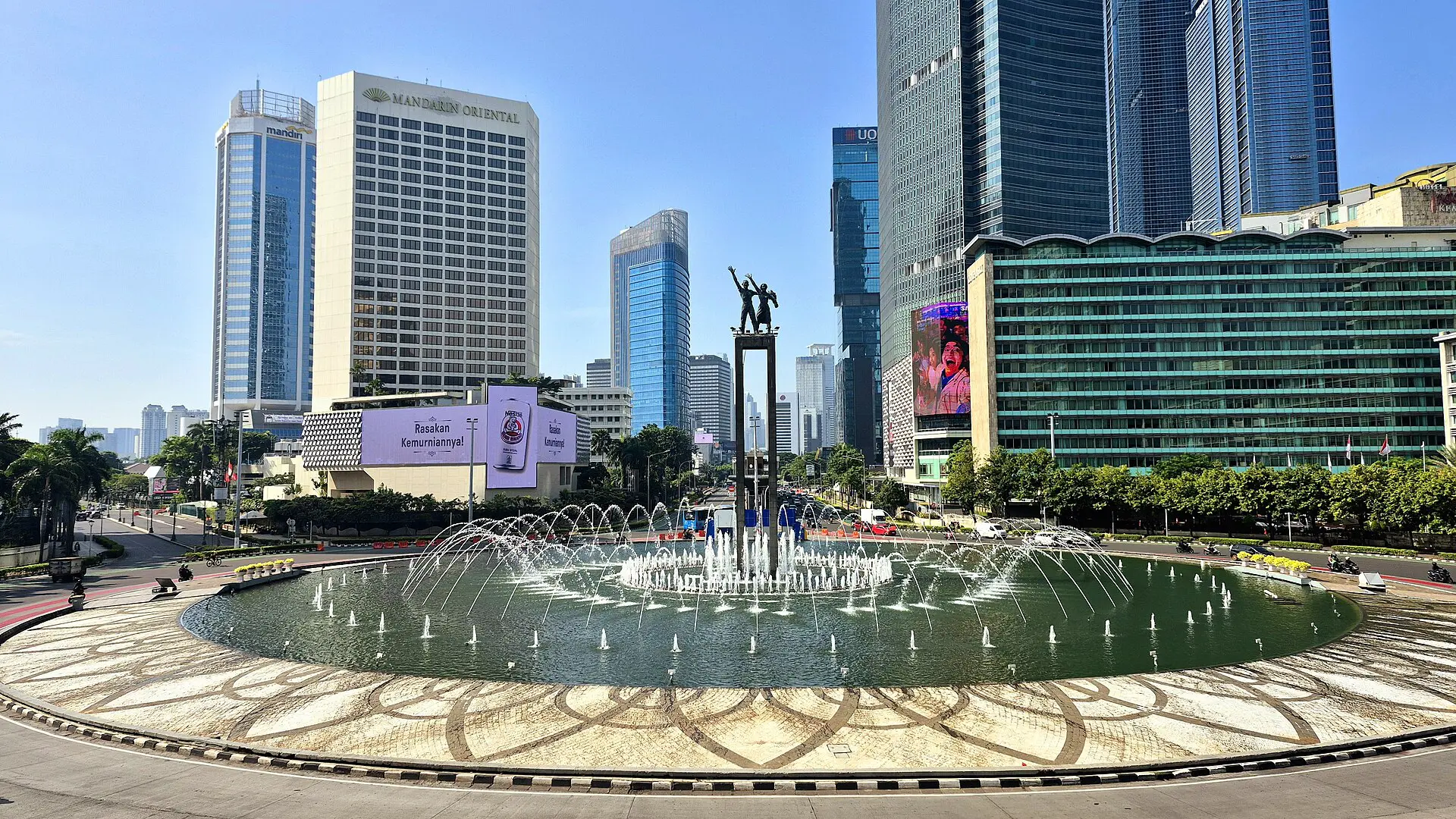
If you are planning things to do in Jakarta, start by accepting what the city is: the capital of Indonesia, home to about 11 million registered residents and a wider metropolitan area of nearly 42 million people. It sits on the northwest coast of Java, facing the Java Sea, and it is loud, humid and busy.
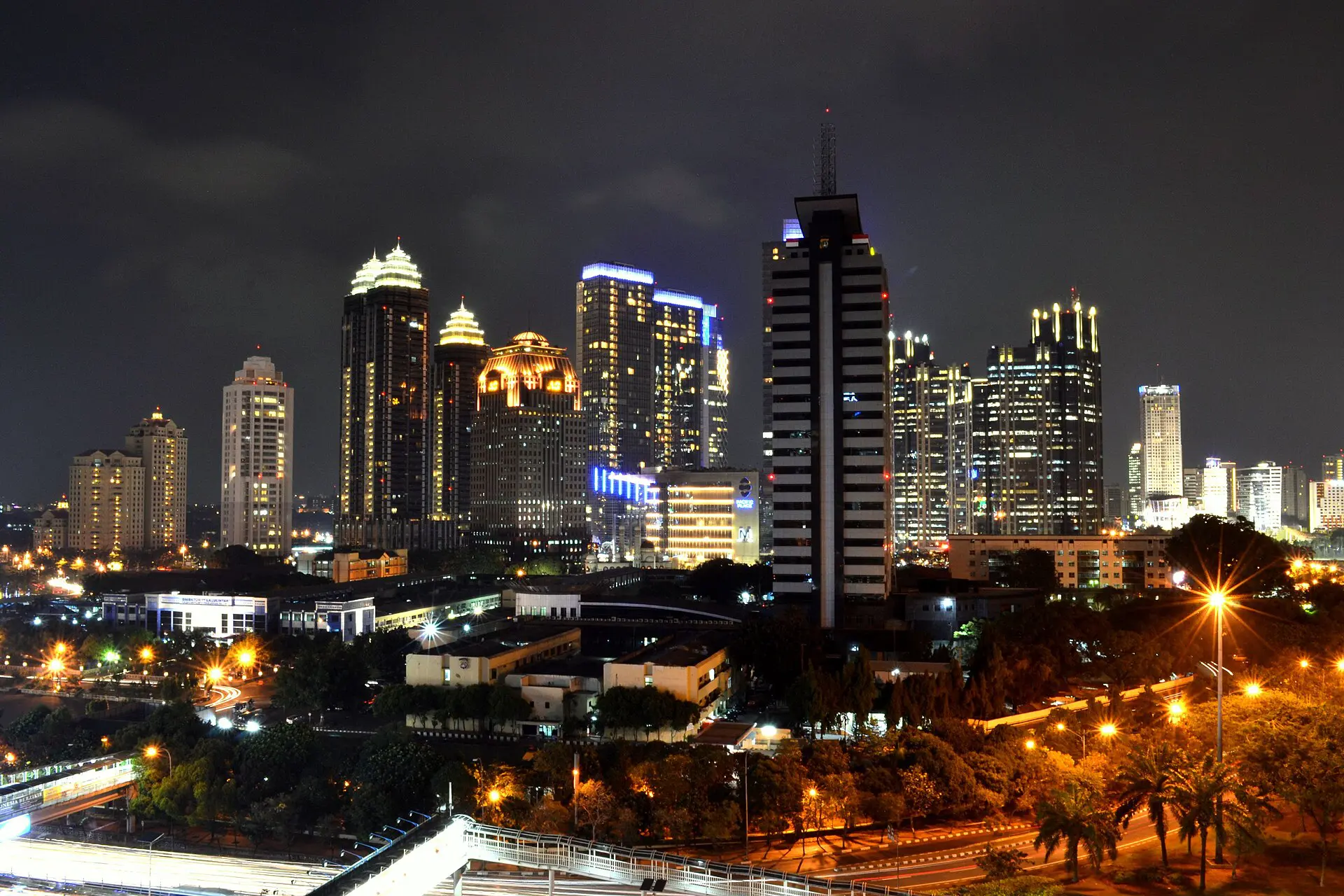
That scale is also the appeal. Jakarta grew from the old port of Sunda Kelapa into the Dutch trading town of Batavia, and the layers show: a colonial old quarter, a harbour where wooden sailing ships still dock, large national museums and the monuments of an independent republic. Add cheap street food, huge shopping malls and a restaurant scene that spans every Indonesian region, and the city makes a strong first or last stop on a trip through the country.
It is not an easy city for casual strolling. Distances are long and traffic is heavy, so a good visit is built around a few areas rather than a long checklist.
Top things to do in Jakarta
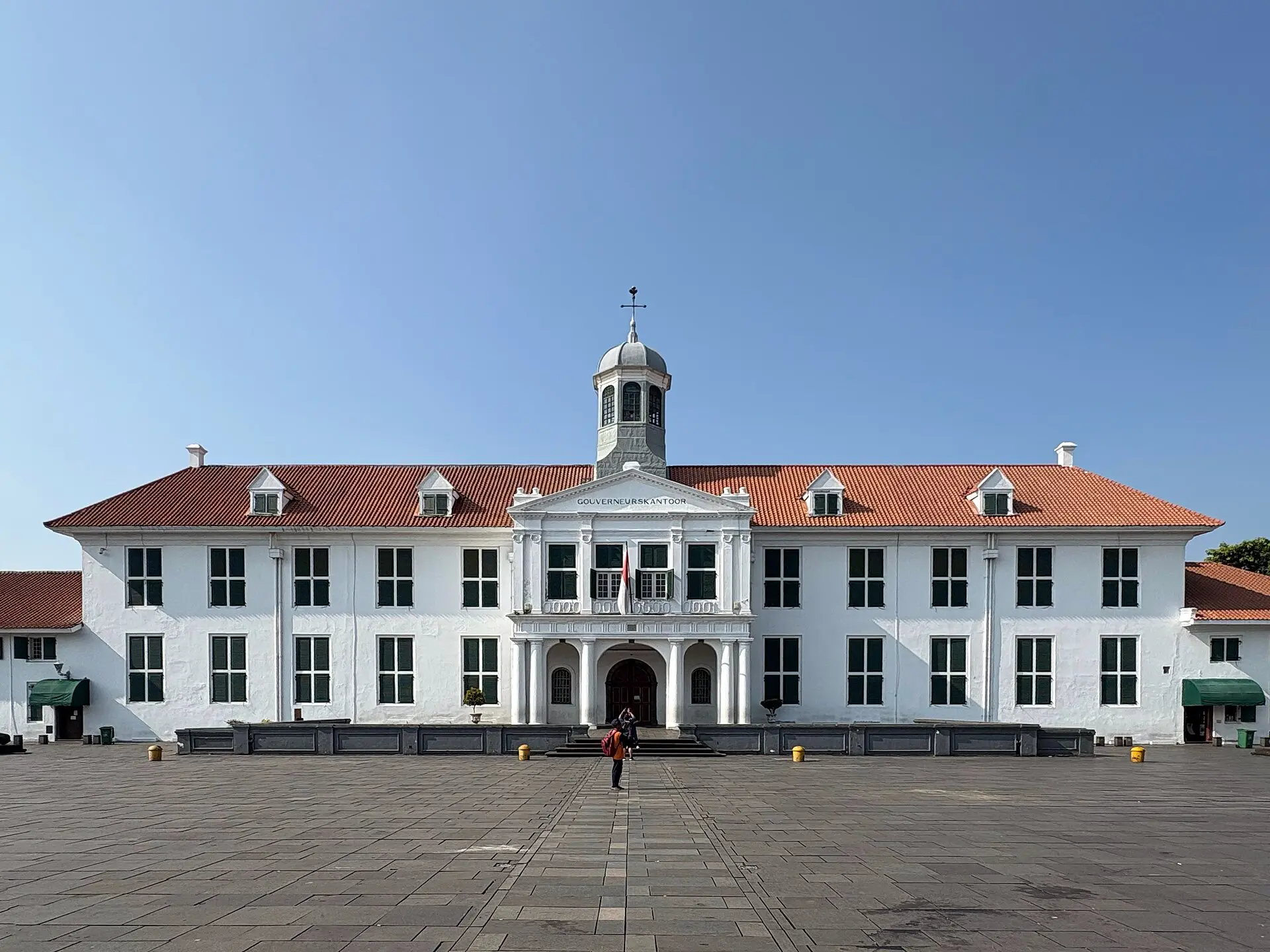
Kota Tua (Old Batavia)
The old Dutch quarter is the most atmospheric corner of the city. Fatahillah Square is ringed by colonial buildings, several of them now museums, and on weekends you can rent bicycles and browse street stalls. Allow half a day. Go in the morning, before the heat builds, and check museum opening days before you set out.
Sunda Kelapa Harbour
The historic port that the city grew from still handles traditional wooden cargo schooners. It is a short ride north of Kota Tua and best for photographs and a slow walk along the quay. Allow one to two hours. Keep your bag close, wear sturdy shoes and expect strong smells and sun.
National Monument (Monas)
This tall monument stands in the middle of Merdeka Square, the city’s main public space, close to where independence was proclaimed in 1945. Locals use the grounds for exercise and family outings, so the park alone is worth an hour. If you want the viewing platform, expect queues and check ticket rules in advance.
National Museum of Indonesia
Facing Merdeka Square, this is the country’s main museum, with collections covering archaeology, ethnography and the many cultures of the archipelago. It is a good way to get context before travelling elsewhere in Indonesia. Allow two to three hours, and confirm the current opening days and any closed galleries before you go.
Istiqlal Mosque and the cathedral
Southeast Asia’s largest mosque stands close to a Catholic cathedral, a pairing that locals often point to as a symbol of religious coexistence. Visitors can often join guided visits outside prayer times. Dress modestly with covered shoulders and knees, remove your shoes and allow about an hour.
Street food and kopi
Eating is a main activity here. Look for busy warung and food stalls serving dishes such as nasi goreng, soto and satay, and for coffee shops in neighbourhoods like Menteng and Kemang. Choose stalls with a steady local queue and food cooked in front of you, and carry small cash notes.
Malls and modern Jakarta
Air-conditioned malls are a genuine part of daily life, handy in the afternoon heat and rain. They hold food courts, cinemas and shops for Indonesian brands. Treat them as a break rather than a destination, for an hour or two between outdoor stops.
Best time to visit Jakarta
Jakarta is hot and humid all year, with temperatures that change little between months. The main difference is rainfall. The drier season generally runs from around May to September, and these months are the easiest for walking, markets and day trips. The wetter season, roughly November to March, brings heavy downpours that can flood streets and slow traffic even further.
Public holidays matter more than the season. Around major religious holidays such as Eid, many residents leave the city for their home towns, so traffic eases but some shops and services close. Check the holiday calendar before you book.
| Season | Weather | Crowds and prices |
|---|---|---|
| May to September | Hot, drier, less rain | Busier with visitors, steady hotel prices |
| October to April | Hot, humid, frequent heavy rain | Quieter, traffic can be worse after storms |
How to get to Jakarta and around
Most international visitors arrive at Soekarno-Hatta International Airport, to the west of the city. Trains, buses and taxis connect it to the centre, and journey times vary a great deal with traffic, so leave generous margins. There is also a second, older airport used for some domestic flights, so check which one your flight uses. Long-distance trains and buses link Jakarta with Bandung, Yogyakarta and other Javan cities.
Within the city, the MRT and the Transjakarta bus network help you avoid the worst congestion on their routes. A commuter rail network also serves the wider region. For other journeys, use a licensed taxi or a ride-hailing app, which is often the simplest option and shows the fare before you go. Walking is practical only inside small areas such as Kota Tua. Avoid peak hours, roughly early morning and late afternoon, when you can. Check your government’s current travel advice for Indonesia before booking.
Where to stay in Jakarta
Because the city is so spread out, your base matters more than the hotel itself. Central Jakarta, around Menteng and the area near Merdeka Square, suits first-time visitors who want to reach the museums and monuments quickly and be near MRT and bus links.
The south, including neighbourhoods such as Kemang and Senopati, has the largest choice of cafes, restaurants and nightlife, and suits travellers who prioritise food and evening plans. Expect more traffic between there and the old town.
Kota Tua and the north suit people who want to wake up in the historic quarter, though the choice of places is smaller. If you are only passing through, a hotel near the airport or an airport rail stop is practical for early flights. Book a room with air conditioning and check recent reviews for noise.
How many days do you need?
Two full days cover the headline sights if you group them by area. Three days let you slow down, add a long meal or two and take a day trip. A day in the city is enough only if you have a layover and plan carefully.
- Day 1: Kota Tua and Fatahillah Square in the morning, Sunda Kelapa harbour at midday, then a late lunch and a rest during the hottest hours.
- Day 2: National Museum and Merdeka Square, a visit to Istiqlal Mosque, then an evening of street food or a mall dinner.
- Day 3: A day trip to Bogor or a boat trip towards the Thousand Islands, then a relaxed evening in Menteng or Kemang.
Day trips and nearby
Bogor
This satellite city south of Jakarta is a classic escape, known for its botanical gardens and cooler, greener setting. Trains run from Jakarta, but weekend crowds can be heavy. Allow a full day and start early so you return before the evening rush.
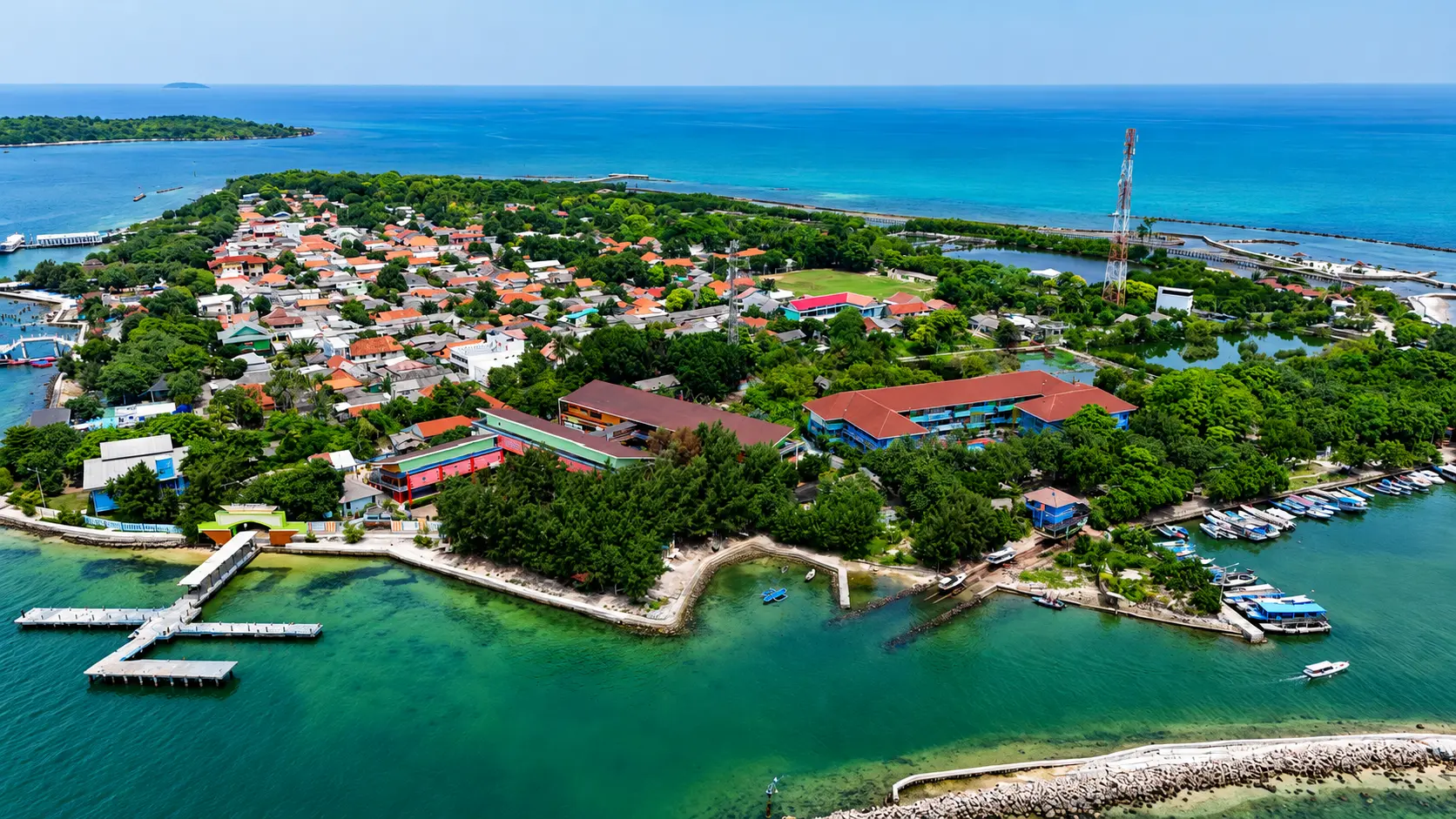
Thousand Islands
Jakarta’s offshore regency of small islands lies in Jakarta Bay and offers beaches and snorkelling away from the city. Boats leave from the north coast. Check the sea conditions and boat schedules, and plan at least one night if you want to relax.
Bandung
The highland city of Bandung lies southeast of the capital, with a cooler climate, cafes and nearby volcanic scenery. Trains and toll-road buses run between the two cities, but leave a full day if you do not stay overnight.
Yogyakarta
Java’s cultural centre is a short domestic flight or a long train ride away. It is better as a separate stop than a day trip, but it pairs well with Jakarta for temples and traditional arts.
FAQ
Q1When is the best time to visit Jakarta?
The drier months, roughly May to September, are the most comfortable for walking and day trips. The city is hot and humid all year, and the wetter months from about November to March bring heavy showers and some flooding that can slow travel.
Q2How many days do you need in Jakarta?
Two to three days is enough for most visitors. That covers Kota Tua, the National Museum area and a few good meals. Add a day if you want to visit Bogor or take a boat trip to the Thousand Islands.
Q3How do you get around Jakarta?
The MRT, Transjakarta buses and commuter trains help on their routes, and ride-hailing apps cover the rest. Traffic is heavy, especially at rush hour, so group your sights by area and allow generous travel time between them.
Q4Is Jakarta expensive?
Jakarta is moderately priced by international standards. Street food and local transport are cheap, while upscale hotels and restaurants cost much more. A mid-range traveller might budget around USD 50-110 per day, though prices change, so check current rates.
Prices, schedules and entry rules change. Check current details with official sources before you travel. Read the Indonesia travel guide.