Why visit Ubud
Planning things to do in Ubud starts with its reputation. The town in central Bali has around 75,000 people (2020) and is regarded as the cultural centre of the island. It is famous as an arts and crafts hub, and much of the town and nearby villages seems to consist of artists’ workshops and galleries.
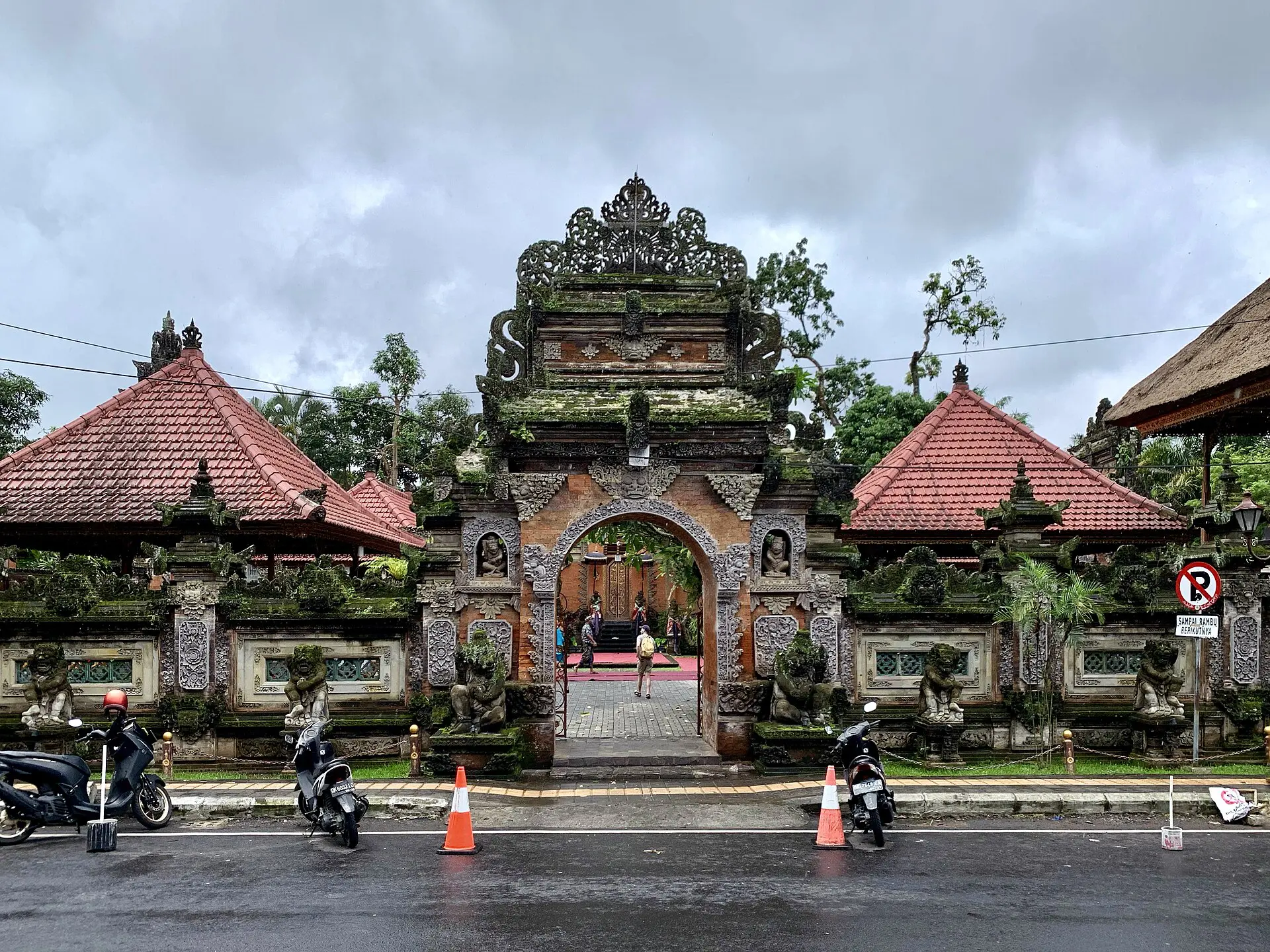
There are remarkable architectural and cultural sights, and a general feeling of wellbeing thanks to the town’s spirit and surroundings. Horrible traffic, over-development, loud nightclubs and taco Tuesdays can hide this at first glance, but the art, nature and beauty are still there. You just have to get off the main roads.
While Ubud seems to outsiders like one small town, it is in fact a cluster of villages and neighbourhoods. That means quiet lanes, rice paddies and temples are often a short walk or ride from the busy centre. If you want Balinese dance, craft workshops, yoga and cooking classes, it is hard to beat.
Top things to do in Ubud
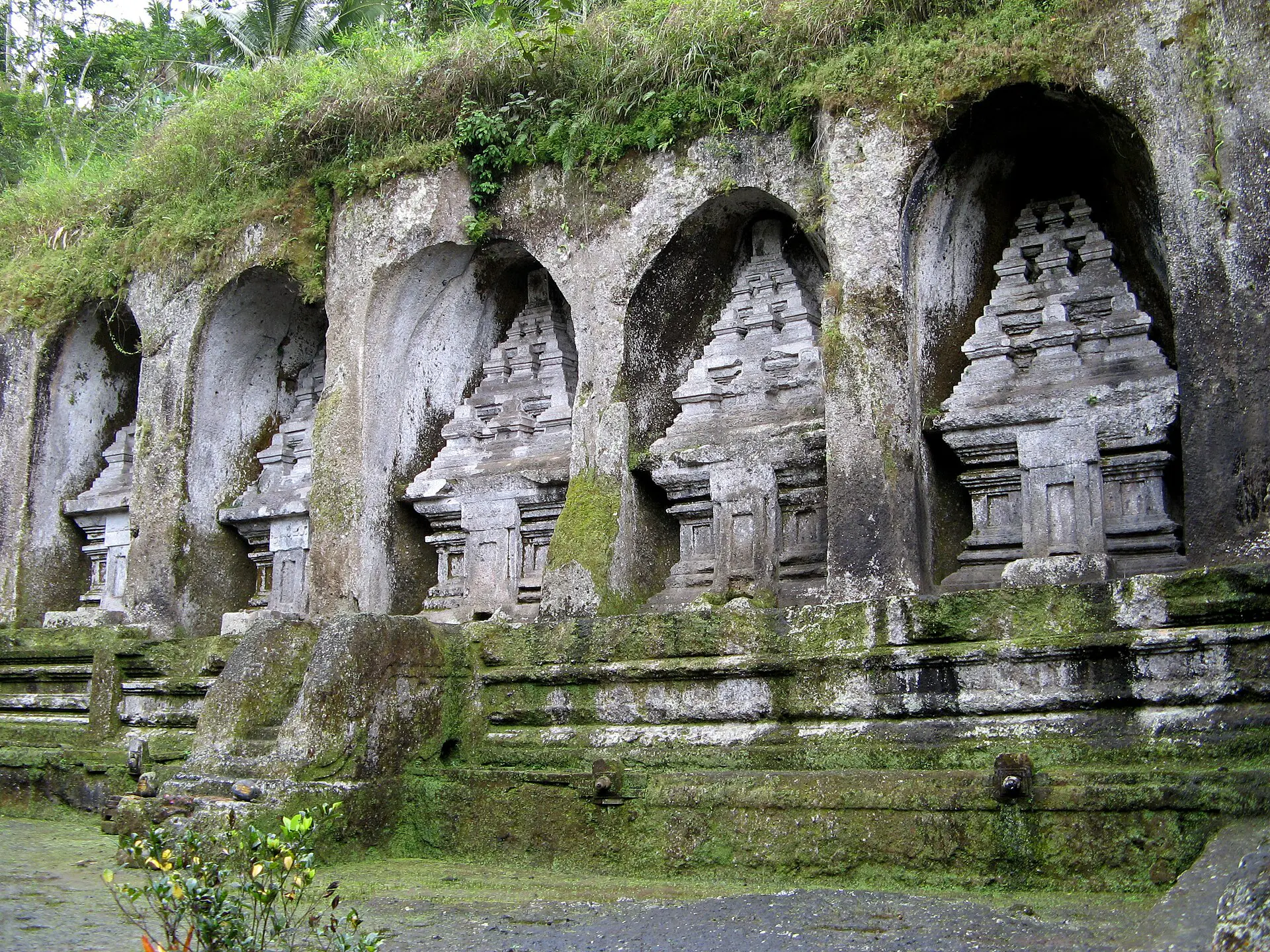
Sacred Monkey Forest Sanctuary
A forest and temple complex in the south of town is home to many macaques. Allow one to two hours. Do not carry food or loose items, keep your distance, and follow staff instructions, since the monkeys can be bold.
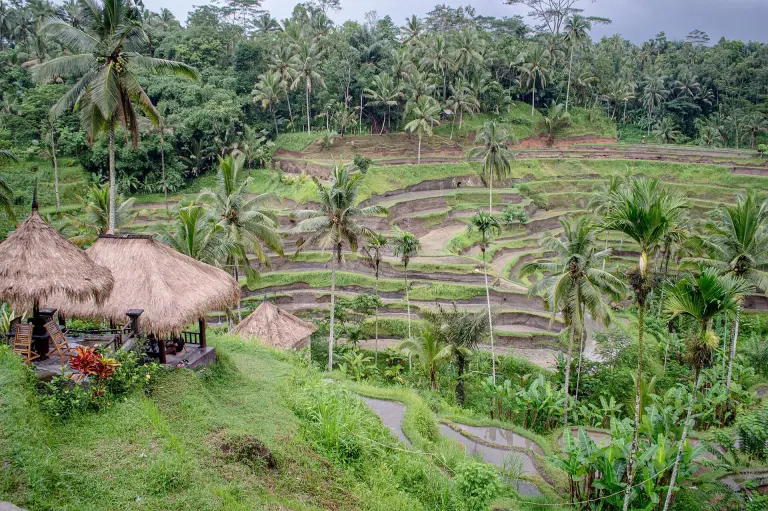
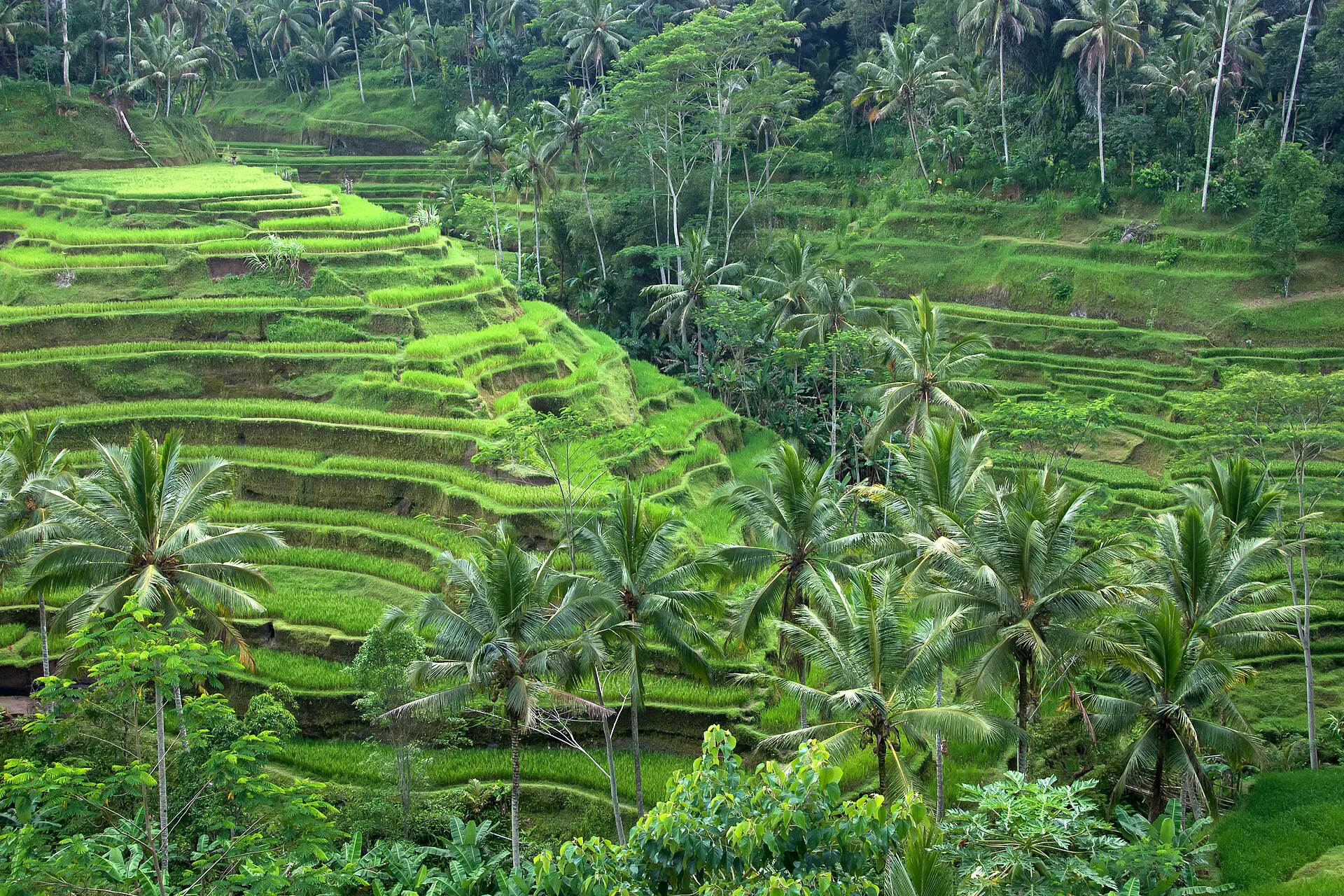
Tegallalang rice terraces
These terraced rice fields north of Ubud are among the most photographed landscapes in Bali. Allow one to two hours. Go early to avoid heat and crowds, and expect small fees at swings and viewpoints.
Ubud Palace and the art market
The old royal palace sits at the centre of town, and dance performances are often held in the evenings. The market opposite sells crafts and textiles. Allow an hour, and bargain politely.
Campuhan Ridge Walk
This easy walking path follows a green ridge on the edge of town. Allow around an hour. Early morning or late afternoon is best for cooler air and soft light, and the route is mostly shaded in parts.
Temples and water temples
Ubud has numerous temples, and nearby sites include water temples used for purification rituals. Wear a sarong and sash, which are often provided or rented at the entrance. Respect worshippers and do not step on offerings.
Art museums and galleries
Several museums showcase Balinese and international art, and small galleries line the main streets. Allow two hours for a museum. Check opening hours, and look for working studios if you want to buy.
Cooking, craft and dance classes
Classes are widely offered, from cooking and batik to silver-making and dance. Plan a half day. Compare options, read recent reviews and confirm class sizes and what is included before booking.
Best time to visit Ubud
The dry season, roughly April to October, is the most popular time, with sunny days and lower humidity. July and August are the busiest, and prices rise accordingly. Shoulder months such as April, May and September are a good compromise.
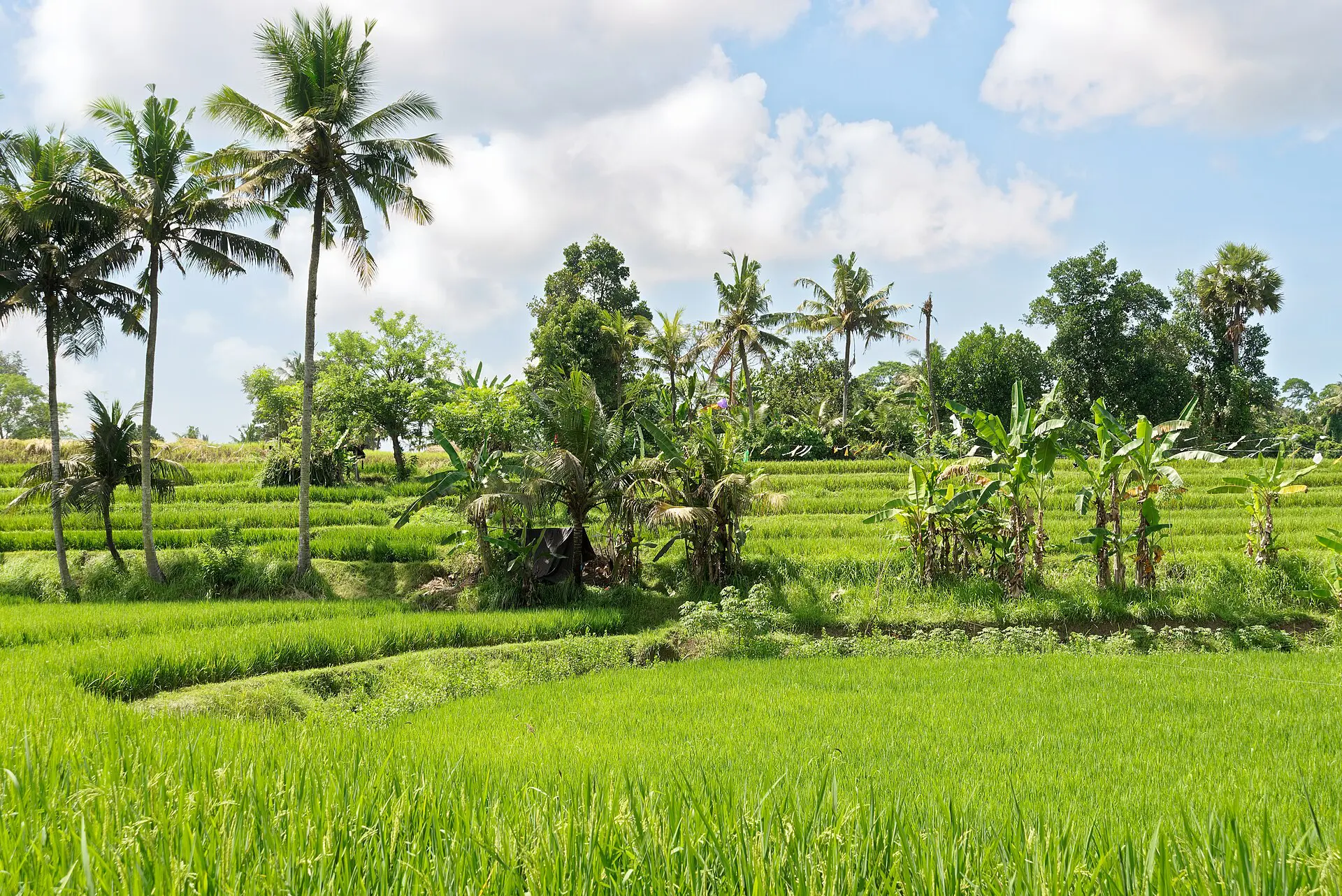
The wet season, from about November to March, brings frequent showers, often in the afternoon or evening, and higher humidity. Ubud is inland, so it can feel cooler and greener, and rice fields look lush. Prices and crowds fall outside holidays, and indoor activities such as classes and museums fill rainy hours. Heavy rain can affect roads and trails, so check conditions before hiking.
| Season | Weather | Crowds and prices |
|---|---|---|
| April to October | Drier, sunny, less humid | Busier, higher in July and August |
| November to March | Wetter, humid, afternoon showers | Quieter, lower prices except holidays |
How to get to Ubud and around
Most visitors fly to Ngurah Rai International Airport near Denpasar, then continue to Ubud by taxi, app ride or pre-arranged transfer. The trip usually takes about an hour or two, depending on traffic, which can be heavy on the main roads. Agree on a price or use a reputable service.
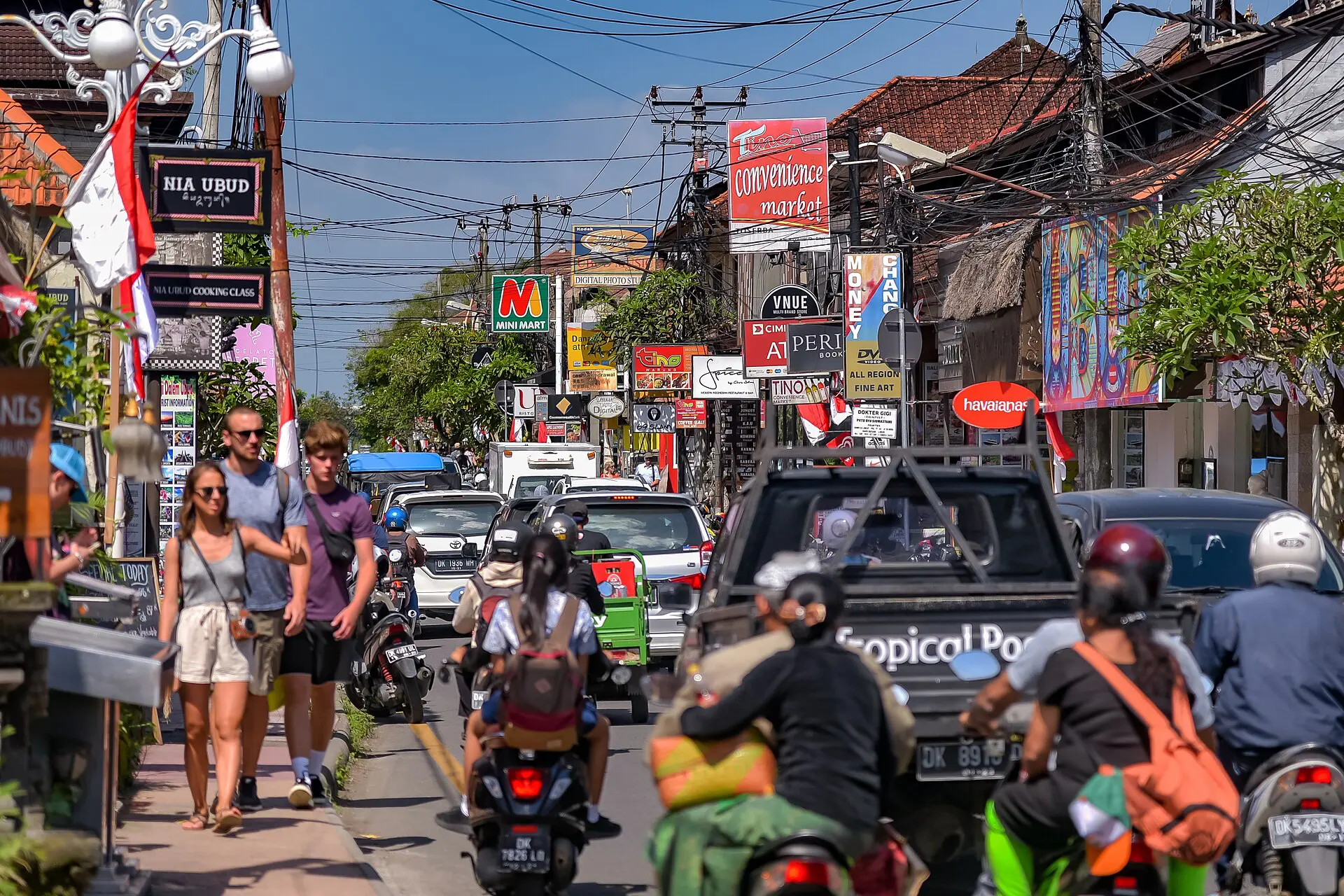
Shuttle buses also run between Ubud and other tourist areas. Fares and routes change, so check current options.
In the centre you can walk, but pavements are narrow and uneven, and traffic is dense. Scooter rental is common, but roads are busy, and you need a valid licence and insurance, so consider a driver instead. Private drivers can be hired by the day for side trips, and bicycles suit quieter lanes and rice-field routes. Check your government’s current travel advice for Indonesia before booking.
Where to stay in Ubud
The central area near the palace and market puts restaurants, galleries and performances on your doorstep. It is convenient but busy and noisy, and suits first-time visitors who want to walk everywhere.
The neighbourhoods around the ridge walk and the edges of town are quieter and greener, with rice-field views from many guesthouses and villas. You will need a scooter, driver or short taxi rides to reach the centre, which suits couples and people who want calm.
Further out, small villages offer a more rural feel and lower prices. Choices range from simple homestays and hostels to boutique hotels and private villas with pools. Book early for July, August and holiday periods, and ask about shuttle service, parking and noise levels before reserving.
How many days do you need?
Three days gives you time for the main sights and a class or ridge walk. Two days suits a quick visit, while four or five lets you explore villages, join a longer workshop or use Ubud as a base.
- Day 1: Campuhan Ridge Walk in the morning, the palace and market, and an evening dance performance.
- Day 2: Monkey Forest, then galleries and a cooking or craft class in the afternoon.
- Day 3: Tegallalang rice terraces and a water temple with a driver, finishing with a relaxed dinner.
Leave a slower day for spa time, yoga or simply wandering side lanes.
Day trips and nearby
Canggu
A surf and beach area on Bali’s southwest coast, reachable by car or scooter. It suits a half-day or day trip for the beach, cafes and sunset, though traffic can be slow.
Uluwatu
The clifftop temple and surf beaches lie on the southern peninsula. It is a long drive from Ubud, so plan a full day or overnight stay, and check traffic conditions.
Nusa Penida
This island off Bali’s southeast coast is known for dramatic cliffs and snorkelling. Fast boats leave from the east coast, so it usually works best as an overnight trip. Check sea conditions and operator reviews.
Lombok and beyond
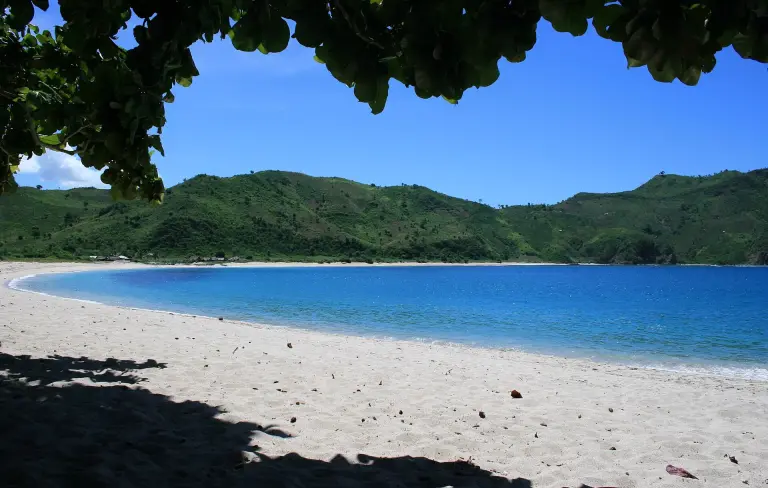
Lombok, Yogyakarta and Labuan Bajo are further destinations reachable by air or boat. Treat them as separate stages of a longer Indonesia trip.
FAQ
Q1What is the best time to visit Ubud?
April to October is the drier and sunnier period, with July and August the busiest. November to March is wetter and greener, with quieter lanes and lower prices outside holidays. Showers usually arrive in the afternoon or evening.
Q2How many days do you need in Ubud?
Three days covers the Monkey Forest, rice terraces, ridge walk, a class and a dance performance. Two days suit a quick visit, and four or five allow side trips and slower days. Many travellers use Ubud as a base for exploring central Bali.
Q3How do you get to Ubud?
Fly into Ngurah Rai International Airport near Denpasar, then take a taxi, app ride or private transfer, which usually takes one to two hours depending on traffic. Shuttle services also operate between tourist areas, so check current schedules.
Q4Is Ubud worth visiting?
Yes, if you want Balinese art, dance, temples and rice terraces. The centre is busy and heavily developed, so walk early, stay near quieter lanes and take trips out of town. It is less suitable if you want a beach holiday.
Prices, schedules and entry rules change. Check current details with official sources before you travel. Read the Indonesia travel guide.