Why visit Bali
If you are planning things to do in Bali, the island offers an unusually wide range for its size. Bali is an Indonesian province and island between Java and Lombok, and it is the main centre of Balinese Hinduism, in a country where most people are Muslim. That shows in daily life: small offerings on pavements, temple ceremonies and elaborate festivals.
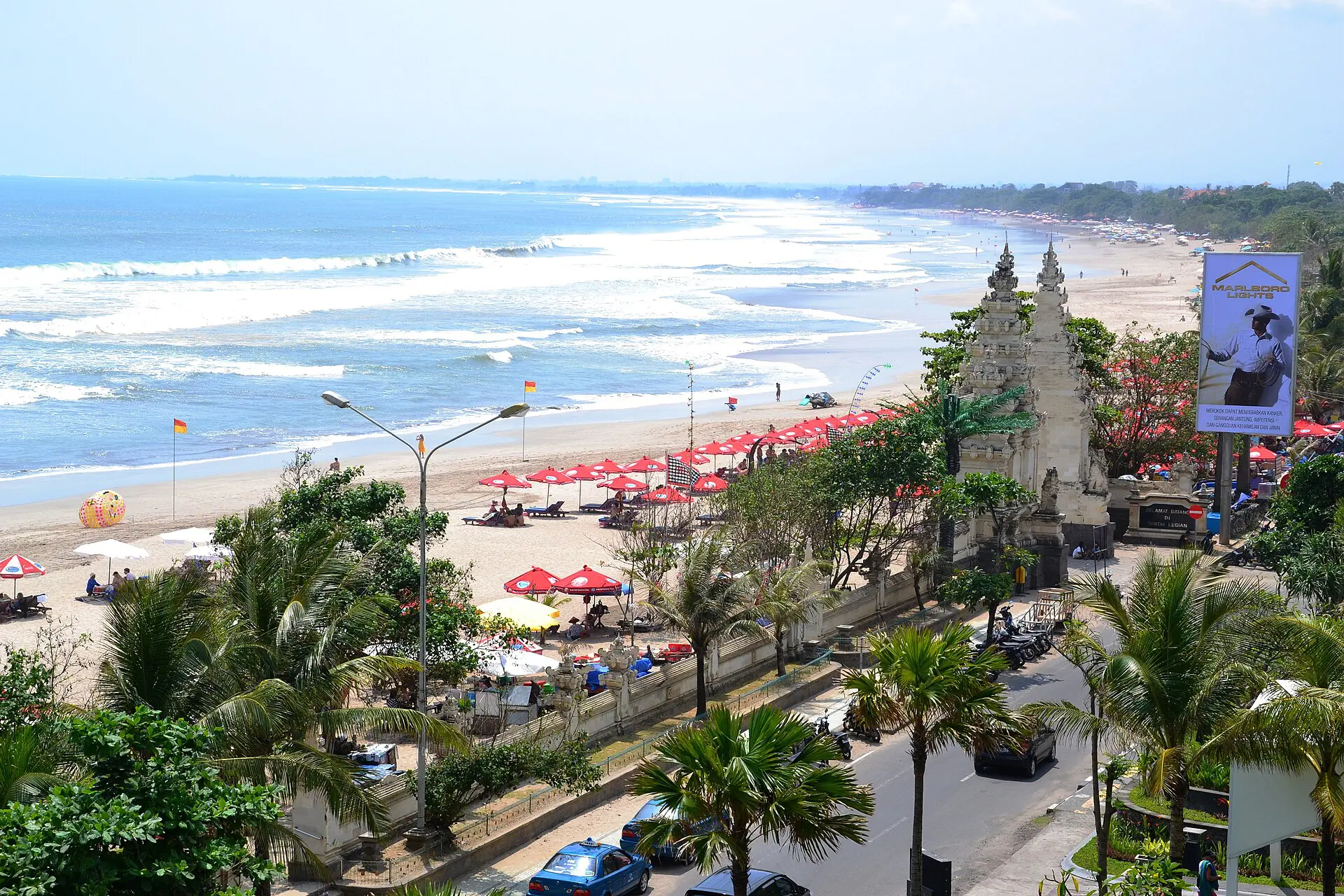
The landscape includes volcanic peaks, lakes, jungle valleys and terraced rice fields, and the coast ranges from surf breaks and cliff-top temples to calm coves for snorkelling. Ubud in the interior is known for arts, crafts, dance and yoga, while the south has beach clubs, restaurants and nightlife.
Bali has a mature tourism industry, with accommodation at every price and a lot of choice for food. The main downsides are heavy traffic in the south, crowds at popular sites and a rainy season that can limit beach time. Plan around the traffic, travel early in the day, and respect local customs, particularly at temples, where modest dress and a sash are expected.
Top things to do in Bali
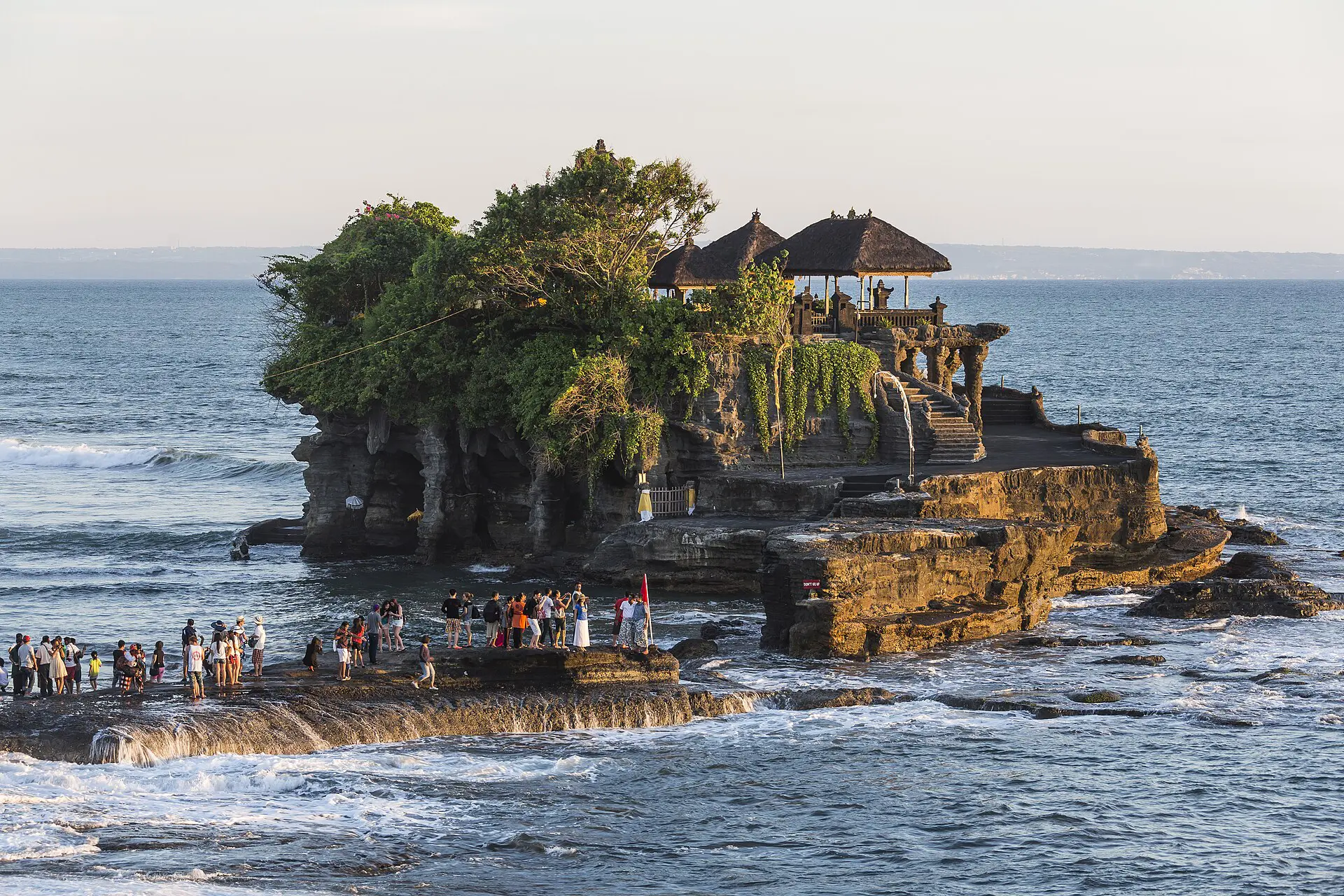
Uluwatu Temple
This sea temple stands on a cliff on the southern peninsula, and is famous for its sunset views. Allow about two hours. Macaques live around the site and may snatch glasses or phones, so keep belongings secure. Dress modestly, and expect a small entry fee.
Tegallalang and Jatiluwih rice terraces
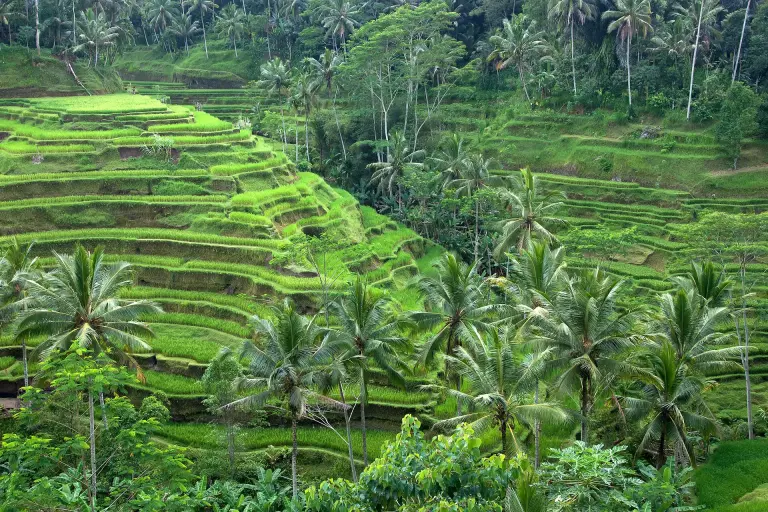
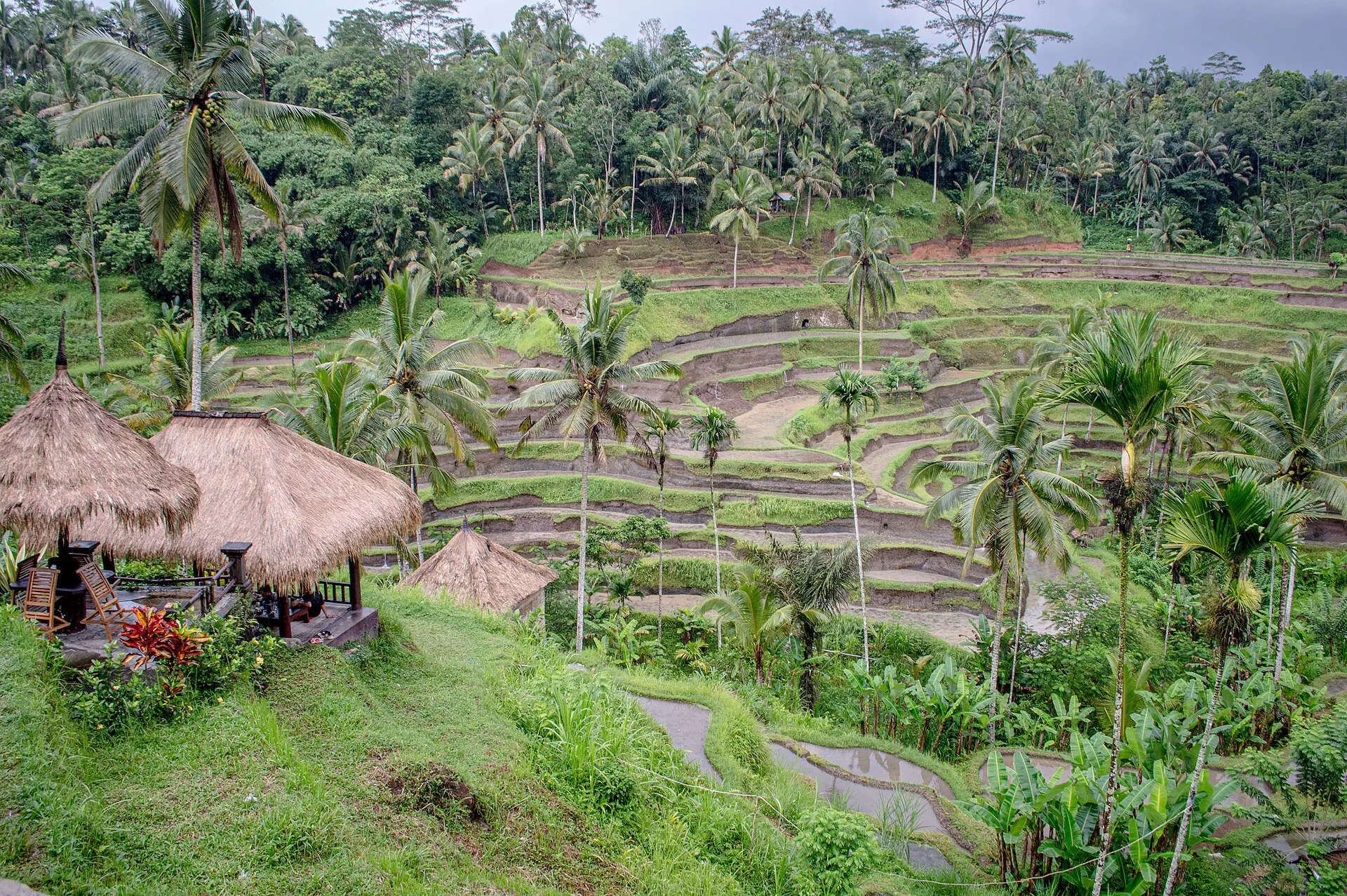
The terraced fields near Ubud are the best-known, while Jatiluwih in the central highlands is a UNESCO-listed landscape with fewer visitors. Allow one to two hours. Go early in the morning to beat crowds and heat, and wear shoes with grip.
Ubud and the Sacred Monkey Forest
Ubud is the island’s cultural centre, with galleries, craft shops, dance performances and cafes. The forest sanctuary has temples and monkeys, and takes about an hour. Evening dance shows are widely available, and tickets are usually cheap.
Tirta Empul and Besakih temples
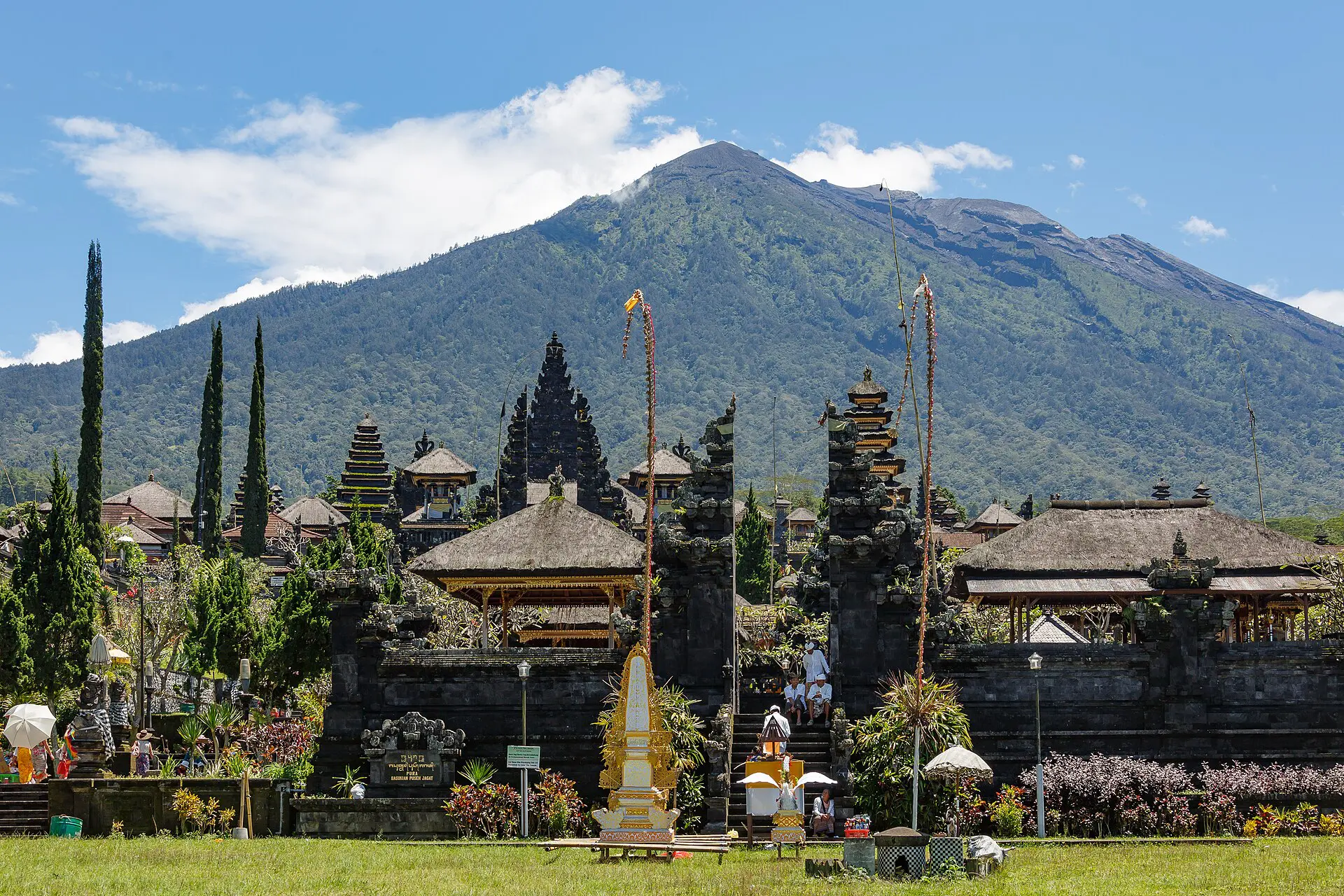
Tirta Empul is a spring temple where visitors can join a ritual purification if they follow local guidance. Besakih is the largest and holiest temple complex, on the slopes of Mount Agung. Plan a half day each, and hire a licensed guide for context.
Mount Batur sunrise trek
A popular volcano hike that begins in the early hours and reaches the summit for sunrise, taking about two to three hours up. It is manageable for most reasonably fit people, but it can be cold and slippery. Book with a licensed local guide.
Surf beaches and Nusa Penida
Uluwatu, Canggu and Kuta offer surf breaks for varying levels, with lessons and board hire available. Nusa Penida, a short boat ride away, has dramatic cliffs and beaches. Check swell and currents with local instructors before you swim or surf.
Waterfalls and the north coast
Northern Bali has waterfalls, lakes and quieter beaches, with less traffic than the south. Allow a full day with a driver. Roads are winding, so start early, and wear sandals that handle wet rock.
Best time to visit Bali
Bali is tropical and warm all year. The dry season runs from roughly April to October, with sunnier skies, lower humidity and better conditions for hiking and boat trips. The wet season from about November to March brings heavier rain, often in short, intense downpours, and higher humidity.
| Season | Weather | Crowds and prices |
|---|---|---|
| Dry season (April to October) | Sunny, less humid, cooler evenings | Highest in July, August and school holidays |
| Wet season (November to March) | Hot, humid, frequent heavy showers | Lower prices, except around Christmas and New Year |
Surf conditions vary by coast, with the west coast usually better in the dry season. Nyepi, the Balinese Day of Silence, usually falls in March or April, and the island effectively shuts down for 24 hours, including the airport, so plan your dates around it.
How to get to Bali and around
Ngurah Rai International Airport, near Denpasar, is the island’s only major airport and has direct flights from many Asian and Australian cities and connections via Jakarta and other hubs. Most visitors need a visa or e-visa, so check current rules and any tourist levy before you travel.
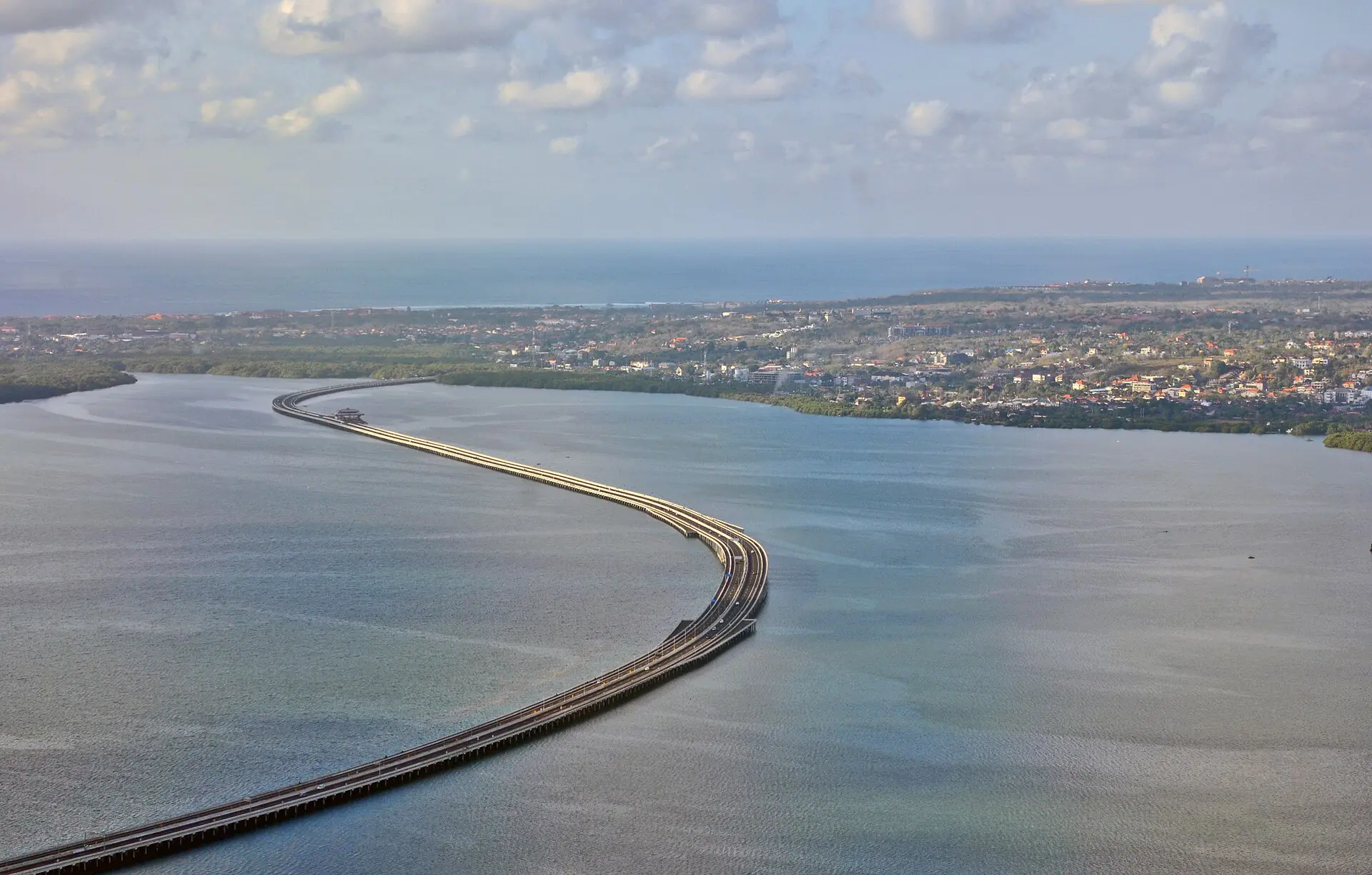
Public transport is limited. Most visitors use taxis, ride-hailing apps and private drivers, which can be booked for a day at a fixed price. Moving around the south can be slow because of heavy traffic, so allow extra time, and a trip from Ubud to the airport can take around an hour or more.
Renting a scooter is common but risky for inexperienced riders, and you need the correct licence and insurance. Fast boats link Bali with Nusa Penida, the Gili Islands and Lombok, though sea conditions can cause delays.
Where to stay in Bali
Ubud suits culture lovers, yoga fans and travellers who want a green setting, with villas, guesthouses and cafes. It is inland, so you will need transport to reach the beach.
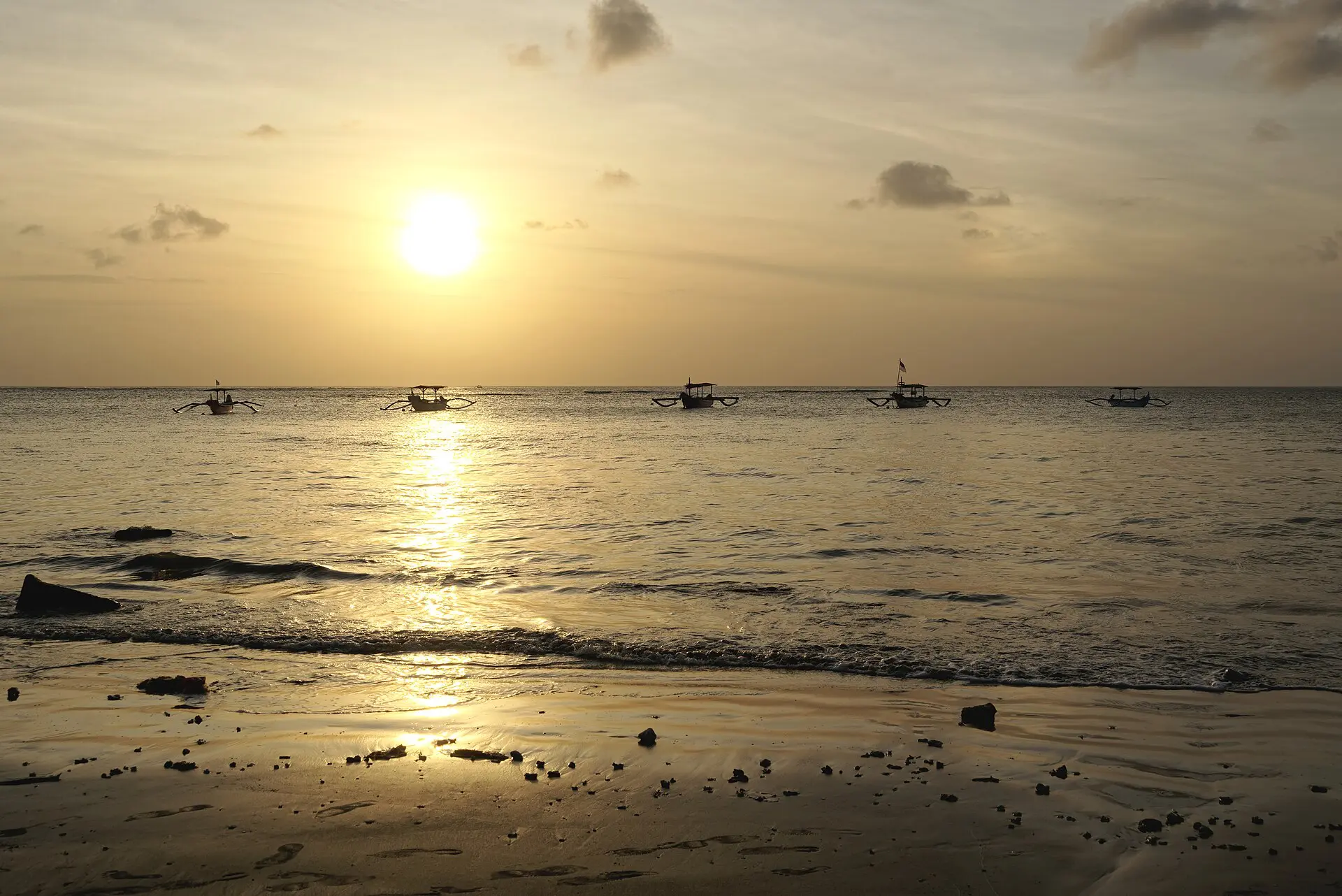
Seminyak and Canggu are popular with younger travellers and surfers, with beach clubs, cafes and nightlife, and they can be busy and noisy. Uluwatu and the Bukit peninsula have clifftop hotels, surf beaches and sunset views, and suit couples and surfers.
Sanur is calmer and family-friendly, with a flat seafront path and gentle waters. Nusa Dua has large resorts with private beaches. In the north and east, such as around Amed and Lovina, you will find quieter, cheaper stays, though with fewer facilities. Choose a base to avoid daily long drives.
How many days do you need?
Five days gives you enough to see Ubud, a couple of temples and a beach area. A week allows you to add a volcano sunrise and a day at the coast, and two weeks gives a relaxed island loop plus another island. Two or three days is only enough for a quick beach break.
- Days 1-2: Ubud, with the Monkey Forest, rice terraces, a dance show and a craft village.
- Days 3-4: Tirta Empul or Besakih, Mount Batur sunrise, then head to the coast.
- Days 5-6: Uluwatu temple at sunset, a surf or beach day, and optional Nusa Penida trip.
Day trips and nearby
Nusa Penida
A rugged island southeast of Bali, reached by a fast boat in about 45 minutes. It has high cliffs and beaches, and works as a long day trip or an overnight stay. Roads are rough, so a driver is useful.
Nusa Lembongan
This smaller island nearby is calmer, with snorkelling, mangroves and cafes. It suits a relaxed day or a night or two, and boats from Sanur are frequent.
Lombok
East of Bali, Lombok has quieter beaches and the Rinjani volcano. Fast boats take a few hours, and flights are quicker. Plan at least several days.
Komodo and Labuan Bajo
Flights to Labuan Bajo reach the base for Komodo National Park, known for its dragons and diving. A trip needs at least two to three days, so treat it as a separate excursion rather than a day trip.
FAQ
Q1When is the best time to visit Bali?
April to October is the dry season, with sunnier weather and lower humidity, and it is also the busiest, especially in July and August. November to March is wetter but cheaper and greener. Check the date of Nyepi, when the island closes for a day.
Q2How many days do you need in Bali?
Five days covers Ubud, a few temples and a beach area. A week lets you add a Mount Batur sunrise trek and a surf or snorkelling day. Two weeks suits slower travel with another island, such as Nusa Penida or Lombok.
Q3How do I get around Bali?
Most visitors use taxis, ride-hailing apps or a private driver booked by the day, since public transport is limited. Traffic is heavy in the south, so allow extra time. Scooters are common but risky without experience, a licence and insurance.
Q4Is Bali safe and affordable?
Bali is generally welcoming and affordable by Western standards, with food and guesthouses costing little. Main risks are scooter accidents, strong sea currents and petty theft, so take care with belongings, avoid unlicensed operators and check current travel advice and entry rules before you go.
Prices, schedules and entry rules change. Check current details with official sources before you travel. Read the Indonesia travel guide.