Why visit Yogyakarta
If you are planning things to do in Yogyakarta, begin with what makes it different from the rest of Indonesia. It is the only Indonesian royal city still ruled by a monarchy, and it is regarded as a centre of classical Javanese fine arts. Batik textiles, ballet, shadow puppet theatre, music, poetry and silversmithing are all still practised here.
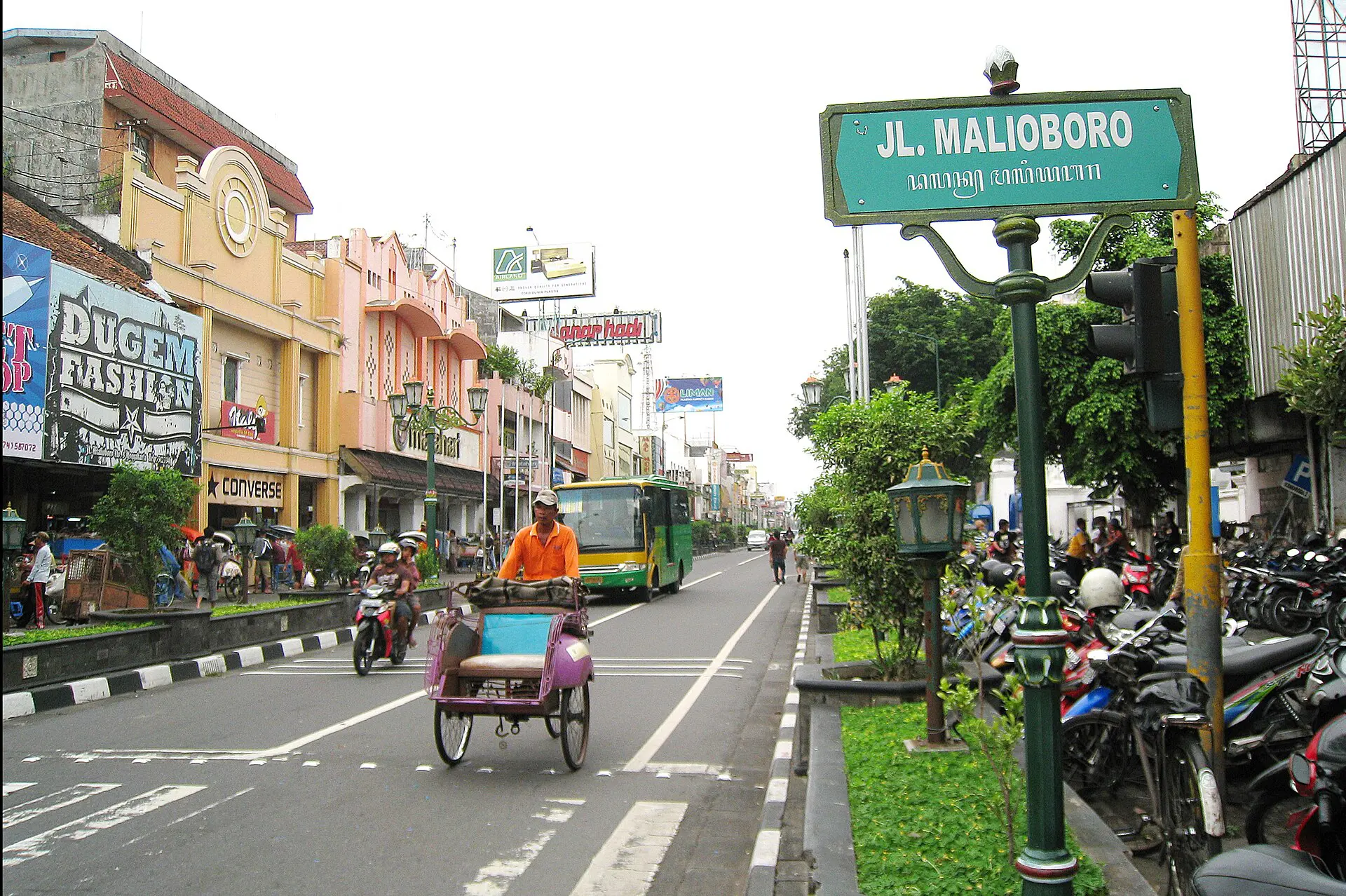
The city, usually called Yogya or Jogja, is also a major education hub, home to Gadjah Mada University and many other schools. That gives it a young, easygoing feel, with cafes, galleries, bookshops and plenty of cheap places to eat. It served as Indonesia’s capital from 1946 to 1948 during the independence struggle.
For most travellers the main draw is its position. Borobudur and Prambanan, two of the best-known temple complexes in Southeast Asia, are within easy reach, as are Mount Merapi and the countryside. It is one of the most popular destinations on Java for good reason.
Top things to do in Yogyakarta
Borobudur
This enormous ninth-century Buddhist monument lies roughly an hour or more from the city. Allow half a day, longer if you go for sunrise. Access to the upper levels has been managed with ticketing and visitor limits, so check current rules and book ahead. Wear comfortable shoes and cover your shoulders and knees.
Prambanan
Prambanan is a large Hindu temple complex about 17 kilometres east of the city centre, dedicated to the Trimurti gods. Allow two to three hours. Go in the late afternoon for softer light and cooler temperatures. Rules on access to individual structures can change, so check at the gate.
The Kraton and Taman Sari
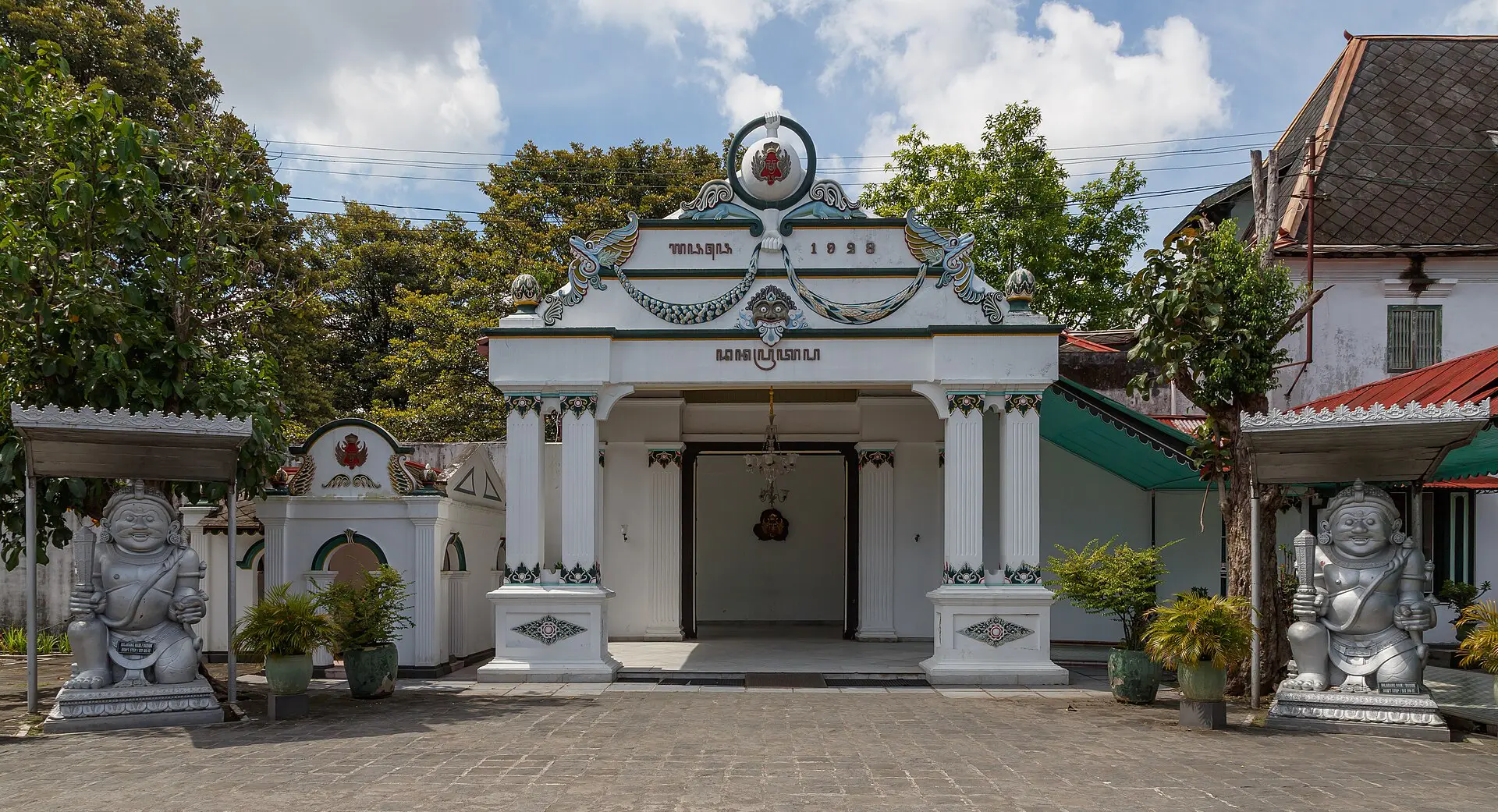
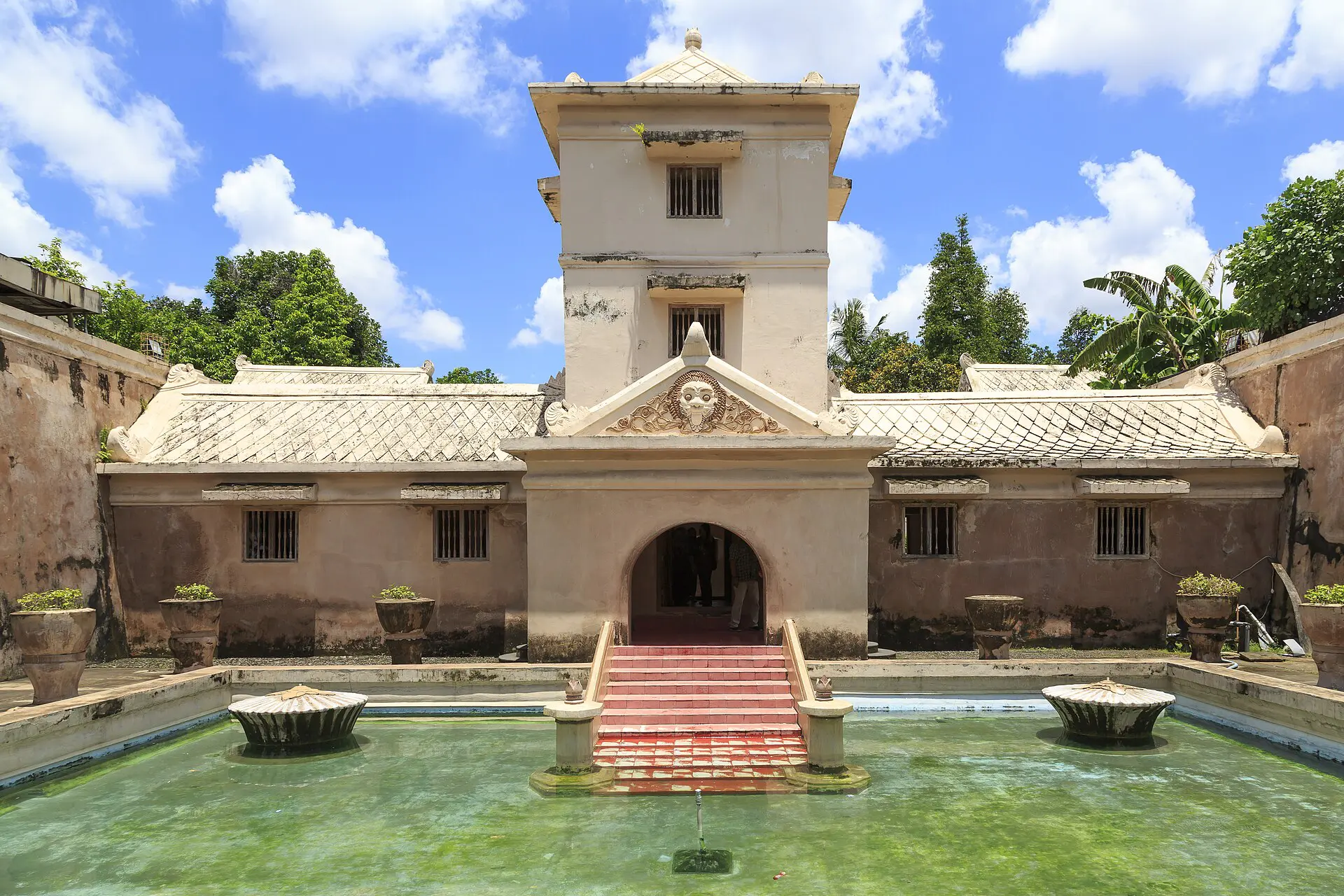
The Kraton is the sultan’s palace complex, with courtyards, pavilions and museum displays, and it remains a working royal residence. Nearby Taman Sari is a former royal pleasure garden with pools and tunnels. Allow two to three hours for both. Check visiting hours and cultural performance times before you go.
Malioboro Street and Beringharjo Market
Malioboro is the main shopping and street-food avenue, and Beringharjo Market holds batik fabric, spices and food stalls. Plan one to two hours. Bargain politely, compare prices before buying, and ask whether a fabric is hand-drawn, stamped or printed, because the price differences are large.
Batik workshops and silver crafts
Short classes teach the basics of hand-drawn wax-resist batik, and nearby Kotagede is known for silverwork. A class usually takes two to three hours. Book in advance if you are travelling in peak season, and compare a few providers before you commit.
Wayang and Javanese performance
Shadow puppet theatre, gamelan music and classical dance are a key part of the city’s identity. Performances are held in palace venues and cultural centres, often in the evening. Check schedules in advance, and note that full wayang shows can run for hours, so shorter excerpts suit most visitors.
Street food
Gudeg, a slow-cooked jackfruit dish, is the signature food of the city, and you will find it at small stalls and warungs across town. Plan a meal at a busy local place, choose food that is freshly cooked, and bring small notes for payment.
Best time to visit Yogyakarta
Yogyakarta has a tropical climate with a dry season and a wet season. The dry months, roughly May to September, are generally the best for temple visits and day trips, because skies are clearer and rain is less likely. This is also the busiest period, and prices for rooms and tours rise.
The wet season runs from about November to March, with afternoon downpours that can interrupt outdoor sightseeing and affect road conditions. It is still a workable time to visit if you plan for indoor stops and carry rain gear. Check conditions around Mount Merapi, an active volcano, before planning any trips near it.
| Season | Weather | Crowds and prices |
|---|---|---|
| Dry season (May-Sep) | Hot, mostly sunny | Busier, higher prices, especially July-August |
| Wet season (Nov-Mar) | Warm, humid, frequent rain | Quieter, better deals |
| Transition (Apr, Oct) | Changeable | Moderate |
How to get to Yogyakarta and around
Most visitors fly into Yogyakarta International Airport, which lies to the west of the city, and then continue by train link, shuttle or taxi. Check the current journey time, as it depends on traffic and the service you choose. Some travellers also arrive by long-distance train from Jakarta, Bandung or Surabaya, which is a scenic and comfortable option. Check your government’s current travel advice for Indonesia before you book.
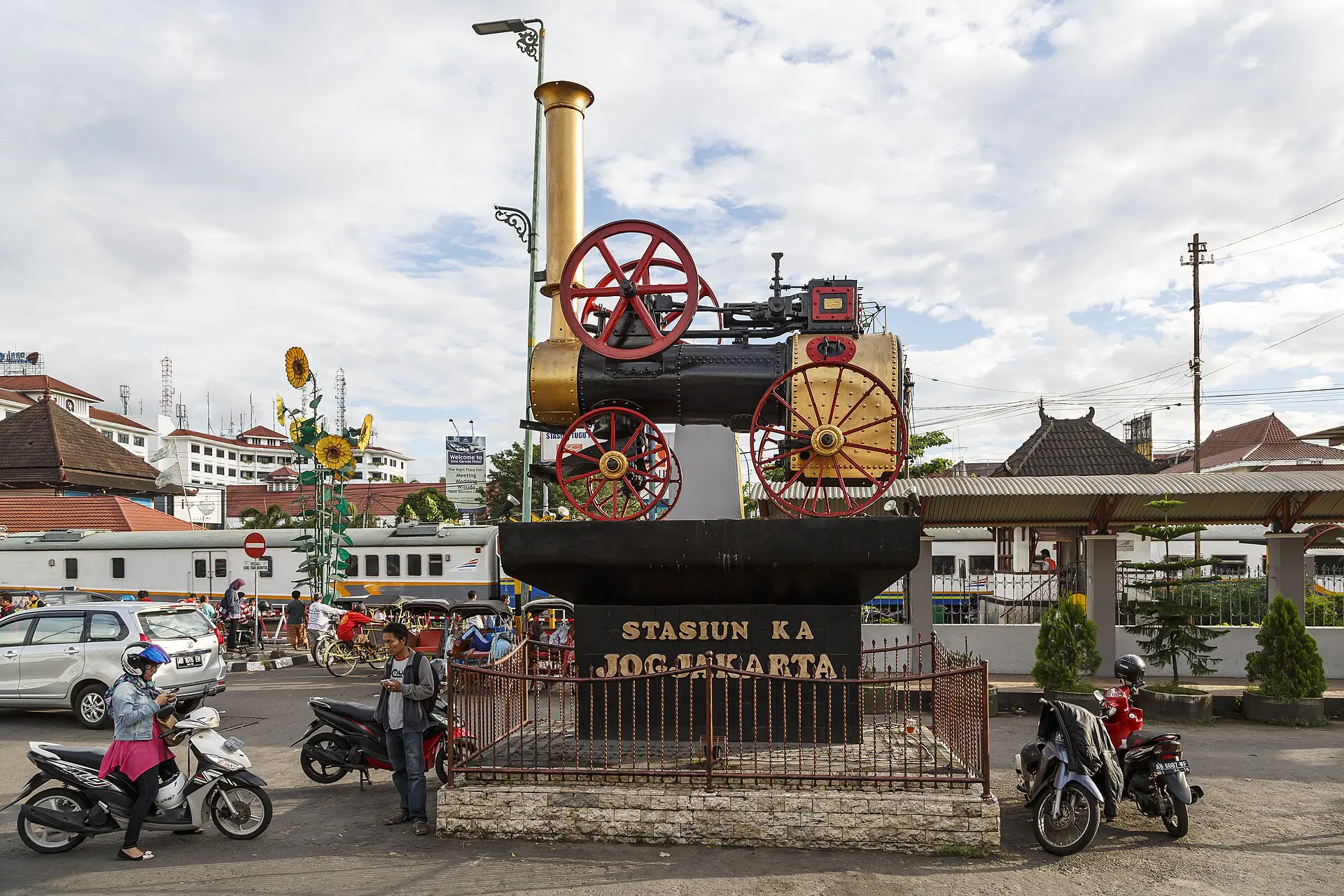
Within the city, ride-hailing apps, taxis and becak (cycle rickshaws) are common. Many travellers use ride-hailing for short trips because prices are clear. For Borobudur, Prambanan and other sights outside the centre, you can use tours, a hired car with a driver, or local buses. Renting a scooter is common, but traffic can be busy and you should check licence and insurance rules first.
Where to stay in Yogyakarta
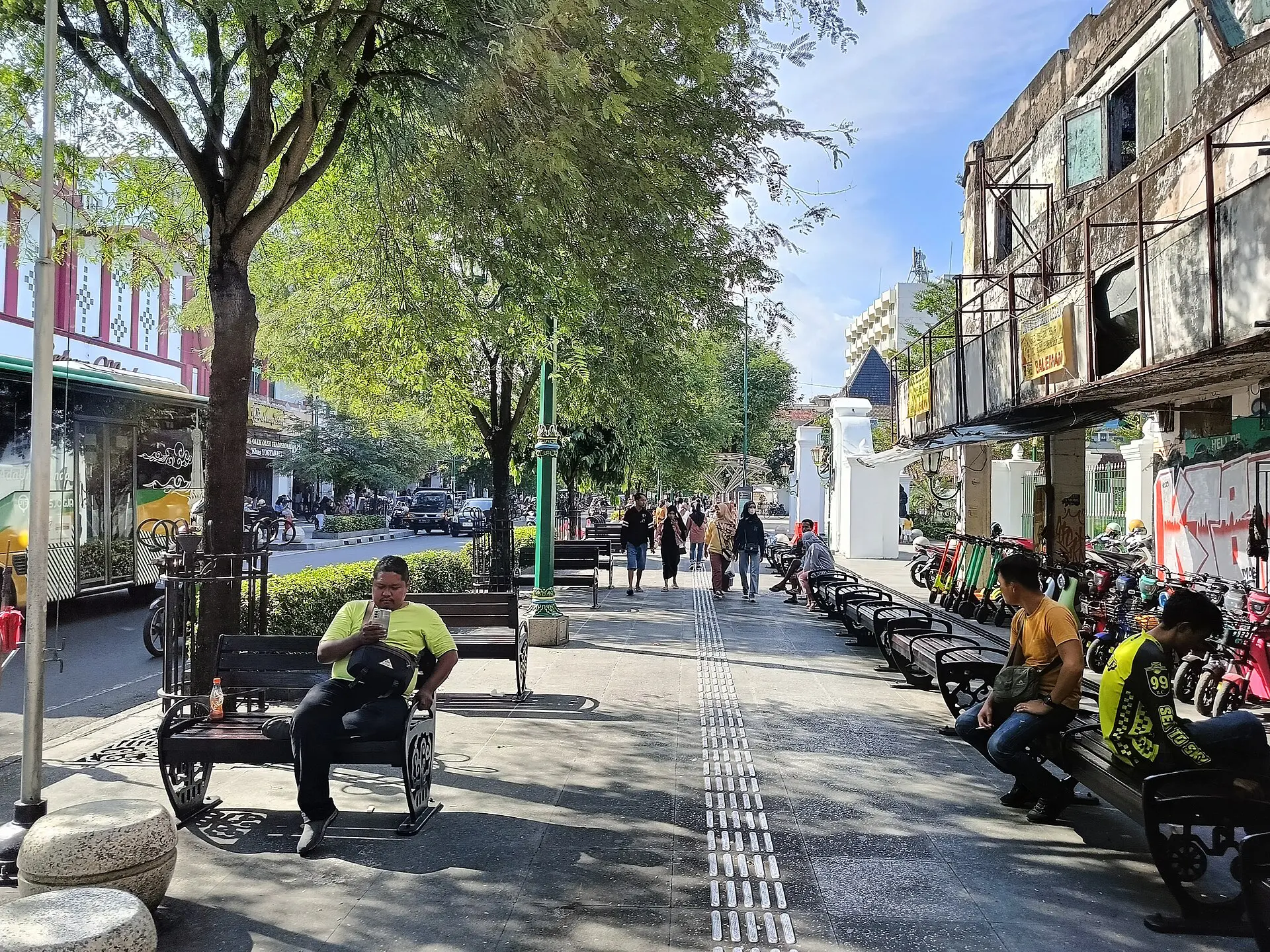
The area around Malioboro and Tugu station is convenient for first-timers, with easy access to trains, shops and food. It can be loud and busy, but it saves transport time and suits most budgets.
The streets near the Kraton and Taman Sari suit travellers who like quieter alleys, guesthouses and a more traditional feel. You will be within walking distance of the palace and the old gardens.
The northern suburbs near the universities and Jalan Kaliurang offer cafes, boutique stays and a younger crowd, and they can be a good base if you plan to head to Merapi or Prambanan.
Rates are lower than in Bali, but they rise in the dry season and on public holidays, so book early for those dates.
How many days do you need?
Three days is a good fit for most travellers, with one day for Borobudur, one for the city centre and one for Prambanan and crafts. If you have only two, choose one temple and the Kraton. With four or more days, you can add the countryside, Mount Merapi and slower evenings.
- Day 1: Borobudur in the morning, a countryside lunch, then rest or a sunset spot.
- Day 2: Kraton and Taman Sari, Beringharjo Market, Malioboro and a street-food dinner.
- Day 3: Prambanan in the late afternoon, a batik or silver workshop earlier in the day, and a performance in the evening.
Day trips and nearby
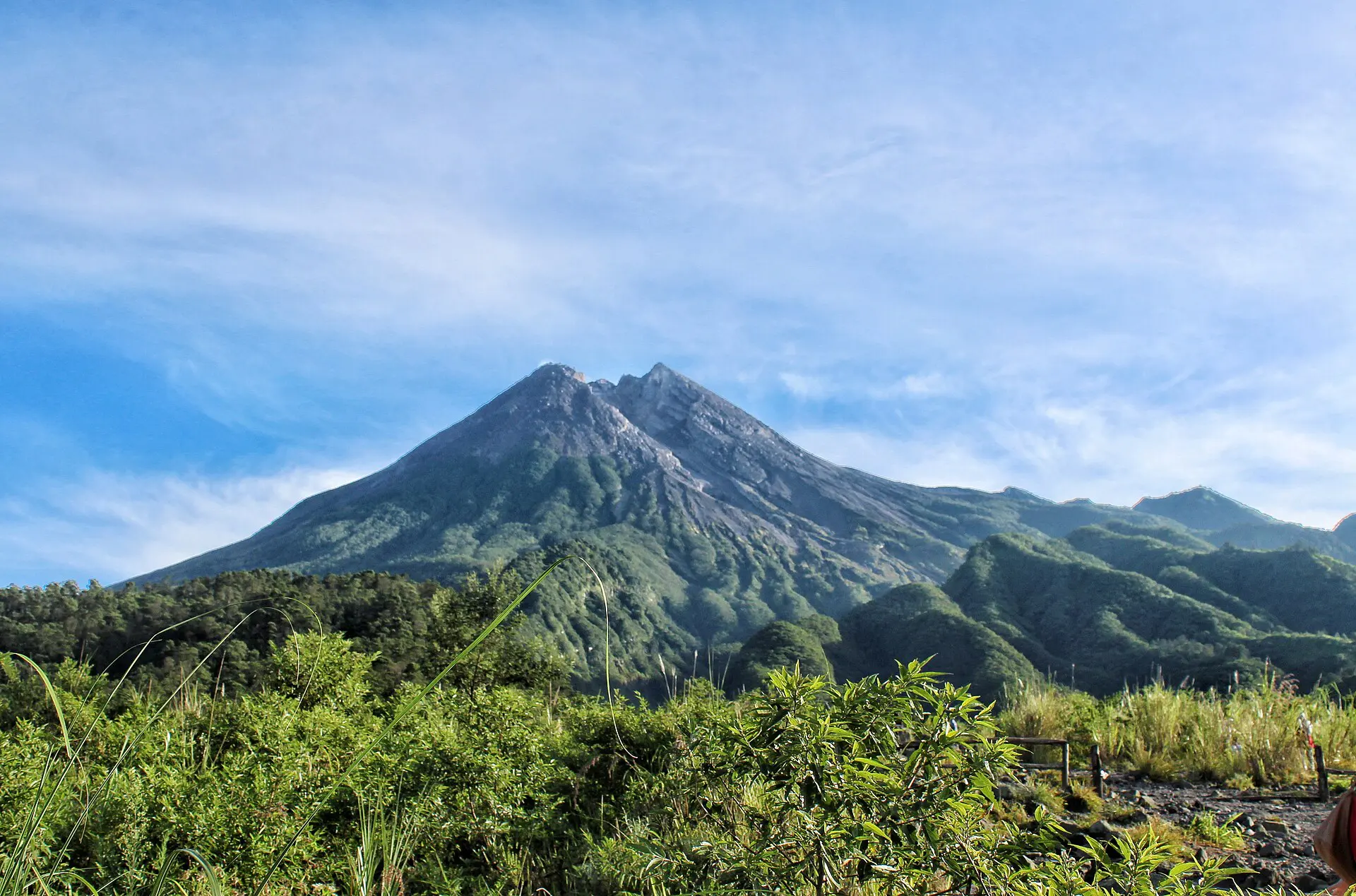
Mount Merapi
This active volcano north of the city is a popular half-day or full-day trip, often by jeep. Conditions and access can change quickly, so rely on current local information and licensed operators.
Bandung
Bandung lies to the west in West Java and is reachable by train. It has a cooler climate, markets and volcano trips. It suits travellers building a longer Java itinerary, and it is better as an overnight stay.
Surabaya
Java’s second city lies to the east, linked by long-distance train. It is more of a business and transit hub, with colonial buildings and food, and a useful stop before Mount Bromo or the east.
Bali
Bali is a short flight away from Yogyakarta, and many travellers pair the two. Allow a full travel day, and check flight options in advance.
FAQ
Q1When is the best time to visit Yogyakarta?
May to September is usually best, with drier weather for temples and day trips. It is also busier and more expensive. The wet season, from about November to March, brings rain but fewer crowds, so pack waterproofs and keep plans flexible.
Q2How many days do you need in Yogyakarta?
Three days is a good minimum for Borobudur, Prambanan, the Kraton and the markets. Two days is possible if you are in a hurry, while four or five days lets you add the countryside, Mount Merapi and crafts workshops at a slower pace.
Q3How do you get to Yogyakarta from Bali?
There are direct flights between Bali and Yogyakarta, and the journey usually takes around 1.5 hours in the air. Allow extra time for transfers to and from each airport. Overland, you would need a long journey by train and ferry, which is far slower.
Q4Is Yogyakarta expensive?
Yogyakarta is generally good value, especially for food, local transport and crafts. As a rough guide, mid-range travel might cost USD 40-90 per day. Temple tickets and tours are often the largest costs, and prices change, so check before you go.
Prices, schedules and entry rules change. Check current details with official sources before you travel. Read the Indonesia travel guide.