Why visit Comoros
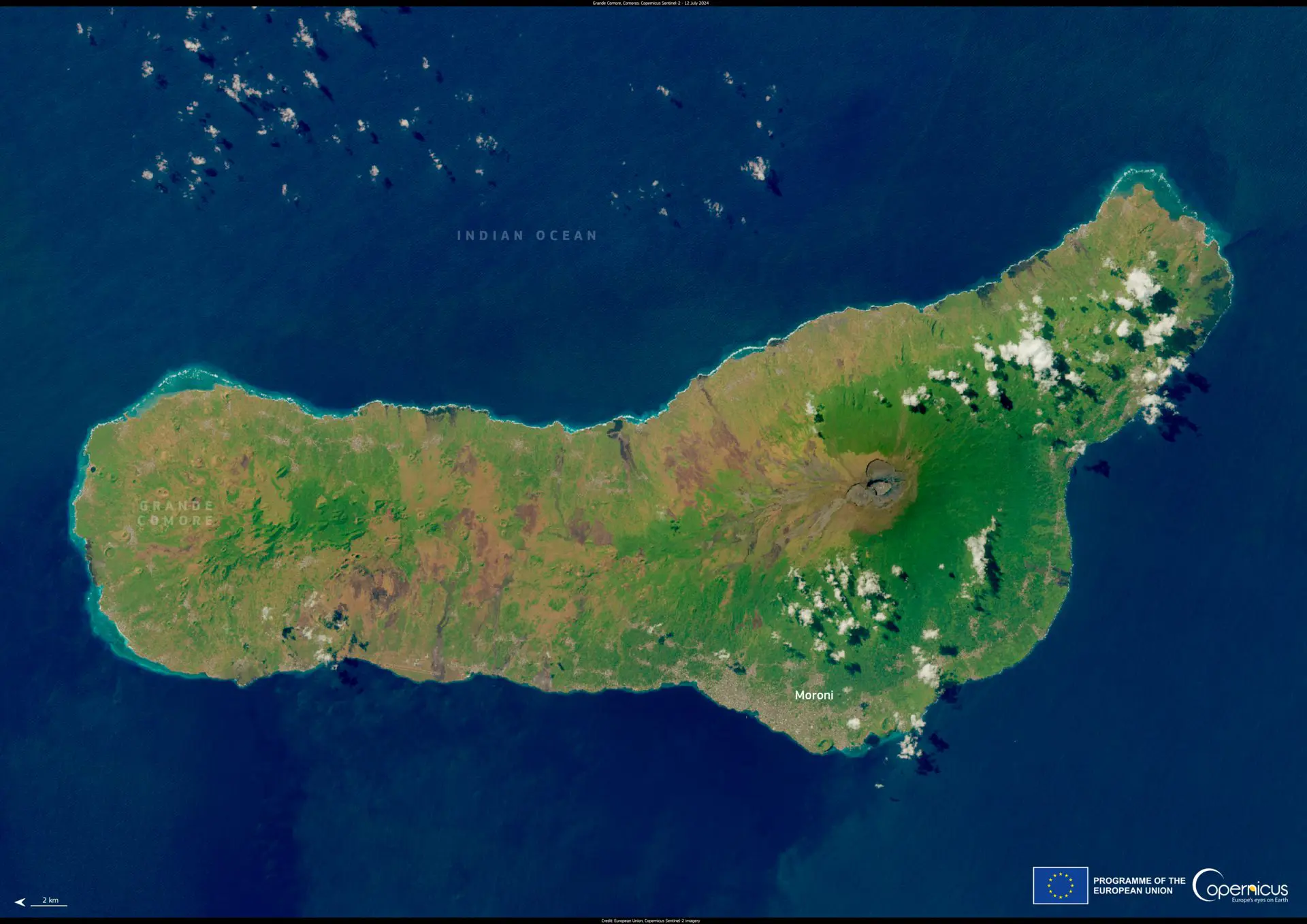
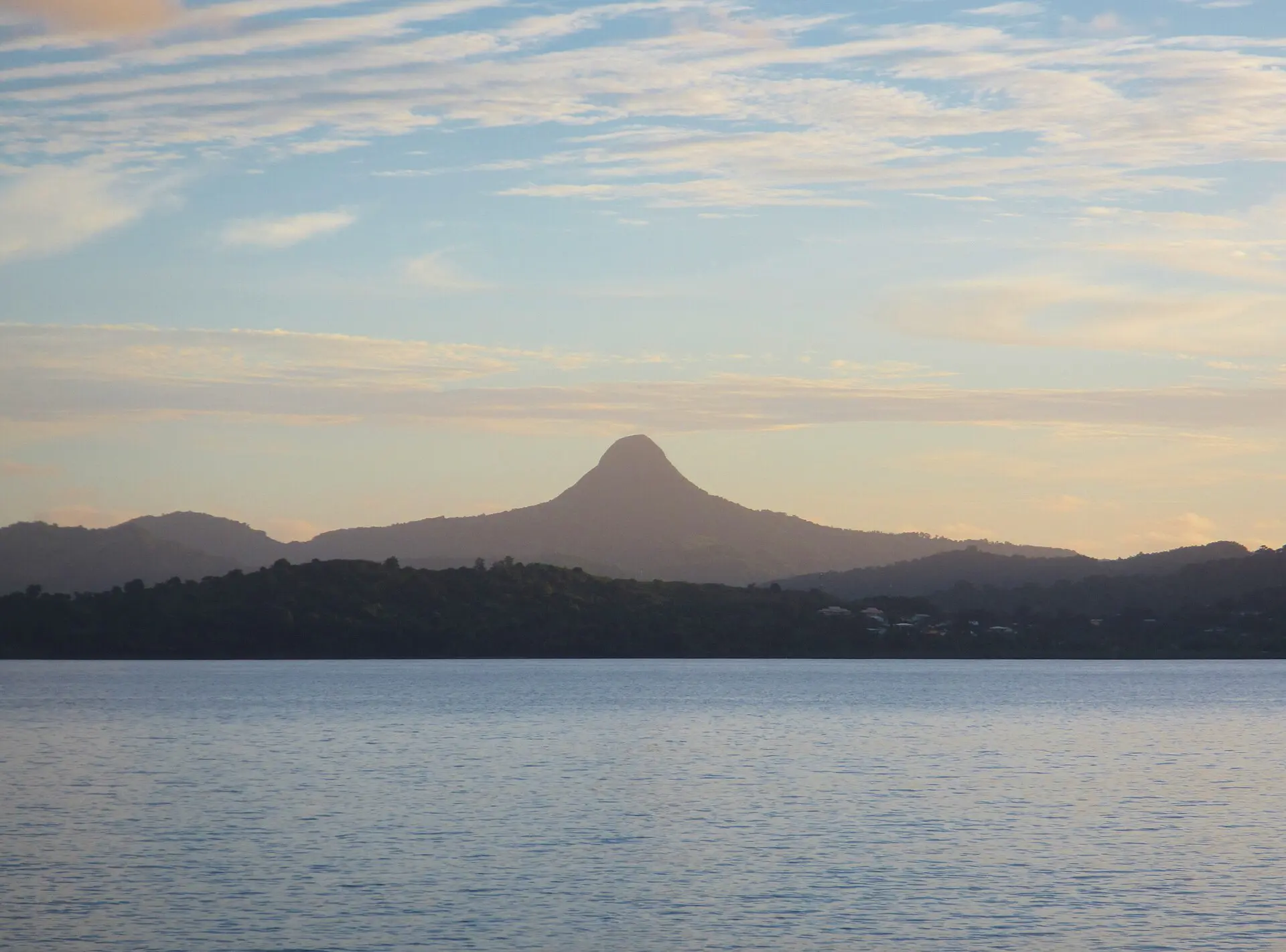
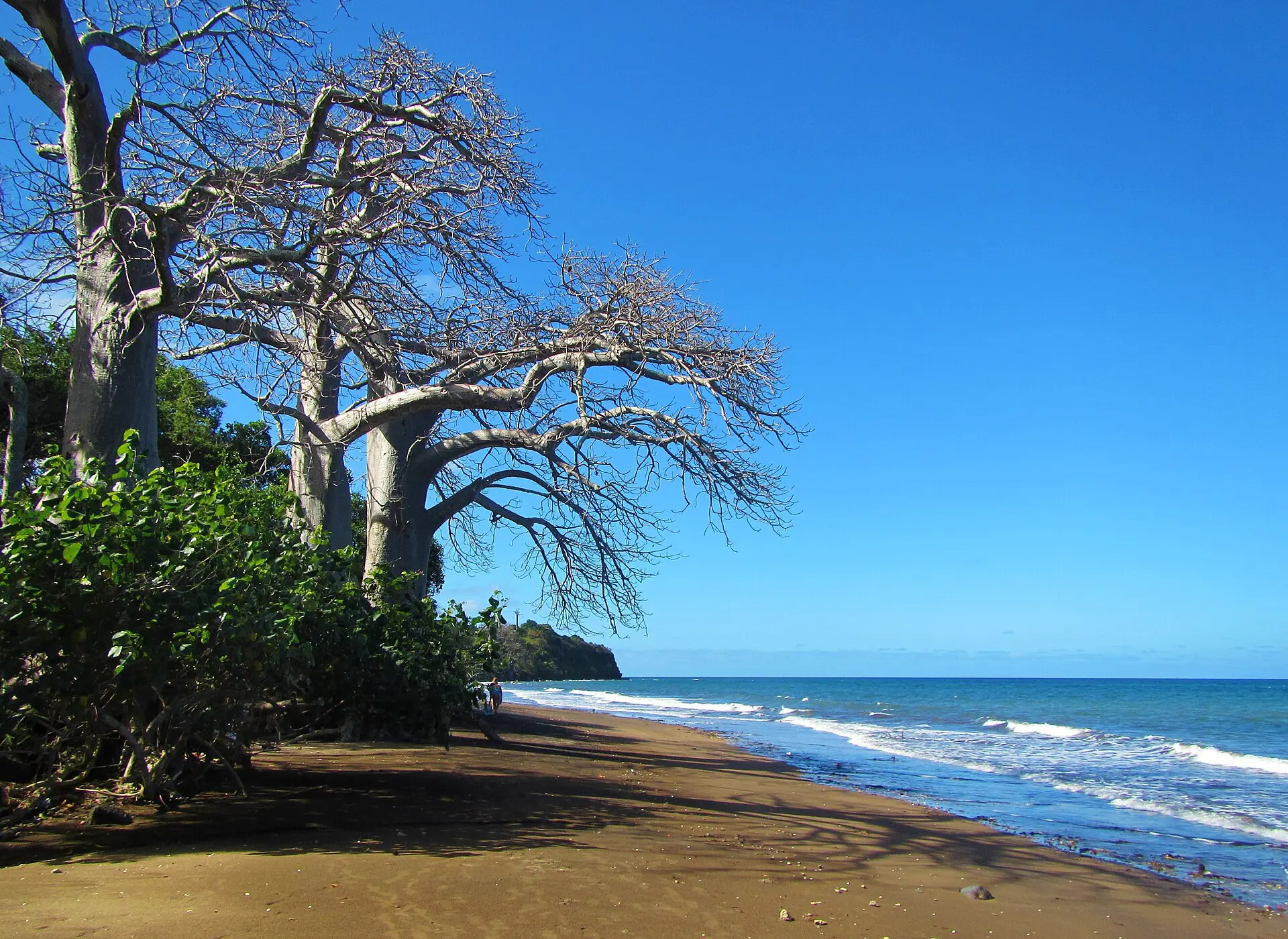
The things to do in Comoros are shaped by its three main islands, Grande Comore, Anjouan and Mohéli, which sit in the Indian Ocean between northern Mozambique and northern Madagascar (see the Wikipedia overview). The islands are volcanic, with steep green interiors, black-sand and white-sand beaches, ylang-ylang and vanilla plantations and Swahili-Arab towns. The name comes from the Arabic qamar, meaning moon. The coelacanth, a fish once thought extinct, is also associated with these waters.
Comoros suits curious, flexible travellers who enjoy nature, snorkelling and local life more than comfort. Tourism infrastructure is minimal, English is rarely spoken, and flights and ferries between islands are unreliable. It is a poor fit for travellers on a tight schedule, families wanting resort facilities, or anyone who needs everything pre-arranged and certain.
Best places to visit in Comoros
The best places to visit in Comoros are spread across the three islands, and most visitors choose one or two.
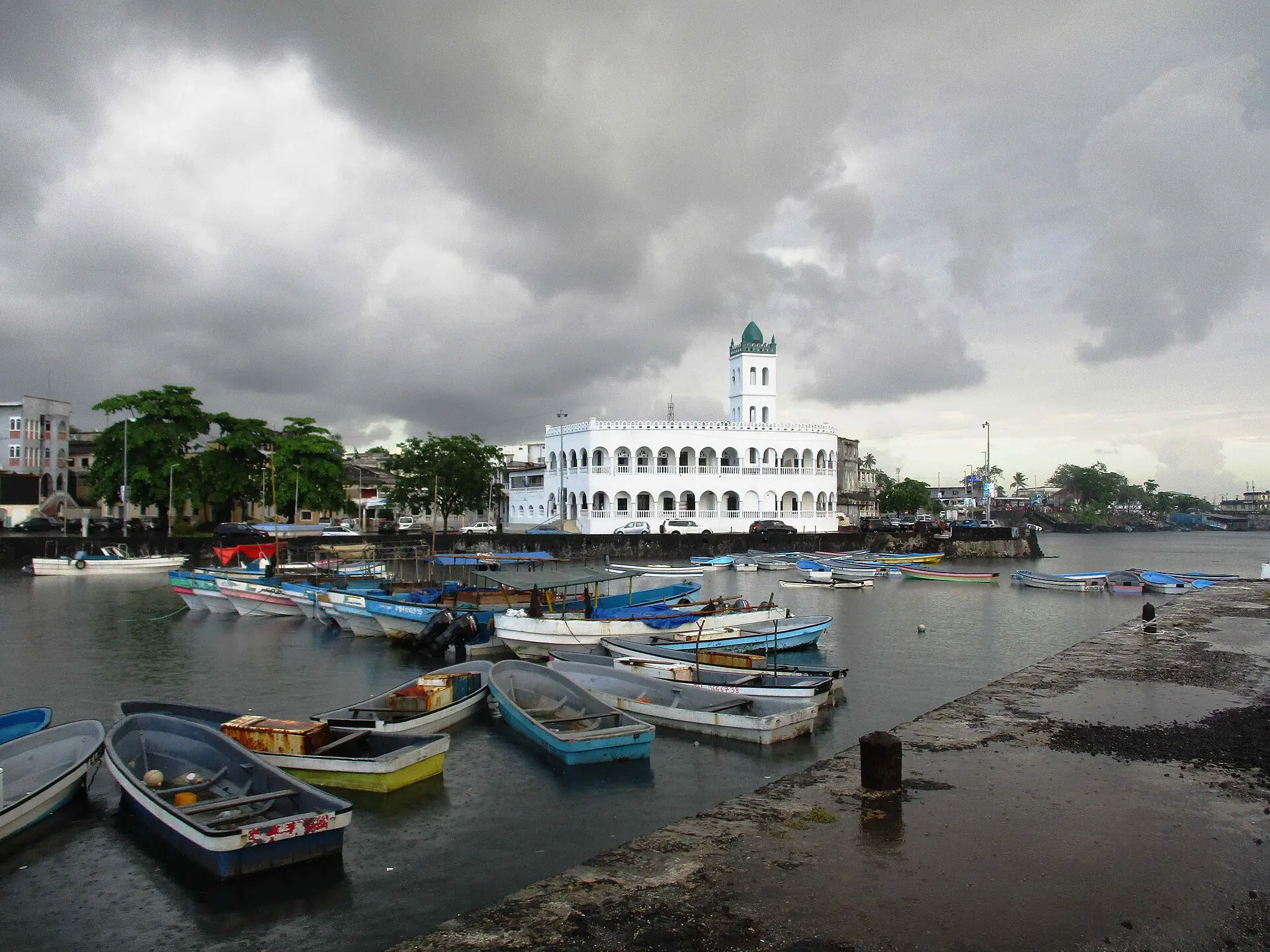
Moroni and Grande Comore
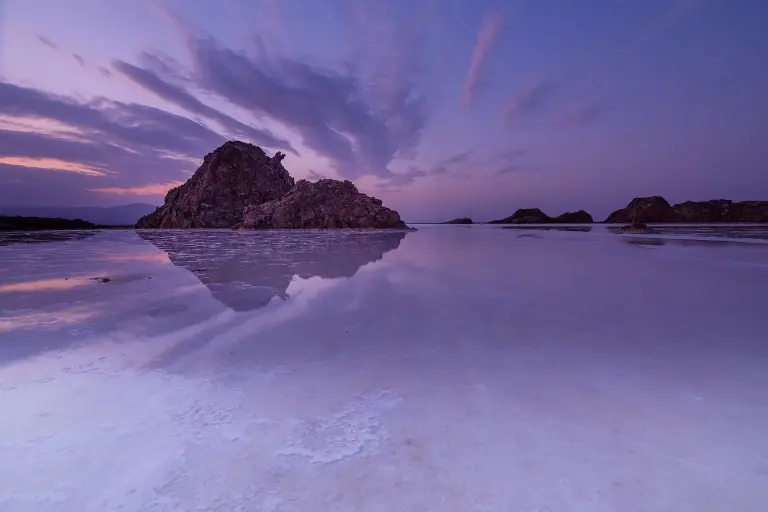
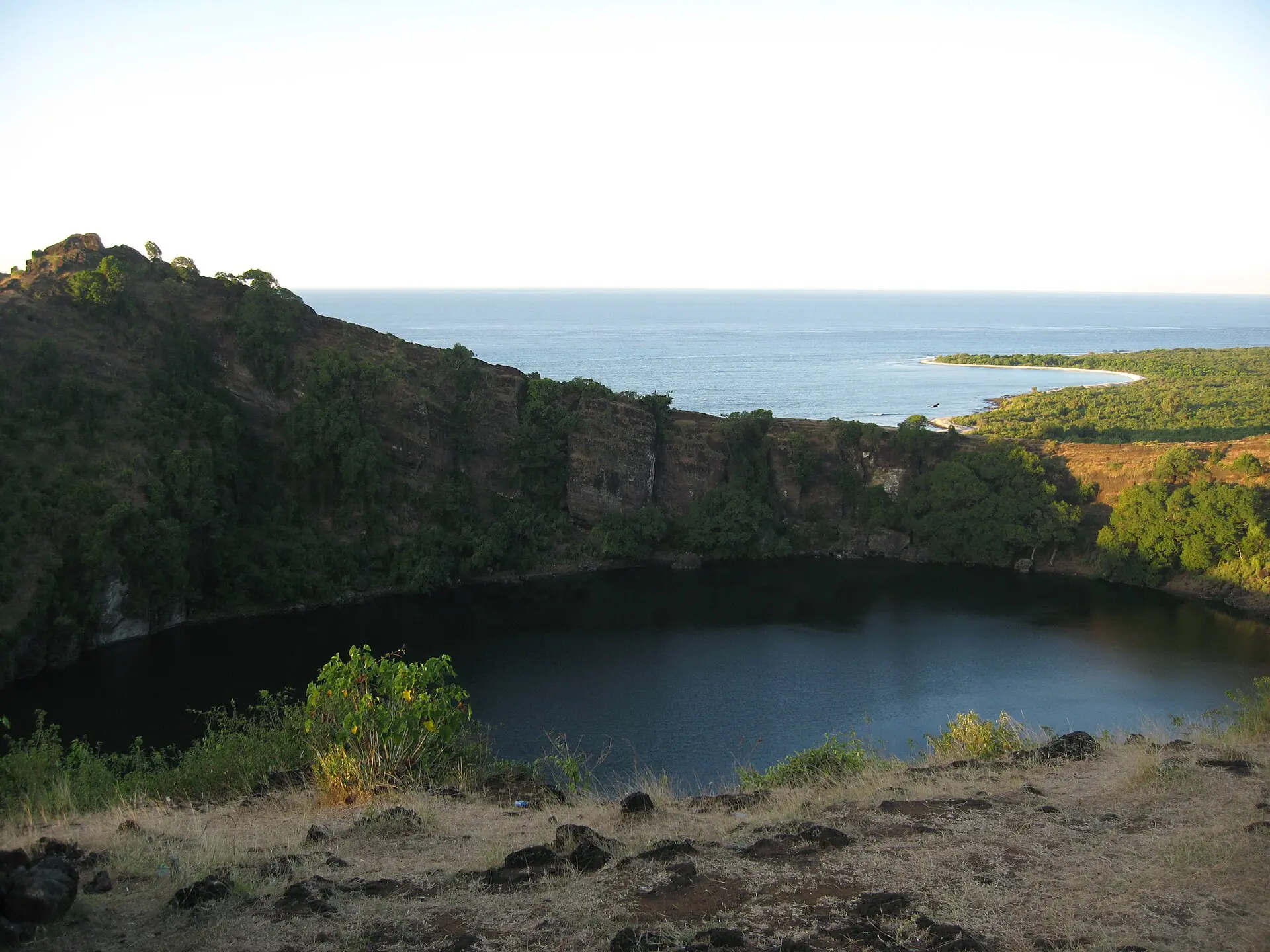
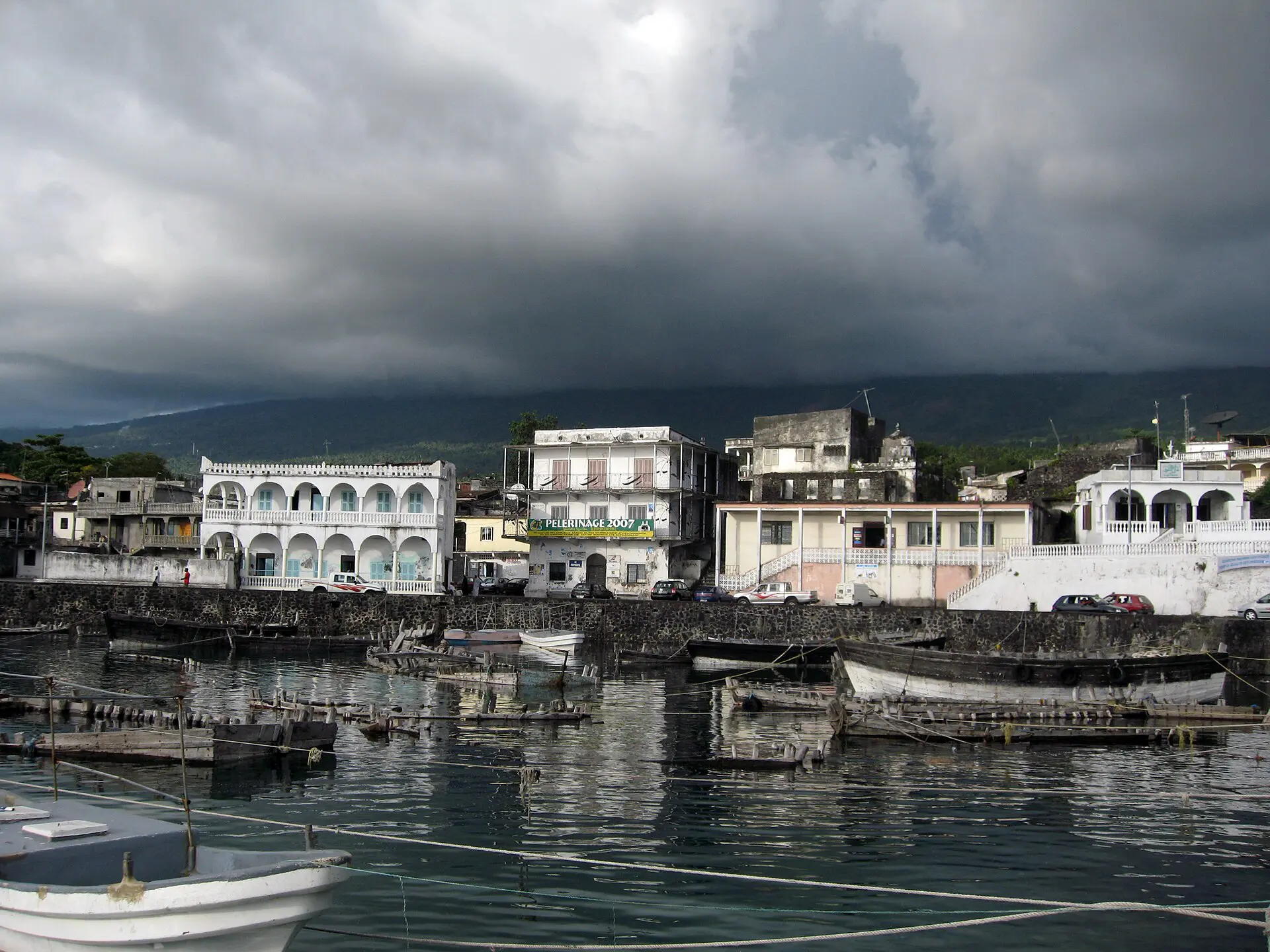
The capital, Moroni, has a harbour, a lively market and the whitewashed Old Friday Mosque beside the sea. The island also has Lac Salé crater lake and beaches around Mitsamiouli and Chomoni.
Mount Karthala
Karthala is an active volcano rising to 2,361 metres, the highest point in the country. It has one of the world’s largest volcanic craters. Treks usually take two days, with a guide, and may be closed when activity increases.
Mohéli
The smallest island has the Mohéli Marine Park, quiet villages such as Nioumachoua and beaches where green turtles nest. It has the best nature and water-sports options.
Anjouan
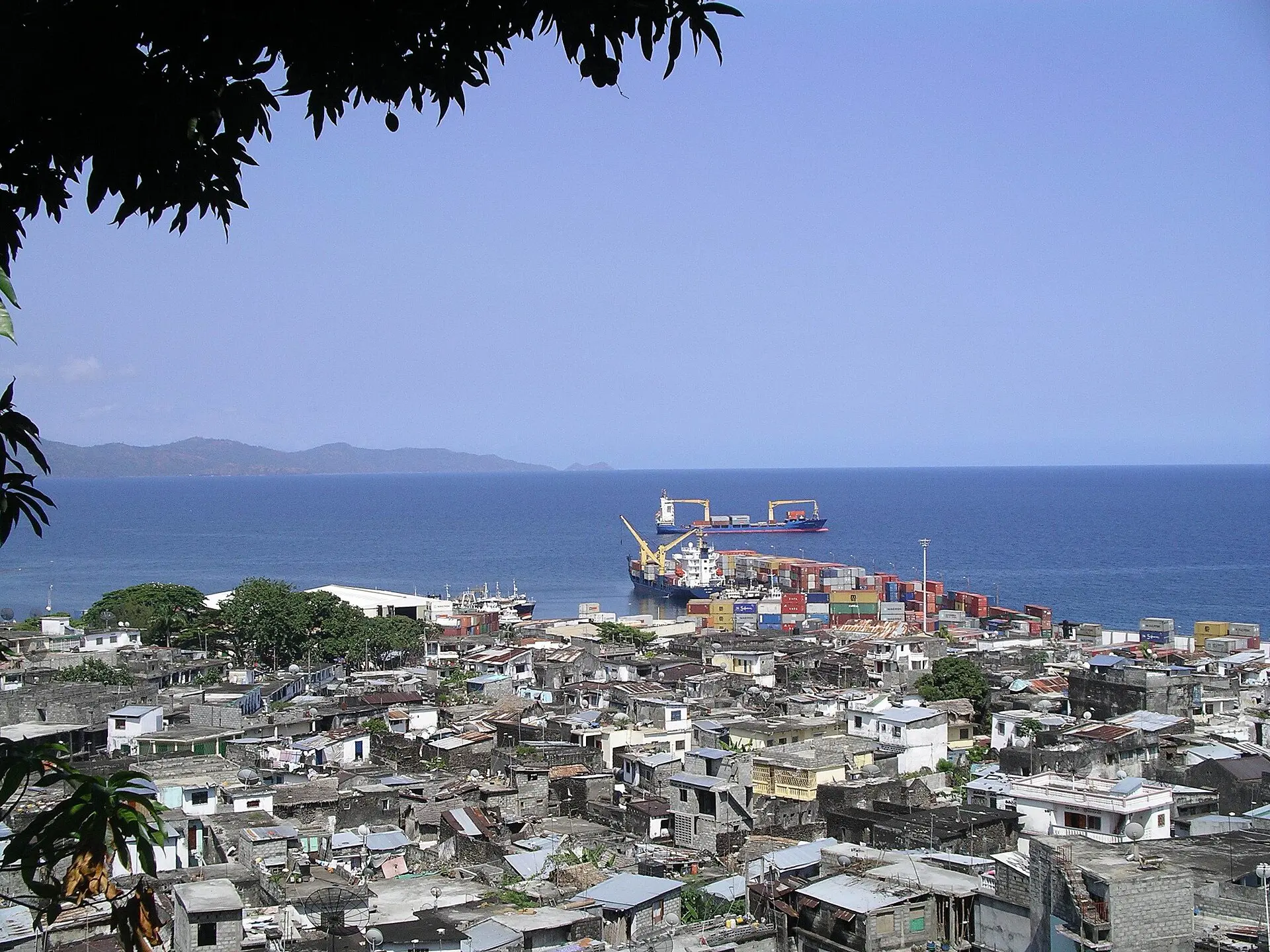
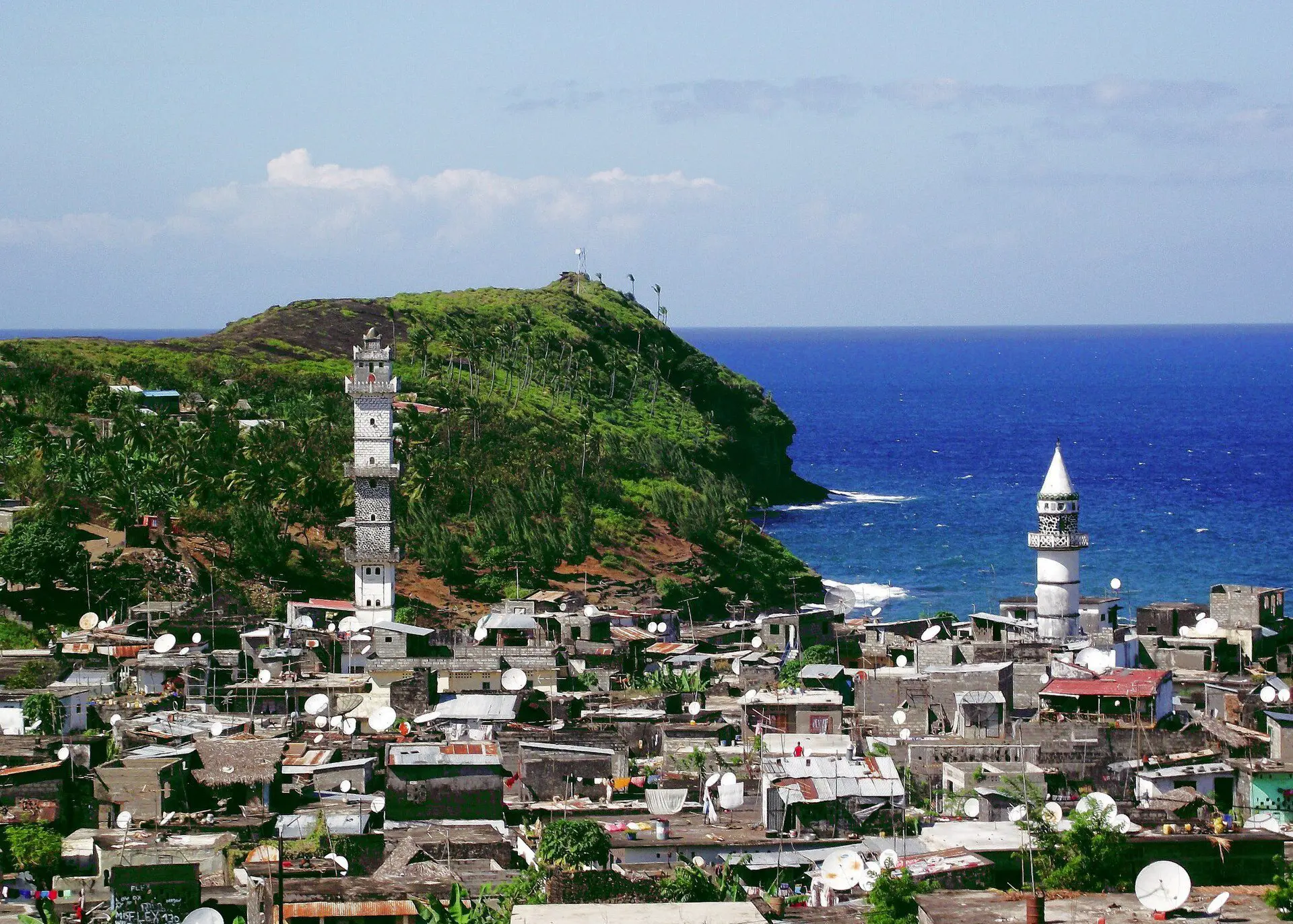
Mutsamudu has a historic medina and harbour, while Domoni is an old trading town with narrow lanes. Beaches such as Moya and forested highlands give variety.
Top things to do in Comoros
The top things to do in Comoros focus on volcanoes, the sea and old island towns, and most need a local guide or driver.
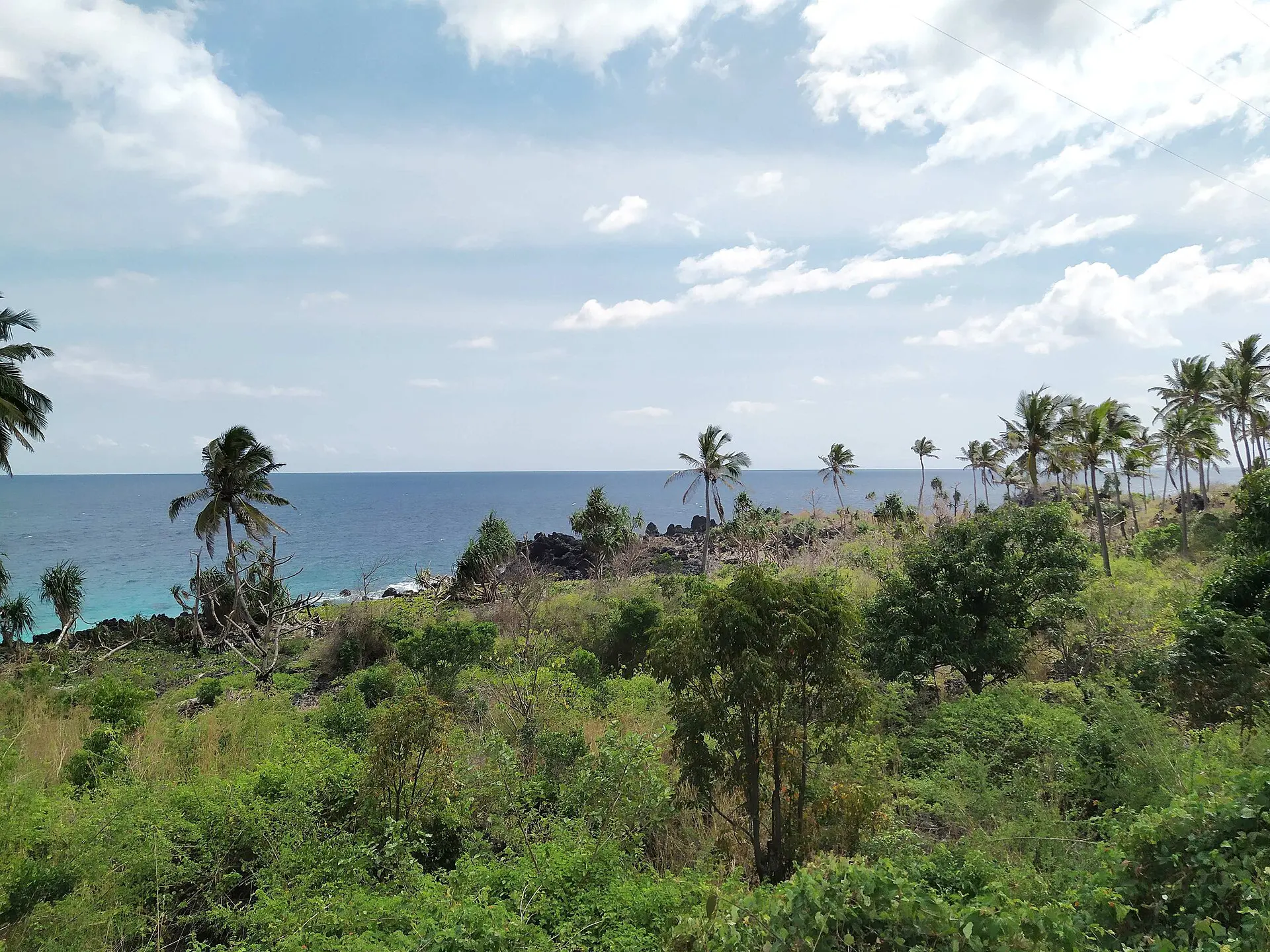
- Trek Mount Karthala: a guided two-day climb to the crater rim, subject to volcanic activity.
- Watch turtles on Mohéli: green turtles nest on beaches such as Itsamia, with guided evening walks, seasonally.
- Snorkel in the marine park: Mohéli’s coastal reefs and islets are the best places for fish and corals.
- See humpback whales: they pass the islands roughly between July and October, and boat trips run from Mohéli.
- Explore Moroni’s old town: visit the harbour, the Friday Mosque and the market.
- Wander Mutsamudu and Domoni: walk the medina lanes and old trading-town houses on Anjouan.
- Visit Lac Salé: a salt crater lake on Grande Comore, close to the coast.
- Tour a distillery: ylang-ylang, used in perfume, is distilled on several islands.
- Swim at quiet beaches: Mitsamiouli, Chomoni and Moya offer calm water and few visitors.
Best time to visit Comoros
The best time to visit Comoros is the dry season from May to November, when the climate is cooler and drier. December to April is hot, humid and rainy, and the cyclone season can bring storms. Whale watching peaks roughly from July to October, and turtle nesting on Mohéli is seasonal, so ask locally for current timing.
| Season | Weather | Crowds and prices | Good for |
|---|---|---|---|
| May-Jun | Drier, warm | Very few visitors | Beaches, Karthala trek |
| Jul-Oct | Dry, cooler, sea breezes | Low; flights can fill with diaspora | Whales, snorkelling, hiking |
| Nov | Warming, showers begin | Low | Quiet beaches |
| Dec-Apr | Hot, humid and wet | Lowest | Little; trails slippery and rough seas |
Flights are busier around school holidays and religious festivals, when many Comorians living abroad return, so book early.
Is Comoros safe to visit?
Is Comoros safe? Generally yes: violent crime against visitors is uncommon, and the main risks come from health care limits, the sea and political events. Is Comoros safe to visit at all times? Not always, since protests and tensions have occurred, particularly around elections, so check your government’s current travel advice, such as the UK FCDO or US State Department, before you go.
Is Comoros safe?
Politics. The country has had many coups and attempted coups since independence, and demonstrations occurred in Moroni after the 2024 elections. Avoid protests and follow local news.
Crime. Petty theft can happen, especially after dark. Do not carry large amounts of cash, and avoid isolated beaches at night.
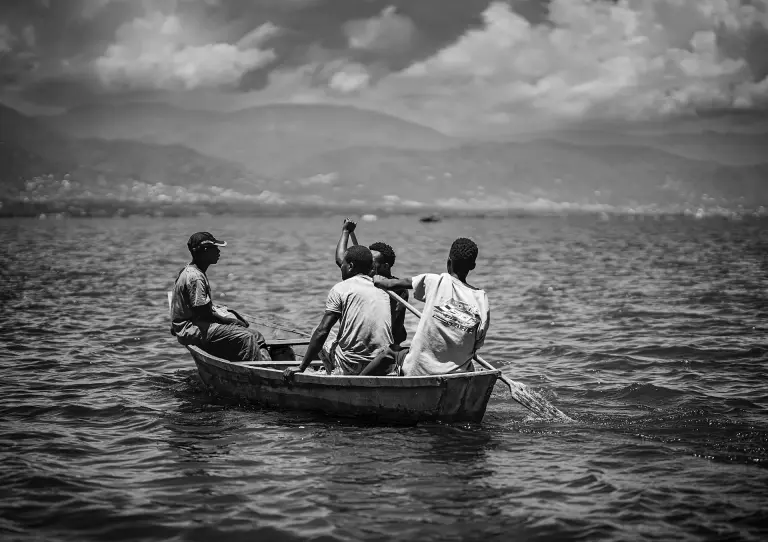
Sea and nature. Inter-island boats can be overcrowded and poorly maintained, so many visitors prefer flights. Currents can be strong, so check before swimming. Karthala is an active volcano, so check its status before trekking.
Health. Malaria, dengue and other mosquito-borne illnesses occur, and medical facilities are limited. Take travel insurance with evacuation cover, and ask a clinician about vaccines and malaria prevention.
Visa and entry requirements for Comoros
Entry rules depend on your nationality. Many visitors have been able to obtain a visa on arrival at Moroni’s airport for a fee, often payable in cash in euros, but rules and prices change, so confirm with the Comorian authorities or your nearest embassy before travel. Some travellers may be asked to apply in advance.
Bring a passport valid for at least six months, a return or onward ticket and details of your accommodation. Yellow fever vaccination is required if you arrive from a country with yellow fever risk, so check the current health requirements. Keep copies of your documents.
The country claims the island of Mayotte, which is administered by France, so travelling to Mayotte is a separate entry process under French rules. For more background, the UNESCO page for Comoros gives heritage context, though it does not cover entry rules.
Getting to and around Comoros
Most visitors arrive at Prince Said Ibrahim International Airport near Moroni on Grande Comore. Flights come from regional hubs such as Nairobi, Addis Ababa, Dar es Salaam and the French Indian Ocean territories, with seasonal links to Paris. Schedules change often, so confirm current routes before booking.
Between islands, small local airlines run short flights to Anjouan and Mohéli, usually 20 to 40 minutes. They can be delayed or cancelled, and baggage limits are strict. Ferries exist but are irregular and sometimes unsafe, so most visitors avoid them.
On each island, shared minibuses (taxis-brousse) and taxis run along the coastal roads, and hiring a driver for the day is the easiest option. Roads are narrow and uneven in places. Build slack into your schedule, because delays are common and tourism services are limited. Book accommodation ahead, as options are small in number.
How much does a trip to Comoros cost?
Comoros is not as cheap as many travellers expect, because most goods are imported and flights are costly. The Comorian franc (KMF) is the currency and is pegged to the euro. Figures below are rough per-person guides.
- Budget: around EUR 35 to 60 per day, with simple guesthouses, local food and shared taxis.
- Mid-range: around EUR 60 to 110 per day, with better hotels, restaurant meals and a driver or guide.
- High-end: from around EUR 150 per day, with the best available lodges, private transport and boat trips.
International and inter-island flights are the largest expense. Accommodation options are limited, and prices for the better places are not always low. Guided treks to Karthala and marine excursions are modest but add up. Carry euros in cash, because card acceptance is limited.
Comoros food and drink
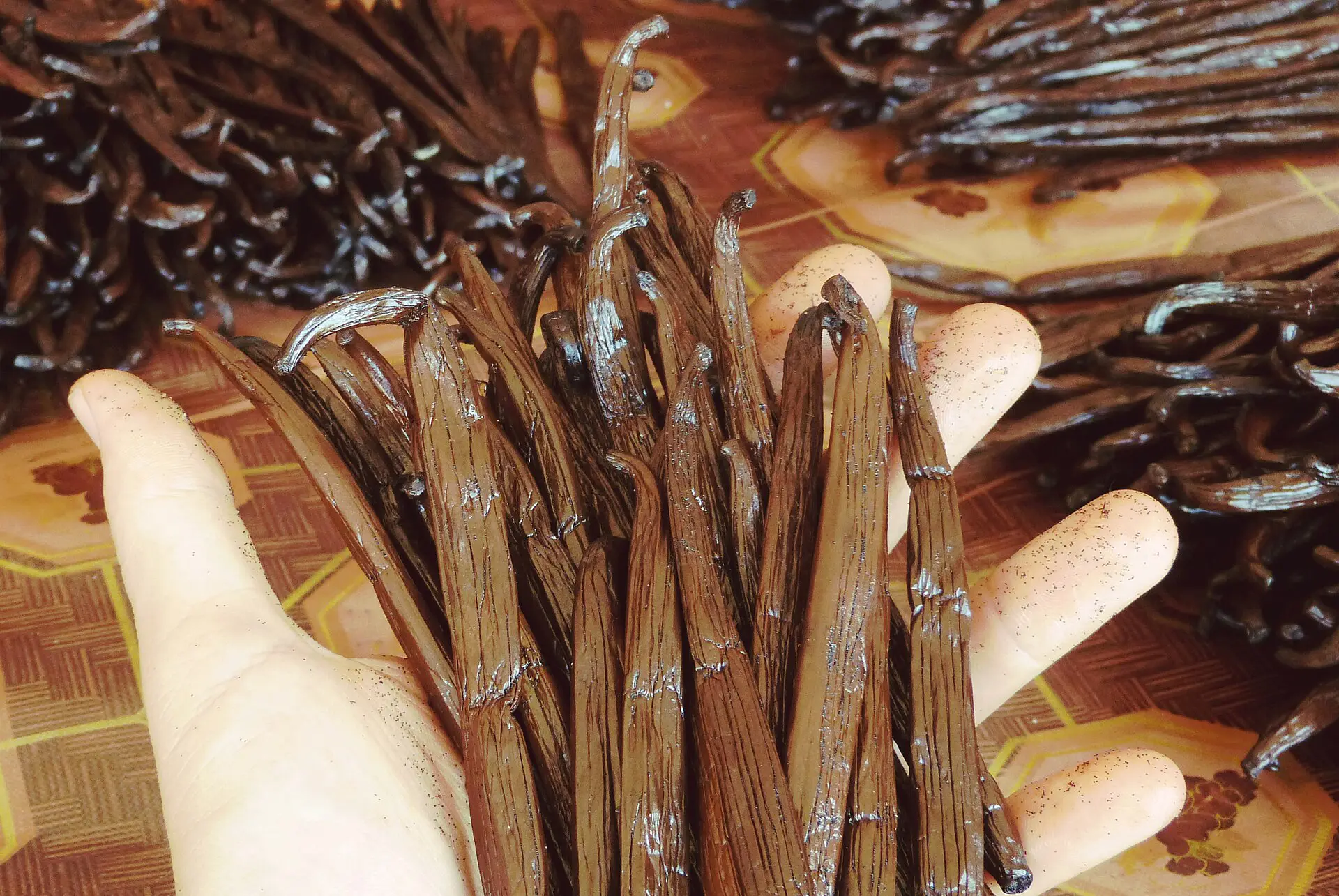
Comoros food reflects African, Arab, Malagasy and French influences, with coconut, rice, cassava, bananas, spices and seafood at the centre. Vanilla and cloves are grown on the islands.
- Langouste à la vanille: lobster in a vanilla sauce, a signature dish.
- Poulet au coco: chicken cooked in coconut milk and spices.
- Mataba: cassava leaves cooked with coconut milk, often with meat or fish.
- Pilao: spiced rice served at celebrations.
- Grilled fish and octopus: caught daily and cooked simply over charcoal.
- Mkatra foutra: a sweet coconut flatbread eaten at breakfast.
- Fruit and tea: bananas, mangoes and breadfruit, with spiced tea.
The country is mostly Muslim, so alcohol is hard to find outside a few hotels. Vegetarians can eat rice, cassava, fruit and vegetable sauces, though meat or fish often features in dishes. Drink bottled water and eat freshly cooked food.
Culture, language and etiquette in Comoros
Comorian (Shikomori), a Swahili-related language with a dialect on each island, is the first language of most people. French and Arabic are the official languages, and French is the most useful for visitors, since English is rare. Learning a few greetings, such as the call-and-response sequence that opens most conversations, is warmly appreciated.
Almost all Comorians are Muslim, and religion shapes daily life. Dress modestly, covering shoulders and knees, and for women a headscarf when entering mosques. Remove shoes at mosque doors and in homes. Use the right hand for eating, giving and receiving. During Ramadan, avoid eating, drinking or smoking in public during daylight.
Greetings are important, and a handshake with a few polite questions comes before business. Ask permission before photographing people, especially women. The country has a major traditional ceremony called grand mariage, with large community feasts, and if you are invited as a guest, accept with respect. Avoid discussing local politics.
Comoros itinerary: a 7-day route
This route visits all three islands using two short inter-island flights, and needs flexibility because schedules change.
- Day 1, Moroni: arrive, walk the harbour and the Old Friday Mosque and visit the market.
- Day 2, Grande Comore: drive to Iconi and then north to Lac Salé and the beaches near Mitsamiouli.
- Day 3, Karthala: start a guided trek if the volcano is calm, or take a relaxed beach day instead.
- Day 4, to Mohéli: fly about 30 minutes and settle in at Nioumachoua or Fomboni.
- Day 5, Mohéli Marine Park: take a snorkelling trip and, in season, a guided turtle walk.
- Day 6, to Anjouan: fly, then explore Mutsamudu’s medina and harbour.
- Day 7, Domoni and return: visit Domoni in the morning before flying back to Moroni for your departure.
Keep a spare day before your international flight in case an inter-island flight is delayed.
Practical tips for Comoros
- Money: carry euros in cash and exchange locally. ATMs are rare and often do not accept foreign cards, and card payments are uncommon outside a few hotels.
- SIM and eSIM: local SIMs are available in Moroni with your passport, and coverage is good in towns but patchy in the mountains. Check roaming costs before you rely on your home plan.
- Plugs: types C and E at 230 V.
- Tipping: not expected, but small tips for guides, drivers and boat crews are appreciated.
- Health: bring insurance with evacuation cover, malaria prevention, insect repellent, a first-aid kit and any medication you need.
- Packing: light modest clothing, sturdy shoes for Karthala, snorkel gear, a rain jacket and a power bank.
- Planning: book guides and accommodation in advance, and keep slack in your schedule for flight changes.
For wider background, see the Wikivoyage Comoros guide.
FAQ
Q1Is Comoros safe?
Generally yes for visitors, with low violent crime. The main risks are limited medical care, rough seas on inter-island boats, mosquito-borne disease and occasional political unrest. Take insurance with evacuation cover and check your government's current travel advice.
Q2What is Comoros food like?
Comoros food blends African, Arab and French influences. Expect langouste à la vanille, poulet au coco, mataba cassava leaves, pilao rice, grilled fish and octopus, and coconut flatbread. Alcohol is hard to find, and vegetarian dishes are limited.
Q3What are the best things to do in Comoros?
Climb Mount Karthala, snorkel and watch turtles on Mohéli, see whales between roughly July and October, explore Moroni's old mosque and market, and walk the medina of Mutsamudu and the old town of Domoni on Anjouan.
Q4What is the best time to visit Comoros?
May to November is the dry, cooler season and best for most visitors. Whales are present roughly July to October. December to April is hot, humid and wet, with some cyclone risk and fewer reliable boat or hiking conditions.
Q5Do I need a visa for Comoros?
Most travellers need one, and many can get a visa on arrival at Moroni airport for a fee, often in euros. Rules and prices change, so confirm with a Comorian embassy or official source before you travel.
Q6How many days do you need in Comoros?
Seven days is enough to see Grande Comore, Mohéli and Anjouan, using two short flights. With only four or five days, focus on Grande Comore and Mohéli. Leave a spare day for delayed flights.