Why visit Djibouti
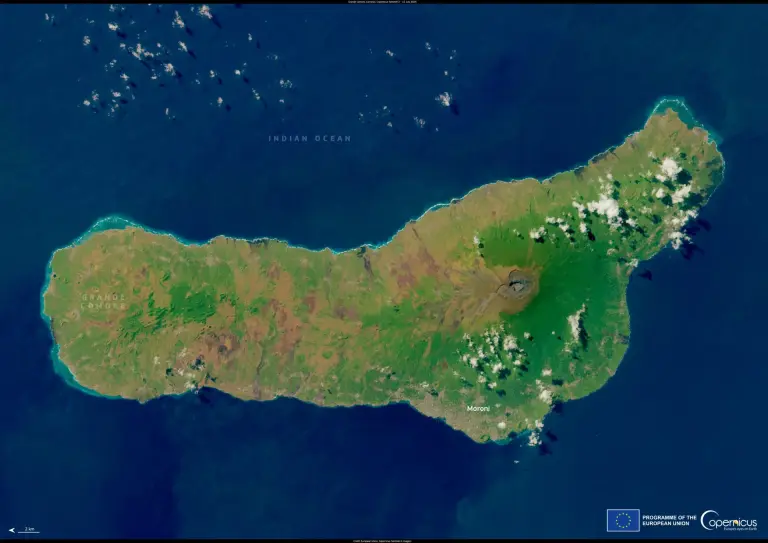
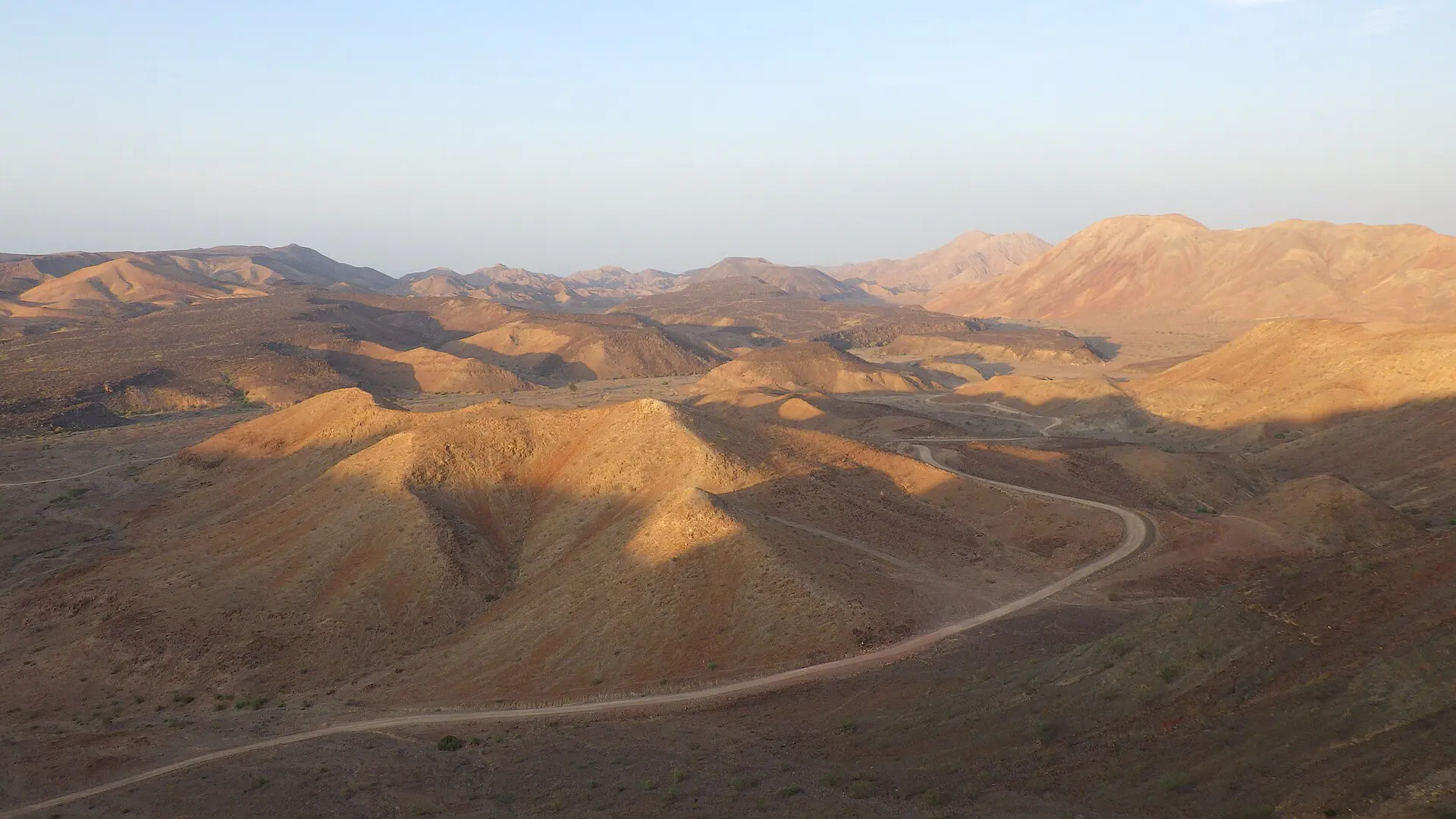
The best things to do in Djibouti reward travellers who like geology, desert and sea. The country sits on the Horn of Africa where the Red Sea meets the Gulf of Aden, and its territory of about 23,200 square kilometres includes coastal plains, volcanic plateaus and northern mountains. It lies on the Great Rift, so landscapes include Africa’s lowest point at Lake Assal and a steaming lake system at Lake Abbe. The Wikipedia overview gives the history and geography.
Djibouti suits adventurous travellers, divers, photographers and anyone combining a trip with Ethiopia or Somaliland. It is not a cheap or casual destination: almost everything outside the capital needs a 4×4 and a guide, summer heat is extreme, and prices are high because the country imports most goods. In return, visitors get wild landscapes with few other tourists.
Best places to visit in Djibouti
The best places to visit in Djibouti are a mix of one city and several remote natural sites, usually reached by guided 4×4.
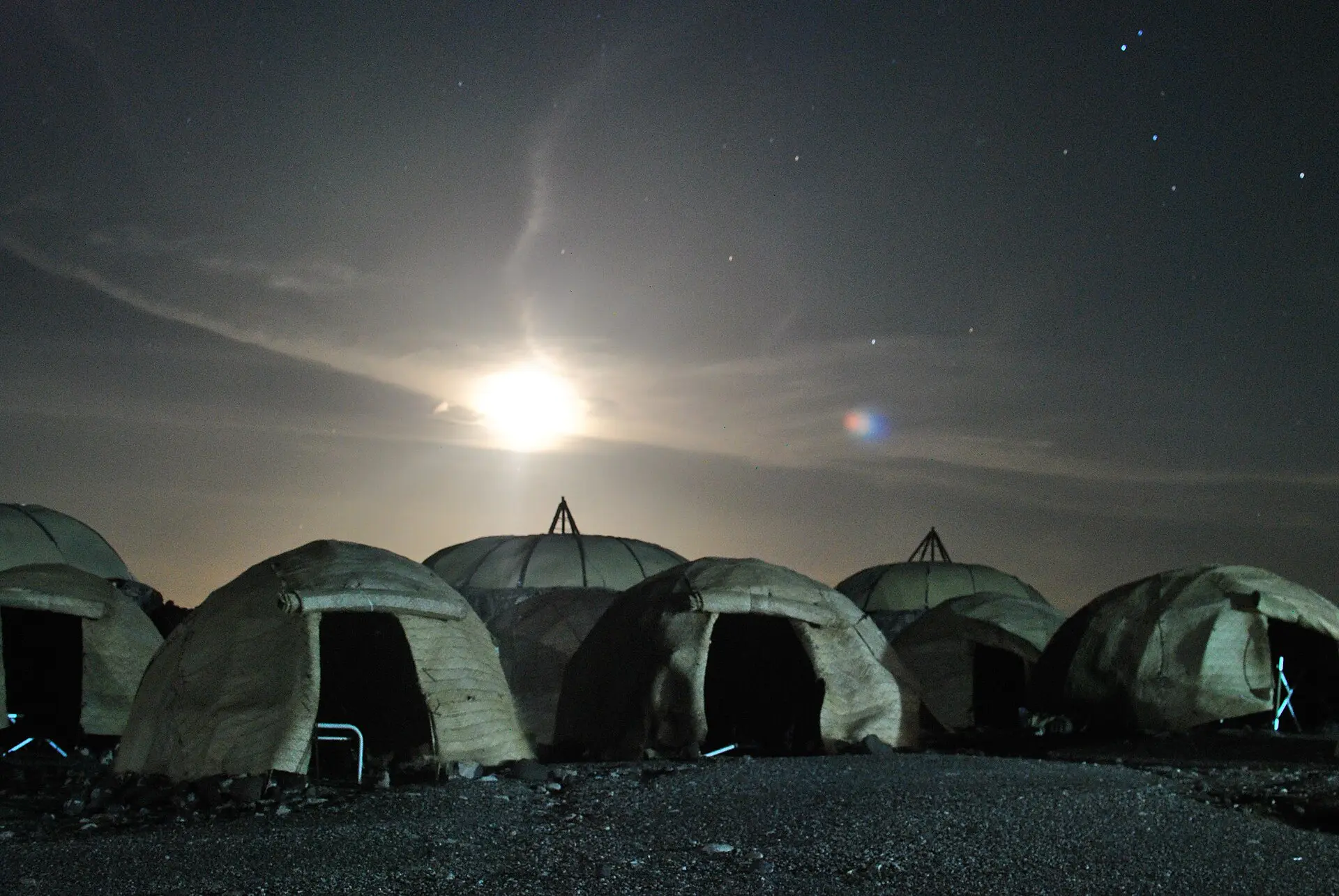
Djibouti City
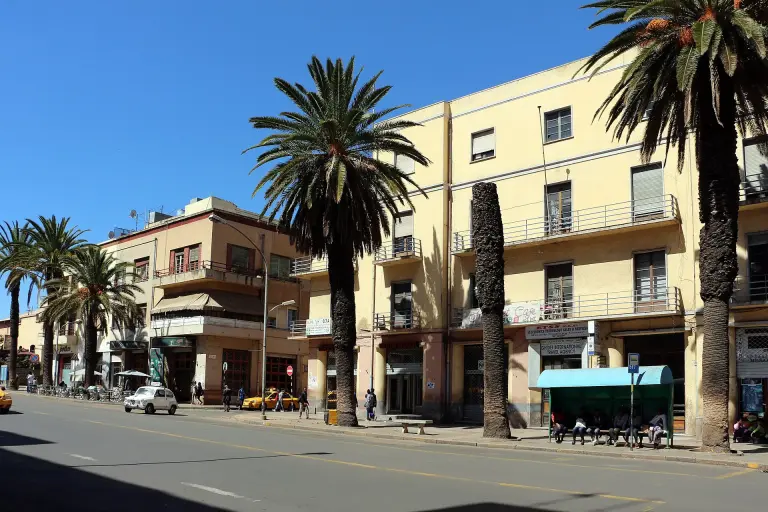
The capital is a port city with a mix of French colonial buildings, Place Mahamoud Harbi, busy markets and Arab and African influences. It has the country’s best hotels and restaurants and serves as the base for most trips.
Lake Assal
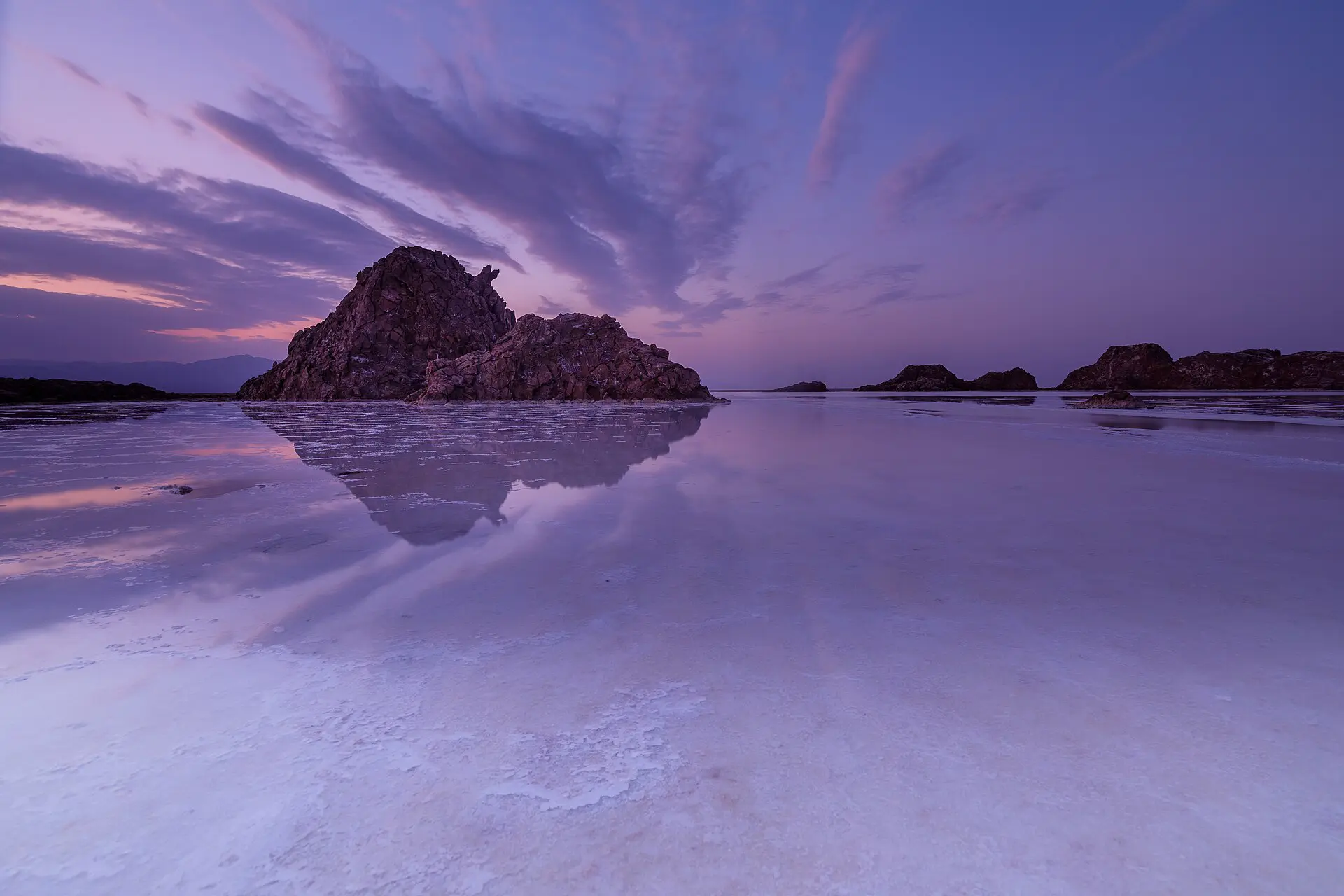
About two hours west of the capital, Lake Assal lies roughly 155 metres below sea level, Africa’s lowest point. Its salt flats and turquoise water are among the most striking sights in the region, and you can float in the very salty water.
Lake Abbe
On the Ethiopian border, this desolate lake is ringed by limestone chimneys that vent steam. The setting is surreal, especially at sunrise, with flamingos in the shallows. A guide and overnight camp are standard.
Tadjoura
Across the gulf from the capital, this old white-washed port has mosques and a slow pace. It is a base for the Day Forest and the northern coast.
Day Forest National Park
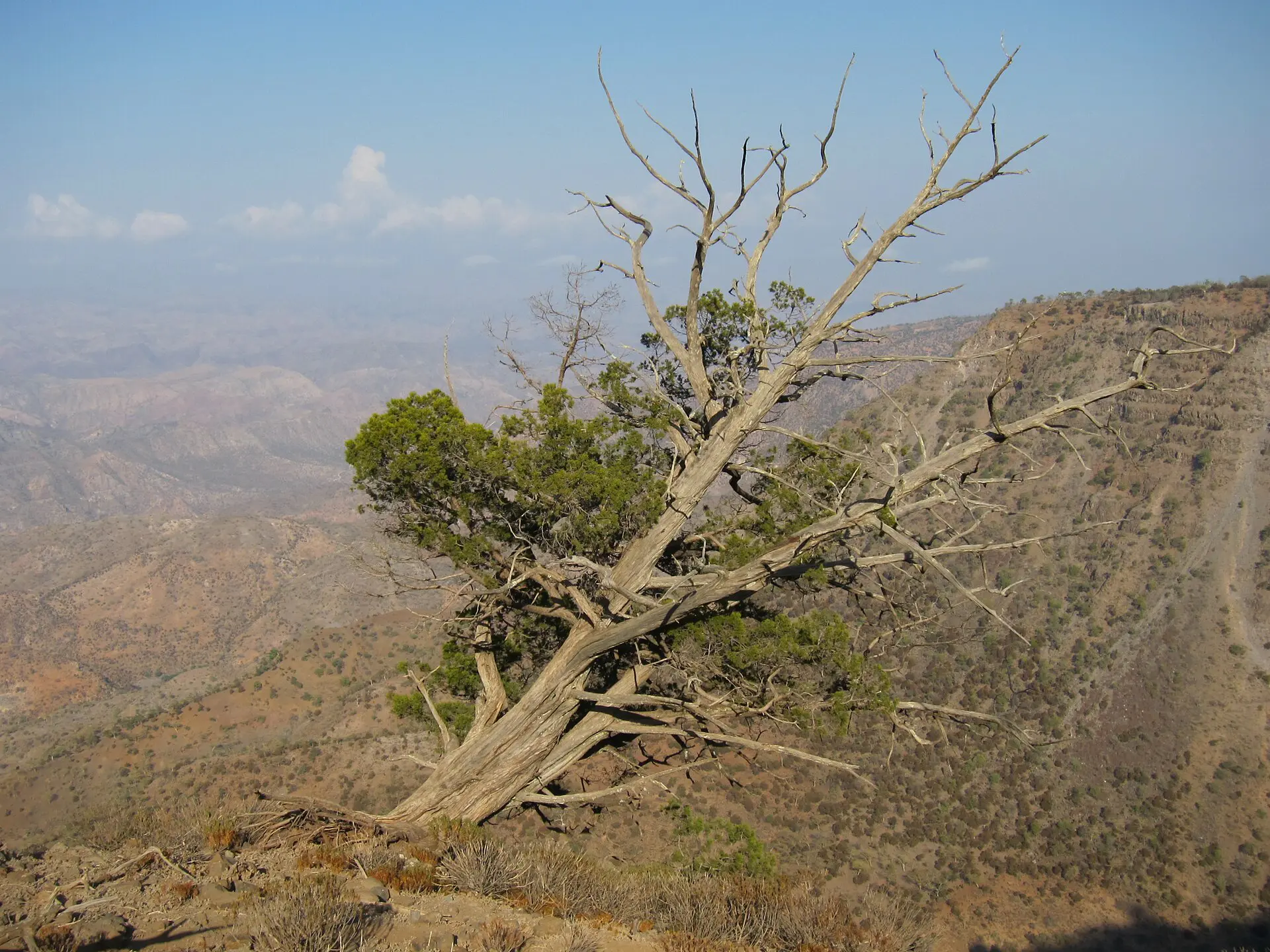
In the Goda Mountains, this juniper forest is cooler and greener than the rest of the country and has trails with views of the plateau.
Moucha and Maskali islands
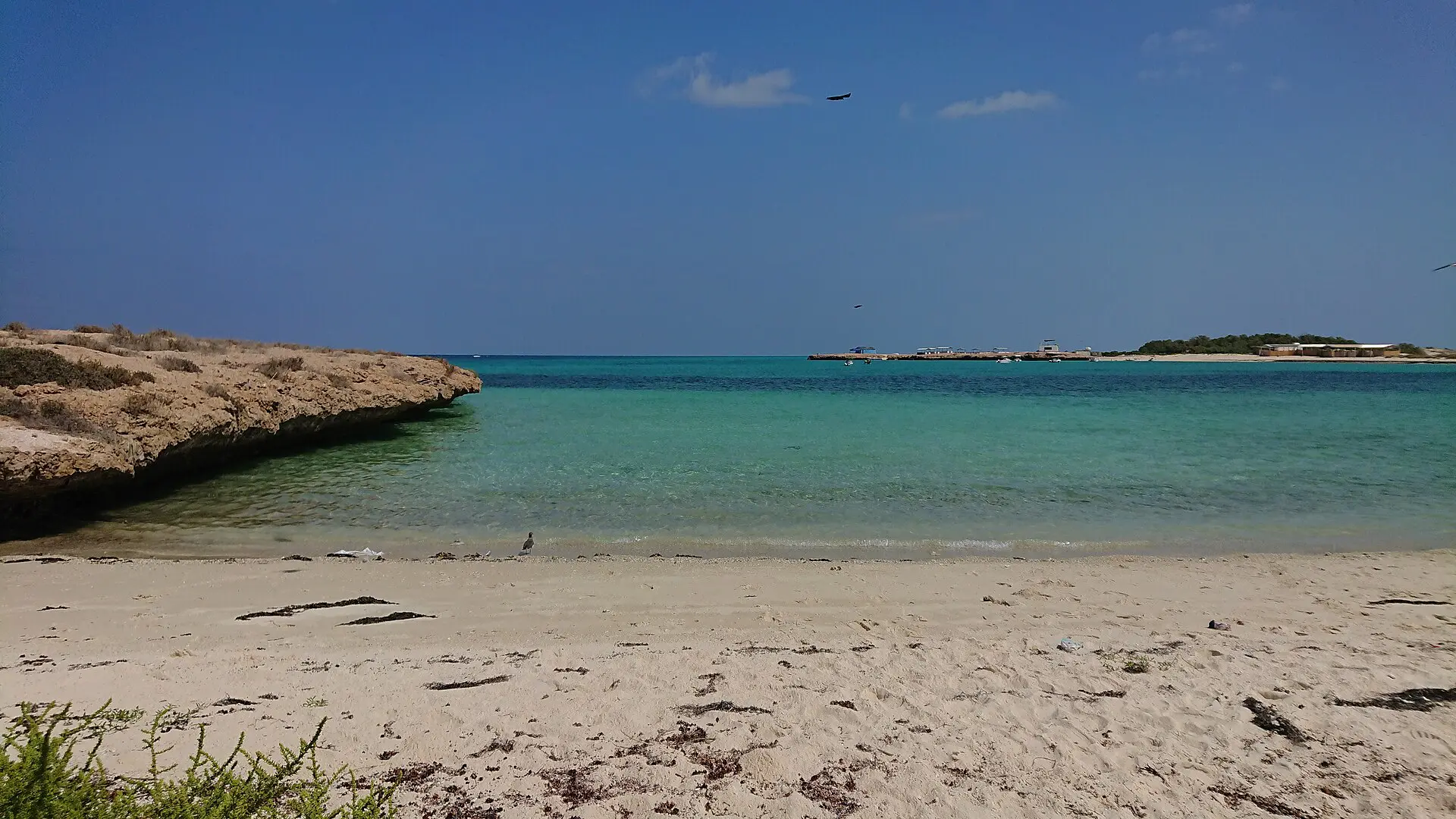
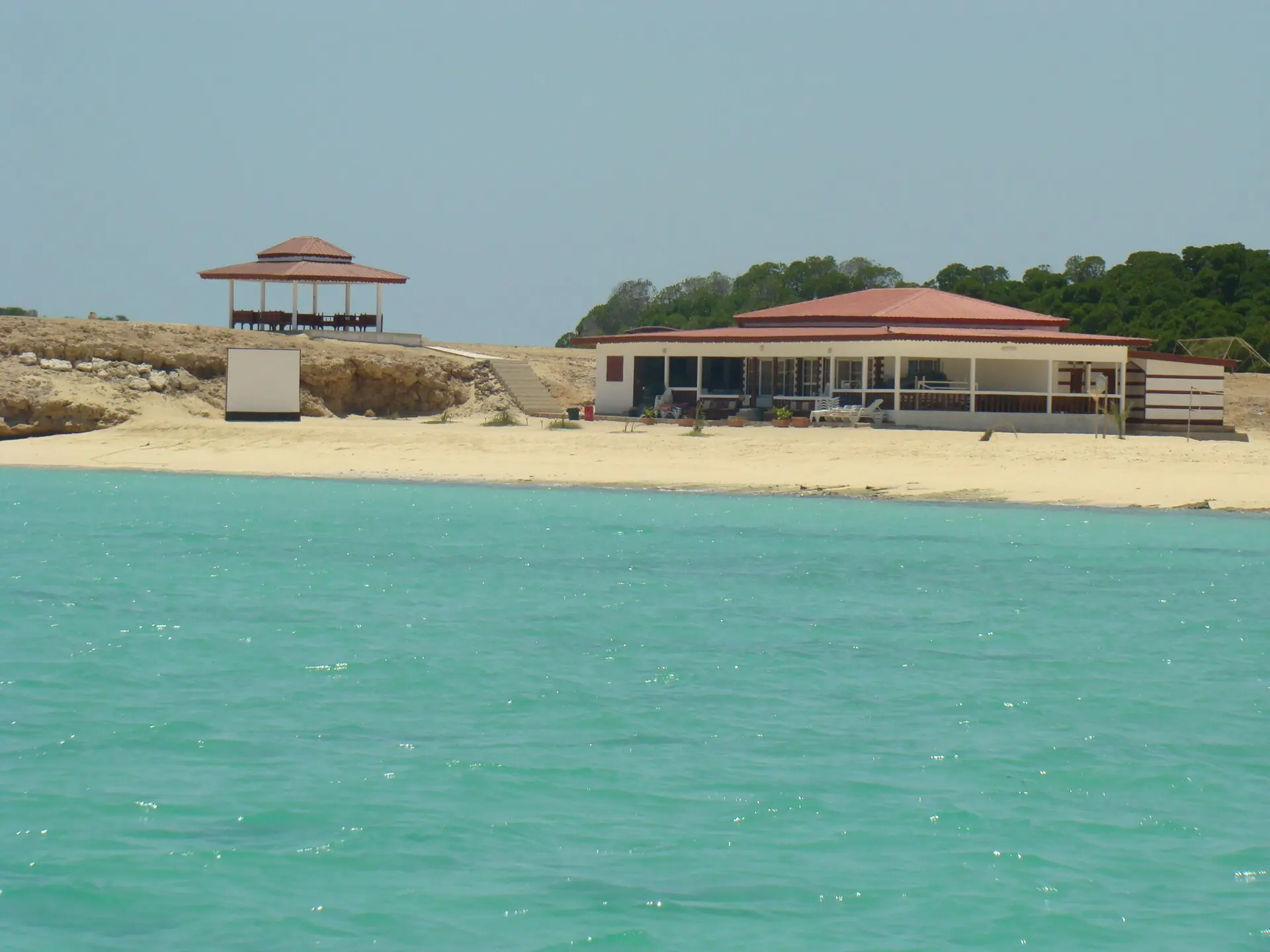
These small islands near the capital have beaches and coral reefs, good for snorkelling and day trips by boat.
Top things to do in Djibouti
The top things to do in Djibouti involve water, volcanoes and desert, and most require a guide and a 4×4.
- Swim with whale sharks: from roughly October to February, boats leave from the Gulf of Tadjoura for supervised snorkelling.
- Float in Lake Assal: the water is far saltier than the sea, so you float easily, but keep it out of your eyes.
- Watch sunrise at Lake Abbe: the chimneys and steam glow at dawn, and local Afar camps are nearby.
- Walk in the Day Forest: cooler air and juniper trees make a break from the desert heat.
- Snorkel or dive at Moucha Island: the reefs have colourful fish and good visibility.
- Visit the Central Market in Djibouti City: stalls sell spices, fabric, fruit and khat.
- Explore Tadjoura’s old quarter: white mosques and wooden dhows line the waterfront.
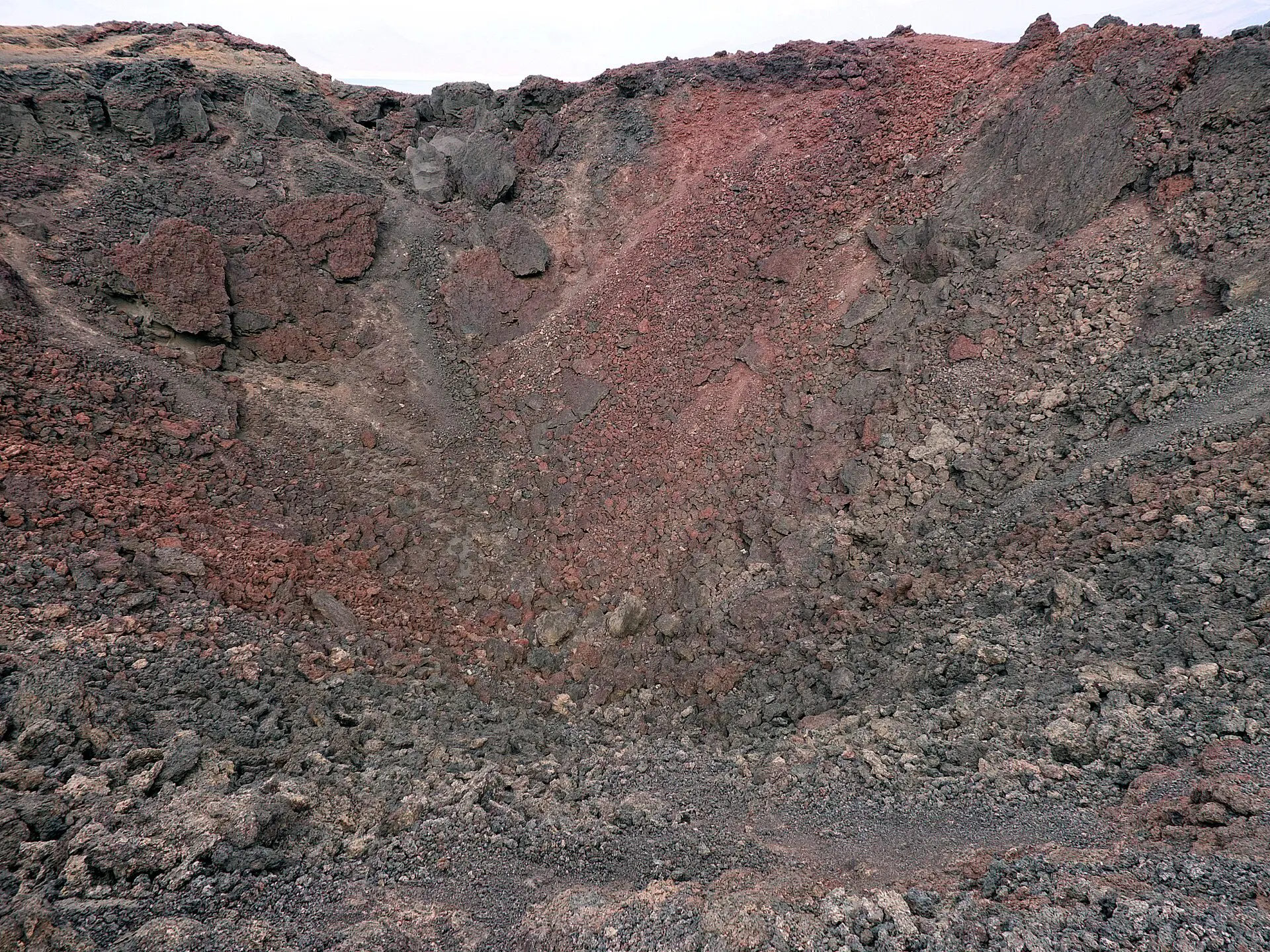
- See the Ardoukoba volcano area: a rift-zone volcano that last erupted in 1978, with black lava fields.
- Try scuba diving in the Gulf of Tadjoura: a few local operators run dives for certified divers.
- Watch flamingos at Lake Abbe: birds gather in the shallow edges in the cooler months.
Best time to visit Djibouti
The best time to visit Djibouti is November to February, when daytime temperatures are around 28 to 32 C instead of 40 C or more. This is also the main whale shark season, usually October to February. From May to September the heat is severe, particularly inland, and hot winds make travel tiring.
| Season | Weather | Crowds and prices | Good for |
|---|---|---|---|
| Cool (Nov-Feb) | Warm and dry, mild nights | Busiest, highest tour prices | Lake Assal, whale sharks, Lake Abbe |
| Warming (Mar-Apr) | Hot, rising to 35 C | Moderate | Diving, city stays |
| Hot (May-Sep) | Extreme heat, often over 40 C | Very few visitors | Little; Day Forest is cooler |
| Short rains (Oct) | Occasional showers, humid | Low to moderate | Early whale shark trips |
Rain is rare and unpredictable, but flash floods can close desert tracks.
Is Djibouti safe to visit?
Yes, Djibouti is generally safe for visitors in the capital and at the main tourist sites, and the country has been relatively stable compared with its neighbours. It hosts several foreign military bases, and visitors are rarely targeted. Check your government’s advice, such as the UK FCDO or US State Department, because some border areas carry warnings.
Borders. Governments have advised against travel near the Eritrean border and parts of the north. Do not drive near borders without a guide and permission.
Crime. Petty theft and bag snatching happen in Djibouti City, especially around markets and at night. Keep valuables hidden and use trusted taxis.
Heat and health. Heat illness is the biggest everyday risk. Drink plenty of water, wear a hat and avoid midday exertion. Malaria is present, so ask a travel clinic about prophylaxis.
Photography. Do not photograph ports, military sites or officials without permission.
Sea. Whale shark trips are supervised, but follow the guide’s rules and respect currents.
Djibouti visa and entry requirements
Djibouti visa rules depend on nationality, and most visitors need an e-visa applied for online before travel. In the past visas were sold on arrival, but the system has shifted, so confirm the current process on the official Djibouti government e-visa portal or with an embassy. Treat third-party sites with caution, since many charge extra fees.
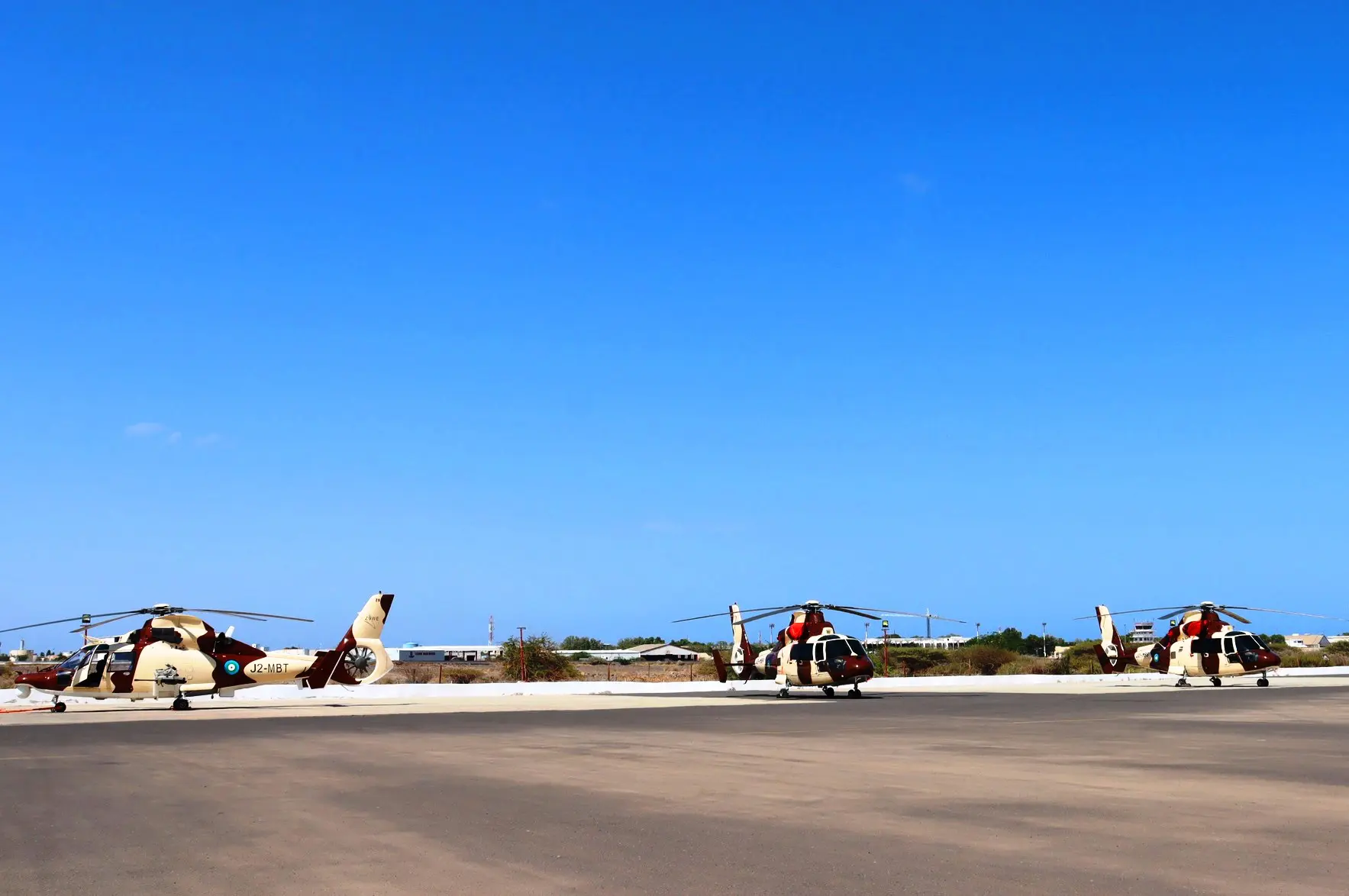
Typical requirements are a passport valid for at least six months, a return or onward ticket, a hotel booking or invitation, and payment of the visa fee. A yellow fever certificate may be requested if you arrive from an affected country.
If you cross by land from Ethiopia, check border status and permitted crossings first, since conditions change. Many travellers enter by air, and overland routes often need a pre-arranged transport or guide. Travel permits may be required for some remote regions, so ask your tour operator. Keep a copy of your passport and visa with you, as police checkpoints are common outside the capital.
Getting to and around Djibouti
Most visitors fly into Djibouti-Ambouli International Airport (JIB), which has connections to Addis Ababa, the Gulf, Istanbul and Paris. Overland, a railway links Djibouti with Addis Ababa, and a road runs through Dikhil and Ethiopia, though schedules and border procedures should be confirmed locally.
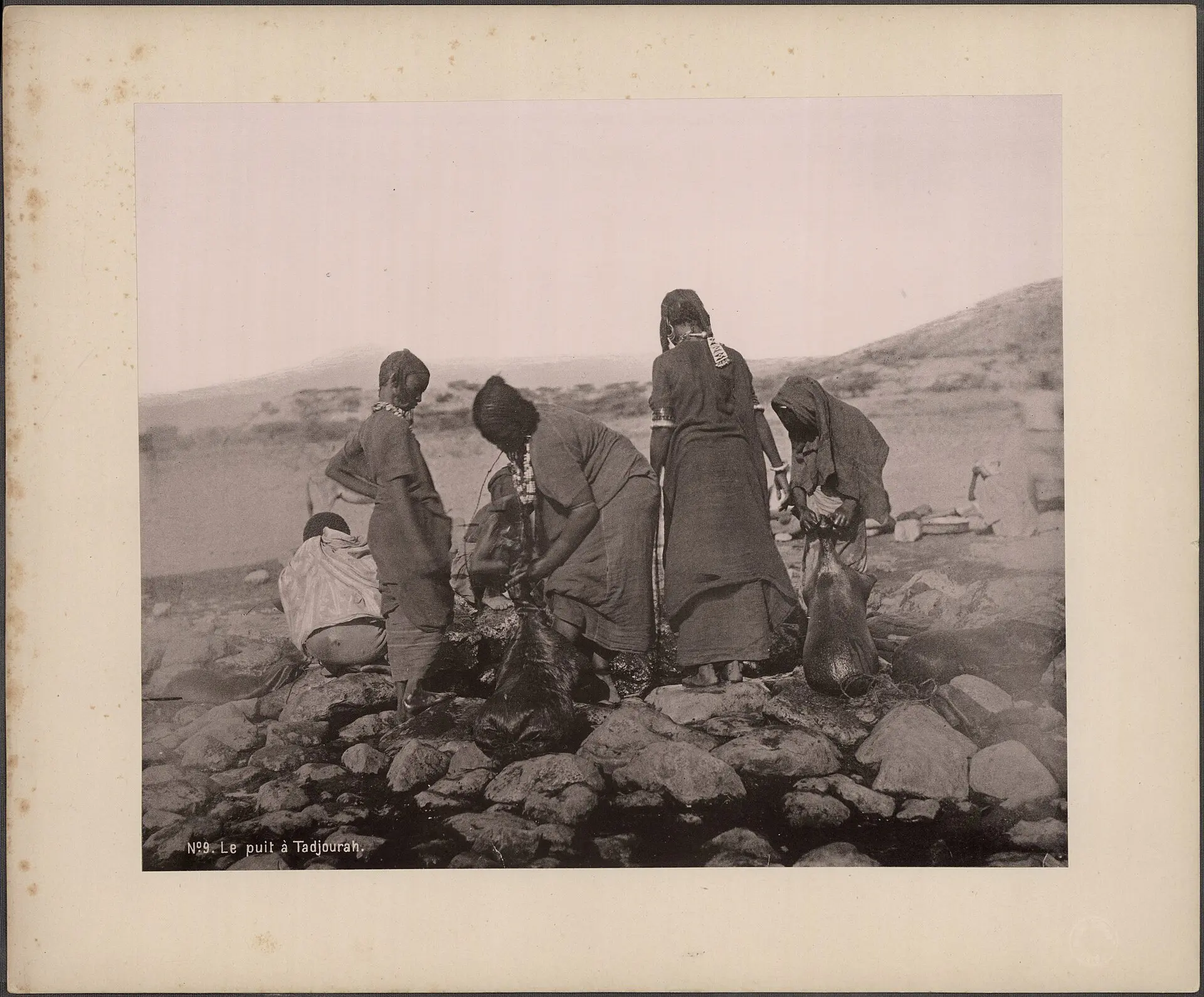
Inside the country, public transport is limited. Minibuses run between towns, and taxis are cheap in the capital but should be negotiated in advance. For Lake Assal, Lake Abbe and the Day Forest, a 4×4 with a driver or a guided tour is the standard choice. Lake Assal takes about two hours from the capital, and Lake Abbe takes five to seven hours depending on the route.
Ferries and boats cross the Gulf of Tadjoura between Djibouti City and Tadjoura, usually about two hours. Driving is on the right. Road conditions are generally fair on main routes but poor in the interior, and self-drive is not advisable without desert experience. Always carry water and fuel.
How much does a trip to Djibouti cost?
Djibouti is one of the more expensive destinations in Africa. The currency is the Djiboutian franc (DJF), pegged to the US dollar, and many tour prices are quoted in dollars or euros. As rough guidance for 2026, budget around USD 80 to 120 per day for budget travel, USD 150 to 300 mid-range and USD 300 or more for high-end trips.
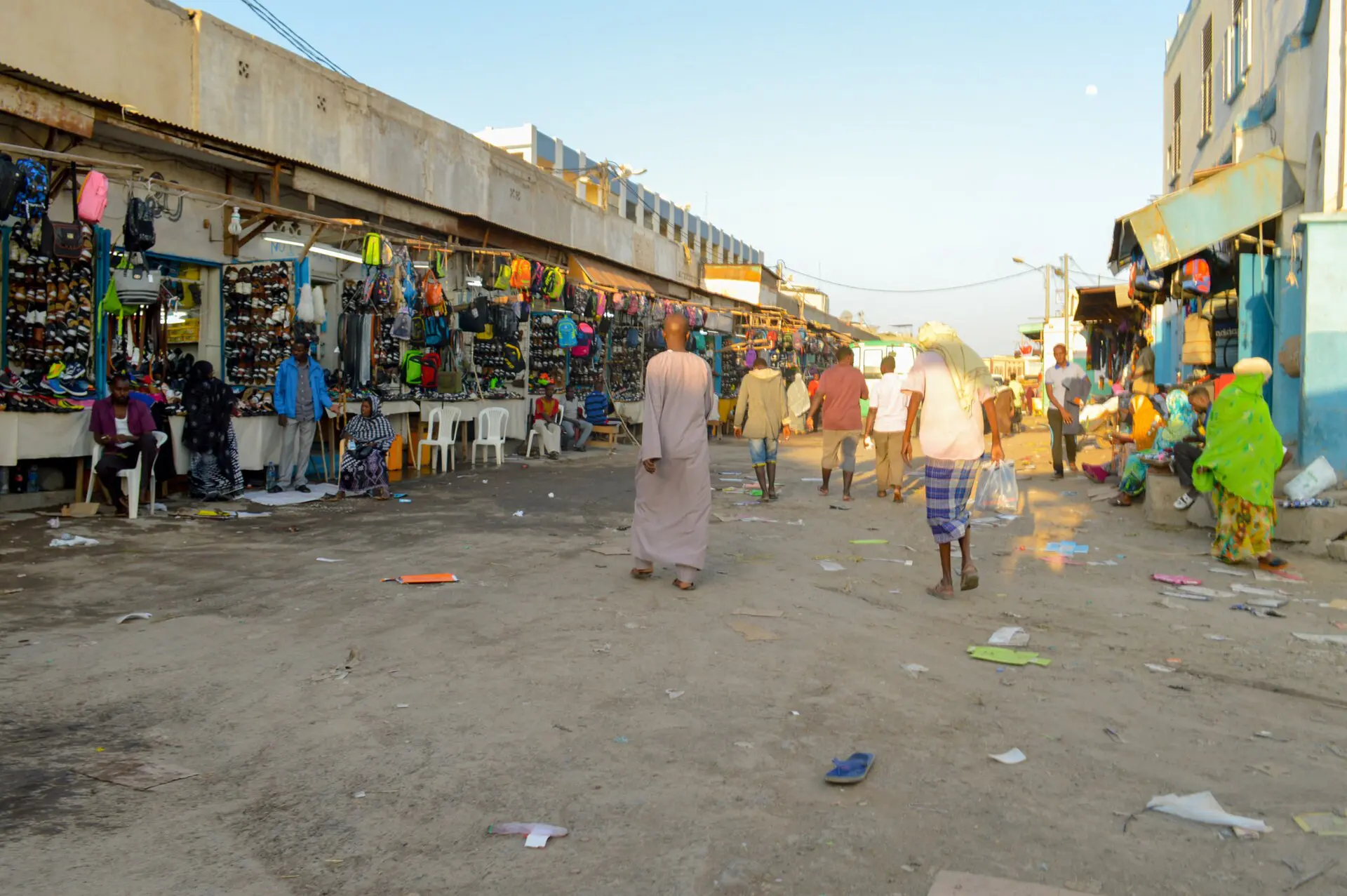
- Budget: a basic guesthouse, local food and shared transport, around USD 80 to 120.
- Mid-range: a hotel in Djibouti City, restaurant meals and one or two guided excursions, around USD 150 to 300.
- High: private 4×4 tours, camping with full service and diving trips, from around USD 300.
Costs are driven by imported goods, hotel demand from business and military visitors and the need for guides and vehicles. Whale shark trips and Lake Abbe tours are the biggest single expenses, so booking as a group helps. Visa fees and permits add to the total. Prices change, so request current quotes before you go.
Djibouti food and drink
Djibouti food blends Somali, Afar, Yemeni and French influences, with plenty of seafood, rice and flatbread. In the capital you will find Ethiopian, Yemeni and French restaurants alongside local dishes.
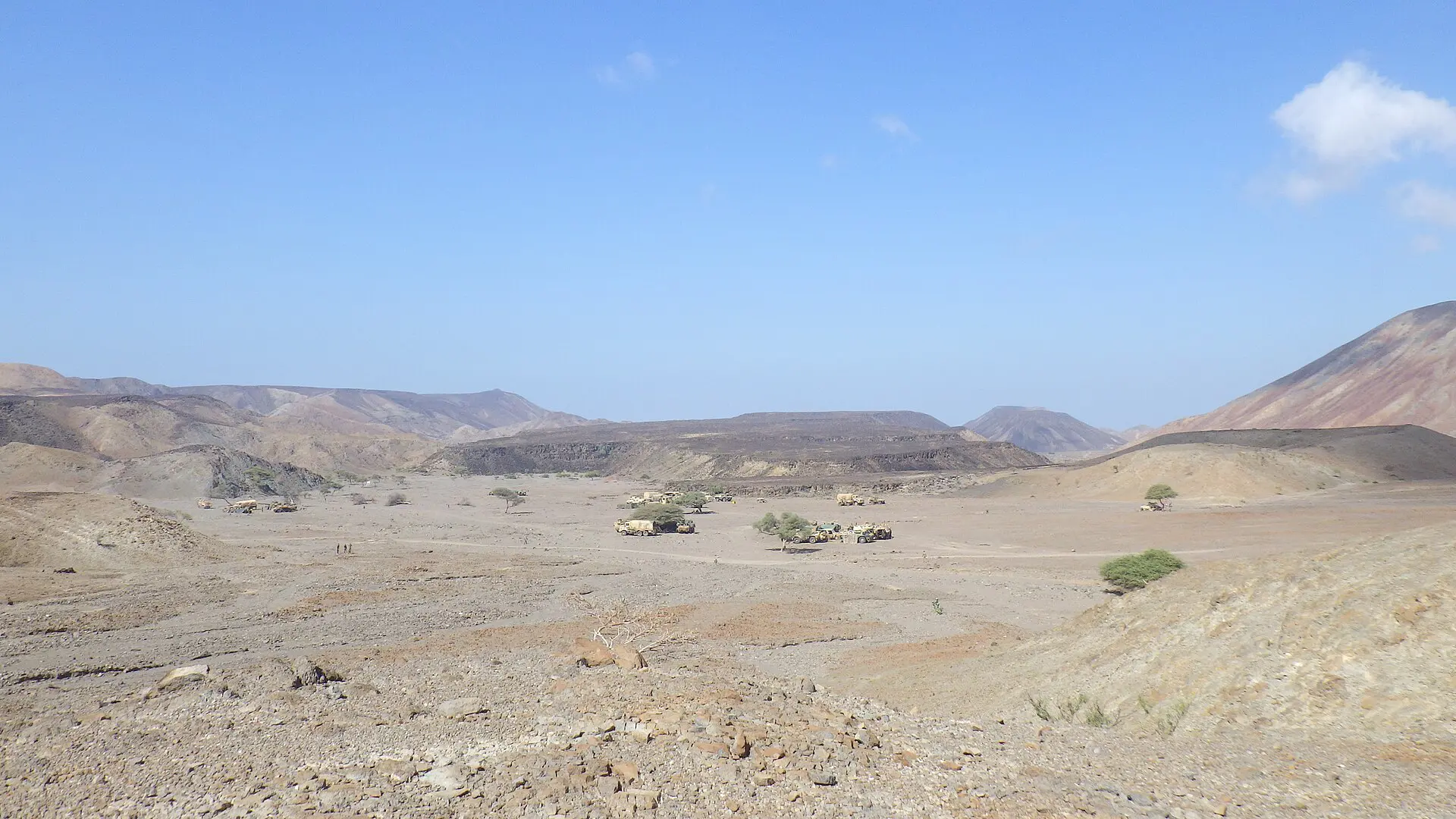
- Skoudehkaris: spiced rice cooked with lamb or goat, often described as the national dish.
- Fah-fah: a spicy boiled meat soup with vegetables, served with flatbread.
- Lahoh: a spongy pancake-like bread, eaten for breakfast with honey, ghee or stew.
- Grilled fish: Yemeni-style fish baked in a clay oven and served with bread, a speciality of the capital.
- Ethiopian injera: sour flatbread with spicy stews, widely available in Djibouti City.
- Sweet tea and spiced coffee: served with cardamom or cloves and often milk, offered to guests.
- Camel milk: a traditional drink in Afar and Somali communities.
Most people are Muslim, so alcohol is limited to some hotels and restaurants. During Ramadan, many places close in the day. Vegetarians can eat lentils, vegetables and bread, but meat is central. Drink bottled water, and eat freshly cooked food. Khat chewing is common but is not an experience for tourists to pursue.
Culture, language and etiquette in Djibouti
Djibouti’s official languages are Arabic and French, and the most widely spoken home languages are Somali and Afar. In tourist areas, French is the most useful second language, and English is limited outside hotels and tour operators.
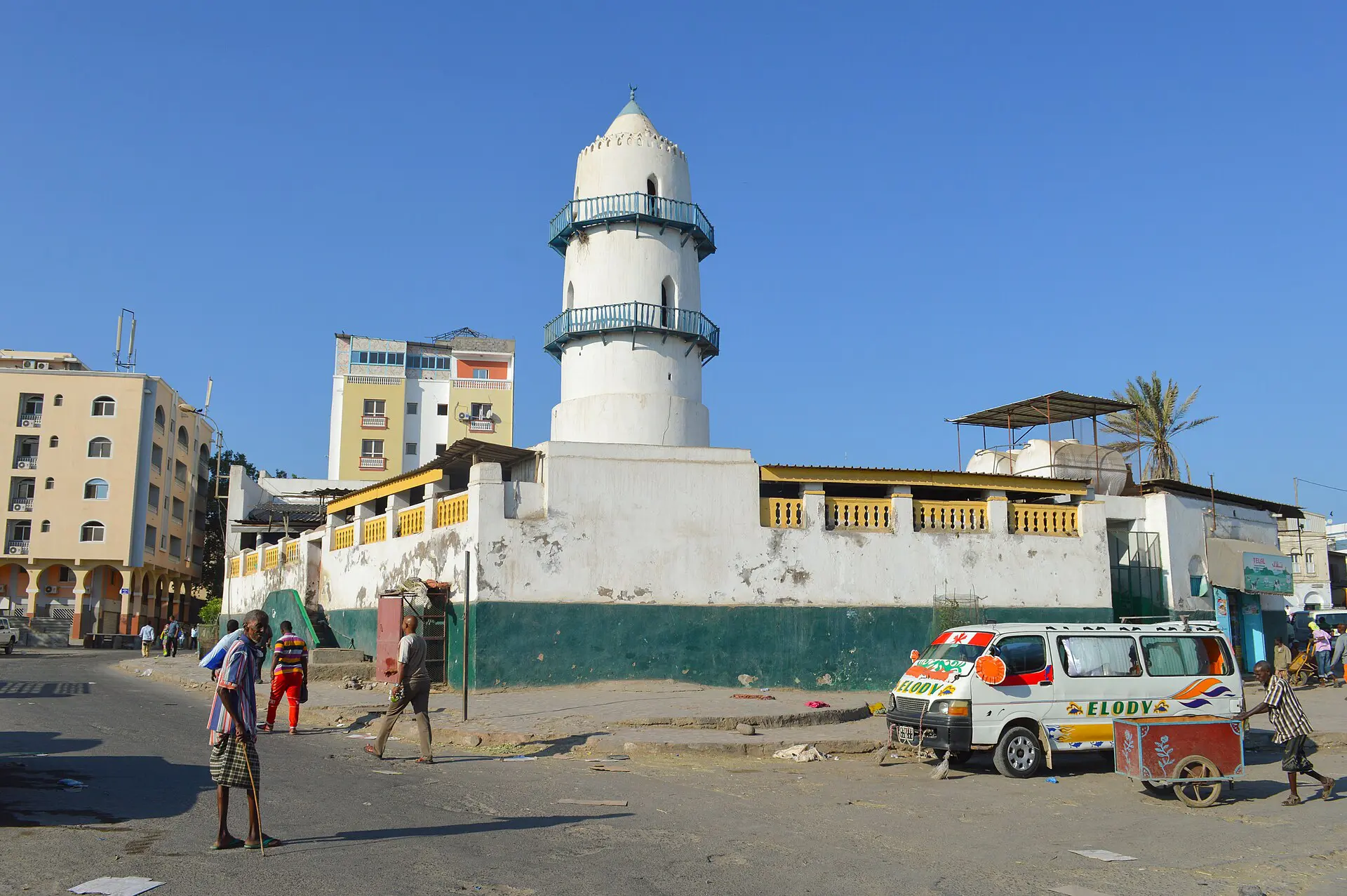
The two main communities are the Issa Somali and the Afar, and their traditions shape daily life. Islam is the dominant religion, so dress modestly in towns: cover shoulders and knees, and women should carry a scarf for visiting mosques. Public displays of affection are discouraged.
Greetings are important. Shake hands with people of the same gender, and wait for a woman to offer her hand. Use your right hand for eating and giving. Ask permission before taking photos of people, and avoid photographing military, port or government sites. During Ramadan, avoid eating, drinking or smoking in public in the daytime. Friday is the main prayer day, and many businesses close for part of it. Hospitality is a strong value: if you are offered tea, accept it. Bargain politely in markets and with taxis.
Djibouti itinerary: a 7-day route
This route covers the main natural sites with a guide and 4×4, and it avoids border zones that governments advise against.
- Day 1: arrive in Djibouti City, explore the Central Market, Place Mahamoud Harbi and the waterfront, and eat grilled fish.
- Day 2: drive about two hours to Lake Assal, float in the lake and walk the salt flats, then return to the city.
- Day 3: take the boat across the gulf to Tadjoura, walk the old quarter and stay overnight.
- Day 4: day trip to the Day Forest for a walk, then return to Tadjoura or the capital.
- Day 5: whale shark snorkelling trip (October to February), or a Moucha Island snorkelling day in other months.
- Day 6: drive to Lake Abbe, arriving in time for sunset, and camp or stay at a local lodge.
- Day 7: watch sunrise at the chimneys, then return to Djibouti City for the flight out.
Book a licensed operator, check road and border conditions, and add a spare day for delays. Summer heat makes this route much harder.
Practical tips for Djibouti
A few practical tips will save time and money in a small but demanding country.
- Money: the Djiboutian franc is pegged to the US dollar. Euros and dollars are accepted at hotels and tours, but small shops use francs. ATMs exist in the capital, and cards work mainly at hotels.
- SIM and internet: the main operator sells prepaid SIMs, and coverage is good in the capital but weak in the desert. Check eSIM options before arriving.
- Plugs: types C and E at 220 V.
- Tipping: not expected, but small tips for drivers and guides are welcome.
- Health: carry sun protection, rehydration salts and insect repellent. Consult a travel clinic about malaria, hepatitis and typhoid.
- Packing: light, long, loose clothing, a hat, sandals for the salt lakes, sturdy shoes and a fleece for cool desert nights.
- Planning: use Wikivoyage for current practical notes, and see the UNESCO page for heritage context.
- Fuel and water: carry extra for desert drives, and travel with a guide who knows the tracks.
FAQ
Q1Is Djibouti safe?
Mostly yes for the capital and main tourist sites, and the country is stable compared with its neighbours. Border areas, especially near Eritrea, carry government warnings. Watch for petty theft in Djibouti City, take heat seriously and check your foreign ministry's advice before you go.
Q2What food is Djibouti known for?
Skoudehkaris, a spiced rice and meat dish, is the national favourite. Others include fah-fah meat soup, lahoh flatbread, Yemeni-style grilled fish and sweet spiced tea. Seafood is fresh in the capital, and alcohol is limited because most people are Muslim.
Q3What are the best things to do in Djibouti?
Swim with whale sharks between October and February, float in Lake Assal, watch sunrise at Lake Abbe, hike in the Day Forest and snorkel around Moucha Island. Most outings need a guide and a 4x4, so book through a licensed operator.
Q4Do I need a visa for Djibouti?
Most visitors do. An e-visa applied for online before travel is the usual route, though procedures have changed in the past. Requirements vary by nationality, so confirm on the official government portal or with an embassy before booking flights.
Q5When is the best time to visit Djibouti?
November to February is best, with warm rather than extreme temperatures and the main whale shark season. From May to September daytime heat often passes 40 C, which makes desert excursions difficult and unpleasant.
Q6How many days do you need in Djibouti?
Five to seven days covers Djibouti City, Lake Assal, Tadjoura, the Day Forest and Lake Abbe. Three days works for Lake Assal and a whale shark trip only. Allow extra time for long desert drives.