Why visit Manila
If you are looking for things to do in Manila, start with the history. The city was the seat of Spanish rule in Asia for more than three centuries, and the walled district of Intramuros still holds churches, fortifications and cobbled streets from that era. The city proper is the capital of the Philippines and sits on the eastern shore of Manila Bay on the island of Luzon.
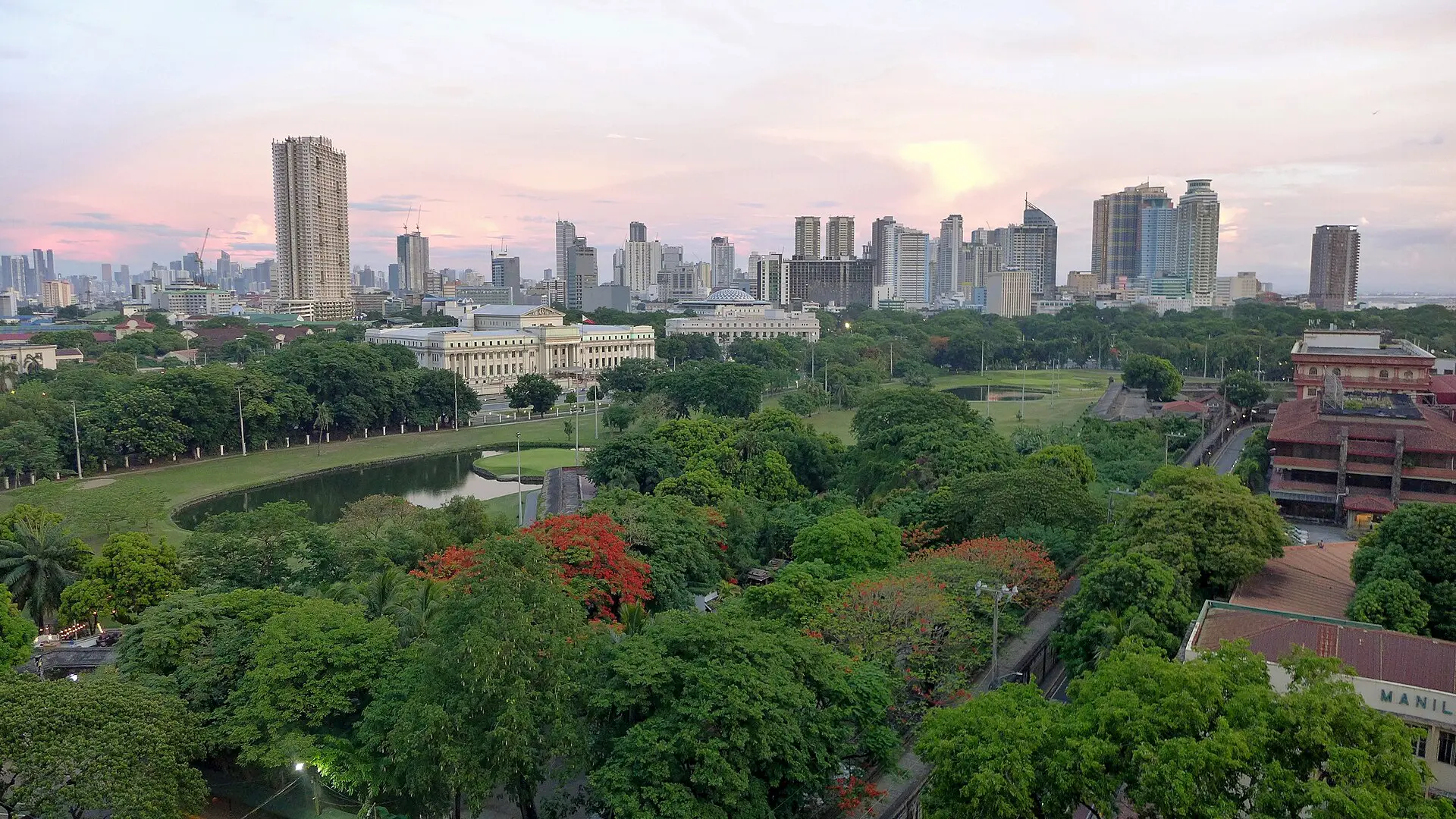
It is also one of the most densely populated cities proper in the world, and that shapes the experience. Expect crowds, heat, traffic and noise, but also some of the country’s best museums, a large Chinatown, lively markets and a food scene that runs from street stalls to sit-down restaurants.
Manila works best as a base for culture rather than beaches. Most visitors combine it with a couple of days here, then fly on to islands such as Palawan or Bohol. Allow time to see it properly: the main sights are spread across several districts, and getting between them takes longer than the map suggests.
Top things to do in Manila
Intramuros
The old walled city was built by the Spanish from 1571 and remains the historic heart of Manila. Walk the ramparts, visit Fort Santiago and look into the churches and courtyards. Allow half a day. Start early, because the stone streets get very hot by late morning, and consider a bicycle or a horse-drawn carriage for shade breaks.
San Agustin Church
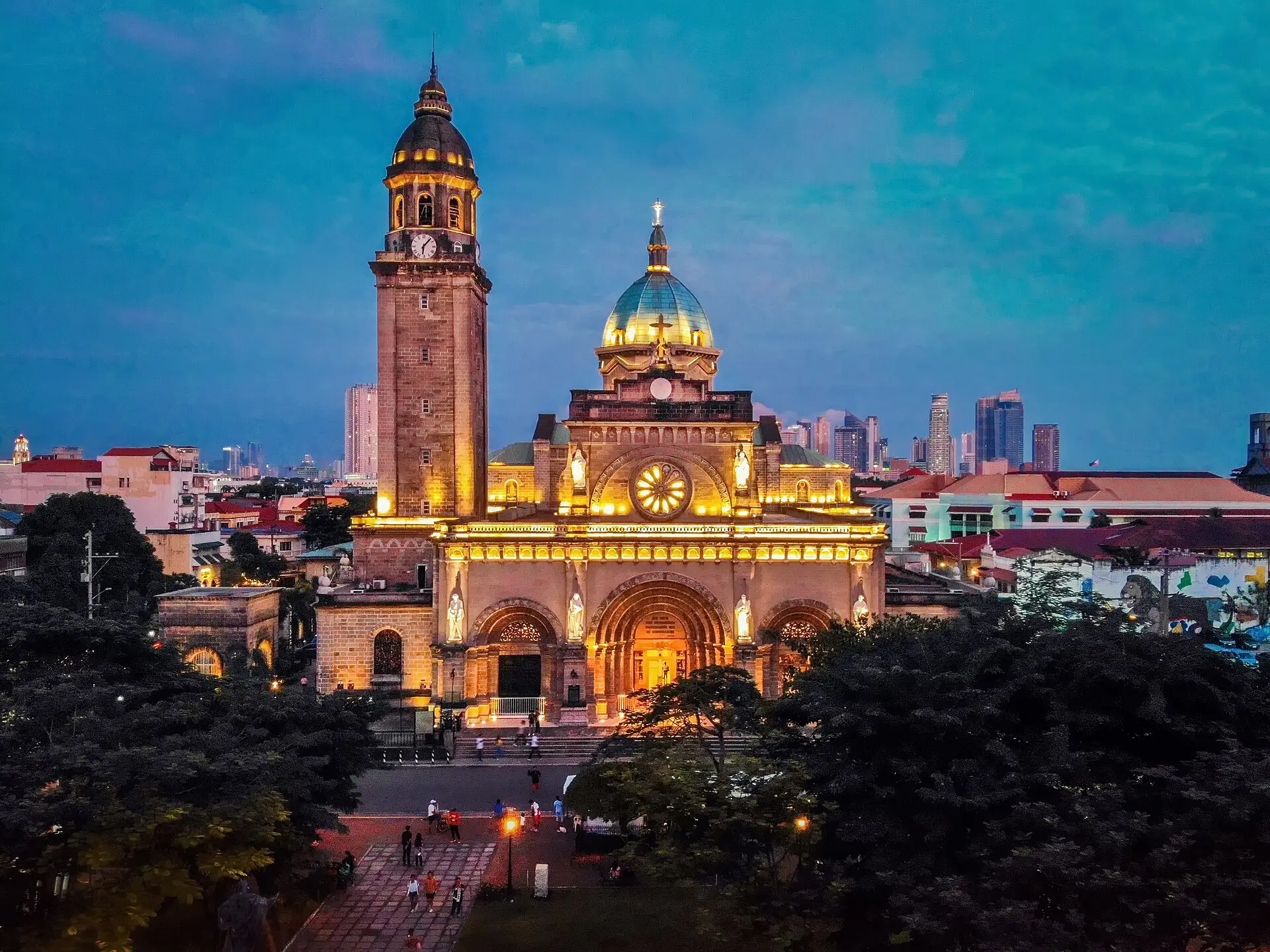
Inside Intramuros, this church is among the oldest stone churches in the Philippines and is a UNESCO World Heritage Site as part of the Baroque Churches of the Philippines. The adjoining museum is worth an hour. Dress modestly, and check opening times before you go, as visiting hours can change around services.
Binondo and Chinatown
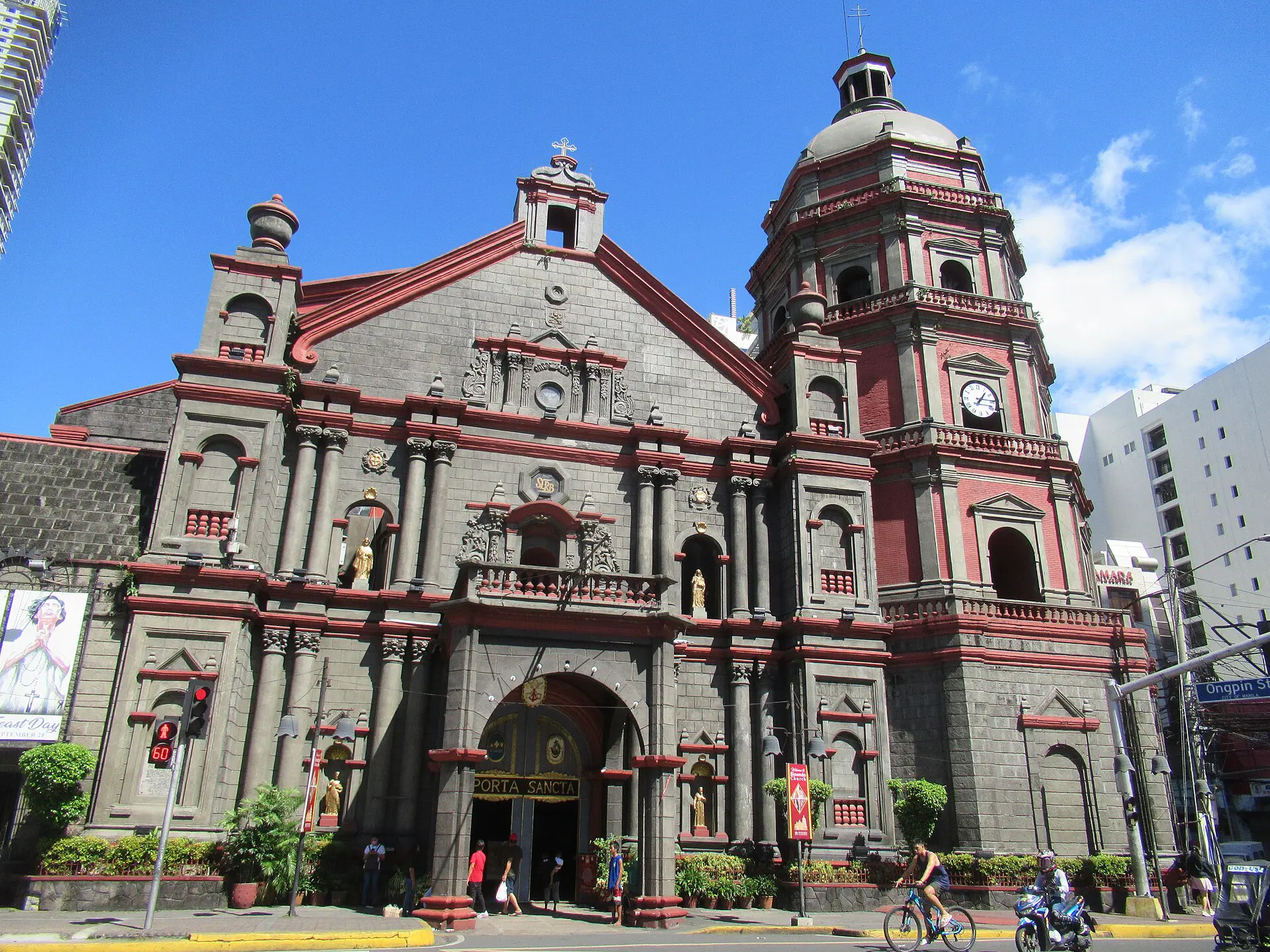
Binondo is often described as one of the oldest Chinatowns in the world, and it is best explored on foot with an appetite. Sample dumplings, noodles and bakery snacks from small shops along its narrow streets. Plan around two to three hours, go in the morning or at lunch, and carry small bills for stalls.
National Museum complex
The National Museum of the Philippines is spread across several buildings near Rizal Park, covering art, anthropology and natural history. It is a good wet-weather or midday option. Give it at least two hours for one building, and check the current entry rules, as some galleries have been free at certain times.
Rizal Park
Also called Luneta, this large public park honours national hero Jose Rizal and sits close to the bay. It is a pleasant stop between museums, with gardens and monuments. Spend an hour or so, preferably in the late afternoon when it is cooler and busy with local families.
Manila Bay sunset
The bayside promenade is a popular place to watch the sun go down over the water. Sunsets here are often colourful, and the walk is easy after a day of sightseeing. Plan about an hour, take a taxi or ride-hailing car rather than walking from distant districts, and keep valuables out of sight.
Quiapo Church and markets
Quiapo is one of the most intense parts of the city, with a major Catholic church, street vendors and crowded lanes. It suits travellers comfortable with crowds. Visit for an hour, keep bags in front of you, and avoid the busiest religious days unless you want to see the full scene.
Best time to visit Manila
The driest and most comfortable months are generally December to February, when the heat eases a little and rain is less frequent. March to May is hot and humid, with the hottest weather often arriving late in the dry season. The rainy season runs roughly from June to November, and typhoons can disrupt travel, especially between about July and October.
Plan sightseeing for mornings and late afternoons in any season, and keep a rain plan of museums and malls handy.
| Season | Weather | Crowds and prices |
|---|---|---|
| December to February | Dry, cooler and less humid | Busier around Christmas and New Year; higher hotel rates |
| March to May | Hot and humid | Quieter in the city; Holy Week can affect opening hours |
| June to November | Rainy, with typhoon risk | Fewer visitors; deals more likely |
How to get to Manila and around
Most international visitors arrive at Ninoy Aquino International Airport, which has several terminals that are not all connected on foot, so check which one your flight uses. Taxis and ride-hailing apps are the usual way into the city, and the journey can take from about 30 minutes to well over an hour in traffic. Domestic flights, long-distance buses and ferries also connect Manila with the rest of the country.
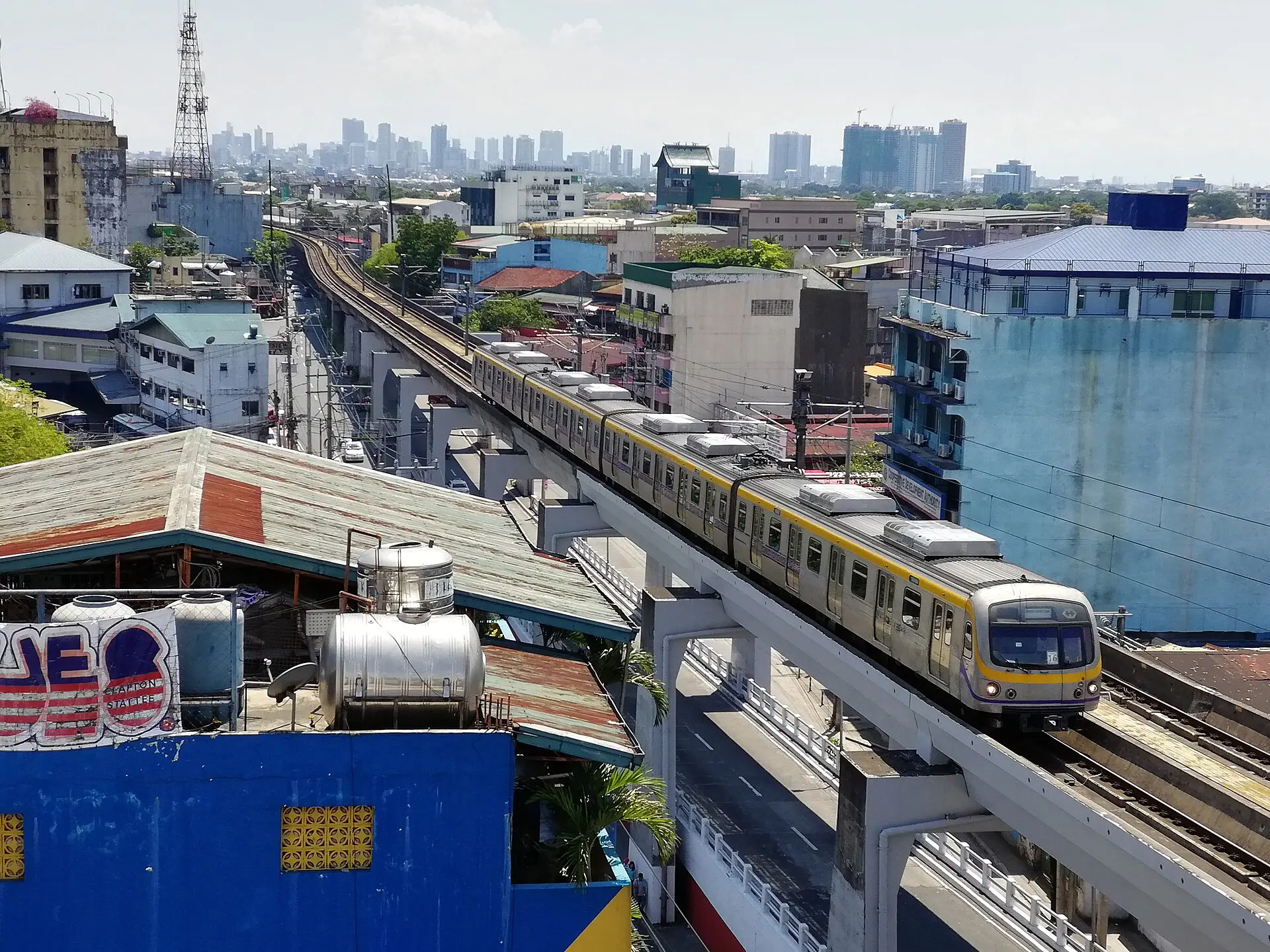
Inside the city, the light rail lines are useful for avoiding congestion along some corridors, though trains can be crowded at rush hour. Ride-hailing apps are convenient and generally cheaper than a long street-hail negotiation. Jeepneys are the classic local transport and cheap, but routes are hard to read at first. Walking is realistic only within Intramuros and short stretches elsewhere.
Check traffic before you commit to any plan: crossing the city at peak times can easily double a journey.
Where to stay in Manila
Manila is made of many districts, and where you sleep affects how much time you spend in traffic. Choose the area that fits your plans, then check recent reviews and the safety of the surrounding streets. Government travel warnings for the Philippines mainly concern parts of Mindanao rather than Manila, but check current official travel advice before you book.
- Ermita and Malate: close to the bay, Rizal Park and museums, with plenty of mid-range hotels. Good for first-time visitors focused on sightseeing, though some blocks are noisy at night.
- Intramuros area: atmospheric and walkable, with fewer rooms. Suits travellers who want to be among the historic sights early in the morning.
- Makati: just outside the city proper, with a modern business district, malls, restaurants and many hotels. Suits those who prefer a cleaner, more polished base and do not mind a ride to the old city.
- Binondo: a few hotels for food lovers who want to be in Chinatown.
How many days do you need?
Two full days cover the highlights, and three give you time for museums, markets and a slower pace. One day is enough only for Intramuros and a short bay walk. Because of traffic and heat, aim for two or three major stops per day, rather than five.
- Day 1: Intramuros and San Agustin Church in the morning, lunch nearby, then Rizal Park and a Manila Bay sunset.
- Day 2: National Museum in the morning, Binondo for lunch and snacks, then Quiapo in the late afternoon if you are comfortable in crowds.
- Day 3: a flexible day for a day trip, shopping, or a deeper museum visit.
Day trips and nearby
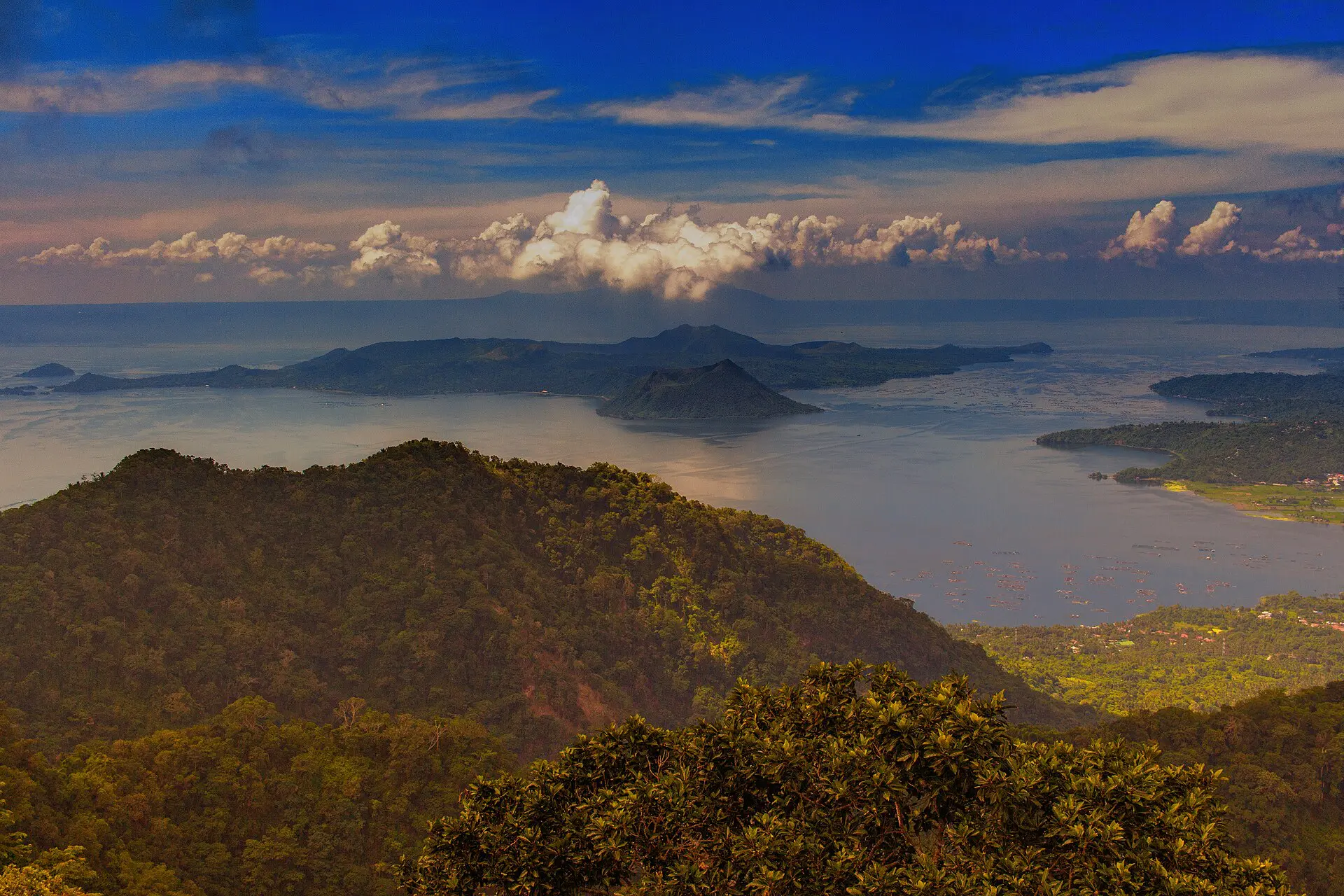
Tagaytay
A ridge town south of Manila with cooler air and views over Taal Lake and its volcano. It is popular for a relaxed lunch and a break from the heat. Most people go by car or bus; allow a few hours each way depending on traffic, and check the volcano’s current status before you go.
Baguio
A highland city in northern Luzon known for its cool climate, pine trees and markets. It is more of an overnight trip than a day trip, since the journey is several hours by bus. Go if you want to escape the lowland heat for a night or two.
Palawan and El Nido
Palawan is the classic beach and island-hopping destination, reached by a short domestic flight from Manila. El Nido and Puerto Princesa are the main bases. These need several days, not a day trip, but are a natural next step after the capital.
Bohol
Another flight from Manila, Bohol is known for its beaches, rolling hills and wildlife. It is easy to pair with a Cebu City stop. Plan at least three days and book ferries or flights in advance during busy periods.
FAQ
Q1When is the best time to visit Manila?
December to February is generally the most comfortable, with lower humidity and less rain. March to May is hot, and the rainy season runs roughly June to November, when typhoons can disrupt plans. Check the forecast close to travel, especially between July and October.
Q2How many days do you need in Manila?
Two to three days is enough for most visitors. That covers Intramuros, the National Museum, Binondo and a bay sunset at a comfortable pace. Traffic and heat slow everything down, so avoid cramming too many stops into a single day.
Q3How do you get around Manila?
Use ride-hailing apps or taxis for most trips, and the light rail lines where they match your route. Jeepneys are cheap but confusing for newcomers. Avoid peak traffic hours if you can, because crossing the city can take much longer than expected.
Q4Is Manila safe for tourists?
Most visitors have trouble-free trips, but petty theft and scams do happen in crowded areas. Keep phones and bags secured, use ride-hailing or licensed taxis at night, and stay alert around transport hubs and busy markets such as Quiapo.
Prices, schedules and entry rules change. Check current details with official sources before you travel. Read the Philippines travel guide.