Why visit Sydney
If you are planning things to do in Sydney, start with the harbour. Sydney is the largest city in Australia and the capital of New South Wales, built around a large natural harbour that gives the city its character. Ferries, sailing boats and waterfront walks are part of daily life.
The Opera House and Harbour Bridge are the signature landmarks, and they sit close together at Circular Quay, the main ferry hub. Away from the centre, the city has a string of ocean beaches, including Bondi, reached by a spectacular coastal walk, along with national parks, historic areas such as The Rocks, and lively neighbourhoods for food and nightlife.
The city is spread out, so organise your days by area and use ferries and trains to save time. It is also expensive, particularly for accommodation. The seasons are the reverse of the northern hemisphere, with summer from December to February. Sun is strong, and surf conditions can be dangerous, so swim between the flags at patrolled beaches and use sun protection.
Top things to do in Sydney
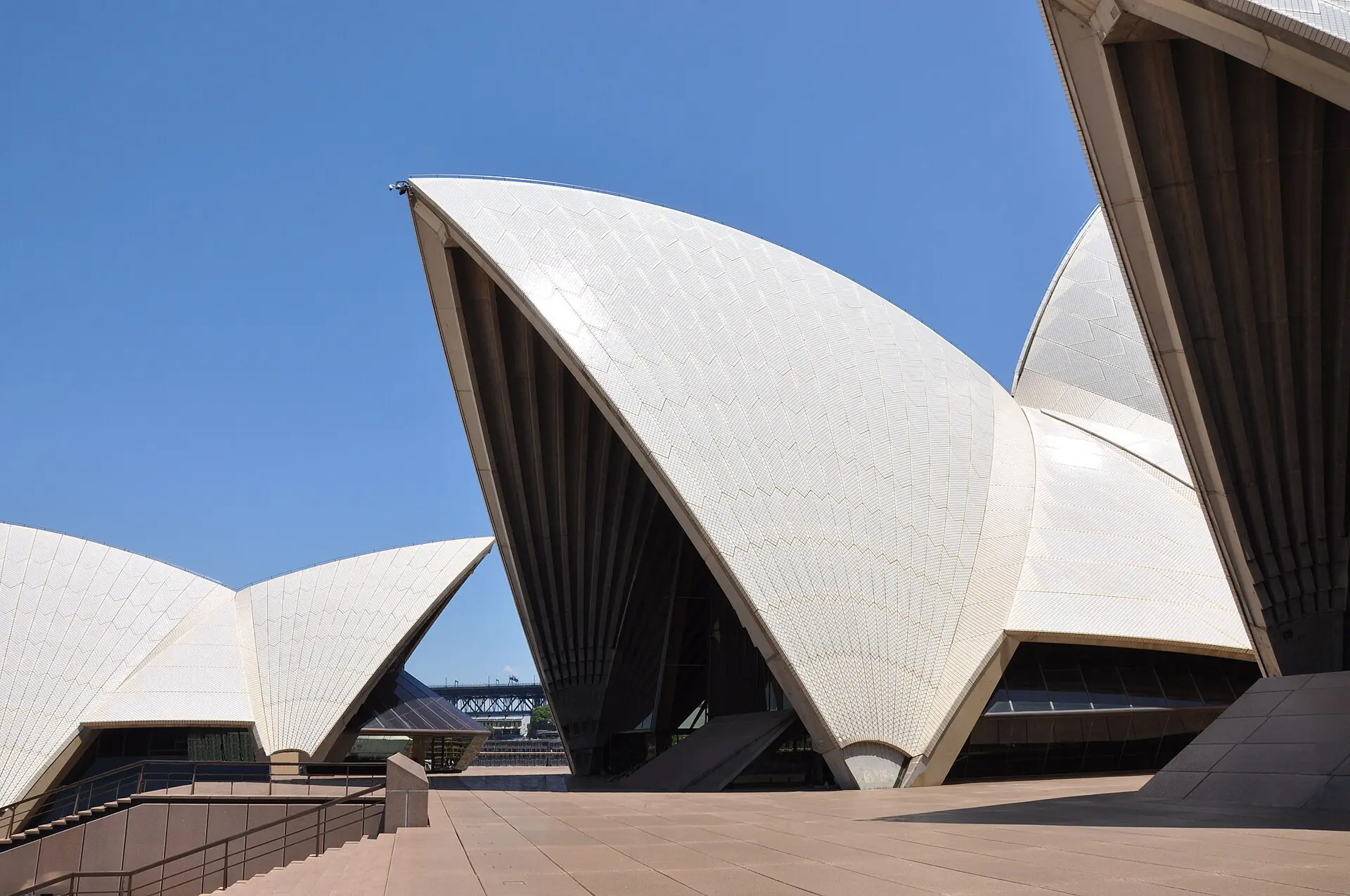
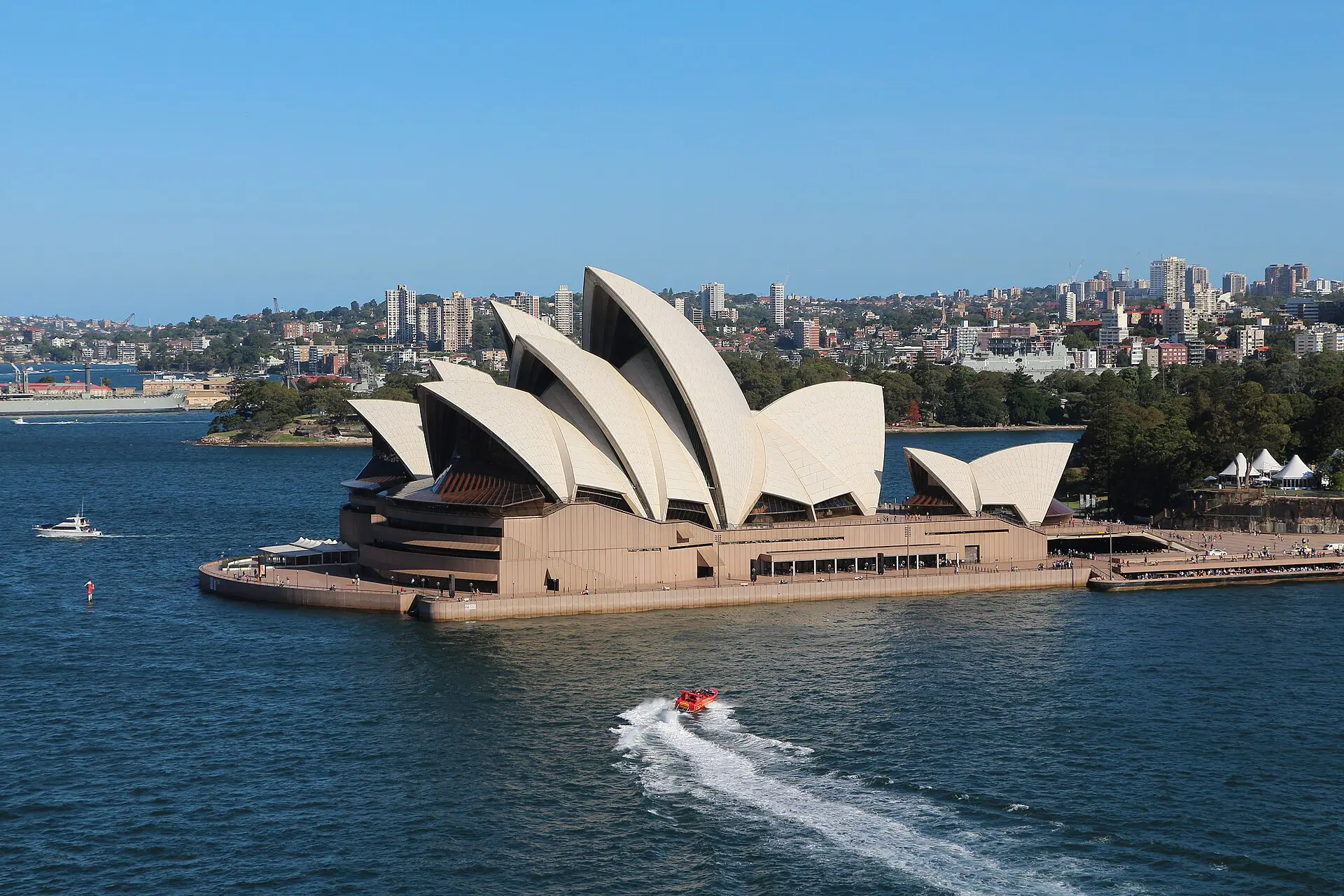
Sydney Opera House
The Opera House is a UNESCO World Heritage site known for its white sail-like roof. You can walk around the forecourt for free, join a guided tour of the interior or see a performance. Allow one to two hours, and book tours or tickets ahead for popular times.
Sydney Harbour Bridge
You can cross the bridge on foot via a public walkway, or join a guided climb to the top for broader views. The climb takes a few hours and is pricey, so check whether the walkway view is enough. Allow about an hour for the pedestrian crossing.
The Rocks and Circular Quay
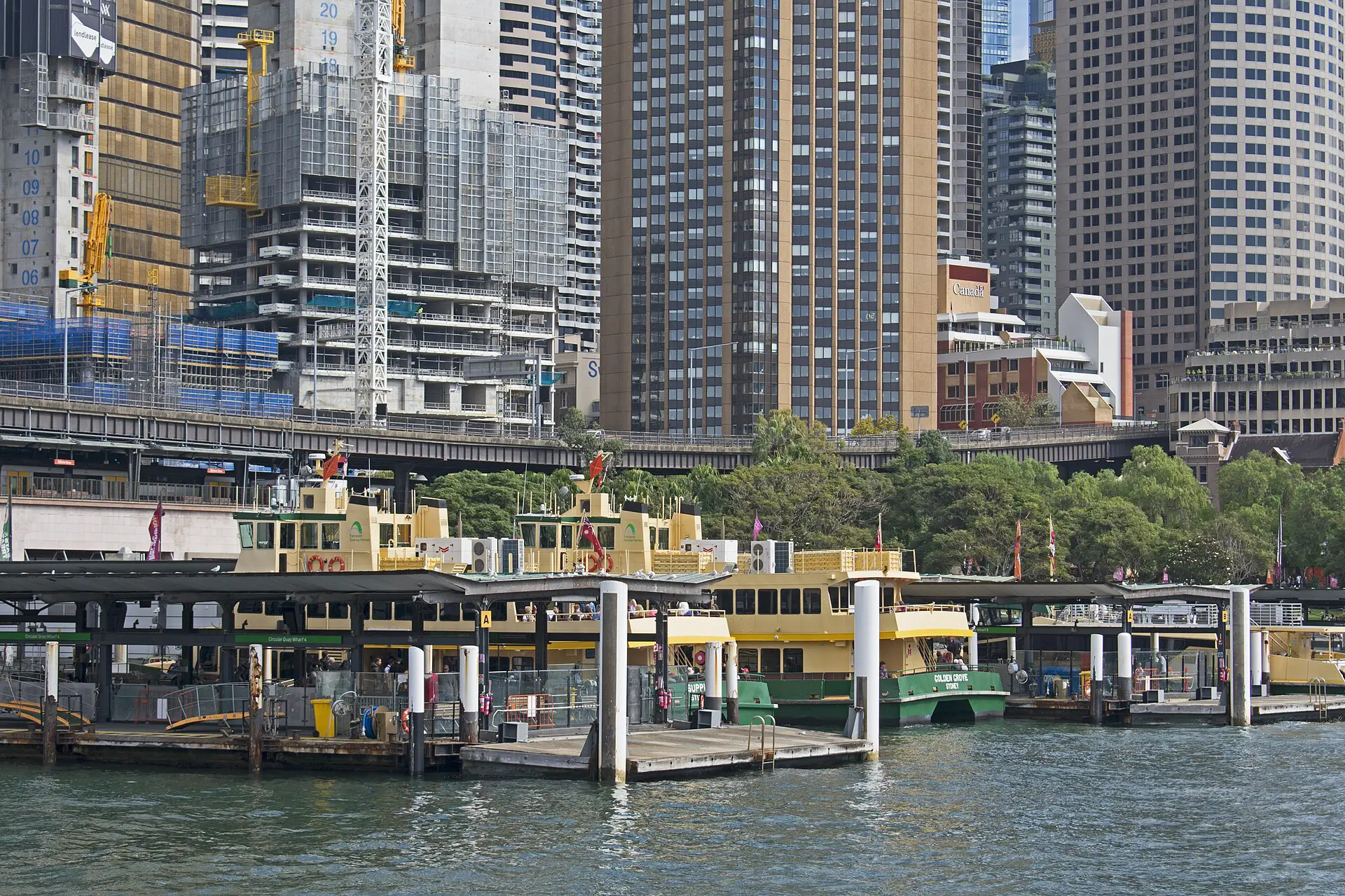
The Rocks is the oldest part of the city, with sandstone buildings, small museums, pubs and weekend markets. Circular Quay is the ferry terminal and a good starting point for a walk. Allow two to three hours, and expect crowds on weekends.
Bondi Beach and the coastal walk
Bondi is Sydney’s most famous beach, and a clifftop path leads south to Coogee past rock pools and bays. The full walk is roughly six kilometres and takes two to three hours. Swim between the flags, and bring water and sun protection.
Manly ferry
The ferry from Circular Quay to Manly takes around 30 minutes and offers views of the harbour and the Opera House. Manly has a beach, a pedestrian street and cafes. Allow half a day, and consider a late-afternoon return for good light.
Royal Botanic Garden
The garden stretches along the harbour next to the Opera House and includes Mrs Macquarie’s Chair, a popular viewpoint. Entry is free. Allow one to two hours, and combine it with a walk around the harbour foreshore at sunset.
Taronga Zoo
Taronga Zoo has views over the harbour and is reached by a short ferry from Circular Quay. Allow three to four hours. Check ticket prices and animal encounter options, and arrive early to see animals when they are most active.
Best time to visit Sydney
Sydney has a mild, humid subtropical climate. Summers are warm to hot and winters are cool but rarely cold.
| Season | Weather | Crowds and prices |
|---|---|---|
| Summer (Dec-Feb) | Warm to hot, humid, storms | Peak crowds and prices |
| Autumn (Mar-May) | Mild, usually dry and pleasant | Moderate crowds |
| Winter (Jun-Aug) | Cool, sunny days, some rain | Lower prices, fewer crowds |
| Spring (Sep-Nov) | Mild, warming, some showers | Moderate to busy |
September to November and March to May offer comfortable temperatures for walking and beaches without the peak summer crowds. Summer suits swimming, but the weather can be hot and bushfire smoke is sometimes an issue. Winter is a good option for museums and lower prices.
How to get to Sydney and around
Sydney Airport (Kingsford Smith) is around 8 km south of the centre. Trains connect the domestic and international terminals with Central Station in roughly 15 minutes, and taxis and rideshares are also available. Check current fares, as the airport station charges an access fee.
Long-distance trains and coaches serve Melbourne, Brisbane and other regions, but most travellers fly between major cities. Check the distance before you plan overland journeys, because Australia is vast.
In the city, an integrated network covers trains, buses, light rail and ferries, using a contactless card or compatible payment cards, with daily fare caps. Ferries are a highlight in themselves. The city centre is walkable, but distances to beaches and suburbs require public transport or a car. Parking in the centre is expensive, so a car is rarely necessary.
Where to stay in Sydney
Accommodation is costly, so choose a base by transport links and the kind of trip you want.
- Circular Quay and The Rocks are ideal for first-time visitors who want to walk to major landmarks, and they have the best ferry access. Expect higher prices.
- Surry Hills and Darlinghurst are good for food, bars and cafes, with mid-range options a short walk or train ride from the centre.
- Bondi and Coogee suit beach lovers and those who want a laid-back stay, but they are further from the centre and rely on buses.
- Manly offers a beach holiday feel with a ferry commute to the city, and it suits families and longer stays.
Book early for summer and major events, and check noise levels if you stay near nightlife areas.
How many days do you need?
Four days is a good length to see the harbour sights, visit a beach and take a ferry trip without rushing. Three days works if you focus on the centre and one beach. If you want the Blue Mountains, a wine region or a coastal drive, plan five to seven days.
- Day 1: Circular Quay, the Opera House, the Royal Botanic Garden and The Rocks.
- Day 2: Harbour Bridge walkway in the morning, then the Manly ferry in the afternoon.
- Day 3: Bondi to Coogee coastal walk, followed by beach time.
Use a fourth day for Taronga Zoo, museums or a trip outside the city.
Day trips and nearby
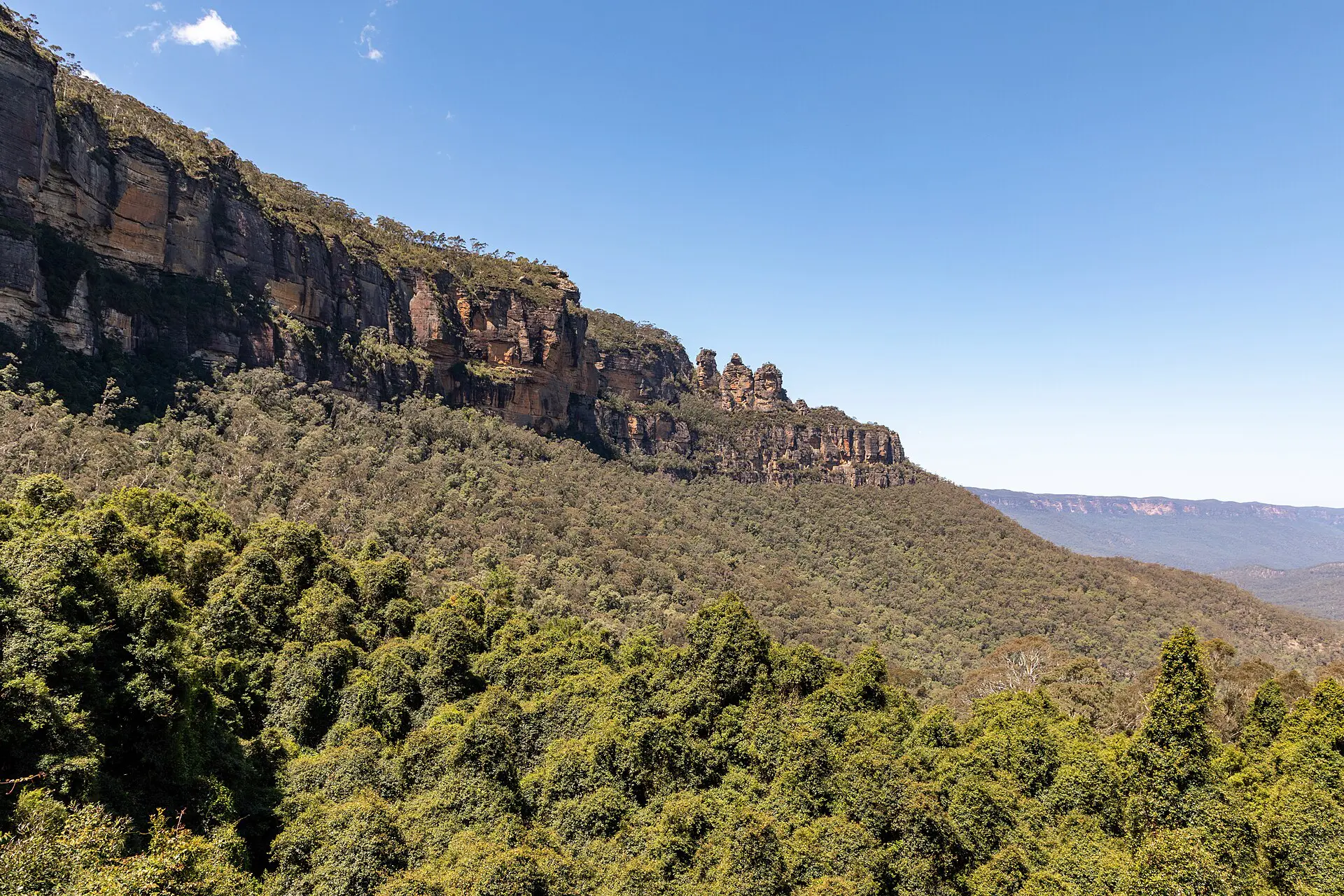
Blue Mountains
The Blue Mountains are west of Sydney and known for sandstone cliffs, eucalyptus forest and the Three Sisters rock formation. Trains from Central take around two hours to Katoomba. It works as a long day trip, though many people stay overnight.
Hunter Valley
The Hunter Valley is a wine region north of Sydney, about two to two and a half hours by road. Tours run from the city, and you can also drive. Plan a full day, and arrange a designated driver or tour if you taste wine.
Canberra
Canberra, Australia’s capital, is around three to four hours by road or coach, with museums, galleries and Parliament House. It suits an overnight trip better than a day trip.
Byron Bay
Byron Bay is a beach town far to the north, usually reached by a flight to nearby Ballina or Gold Coast and a drive. It is too far for a day trip, but it fits a longer coastal itinerary.
FAQ
Q1When is the best time to visit Sydney?
September to November and March to May offer mild weather and fewer crowds than summer, which runs from December to February. Summer is best for swimming but can be hot and expensive. Winter is cool and sunny, with lower prices and fewer visitors.
Q2How many days do you need in Sydney?
Four days is a good length to see the Opera House, the Harbour Bridge, a ferry trip and a beach. Three days works if you are selective, and five to seven days let you add the Blue Mountains or other trips outside the city.
Q3How do you get from Sydney Airport to the city?
Sydney Airport is about 8 km south of the centre. Trains reach Central Station in roughly 15 minutes, and taxis and rideshares are also available. Check the current fares, as the train has an airport access fee on top of the standard fare.
Q4Is Sydney expensive?
Yes, Sydney is one of the more expensive cities in the world, especially for accommodation. Budget roughly AUD 250-450 per day for mid-range travel. Free attractions like beaches, the Botanic Garden and coastal walks help, as do fare caps on public transport.
Prices, schedules and entry rules change. Check current details with official sources before you travel. Read the Australia travel guide.