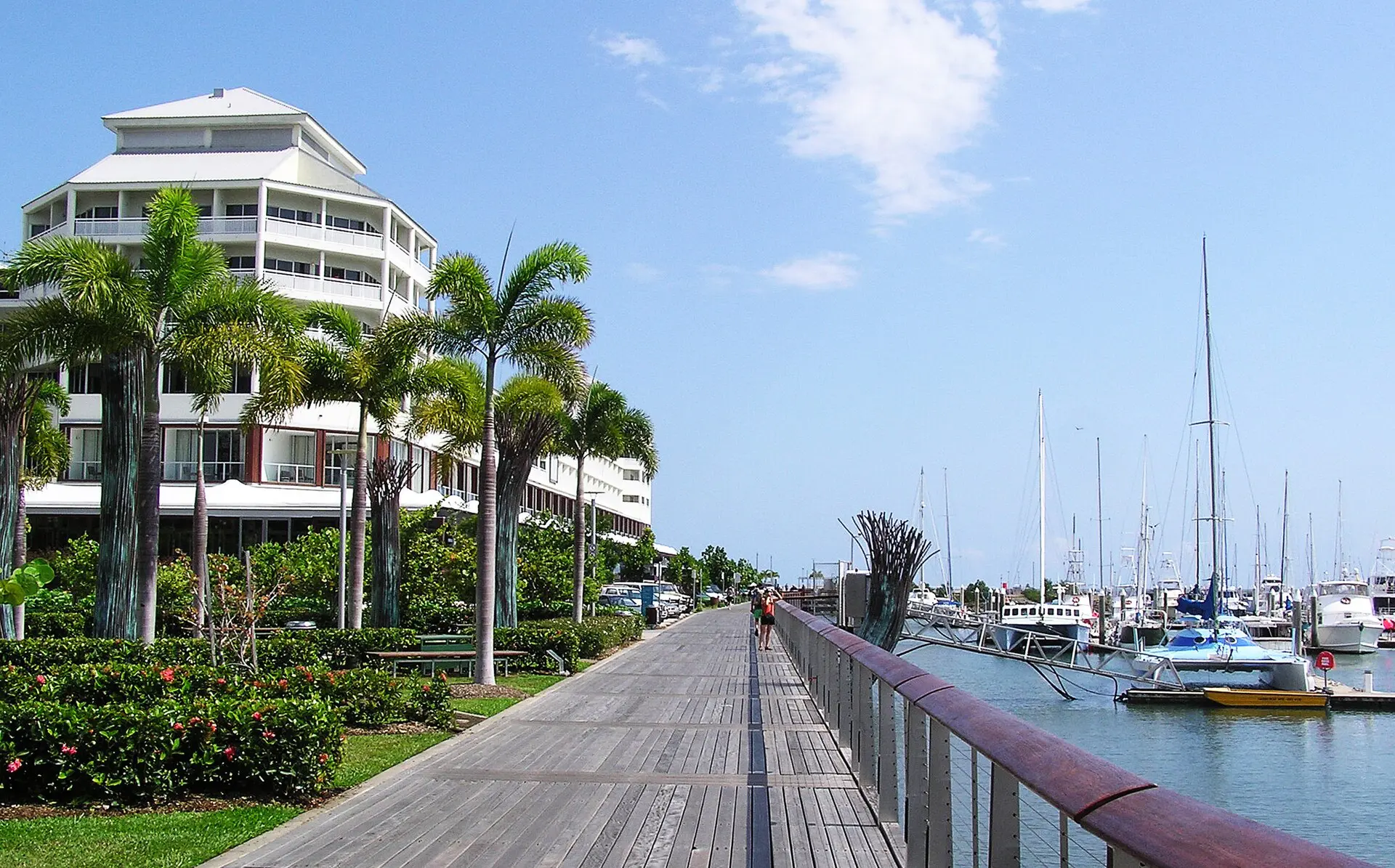
Why visit Cairns
People searching for things to do in Cairns are usually after one thing: the Great Barrier Reef. The city sits on the tropical northeast coast of Far North Queensland and has become one of Australia’s main tourism hubs, with an international airport, a cruise terminal and a long line of operators selling reef and rainforest trips.
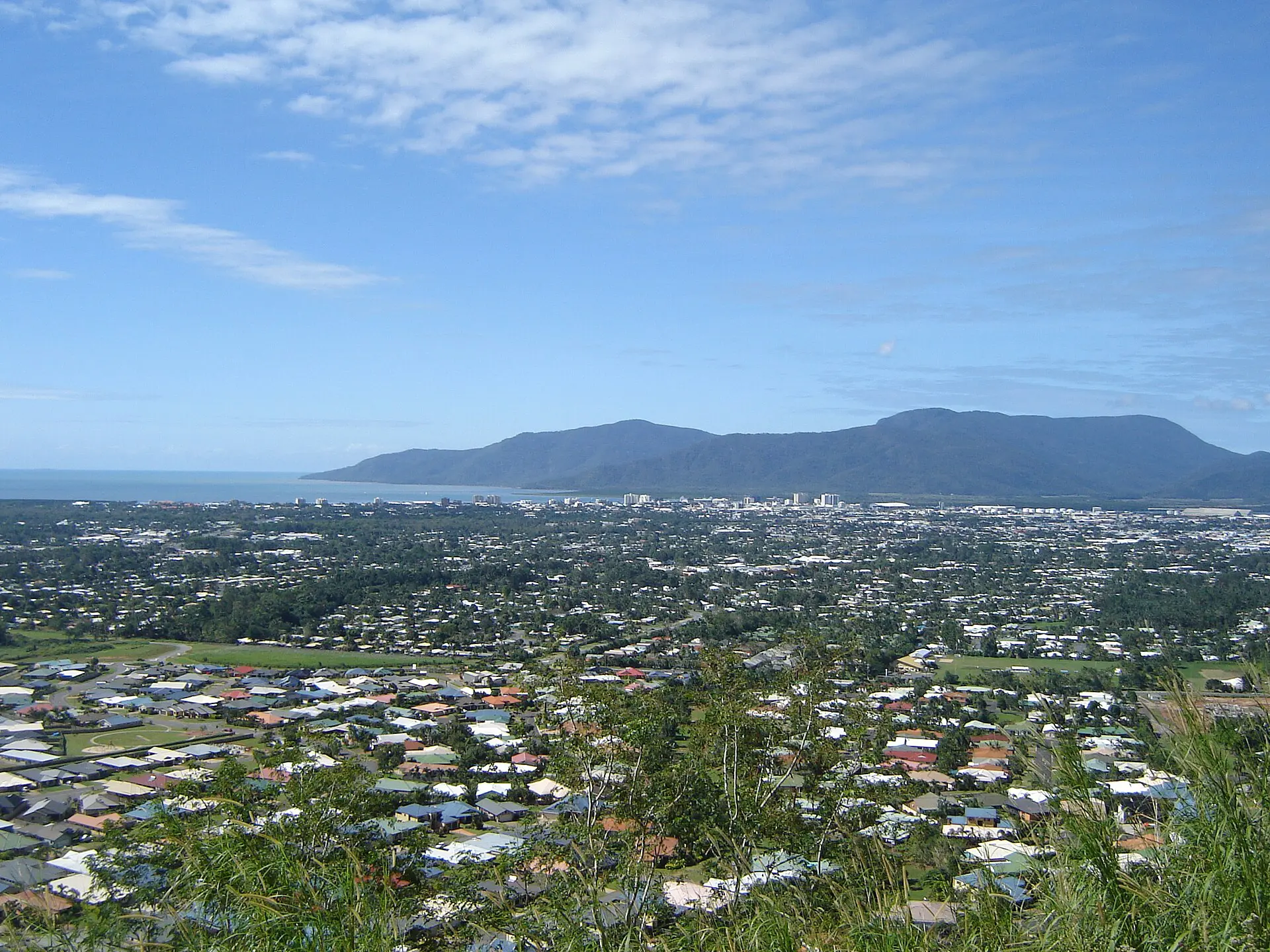
Cairns itself is modest. The city has little beyond tour agencies, restaurants, cafes and backpacker bars, and a long esplanade facing the tidal flats. What makes it valuable is access. Two World Heritage sites, the reef and the Daintree Rainforest, are within day-trip range, along with waterfalls, tablelands and the scenic village of Kuranda.
Treat it as a launch pad: book your main trips early, then use the rest of your time for swimming, markets and slow evenings.
Top things to do in Cairns
Great Barrier Reef day trip
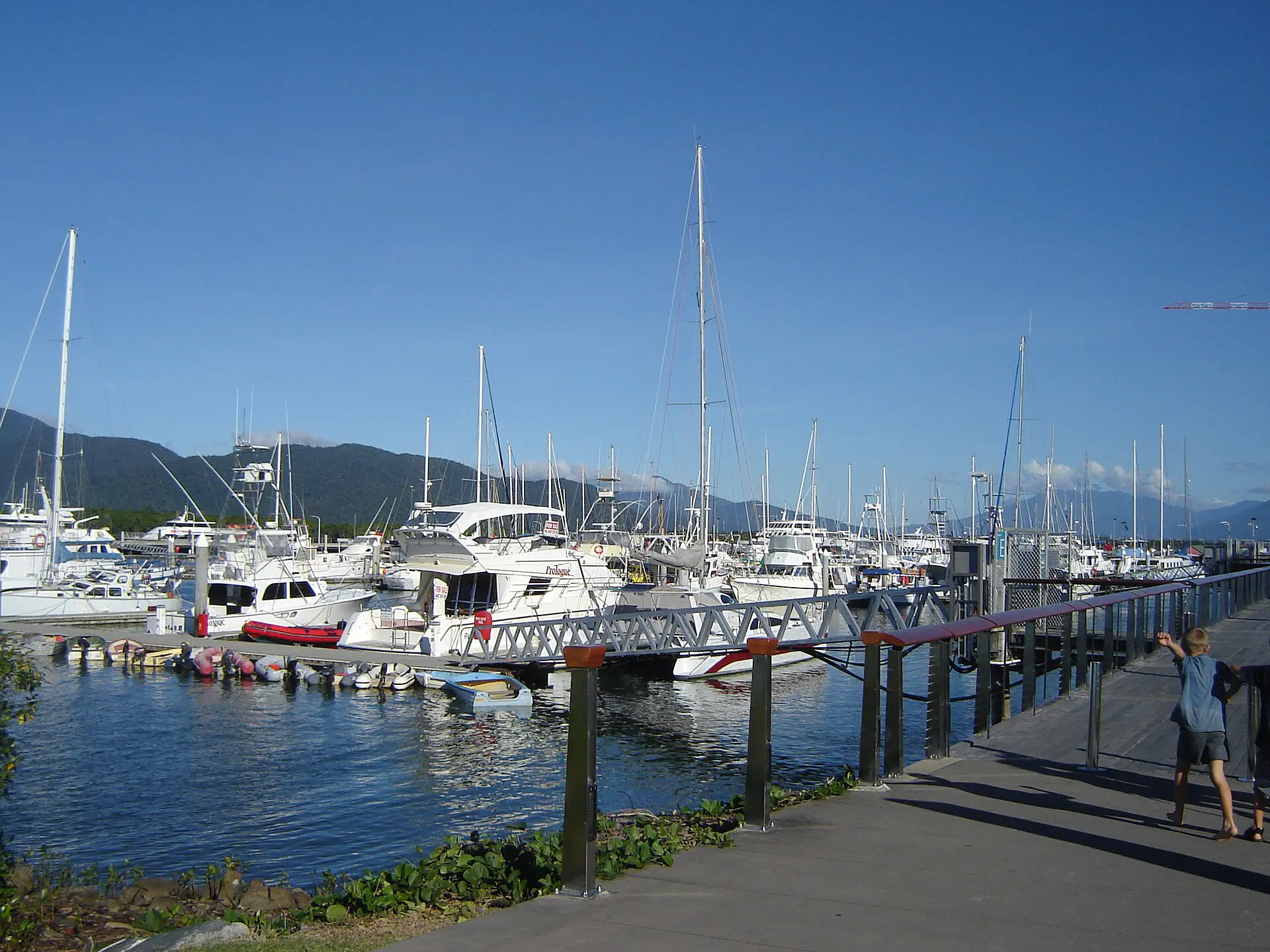
Boats leave from the Cairns marina for outer-reef pontoons and sandy cays, where you can snorkel, dive or look through glass-bottom windows. Plan a full day. Book ahead in busy months, pack reef-safe sunscreen, and consider a stinger suit, which is commonly advised in the warmer months.
Daintree Rainforest
The ancient rainforest north of the city is usually visited on a long day tour or a self-drive. Expect boardwalks, river cruises, beaches and wildlife spotting. Allow a full day. Wear walking shoes, bring insect repellent, and respect crocodile warning signs near water.
Kuranda Scenic Railway and Skyrail
Kuranda is a village in the rainforest above Cairns, reached by a historic railway, a cable-car style gondola over the canopy, or by road. Many visitors go up one way and return the other. Allow most of a day and book popular departures ahead.
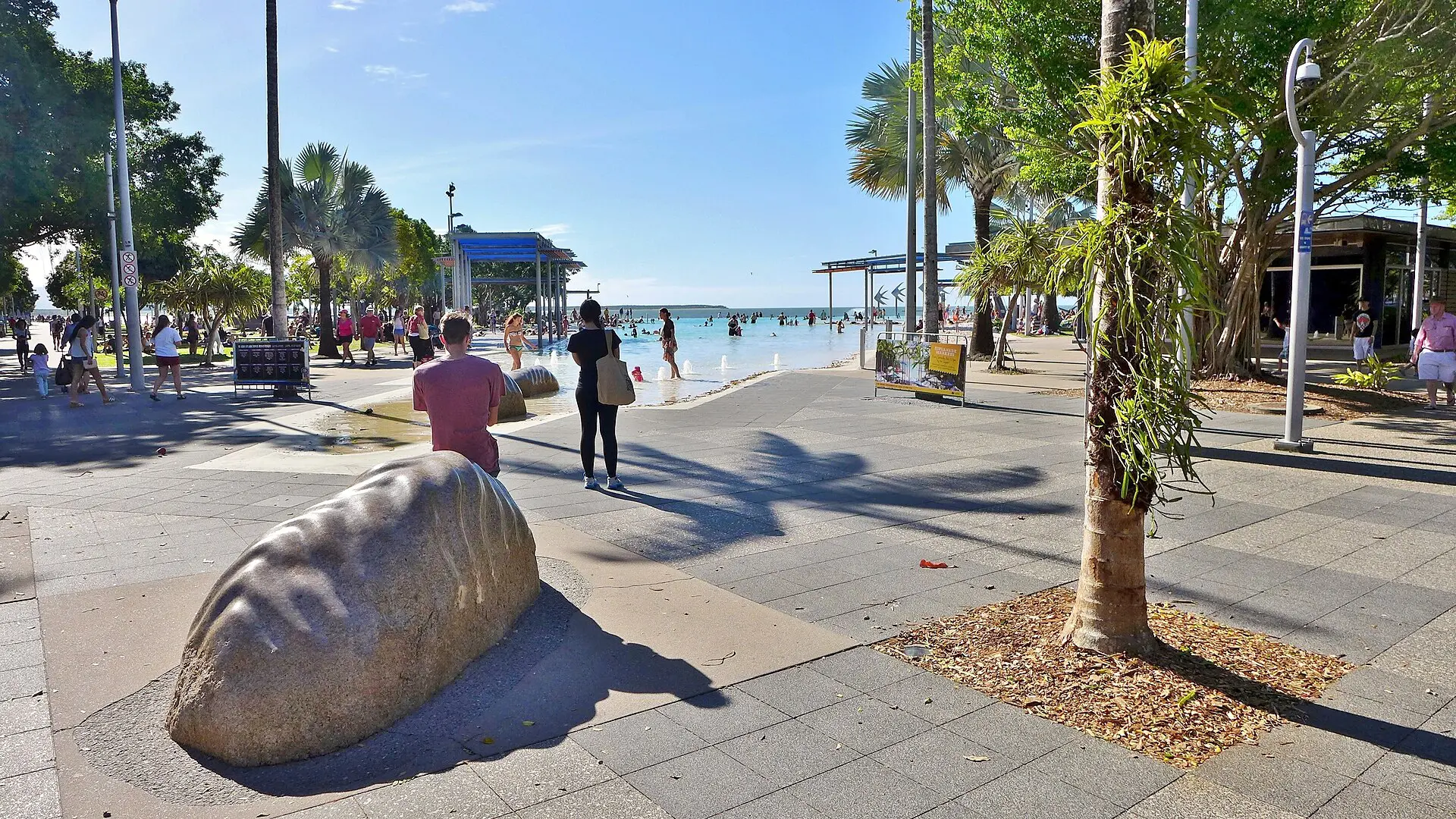
Cairns Esplanade Lagoon
The free saltwater lagoon on the waterfront is a safe place to swim and cool off, since the sea can have stingers and crocodiles. It is also a good place to watch the evening light and shorebirds on the mudflats. An hour or two is plenty.
Atherton Tablelands
Inland from the coast, cooler uplands bring waterfalls, volcanic crater lakes, farms and small towns. A self-drive loop is the easiest approach. Allow a full day, start early, and check fuel and road conditions before you leave.
Cairns night markets and dining
Markets and restaurants around the centre serve seafood, tropical fruit and food from many cuisines, aimed at the steady stream of visitors. Wander in the evening, compare menus before you sit down, and book ahead on weekends.
Best time to visit Cairns
The tropical climate means two main seasons. The dry season, roughly May to October, brings sunny days, lower humidity and calmer seas, which suits reef trips and the Daintree. It is also the busiest and most expensive period.
The wet season, around November to April, is hot and humid with heavy rain, and the warmer months can bring cyclones. Stinger jellyfish are more of a concern, so reef operators supply protective suits. Roads in the rainforest can be affected after heavy rain, and prices are usually lower. Always check forecasts and operator notices before booking.
| Season | Weather | Crowds and prices |
|---|---|---|
| May to October | Warm, dry, lower humidity | Busiest, higher prices |
| November to April | Hot, humid, heavy rain, cyclone risk | Quieter, cheaper, some tours affected |
How to get to Cairns and around
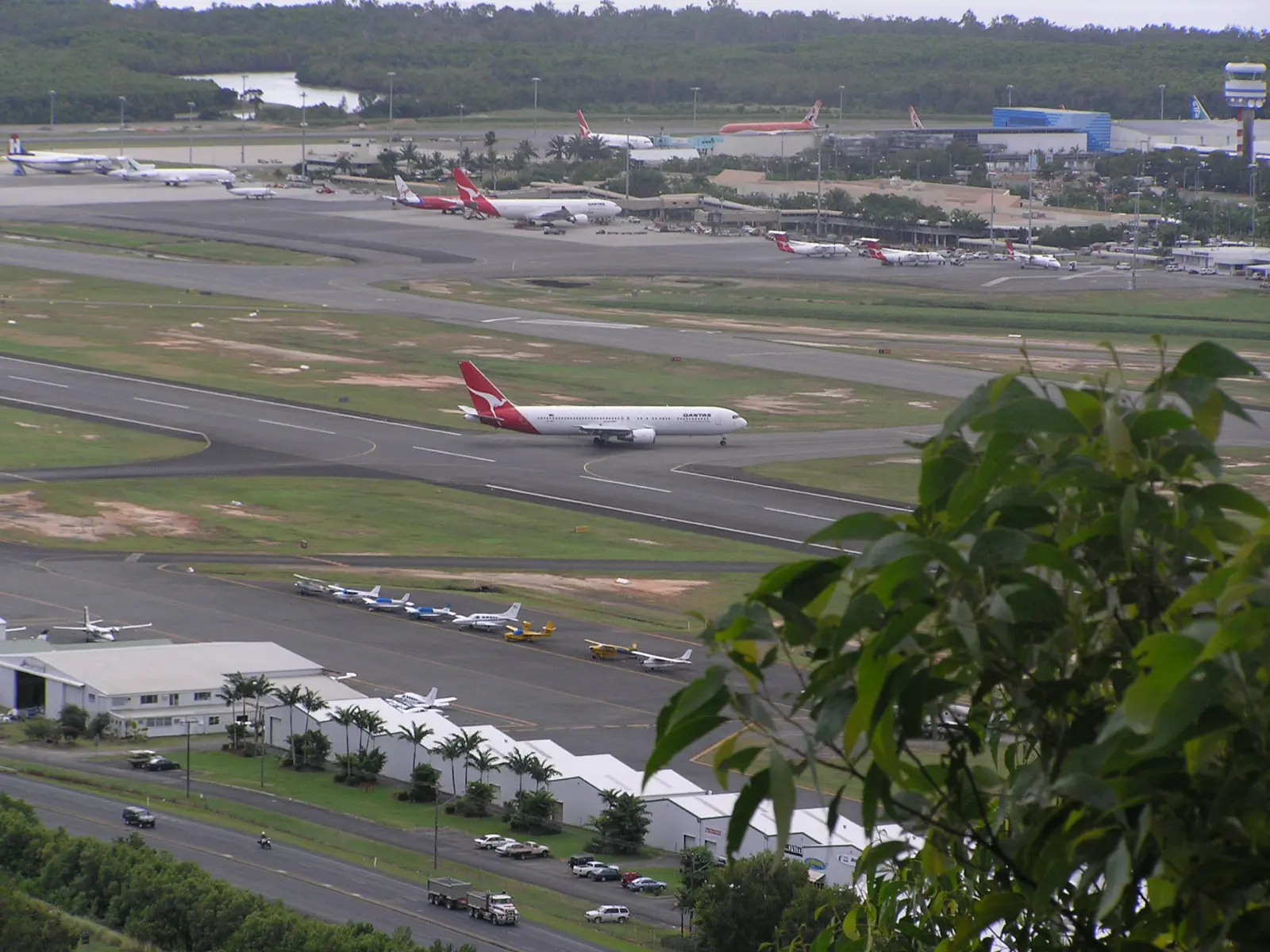
Cairns International Airport is one of Australia’s busier airports and handles direct flights from major Australian cities, with some international connections. It lies a short drive from the city centre, and taxis, ride-hailing and shuttle buses run between the two. Check current routes before booking.
The central area is flat and compact enough for walking, and many reef and rainforest operators pick up from hotels. Local buses cover the northern beaches and suburbs. For the Atherton Tablelands or the Daintree on your own schedule, hire a car, and note that distances are long and wildlife often crosses rural roads at dusk. Many visitors also drive north to Port Douglas, which is about an hour away on a scenic coastal road.
Where to stay in Cairns
The city centre and the Esplanade are the practical choice for most visitors. You can walk to restaurants, the lagoon and the marina where reef boats leave, and tour pick-ups are simple. Options here range from backpacker hostels to larger hotels and apartments.
The northern beaches, a short drive north of the centre, suit travellers who want a quieter, beach-facing stay and are happy to use a car or shuttle bus for dinners and tours. Resort-style accommodation is common there.
If your main goal is the rainforest, consider spending a night or two in Port Douglas or in the Daintree area, which saves long drives. Book early for the dry season and for school holidays, and check cancellation terms during cyclone season.
How many days do you need?
Three days gives you the reef, the rainforest and a spare day for rest or the tablelands. Two days is possible if you choose only the reef and one rainforest or Kuranda trip. Four or more suits divers, families and anyone adding Port Douglas or the Tablelands.
- Day 1: Full-day Great Barrier Reef trip from the marina, then a relaxed dinner near the Esplanade.
- Day 2: Daintree Rainforest tour or self-drive, with a river cruise or boardwalk walk.
- Day 3: Kuranda by train and gondola, markets and village stops, then an evening swim in the lagoon.
Day trips and nearby
Port Douglas
This relaxed resort town north of Cairns has a long beach, a marina and its own reef departures. It makes an easy half-day drive or an overnight stay if you want to be closer to the Daintree. Check road conditions in the wet season.
Cape Tribulation
North of the Daintree River, this area is where rainforest meets the coast. It is usually reached by a long day tour or by overnighting in the region. Expect walking tracks, beaches and wildlife.
Kuranda
A rainforest village in the hills behind Cairns, known for its markets, wildlife parks and the journey up by railway or gondola. Allow most of a day, and book popular departures ahead.
Atherton Tablelands
Cooler farmland, waterfalls and crater lakes lie inland. A hire car is the easiest way to see several stops in one day, and early starts help you avoid heat and traffic.
FAQ
Q1When is the best time to visit Cairns?
The dry season from around May to October offers sunnier weather and calmer seas, which suits reef and rainforest trips. It is also the busiest period with higher prices. The wetter months are hotter and more humid, with some weather disruption.
Q2How many days do you need in Cairns?
Three days works for most travellers, covering a Great Barrier Reef trip, a Daintree or Kuranda day and one flexible day. Two days is enough for the basics, and four or five suits divers or those adding Port Douglas.
Q3How do you get to Cairns?
Most visitors fly into Cairns International Airport, which is close to the centre and has domestic services from major Australian cities plus some international flights. Check current routes. Taxis, ride-hailing and shuttles run into town.
Q4Is Cairns expensive?
Cairns can be pricey, especially in the dry season. Reef trips and hotels are the main costs, while cafes and markets are more affordable. A mid-range traveller might plan on roughly AUD 180-350 per day, though prices vary, so check before you book.
Prices, schedules and entry rules change. Check current details with official sources before you travel. Read the Australia travel guide.