Why visit Gold Coast
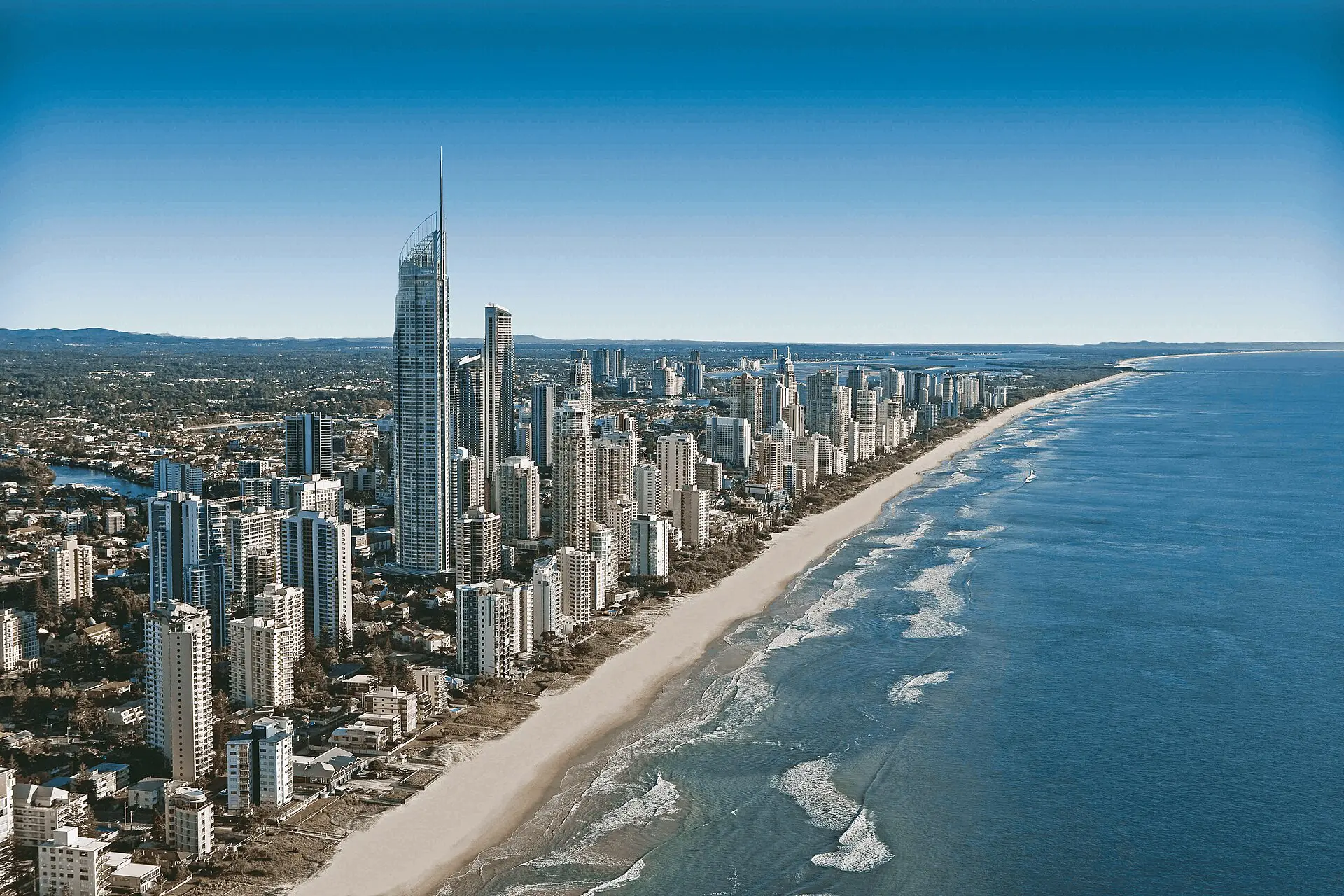
If you are searching for things to do in Gold Coast, start with the shape of the place. It is a coastal city of roughly 700,000 people, about 66 km south-southeast of Brisbane, stretched along 60 to 70 km of Pacific beaches. Most visitors see a thin line of high-rise towers beside endless sand, but the city also reaches inland to the hills of the Scenic Rim.
That mix is the appeal. You can surf or swim in the morning, spend an afternoon at a theme park, and walk through subtropical rainforest the next day without changing hotels. It is Queensland’s second-largest city and Australia’s most populous non-capital city, so food, transport and accommodation are plentiful. The trade-off is that it feels like a resort strip, with heavy development and busy summer weekends. If you want quiet, head to the hinterland or the southern beaches.
Top things to do in Gold Coast
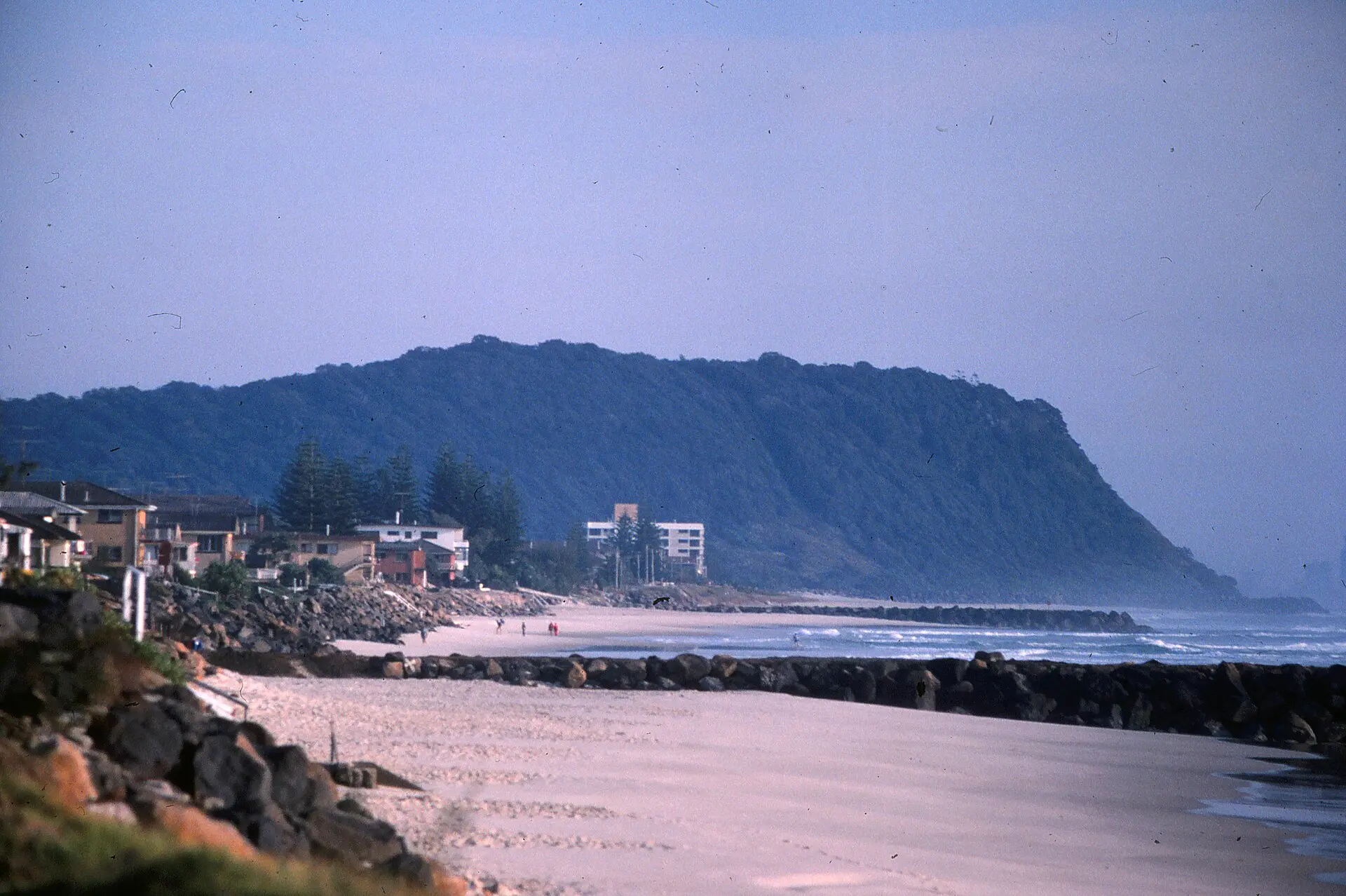
Surf and swim the main beaches
The beaches are the reason most people come. Patrolled stretches have lifeguards and flags, and you should swim only between the red and yellow flags because rips are common. Allow a half day for the beach, longer if you take a surf lesson. Go early in summer for softer light and fewer crowds, and bring sun protection, since the Queensland sun is strong even on cloudy days.
Spend a day at a theme park
The Gold Coast is known for its theme parks, which cluster in the northern part of the city. Rides, water parks and animal encounters are the main draws, and a full day is the realistic minimum for any of them. Buy tickets online ahead of time, check current prices and opening hours, and arrive at opening to avoid the longest queues during school holidays.
Walk the hinterland rainforest
Inland, the Scenic Rim hills offer rainforest walks, waterfalls and lookouts that feel far from the beach. Plan a half to full day, and take a car or join a tour, because public transport into the hills is limited. Wear sturdy shoes, carry water, and check track conditions after heavy rain, when paths can close.
Take in the skyline from the main beachfront
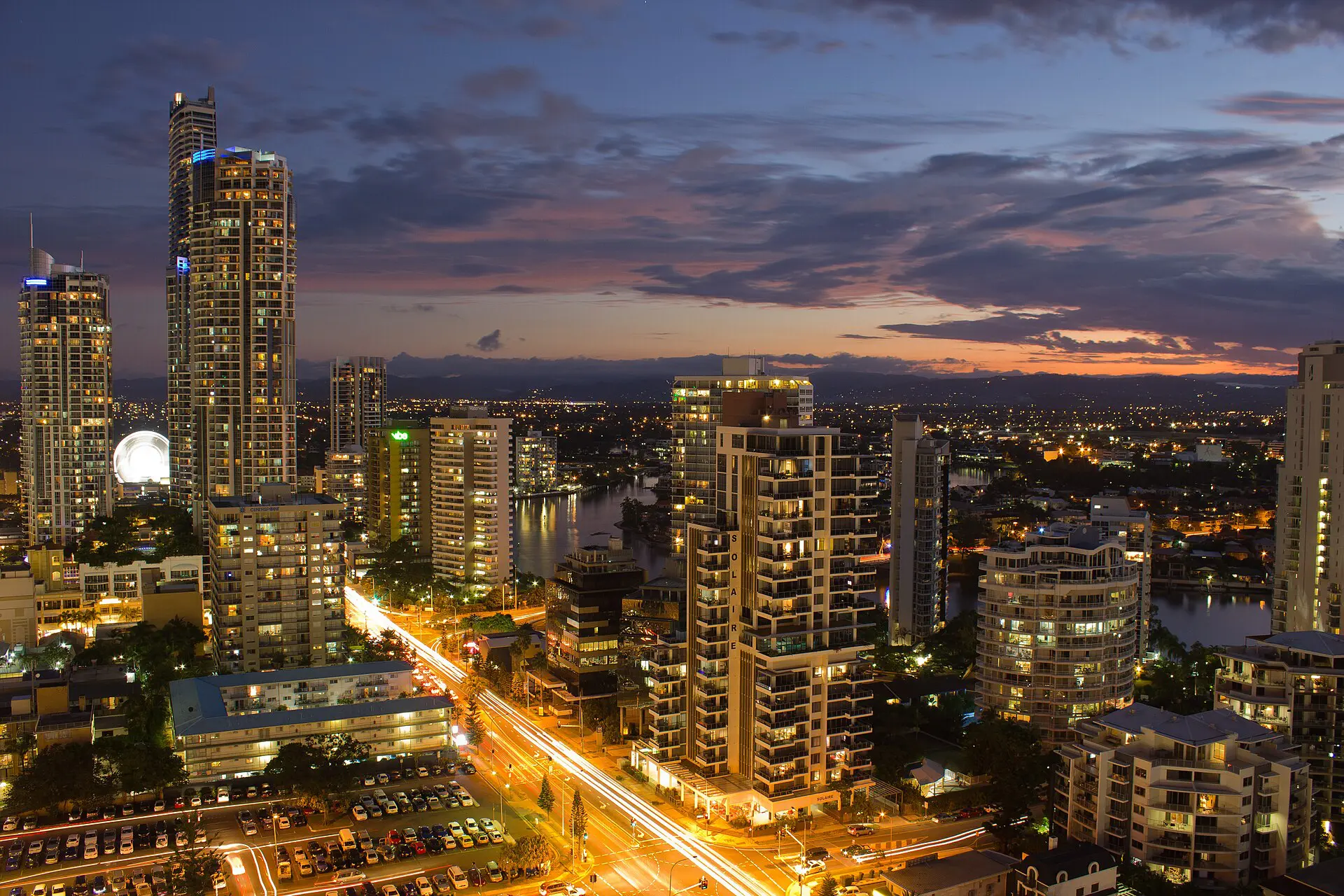
The northern hub of the strip is the busiest part of the city, with towers, shops, restaurants and nightlife. You do not need long here: an hour or two of walking the beachfront promenade at sunset gives you the classic skyline view. Evenings are livelier than days, so go after dark if you want to see the area at full tilt.
Ride the light rail
The tram line runs along the coast and links many of the main areas, making it an easy way to see the length of the strip without a car. Allow an hour for a full ride end to end. Check the current fares and buy a travel card in advance, since single tickets cost more than card fares.
Visit the southern beaches
The southern end near the New South Wales border is quieter and more local in feel, with surf breaks and a relaxed café scene. Allow a half day. Parking can be tight on sunny weekends, so arrive early or use public transport.
Try the wildlife sanctuaries
Several sanctuaries around the city let you see native animals such as koalas and kangaroos up close. Plan two to three hours and check current opening times and ticket prices. Go in the morning when animals are usually more active, and keep a respectful distance from wildlife in the wild.
Best time to visit Gold Coast
The city has a warm subtropical climate, with warm weather year-round. The practical choice is between hot, humid summer and milder, drier months.
| Season | Weather | Crowds and prices |
|---|---|---|
| Summer (December to February) | Hot, humid, storms possible | Busiest, highest prices, school holidays |
| Autumn (March to May) | Warm, more settled | Quieter, good value |
| Winter (June to August) | Mild, sunny days, cooler nights | Moderate, school holidays in July |
| Spring (September to November) | Warming up | Quiet until late spring |
For most travellers, April to October gives comfortable weather for walking and sightseeing. Swim in summer if you love heat, but book early and expect crowds. Schoolies Week, in November, brings large groups of school leavers to the main strip, so avoid it if you want a calm stay.
How to get to Gold Coast and around
The nearest airport is Gold Coast Airport at Coolangatta, in the south of the city, with domestic flights and some international services. Many international visitors instead fly into Brisbane and continue by road or rail, roughly an hour away depending on traffic. Check current train and shuttle options between Brisbane Airport and the coast before you book.

Once there, a car gives the most freedom, especially for the hinterland and the theme parks. If you stay near the coast, the light rail, buses and ride-hailing cover most trips. The city is long, so choose a base near the area you will use most: distances between the north and south ends add up quickly. Walking works well within each beachfront district, and many hotels sit within a short stroll of the sand. Ride-share is usually easy in the main areas, though prices rise at busy times.
Where to stay in Gold Coast
The central towers around the main beachfront suit first-time visitors and families who want shops, restaurants, the light rail and nightlife on the doorstep. Expect large apartment-style buildings and a busy evening scene.

Broadbeach and the nearby central suburbs are a good middle ground, with a dining scene, a calmer feel and easy tram access. They suit couples and travellers who want comfort without the noisiest nightlife.
The southern beaches around Coolangatta and neighbouring suburbs suit surfers, long stays and anyone who wants a quieter local atmosphere. They are also handy for the airport.
The hills inland suit walkers and people who prefer a rural stay with rainforest around them, though you will need a car. Book early for summer and school holidays.
How many days do you need?
Three to four days is a good fit for most visitors. Two days is enough for a quick beach and theme park trip, while a week lets you add the hinterland and slower beach time. Here is a short plan.
- Day 1: Beach morning, a walk along the central promenade, then the skyline at sunset.
- Day 2: A full theme park day, with tickets booked in advance.
- Day 3: Rainforest and waterfall walking in the hinterland, with a drive or tour.
Add a fourth day for the southern beaches or a wildlife sanctuary. If you are travelling with children, allow slower days between the busy ones.
Day trips and nearby
Brisbane
Queensland’s capital sits about 66 km north and works well as a day trip or as the start of your trip. Expect galleries, riverside walks and a larger food scene than on the coast. Allow a full day, and check train and road times before you leave.
Byron Bay
Just across the border in New South Wales, Byron Bay is known for its beaches and relaxed town centre. It is a long day by car, so consider staying a night, and check parking in advance because it fills up in peak season.
Scenic Rim hinterland
The hills behind the city offer lookouts, rainforest tracks and small country towns. A day is enough for one or two walks. Go with a car or a guided tour, and check weather and track conditions before you set out.
FAQ
Q1When is the best time to visit the Gold Coast?
April to October is the most comfortable period, with mild, mostly sunny weather and smaller crowds than summer. Summer is hot and humid with storms and the highest prices, and school holidays and Schoolies Week in November can be very busy. Check dates before booking.
Q2How many days do you need on the Gold Coast?
Three to four days covers beaches, one theme park day and a hinterland trip without rushing. Two days works for a short break if you focus on the coast. A week suits families, surfers and anyone who wants slower beach time.
Q3How do you get to the Gold Coast?
Fly into Gold Coast Airport at Coolangatta, or into Brisbane and continue by train, shuttle or car, which takes roughly an hour depending on traffic. A car is useful for the hinterland, but the light rail covers much of the coastal strip.
Q4Is the Gold Coast expensive?
It can be, especially in summer and school holidays, when accommodation and theme park tickets cost more. Visiting outside peak periods, booking tickets online and staying in apartments with kitchens can lower costs. Check current prices before you go, as they change.
Prices, schedules and entry rules change. Check current details with official sources before you travel. Read the Australia travel guide.