Why visit Adelaide
If you are searching for things to do in Adelaide, start with the way the city is laid out. It is the capital of South Australia, planned in 1836 by Colonel William Light, and the centre sits on a tidy grid with wide, tree-lined streets, six squares and a ring of parklands around it. That makes it one of the easiest Australian cities to explore on foot.
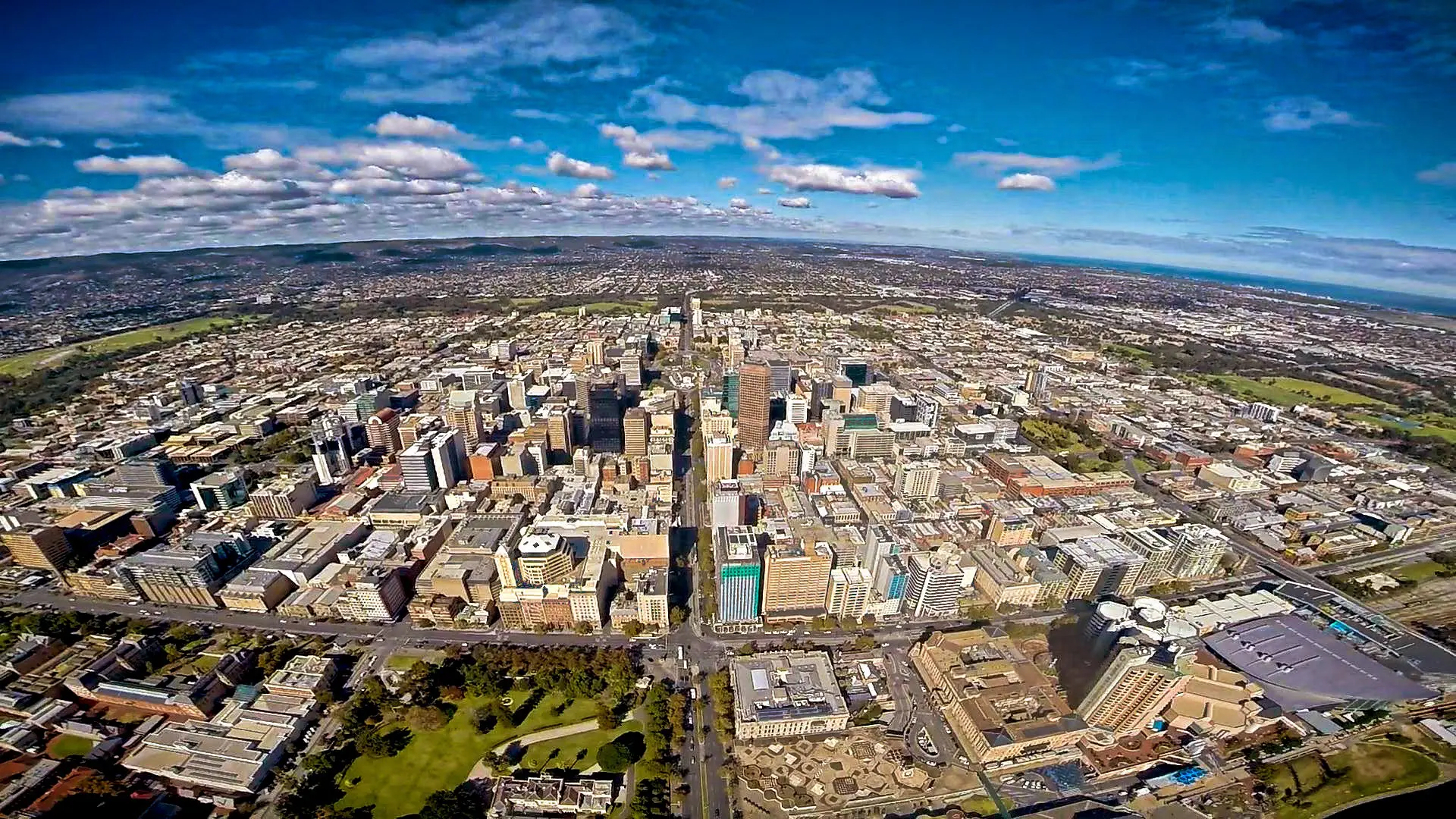
The appeal is in the details rather than a single headline sight. There is a big covered food market, a long list of festivals, a coastline of gentle beaches on Gulf St Vincent, and the Adelaide Hills rising to the east. Several well-known wine regions, including the Barossa Valley, Clare Valley, McLaren Vale and the Adelaide Hills, can be reached on day trips.
The city is traditionally known as the City of Churches, and much of the inner-city architecture dates from the colonial era. It is not a place that tries to impress in a hurry, and it rarely feels crowded.
The traditional owners of the area are the Kaurna people, who call the city centre and its parklands Tarndanya.
Top things to do in Adelaide
Adelaide Central Market
The covered market in the middle of the city is the obvious first stop for food. Expect produce, cheese, coffee, bakeries and stalls selling ready-to-eat meals from many cuisines. Allow one to two hours. Go in the morning for the best choice, and check opening days before you go, as the market does not trade every day of the week.
Rundle Mall and the city squares
Rundle Mall is the main pedestrian shopping street, with arcades and side lanes of cafes and small bars running off it. The six squares, including Victoria Square, are good places to pause. Give it an hour or two on foot, and use it as a base for wandering between museums and the river.
North Terrace cultural precinct
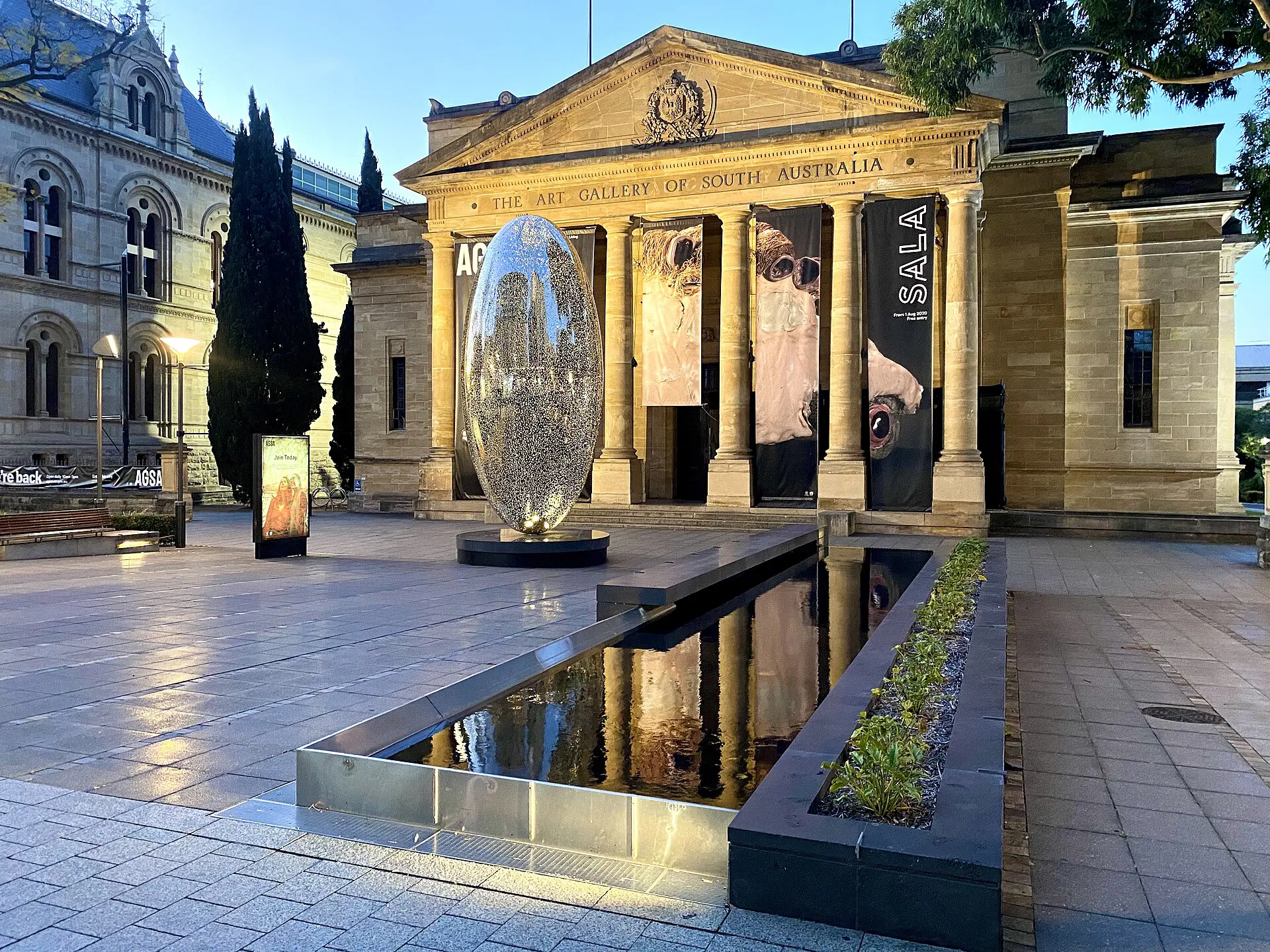
North Terrace holds several of the city’s major institutions, among them the art gallery, the state museum and the state library, many in grand 19th-century buildings. Most are free to enter, though special exhibitions usually charge. Pick one or two rather than trying everything, and plan around 90 minutes each.
River Torrens and Elder Park
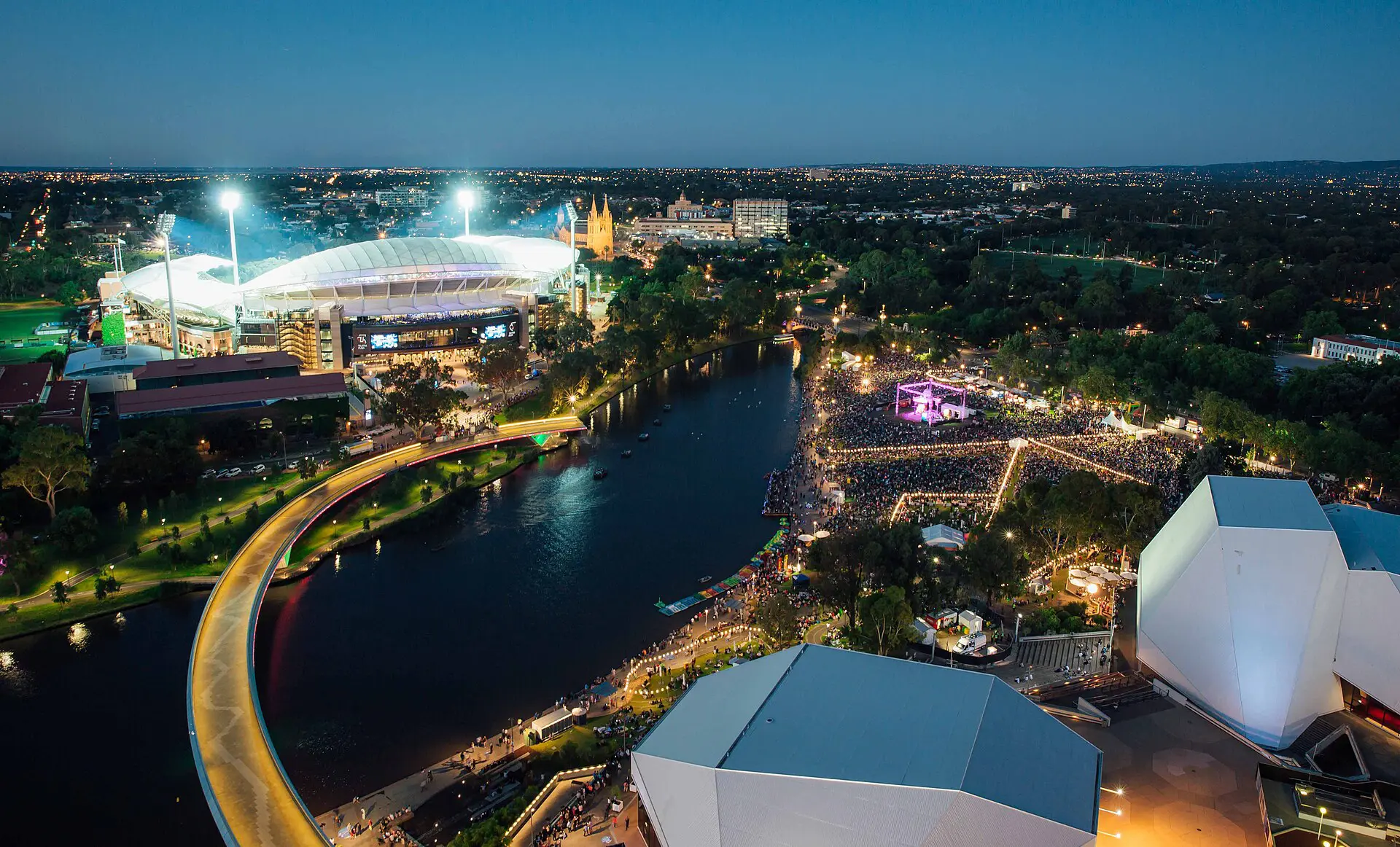
The river runs through the parklands just north of the centre, with paths, lawns and bridges. It is a pleasant place for a walk or a picnic, and it is close to the festival and convention areas. Allow an hour, longer if you follow the linear path along the water towards the suburbs.
Glenelg beach
Glenelg is the classic seaside suburb on Gulf St Vincent, with a long sandy beach and a jetty. A tram line links it with the city centre, which makes it an easy half-day. Swim in summer, but heed lifeguard flags and sun warnings, and take sunscreen and a hat in any season.
Adelaide Hills villages
The cooler hills east of the city have small towns, cellar doors, bakeries and walking tracks. You can do a loop in half a day or a full day with a car. If you plan to taste wine, arrange a designated driver or a guided tour in advance.
Adelaide Oval and sport
The oval is one of Australia’s best-known sports grounds, used for cricket and Australian rules football. Check the fixture list before you go, since match days change transport and crowds in the area. If there is no game on, you can look at the surroundings and the nearby river walk.
Best time to visit Adelaide
Adelaide has a Mediterranean-style climate, so the seasons are the reverse of the northern hemisphere. Summer (December to February) can be hot and dry, with occasional heatwaves, so plan outdoor time for the morning and evening. Autumn (March to May) is mild and settled, and it is often the most comfortable time to visit. Winter (June to August) is cooler and wetter, but rarely harsh. Spring (September to November) brings flowers in the hills and pleasant temperatures.
Events such as major festivals and sporting fixtures raise prices and fill rooms, especially in late winter and early autumn, so book ahead if your dates are fixed.
| Season | Weather | Crowds and prices |
|---|---|---|
| Summer | Hot, dry, sometimes very hot | Busy beaches, higher prices on festival weekends |
| Autumn | Mild and sunny | Moderate; busy during major events |
| Winter | Cool and rainy spells | Quieter, better deals |
| Spring | Warm, changeable | Moderate, rising towards summer |
How to get to Adelaide and around
Most visitors arrive by air. Adelaide Airport has frequent domestic services from the other Australian capitals and some international connections. The airport is close to the centre, and taxis, ride-share and a regular bus run into town. Check the current options when you land.
Long-distance coaches and trains also link Adelaide with other states, but distances in Australia are large, so flying is usually quicker. Driving from Melbourne is possible but takes most of a day or more.
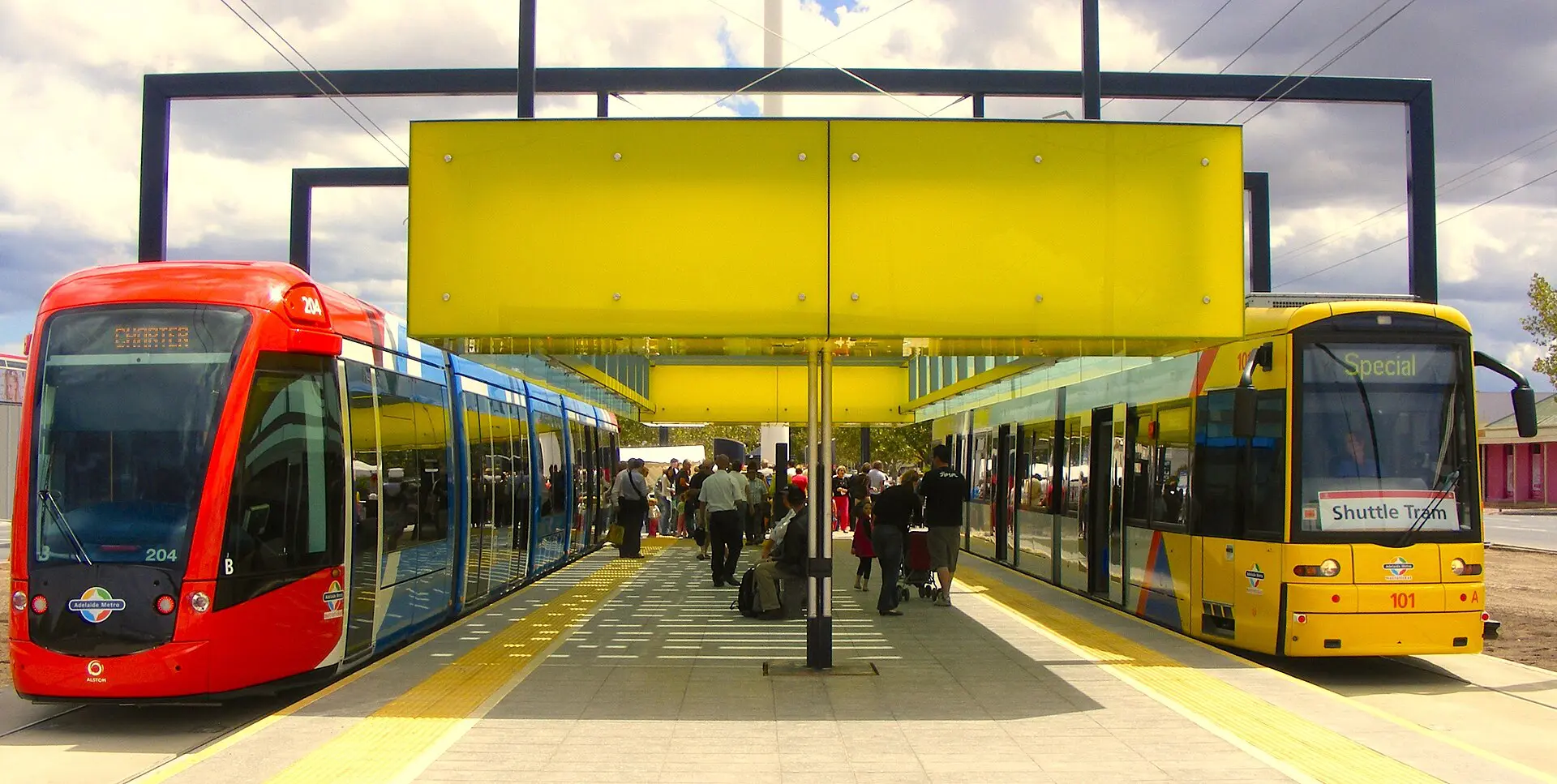
Inside the city, the centre is flat and walkable. A tram runs through the middle of town and out to Glenelg, and buses and suburban trains cover the rest. Public transport uses a stored-value card or contactless payment, so check the current fare system before you travel. For the Hills, wine regions and the coast beyond, a rental car or a guided tour is the simplest option.
Where to stay in Adelaide
The city centre is the most convenient base for a first visit. It puts you within walking distance of the market, Rundle Mall and North Terrace, and public transport radiates from it. Choose it if you want restaurants and bars close by and plan to leave the car at home.
Glenelg suits travellers who want the beach and a more relaxed evening, with a direct tram back into town. It works well for families and for summer stays.
The inner suburbs near the parklands, such as the streets around the main eating areas, offer quieter guesthouses and apartments, and are good for stays of several nights.
If your main goal is wine, you can also base yourself in the Adelaide Hills or in one of the wine regions, but you will need a car or a driver. Prices change with events, so compare dates.
How many days do you need?
Two full days is enough to see the best of the city, and three gives you room for the beach and the Hills. Add extra days if you want to take in a wine region or head out to Kangaroo Island, which are both better done as separate trips rather than rushed.
- Day 1: Central Market in the morning, North Terrace museums, a walk along the River Torrens, and dinner in the city.
- Day 2: Tram to Glenelg for the beach and jetty, then an evening in a bar or restaurant district.
- Day 3: Adelaide Hills villages and cellar doors, or a guided tour to a wine region.
Day trips and nearby
Barossa Valley
Barossa is one of Australia’s best-known wine regions, to the north of the city. It is possible on a long day trip by car or tour, with cellar doors, bakeries and small towns. Book tastings ahead and keep a driver sober.
McLaren Vale
South of the city, McLaren Vale combines vineyards with coastal views. It works well as a day trip by car, and it pairs nicely with the beaches of the Fleurieu Peninsula. Check cellar door hours before you set out.
Clare Valley
Clare Valley is further north and quieter than Barossa, with a reputation for riesling and a cycling trail. It is best for an overnight stay rather than a rushed day trip, as the drive is a few hours each way.
Kangaroo Island
Kangaroo Island is the main wildlife trip from Adelaide, reached by ferry or a short flight. It deserves at least two nights if you want to see its coast and animals. Book transport and accommodation ahead, particularly in summer.
FAQ
Q1When is the best time to visit Adelaide?
Autumn (March to May) and spring (September to November) are usually the most comfortable, with mild weather and plenty on. Summer is hot and good for the beach, while winter is cooler and quieter. Check festival dates, because they affect prices and bookings.
Q2How many days do you need in Adelaide?
Two to three days is enough for the city centre, the market, a beach day at Glenelg and a trip into the Hills. If you want to include a wine region or Kangaroo Island, allow four or five days in total.
Q3How do you get from Adelaide Airport to the city?
The airport is close to the centre, so the journey is short. Taxis, ride-share services and a regular bus are the usual options. Check the current services and fares on arrival, as they can change.
Q4Is Adelaide expensive?
Adelaide is generally seen as more affordable than Sydney or Melbourne, although Australia is not cheap overall. Expect mid-range travel to cost roughly AUD 180-320 per day, depending on accommodation and how much wine and dining you add. Prices rise during major events.
Prices, schedules and entry rules change. Check current details with official sources before you travel. Read the Australia travel guide.