Why visit Darwin
If you are looking for things to do in Darwin, start with its setting and its climate. The city is the capital of the Northern Territory and the smallest, wettest and most northerly of Australia’s capital cities, with a population of around 140,000. It sits on a low bluff over Darwin Harbour, with the Timor Sea to the west.
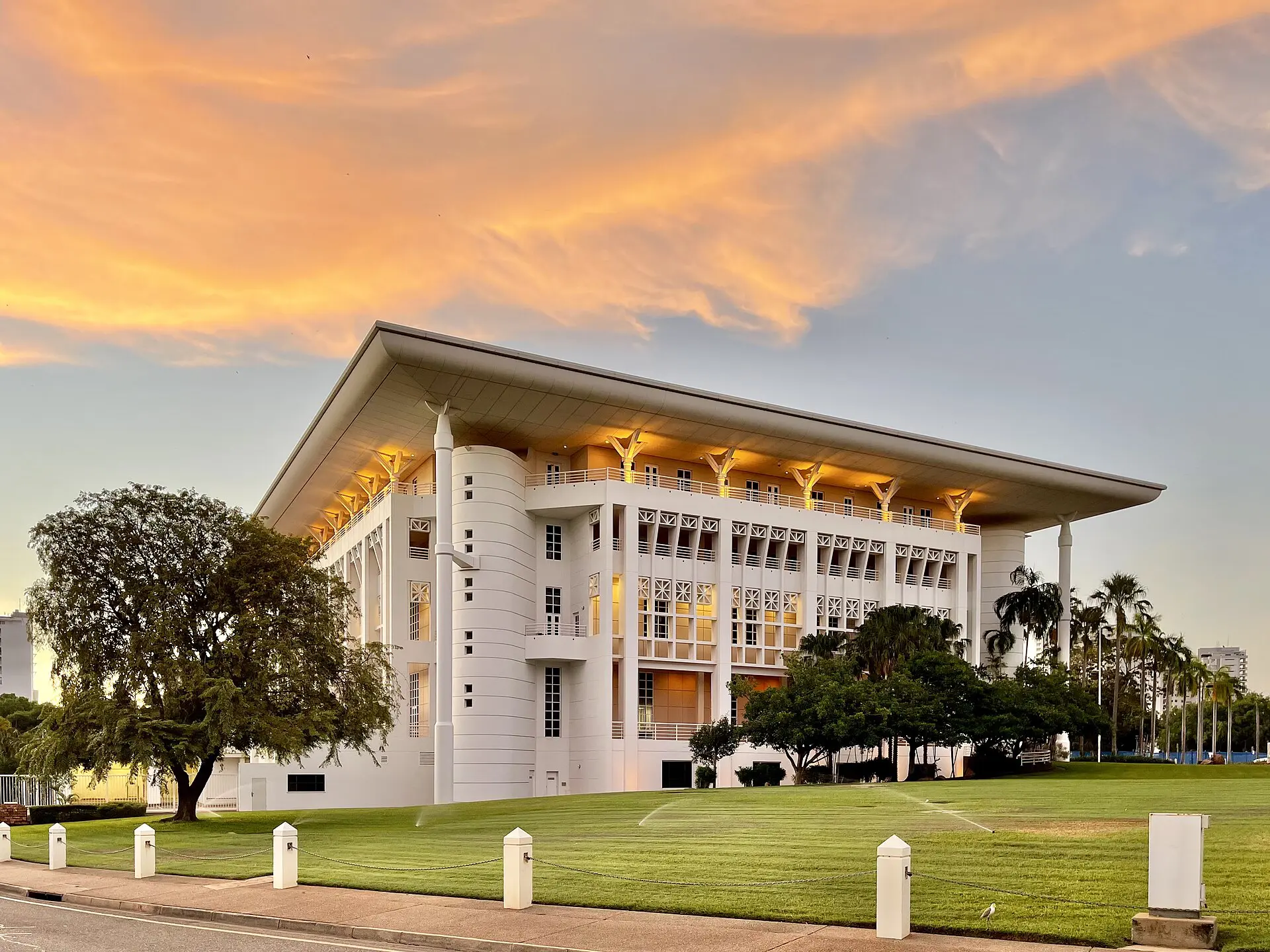
The city has a relaxed, outdoor feel and a multicultural character: people from more than 50 nations live here, and Asian-style markets are part of everyday life. Because of its position, it is also a link between Australia and Southeast Asia.
Darwin works well as a short stay with sunsets, markets and museums, and as the starting point for trips into the Top End, where national parks, waterfalls and wildlife are the main draw.
Top things to do in Darwin
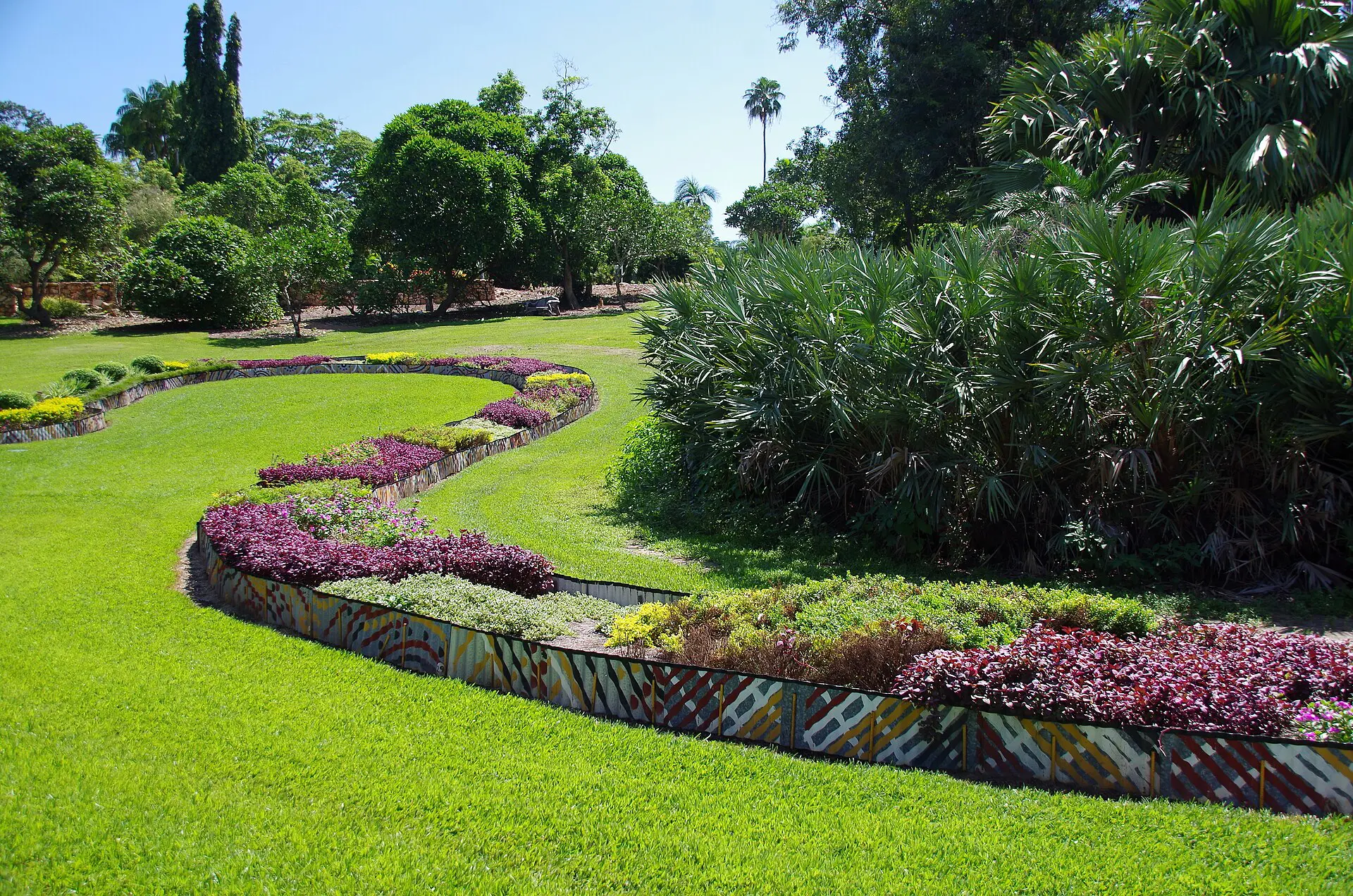
Mindil Beach Sunset Market
The best known of Darwin’s markets, with food stalls, crafts and live music near the beach. It generally runs in the dry season on set days, so check the schedule. Allow two to three hours, arrive early for a good spot and bring cash.
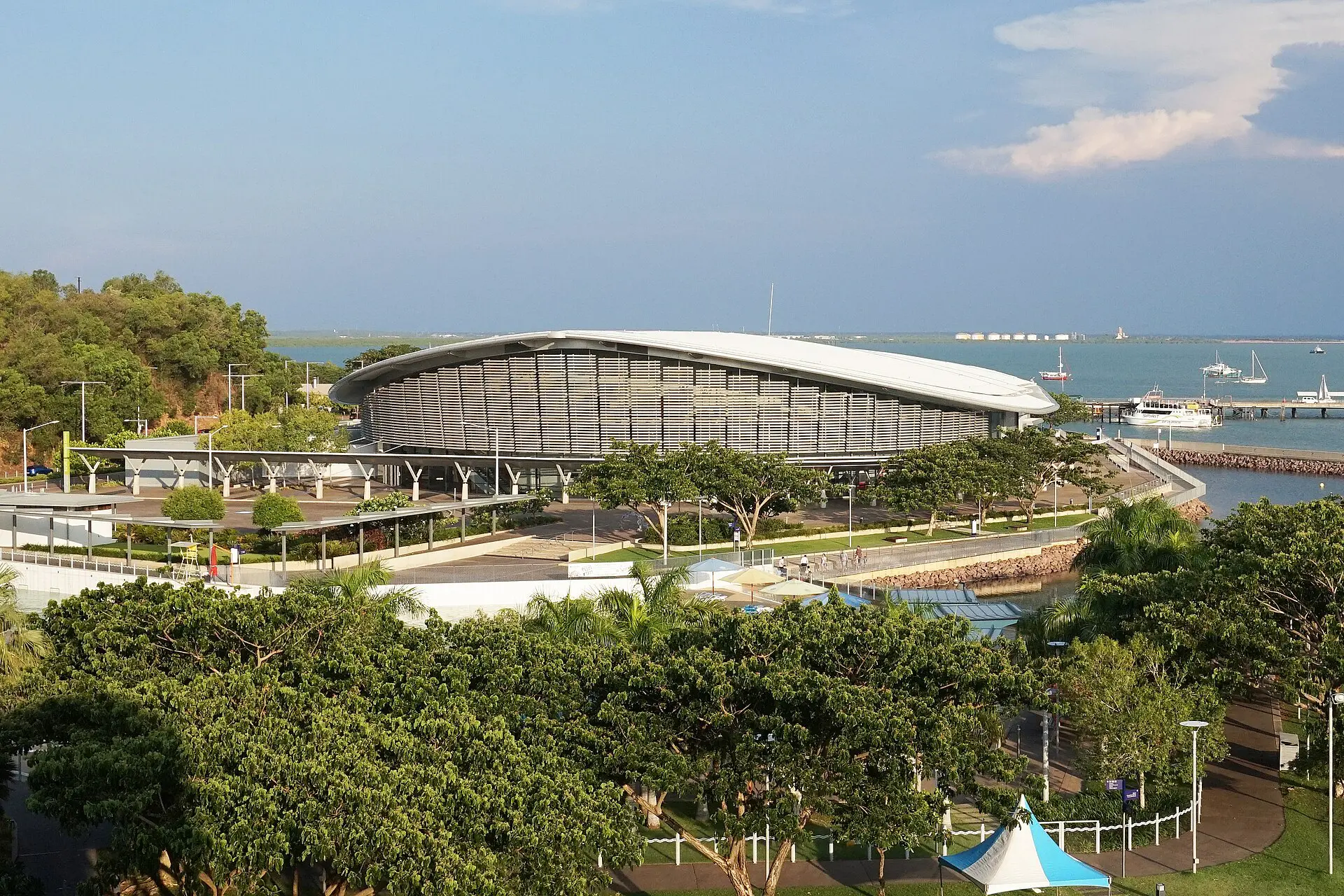
Darwin Waterfront
A harbour-side precinct with restaurants, a lagoon for swimming and walking paths. Plan one to two hours. It is a good place for an evening stroll, but be aware of heat and humidity in the middle of the day.
Museum and Art Gallery of the Northern Territory
The main museum covers regional natural history, Aboriginal art and the history of Cyclone Tracy. Plan one to two hours. It is a good wet-weather option, and entry details can change, so check before you go.
Wartime sights
Darwin has a strong wartime history, and several sites around the harbour explain the Second World War bombing raids. Plan one to two hours, and look for guided options. Check opening hours since some sites are seasonal.
Crocodile and wildlife attractions
Several attractions let you see saltwater crocodiles safely, in the city or nearby. Plan an hour or two. Never swim in unmarked water in the Top End, because crocodiles live in many rivers and coastal areas.
Sunset on the harbour
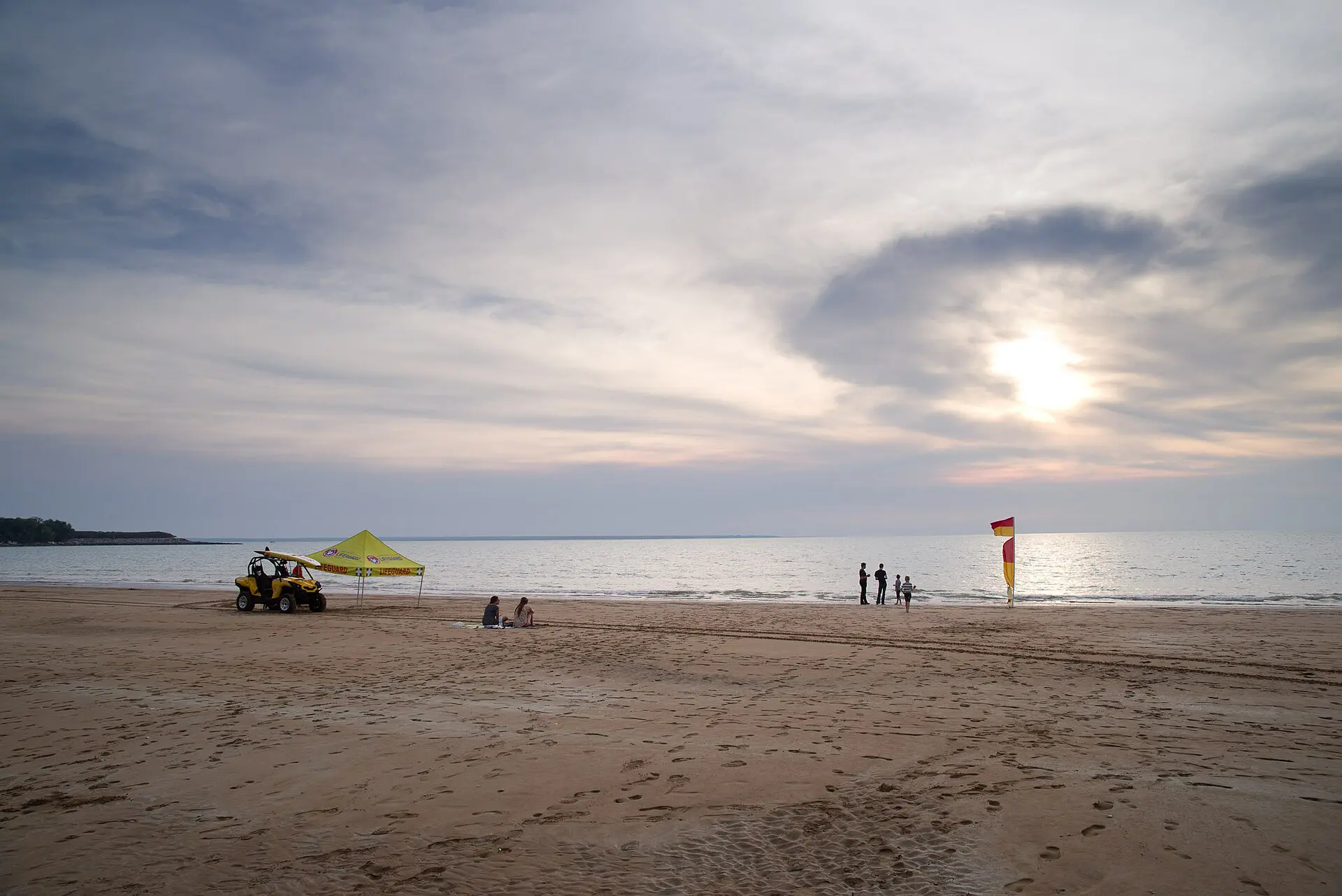
Sunset is a local ritual, and you can watch it from a beach, a waterfront bar or a harbour cruise. Plan around 90 minutes. Bring insect repellent in the evening, and check cruise times in advance.
Parap Village Market
A Saturday-morning market known for tropical fruit, laksa and cafes, popular with locals. Plan one to two hours, arrive early and check that it is running on the day you visit.
Best time to visit Darwin
Darwin has a tropical climate with two main seasons. The dry season, from about May to October, brings sunny, less humid days and is the best time to visit. The wet season, from roughly November to April, brings heat, humidity and heavy monsoon downpours, with the build-up in late October and November being especially sticky. Some outdoor attractions and tours close or reduce access in the wet. Prices are highest in the dry season, so book accommodation and tours ahead. Check local advice on weather and road conditions if you plan to travel outside the city.
| Season | Weather | Crowds and prices |
|---|---|---|
| Dry (May-October) | Sunny, lower humidity | Busiest, highest prices |
| Build-up (late October-November) | Hot, humid, storms | Quiet, lower prices |
| Wet (December-April) | Hot, monsoon rain | Quietest, lowest prices |
How to get to Darwin and around
Darwin Airport lies north-east of the centre and has flights from other Australian capitals and some services to Southeast Asia. Taxis, shuttles and ride-hailing cars run into the city; check current options on arrival. By road, the Stuart Highway runs south from Darwin through Katherine and Alice Springs, and the distances are long, so plan driving time carefully.
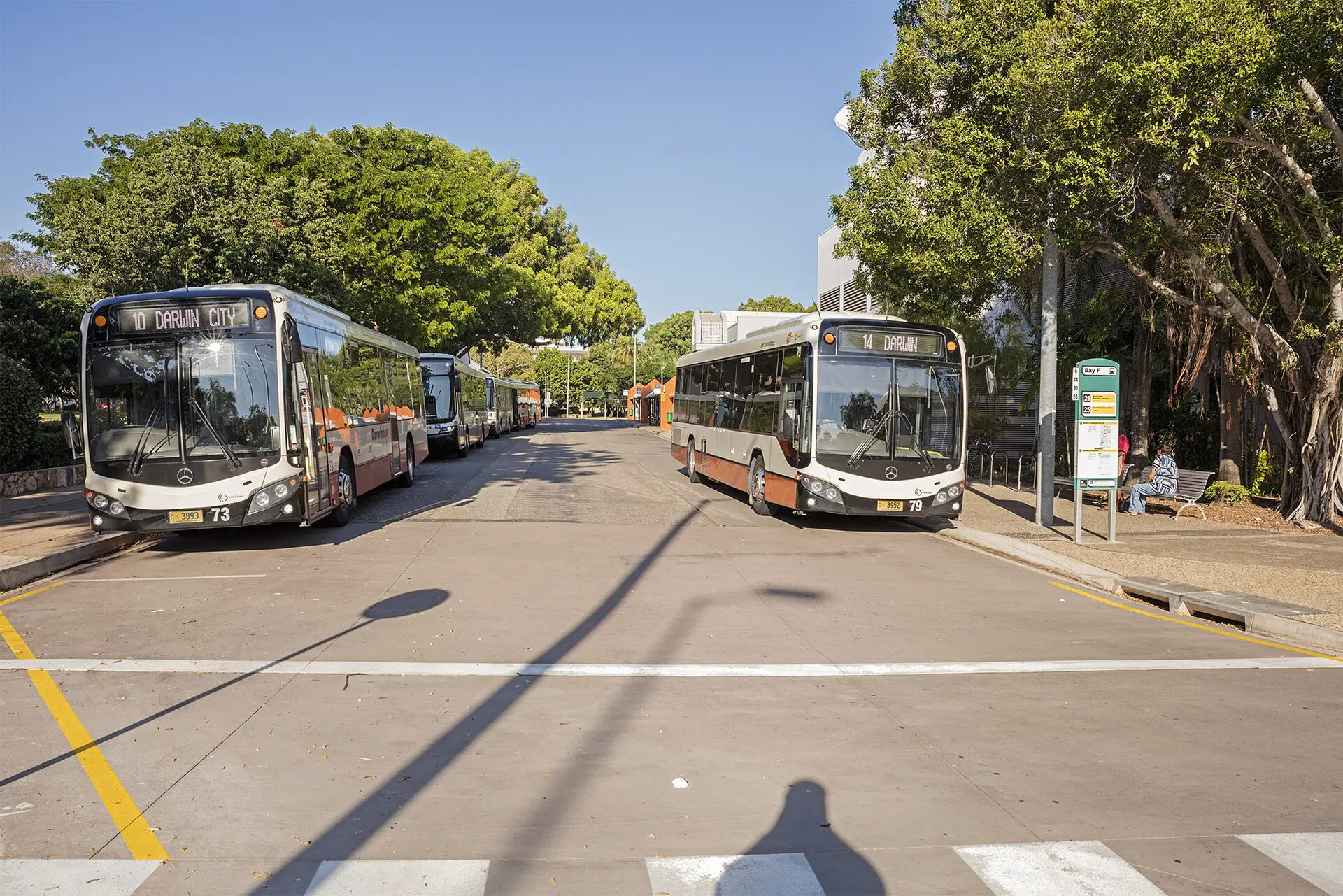
The city centre and waterfront are walkable, though heat and humidity make long walks tiring. Local buses serve the suburbs, and taxis and ride-hailing are available. To reach national parks and attractions outside the city, most visitors hire a car or join an organised tour. Check road conditions in the wet season, because some routes can close.
Where to stay in Darwin
Darwin is small, so the main choice is between the city centre and the surrounding suburbs.
- City centre: the best option for first-time visitors, with hotels, restaurants and the waterfront within walking distance. Suits short stays and travellers without a car.
- Waterfront precinct: newer hotels and apartments next to the lagoon, suiting couples and families who want harbour access.
- Mindil Beach and Cullen Bay area: a quieter, more residential stay near the beach and marina, good for sunsets and dining.
- Budget and hostels: available near the centre, popular with backpackers heading into the Top End.
Book early for the dry season, and check air conditioning and pool access, which matter in the heat.
How many days do you need?
Two days is enough to see the city, markets and waterfront. Three to five days lets you add a national park or a wildlife trip. If you have only one day, prioritise the museum, the waterfront and a sunset.
- Day 1: Museum and Art Gallery in the morning, waterfront in the afternoon, then sunset at Mindil Beach, ideally at the market.
- Day 2: Wartime sites and a wildlife attraction, followed by an evening harbour cruise.
- Day 3: Organised tour or drive into a Top End national park.
Plan outdoor activities for the morning or evening to avoid the midday heat.
Day trips and nearby
Kakadu National Park
A large national park east of Darwin, known for wetlands, rock art and wildlife. It is a long day trip, so many travellers stay overnight. Check seasonal access, since some areas close in the wet season.
Litchfield National Park
A smaller park south of Darwin with waterfalls and swimming holes. It is closer than Kakadu and suits a day trip by car or tour. Check current swimming conditions and park advice before you go.
Katherine and Nitmiluk
The town of Katherine lies several hours south along the Stuart Highway and is the base for river gorges. Plan at least one night, check tour availability and allow plenty of driving time.
Alice Springs and Uluru
These are in central Australia, and the distances from Darwin are very large. Most travellers fly, so plan them as a separate trip, not a day trip.
FAQ
Q1How many days do you need in Darwin?
Two days covers the city, markets and waterfront. Three to five days is better if you want to add a national park such as Kakadu or Litchfield. A single day only gives time for the main highlights and a sunset.
Q2When is the best time to visit Darwin?
The dry season, roughly May to October, is the best time, with sunny days and lower humidity. The wet season, from about November to April, is hot and humid with monsoon storms, and some tours and parks close or limit access.
Q3How do you get to Darwin?
Most visitors fly into Darwin Airport, about 12 km from the centre, with flights from other Australian cities and some Southeast Asian hubs. You can also drive the Stuart Highway from Alice Springs, though distances are very long.
Q4Is Darwin expensive?
Darwin can be pricey by Australian standards, especially in the dry season and for tours. Expect mid-range costs of roughly USD 120-220 per day. Free attractions such as the waterfront and markets help keep costs down.
Prices, schedules and entry rules change. Check current details with official sources before you travel. Read the Australia travel guide.