Why visit Hobart
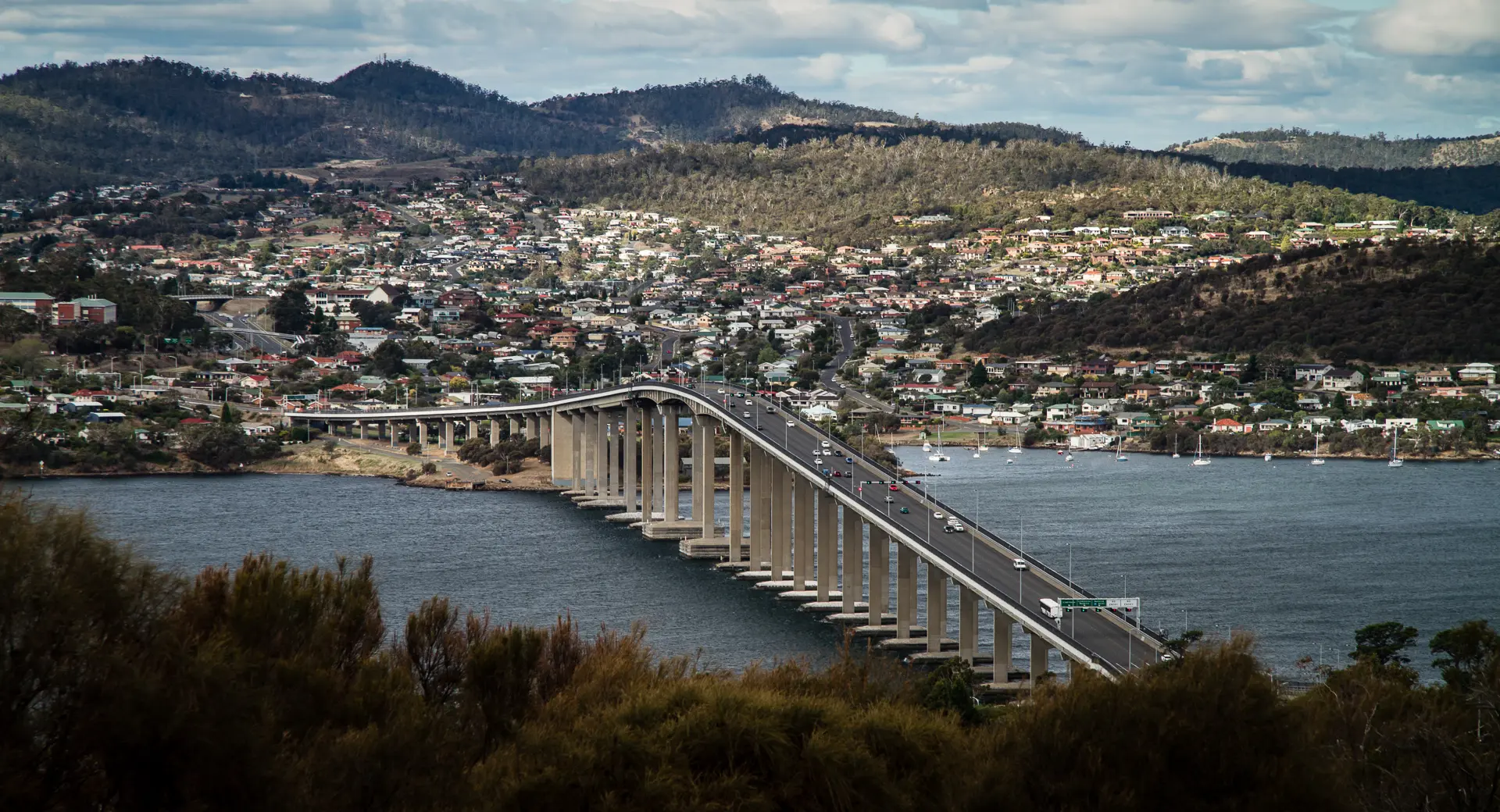
If you are planning things to do in Hobart, start with its setting. The city sits on the estuary of the River Derwent in south-east Tasmania, with the 1,271-metre kunanyi / Mount Wellington filling the skyline behind it. It is the southernmost capital city in Australia and the least populous state capital, with a population of around 255,000 in the Greater Hobart area.
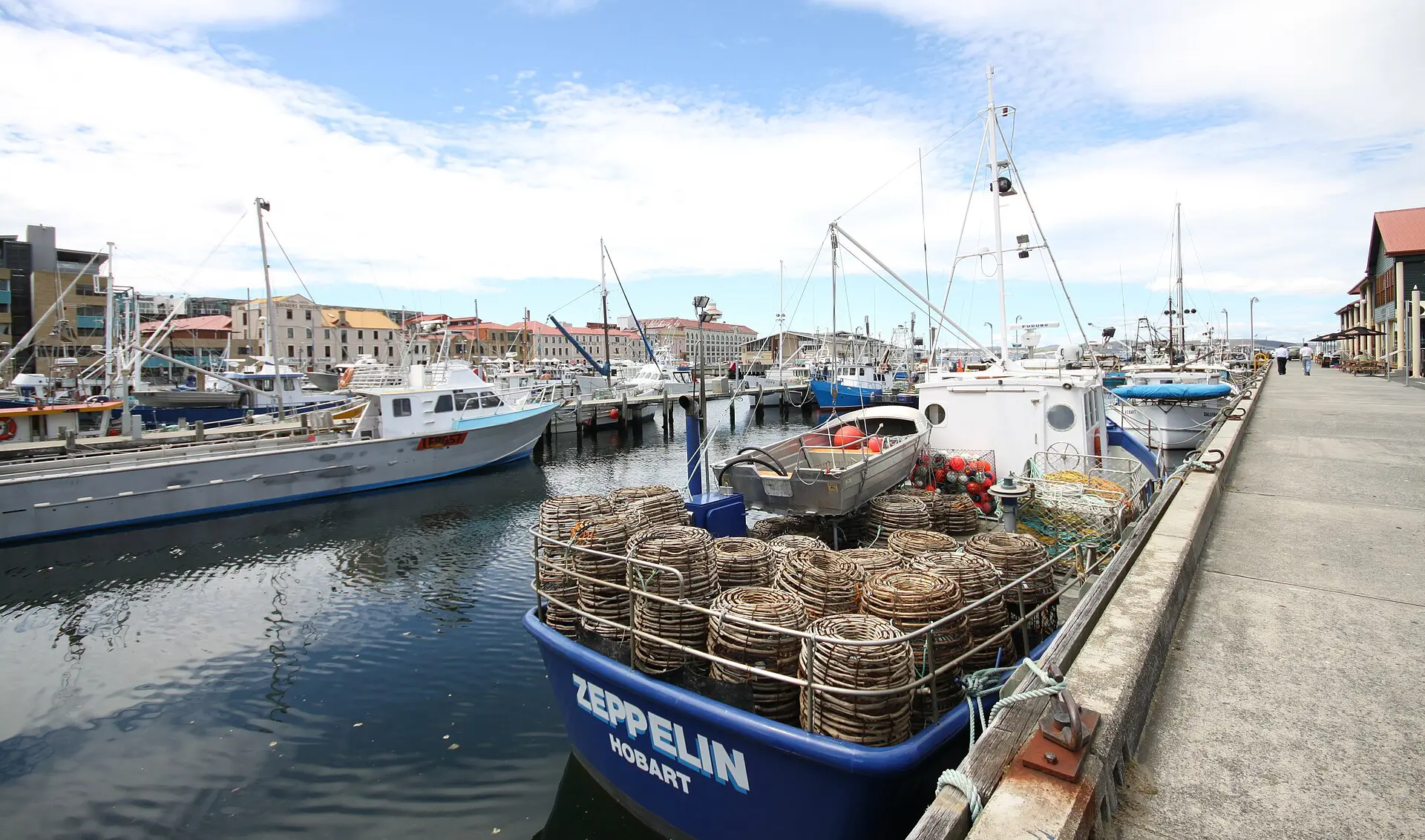
Founded in 1804, Hobart is the second oldest city in Australia, and its sandstone warehouses and waterfront streets reflect that. The scale is small enough to walk, yet the city has museums, markets and a strong food scene. It is also a gateway to southern Tasmania, so the harbour, the mountain and the coast are all within an easy drive. The city is built on the land known to the Muwinina people as nipaluna.
Top things to do in Hobart
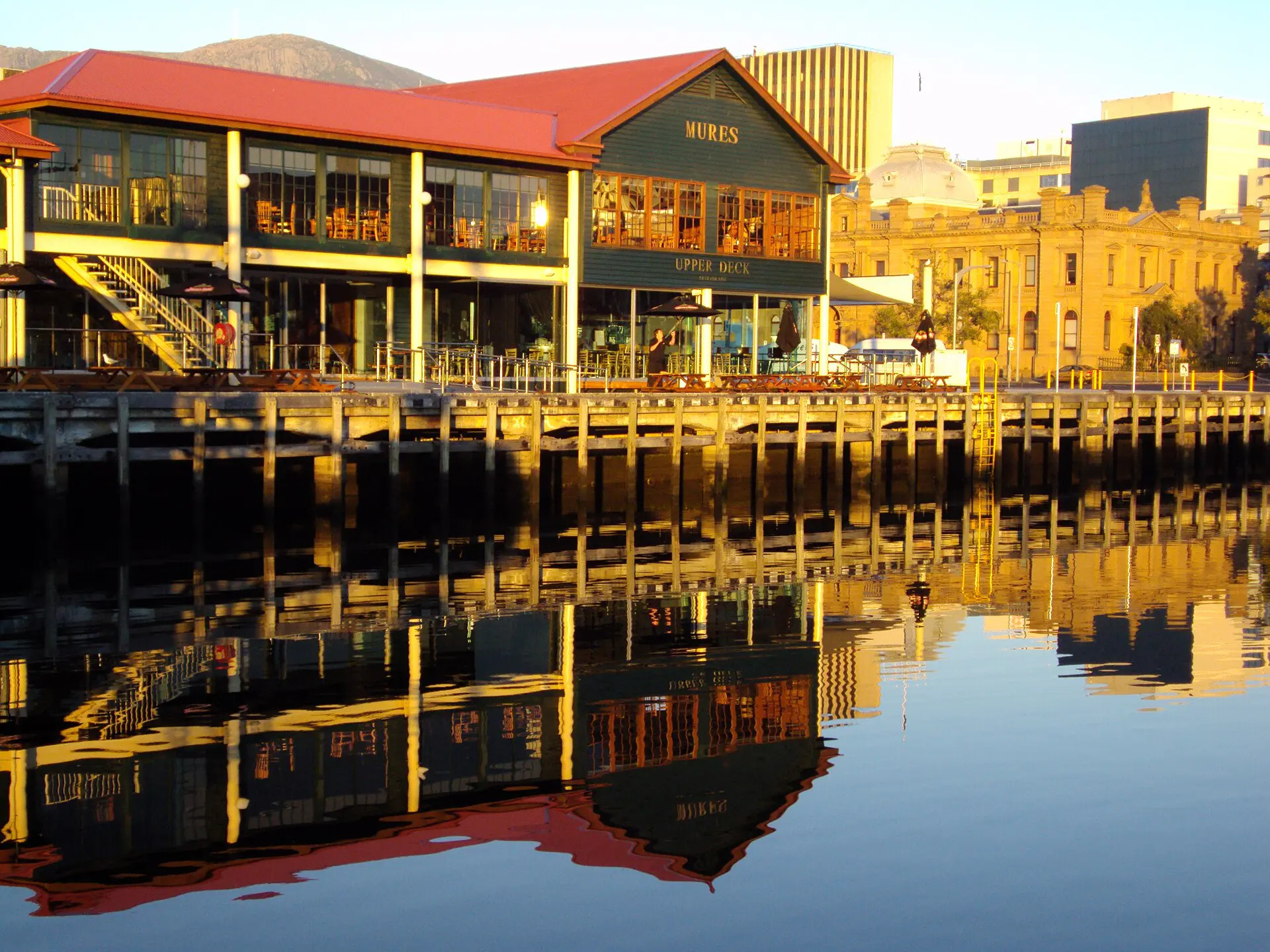
Salamanca Place
Salamanca Place is the best-known historic waterfront strip in Hobart, lined with 19th-century sandstone warehouses now used as cafes, galleries and shops. Allow one to two hours. A weekly market is held here on Saturdays, and it gets crowded by late morning, so arrive early or visit on another day for a quieter look.
Battery Point
Battery Point is a small, hilly neighbourhood of old cottages and narrow lanes just above Salamanca Place. It works well as a self-guided walk of about an hour, ending at the waterfront. Wear comfortable shoes, as the streets slope, and look for the older sandstone and timber houses that survive from the colonial era.
kunanyi / Mount Wellington
The mountain rises to 1,271 metres directly behind the city and offers wide views over Hobart, the Derwent and the surrounding coast. Plan two to three hours including the drive. The summit can be much colder and windier than the city, even in summer, so bring layers and check the road and weather status before you go.
Constitution Dock and the waterfront
Constitution Dock and the neighbouring Sullivans Cove docks are the working and leisure heart of the harbour. Fishing boats, yachts and seafood stalls make this a pleasant place for a one-hour stroll. Hobart is also one of the gateway cities for Antarctic expeditions, a link you can see reflected in the harbour.
Museums and galleries
Hobart has a strong museum and gallery scene, from colonial history to contemporary art, much of it close to the waterfront. Allow half a day for one major museum. Opening hours and ticket arrangements change, so check current details before you go, and book ahead for any ferry-based or timed-entry experiences.
Wildlife parks near Hobart
Wildlife parks and reserves near Hobart give you a chance to see Tasmanian animals up close. Allow two to three hours including travel. Mornings and evenings are usually when native animals are most active, and driving at dusk calls for extra care because wildlife often crosses roads.
Best time to visit Hobart
Hobart has a mild maritime climate, so there is no truly bad season, but the experience changes a lot. Summer (December to February) is warm and the busiest period, with the best conditions for the mountain, boat trips and outdoor markets. Autumn (March to May) is calmer and often settled, with good light for walking. Winter (June to August) is cold and wet at times, and snow can settle on the mountain, but crowds thin out. Spring (September to November) brings variable weather and blooming gardens.
| Season | Weather | Crowds and prices |
|---|---|---|
| Summer | Mild to warm | Busiest, highest prices |
| Autumn | Mild, often settled | Moderate |
| Winter | Cold, changeable | Quietest, lower prices |
| Spring | Variable, cool to mild | Moderate |
How to get to Hobart and around
Most visitors arrive by air. Hobart Airport is about 17 kilometres east of the centre and has regular flights from mainland Australian cities such as Sydney, Melbourne and Brisbane. Check current schedules, as routes change. Taxis, ride-share services and airport shuttles run into the city, and the trip usually takes around 20 to 25 minutes depending on traffic.
You can also reach Hobart by road from elsewhere in Tasmania, and a ferry links the mainland with the north of the island, followed by a drive of several hours. The central area is compact and easy to explore on foot. For the mountain, day trips and the wider south, a hire car gives the most flexibility. Local buses cover the suburbs, and tours handle some of the longer excursions if you prefer not to drive.
Where to stay in Hobart
The waterfront and Sullivans Cove area is the most convenient choice for first-time visitors. You can walk to Salamanca Place, the docks and many restaurants, though rooms here tend to cost more in summer. Battery Point suits travellers who want a quieter, residential feel with historic cottages and guesthouses within walking distance of the harbour.
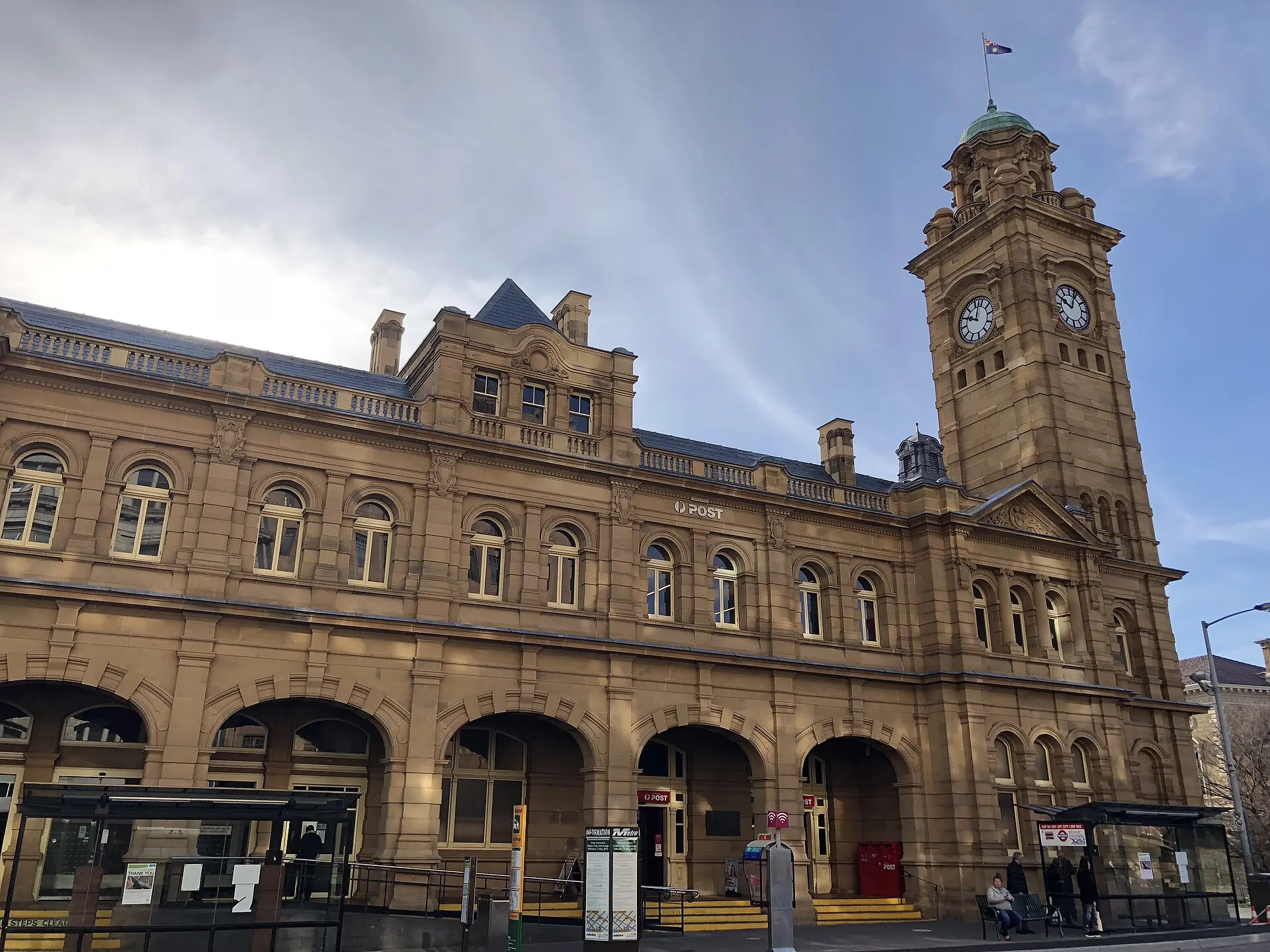
The central city streets offer a wider range of mid-range hotels and apartments, which suits short stays and anyone relying on public transport. If you have a car, accommodation in the surrounding suburbs or along the Derwent can cut costs and give easier parking. Book early for December to February and for major festival periods.
How many days do you need?
Two full days is enough to see the main sights, and three gives you time for the mountain and a slower pace. If you want day trips as well, plan four to five days in total.
- Day 1: Walk Salamanca Place, Battery Point and the waterfront, then visit a museum in the afternoon.
- Day 2: Drive up kunanyi / Mount Wellington in the morning, then spend the afternoon at a wildlife reserve or in the cafes of the city.
- Day 3: Take a day trip to the Tasman Peninsula, Bruny Island or the Huon Valley, depending on your interests.
Day trips and nearby
Tasman Peninsula
The Tasman Peninsula, south-east of Hobart, is known for its dramatic coastline and convict-era history. Allow a full day, as the drive is around 90 minutes each way. Bring layers for the coast and book any timed entries or boat trips in advance.
Bruny Island
Bruny Island lies south of Hobart and is reached by a short car ferry from Kettering, south of Hobart. It suits a long day or an overnight stay, with beaches, walks and local produce. Check ferry timetables, as queues build at busy times of year.
Huon Valley
The Huon Valley, south of the city, is an orchard and farming region with cideries, farm gates and river scenery. It is easy to combine with a drive to the coast. Allow half to a full day, and check seasonal opening times for farm stops.
Richmond and the Coal River Valley
Richmond is a historic village north-east of Hobart, known for its early colonial buildings and nearby wineries. It takes about 25 to 30 minutes by car, so it fits well into a half-day outing. Check winery hours before you set out.
FAQ
Q1When is the best time to visit Hobart?
December to March is the most popular period, with warm days, long daylight and the best conditions for the mountain and boat trips. Autumn is calmer and often settled. Winter is cold and quieter, with lower prices, and snow can reach the mountain.
Q2How many days do you need in Hobart?
Two to three days covers the waterfront, Battery Point, the mountain and a museum. If you want day trips to the Tasman Peninsula, Bruny Island or the Huon Valley, plan four to five days in total so you are not rushing between them.
Q3How do you get to Hobart?
Most visitors fly into Hobart Airport, roughly 20 to 25 minutes from the centre by road, with flights from several mainland cities. You can also arrive by ferry to the north of Tasmania and drive south, which takes several hours. Check schedules before booking.
Q4Is Hobart expensive?
Hobart is moderately priced by Australian standards, but costs rise in summer and during festivals. Mid-range travellers might budget around AUD 200 to 350 per day, depending on accommodation and car hire. Booking early and visiting in autumn or winter can lower costs.
Prices, schedules and entry rules change. Check current details with official sources before you travel. Read the Australia travel guide.